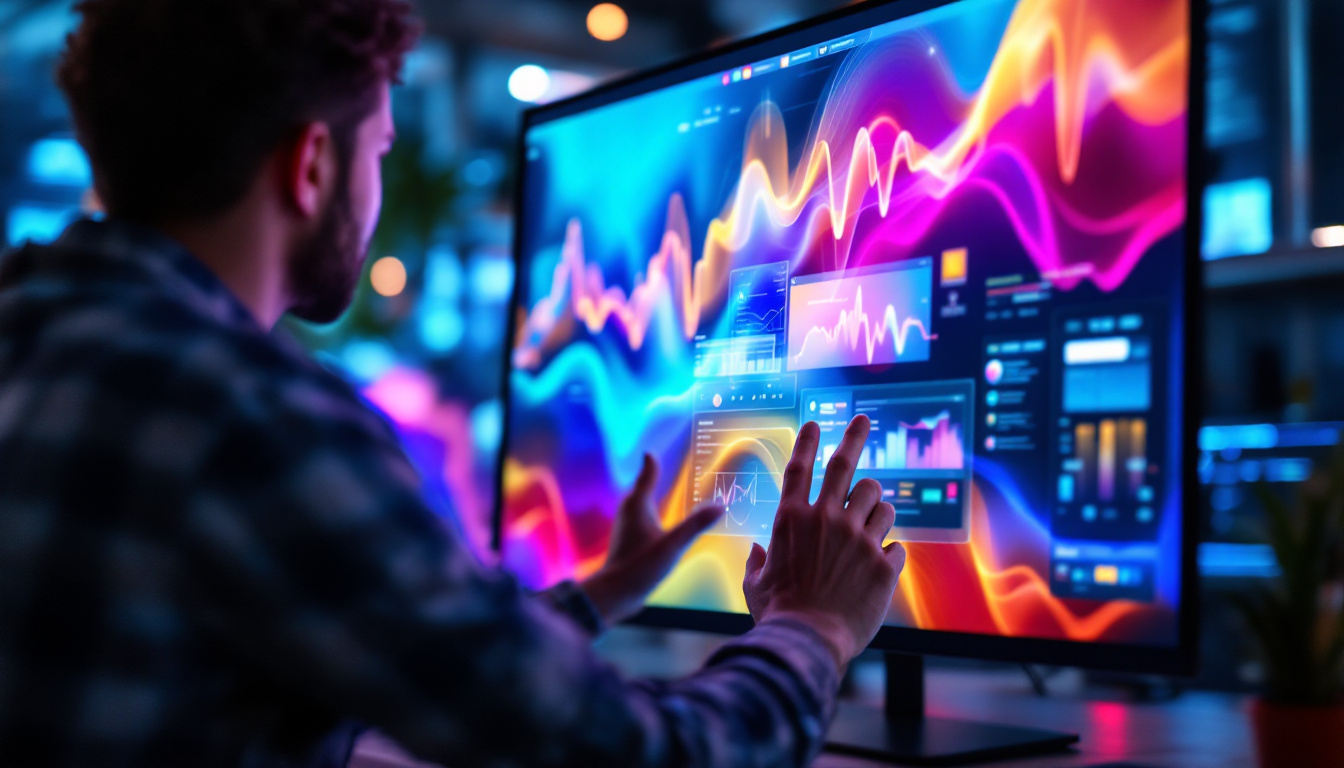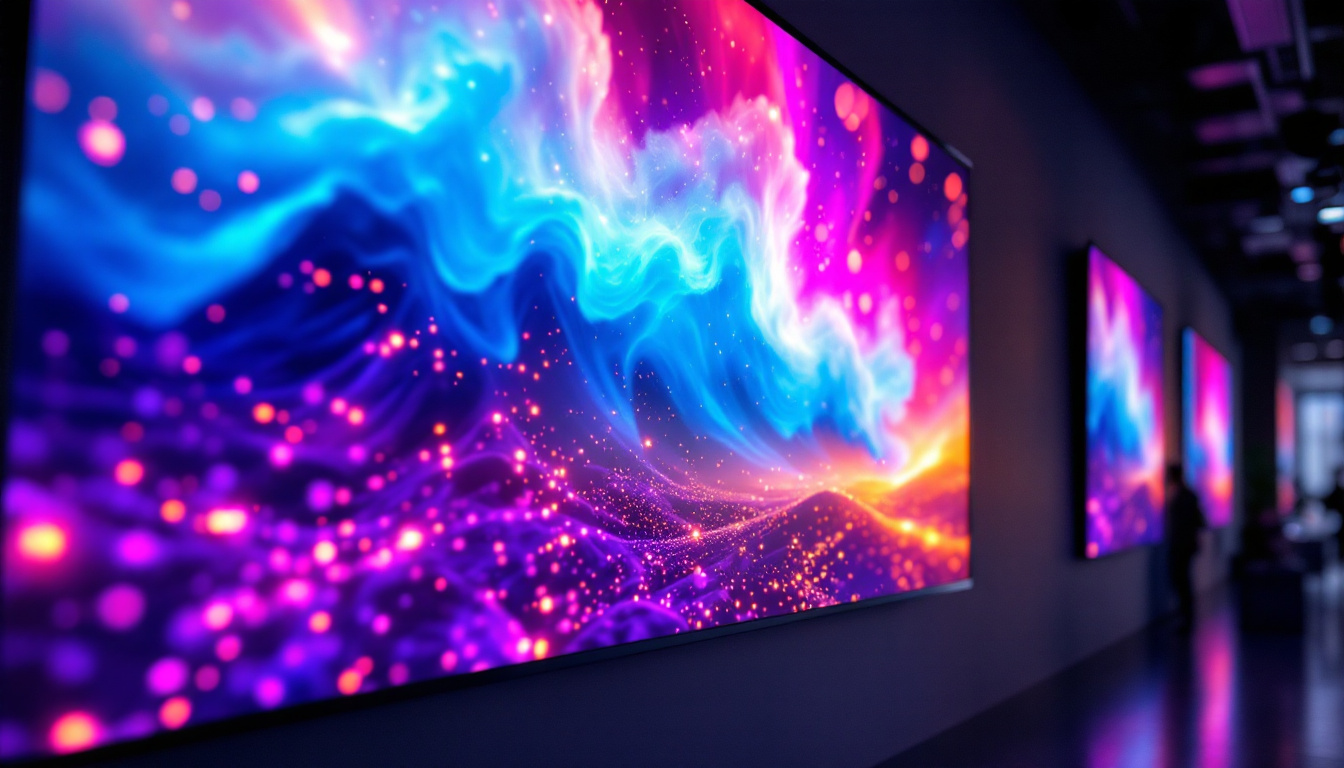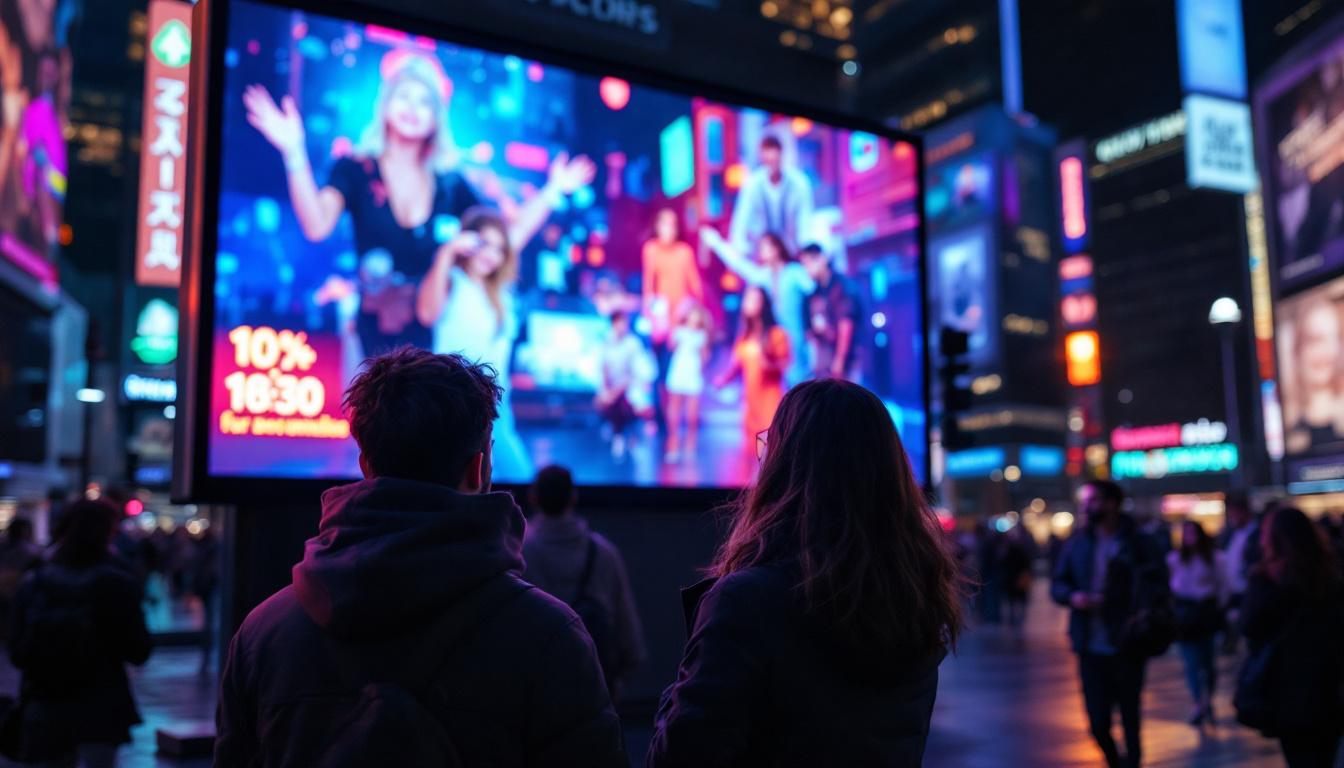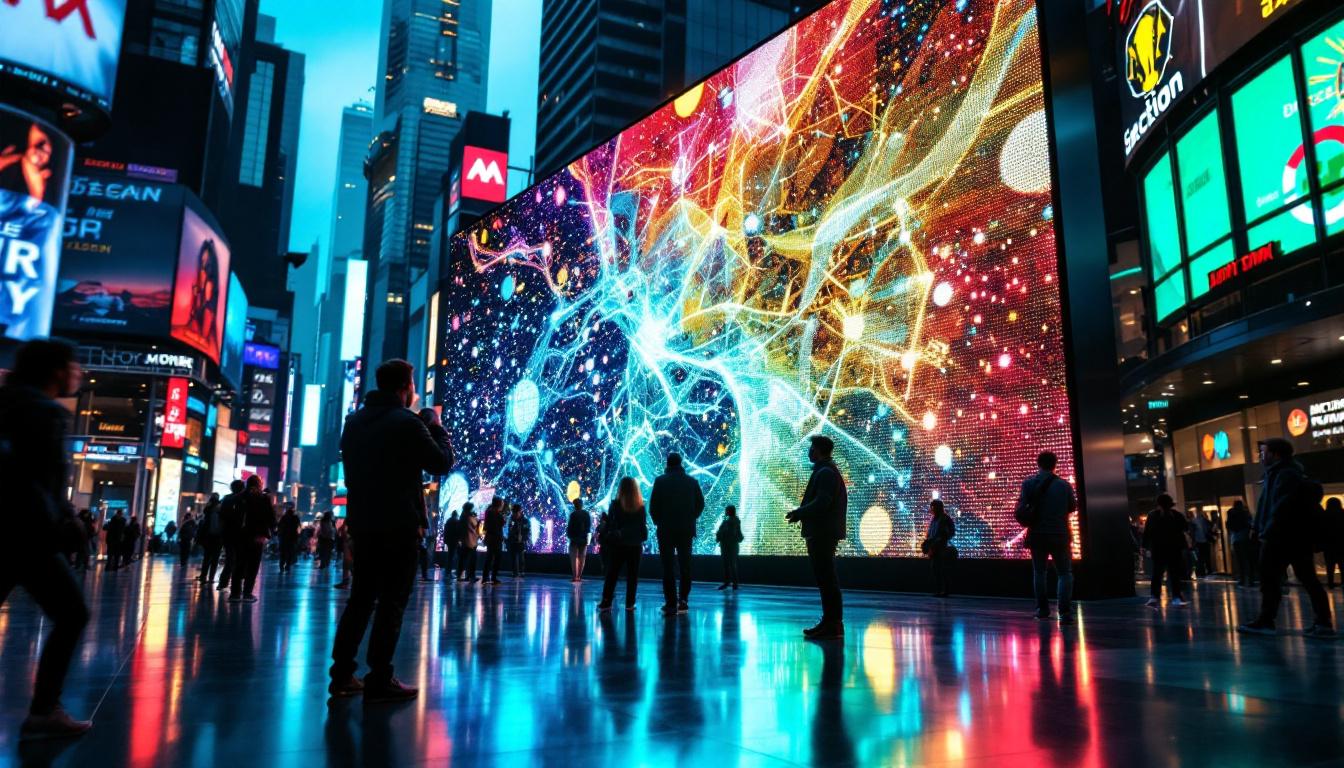
In today’s fast-paced digital world, the demand for dynamic and visually impactful displays has never been higher. Multi screen mounts paired with LED displays are revolutionizing how businesses, event organizers, and public spaces communicate with their audiences. From retail environments to control rooms, and from sports arenas to corporate lobbies, these setups offer unparalleled flexibility and visual clarity.
This article delves into the core concepts of multi screen mounts and LED displays, exploring their technology, benefits, and practical applications. Whether you’re considering an upgrade to your visual infrastructure or simply curious about the technology, this comprehensive guide will provide valuable insights.
Understanding Multi Screen Mounts and Their Importance
What is a Multi Screen Mount?
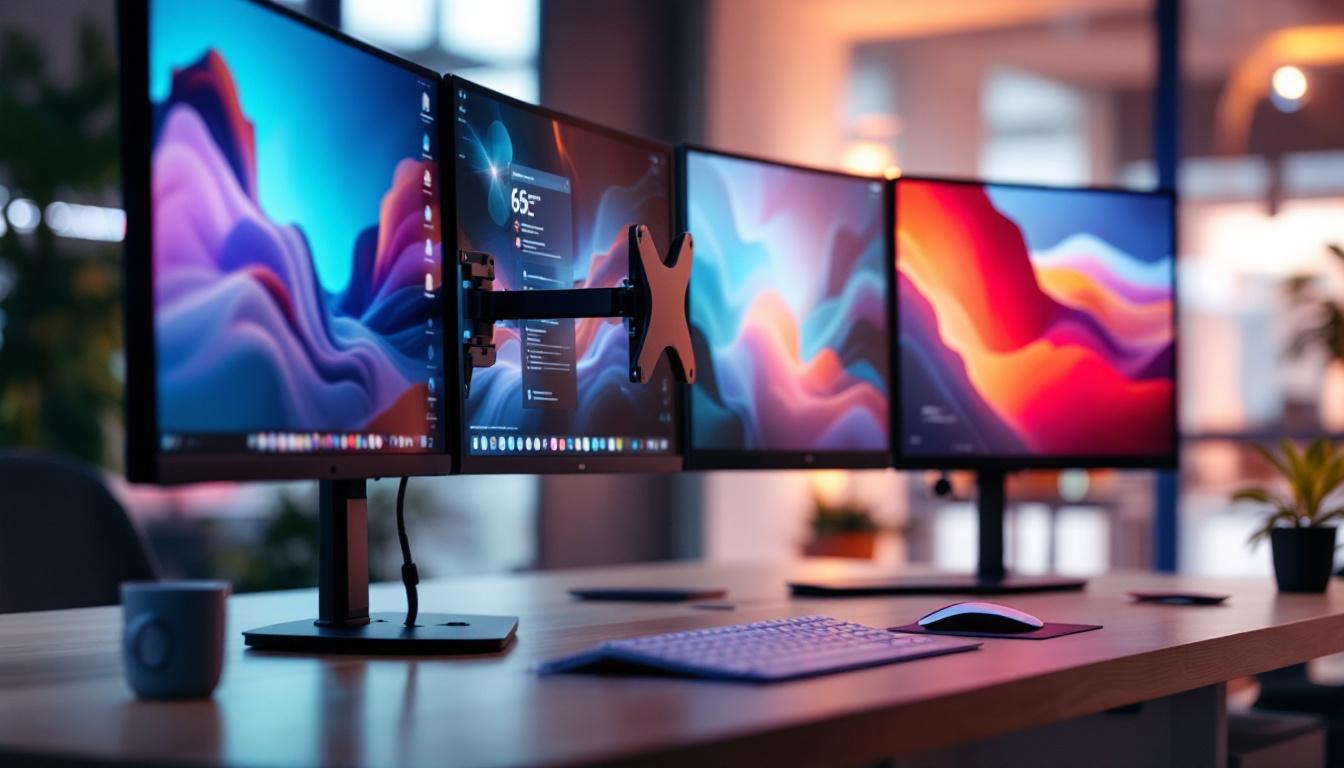
A multi screen mount is a hardware solution designed to hold and arrange multiple display screens in a cohesive and organized manner. These mounts enable the creation of video walls or multi-display setups by physically supporting and aligning screens side-by-side, stacked vertically, or in custom configurations.
Unlike traditional single-screen mounts, multi screen mounts must ensure precise alignment and stability to create a seamless visual experience. This is especially critical when using LED displays, where image continuity across screens is essential. The construction of these mounts often incorporates advanced engineering techniques to provide the necessary strength and durability while maintaining a sleek appearance that complements modern aesthetics.
Why Use Multi Screen Mounts?
Multi screen mounts offer several key advantages:
- Enhanced Visual Impact: Larger combined screen areas capture attention more effectively than single displays.
- Modular Flexibility: Screens can be added or rearranged to suit changing needs without replacing the entire setup.
- Space Efficiency: Vertical or angled arrangements maximize use of available space.
- Improved Viewing Angles: Adjustable mounts allow for optimal positioning for different audience perspectives.
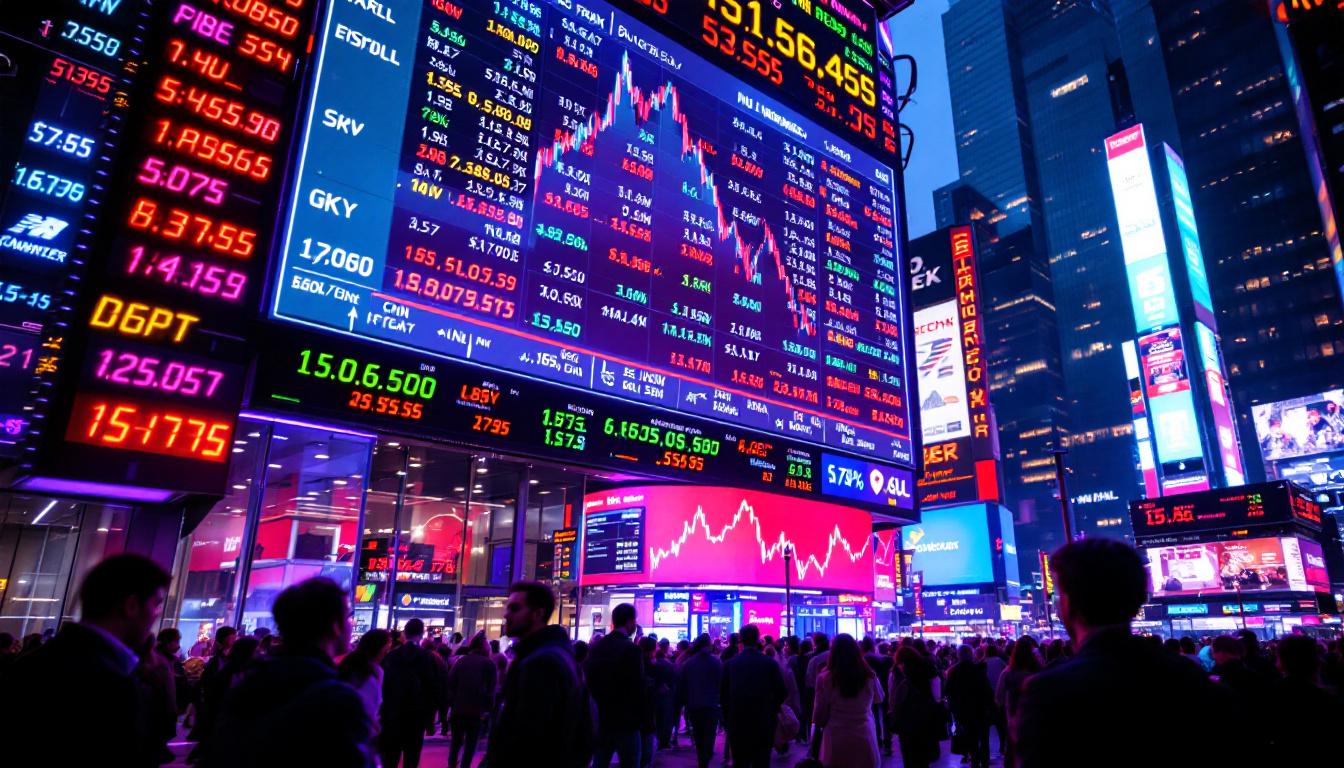
In environments like control rooms or trading floors, multi screen mounts enable professionals to monitor multiple data streams simultaneously, boosting productivity and decision-making. Additionally, they are increasingly being adopted in retail spaces, where businesses can showcase dynamic content across multiple screens to engage customers and enhance their shopping experience. The ability to display targeted advertisements or promotional videos in a synchronized manner can significantly influence consumer behavior, leading to increased sales.
Furthermore, multi screen mounts are also popular in educational settings, where they facilitate collaborative learning. By allowing multiple displays to be connected, educators can present information in a more interactive way, encouraging student participation and engagement. This setup not only fosters a more dynamic learning environment but also enables the integration of various multimedia resources, making lessons more impactful and memorable.
LED Displays: The Backbone of Modern Multi Screen Solutions
What is an LED Display?
LED (Light Emitting Diode) displays are screens made up of tiny light-emitting diodes that produce images through controlled illumination. These displays are known for their brightness, energy efficiency, and longevity compared to traditional LCD or plasma screens.
LED technology can be divided into two main categories:
- Direct View LED (DVLED): Uses individual LEDs as pixels, ideal for large-scale video walls and outdoor displays.
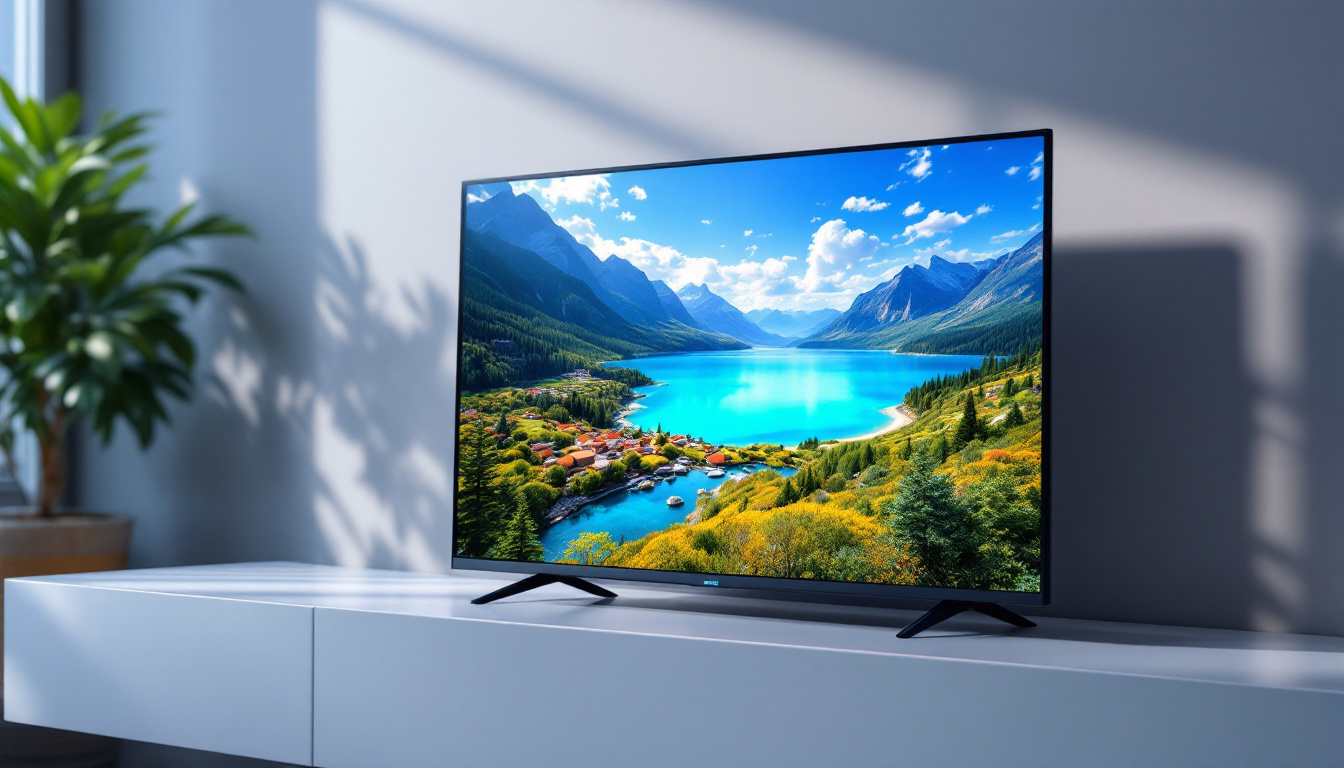
- LED-backlit LCD: LCD screens that use LEDs as a backlight source, common in consumer TVs and monitors.
For multi screen mounts, Direct View LED displays are typically preferred due to their scalability and superior image quality.
Advantages of LED Displays in Multi Screen Applications
LED displays offer several benefits that make them ideal for multi screen setups:
- High Brightness and Visibility: LEDs can produce intense brightness levels, ensuring clear visibility even in brightly lit environments.
- Wide Viewing Angles: LED displays maintain color accuracy and contrast across broad viewing angles, essential for public spaces.
- Seamless Image Quality: With narrow bezels and precise calibration, LED video walls can deliver nearly uninterrupted images.
- Energy Efficiency: LEDs consume less power than many other display technologies, reducing operational costs.
- Durability and Longevity: LED panels are built to withstand continuous use and harsh conditions, making them suitable for both indoor and outdoor use.
These features have contributed to the rapid adoption of LED displays in sectors such as advertising, entertainment, transportation hubs, and corporate communications.
Technical Considerations for Multi Screen LED Mounting
Mounting Precision and Alignment
One of the biggest challenges in multi screen LED installations is achieving perfect alignment between panels. Even minor misalignments can disrupt the visual continuity, creating distracting gaps or color inconsistencies.
High-quality multi screen mounts come with fine adjustment mechanisms that allow installers to level, tilt, and align each panel precisely. Some advanced mounts also incorporate motorized adjustments for remote calibration and maintenance.
Weight and Structural Support
LED panels, especially large-format Direct View LED modules, can be quite heavy. Multi screen mounts must be engineered to support the combined weight safely over long periods.
Structural considerations include:
- Load-bearing capacity of walls or support structures
- Use of reinforced mounting brackets and frames
- Compliance with local building and safety codes
Failing to account for these factors can lead to costly repairs or safety hazards.
Thermal Management
LED displays generate heat during operation, which can affect performance and lifespan if not properly managed. Multi screen mounts should allow for adequate airflow behind and between panels.
Some installations incorporate cooling systems or heat-dissipating materials to maintain optimal operating temperatures, especially in enclosed or high-temperature environments.
Cabling and Connectivity
Multi screen LED setups require extensive cabling for power, data, and control signals. Effective cable management is critical for both aesthetics and maintenance.
Mounts often include integrated cable channels or conduits to hide wiring and prevent tangling. Additionally, using standardized connectors and modular cabling systems simplifies installation and troubleshooting.
Applications of Multi Screen LED Displays
Retail and Advertising
Retailers leverage multi screen LED video walls to create immersive brand experiences and dynamic promotions. According to recent market research, digital out-of-home advertising is expected to grow at a CAGR of over 10% through 2027, driven by the adoption of LED video walls in shopping malls and storefronts.
These displays allow for real-time content updates, targeted messaging, and interactive elements that engage customers more effectively than static signage.
Corporate and Control Rooms
In corporate environments, multi screen LED displays are used for presentations, video conferencing, and data visualization. Control rooms in industries such as utilities, transportation, and emergency services rely on large LED video walls to monitor multiple information sources simultaneously.
This setup enhances situational awareness and facilitates rapid response to critical events.
Entertainment and Sports Venues
Sports arenas and concert venues utilize multi screen LED displays to provide spectators with close-up action, replays, and interactive content. The flexibility of LED video walls allows for creative configurations that enhance the overall fan experience.
Major stadiums worldwide are investing in ultra-high-definition LED displays to meet growing audience expectations for visual quality.
Public Spaces and Transportation Hubs
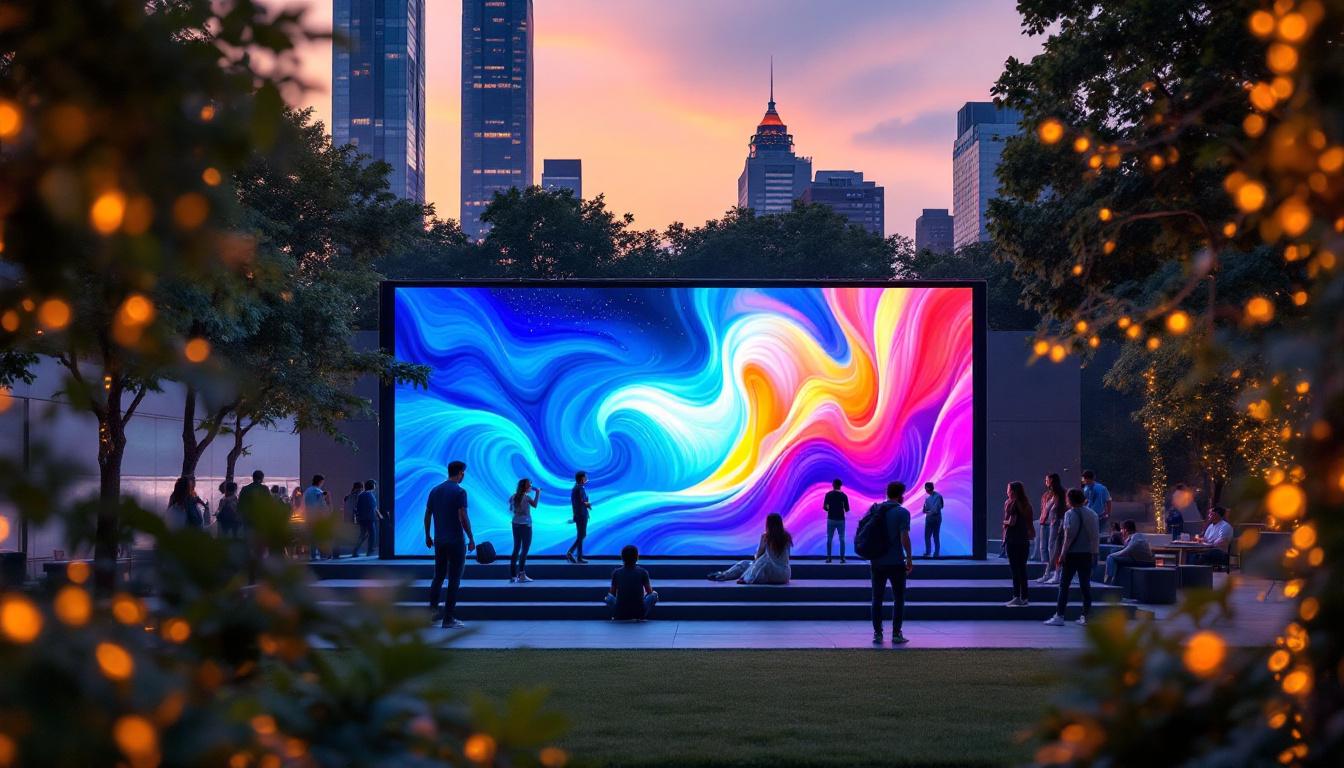
Airports, train stations, and urban centers deploy multi screen LED displays for wayfinding, information dissemination, and advertising. The durability and brightness of LED technology make it ideal for these high-traffic environments.
For example, some airports have installed expansive LED video walls that provide real-time flight information alongside engaging content, improving passenger experience.
Choosing the Right Multi Screen Mount and LED Display
Assessing Your Needs
Before investing in a multi screen LED setup, it’s crucial to evaluate your specific requirements:
- Viewing Distance and Angle: Determine how far and from which angles the audience will view the display.
- Environment: Consider indoor vs. outdoor use, ambient lighting, and temperature conditions.
- Content Type: High-motion video, static images, or mixed content may influence display specifications.
- Space Constraints: Measure available installation area and structural limitations.
Screen Resolution and Pixel Pitch
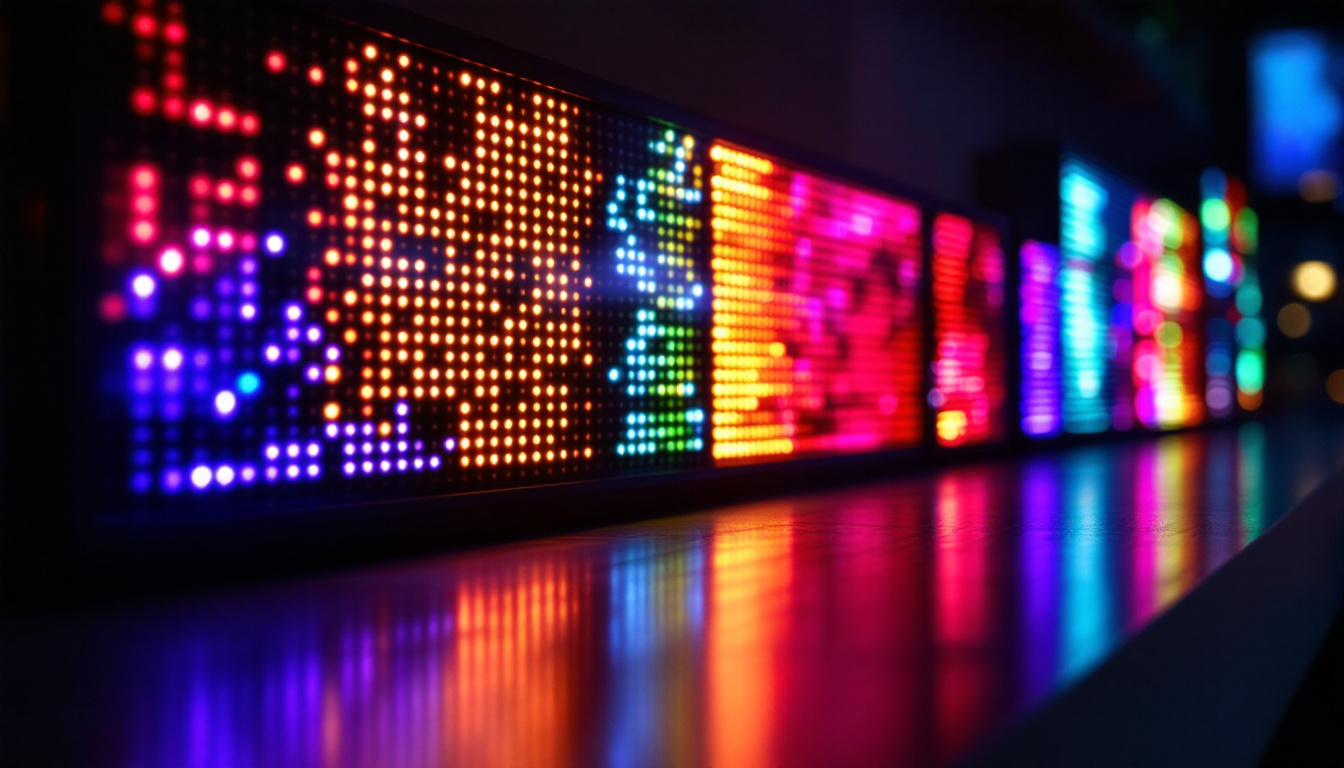
Pixel pitch, the distance between individual LEDs, directly affects image clarity. Smaller pixel pitches (e.g., 1.2mm to 2.5mm) are suitable for close viewing distances, while larger pitches (e.g., 4mm to 10mm) work well for distant viewers.
Choosing the right pixel pitch ensures optimal balance between image quality and cost.
Mounting System Features
Look for mounts that offer:
- Easy installation and adjustment
- Robust build quality and safety certifications
- Compatibility with your LED panels
- Integrated cable management
- Future scalability options
Professional Installation and Maintenance
Given the complexity of multi screen LED systems, professional installation is highly recommended. Experts can ensure precise alignment, secure mounting, and proper calibration.
Regular maintenance, including cleaning, software updates, and hardware inspections, prolongs the lifespan and performance of your display.
Future Trends in Multi Screen LED Displays
MicroLED and MiniLED Technologies
Emerging display technologies like MicroLED and MiniLED promise even higher brightness, better contrast, and improved energy efficiency. These advances will further enhance multi screen video walls, especially in demanding environments.
Interactive and Smart Displays
Integration of touch capabilities, AI-driven content management, and IoT connectivity is transforming LED video walls into interactive smart displays. This trend opens new possibilities for personalized advertising, real-time analytics, and enhanced user engagement.
Flexible and Curved Displays
Innovations in flexible LED panels enable curved and irregular video wall shapes, allowing designers to break free from traditional rectangular layouts and create visually stunning installations.
Conclusion
Multi screen mounts combined with LED displays represent a powerful solution for delivering impactful visual experiences across a wide range of industries. Their ability to create large, bright, and seamless images makes them indispensable in modern communication and entertainment.
Understanding the technical considerations, application possibilities, and future trends helps stakeholders make informed decisions when selecting and implementing these systems. As LED technology continues to evolve, multi screen video walls will play an increasingly central role in shaping how information and content are presented in public and private spaces alike.
Discover LumenMatrix’s Innovative LED Display Solutions
Ready to elevate your visual experience with the latest in LED display technology? LumenMatrix offers a comprehensive range of LED display modules, from vibrant Indoor and Outdoor LED Wall Displays to dynamic Vehicle and Sports LED Displays, and even customizable solutions tailored to your unique needs. Embrace the future of visual communication with our All-in-One and Transparent LED Displays, designed to captivate your audience and amplify your message. Don’t miss out on the opportunity to transform your space. Check out LumenMatrix LED Display Solutions today and see the difference for yourself.