In the world of digital signage, video walls, and large-format displays, the term “display bezel” frequently arises. Understanding what a display bezel is, especially in the context of LED displays, is essential for anyone involved in designing, installing, or using these technologies. This article delves into the concept of display bezels, their impact on LED display performance, and the latest advancements shaping the industry.
What Is a Display Bezel?
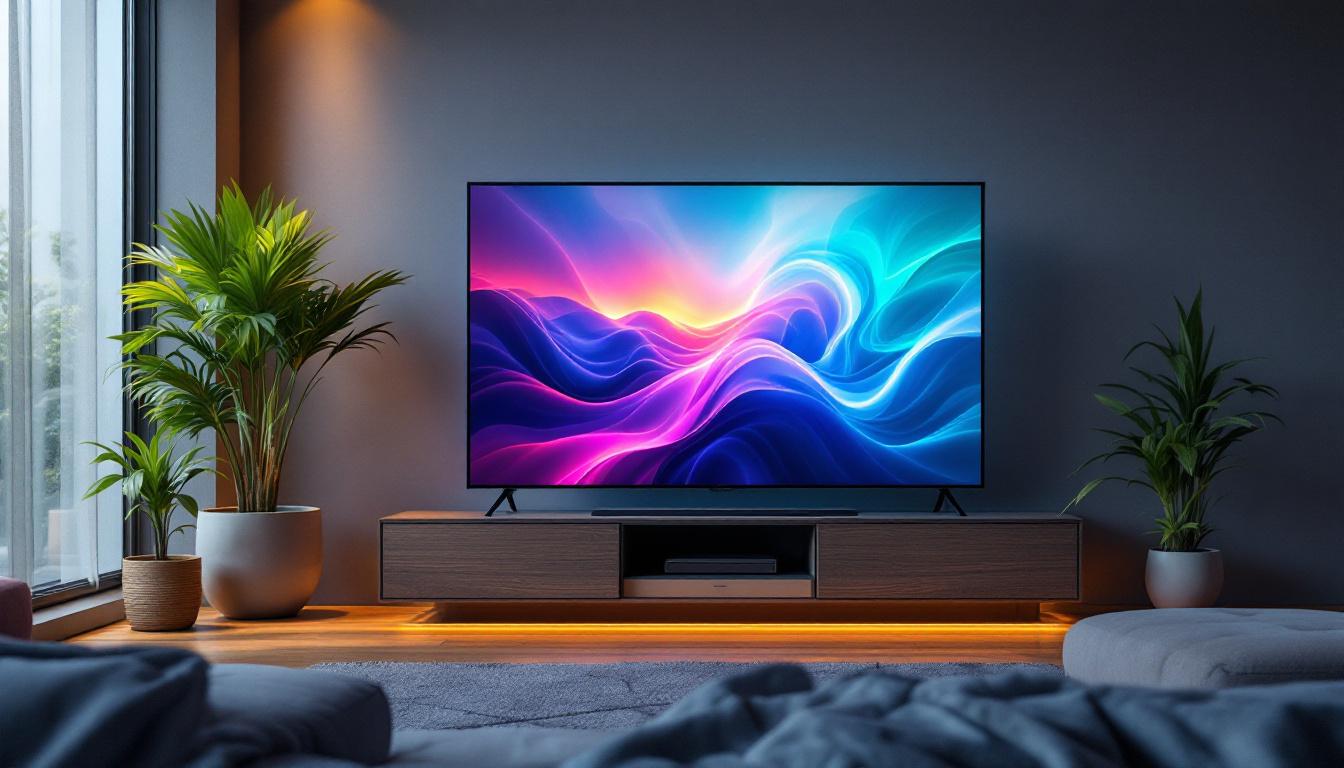
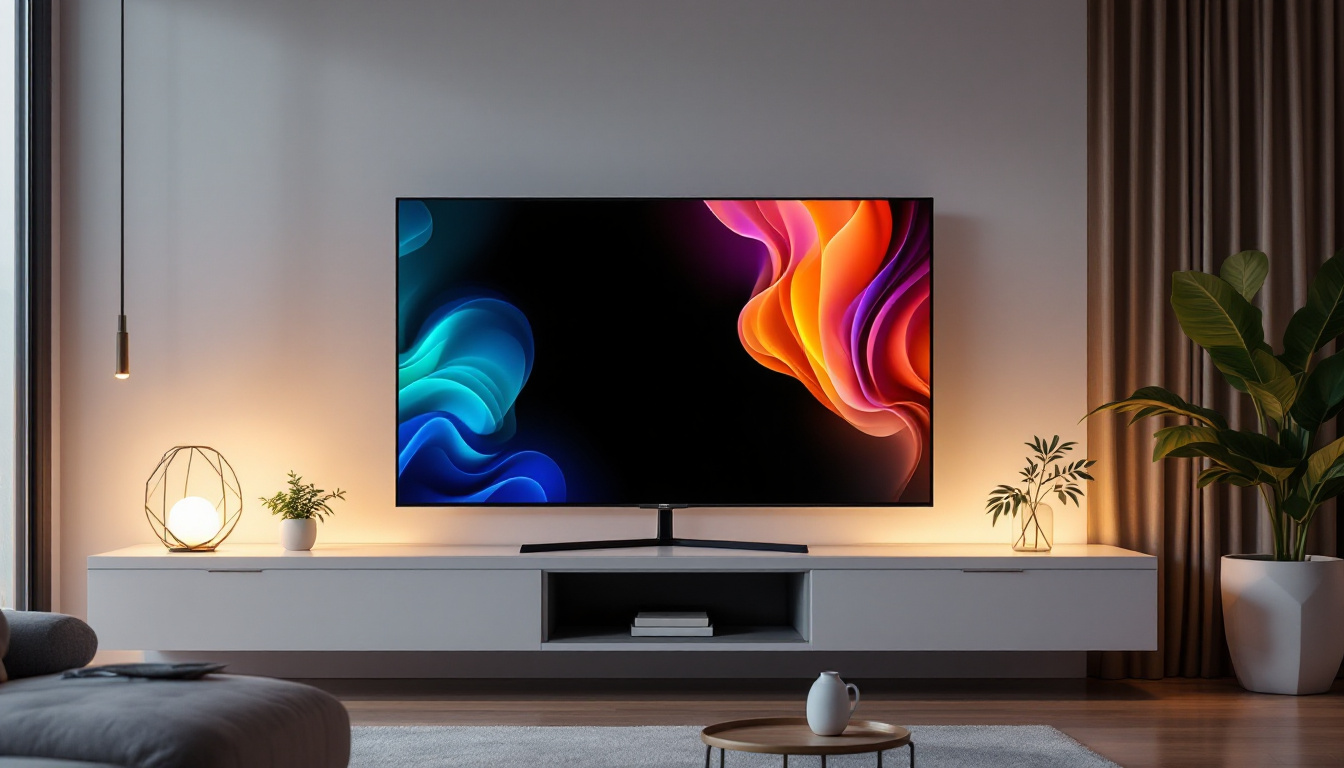
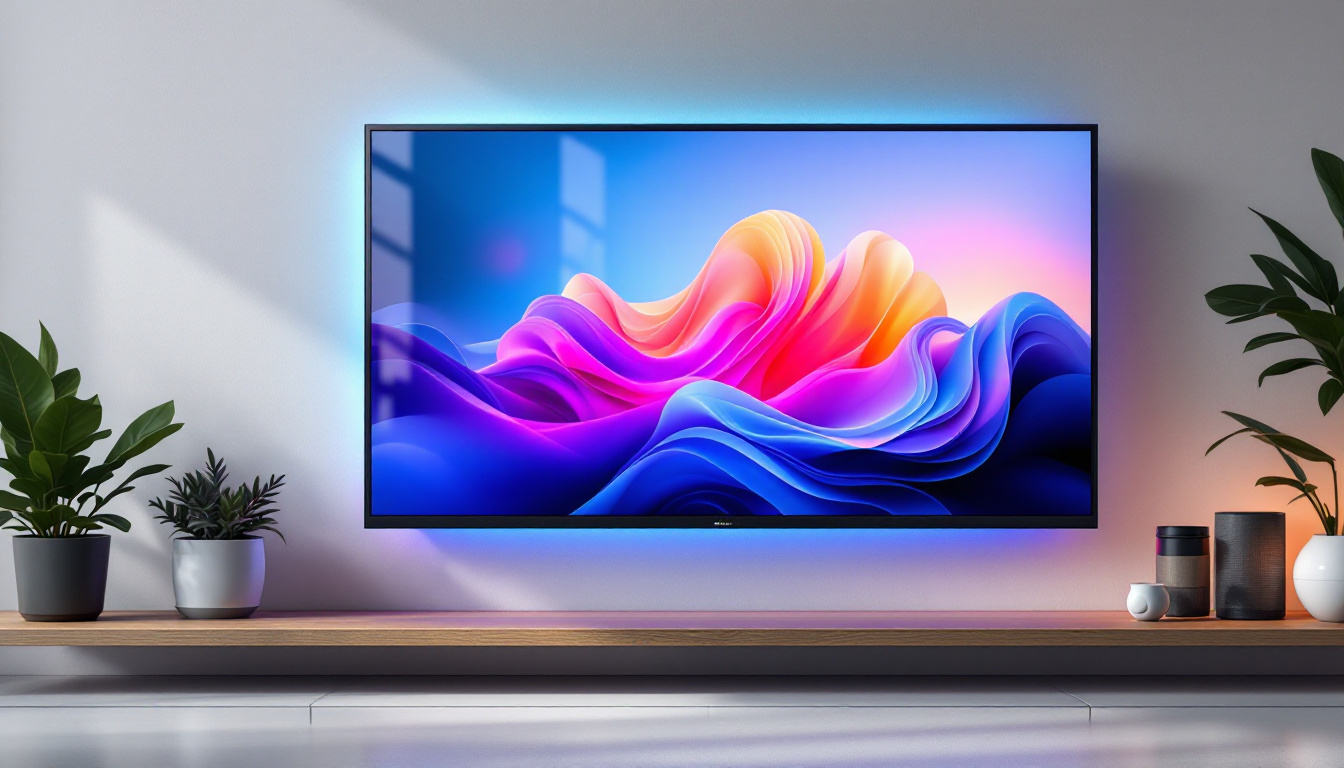
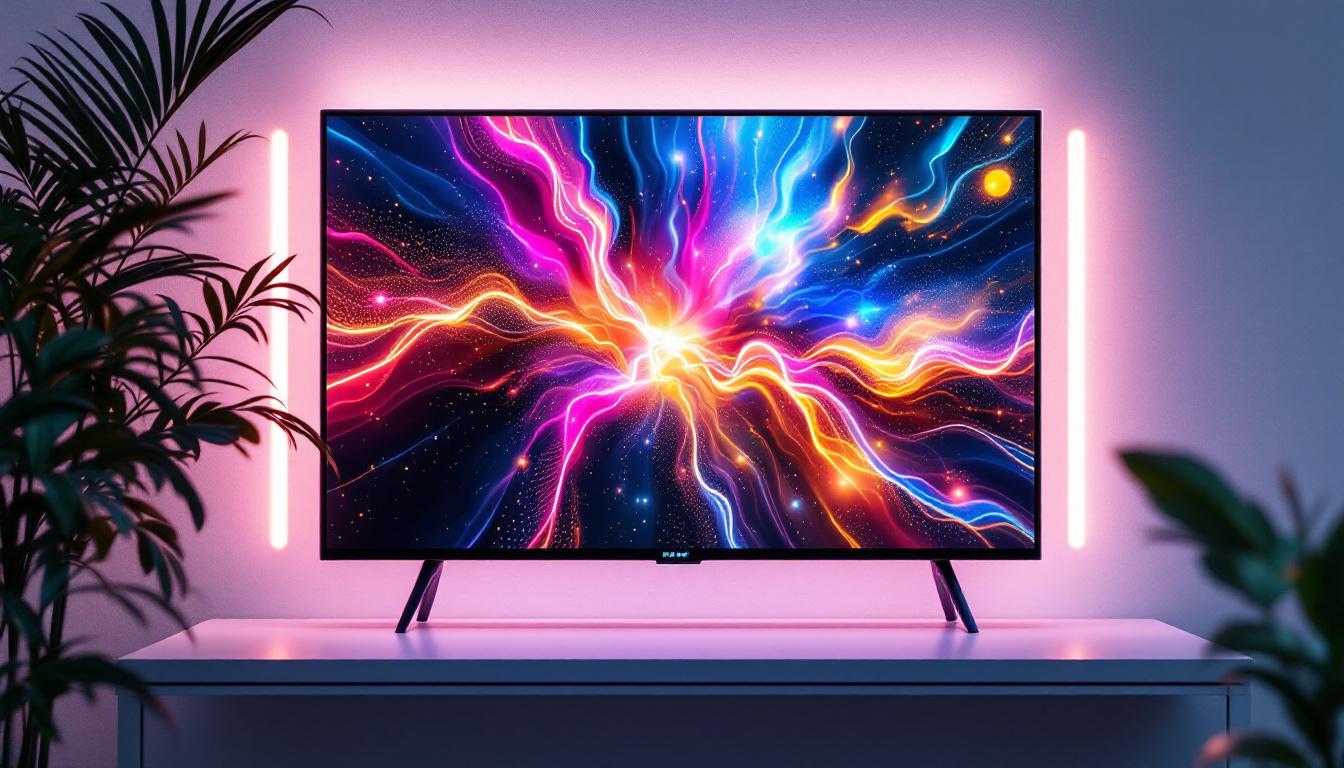
A display bezel refers to the frame or border surrounding the active display area of a screen. Traditionally, this bezel houses essential components such as wiring, control circuits, and structural supports. In consumer electronics like televisions and monitors, bezels serve both functional and aesthetic purposes, providing protection and defining the screen’s edges.
For LED displays, especially modular video walls composed of multiple panels, bezels are a critical design consideration. Each individual LED panel has its own bezel, and when these panels are tiled together to form a larger screen, the bezels create visible gaps or borders between the active display areas. This is particularly important in settings such as control rooms, retail displays, or event venues, where a cohesive visual presentation is paramount.
Bezel Width and Its Importance
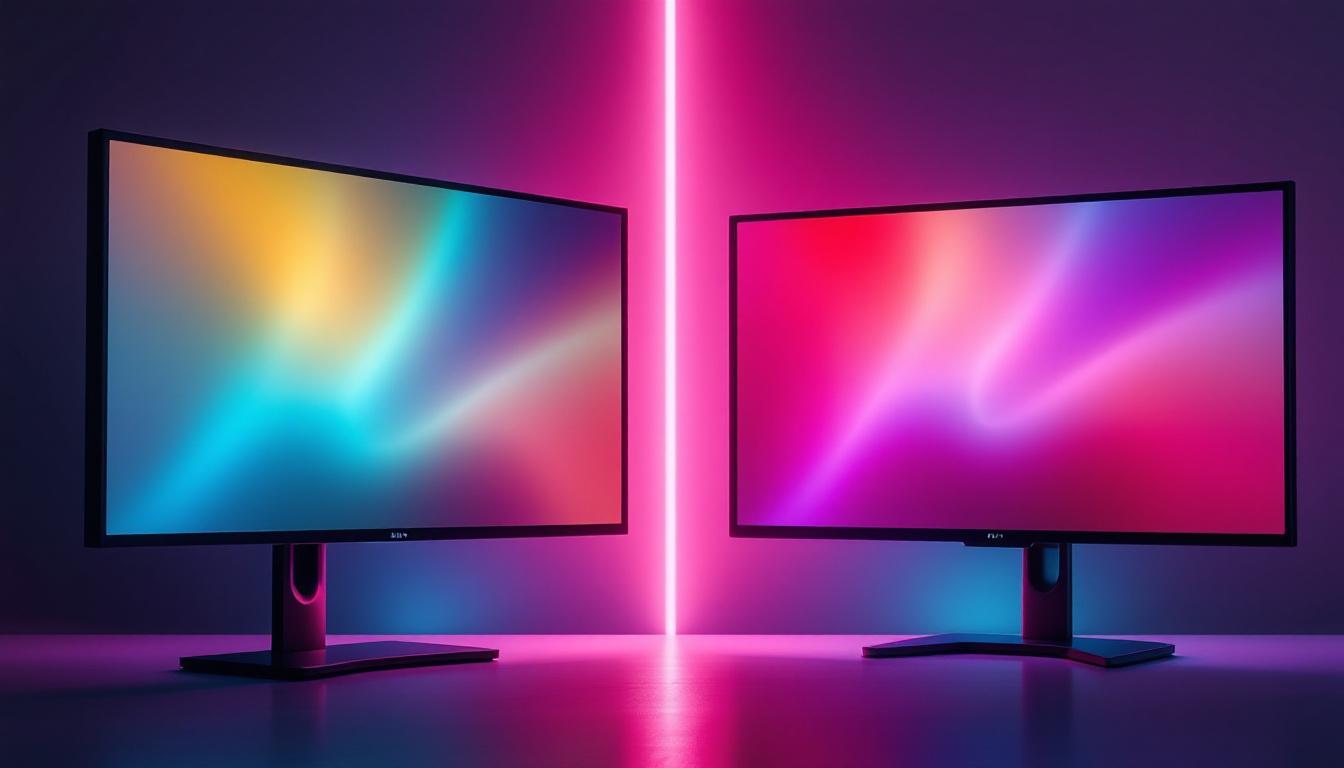
The width of the bezel is measured in millimeters and directly affects the visual continuity of a multi-panel display. Narrow bezels are preferred because they minimize the interruption between panels, creating a more seamless and immersive viewing experience. Conversely, wider bezels can be distracting, breaking the image into distinct sections.
For example, a typical consumer-grade LED video wall panel might have bezels ranging from 3 mm to 10 mm. In contrast, high-end commercial LED displays often feature ultra-narrow bezels as slim as 0.9 mm. This reduction in bezel width has been a key focus for manufacturers aiming to improve video wall aesthetics. The advancements in bezel technology not only enhance the visual appeal but also contribute to better functionality, allowing for more intricate designs and layouts that can adapt to various environments.
Additionally, the choice of bezel material can influence both durability and design. Manufacturers often use materials like plastic or metal, each offering different advantages in terms of weight, strength, and thermal management. For instance, metal bezels may provide better heat dissipation, which is crucial for high-performance displays used in demanding applications. Furthermore, the finish of the bezel—whether matte or glossy—can also impact how reflections and glare are managed, further enhancing the viewer’s experience. As display technology continues to evolve, the role of the bezel remains significant, balancing aesthetics with functionality in an increasingly visual world.
The Role of Bezels in LED Display Technology
LED (Light Emitting Diode) displays consist of numerous tiny LEDs arranged in a grid to produce images. Unlike LCD screens, which rely on backlighting and liquid crystals, LED displays emit their own light, offering superior brightness and contrast. However, when assembling large LED displays from multiple modules, bezels become a crucial factor affecting image quality.
Impact on Visual Experience
Bezels create physical gaps between LED panels, which can disrupt the continuity of the displayed image. This is particularly noticeable in applications such as control rooms, broadcast studios, retail environments, and sports arenas, where large, uninterrupted visuals are essential.
In a retail setting, for example, a video wall with wide bezels might detract from the advertising content’s impact, reducing viewer engagement. Similarly, in control rooms, bezel gaps can obscure critical data, affecting operational efficiency and decision-making. The visual fragmentation caused by bezels can lead to distractions, making it harder for viewers to focus on the overall message being conveyed. This is especially critical in environments where split-second decisions are made based on visual information, such as emergency response centers or financial trading floors.
Technological Innovations to Reduce Bezel Impact
To address the challenges posed by bezels, manufacturers have developed several innovations:
- Ultra-Narrow Bezel Panels: Advances in panel design and manufacturing techniques have enabled bezel widths to shrink dramatically. Some leading LED display manufacturers now offer panels with bezels under 1 mm.
- Bezel-Less and Seamless Displays: Emerging technologies aim to eliminate bezels entirely by using flexible LED strips or microLED technology, allowing for curved and seamless displays.
- Software Compensation: Image processing software can adjust content to minimize the visual disruption caused by bezels, though this is a partial solution.
Furthermore, the integration of artificial intelligence in display technology is paving the way for even more sophisticated solutions. AI algorithms can analyze the content being displayed and make real-time adjustments to ensure that the visual experience remains cohesive, even in the presence of bezels. This capability is particularly beneficial in dynamic environments where content is frequently updated, such as digital signage in airports or public transport systems. As the demand for larger and more immersive displays continues to grow, the ongoing evolution of bezel technology will play a pivotal role in shaping the future of visual communication.
Types of LED Display Bezels
Not all LED display bezels are created equal. Understanding the different types helps in selecting the right display solution for specific applications.
Standard Bezel Displays
Standard bezel displays have traditional frames around each panel, often ranging from 3 mm to 10 mm in width. These are common in budget-friendly video wall solutions and environments where bezel visibility is less critical.
While cost-effective, these displays may not be suitable for high-end applications where image continuity is paramount. In settings like classrooms or small conference rooms, however, standard bezel displays can still provide adequate performance, delivering clear images and vibrant colors without breaking the bank. Their durability and ease of installation make them a popular choice for temporary setups or events where high-end specifications are not a primary concern.
Ultra-Narrow Bezel Displays
Ultra-narrow bezel displays have significantly reduced frame widths, typically between 0.9 mm and 3 mm. These are widely used in professional environments such as broadcast studios, corporate boardrooms, and high-end retail installations.
By minimizing the bezel, these displays provide a near-seamless viewing experience, enhancing immersion and visual appeal. The technology behind ultra-narrow bezels often includes advanced calibration techniques that ensure color consistency across panels, making them ideal for applications that require precise visual fidelity. Furthermore, the sleek design of ultra-narrow bezel displays allows for creative configurations, enabling businesses to create stunning video walls that captivate audiences and elevate brand presence.
Seamless and Bezel-Less Displays
Seamless LED displays represent the cutting edge of display technology. These displays either have no visible bezels or use innovative mounting techniques to align panels perfectly without gaps.
MicroLED technology, for instance, allows for displays that are modular but appear as a single continuous screen. Such solutions are ideal for large-scale installations like stadiums, digital billboards, and immersive environments. The flexibility of seamless displays also extends to their scalability; they can be expanded or reconfigured easily to fit various spaces and needs. This adaptability makes them a favorite among event organizers and advertisers who seek to create dynamic visual experiences that can be tailored for different audiences and venues, ensuring that the content remains engaging and impactful regardless of the setting.
Choosing the Right Bezel for Your LED Display
Selecting the appropriate bezel type depends on several factors, including application, budget, viewing distance, and installation environment.
Application and Viewing Distance
In environments where viewers are close to the display, such as retail stores or control rooms, ultra-narrow or seamless bezels are preferable to avoid distracting gaps. For displays viewed from a distance, such as outdoor billboards, bezel width is less critical.
Budget Considerations
Ultra-narrow and seamless displays typically come at a premium price due to advanced manufacturing processes and materials. Organizations must balance the desired visual quality with budget constraints.
Installation and Maintenance
Displays with narrower bezels may require more precise installation and alignment, increasing setup complexity and maintenance requirements. It is essential to work with experienced integrators to ensure optimal results.
Future Trends in LED Display Bezels
The LED display industry continues to evolve rapidly, driven by demand for higher resolution, larger screens, and more immersive experiences. Bezel technology is no exception.
MicroLED and Beyond
MicroLED technology is poised to revolutionize display design by enabling truly bezel-less, flexible, and ultra-high-resolution displays. These displays consist of microscopic LEDs that can be individually controlled, allowing for unprecedented image quality and design freedom.
While still emerging, MicroLED displays are expected to become more accessible in the coming years, potentially rendering traditional bezel concerns obsolete.
Flexible and Curved Displays
Advances in flexible LED panels allow for curved and irregularly shaped displays that can wrap around surfaces or create immersive environments. These designs often require innovative bezel solutions or eliminate bezels entirely to maintain visual continuity.
Integration with Smart Technologies
Future LED displays may integrate bezel sensors and smart calibration tools that automatically adjust for bezel gaps, ambient lighting, and viewing angles, enhancing the overall user experience.
Conclusion
The display bezel remains a fundamental aspect of LED display technology, influencing both the visual quality and functional performance of video walls and large-format screens. Understanding bezel types, their impact on image continuity, and the latest innovations helps businesses and professionals make informed decisions when selecting LED display solutions.
As technology advances, bezel widths continue to shrink, and seamless displays become more prevalent, offering increasingly immersive and visually stunning experiences. Staying informed about these developments is crucial for anyone invested in the future of digital display technology.
Explore Cutting-Edge LED Display Solutions with LumenMatrix
Ready to elevate your visual experience with the latest in LED display technology? LumenMatrix is at the forefront of innovation, offering a wide range of LED display solutions designed to captivate your audience and amplify your message. From Indoor and Outdoor LED Wall Displays to specialized options like Vehicle, Sports, and Floor LED Displays, our products are crafted to deliver unparalleled brand visibility and immersive visual experiences. Discover how our Custom, All-in-One, and Transparent LED Displays can transform your communication strategy. Check out LumenMatrix LED Display Solutions today and join the revolution in visual engagement.