Flat Screen TV: LED Display Explained
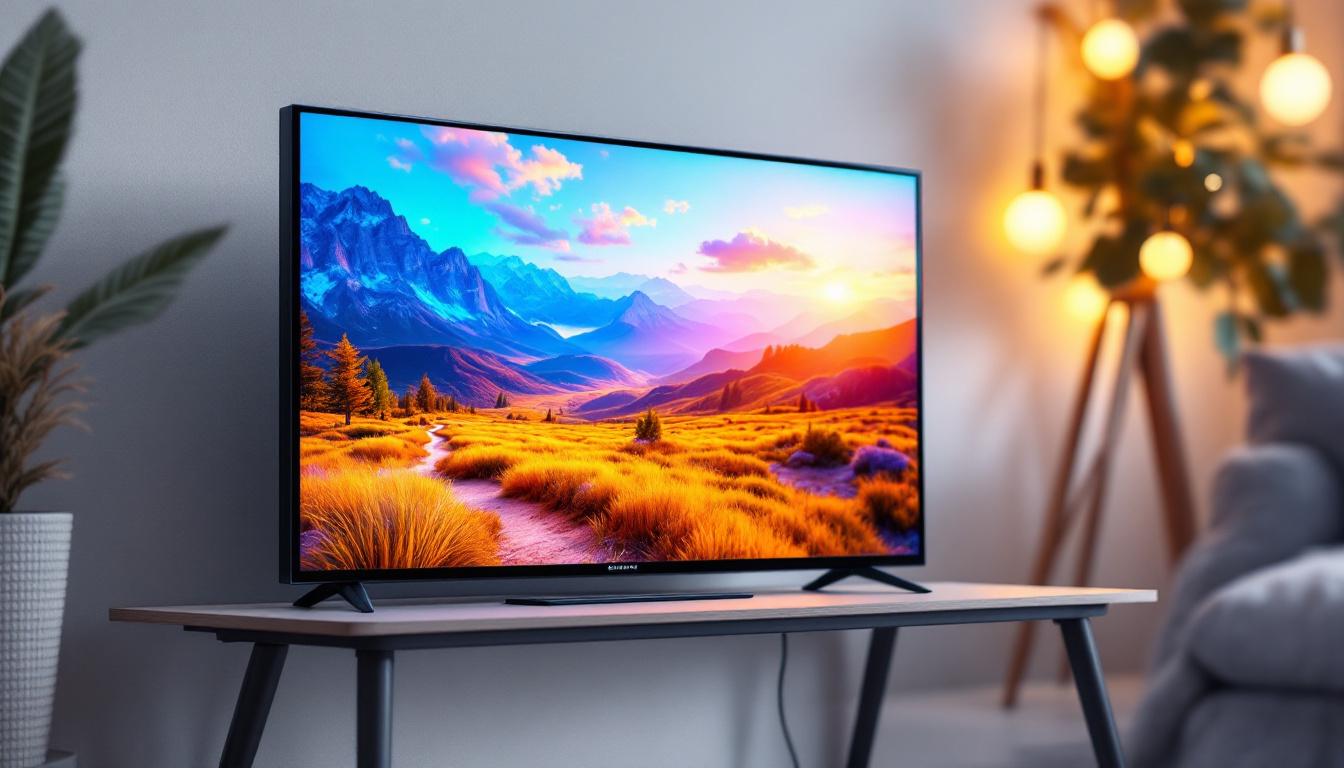
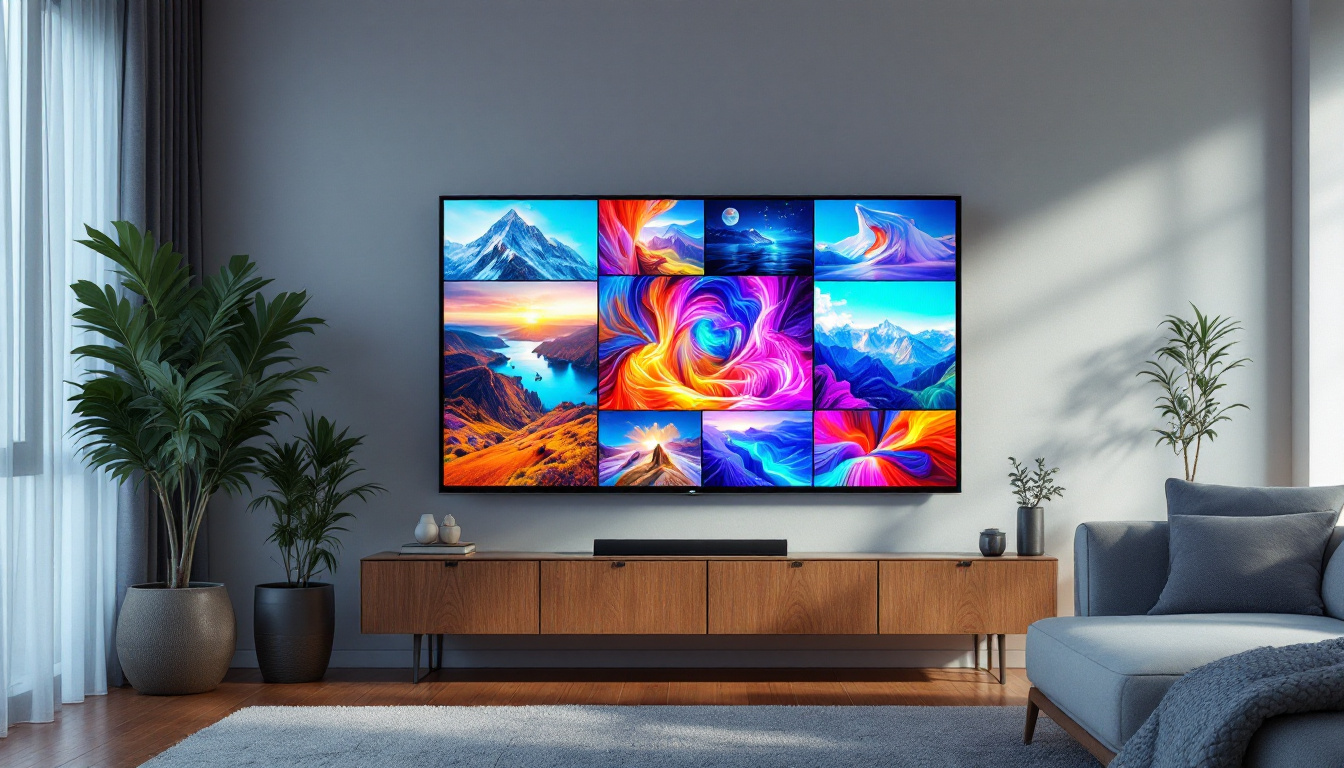
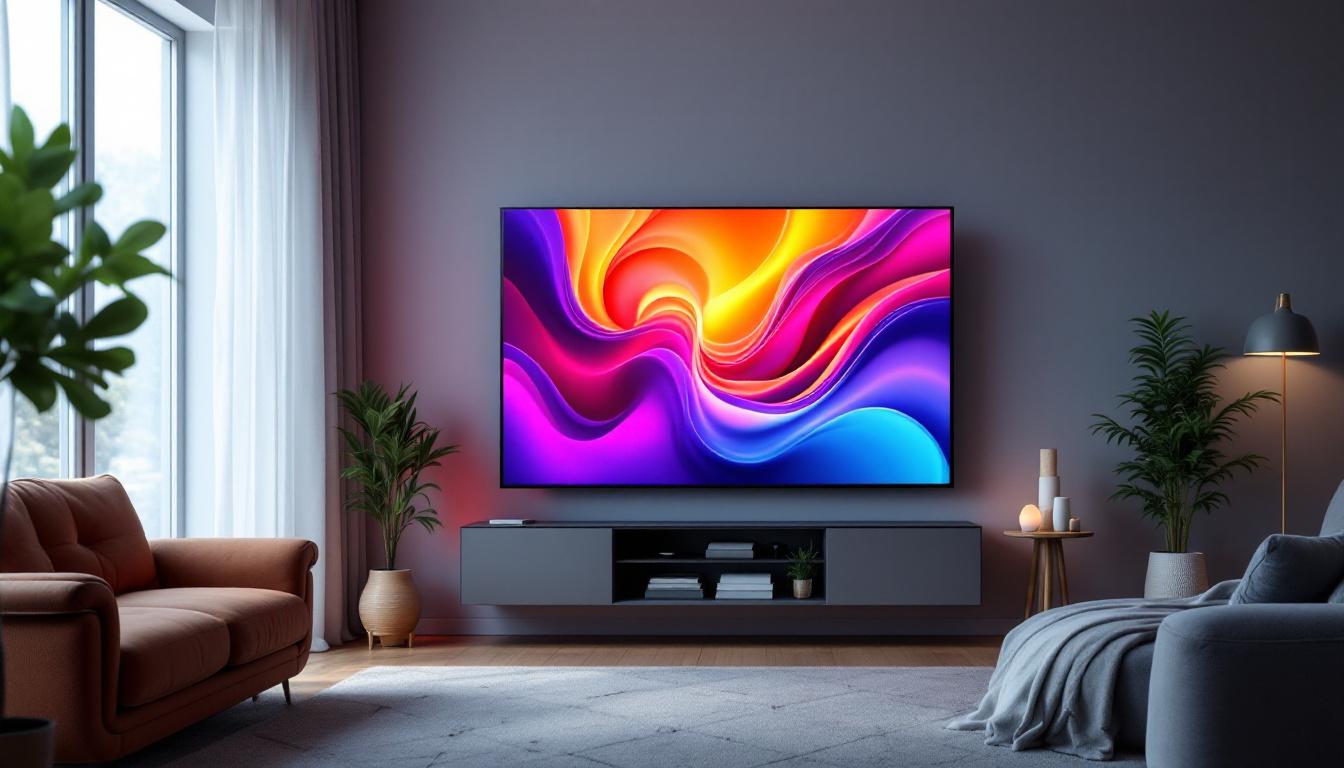
In recent years, flat screen TVs have become the centerpiece of modern home entertainment, offering sleek designs and stunning picture quality. Among the various technologies powering these displays, LED (Light Emitting Diode) technology stands out for its vibrant colors, energy efficiency, and versatility. This article explores the fundamentals of LED displays, how they work, their advantages and limitations, and what consumers should consider when choosing an LED flat screen TV.
Understanding LED Display Technology
LED technology in flat screen TVs refers to the use of light-emitting diodes as a backlighting source for LCD (Liquid Crystal Display) panels. It is important to distinguish between LED TVs and OLED TVs, as the terms are often confused. LED TVs are essentially LCD TVs that use LEDs for backlighting, while OLED (Organic Light Emitting Diode) TVs use organic compounds that emit light when electrically stimulated, eliminating the need for a backlight.
The shift from traditional CCFL (Cold Cathode Fluorescent Lamp) backlighting to LED backlighting has revolutionized the display industry. LEDs are smaller, more energy-efficient, and capable of producing brighter and more uniform illumination. This transition has enabled manufacturers to design thinner, lighter, and more aesthetically pleasing TVs without compromising on picture quality. Moreover, the longevity of LED technology means that consumers can enjoy their displays for years without significant degradation in performance, making them a cost-effective choice in the long run.
How LED Backlighting Works
In an LED-backlit LCD TV, the LCD panel itself does not emit light; instead, it modulates the light passing through it to create images. The LEDs serve as the light source behind or along the edges of the LCD panel. There are two primary LED backlighting configurations:
- Edge-lit LED: LEDs are positioned around the edges of the screen, and light is distributed across the panel using light guides. This design allows for ultra-thin TVs but can sometimes lead to uneven brightness or contrast.
- Direct-lit or Full-array LED: LEDs are placed directly behind the LCD panel in a grid-like arrangement. This setup supports local dimming, where individual zones of LEDs can be dimmed or brightened independently, enhancing contrast and black levels.
Understanding these configurations helps consumers make informed decisions based on their preferences for picture quality and design. Additionally, advancements in LED technology have introduced features such as HDR (High Dynamic Range), which further enhances the viewing experience by providing a wider range of colors and improved brightness levels. This means that viewers can enjoy more vibrant and lifelike images, making LED TVs particularly appealing for movie enthusiasts and gamers alike. Furthermore, as smart TV technology continues to evolve, many LED TVs now come equipped with built-in streaming services and voice control capabilities, integrating entertainment options seamlessly into everyday life.
Key Advantages of LED Flat Screen TVs
LED technology offers several benefits that have made it the dominant choice in the flat screen TV market. These advantages impact not only the viewing experience but also the practical aspects of ownership such as energy consumption and longevity.
Superior Picture Quality
LED TVs provide bright, vivid images with excellent color accuracy. The ability to produce high brightness levels makes them ideal for viewing in well-lit rooms. Full-array LED TVs with local dimming can achieve deeper blacks and higher contrast ratios, resulting in more lifelike images. Additionally, many LED TVs support high dynamic range (HDR) content, which enhances the range of colors and luminance, further enriching the viewing experience. This capability allows viewers to enjoy films and shows as the creators intended, with stunning visuals that draw them into the story. Furthermore, advancements in quantum dot technology have also improved color reproduction, making LED TVs even more appealing for cinephiles and gamers alike.
Energy Efficiency and Longevity
Compared to older CCFL-backlit LCD TVs and plasma displays, LED TVs consume significantly less power. According to the U.S. Department of Energy, LED-backlit TVs can use up to 40% less energy than CCFL models. This efficiency translates to lower electricity bills and a reduced environmental footprint. Moreover, LEDs have a longer lifespan, often exceeding 60,000 hours of use, which means the TV can last for many years without degradation in brightness. This longevity not only saves consumers money over time but also reduces the frequency of disposal, contributing to a more sustainable approach to electronics. Additionally, many manufacturers are now focusing on eco-friendly designs and materials, further enhancing the appeal of LED TVs for environmentally conscious consumers.
Sleek Design and Versatility
The compact size of LEDs allows manufacturers to create ultra-thin and lightweight TVs that blend seamlessly into modern living spaces. Edge-lit LED designs enable screens as thin as a few millimeters, making wall mounting and integration into home décor more convenient. Furthermore, LED technology is versatile enough to support a wide range of screen sizes, from compact 24-inch models to massive 85-inch displays. This variety ensures that there is an LED TV suitable for any room, whether it be a cozy bedroom or a spacious living room. Additionally, many LED TVs come equipped with smart features, allowing users to stream content directly from popular platforms and access a plethora of apps, making them not just a source of entertainment but a central hub for home connectivity. The combination of sleek aesthetics and advanced functionality makes LED TVs a perfect fit for the modern lifestyle, appealing to tech enthusiasts and casual viewers alike.
Limitations and Considerations of LED Displays
While LED TVs offer many benefits, they are not without limitations. Understanding these factors helps consumers set realistic expectations and choose the right TV for their needs.
Contrast and Black Levels
Despite improvements with full-array local dimming, LED TVs generally cannot match the perfect black levels of OLED displays. Because LEDs provide backlighting, some light leakage can occur around bright objects on dark backgrounds, causing a “halo” effect. This limitation is more noticeable in scenes with high contrast and can affect the overall viewing experience for cinephiles and dark-room viewers.
Viewing Angles
LED TVs, particularly those with VA (Vertical Alignment) LCD panels, tend to have narrower viewing angles compared to OLED or IPS (In-Plane Switching) panels. Colors and contrast may shift or wash out when viewed from extreme angles. For families or groups who watch TV from various seating positions, this is an important consideration.
Motion Blur and Response Time
Some LED TVs may exhibit motion blur during fast-moving scenes, such as sports or action movies. This is influenced by the LCD panel’s response time and the TV’s refresh rate. While many modern LED TVs incorporate motion interpolation technologies to mitigate blur, it may not be perfect in all cases.
Choosing the Right LED Flat Screen TV
With a vast array of LED TVs available on the market, selecting the right model can be overwhelming. Several factors should guide the purchasing decision beyond just screen size and price.
Backlighting Type and Local Dimming
Consumers should consider whether the TV uses edge-lit or full-array backlighting. Full-array models with local dimming typically deliver better contrast and black levels, which is especially beneficial for movie enthusiasts. However, these TVs may be slightly thicker and more expensive than edge-lit counterparts.
Panel Type and Viewing Environment
The choice between VA and IPS panels affects color reproduction and viewing angles. VA panels usually offer higher contrast but narrower viewing angles, making them suitable for single viewers or small groups seated directly in front of the screen. IPS panels provide wider viewing angles and more accurate colors from off-center positions, ideal for larger rooms or multiple viewers.
Resolution and HDR Support
4K UHD resolution has become standard in modern LED TVs, providing four times the pixel count of Full HD. This results in sharper images, especially on larger screens. Additionally, HDR support enhances picture quality by expanding the range of colors and brightness. Popular HDR formats include HDR10, Dolby Vision, and HLG. Ensuring the TV supports the preferred HDR format can maximize content compatibility.
Smart TV Features and Connectivity
Most LED TVs today come with built-in smart platforms that offer streaming apps, voice control, and integration with smart home devices. Evaluating the user interface, app availability, and connectivity options such as HDMI 2.1, USB ports, and Wi-Fi standards is crucial for a seamless entertainment experience.
Budget and Brand Reliability
While premium LED TVs offer cutting-edge features, there are excellent budget-friendly options that deliver solid performance. Researching brand reputation, customer reviews, and warranty policies can help ensure a reliable purchase. Brands like Samsung, LG, Sony, and TCL consistently receive positive feedback for their LED TV offerings.
The Future of LED Display Technology
LED technology continues to evolve, with innovations aimed at enhancing picture quality, energy efficiency, and user experience.
Mini-LED and Micro-LED Advances
Mini-LED technology uses thousands of tiny LEDs as backlighting, enabling more precise local dimming zones and improved contrast. This technology narrows the gap between traditional LED and OLED displays by delivering deeper blacks and brighter highlights. Several manufacturers have introduced Mini-LED TVs in recent years, often at premium price points.
Micro-LED represents the next frontier, where microscopic LEDs serve as individual pixels, eliminating the need for an LCD panel entirely. This approach promises the perfect combination of brightness, contrast, and longevity without the burn-in risks associated with OLED. While still emerging, Micro-LED TVs are expected to become more accessible in the coming years.
Energy Efficiency and Sustainability
As environmental concerns grow, manufacturers are focusing on reducing the energy consumption and carbon footprint of LED TVs. Advances in LED materials and power management are making TVs more eco-friendly without sacrificing performance. Consumers can look for ENERGY STAR certified models to ensure energy-efficient operation.
Conclusion
LED flat screen TVs have transformed home entertainment by combining impressive picture quality, sleek designs, and energy efficiency. Understanding the underlying technology, its strengths, and limitations empowers consumers to make informed choices tailored to their viewing preferences and budgets. Whether opting for a budget-friendly edge-lit model or a premium full-array Mini-LED TV, LED technology continues to deliver vibrant, immersive experiences that enhance everyday entertainment.
As the technology advances with innovations like Mini-LED and Micro-LED, the future of LED displays promises even greater visual fidelity and sustainability. Staying informed about these developments will help consumers select the best TV to meet their needs today and for years to come.
Discover the Future of LED Displays with LumenMatrix
Ready to experience the pinnacle of LED display technology? LumenMatrix is at the forefront of innovation, offering a diverse range of LED display solutions that cater to every need. From captivating Indoor LED Walls to dynamic Outdoor LED Displays, and from versatile Vehicle LED Displays to sleek LED Poster Displays, LumenMatrix has it all. Embrace the future of visual communication with our advanced LED Sports Displays, interactive Floor LED Displays, and the revolutionary All-in-One LED Display. Don’t just watch the future unfold—be a part of it. Check out LumenMatrix LED Display Solutions today and transform your viewing experience.