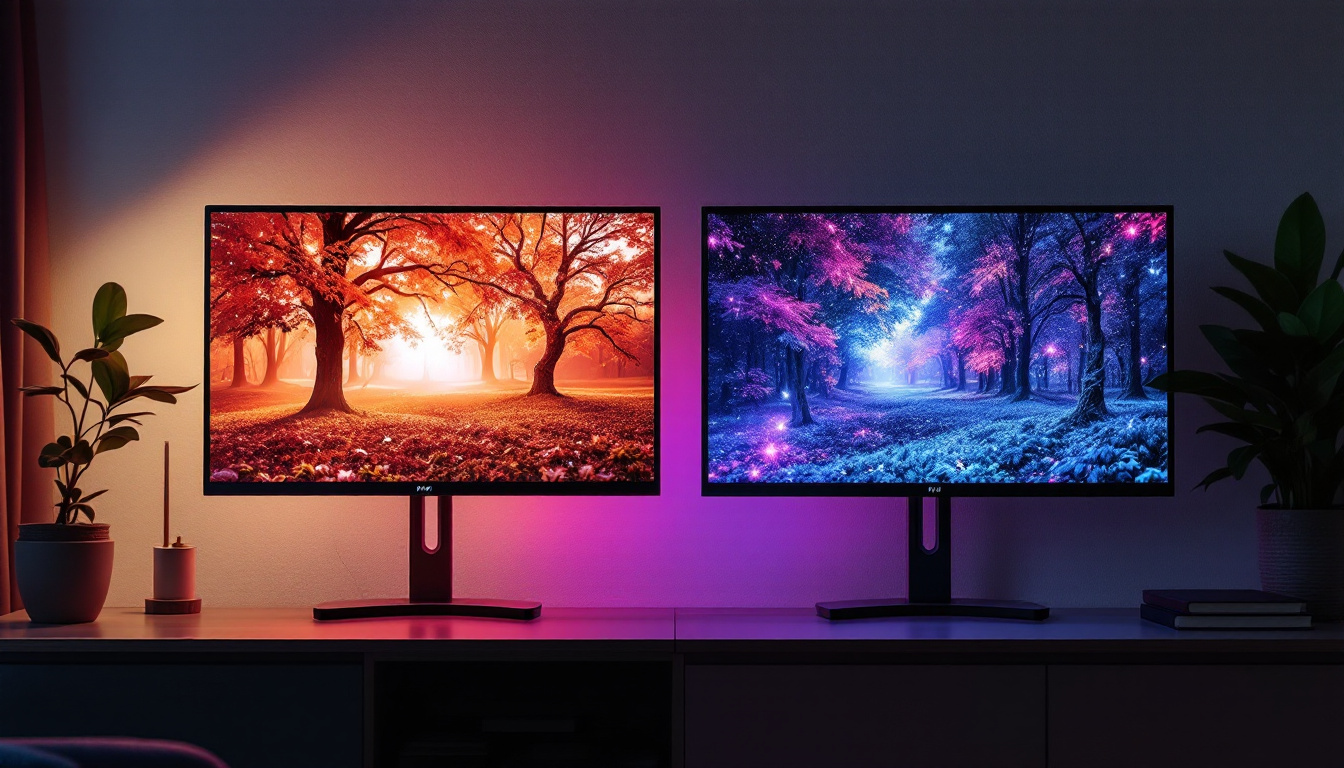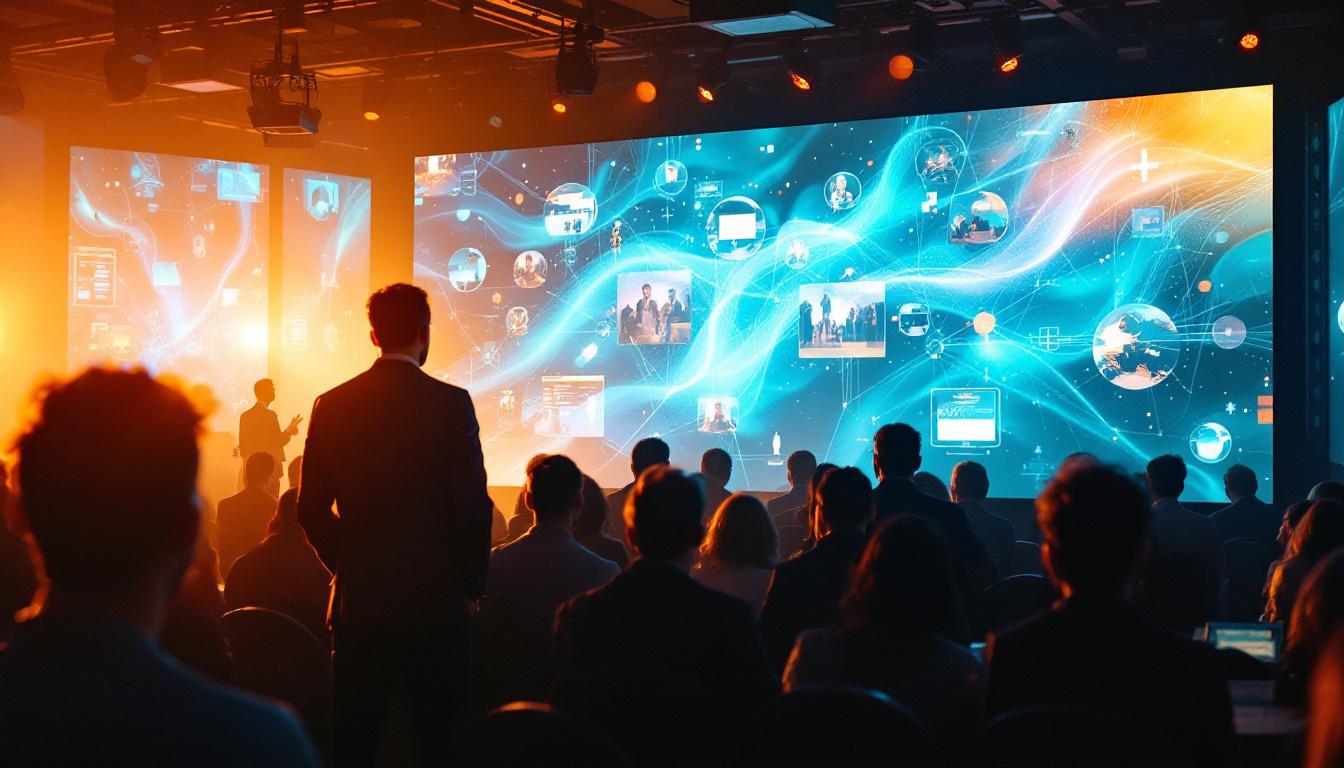
In today’s fast-paced world of events and conferences, visual communication plays a pivotal role in audience engagement and information delivery. Among the various display technologies, LED displays have emerged as the preferred choice for conference monitors, offering unparalleled brightness, clarity, and versatility. This article delves into the world of LED displays, explaining their technology, advantages, and why they are becoming essential tools for modern conferences.
Understanding LED Display Technology
What is an LED Display?
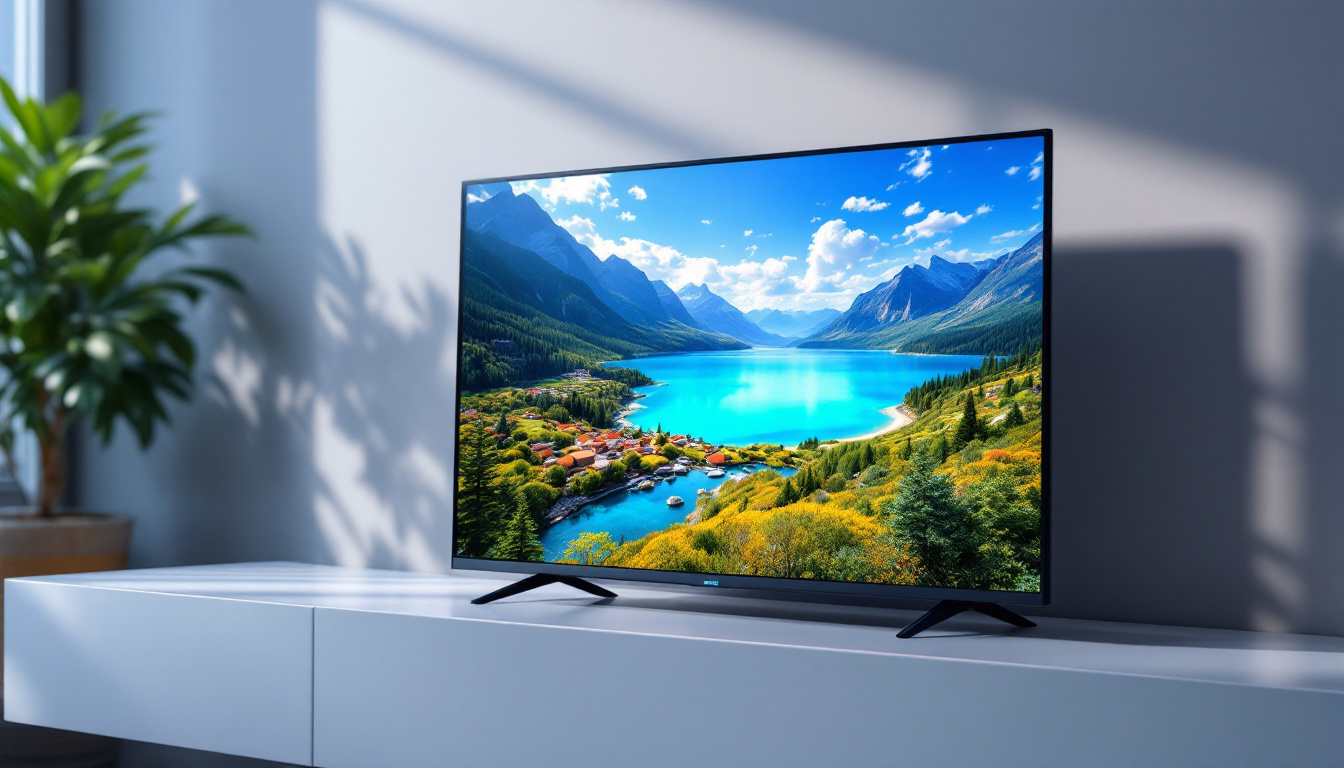
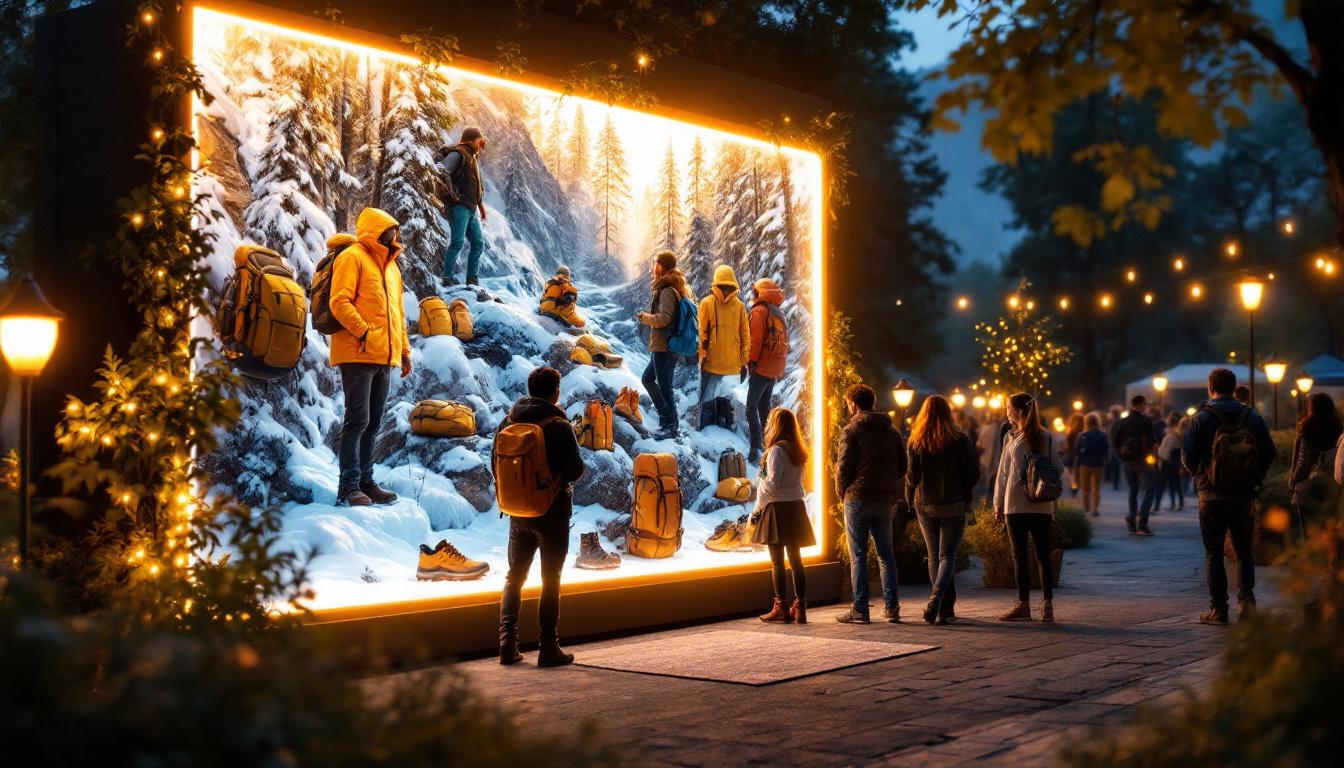
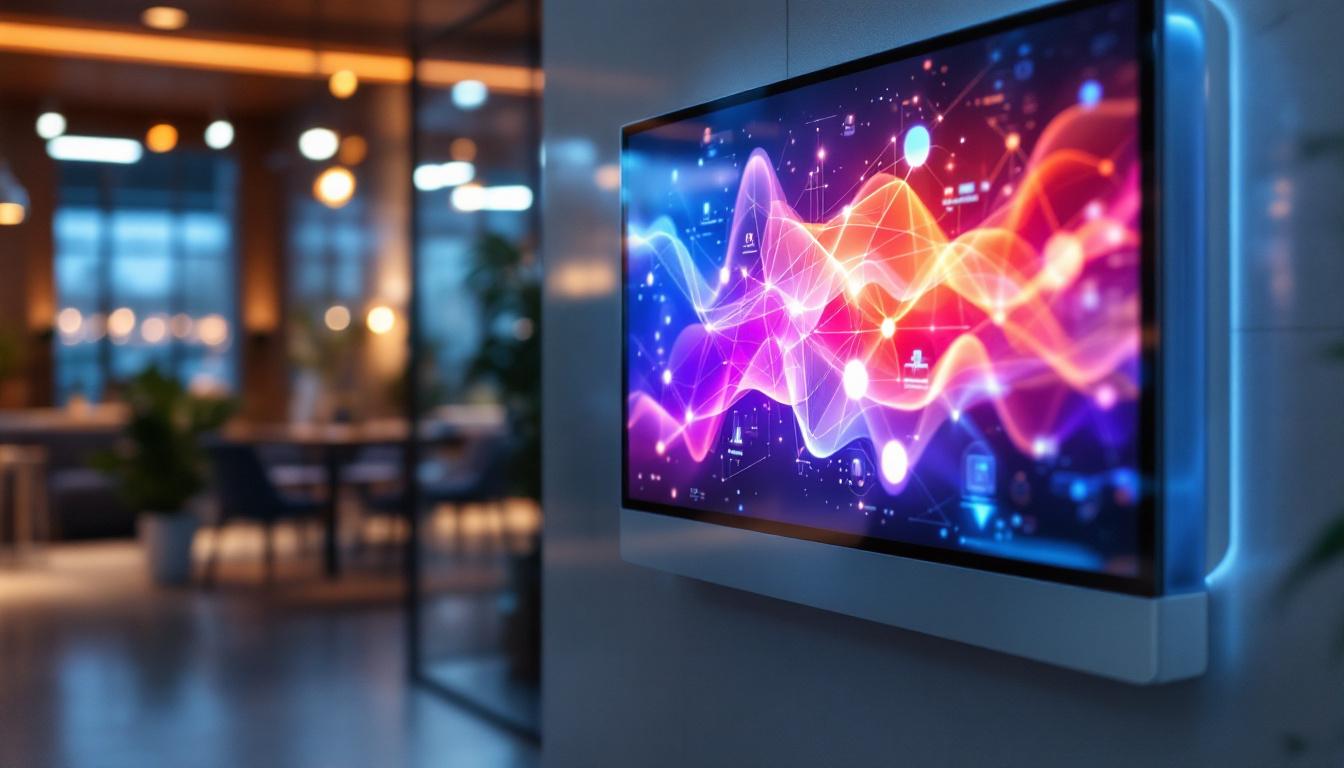
LED stands for Light Emitting Diode, a semiconductor device that emits light when an electric current passes through it. An LED display is a flat panel that uses these tiny LEDs as pixels to create images, videos, and text. Unlike traditional LCD or projection screens, LED displays emit their own light, which makes them brighter and more vivid. This self-illuminating feature allows for enhanced visibility even in brightly lit environments, making them ideal for various applications, including advertising, entertainment, and, notably, conferences.
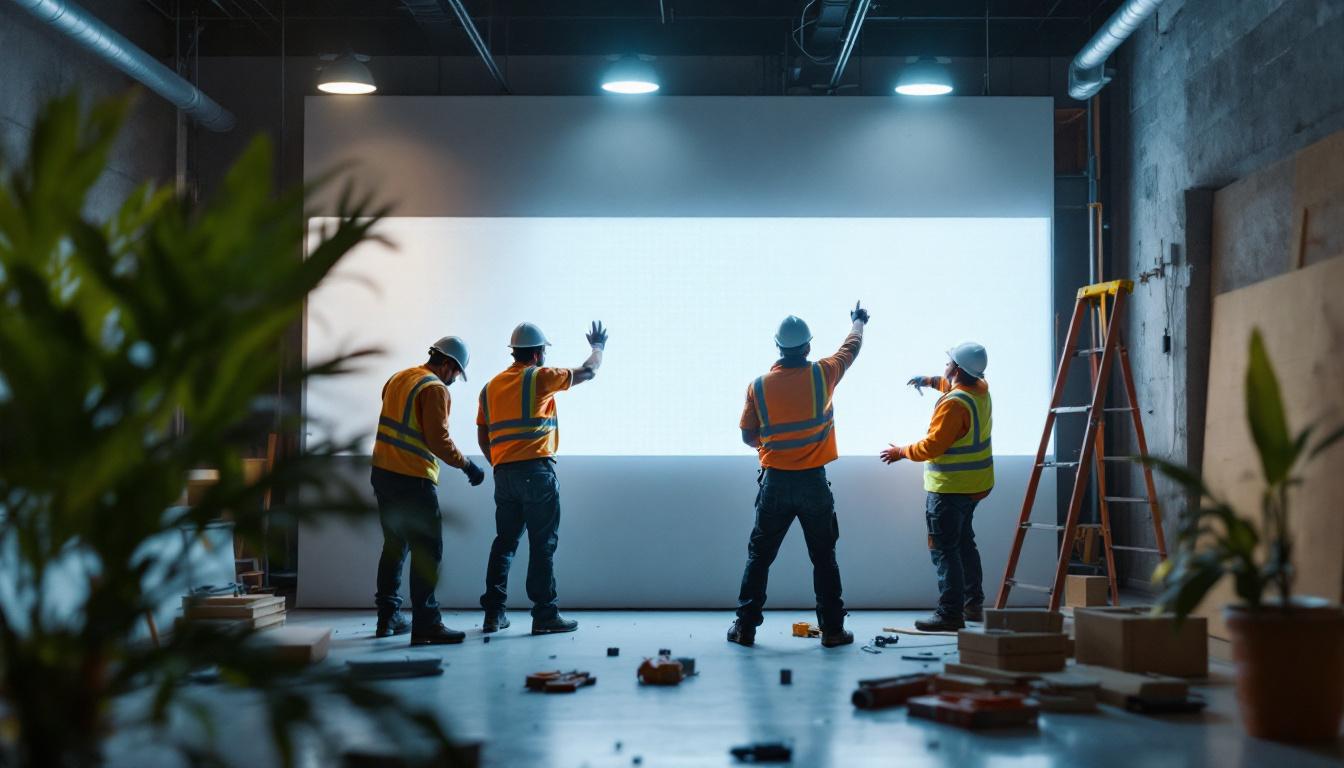
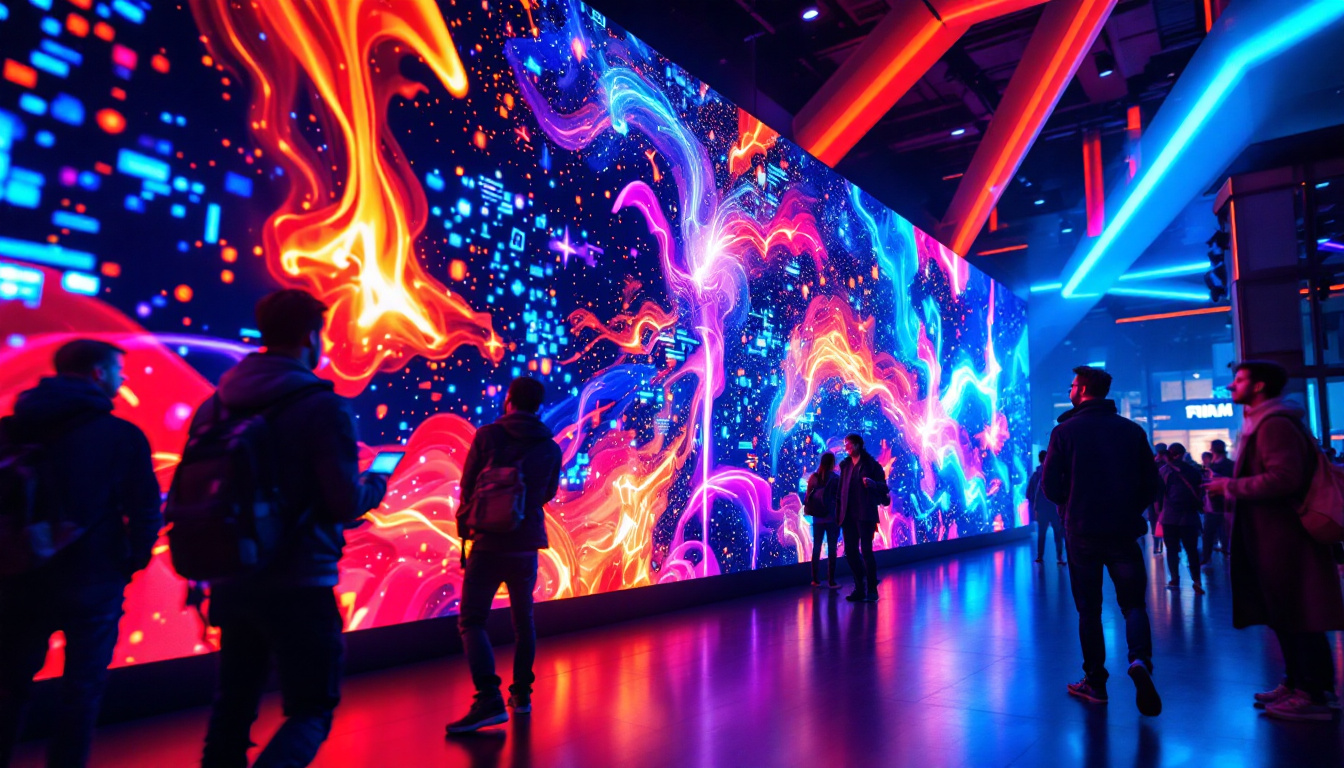
LED displays can be configured in various sizes and resolutions, from small indoor screens to massive outdoor video walls. The modular nature of LED panels allows for flexible shapes and sizes, making them highly adaptable for conference settings. This versatility enables event planners to create immersive experiences, whether through large-scale presentations or interactive displays that engage attendees. Furthermore, the lightweight design of LED panels facilitates easier transport and installation, streamlining the setup process for busy conference schedules.
Types of LED Displays Used in Conferences
There are primarily two types of LED displays commonly used in conference environments: indoor LED displays and outdoor LED displays.
- Indoor LED Displays: Designed for controlled lighting environments, these displays have a higher pixel density and smaller pixel pitch (distance between LEDs), resulting in sharper images. Typical pixel pitches range from 1.2mm to 3mm, ideal for close viewing distances often seen in conference rooms and auditoriums. Their high resolution ensures that even intricate details in presentations are clearly visible, enhancing the overall communication of ideas.
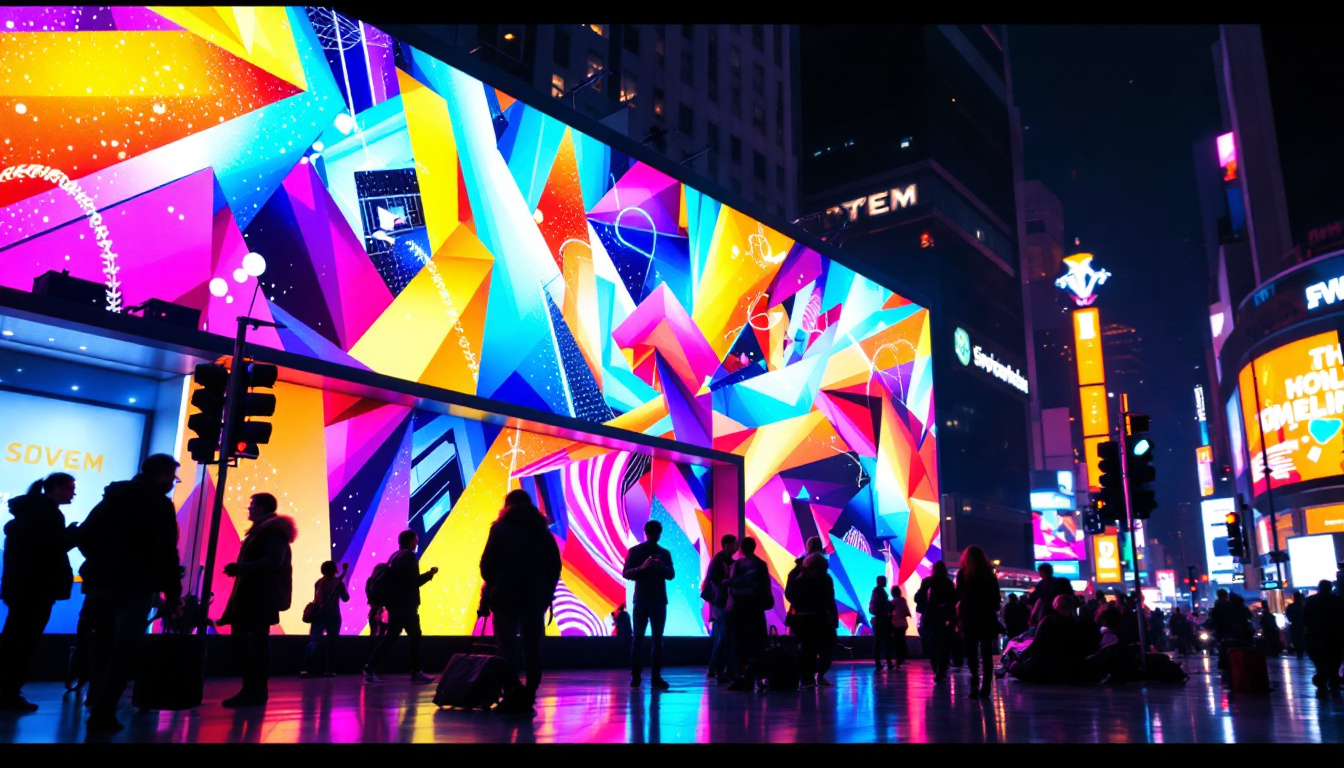
- Outdoor LED Displays: Built to withstand weather conditions and ambient light, outdoor LEDs have larger pixel pitches (4mm to 20mm or more) and are significantly brighter to combat sunlight glare. While less common inside conference venues, they are used for large-scale outdoor events and presentations. These displays are engineered with robust materials to resist the elements, ensuring that crucial information remains accessible to attendees, regardless of the weather.
How LED Displays Work
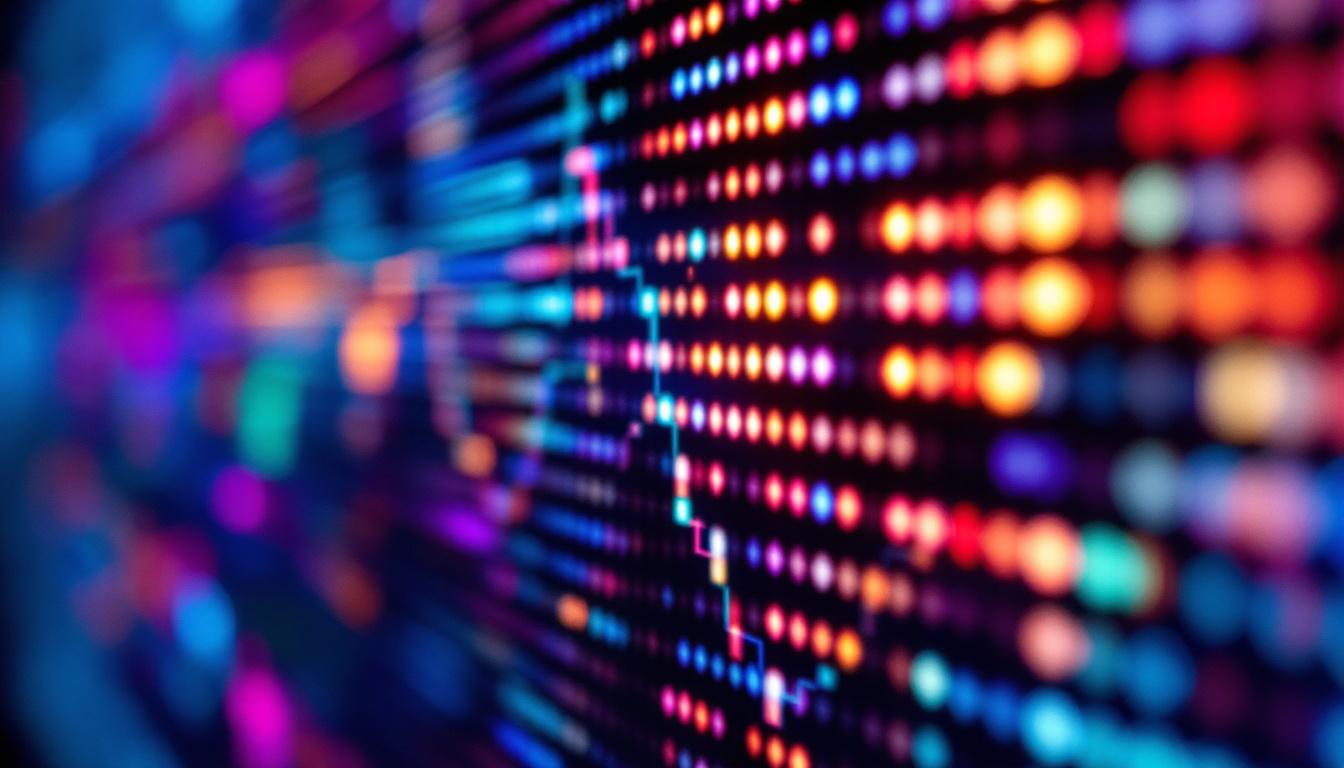
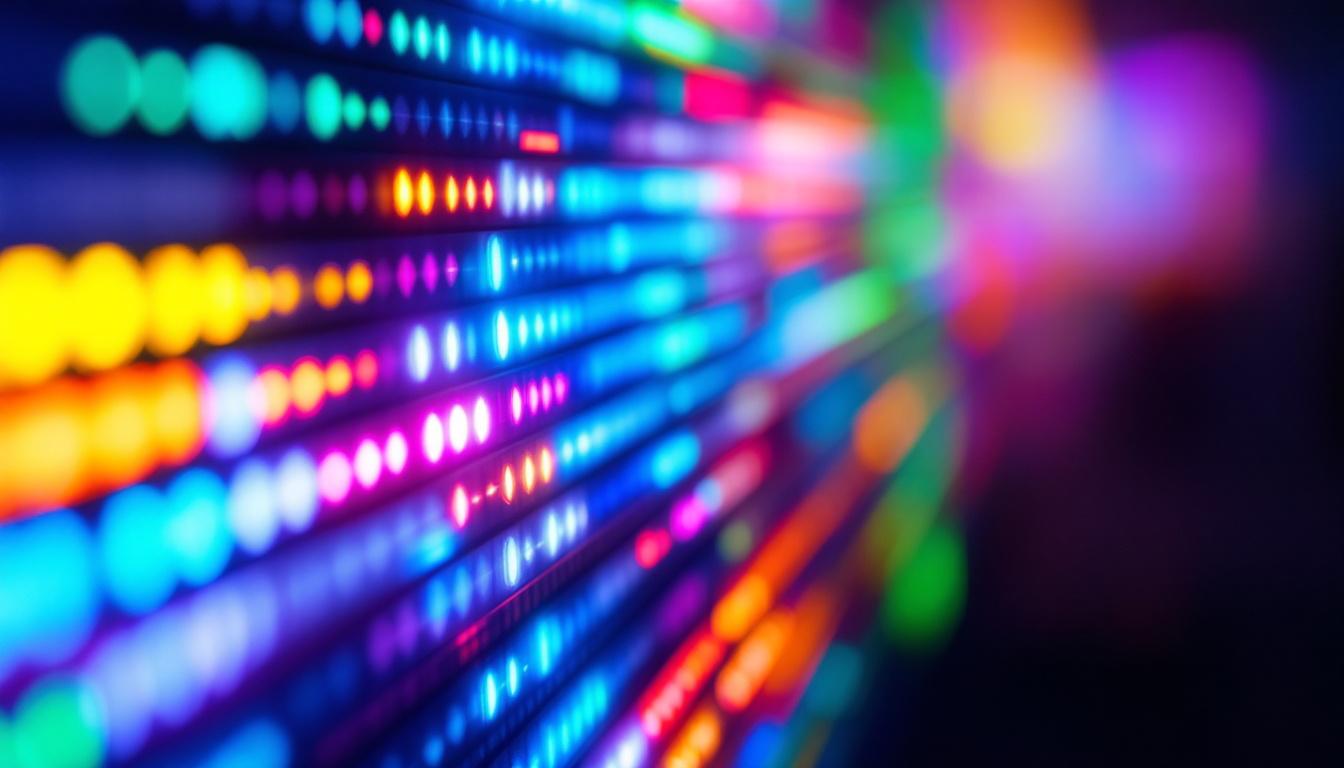
Each LED pixel comprises three sub-pixels: red, green, and blue (RGB). By varying the intensity of these sub-pixels, the display can produce millions of colors. The LEDs are controlled by a video processor that receives input from a computer or media player, translating the digital content into light emissions on the screen. This technology allows for dynamic content that can be updated in real-time, making it possible to showcase live feeds, social media interactions, or even audience polls during conferences.
Because LEDs emit light directly, they do not require backlighting like LCDs, which improves contrast ratios and viewing angles. This direct emission also contributes to energy efficiency and longer lifespan. Additionally, advancements in LED technology have led to the development of features such as high dynamic range (HDR) and enhanced color accuracy, further elevating the visual experience. As a result, LED displays are not only a practical choice for conferences but also a powerful medium for storytelling and audience engagement, allowing presenters to captivate their audience with stunning visuals and seamless transitions.
Advantages of LED Displays for Conferences
Superior Brightness and Visibility
One of the most significant advantages of LED displays is their brightness. Typical LED monitors can achieve brightness levels of 1,000 to 5,000 nits, compared to around 300 to 500 nits for standard LCD screens. This high brightness ensures that content remains visible even in brightly lit conference rooms or venues with natural sunlight.
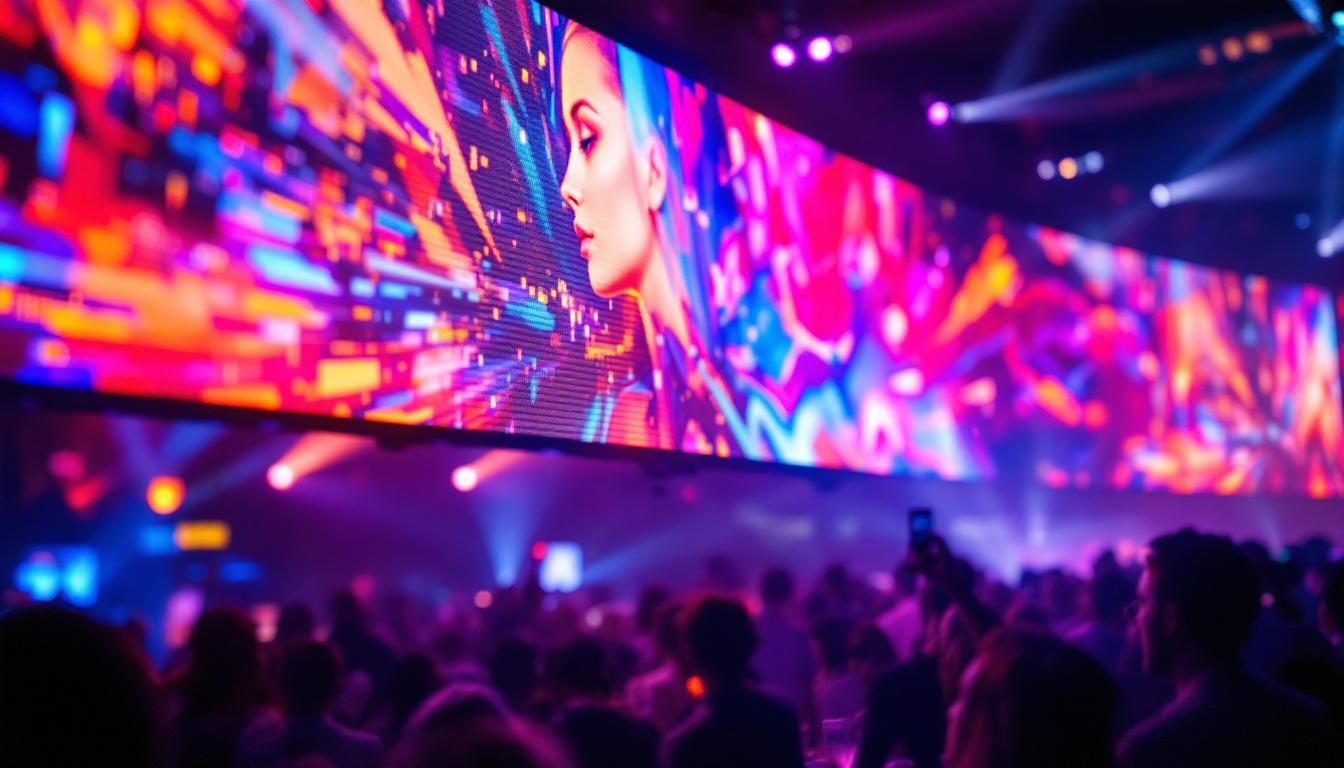
For example, during the 2023 International Tech Summit held in San Francisco, LED displays were used extensively to ensure that presentations were clearly visible to an audience of over 2,000 attendees, despite the large windows and daylight exposure in the venue. The use of LED technology not only enhanced visibility but also contributed to a more immersive experience, as the vivid colors and sharp details captivated the audience’s attention throughout the event.
Exceptional Image Quality and Color Accuracy
LED technology offers impressive color accuracy and contrast ratios, which are crucial for displaying detailed graphics, charts, and videos during conferences. The vibrant colors and deep blacks enhance the overall viewing experience, making presentations more engaging and easier to follow.
Modern LED displays often incorporate advanced calibration technologies to maintain color consistency across large video walls, ensuring that every attendee has a uniform viewing experience regardless of their seating position. This level of precision is particularly important in industries such as marketing and design, where accurate color representation can significantly impact the perception of a brand or product. Moreover, with the increasing use of augmented reality (AR) and virtual reality (VR) in presentations, LED displays provide the necessary fidelity to showcase these technologies effectively, allowing for a more interactive and memorable experience.
Flexibility and Customization
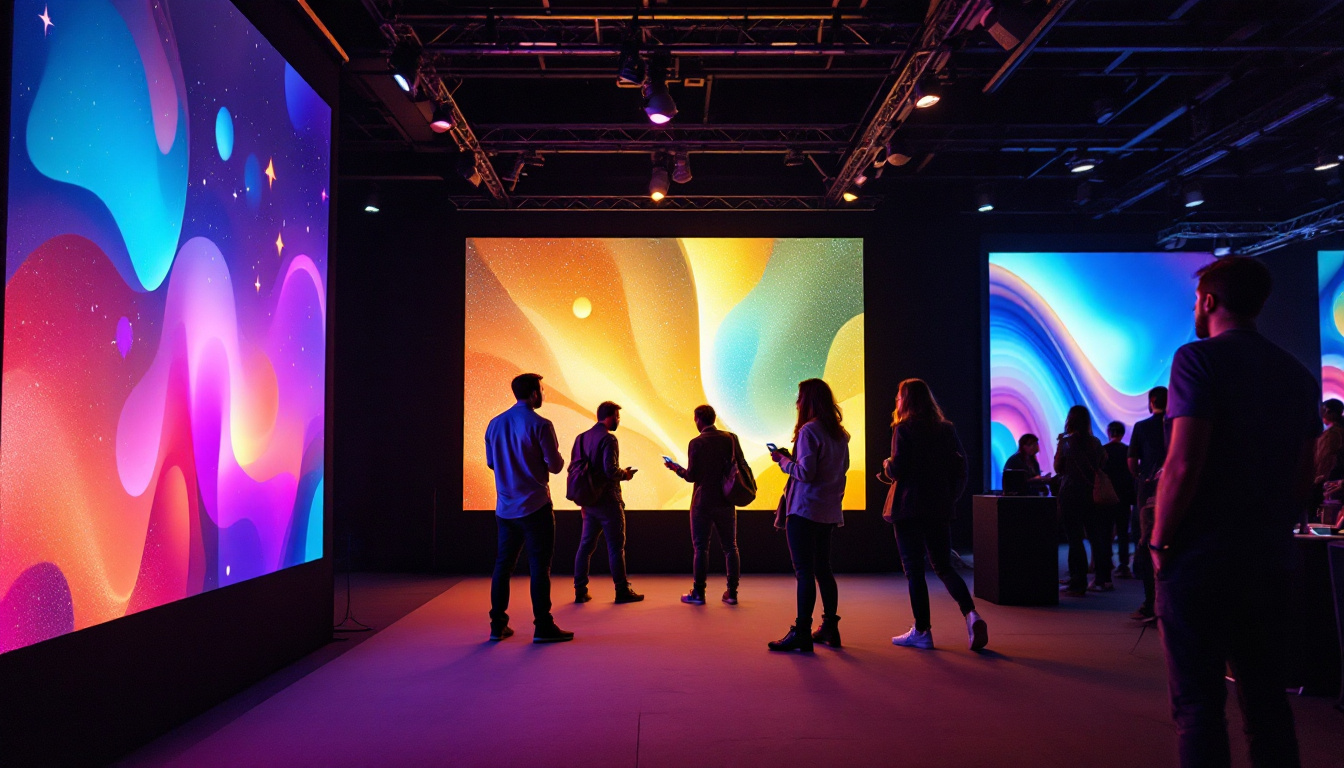
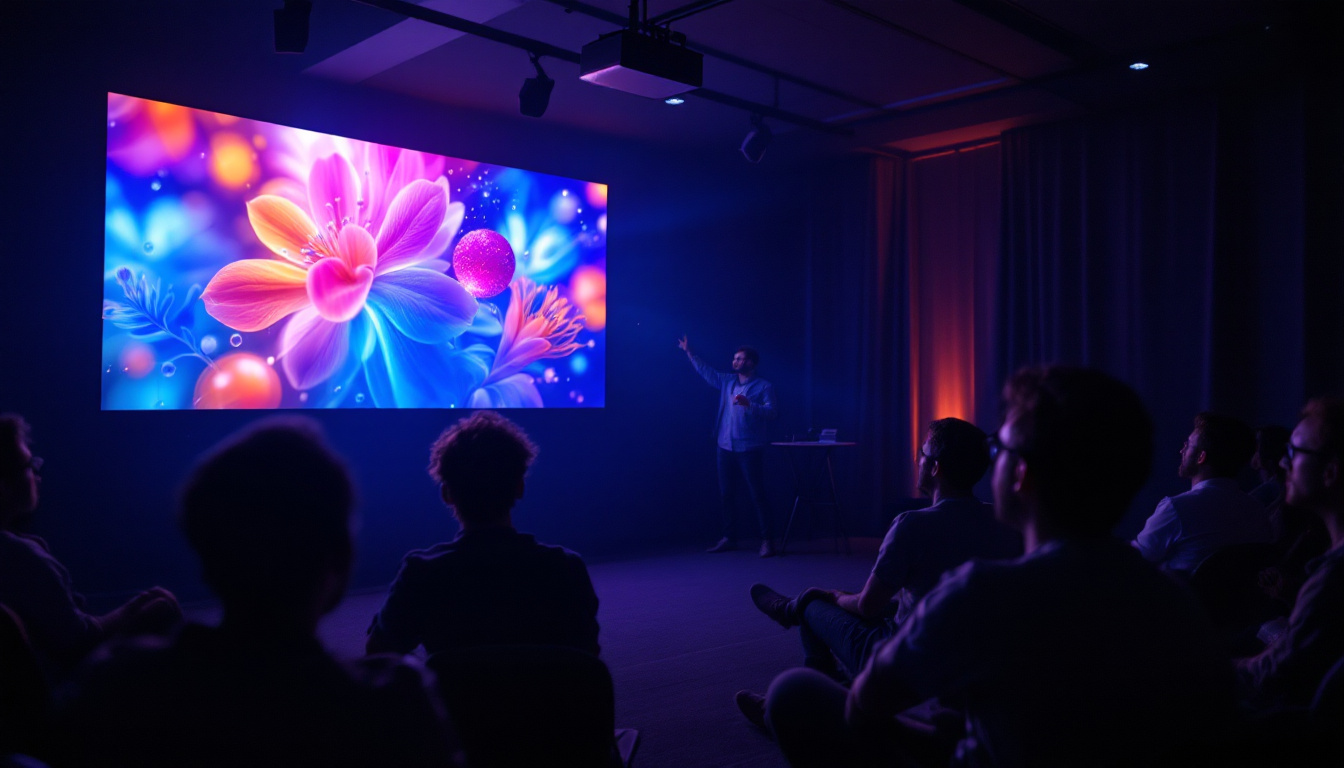
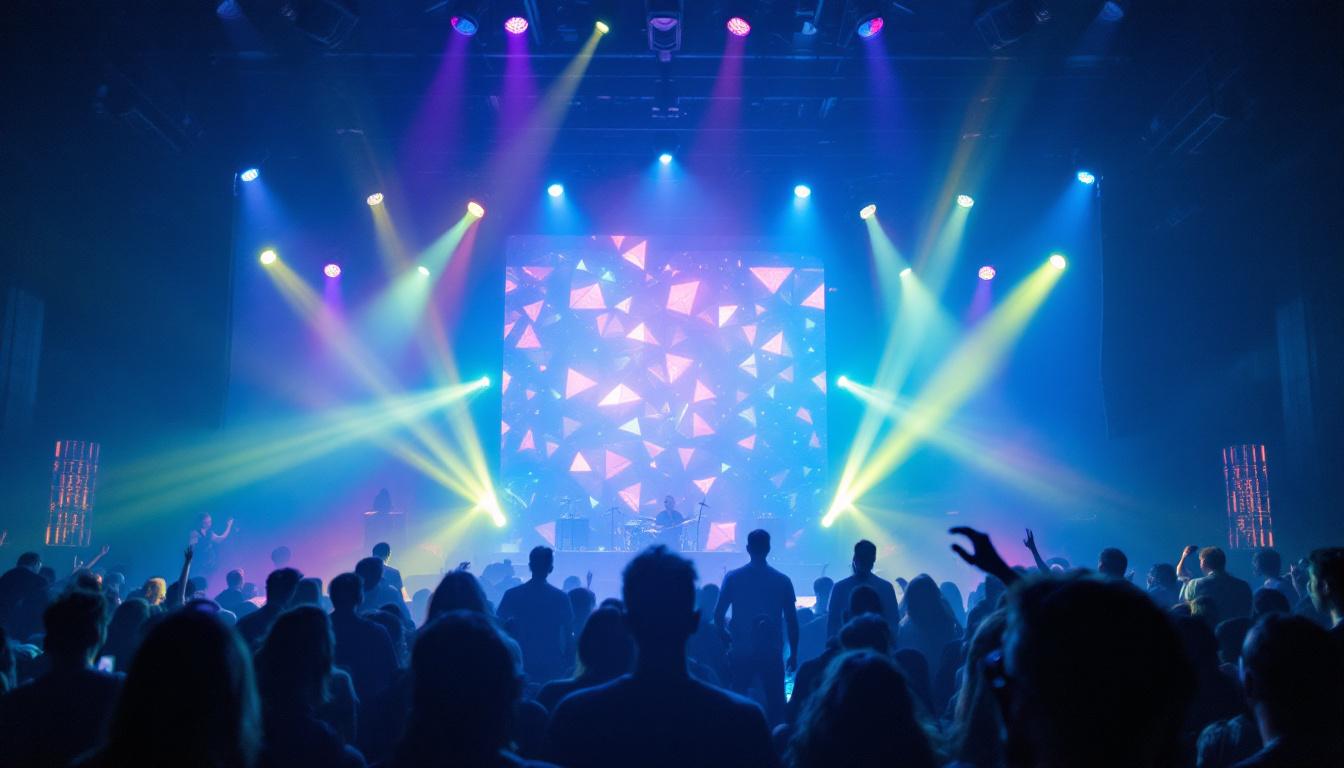
LED displays are highly modular, allowing event organizers to create custom screen sizes and shapes tailored to the conference venue. Whether it’s a curved video wall behind a speaker’s podium or multiple smaller screens positioned around the room, LED displays can be configured to fit the space perfectly.
This flexibility also extends to content management. LED displays can seamlessly switch between live video feeds, presentation slides, social media streams, and interactive polls, making them versatile tools for dynamic conference environments. Additionally, the ability to integrate real-time audience engagement tools, such as live Q&A sessions or instant feedback polls, enhances the interactivity of the conference, fostering a more participatory atmosphere. This adaptability not only caters to diverse presentation styles but also allows for spontaneous changes, ensuring that the event remains fresh and responsive to the audience’s needs.
Durability and Longevity
LED displays are known for their durability and long operational life, often exceeding 100,000 hours of use. This makes them a cost-effective investment for conference centers and event organizers who require reliable equipment for repeated use.
Additionally, LED panels are resistant to damage from vibrations and shocks, which can occur during transportation and setup at various venues. This robustness reduces maintenance costs and downtime. Furthermore, many LED displays are designed with energy efficiency in mind, consuming less power than traditional display technologies while still delivering high-quality visuals. This not only lowers operational costs but also aligns with the growing emphasis on sustainability in event planning, allowing organizers to reduce their carbon footprint while still providing cutting-edge technology to their attendees.
Key Considerations When Choosing an LED Display for Conferences
Pixel Pitch and Viewing Distance
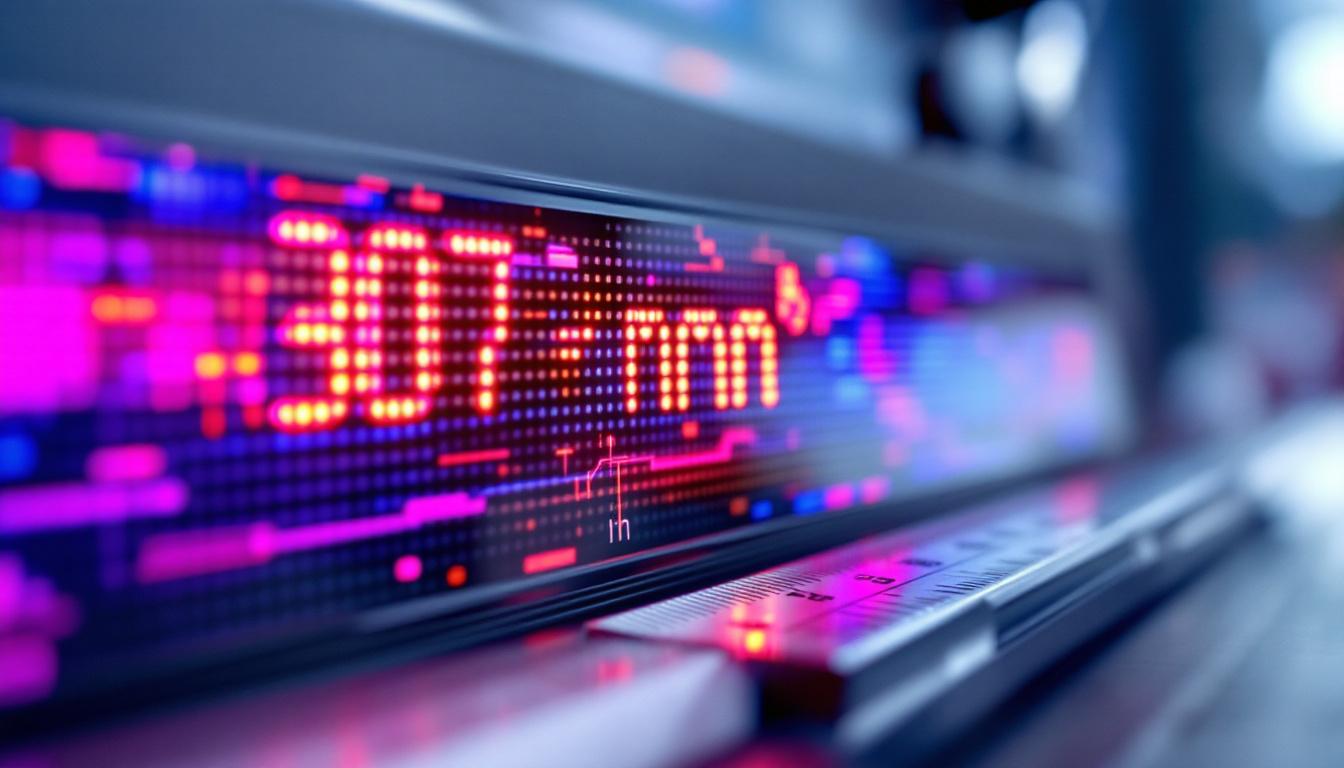
Pixel pitch is a critical factor in determining the resolution and clarity of an LED display. It refers to the distance between the centers of two adjacent pixels. A smaller pixel pitch means higher resolution and sharper images, which is essential for close viewing distances.
For conference monitors, the ideal pixel pitch depends on the size of the venue and the expected distance between the audience and the screen. For example, a pixel pitch of 1.5mm to 2.5mm is suitable for small to medium-sized conference rooms where attendees are seated within 3 to 6 meters of the screen.
Screen Size and Aspect Ratio
The size of the LED display should be proportional to the room size and audience capacity. Larger venues may require video walls exceeding 20 feet in width, while smaller conference rooms might only need 4 to 8 feet wide screens.
Aspect ratio, typically 16:9 for widescreen presentations, should be considered to ensure compatibility with common presentation formats and video content.
Brightness and Ambient Lighting
Assessing the ambient lighting conditions of the conference venue is essential when selecting an LED display. High ambient light requires displays with higher brightness levels to maintain image clarity. Conversely, overly bright screens in dim environments can cause eye strain, so adjustable brightness settings are beneficial.
Connectivity and Content Management
Modern LED displays support a range of input options, including HDMI, DisplayPort, and network streaming. Seamless integration with conference AV systems and content management platforms is vital for smooth operation.
Some LED displays come with built-in media players and software that allow event organizers to schedule and control content remotely, enhancing operational efficiency during conferences.
Emerging Trends in LED Displays for Conferences
MicroLED and MiniLED Technologies
Recent advancements in LED technology, such as MicroLED and MiniLED, promise even higher resolution, improved contrast, and better energy efficiency. MicroLED displays use microscopic LEDs to create pixels, enabling ultra-high-definition screens with exceptional color accuracy.
While still emerging in the conference market, these technologies are expected to revolutionize display quality and open new possibilities for immersive conference experiences.
Interactive LED Displays
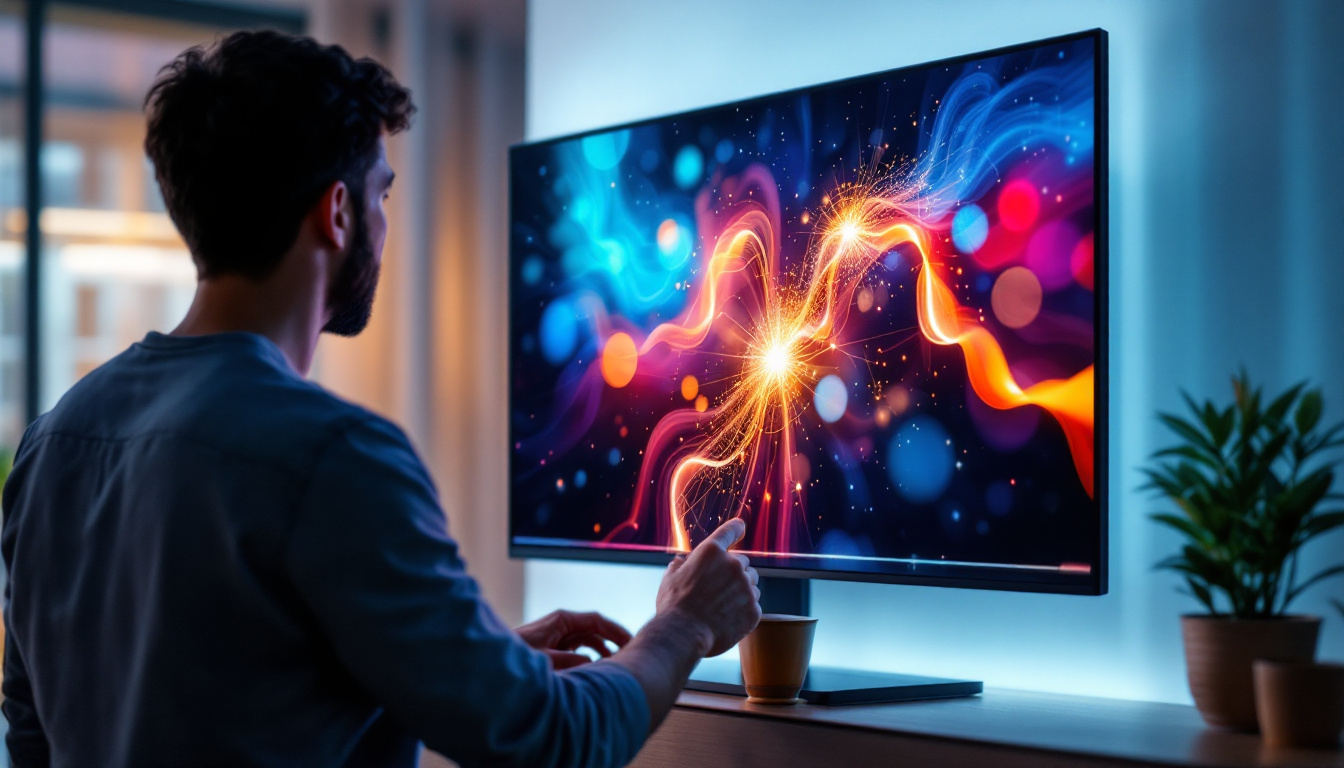
Interactive LED displays equipped with touch capabilities are gaining traction in conference settings. These screens enable presenters and attendees to interact directly with the content, fostering collaboration and engagement.
For instance, interactive LED walls can be used for brainstorming sessions, live polling, and real-time data visualization, making conferences more participatory and dynamic.
Energy Efficiency and Sustainability
With growing emphasis on sustainability, LED displays are being designed to consume less power without compromising performance. Energy-efficient LEDs reduce the carbon footprint of conferences, aligning with corporate social responsibility goals.
Moreover, many LED display manufacturers now offer recycling programs and eco-friendly materials, contributing to greener event management practices.
Conclusion: Why LED Displays are the Future of Conference Monitors
LED displays have transformed the way information is communicated in conferences by offering superior brightness, exceptional image quality, and unmatched flexibility. Their durability and adaptability make them ideal for diverse conference environments, from intimate boardrooms to large auditoriums.
As technology continues to evolve, LED displays will become even more integral to creating immersive, interactive, and sustainable conference experiences. Event organizers and venue managers who invest in high-quality LED display solutions will be well-positioned to enhance audience engagement and deliver impactful presentations.
Ultimately, understanding the nuances of LED display technology and selecting the right configuration tailored to specific conference needs is key to maximizing the benefits of this powerful visual communication tool.
Discover LumenMatrix’s Advanced LED Display Solutions
Ready to elevate your conference experience with the latest in LED display technology? Look no further than LumenMatrix, a pioneer in crafting visually stunning and technologically superior LED display modules. Whether you’re seeking an Indoor LED Wall Display for your boardroom, an Outdoor LED Wall Display for large-scale events, or specialized solutions like Vehicle LED Displays and LED Sports Displays, LumenMatrix has you covered. Embrace the future of visual communication with our diverse range of products, including LED Poster Displays, Floor LED Displays, Custom LED Displays, All-in-One LED Displays, and LED Transparent Displays. Transform your conferences into immersive, interactive, and unforgettable events. Check out LumenMatrix LED Display Solutions today and share your message with the world in unparalleled clarity and vibrancy.