The world of digital displays has evolved rapidly over the past decade, with LED technology at the forefront of this transformation. Dewayne Peevy, a notable figure in Kentucky’s technology and business sectors, has contributed significantly to the understanding and application of LED displays in various industries. This article delves into the fundamentals of LED display technology, its applications, and the impact of Dewayne Peevy’s work in Kentucky’s technological landscape.
Understanding LED Display Technology
LED, or Light Emitting Diode, displays are a type of flat panel display that use an array of light-emitting diodes as pixels to create images. Unlike traditional LCD or plasma screens, LED displays offer several advantages that make them highly desirable for both commercial and personal use. Their energy efficiency, long lifespan, and ability to produce vibrant colors contribute to their growing popularity across various sectors, from entertainment to advertising and beyond.
How LED Displays Work
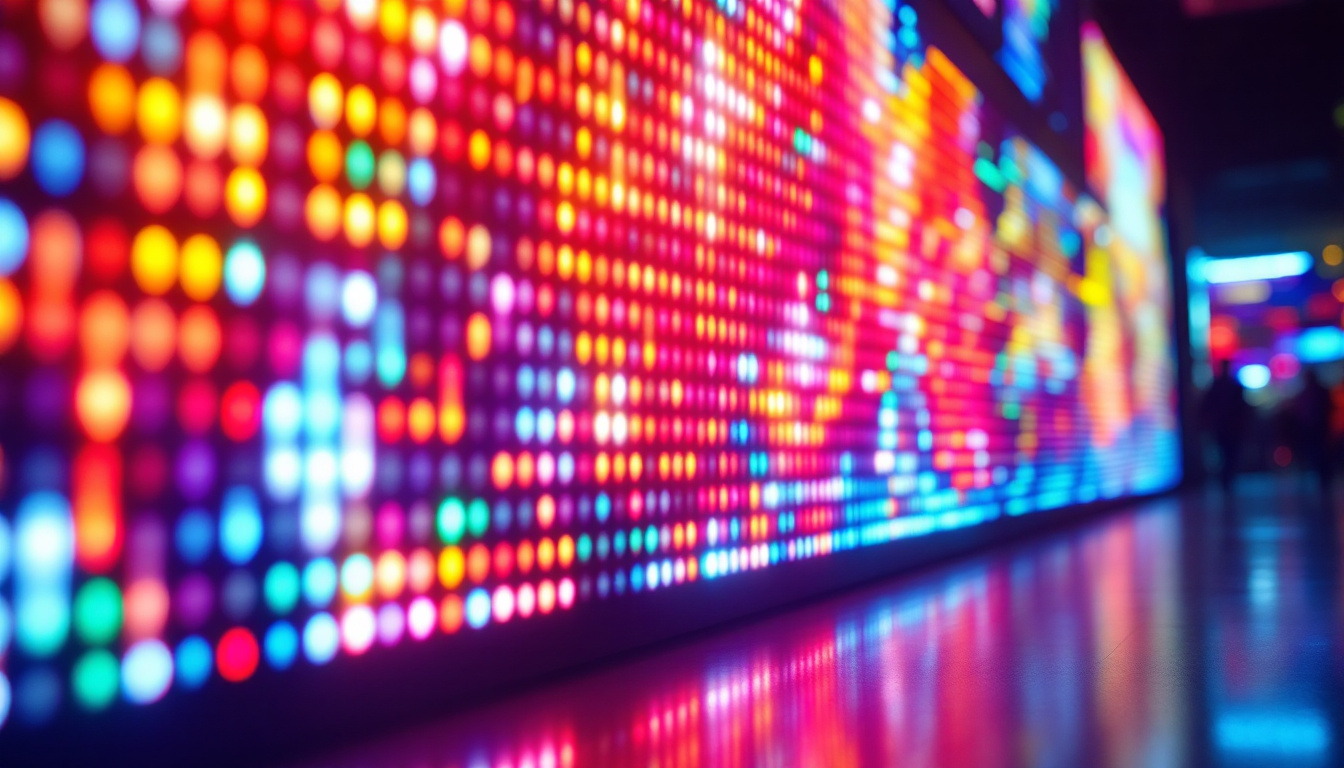
At the core of an LED display are tiny semiconductors that emit light when an electric current passes through them. These diodes can produce light in various colors, and by combining red, green, and blue LEDs, the display can create a full spectrum of colors. The brightness, contrast, and color accuracy of LED displays are generally superior to other display technologies, making them ideal for environments where visibility is critical. Furthermore, advancements in technology have led to the development of organic LEDs (OLEDs), which provide even deeper blacks and a wider viewing angle, enhancing the overall visual experience.
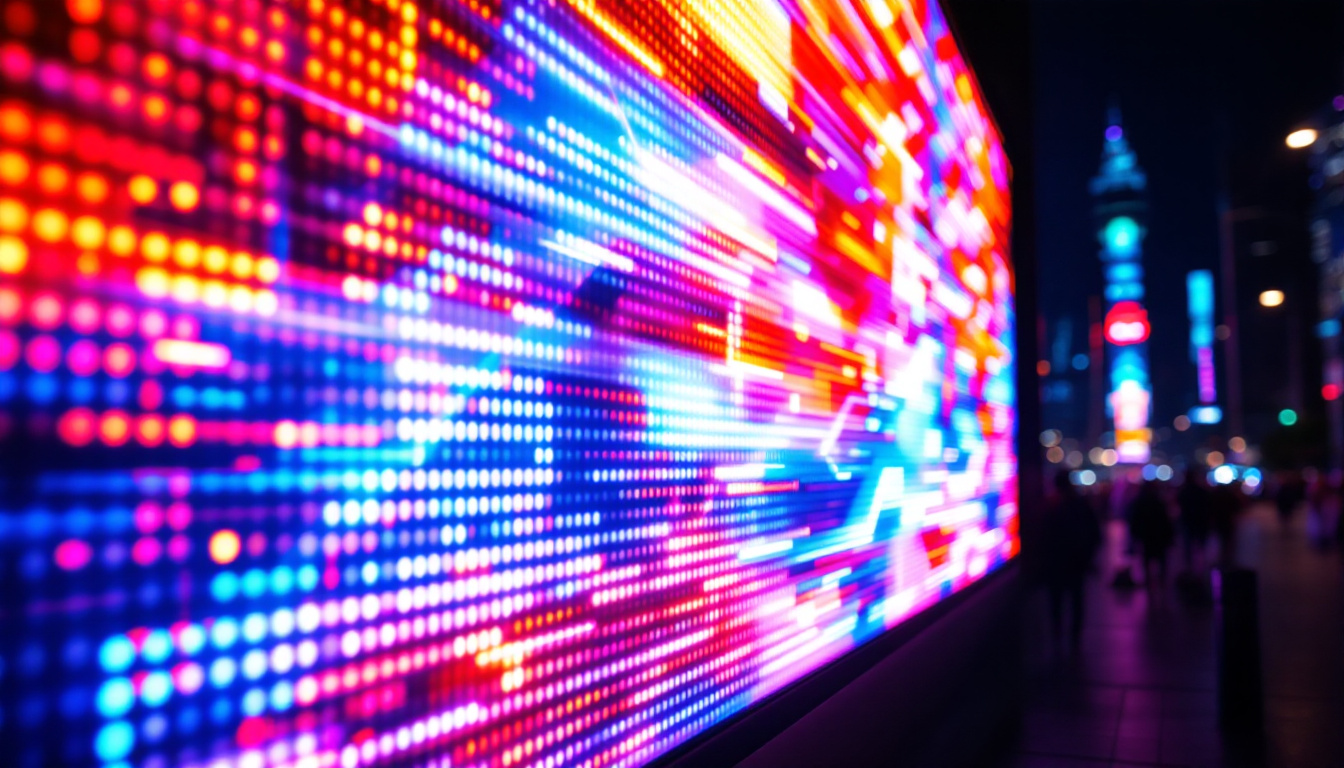
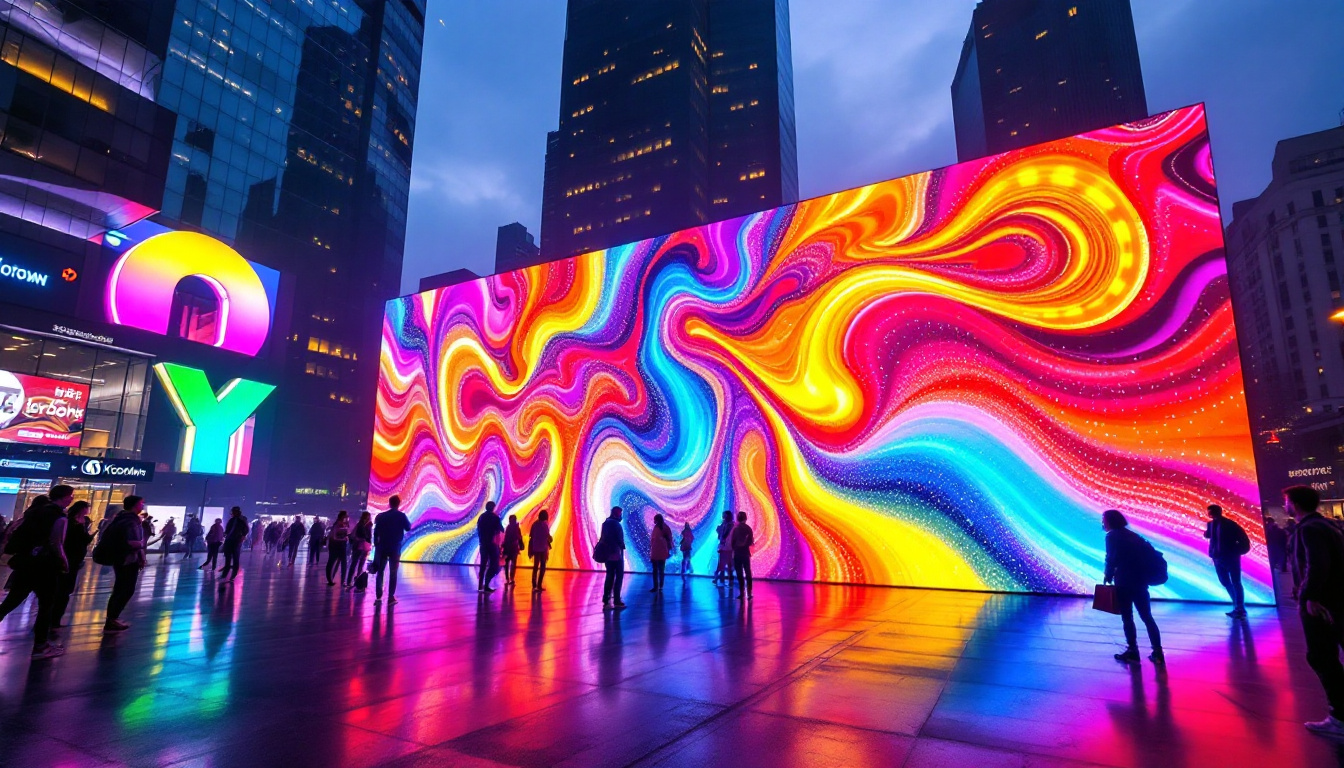
One of the key features of LED displays is their modular design. Panels can be combined seamlessly to create large-scale video walls or digital billboards, which are commonly seen in sports arenas, public spaces, and retail environments. This scalability and flexibility have made LED displays a preferred choice for dynamic advertising and information dissemination. Additionally, the ability to customize the size and shape of these displays allows for creative installations that can adapt to various architectural designs, making them not just functional but also aesthetically pleasing.
Types of LED Displays
There are primarily two types of LED displays: direct view LED and LED-backlit LCD. Direct view LED displays consist of LEDs that directly emit light to form images, while LED-backlit LCDs use LEDs as a backlight source behind an LCD panel. Each type has its unique applications and benefits, catering to different needs and environments.
Direct view LED displays are often used for outdoor applications due to their high brightness and durability. They can withstand harsh weather conditions and maintain visibility even in direct sunlight. On the other hand, LED-backlit LCDs are common in indoor settings like televisions, computer monitors, and smartphones, offering energy efficiency and thinner designs. Moreover, the evolution of LED technology has led to innovations such as fine-pitch LED displays, which boast high pixel density for close viewing distances, making them ideal for high-resolution applications like control rooms and high-end retail displays. This versatility ensures that LED technology continues to evolve, meeting the demands of an increasingly digital world.
The Role of Dewayne Peevy in Kentucky’s LED Display Industry
Dewayne Peevy has been instrumental in advancing the adoption and innovation of LED display technology within Kentucky. His work spans across business development, technology integration, and community engagement, helping local companies leverage LED displays for various applications.
Business Development and Industry Growth
Peevy’s efforts have helped position Kentucky as a growing hub for LED technology manufacturing and services. By fostering partnerships between technology firms, educational institutions, and government agencies, he has contributed to creating a supportive ecosystem for LED display innovation.
One notable example is his involvement in initiatives that promote the use of LED displays in public infrastructure. This includes digital signage for transportation systems, energy-efficient lighting solutions for municipal buildings, and interactive displays for educational purposes. These projects not only enhance the quality of public services but also stimulate economic growth by attracting technology investments to the region.
Moreover, Peevy has been a key advocate for workforce development in the LED sector. By collaborating with local colleges and vocational schools, he has helped design curricula that equip students with the skills necessary to thrive in this rapidly evolving industry. This initiative not only addresses the immediate labor needs of LED companies but also ensures a steady pipeline of talent that can drive future innovations in display technology.
Technological Integration and Innovation
Beyond business development, Dewayne Peevy has championed the integration of LED technology with emerging digital tools such as IoT (Internet of Things) and AI (Artificial Intelligence). This integration allows for smarter, more responsive displays that can adapt content based on real-time data, user interaction, or environmental conditions.
For instance, LED displays equipped with sensors can adjust brightness automatically according to ambient light, improving energy efficiency and user experience. AI-driven content management systems enable targeted advertising and dynamic information updates, which are particularly valuable in retail and transportation sectors.
In addition, Peevy has been instrumental in promoting sustainability within the LED display industry. By advocating for the use of recyclable materials in manufacturing and encouraging energy-efficient practices, he has positioned Kentucky as a leader in environmentally responsible technology solutions. This commitment to sustainability not only benefits the environment but also resonates with consumers who are increasingly prioritizing eco-friendly products and practices in their purchasing decisions.
Applications of LED Displays in Kentucky and Beyond
The versatility of LED displays has led to their widespread adoption across various sectors in Kentucky and globally. Understanding these applications provides insight into why LED technology continues to grow in importance.
Commercial Advertising and Retail
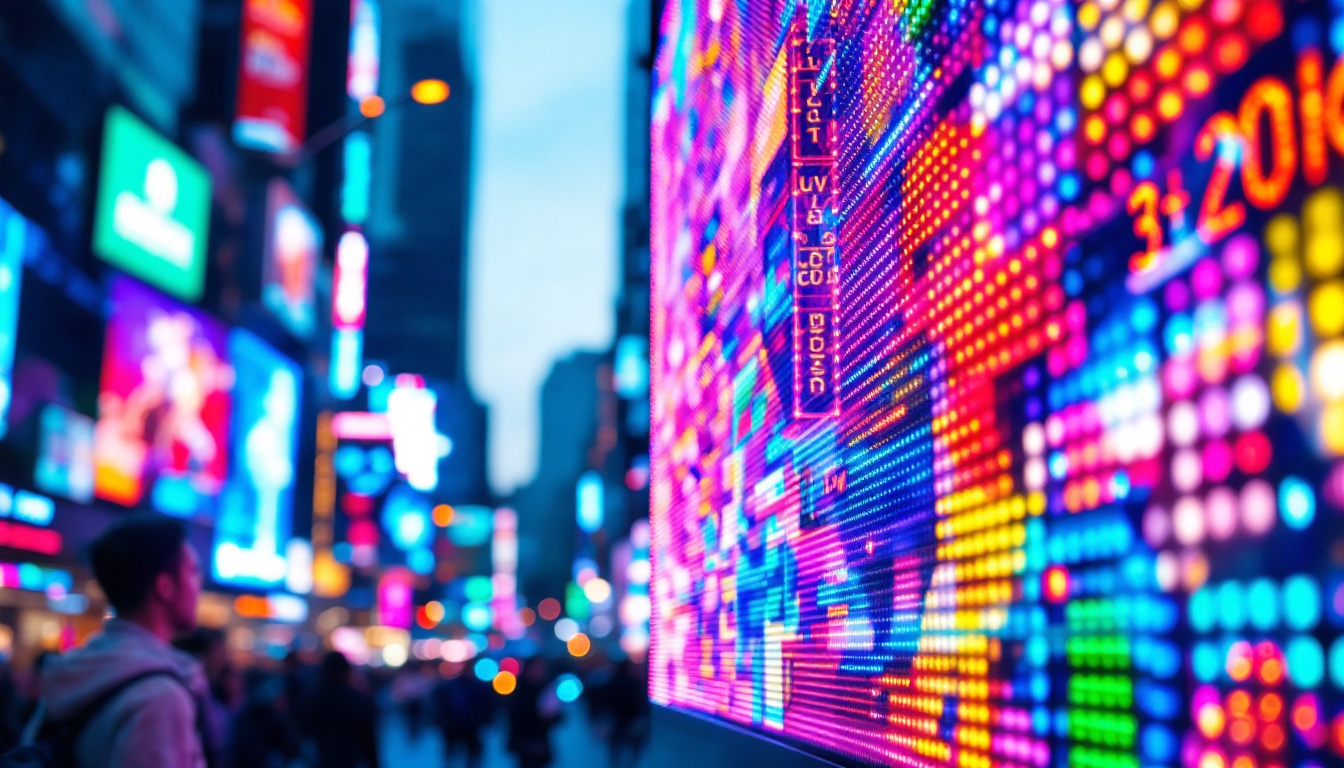
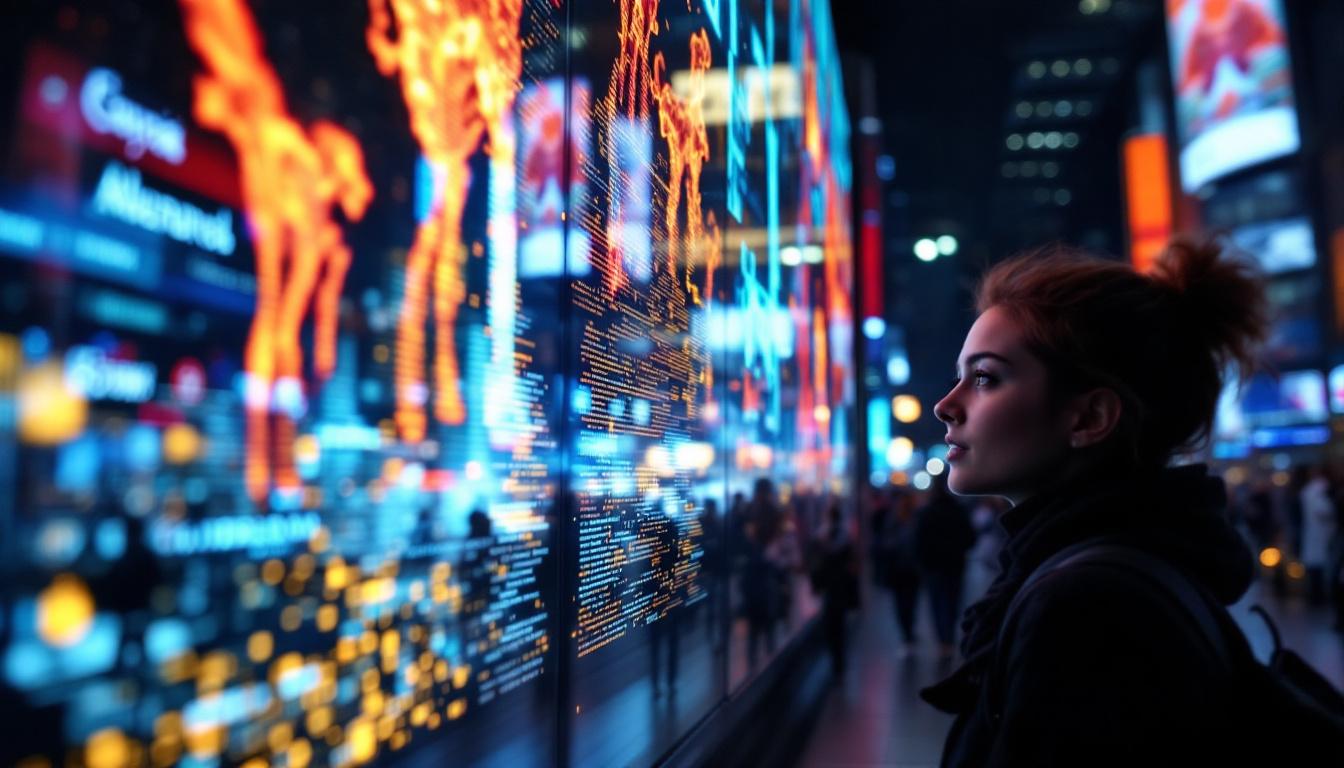
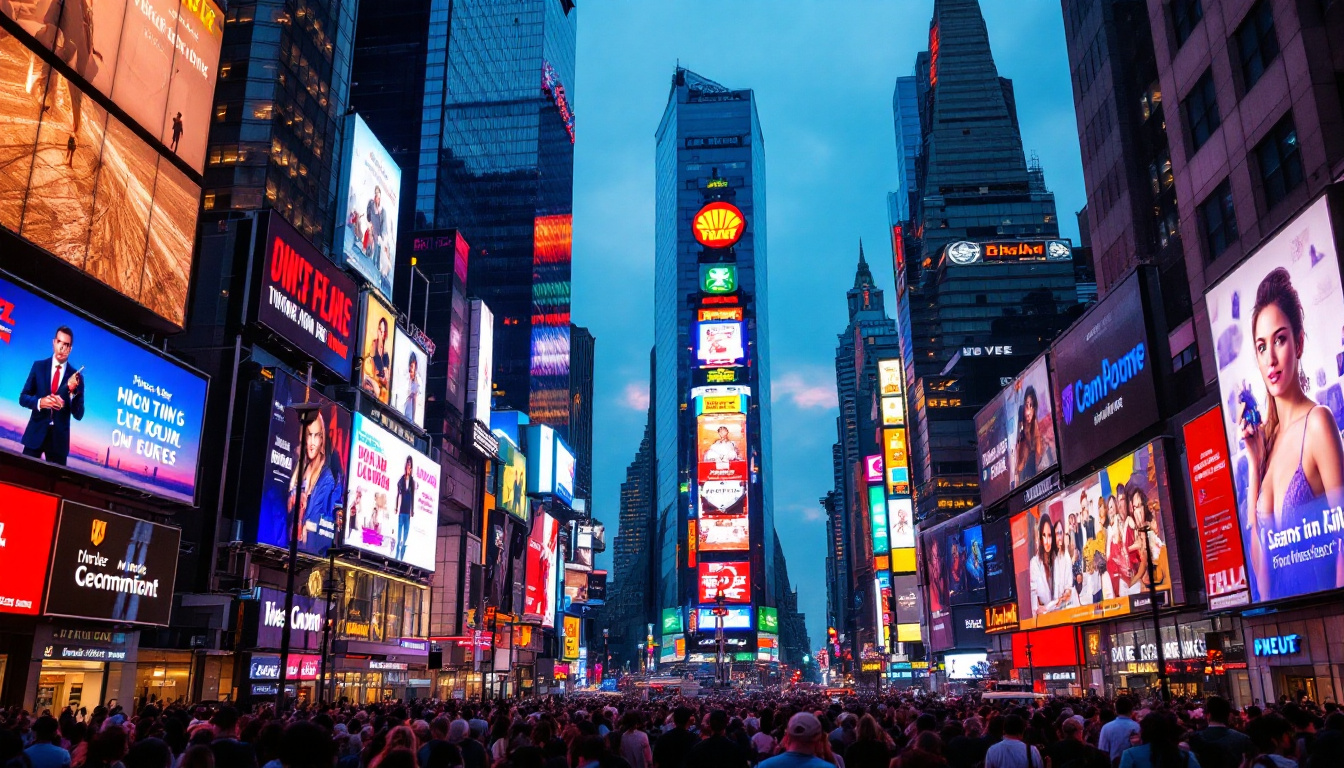
One of the most visible uses of LED displays is in commercial advertising. Digital billboards and storefront displays capture consumer attention with vibrant, dynamic content that can be updated instantly. In Kentucky’s urban centers, LED advertising has become a staple for businesses seeking to enhance brand visibility and engagement.
Retail environments also benefit from LED displays by creating immersive shopping experiences. Interactive LED walls and signage can provide product information, promotions, and personalized content, thereby increasing customer satisfaction and sales. For instance, many retailers in Kentucky have started utilizing LED screens to showcase seasonal promotions, allowing them to quickly adapt their messaging based on consumer trends and preferences. This adaptability not only helps in attracting foot traffic but also in fostering a sense of urgency among shoppers, encouraging them to make purchases on the spot.
Sports and Entertainment Venues
Kentucky, known for its rich sports culture, has embraced LED technology extensively in stadiums and arenas. Large-scale LED video boards deliver high-definition replays, live event coverage, and interactive fan experiences. These displays not only improve spectator engagement but also open new revenue streams through advertising and sponsorships. The introduction of LED technology has transformed the way fans experience games, with features like instant replays and real-time statistics enhancing their overall enjoyment.
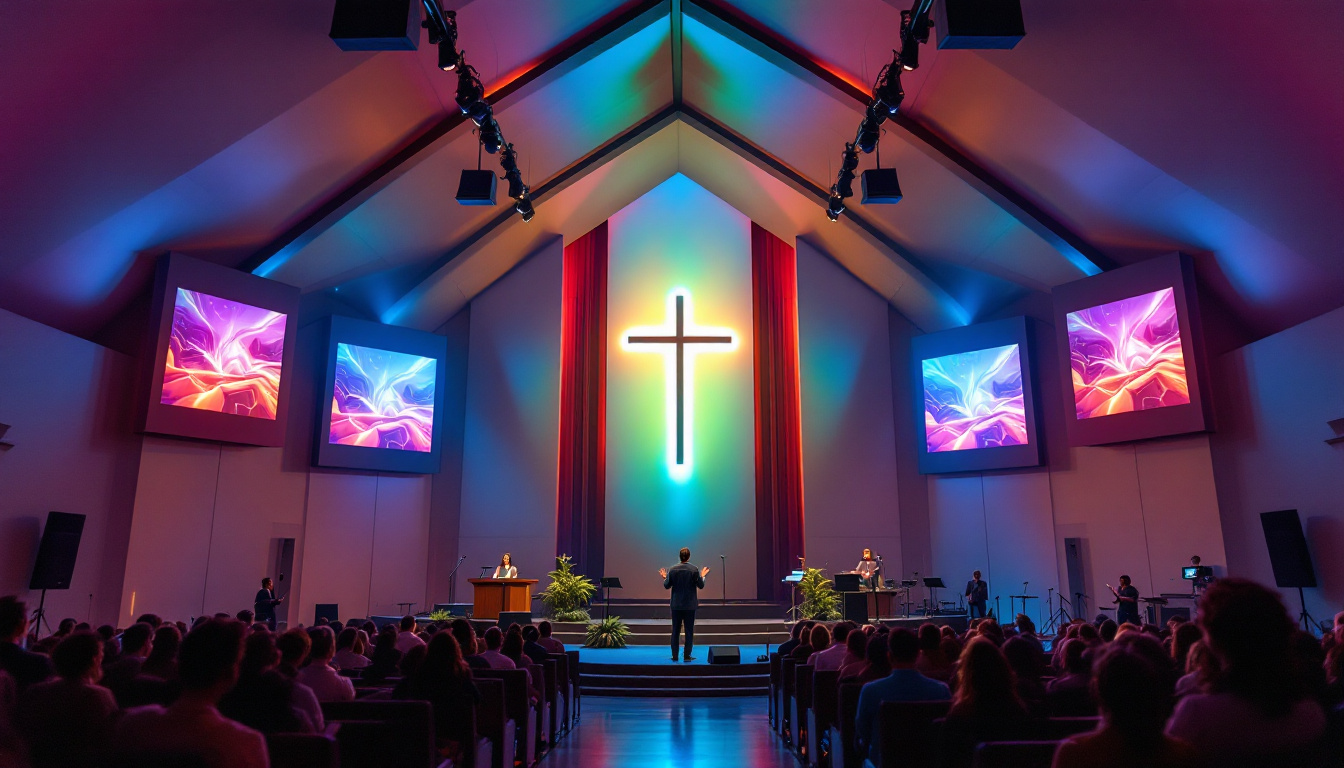
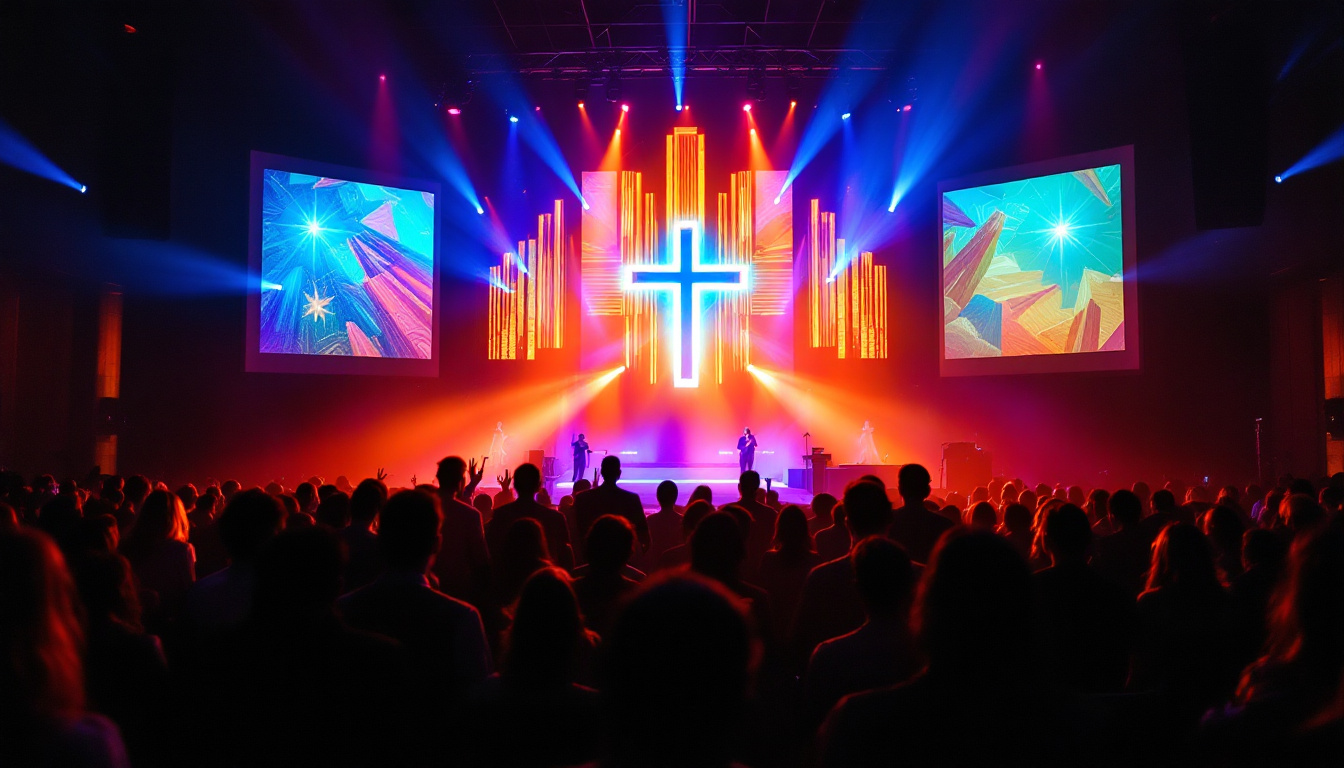
Entertainment venues use LED displays for stage backdrops, lighting effects, and immersive visuals that enhance performances. The flexibility and brightness of LED technology make it ideal for both indoor and outdoor events. Concerts and festivals across Kentucky have increasingly incorporated LED screens to create stunning visual narratives that complement live music, drawing in larger crowds and elevating the overall atmosphere. Additionally, these displays can be programmed to sync with the music, offering a multi-sensory experience that captivates audiences and keeps them engaged throughout the event.
Public Information and Transportation
LED displays play a crucial role in public information systems, including transit schedules, traffic alerts, and emergency notifications. In Kentucky’s cities, LED signage at bus stops, train stations, and highways helps commuters stay informed and safe. These displays can be updated in real-time, providing timely information that is essential for efficient travel and public safety.
Moreover, the durability and energy efficiency of LED displays make them suitable for 24/7 operation in outdoor environments, ensuring reliable communication regardless of weather conditions. The implementation of LED technology in public transportation has also led to significant cost savings for municipalities, as these displays consume less power compared to traditional signage. In addition to their practical applications, LED displays can also serve as platforms for community engagement, featuring local events, public service announcements, and even art installations that foster a sense of community pride and connection among residents.
Future Trends in LED Display Technology
The LED display industry is poised for continued growth and innovation. Several emerging trends are shaping the future of this technology, with implications for businesses and consumers alike.
MicroLED and MiniLED Technologies
MicroLED and MiniLED represent the next generation of LED displays, offering even higher resolution, brightness, and energy efficiency. MicroLEDs are tiny LEDs that can be individually controlled, enabling displays with exceptional color accuracy and contrast ratios.
These advancements promise to revolutionize consumer electronics, including televisions, smartphones, and wearable devices, by delivering superior picture quality and longer lifespan compared to traditional OLED and LCD screens.
Flexible and Transparent LED Displays
Innovation in materials science is enabling the development of flexible and transparent LED displays. These displays can be curved, bent, or integrated into windows and other surfaces, opening new possibilities for design and functionality.
In Kentucky, such technologies could transform architectural design, retail environments, and automotive displays, providing dynamic visual experiences without compromising space or aesthetics.
Integration with Smart City Infrastructure
As cities become smarter, LED displays will play a central role in urban communication networks. Connected LED signage can provide real-time data on traffic, weather, public safety, and community events, enhancing urban living and governance.
Dewayne Peevy’s advocacy for integrating LED technology with IoT platforms aligns with this vision, positioning Kentucky to benefit from the smart city revolution.
Conclusion: The Impact of LED Displays and Dewayne Peevy’s Contributions
LED display technology has transformed how information and advertising are presented, offering vibrant, energy-efficient, and versatile solutions across multiple sectors. Dewayne Peevy’s leadership and vision have helped accelerate the adoption and innovation of LED displays in Kentucky, fostering economic growth and technological advancement.
As LED technology continues to evolve with innovations like MicroLED, flexible displays, and smart integration, Kentucky stands to remain at the forefront of this dynamic industry. Understanding the technology and its applications is essential for businesses, policymakers, and consumers aiming to leverage the benefits of LED displays in the years to come.
Explore Cutting-Edge LED Solutions with LumenMatrix
As we look towards a future brightened by the advancements in LED display technology, LumenMatrix stands at the helm of innovation. With a comprehensive range of products from Indoor and Outdoor LED Wall Displays to specialized solutions like Vehicle LED Displays, LED Sports Displays, and Custom LED Displays, LumenMatrix is committed to transforming environments and enhancing communication. Whether you’re looking to captivate your audience, elevate your brand’s presence, or integrate the latest in digital signage, LumenMatrix has the expertise and technology to bring your vision to life. Check out LumenMatrix LED Display Solutions today and join the visual revolution.