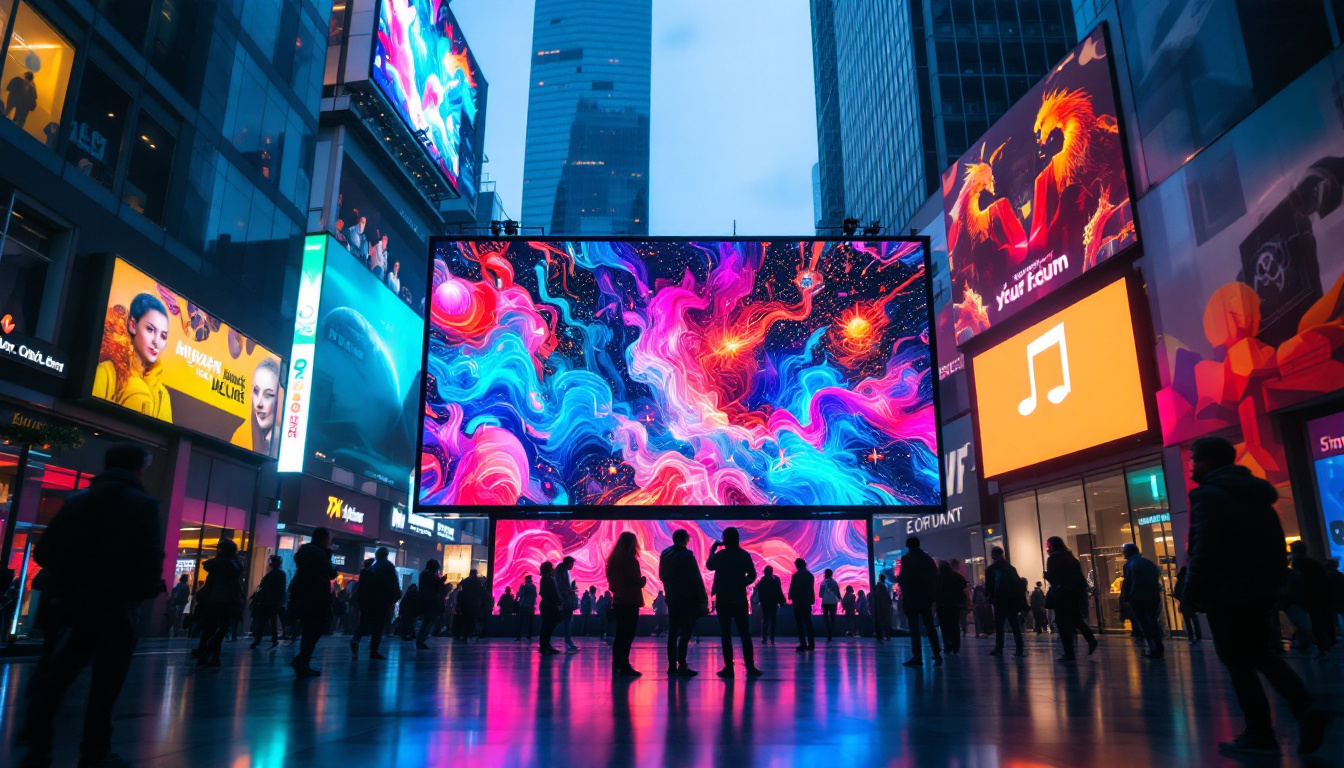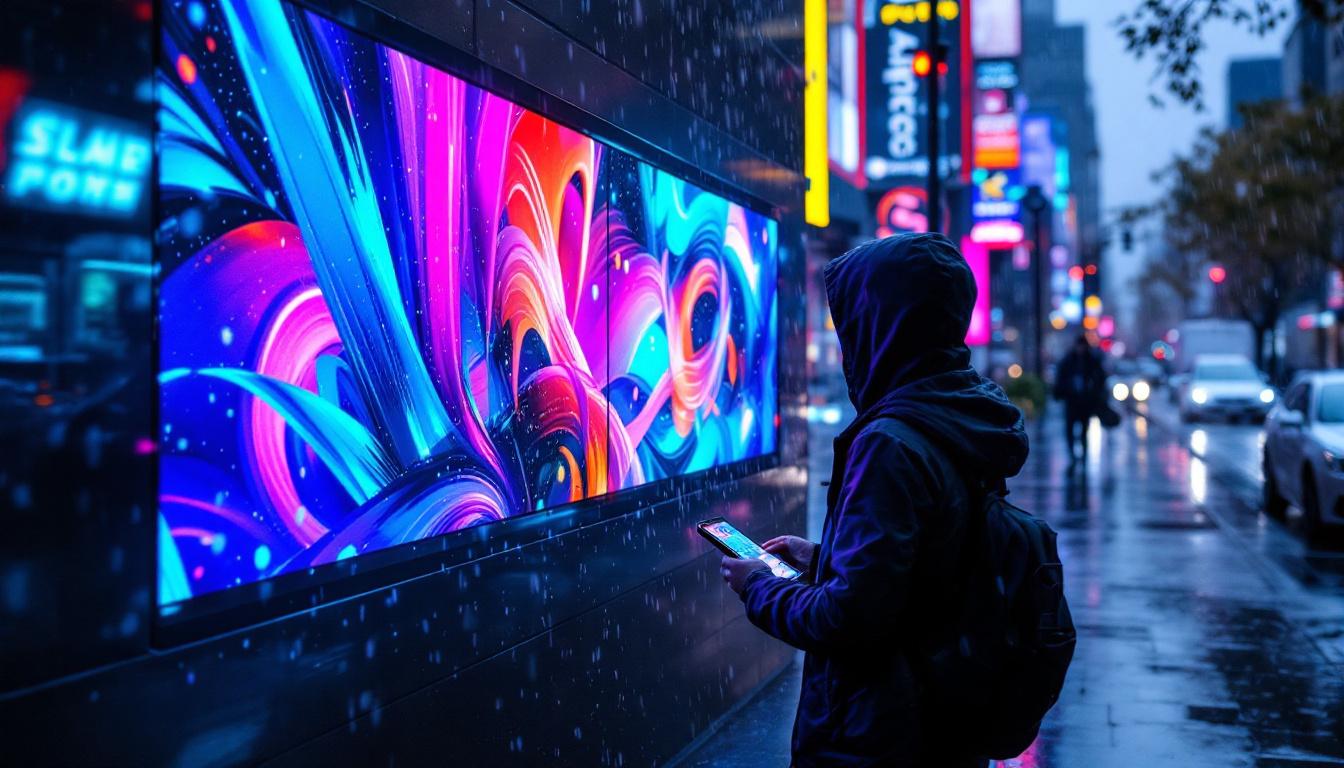
In today’s fast-paced digital world, LED displays have become an integral part of advertising, information dissemination, and entertainment. From vibrant billboards in bustling city centers to dynamic screens in outdoor sports arenas, LED technology continues to evolve, offering brighter, more energy-efficient, and versatile solutions. Among the many advancements, waterproof LED displays stand out for their ability to perform reliably in challenging environments. This article delves into the technology behind waterproof LED displays, their applications, benefits, and considerations for choosing the right display for your needs.
Understanding LED Display Technology
LED, or Light Emitting Diode, displays consist of an array of tiny light sources that emit light when electrically charged. Unlike traditional LCD screens, LEDs produce their own light, enabling higher brightness levels and better contrast ratios. This self-illumination characteristic makes LED displays ideal for outdoor and large-format applications where visibility is critical. The vibrant colors and sharp images produced by LED technology have revolutionized the way information is conveyed in public spaces, from advertising billboards to stadium screens, capturing the attention of passersby with their dazzling displays.
How LED Displays Work
Each LED pixel is made up of red, green, and blue diodes that combine to produce a full spectrum of colors. By adjusting the intensity of each diode, the display can render images, videos, and text with remarkable clarity and vibrancy. The modular design of LED panels allows for flexible sizing and shapes, making them suitable for a variety of installations. This adaptability is particularly beneficial in environments such as shopping malls and airports, where displays can be tailored to fit unique architectural features or specific marketing needs.
Modern LED displays also incorporate advanced control systems that enable real-time content updates, remote management, and synchronization across multiple panels. These features have expanded the possibilities for digital signage, event production, and interactive displays. For instance, event organizers can seamlessly switch between live feeds and pre-recorded content, enhancing the audience experience during concerts or conferences. Additionally, the integration of smart technology allows for data-driven content, where displays can change based on factors such as time of day, audience demographics, or even weather conditions, ensuring that the information presented is always relevant and engaging.
Key Advantages of LED Displays
LED technology offers several advantages over other display types:
- Brightness: LEDs can achieve brightness levels exceeding 5,000 nits, ensuring visibility even under direct sunlight.
- Energy Efficiency: LEDs consume less power compared to LCDs and projection systems, reducing operational costs.
- Durability: LEDs have a longer lifespan, often rated for 50,000 to 100,000 hours of operation.
- Flexibility: The modular nature allows for custom sizes and curved or irregular shapes.
Furthermore, the environmental impact of LED displays is significantly lower than that of traditional lighting technologies. With their reduced energy consumption, they contribute to lower carbon footprints, making them a more sustainable choice for businesses and municipalities alike. As technology continues to evolve, we can expect to see even more innovative applications of LED displays, such as augmented reality integrations and enhanced interactive features that further blur the lines between physical and digital experiences.
What Makes an LED Display Waterproof?
When LED displays are used outdoors or in environments exposed to moisture, rain, dust, or humidity, waterproofing becomes essential. Waterproof LED displays are engineered to withstand these harsh conditions without compromising performance or safety.
IP Ratings and Their Importance
The degree of protection against solids and liquids is classified by the Ingress Protection (IP) rating system. This two-digit code indicates how well an enclosure resists dust and water penetration.
For example, an IP65 rating means the display is dust-tight and protected against water jets from any direction. Higher ratings like IP67 or IP68 indicate the display can withstand temporary immersion in water, making them suitable for more demanding environments.
Understanding IP ratings helps buyers select a display that matches their environmental conditions. For outdoor advertising, IP65 or higher is generally recommended to ensure longevity and reliability. Additionally, it’s important to consider the specific application of the display; for instance, displays used in coastal areas may require higher ratings due to saltwater exposure, which can accelerate corrosion and damage.
Design Features of Waterproof LED Displays
Several design elements contribute to the waterproof nature of LED displays:
- Sealed Enclosures: The LED modules and electronic components are housed in sealed cabinets that prevent water ingress.
- Protective Coatings: Conformal coatings on circuit boards protect against moisture and corrosion.
- Water-Resistant Connectors: Specially designed connectors and cables maintain tight seals to prevent leaks.
- Drainage Systems: Some displays incorporate drainage channels to remove any water that may enter the enclosure.
These features ensure that even in heavy rain or humid conditions, the display continues to operate without damage or signal interference. Furthermore, the use of high-quality materials in the construction of these displays enhances their durability and resistance to environmental factors. For instance, aluminum frames are often utilized for their lightweight properties and resistance to rust, while tempered glass screens provide an additional layer of protection against impacts and scratches.
Moreover, the design of waterproof LED displays often includes thermal management systems that help regulate temperature, preventing overheating during prolonged exposure to sunlight. This is particularly crucial for outdoor installations, where temperature fluctuations can be significant. By integrating heat sinks and ventilation systems, manufacturers ensure that the internal components remain cool, thereby extending the lifespan of the display and maintaining optimal performance even in challenging weather conditions.
Applications of Waterproof LED Displays
The versatility and durability of waterproof LED displays have led to their widespread adoption across various industries and environments.
Outdoor Advertising and Digital Billboards
One of the most common uses of waterproof LED displays is in outdoor advertising. Digital billboards leverage the high brightness and visibility of LEDs to attract attention in busy urban areas. Waterproofing ensures these displays remain operational through rain, snow, and dust storms, providing uninterrupted advertising campaigns.
According to recent market analysis, the global digital out-of-home (DOOH) advertising market is expected to grow at a compound annual growth rate (CAGR) of over 11% through 2027, driven largely by the adoption of LED technology in outdoor signage.
Sports Arenas and Event Venues
Waterproof LED displays are essential in sports stadiums and concert venues, where large screens provide live feeds, scores, and advertisements. These environments often expose displays to weather elements and high humidity, especially in open-air venues. Waterproofing ensures the screens maintain high performance and safety standards throughout events.
Transportation Hubs and Public Spaces
Airports, train stations, and bus terminals use waterproof LED displays to provide real-time information, wayfinding, and emergency alerts. The ability to withstand varying weather conditions and operate continuously makes these displays reliable tools for public communication.
Retail and Hospitality
Outdoor retail spaces, restaurants, and hotels use waterproof LED displays for dynamic menus, promotions, and interactive customer engagement. Waterproofing protects the investment and enhances the customer experience by delivering crisp visuals regardless of weather.
Benefits of Choosing Waterproof LED Displays
Investing in waterproof LED displays offers several tangible benefits that justify their growing popularity.
Longevity and Reduced Maintenance Costs
Waterproofing significantly extends the lifespan of LED displays by preventing damage caused by moisture and dust. This durability reduces the frequency of repairs and replacements, lowering maintenance costs over time.
Consistent Performance in Harsh Conditions
Waterproof LED displays maintain consistent brightness, color accuracy, and responsiveness regardless of environmental challenges. This reliability is crucial for businesses that depend on uninterrupted communication and advertising.
Enhanced Safety
Proper waterproofing also ensures electrical components are protected from short circuits and corrosion, reducing the risk of malfunctions and hazards. This safety aspect is particularly important in public spaces and high-traffic areas.
Key Considerations When Selecting a Waterproof LED Display
Choosing the right waterproof LED display requires careful evaluation of several factors to ensure it meets specific needs and conditions.
Assessing Environmental Conditions
Understanding the environment where the display will be installed is critical. Consider factors such as exposure to rain, humidity levels, dust, temperature extremes, and potential physical impacts. This assessment helps determine the appropriate IP rating and protective features required.
Resolution and Pixel Pitch
The resolution and pixel pitch (distance between individual LEDs) affect image clarity and viewing distance. Outdoor displays typically have larger pixel pitches to optimize visibility from afar, while indoor or close-range applications require finer pitches for detailed visuals.
Brightness and Contrast
Brightness levels should be sufficient to overcome ambient light, especially in direct sunlight. Contrast ratios impact the display’s ability to render deep blacks and vivid colors, enhancing overall image quality.
Power Consumption and Heat Management
Efficient power usage reduces operational costs, while effective heat dissipation prevents overheating, which can degrade performance and lifespan. Look for displays with built-in cooling systems or heat sinks.
Installation and Maintenance
Consider the ease of installation, accessibility for maintenance, and availability of technical support. Modular designs that allow quick replacement of individual panels can minimize downtime.
Future Trends in Waterproof LED Displays
As LED technology advances, waterproof displays are becoming smarter, more efficient, and more adaptable to diverse applications.
Integration with IoT and Smart Systems
Emerging waterproof LED displays are increasingly integrated with Internet of Things (IoT) platforms, enabling real-time monitoring of performance, environmental conditions, and predictive maintenance. This connectivity enhances operational efficiency and reduces unexpected failures.
Flexible and Transparent LED Displays
Innovations in flexible and transparent LED panels open new possibilities for creative installations in architecture and retail. Waterproof versions of these displays allow for seamless integration into building facades and outdoor glass surfaces.
Energy Harvesting and Sustainability
Some manufacturers are exploring solar-powered LED displays and energy-efficient components to reduce environmental impact. Waterproofing remains a key feature to protect these sustainable solutions in outdoor settings.
Conclusion
Waterproof LED displays represent a critical evolution in digital signage technology, enabling high-performance visuals in environments previously considered too challenging. Their robust design, combined with superior brightness and flexibility, makes them indispensable for outdoor advertising, public information systems, and entertainment venues.
When selecting a waterproof LED display, understanding the technical specifications, environmental demands, and future-proofing options ensures a smart investment that delivers lasting value. As innovations continue to emerge, these displays will play an even greater role in shaping the visual landscape of cities and public spaces worldwide.
Discover the Future of Visual Engagement with LumenMatrix
Ready to elevate your visual communication to new heights? Explore LumenMatrix’s comprehensive range of LED display solutions, where innovation meets practicality. From immersive Indoor LED Walls to vibrant Outdoor Displays and beyond, LumenMatrix is at the forefront of creating displays that not only withstand the elements but also captivate and engage audiences. Whether you’re looking to enhance brand visibility, deliver dynamic content, or create unforgettable experiences, LumenMatrix has the technology to bring your vision to life. Check out LumenMatrix LED Display Solutions today and join the revolution in digital signage excellence.