In the rapidly evolving world of additive manufacturing, 3D printing interlocking parts has become a game-changer for industries ranging from consumer electronics to architectural design. One particularly exciting application is in the creation of custom LED displays. These displays, which rely on the precise assembly of interlocking components, combine the flexibility of 3D printing with the dynamic functionality of LED technology.
This article delves into the intricacies of 3D printing interlocking parts specifically for LED displays. It explores the design principles, material considerations, and practical applications that make this technology so compelling. Whether you are an engineer, designer, or hobbyist, understanding these concepts will help you leverage 3D printing to create innovative, modular LED display solutions.
Understanding Interlocking Parts in 3D Printing
What Are Interlocking Parts?
Interlocking parts are components designed to fit together without the need for adhesives, screws, or additional fasteners. In 3D printing, these parts are created with precise geometries that allow them to snap, slide, or twist into place, forming a stable assembly. This approach simplifies construction, enhances modularity, and enables easy disassembly for maintenance or upgrades.
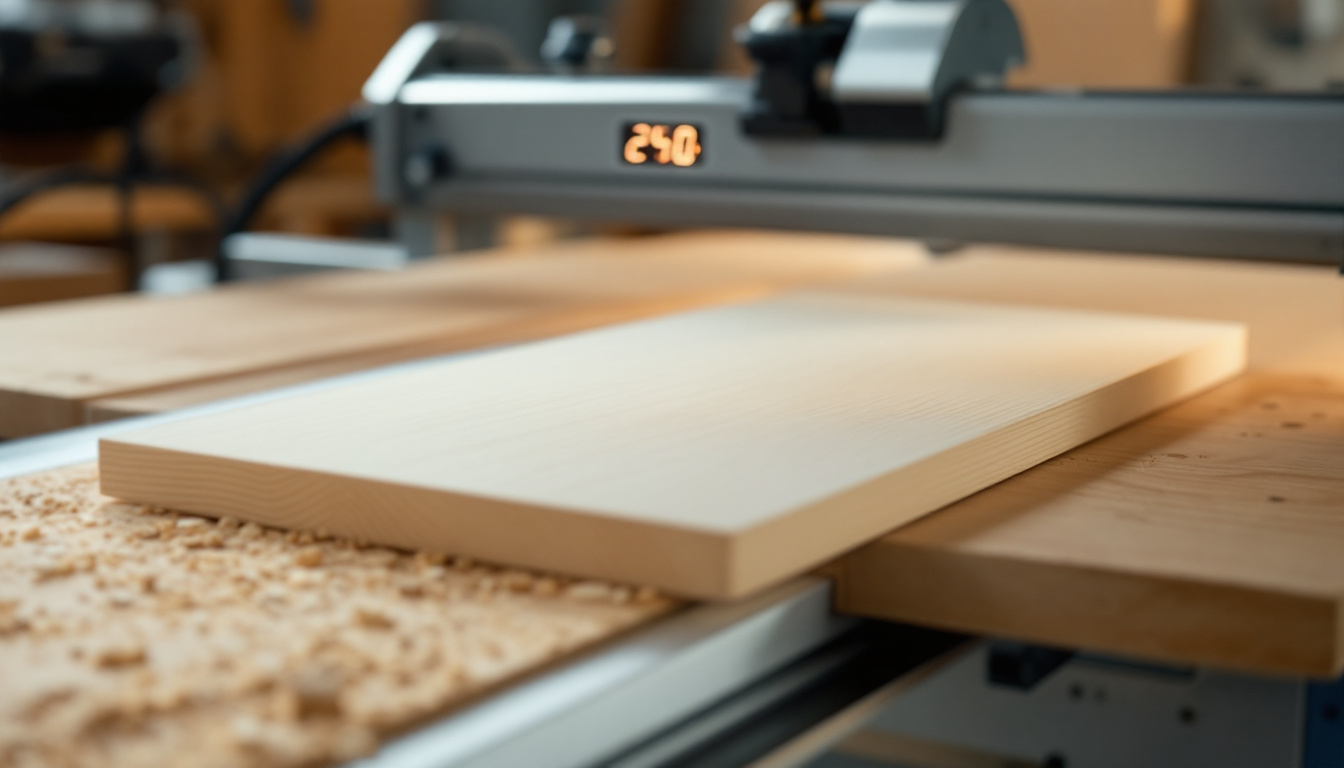
For LED displays, interlocking parts often include frames, bezels, and mounting brackets that hold LED modules securely while allowing for scalability. The ability to print these parts with tight tolerances is crucial, as even minor deviations can affect the fit and overall performance of the display. Furthermore, interlocking designs can significantly reduce assembly time and labor costs, making them an attractive option for manufacturers looking to streamline their production processes.
In addition to LED displays, interlocking parts can be found in various applications, from toys to automotive components. For example, many modern toys utilize interlocking mechanisms to allow children to build and customize their creations easily. This not only enhances playability but also encourages creativity and problem-solving skills. In the automotive industry, interlocking parts can contribute to lightweight structures that improve fuel efficiency while maintaining strength and durability.
Design Considerations for Effective Interlocking
Designing interlocking parts for 3D printing requires a balance between functionality and manufacturability. Key considerations include:
- Tolerances: Ensuring parts fit snugly without excessive friction. Typical clearance values range from 0.1 to 0.3 mm depending on the printer and material.
- Geometry: Utilizing dovetails, snap-fits, or puzzle-like joints to maximize stability and ease of assembly.
- Print Orientation: Aligning parts in the printer to optimize strength in load-bearing directions and minimize support structures.
- Material Selection: Choosing materials with appropriate flexibility or rigidity to support the locking mechanism.
By carefully considering these factors, designers can create interlocking parts that are both reliable and easy to produce. Additionally, it is essential to think about the end-user experience; interlocking designs should not only be functional but also intuitive to use. Prototyping and user testing can provide valuable insights into how well the interlocking mechanism performs in real-world scenarios, allowing designers to refine their creations further.
Moreover, advancements in 3D printing technology, such as multi-material printing, open up new possibilities for interlocking parts. By combining different materials within a single print job, designers can create parts that have varying degrees of flexibility and rigidity, enhancing the functionality of the interlocking mechanism. This innovation allows for more complex designs that can adapt to specific applications, ultimately leading to more efficient and effective solutions across various industries.
Materials and Technologies for 3D Printing LED Display Components
Material Choices for Durability and Precision
The choice of material significantly impacts the performance of interlocking parts in LED displays. Commonly used materials include:
- PLA (Polylactic Acid): Easy to print with good dimensional stability, suitable for prototypes and low-stress applications.
- ABS (Acrylonitrile Butadiene Styrene): Offers higher strength and heat resistance, ideal for parts exposed to environmental stress.
- PETG (Polyethylene Terephthalate Glycol): Combines flexibility and toughness, making it a popular choice for snap-fit joints.
- Resins: Used in SLA or DLP printers, resins provide high detail and smooth surfaces, essential for fine interlocking features.
For LED displays, materials must also consider heat dissipation. Since LEDs generate heat during operation, parts should either be thermally conductive or designed to allow airflow. Some advanced filaments infused with carbon fiber or metal powders can enhance thermal properties, though at a higher cost. Additionally, the choice of color and finish can influence the overall aesthetic of the display, with matte finishes reducing glare and enhancing visibility in bright environments. The incorporation of additives such as UV stabilizers can also prolong the lifespan of components exposed to sunlight, ensuring that the display maintains its appearance and functionality over time.
3D Printing Technologies Suitable for Interlocking LED Display Parts
Several 3D printing technologies are well-suited for producing interlocking parts:
- Fused Deposition Modeling (FDM): Widely accessible and cost-effective, FDM is excellent for producing durable parts with moderate precision.
- Stereolithography (SLA) and Digital Light Processing (DLP): These resin-based methods offer superior resolution and surface finish, ideal for intricate interlocking mechanisms.
- Selective Laser Sintering (SLS): Uses powdered materials to create strong, functional parts without the need for support structures, beneficial for complex geometries.
The choice of technology depends on the required precision, mechanical properties, and production volume. For example, SLA is preferred for small, highly detailed connectors, while FDM suits larger frame components. Furthermore, the scalability of production is a critical consideration; SLS is particularly advantageous in low-volume production runs where traditional manufacturing might be cost-prohibitive. Innovations in hybrid printing techniques, which combine FDM and SLA, are also emerging, allowing for the creation of parts that leverage the strengths of both methods, such as the durability of FDM with the intricate detail of SLA. This versatility opens new avenues for designing LED displays that are not only functional but also visually striking, catering to a broader range of applications from consumer electronics to large-scale advertising displays.
Designing Interlocking LED Displays: From Concept to Assembly
Modularity and Scalability in LED Display Design
One of the primary advantages of 3D printing interlocking parts is the ability to create modular LED displays. Modularity allows designers to build displays of varying sizes and shapes by snapping together standardized units. This approach offers several benefits:
- Customization: Easily adapt display dimensions to specific spaces or requirements.
- Maintenance: Replace or upgrade individual modules without dismantling the entire display.
- Transport: Disassemble displays for easier shipping and storage.
For example, a retail store might use a modular LED display to create dynamic signage that can be reconfigured for seasonal promotions. Each module, printed with interlocking parts, fits seamlessly with others, creating a cohesive visual experience.
Integrating Electronics with 3D Printed Parts
Designing interlocking parts for LED displays also involves accommodating the electronic components. This includes:
- Housing LED Modules: Ensuring snug fit and protection for LED strips or panels.
- Routing Wiring: Designing channels or clips within the interlocking parts to organize cables and prevent damage.
- Heat Management: Incorporating vents or heat sinks to dissipate heat effectively.
Successful integration requires collaboration between mechanical designers and electrical engineers. Using 3D CAD software with electronic component libraries can streamline this process, allowing for precise alignment and fit.
Case Study: A Custom 3D Printed LED Wall
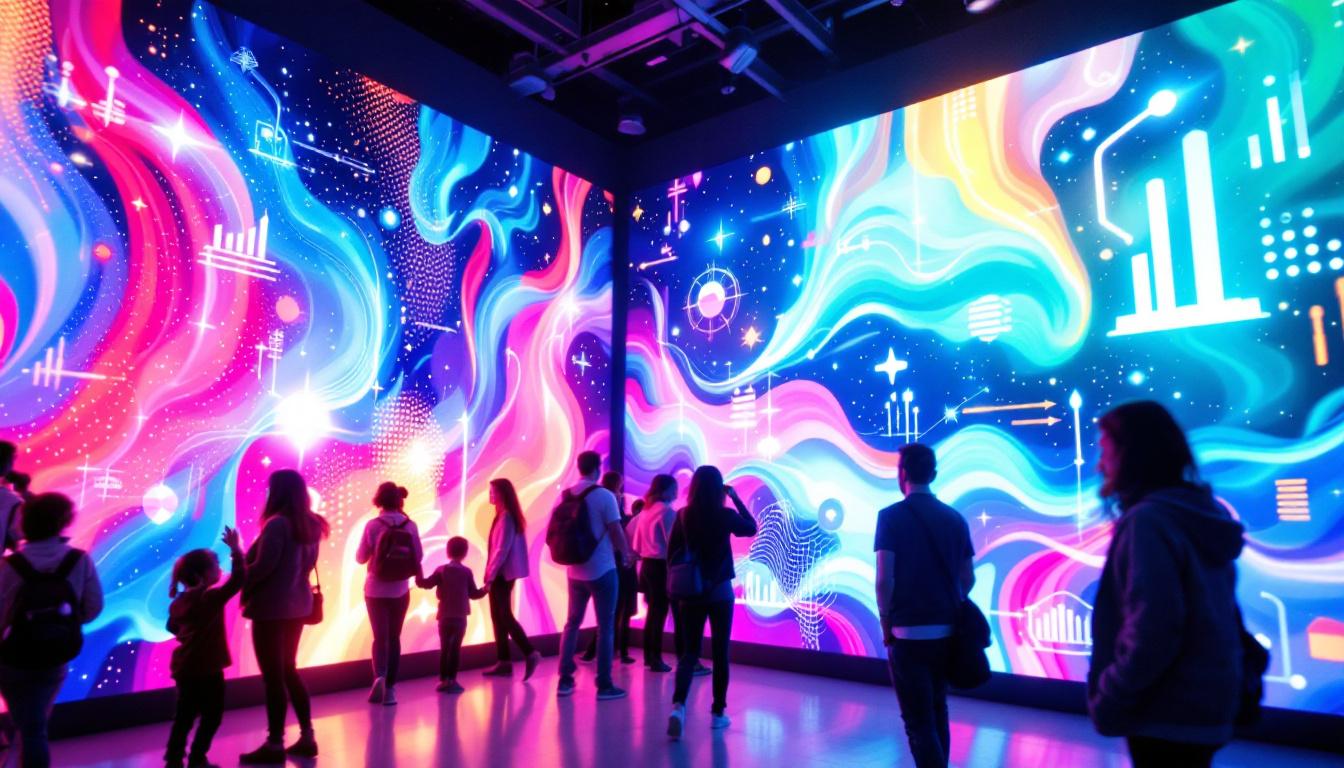
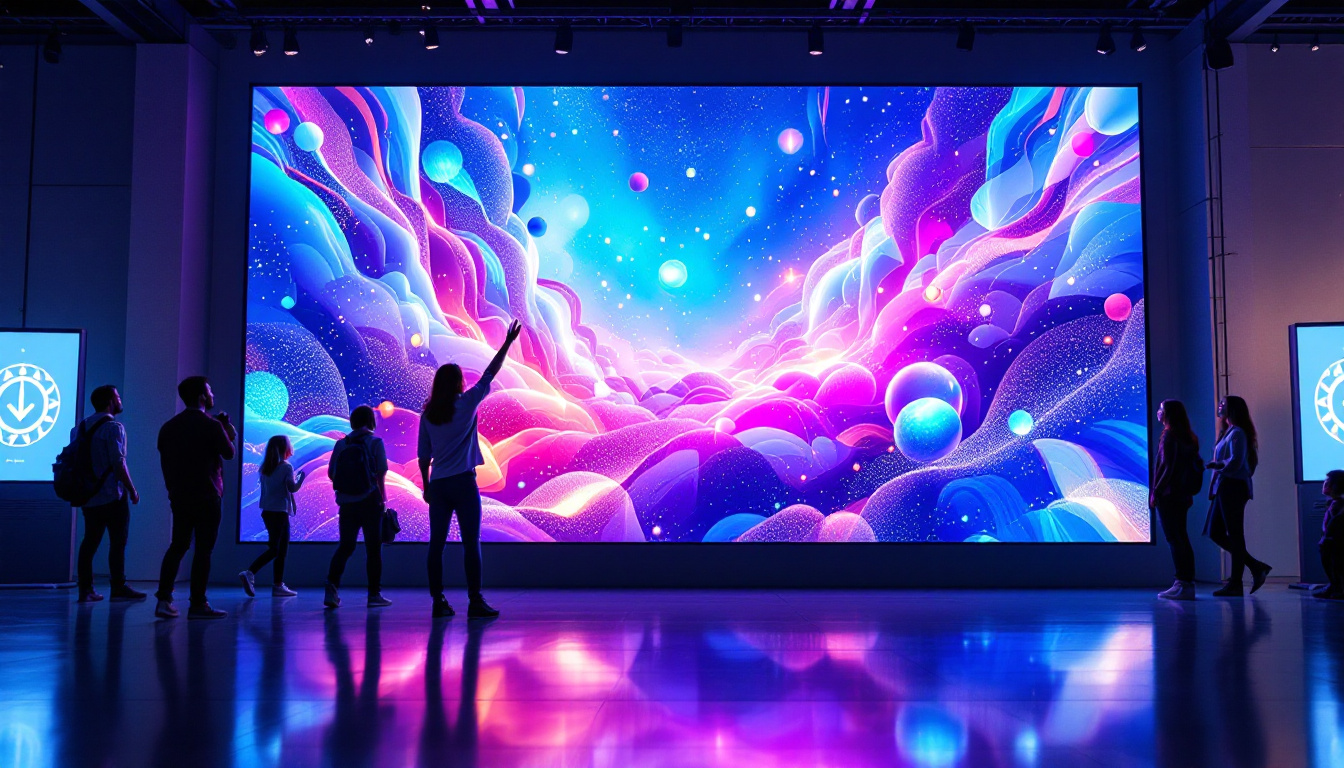
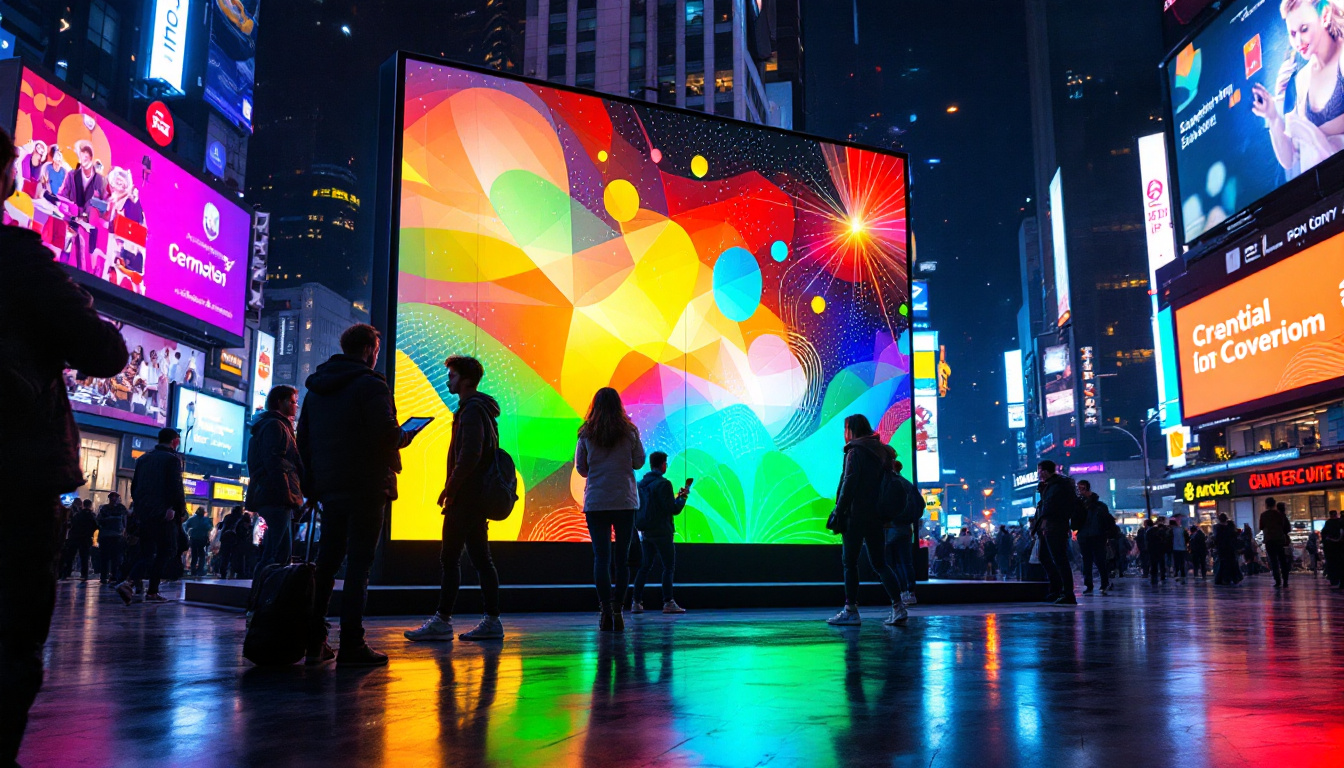
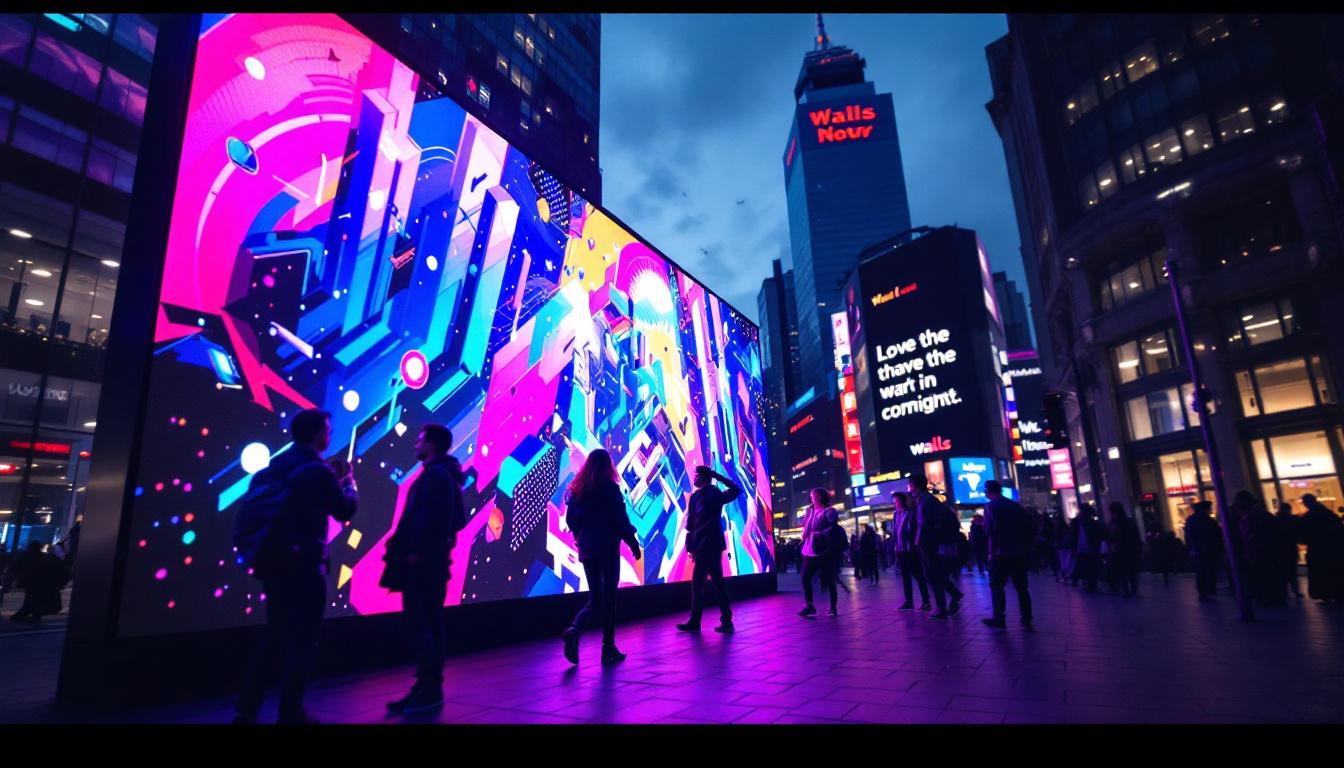
A recent project involved creating a large-scale LED wall for an art installation. The design team used 3D printing to fabricate interlocking frames that held individual LED panels. Each frame featured snap-fit joints that allowed quick assembly on-site without tools.
The frames were printed in PETG to balance strength and flexibility, with integrated cable management channels. This modular design enabled the wall to be reconfigured into different shapes, providing versatility for future exhibitions.
Challenges and Best Practices in 3D Printing Interlocking LED Display Parts
Common Challenges
Despite the advantages, several challenges arise when 3D printing interlocking parts for LED displays:
- Dimensional Accuracy: Variations in printer calibration can cause parts to fit too tightly or loosely.
- Material Warping: Especially with ABS, warping can distort interlocking features.
- Surface Finish: Rough surfaces can impede smooth assembly or damage delicate electronics.
- Heat Resistance: Parts must withstand the operating temperature of LEDs without deforming.
Best Practices for Reliable Results
To overcome these challenges, consider the following best practices:
- Calibrate Your Printer: Regularly check and adjust printer settings to maintain dimensional accuracy.
- Design for Tolerance: Incorporate small clearances and test fit prototypes before final production.
- Use Appropriate Materials: Select materials with suitable thermal and mechanical properties for the application.
- Post-Processing: Sand or polish interlocking surfaces to improve fit and reduce friction.
- Thermal Management: Design parts with ventilation or use heat-resistant filaments to prevent deformation.
Implementing these strategies ensures that the final assembly is both functional and durable.
Future Trends: Advancing 3D Printed Interlocking LED Displays
Smart Materials and Embedded Electronics
Emerging technologies are pushing the boundaries of what’s possible with 3D printed interlocking parts. Smart materials that change properties in response to environmental stimuli could enable adaptive LED displays that self-assemble or reconfigure.
Additionally, advances in multi-material 3D printing allow embedding conductive traces and sensors directly within printed parts. This integration could reduce wiring complexity and create more compact, efficient LED display systems.
Mass Customization and On-Demand Production
The combination of 3D printing and interlocking design supports mass customization, enabling manufacturers to produce tailored LED displays quickly and cost-effectively. On-demand production reduces inventory costs and allows rapid iteration, essential in fast-paced industries like advertising and retail.
As 3D printing speeds increase and costs decrease, expect to see wider adoption of interlocking LED display components in both commercial and consumer markets.
Conclusion
3D printing interlocking parts for LED displays represents a powerful synergy between additive manufacturing and electronic design. By understanding the principles of interlocking mechanisms, selecting appropriate materials and technologies, and addressing integration challenges, designers can create modular, scalable, and customizable LED displays that meet diverse needs.
As the technology matures, it will continue to unlock new possibilities in display innovation, enabling more dynamic, adaptable, and visually striking installations. Whether for commercial signage, artistic expression, or interactive environments, 3D printed interlocking LED displays are poised to transform how we illuminate and communicate in the modern world.
Illuminate Your Space with LumenMatrix
Ready to elevate your environment with a customizable, scalable LED display? LumenMatrix is at the forefront of LED display technology, offering a wide array of solutions that bring your space to life. From indoor and outdoor walls to dynamic vehicle displays and beyond, our products are designed to captivate and engage. Discover how our innovative LED solutions can transform your visual communication and enhance your brand’s presence. Check out LumenMatrix LED Display Solutions today and start creating unforgettable visual experiences.