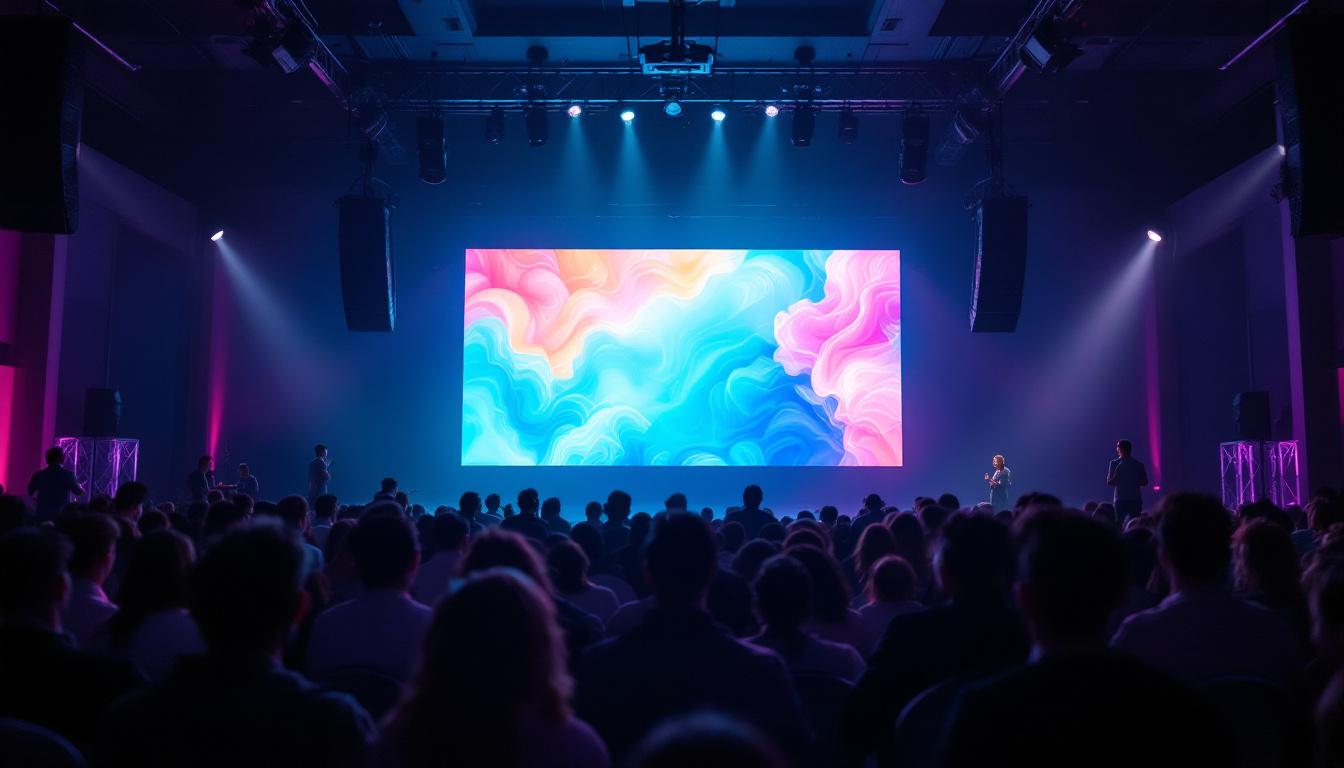
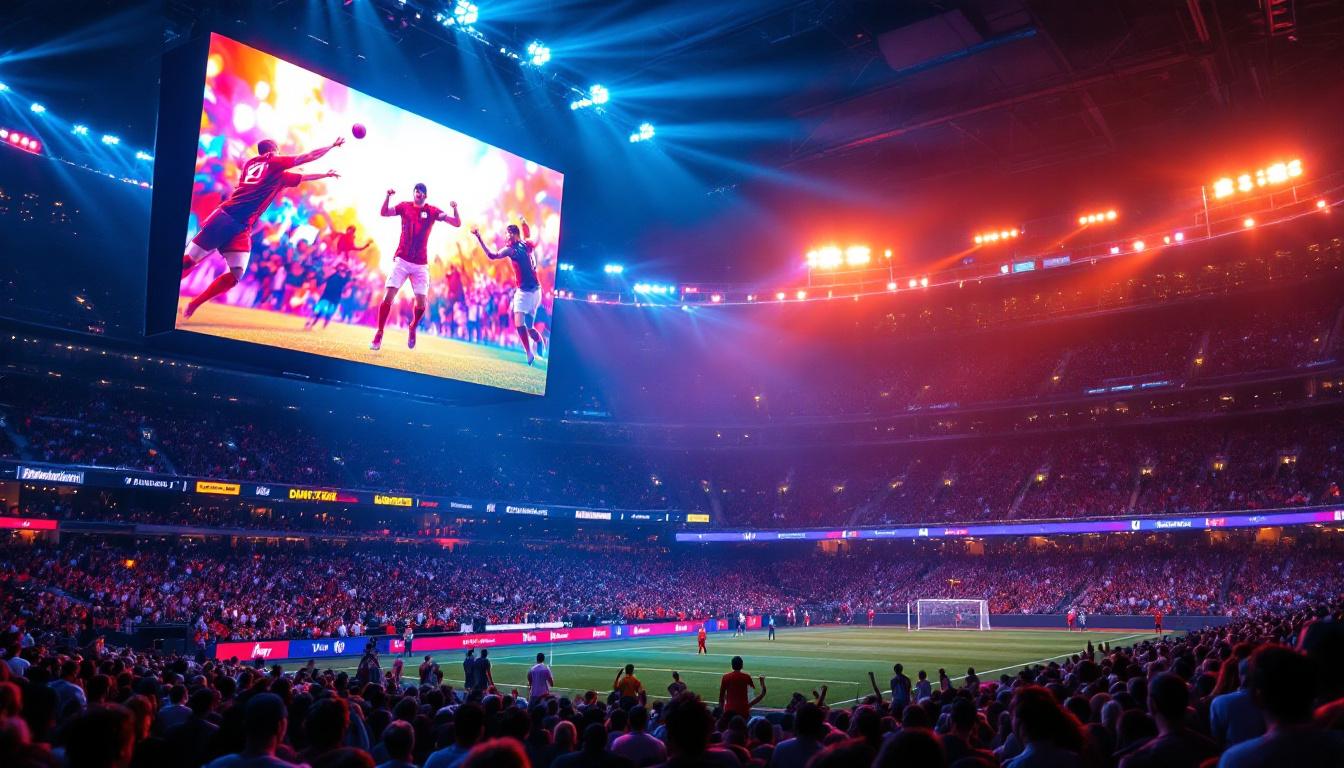
In the world of modern sports and entertainment venues, stadium LED screens have become an indispensable feature. These massive, vibrant displays captivate audiences, enhance the fan experience, and provide essential information in real time. But what exactly makes stadium LED screens so effective, and how do they work? This article delves into the technology behind stadium LED displays, their benefits, and key considerations for their implementation.
Understanding Stadium LED Screens: Technology and Components
At its core, a stadium LED screen is a large-scale digital display composed of thousands of tiny light-emitting diodes (LEDs). These LEDs collectively form images, videos, and animations visible to tens of thousands of spectators, even in broad daylight.
The technology behind these screens is both sophisticated and robust, designed to withstand outdoor conditions while delivering high brightness and color accuracy. The main components include the LED modules, control systems, power supplies, and protective enclosures. Each of these components plays a crucial role in ensuring that the screen operates seamlessly during high-stakes events, such as championship games or concerts, where every detail matters to the audience experience.
How LED Technology Works in Stadium Displays
Each LED module consists of numerous individual diodes, typically red, green, and blue, which combine to produce a full spectrum of colors through varying intensities. By controlling the brightness of each diode, the screen can render detailed images and videos with remarkable clarity. This capability is essential not only for displaying live sports but also for showcasing advertisements, replays, and fan engagement content, which can significantly enhance the overall atmosphere of the event.
One critical aspect is the pixel pitch — the distance between the centers of two adjacent pixels. Stadium screens usually have a larger pixel pitch compared to indoor displays, often ranging from 10mm to 20mm or more. This spacing is ideal for viewing distances of 20 meters or more, ensuring that the image appears sharp and clear to spectators seated far from the screen. Moreover, advancements in technology are leading to the development of finer pixel pitches, allowing for even greater detail and versatility in how content is presented, making it possible to cater to a wider range of events and audiences.
Durability and Weather Resistance
Unlike indoor LED displays, stadium screens must endure harsh weather conditions such as rain, wind, dust, and extreme temperatures. To address this, manufacturers use weatherproof enclosures with high Ingress Protection (IP) ratings, typically IP65 or above. This rating guarantees that the screens are dust-tight and protected against water jets, ensuring uninterrupted operation throughout the year. Additionally, many stadiums are now incorporating features like automatic brightness adjustment, which allows the screen to adapt to changing light conditions, further enhancing visibility and performance.
Additionally, stadium LED screens are constructed with robust materials to resist physical impacts and UV radiation, which can degrade components over time. Advanced heat dissipation systems also prevent overheating during prolonged use under direct sunlight. This durability is not just a matter of longevity; it also translates to lower maintenance costs and reduced downtime, which is critical for venues that host multiple events throughout the year. Furthermore, the integration of smart technology allows for real-time diagnostics and monitoring, enabling quick responses to any potential issues, thus ensuring that the show goes on without a hitch.
The Benefits of Stadium LED Screens
Stadium LED screens offer a multitude of advantages that extend beyond mere visual appeal. They play a vital role in enhancing fan engagement, providing real-time information, and generating revenue streams for venue operators.
Enhanced Fan Experience and Engagement
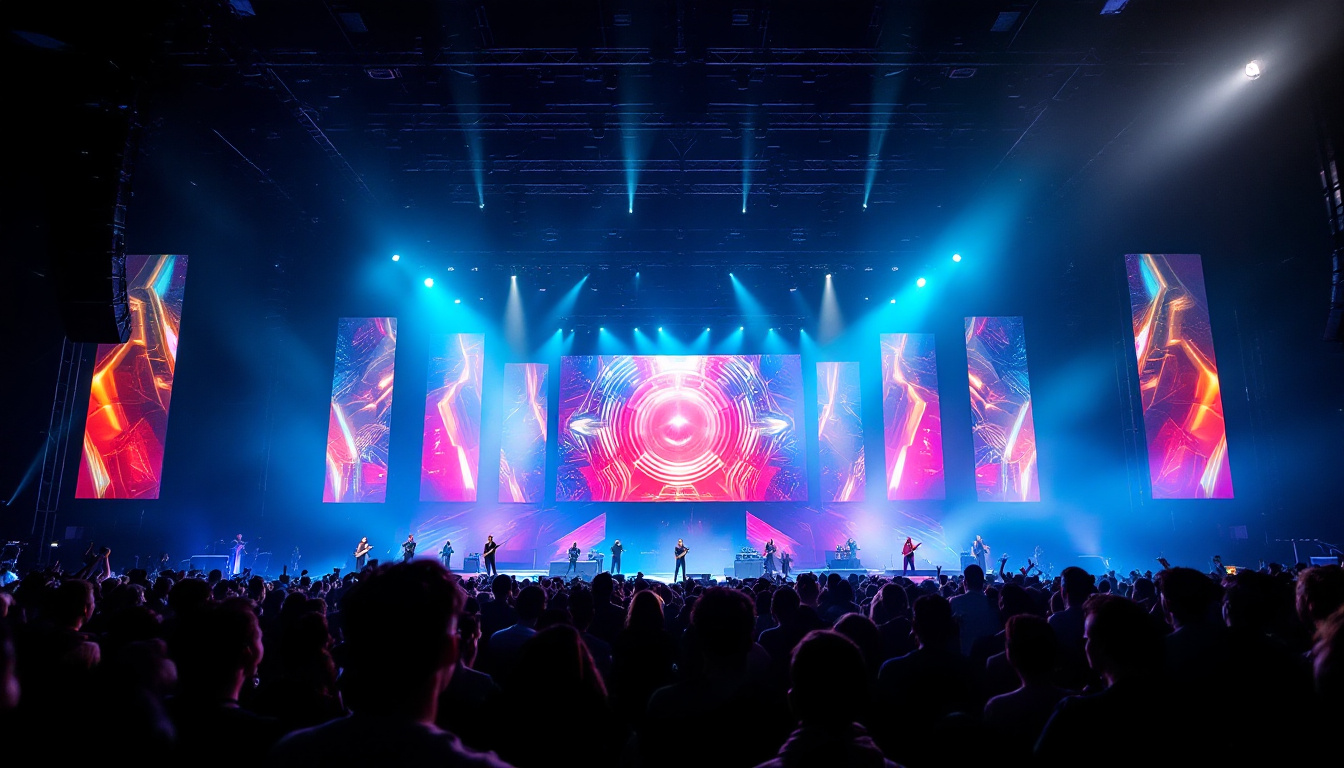
Modern stadiums are no longer just about watching the game; they are immersive entertainment hubs. LED screens contribute significantly by displaying live action replays, player statistics, interactive polls, and social media feeds. This real-time content keeps fans engaged and informed throughout the event.
For example, during halftime or breaks, stadium LED screens can showcase crowd shots, fan messages, or sponsor advertisements, creating a dynamic atmosphere that elevates the overall experience.
Advertising and Revenue Generation
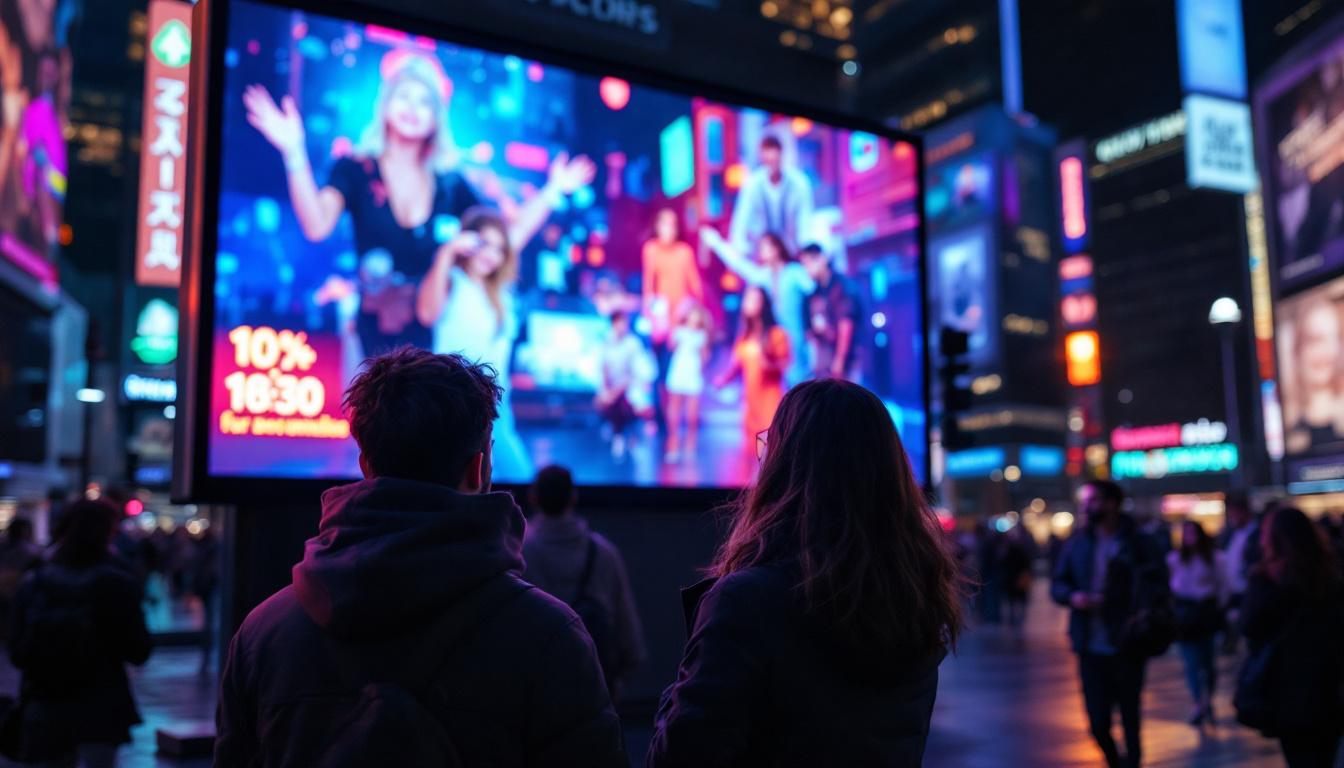
Advertising on stadium LED screens has become a lucrative opportunity for sports franchises and event organizers. Digital billboards allow for dynamic, targeted advertising that can be changed instantly, maximizing the value of advertising slots.
According to industry reports, digital advertising revenues in stadiums have grown by over 15% annually in recent years, driven by the flexibility and high visibility of LED displays. Brands can leverage these screens to reach large, captive audiences, making them a powerful marketing tool.
Operational Efficiency and Communication
Beyond entertainment and advertising, stadium LED screens serve critical operational functions. They can display emergency messages, wayfinding information, and schedule updates, ensuring smooth crowd management and safety.
In emergency situations, the ability to broadcast clear, visible instructions to thousands of people simultaneously can be lifesaving. This dual role of entertainment and safety communication underscores the importance of reliable LED display technology in stadium environments.
Key Considerations When Choosing a Stadium LED Screen
Selecting the right LED display for a stadium involves balancing technical specifications, budget constraints, and the intended use cases. Several factors influence the decision-making process.
Resolution and Pixel Pitch
Resolution is a critical factor that determines the clarity and detail of the displayed content. While higher resolution screens with smaller pixel pitches provide sharper images, they also come at a higher cost.
For stadiums, where viewers are typically seated far from the screen, a pixel pitch between 10mm and 20mm is often optimal. This range ensures clear visibility without unnecessary expenditure on ultra-high resolution.
Brightness and Contrast Ratio
Outdoor stadiums require extremely bright screens to combat sunlight glare. Stadium LED screens generally offer brightness levels ranging from 5,000 to 8,000 nits, significantly higher than indoor displays. A high contrast ratio also improves image quality, making colors appear vivid and details distinct.
Screen Size and Viewing Angles
The physical size of the LED screen must be proportionate to the stadium’s dimensions and seating arrangement. Larger screens can be viewed from greater distances but require more power and structural support.
Viewing angles are equally important, ensuring that spectators seated at various positions around the stadium can see the screen clearly without color distortion or brightness loss.
Installation and Maintenance
Stadium LED screens are complex installations requiring professional engineering and structural assessments. The mounting system must support the weight of the screen and withstand environmental forces like wind.
Maintenance accessibility is also crucial. Modular designs that allow easy replacement of individual LED panels minimize downtime and maintenance costs. Additionally, remote monitoring systems can detect faults early, ensuring consistent performance.
Energy Efficiency and Sustainability
Given the size and brightness of stadium LED screens, energy consumption can be substantial. Modern LED technology focuses on energy efficiency, using advanced circuitry and power management to reduce electricity usage.
Some stadiums incorporate solar panels or other renewable energy sources to offset the environmental impact of their LED displays, aligning with growing sustainability goals in the sports industry.
Case Studies: Iconic Stadium LED Screen Installations
Examining real-world examples helps illustrate how stadium LED screens transform venues and fan experiences.
AT&T Stadium, Dallas Cowboys
Home to the Dallas Cowboys, AT&T Stadium features one of the largest high-definition LED video boards in the world. Measuring approximately 160 feet wide and 72 feet tall, the screen provides crystal-clear images and instant replays visible from every seat.
This massive display enhances the game-day atmosphere and serves as a platform for advertising, entertainment, and fan interaction. Its advanced technology includes ultra-high brightness and seamless video playback, setting a benchmark for stadium LED screens globally.
Wembley Stadium, London
Wembley Stadium employs multiple LED screens strategically placed to maximize visibility. The screens are designed to handle the stadium’s open-air environment, with high brightness and weatherproofing.
During major events, these displays broadcast live footage, event information, and sponsor messages, contributing to Wembley’s reputation as a world-class sports and entertainment venue.
Mercedes-Benz Stadium, Atlanta Falcons
Mercedes-Benz Stadium boasts a unique circular LED halo board that rings the interior of the stadium. This innovative design provides 360-degree visibility, creating an immersive experience for fans.
The halo board combines high resolution with dynamic content capabilities, including live stats, social media feeds, and interactive graphics, illustrating the evolving possibilities of stadium LED technology.
The Future of Stadium LED Screens
As technology advances, stadium LED screens continue to evolve, incorporating new features that enhance their functionality and impact.
Higher Resolutions and Flexible Displays
Emerging LED technologies are pushing pixel pitches smaller, enabling ultra-high-definition images even at large scales. Flexible and curved LED panels are also gaining traction, allowing for innovative screen shapes that conform to architectural designs.
Integration with Augmented Reality and 5G
Future stadium experiences may integrate LED screens with augmented reality (AR) applications, providing fans with interactive overlays and personalized content. The rollout of 5G networks facilitates real-time data transmission, enabling seamless synchronization between LED displays and mobile devices.
Energy-Efficient and Eco-Friendly Solutions
Continued improvements in energy efficiency and the adoption of sustainable materials will reduce the environmental footprint of stadium LED screens. Smart power management systems will optimize brightness based on ambient light, further conserving energy.
Conclusion
Stadium LED screens have revolutionized the way fans experience live events, offering vibrant visuals, dynamic content, and critical communications. Understanding the technology, benefits, and considerations behind these displays is essential for stadium operators, advertisers, and event organizers aiming to maximize their impact.
As LED technology continues to advance, these screens will become even more integral to the sports and entertainment landscape, delivering unforgettable experiences for audiences worldwide.
Illuminate Your Venue with LumenMatrix
Ready to elevate your stadium or entertainment space with the latest in LED display technology? Look no further than LumenMatrix. As a pioneer in the industry, we specialize in crafting LED display modules that not only enhance brand visibility but also create immersive visual experiences that captivate and engage. From Indoor and Outdoor LED Walls to innovative solutions like Vehicle Displays, LED Posters, and Custom LED Displays, our mission is to transform visual communication. Discover how LumenMatrix can amplify your venue’s atmosphere and deliver your message with unparalleled impact. Check out LumenMatrix LED Display Solutions today and join the visual revolution.