In today’s digital age, privacy and security have become paramount concerns, especially when it comes to the use of electronic displays in both personal and professional environments. Privacy screen panels are an innovative solution designed to protect sensitive information displayed on LED screens from prying eyes. This article delves into the technology behind privacy screen panels for LED displays, their applications, benefits, and how they are shaping the future of secure visual communication.
Understanding Privacy Screen Panels
What Are Privacy Screen Panels?
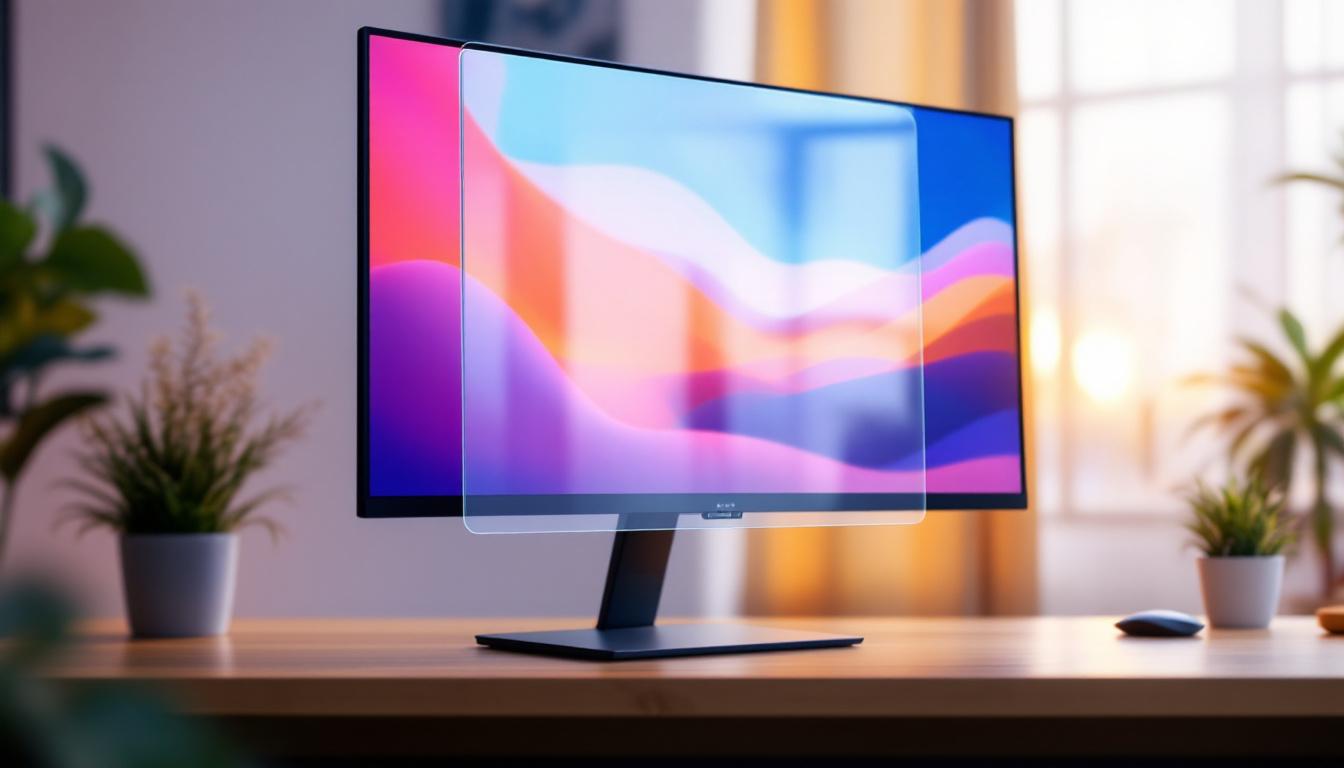
Privacy screen panels are specialized filters or layers applied to electronic displays, including LED screens, that restrict the viewing angle of the display. This means that the content on the screen is clearly visible only to the person directly in front of it, while the view from side angles is obscured or completely blocked. This technology is particularly useful in environments where sensitive or confidential information is displayed, such as offices, banks, healthcare facilities, and public spaces. In an age where data breaches and privacy concerns are at an all-time high, these panels serve as a critical line of defense against unauthorized access to sensitive information.
The primary goal of privacy screen panels is to prevent “shoulder surfing” — a practice where unauthorized individuals attempt to view information on a screen without permission. By narrowing the viewing angle, privacy screens help maintain data confidentiality and reduce the risk of information leaks. Moreover, they are not just limited to protecting sensitive data; they also enhance user comfort by reducing glare and reflections, making it easier to focus on the screen without distractions. This dual functionality makes privacy screens an essential accessory for professionals who frequently work in crowded or public settings.
How Do Privacy Screen Panels Work on LED Displays?
Privacy screen panels utilize micro-louver technology, which consists of tiny vertical blinds embedded within the filter layer. These micro-louvers control the direction of the light emitted from the LED display, allowing it to pass straight forward but blocking light at wider angles. When viewed from the front, the screen appears bright and clear, but from the sides, the screen looks dark or blacked out. This innovative design allows users to maintain their privacy without sacrificing the quality of the display, which is crucial for tasks that require precision and clarity.
In addition to micro-louvers, some privacy screens use polarized filters or advanced optical films to achieve similar effects. The choice of technology depends on the specific application, screen type, and desired level of privacy. For LED displays, which are known for their brightness and vivid colors, privacy panels must be carefully engineered to maintain display quality while providing effective privacy. Furthermore, these panels are often designed to be easily attachable and detachable, allowing users to switch between privacy and standard viewing modes based on their environment. As remote work and mobile computing become increasingly prevalent, the demand for effective privacy solutions continues to grow, making privacy screen panels a vital consideration for modern digital workspaces.
Applications of Privacy Screen Panels in LED Displays
Corporate and Financial Environments
In offices and financial institutions, privacy screen panels are essential for protecting sensitive data such as financial reports, client information, and strategic plans. Employees working on confidential projects or handling private customer data benefit from these panels, which prevent unauthorized viewing by colleagues or visitors in open-plan offices.
According to a 2023 survey by the International Data Corporation (IDC), over 60% of organizations reported concerns about visual hacking, where sensitive information is stolen by simply looking at screens. Privacy screen panels offer a practical defense against this type of security breach. Additionally, the implementation of these panels can foster a culture of security awareness within the organization, encouraging employees to be more vigilant about their work environment. As more companies adopt hybrid work models, the need for effective privacy solutions becomes even more critical, ensuring that sensitive discussions and data remain protected regardless of the workspace layout.
Healthcare Settings
Healthcare professionals frequently access patient records and medical imaging on LED displays. Privacy screen panels help ensure compliance with regulations like the Health Insurance Portability and Accountability Act (HIPAA) by safeguarding patient confidentiality. By limiting screen visibility, these panels reduce the risk of unauthorized individuals viewing personal health information in waiting rooms, nursing stations, or shared workspaces. Moreover, the use of privacy screens can enhance the overall patient experience by creating a more secure environment where individuals feel their information is handled with the utmost care and respect.
Furthermore, as telehealth services continue to grow, the integration of privacy screen panels in virtual consultations becomes increasingly important. Healthcare providers can ensure that sensitive discussions remain confidential, even when conducted in less-than-private settings. This not only protects patient privacy but also reinforces trust in the healthcare system, encouraging patients to engage more openly about their health concerns.
Public and Retail Displays
Privacy screen panels are also used in public kiosks, self-service terminals, and retail point-of-sale systems to protect customer data such as credit card information and personal identifiers. In crowded environments, these screens prevent onlookers from capturing sensitive information, enhancing both security and customer trust. Retailers, in particular, can benefit from the implementation of these panels, as they not only protect customer data but also contribute to a more streamlined shopping experience. By minimizing distractions and potential breaches, customers can focus on their transactions without the fear of prying eyes.
Moreover, the aesthetic appeal of privacy screen panels can be tailored to match the branding of retail environments, creating a cohesive look while ensuring functionality. As technology evolves, these panels are also becoming more sophisticated, with options that allow for adjustable privacy levels depending on the context, thus providing flexibility for both customers and businesses. This adaptability is crucial in an era where customer experience and data security are paramount, allowing retailers to maintain a competitive edge while prioritizing consumer safety.
Benefits of Using Privacy Screen Panels on LED Displays
Enhanced Data Security
Privacy screen panels provide an additional layer of security by physically limiting the viewing angle of the display. This reduces the risk of accidental or intentional data exposure, which is critical in industries where confidentiality is legally mandated. Unlike software-based security measures, privacy screens protect data at the physical level, making them a robust complement to cybersecurity protocols.
Improved Productivity and Focus
In open office environments, employees often experience distractions from surrounding activities. Privacy screen panels not only protect sensitive information but also help reduce visual distractions by limiting peripheral visibility. This can lead to improved concentration and productivity, as employees are less likely to be disturbed by nearby movements or screen content.
Cost-Effective Security Solution
Compared to other security measures such as secure rooms or encrypted displays, privacy screen panels are relatively inexpensive and easy to implement. They can be retrofitted onto existing LED displays without requiring significant hardware changes, making them an accessible option for organizations of all sizes.
Technical Considerations When Choosing Privacy Screen Panels
Compatibility with LED Displays
Not all privacy screen panels are created equal, and it is essential to select a panel compatible with the specific LED display technology. Factors such as screen size, resolution, brightness, and refresh rate should be considered to ensure the privacy panel does not degrade display quality or cause color distortion.
Modern LED displays often feature high brightness levels to improve visibility in various lighting conditions. Privacy screens must be designed to maintain this brightness while effectively limiting viewing angles. Some advanced panels incorporate anti-glare and anti-reflective coatings to enhance user experience further.
Viewing Angle and Privacy Levels
The degree of privacy provided by a screen panel is measured by its viewing angle. Typical privacy screens narrow the viewing angle to between 30 to 60 degrees, but some high-security models can reduce visibility to as narrow as 15 degrees. Organizations must balance the need for privacy with usability, ensuring that authorized users can comfortably view the screen without strain.
Installation and Maintenance
Privacy screen panels are available in various formats, including adhesive films, magnetic attachments, and framed panels. The choice depends on the display type and installation environment. Adhesive films offer a permanent solution but may require professional installation, while magnetic or framed panels provide flexibility for removal or replacement.
Maintenance typically involves regular cleaning with non-abrasive materials to avoid damaging the micro-louvers or optical coatings. Proper care ensures the longevity and effectiveness of the privacy screen.
The Future of Privacy Screen Technology in LED Displays
Integration with Smart Technologies
Emerging trends in privacy screen technology include integration with smart sensors and adaptive displays. These systems can dynamically adjust the viewing angle or opacity based on user presence or environmental conditions, offering enhanced privacy without compromising usability. For example, proximity sensors could activate privacy modes only when unauthorized viewers approach the screen.
Advancements in Material Science
Research in nanomaterials and advanced polymers is leading to the development of thinner, lighter, and more durable privacy screen panels. These innovations aim to improve optical clarity and reduce the impact on screen brightness and color accuracy, making privacy screens nearly invisible to authorized users.
Expanding Applications
As remote work and mobile computing continue to grow, privacy screen panels are increasingly being adapted for portable LED devices such as laptops, tablets, and smartphones. This expansion reflects the ongoing demand for privacy solutions that protect sensitive information across diverse contexts and devices.
Conclusion
Privacy screen panels for LED displays represent a vital technology in safeguarding sensitive information in an era where data breaches and visual hacking are significant risks. By limiting the viewing angle, these panels provide an effective, cost-efficient, and user-friendly solution to protect privacy in various environments, from corporate offices to healthcare facilities and public spaces.
Understanding the technology behind privacy screens, their applications, and technical considerations helps organizations make informed decisions to enhance security without compromising display quality or user experience. As innovations continue to evolve, privacy screen panels will play an increasingly important role in securing visual communication in a connected world.
Secure Your Visuals with LumenMatrix
As you consider enhancing the privacy and security of your LED displays, remember that the right technology can make all the difference. LumenMatrix, a leader in innovative LED display solutions, offers an array of products designed to protect your sensitive information while providing an immersive visual experience. From Indoor and Outdoor LED Wall Displays to Custom and Transparent LED options, LumenMatrix tailors to the needs of a secure and engaging environment. Don’t compromise on privacy or quality; check out LumenMatrix LED Display Solutions today and step into the future of secure, dynamic visual communication.