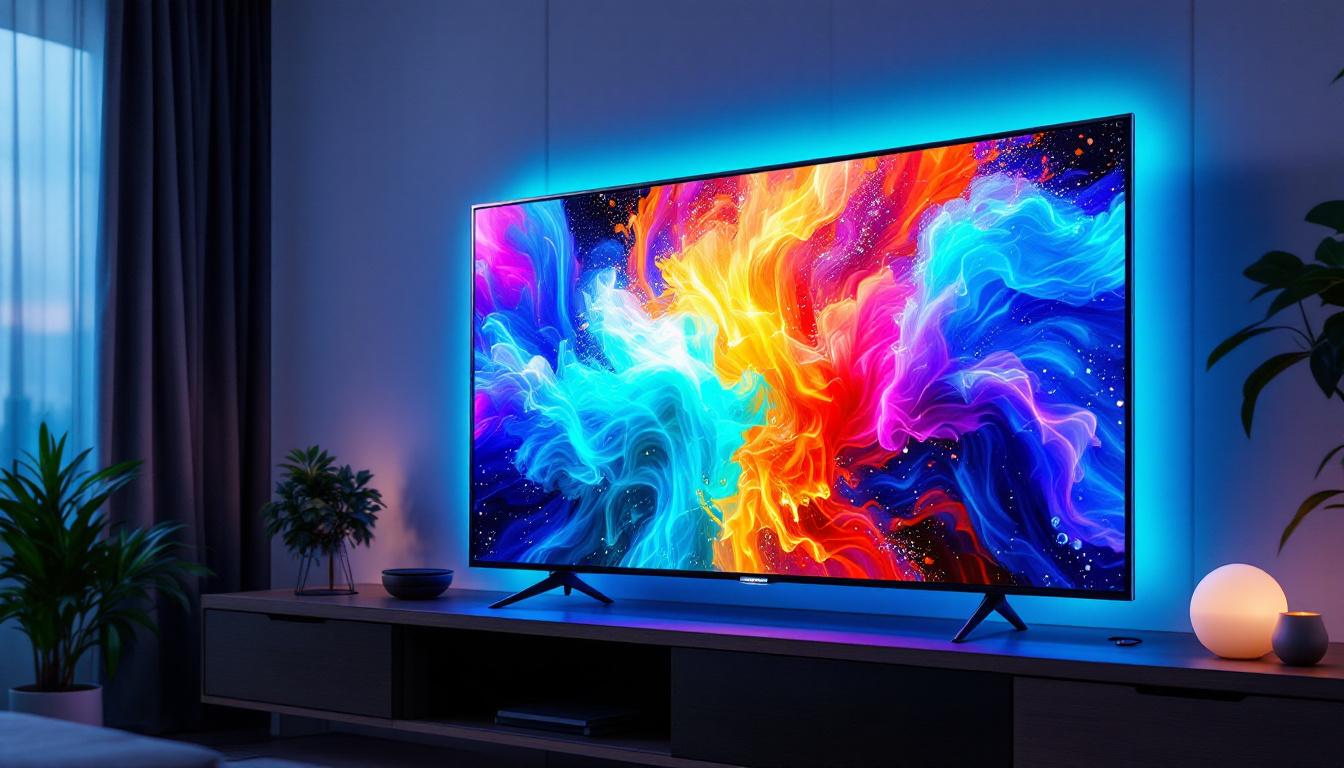
In the rapidly evolving world of television technology, LED displays have become the standard for delivering vibrant, high-quality images to consumers worldwide. From the living room to commercial advertising, LED technology powers the screens that captivate audiences with sharp visuals and energy efficiency. This article delves into the intricacies of LED displays in televisions, explaining how they work, their advantages, and the latest innovations shaping the future of TV viewing.
Understanding LED Display Technology
What is an LED Display?
LED stands for Light Emitting Diode, a semiconductor device that emits light when an electric current passes through it. In the context of television screens, LED displays use these tiny diodes as a backlighting source to illuminate the pixels on an LCD (Liquid Crystal Display) panel. This combination results in what is commonly referred to as an LED TV, which is essentially an LCD TV with LED backlighting.
The key distinction lies in the backlight technology. Older LCD TVs used CCFL (Cold Cathode Fluorescent Lamp) backlights, which were bulkier, less energy-efficient, and offered lower contrast ratios. LED backlighting, on the other hand, allows for thinner panels, better brightness control, and improved color reproduction. Additionally, LED technology has made significant strides in energy efficiency, contributing to lower electricity bills and a smaller carbon footprint, which is increasingly important in our environmentally conscious society.
How Does an LED TV Work?
At the heart of an LED TV is the LCD panel, which contains millions of pixels made up of liquid crystals. These crystals do not emit light themselves; instead, they manipulate light passing through them to create images. The LED backlight shines through the LCD layer, and the liquid crystals adjust the light’s intensity and color to form the picture you see on the screen. This intricate process allows for stunning visuals, making LED TVs a popular choice for both casual viewers and avid gamers alike.
There are two main types of LED backlighting used in TVs:
- Edge-lit LED: LEDs are placed along the edges of the screen, and light is spread across the display using light guides. This design allows for ultra-thin TVs but can sometimes result in uneven brightness. Despite this limitation, edge-lit technology has been widely adopted due to its sleek profile and cost-effectiveness, making it a favorite among manufacturers.
- Direct-lit or Full-array LED: LEDs are positioned directly behind the LCD panel in a grid pattern. This setup enables more precise control over brightness and contrast, especially when paired with local dimming technology. Full-array LED displays can achieve deeper blacks and brighter highlights, enhancing the overall viewing experience, particularly in dark scenes or high-contrast content.
Moreover, advancements in LED technology have led to the development of OLED (Organic Light Emitting Diode) displays, which offer even greater color accuracy and contrast. Unlike traditional LED TVs, OLED panels do not require a backlight, as each pixel emits its own light. This results in true blacks and a wider viewing angle, making OLED a compelling alternative for those seeking the highest quality in visual performance. As the market continues to evolve, consumers are presented with a plethora of options tailored to their specific viewing preferences and budget constraints.
Advantages of LED Displays in Televisions
Superior Picture Quality
One of the most significant benefits of LED TVs is their ability to deliver superior picture quality compared to older display technologies. LED backlighting provides higher brightness levels, which is essential for viewing in well-lit rooms and for displaying HDR (High Dynamic Range) content effectively. HDR enhances the range of colors and contrast, making images appear more lifelike.
Moreover, full-array LED TVs with local dimming can selectively dim or brighten specific zones of the screen, resulting in deeper blacks and improved contrast ratios. This feature is particularly noticeable in dark scenes, where details are preserved without washing out the image.
Energy Efficiency and Environmental Impact
LED TVs consume significantly less power than their CCFL-backlit predecessors and plasma TVs. According to the U.S. Department of Energy, LED-backlit LCD TVs use up to 40% less energy than plasma TVs of similar size. This efficiency not only reduces electricity bills but also contributes to a lower environmental footprint.
Additionally, LEDs contain no mercury, unlike CCFL lamps, making LED TVs safer to manufacture and dispose of. This aligns with increasing consumer demand for environmentally responsible electronics.
Design Flexibility and Durability
The compact size of LEDs allows manufacturers to create ultra-thin and lightweight television designs. This has led to the popularity of sleek, wall-mountable TVs that blend seamlessly into modern home decor. Furthermore, LEDs have a longer lifespan compared to fluorescent backlights, often exceeding 60,000 hours of use, which translates to many years of reliable performance.
Types of LED Displays in TVs
Standard LED LCD TVs
These are the most common LED TVs available on the market. They use an LCD panel illuminated by LED backlights, typically edge-lit or direct-lit. While they offer excellent picture quality for everyday use, their contrast and black levels may not match those of more advanced models.
QLED TVs
Quantum Dot LED (QLED) TVs are an evolution of LED technology, incorporating a layer of quantum dots between the LED backlight and the LCD panel. These quantum dots emit precise colors when illuminated, enhancing color accuracy and brightness. Samsung and other manufacturers have popularized QLED TVs as a premium alternative to traditional LED LCDs.
QLED displays can achieve peak brightness levels exceeding 1,000 nits, making them ideal for HDR content. They also maintain color vibrancy at wide viewing angles, improving the overall viewing experience.
Mini-LED and Micro-LED Technologies
Mini-LED is a recent innovation that uses thousands of tiny LEDs as the backlight source, allowing for even finer local dimming zones. This results in higher contrast ratios and better control over blooming effects (where bright areas bleed into dark areas). Mini-LED TVs are gaining traction as a cost-effective alternative to OLED displays, offering impressive picture quality for less.
Micro-LED represents the next frontier in LED display technology. Unlike traditional LED TVs, Micro-LEDs are self-emissive, meaning each pixel is a microscopic LED that emits its own light, similar to OLED technology but with higher brightness and longer lifespan. While Micro-LED TVs are currently expensive and primarily targeted at commercial and luxury markets, they promise unparalleled image quality and durability in the future.
Comparing LED TVs to Other Display Technologies
LED vs. OLED
Organic Light Emitting Diode (OLED) TVs differ fundamentally from LED LCDs. OLED pixels emit their own light, allowing for perfect black levels and infinite contrast ratios since individual pixels can be turned off completely. This results in exceptional picture quality, especially in dark environments.
However, OLEDs typically have lower peak brightness compared to LED TVs, which can be a disadvantage in very bright rooms. Additionally, OLED panels are more susceptible to burn-in, where static images can leave permanent marks on the screen if displayed for prolonged periods.
LED vs. Plasma
Plasma TVs, once popular for their deep blacks and smooth motion handling, have largely been phased out in favor of LED and OLED technologies. LED TVs offer better energy efficiency, thinner designs, and higher brightness levels, making them more versatile for various viewing environments.
LED vs. LCD with CCFL Backlighting
LED backlighting has effectively replaced CCFL in modern LCD TVs due to its advantages in energy consumption, color accuracy, and design flexibility. LED TVs are thinner, lighter, and provide better overall picture quality, which is why CCFL-backlit TVs are now considered obsolete.
Key Features to Consider When Buying an LED TV
Screen Size and Resolution
Choosing the right screen size depends on the viewing distance and room size. For most living rooms, screens between 55 and 75 inches are popular. Alongside size, resolution is critical. 4K Ultra HD (3840 x 2160 pixels) has become the standard, offering four times the detail of Full HD. Many LED TVs now support 8K resolution, though content is limited and prices remain high.
Refresh Rate and Motion Handling
A higher refresh rate (measured in Hertz) means smoother motion, which is particularly important for fast-paced sports, gaming, and action movies. Most LED TVs offer 60Hz or 120Hz refresh rates, with some models using interpolation technologies to simulate even higher rates.
HDR Support
High Dynamic Range enhances contrast and color depth, making images more realistic. When shopping for an LED TV, look for support of HDR formats such as HDR10, Dolby Vision, and HLG. These standards ensure compatibility with a wide range of streaming content and Blu-ray discs.
Smart TV Capabilities
Modern LED TVs come equipped with smart platforms that provide access to streaming services, apps, and voice assistants. Popular operating systems include Roku TV, Android TV, and proprietary platforms from manufacturers. Consider the user interface, app availability, and software updates when selecting a model.
Future Trends in LED TV Technology
Advancements in Mini-LED and Micro-LED
As Mini-LED technology matures, expect more affordable TVs with superior contrast and brightness. This will narrow the gap between LED and OLED displays, offering consumers more choices at various price points. Micro-LED, while still emerging, holds promise for large-scale, modular displays with unmatched image quality and energy efficiency.
Integration of AI and Enhanced Processing
Artificial intelligence is increasingly integrated into LED TVs to optimize picture quality dynamically. AI-driven upscaling improves the appearance of lower-resolution content, while adaptive brightness and color adjustments enhance viewing comfort based on ambient lighting conditions.
Eco-Friendly Innovations
With growing environmental awareness, manufacturers are focusing on sustainable materials, improved energy efficiency, and recycling programs. Future LED TVs are likely to incorporate biodegradable components and further reduce power consumption without compromising performance.
Conclusion
LED display technology has revolutionized the television industry by providing brighter, more energy-efficient, and visually stunning screens. Understanding how LED TVs work, their advantages, and the different types available empowers consumers to make informed decisions when purchasing a new television. As innovations like Mini-LED and Micro-LED continue to evolve, the future of LED displays promises even more immersive and environmentally conscious viewing experiences.
Whether upgrading a home entertainment system or selecting a commercial display, LED TVs offer a versatile and reliable solution that balances performance, design, and cost. Keeping abreast of the latest trends and features ensures that viewers can enjoy the best possible picture quality for years to come.
Discover LumenMatrix’s Innovative LED Solutions
Ready to experience the pinnacle of LED display technology? LumenMatrix is at the forefront of creating immersive visual experiences with a comprehensive range of LED display solutions. From vibrant Indoor LED Walls to dynamic Outdoor LED Displays, and from versatile Vehicle LED Displays to sleek LED Poster Displays, LumenMatrix has the perfect solution to elevate your visual communication. Embrace the future with our LED Sports Displays, interactive Floor LED Displays, and the revolutionary All-in-One and Transparent LED Displays. Don’t just watch the evolution of LED technology—be a part of it. Check out LumenMatrix LED Display Solutions today and transform your space into a captivating showcase of clarity and color.