Choosing the right flat screen TV can seem overwhelming, especially with the variety of sizes and display technologies available today. One of the most common questions shoppers have is how to accurately measure a TV’s size and what those measurements truly represent. This is particularly important for LED TVs, which dominate the market due to their energy efficiency and picture quality. Understanding how to measure your flat screen TV size and what factors affect the display can help you make an informed purchase that fits your space perfectly and enhances your viewing experience.
Understanding TV Size Measurements: What Does the Number Mean?
When a TV is described as a “55-inch” or “65-inch” model, this number refers to the diagonal length of the screen, not the width or height. This diagonal measurement is taken from one corner of the visible screen to the opposite corner. It excludes the bezel—the frame around the screen—so the actual physical dimensions of the TV will be slightly larger than the screen size.
For example, a 55-inch TV has a screen that measures 55 inches diagonally. However, its width and height will depend on the aspect ratio, which for most modern TVs is 16:9. This means the width is approximately 47.9 inches, and the height is about 27 inches. Knowing this helps when planning the space where the TV will be installed, ensuring it fits comfortably on a stand or wall mount.
Why Diagonal Measurement Is the Standard
The diagonal measurement became the industry standard because it provides a consistent way to compare screen sizes across different brands and models, regardless of the aspect ratio. This method also reflects the viewing area more effectively than just width or height alone. Since TVs come in various shapes and designs, the diagonal measurement offers a simple, universal metric for consumers.
Aspect Ratio and Its Impact on Screen Size
Most modern flat screen TVs use a 16:9 aspect ratio, meaning the width is 16 units for every 9 units of height. This ratio is ideal for widescreen content such as HDTV broadcasts, streaming services, and Blu-ray movies. However, some older TVs or specialty displays might use different aspect ratios like 4:3 or even ultrawide formats.
Understanding the aspect ratio is crucial because it affects the actual width and height of the TV screen. Two TVs with the same diagonal measurement but different aspect ratios can have significantly different widths and heights, which impacts placement and viewing angles.
How to Measure Your Flat Screen TV Size Accurately
Measuring your TV accurately is essential whether you’re replacing an existing set, buying a new one, or ensuring compatibility with furniture or wall mounts. Here’s a step-by-step guide to measuring your flat screen TV size correctly.
Step 1: Gather Your Tools
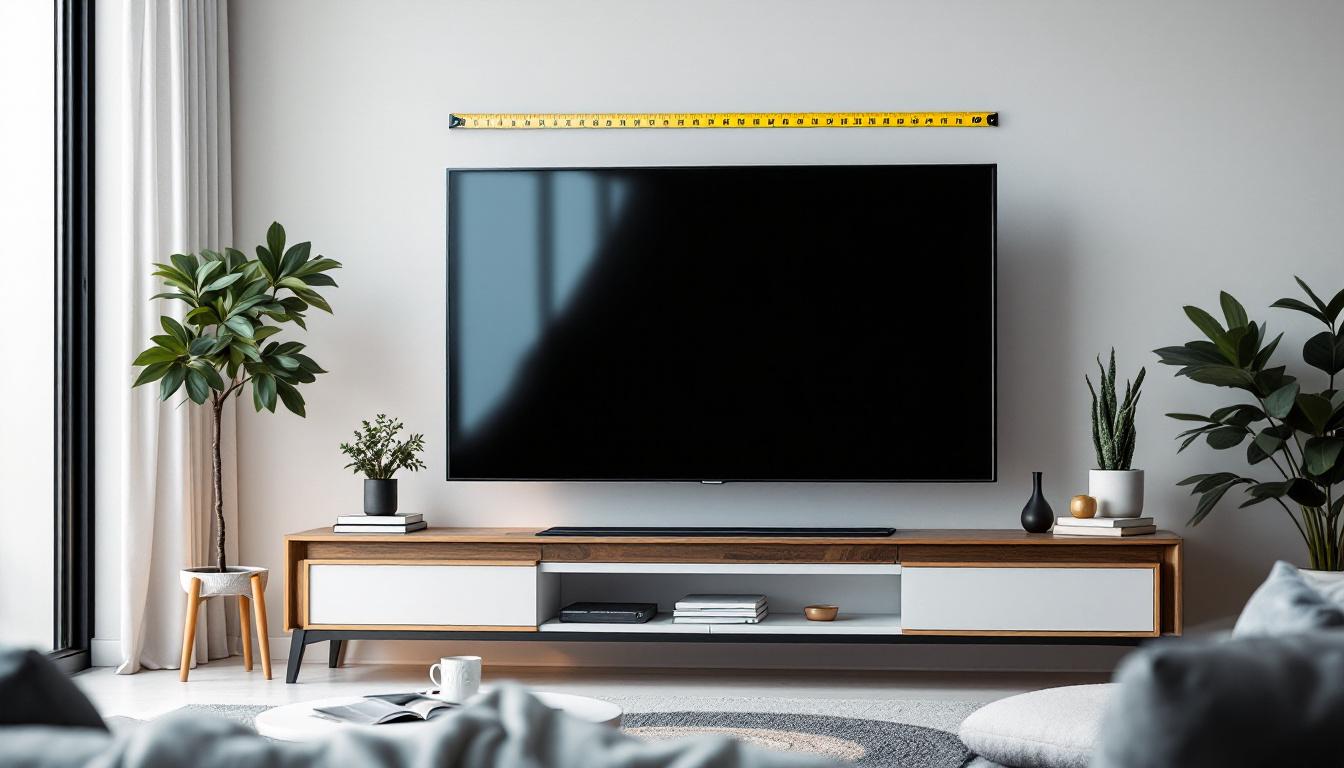
You will need a tape measure or a ruler that can measure in inches or centimeters. A helper can be useful for larger TVs to ensure accuracy and safety during measurement.
Step 2: Measure the Screen Diagonally
Place one end of the tape measure at the bottom left corner of the visible screen (not including the bezel). Extend the tape diagonally to the top right corner of the screen. This measurement is the TV’s size, typically rounded to the nearest inch.
If you want to double-check, measure from the bottom right corner to the top left corner; the result should be the same.
Step 3: Measure the Width and Height
To get a complete understanding of the TV’s dimensions, measure the width (left to right) and height (top to bottom) of the screen itself. This helps when planning space for the TV stand, wall mount, or entertainment center.
Remember, these measurements exclude the bezel. If you want the total size of the TV including the frame, measure the outer edges of the TV casing.
Step 4: Consider Depth and Weight
While often overlooked, the depth (thickness) and weight of the TV are important, especially for wall mounting. LED TVs are generally slim, but sizes and weights vary by brand and model. Check the manufacturer’s specifications to ensure your mount or stand can support the TV safely.
LED Display Technology: What Makes It Different?
LED TVs are a type of LCD (liquid crystal display) TV that use light-emitting diodes (LEDs) to backlight the screen. This technology offers several advantages over traditional LCDs and other display types like plasma or OLED.
How LED Backlighting Works
In an LED TV, the screen consists of liquid crystals that control the passage of light to create images. The LEDs serve as the light source behind or around the edges of the screen. There are two main types of LED backlighting:
- Edge-lit LED: LEDs are placed along the edges of the screen, allowing for thinner panels but sometimes causing uneven brightness.
- Full-array LED: LEDs are distributed evenly behind the screen, providing better contrast and uniform brightness.
This backlighting method improves energy efficiency, brightness, and color accuracy compared to older CCFL (cold cathode fluorescent lamp) backlights used in traditional LCD TVs.
Advantages of LED TVs
LED TVs are popular due to their combination of picture quality, slim design, and energy efficiency. Some key benefits include:
- Better brightness and contrast: LED backlighting allows for higher peak brightness and improved contrast ratios, enhancing HDR (high dynamic range) content.
- Energy efficiency: LEDs consume less power than CCFL backlights, reducing electricity costs and environmental impact.
- Thinner and lighter designs: Edge-lit LED TVs can be incredibly slim, making them easier to mount on walls or fit into tight spaces.
- Longer lifespan: LEDs generally last longer and maintain brightness better over time compared to other backlighting technologies.
Limitations to Consider
Despite their advantages, LED TVs have some limitations. For instance, they may not achieve the perfect black levels or infinite contrast ratios that OLED TVs offer because LEDs are always emitting some light. Additionally, edge-lit models can suffer from uneven lighting or “clouding” effects in dark scenes.
Understanding these trade-offs helps consumers choose the right TV based on their viewing preferences and budget.
Choosing the Right TV Size for Your Space
Once you understand how to measure your TV and the technology behind LED displays, the next step is selecting the right size for your room. The ideal TV size depends on viewing distance, room layout, and personal preferences.
Viewing Distance and Screen Size Recommendations
Experts recommend a viewing distance that is roughly 1.5 to 2.5 times the diagonal size of the TV. For example, if you have a 55-inch TV, the optimal viewing distance would be between 6.9 feet (2.1 meters) and 11.5 feet (3.5 meters). Sitting too close can cause eye strain and make pixels visible, while sitting too far reduces immersion and detail visibility.
Organizations like the Society of Motion Picture and Television Engineers (SMPTE) suggest a viewing angle of about 30 degrees for an immersive experience, which also influences size choice.
Room Layout and Mounting Options
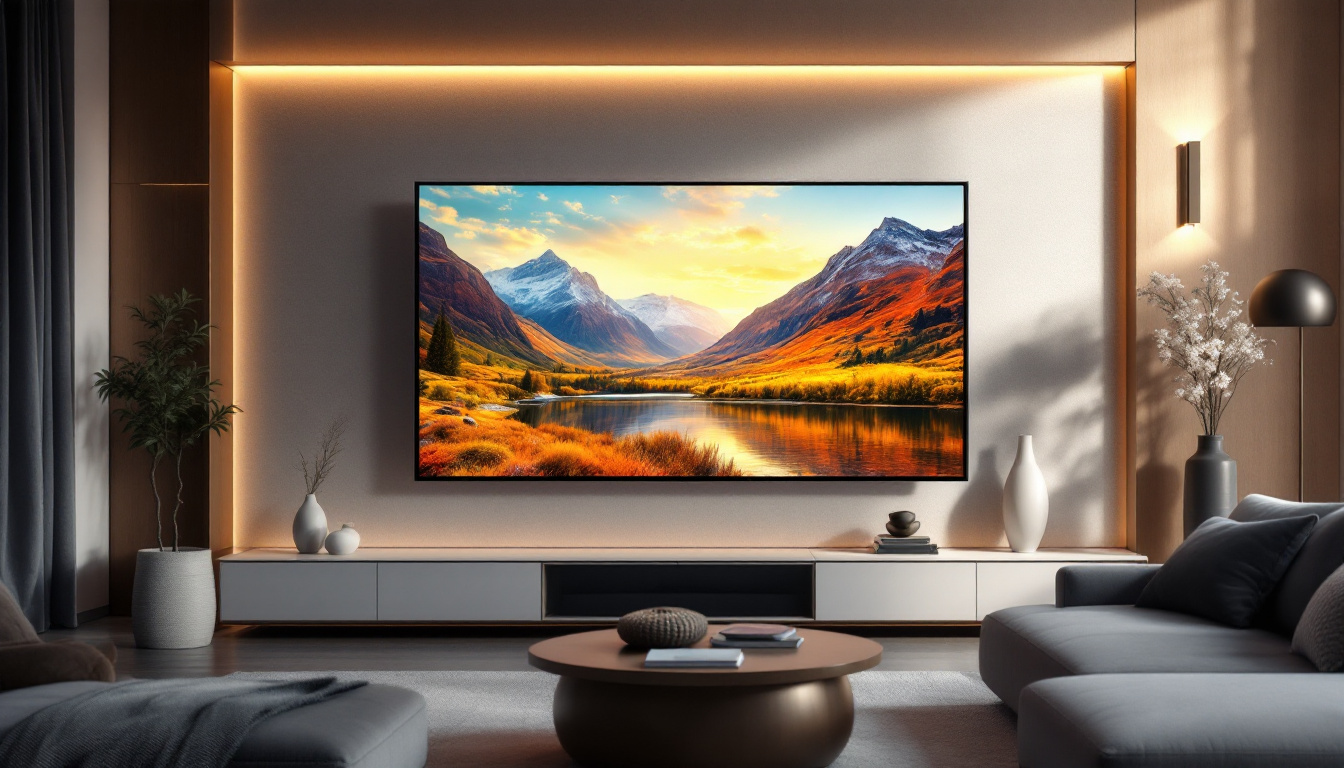
Consider where the TV will be placed—on a stand, mounted on a wall, or integrated into a media cabinet. Measure the available space carefully, including height clearance and viewing angles. Remember to leave room for ventilation to prevent overheating.
Wall mounts come in various types, such as fixed, tilting, or full-motion, which can affect how the TV fits and how viewers interact with it. Make sure the mount is rated for your TV’s size and weight.
Balancing Size with Resolution
Screen resolution also affects how large a TV should be. With 4K Ultra HD becoming the standard, larger TVs can be viewed from closer distances without loss of picture clarity. This means you can opt for a bigger screen without worrying about pixelation, enhancing the cinematic experience in your home.
Additional Tips for Measuring and Selecting Your LED TV
Beyond the basics, there are several practical considerations to keep in mind when measuring and choosing your LED TV.
Account for Bezel and Stand Dimensions
The bezel size varies between models and brands. While many modern TVs feature ultra-thin bezels, some budget models may have thicker frames that add to the overall width and height. Similarly, the stand or legs of the TV can affect the footprint, especially if you have limited space on your furniture.
Check Manufacturer Specifications
Always consult the official product specifications for exact dimensions, weight, and mounting requirements. Manufacturers often provide detailed diagrams and measurements that include the TV with and without the stand, which helps in planning installation.
Consider Future-Proofing
Technology evolves rapidly, and your viewing habits may change. If you plan to keep your TV for many years, consider opting for a slightly larger size or higher resolution to accommodate future content formats and room rearrangements.
Conclusion
Measuring your flat screen TV size correctly and understanding LED display technology are essential steps in selecting the perfect television for your home. The diagonal screen size provides a standardized way to compare models, but considering width, height, depth, and viewing distance ensures the TV fits your space and viewing preferences.
LED TVs offer excellent picture quality, energy efficiency, and sleek designs, making them a popular choice for many households. By combining accurate measurements with knowledge of LED technology and room considerations, consumers can confidently choose a TV that delivers an immersive and enjoyable viewing experience for years to come.
Discover the Perfect LED Display with LumenMatrix
Now that you’re equipped with the knowledge to measure flat screen TVs and understand the nuances of LED display technology, take the next step towards an unparalleled viewing experience with LumenMatrix. As a pioneer in LED display solutions, LumenMatrix offers a wide array of innovative products designed to bring your visual communication to life. Whether you’re looking for an Indoor LED Wall Display, a vibrant Outdoor LED Wall Display, or any of our specialized LED solutions, we have you covered. Check out LumenMatrix LED Display Solutions today and transform your space into a captivating visual showcase.