In today’s fast-paced digital world, the demand for versatile and efficient display technology has never been higher. Portable touch screen displays, particularly those utilizing LED technology, have become essential tools across various industries—from business presentations and creative design to gaming and mobile computing. Understanding how these displays work, their benefits, and their applications can help consumers and professionals alike make informed decisions when selecting the right device for their needs.
Understanding LED Technology in Portable Touch Screen Displays
LED, or Light Emitting Diode, technology has revolutionized the way screens are designed and used. Unlike traditional LCDs that rely on fluorescent backlighting, LED displays use an array of tiny light-emitting diodes to illuminate the screen. This fundamental difference results in several advantages that are particularly beneficial for portable touch screen displays.
What Makes LED Displays Different?
LED displays can be broadly categorized into two types: edge-lit and direct-lit. Edge-lit LED displays position LEDs along the edges of the screen, using light guides to distribute illumination evenly. Direct-lit displays, on the other hand, place LEDs directly behind the screen, offering superior brightness and contrast.
In portable touch screen devices, edge-lit LED technology is more common due to its slim profile and energy efficiency, which are critical for mobility. The use of LEDs also allows for better color accuracy and deeper blacks compared to older technologies, enhancing the visual experience. Furthermore, LED technology is more environmentally friendly than traditional display technologies, as it consumes less power and has a longer lifespan, contributing to reduced electronic waste.
How Touch Screen Integration Works with LED Displays
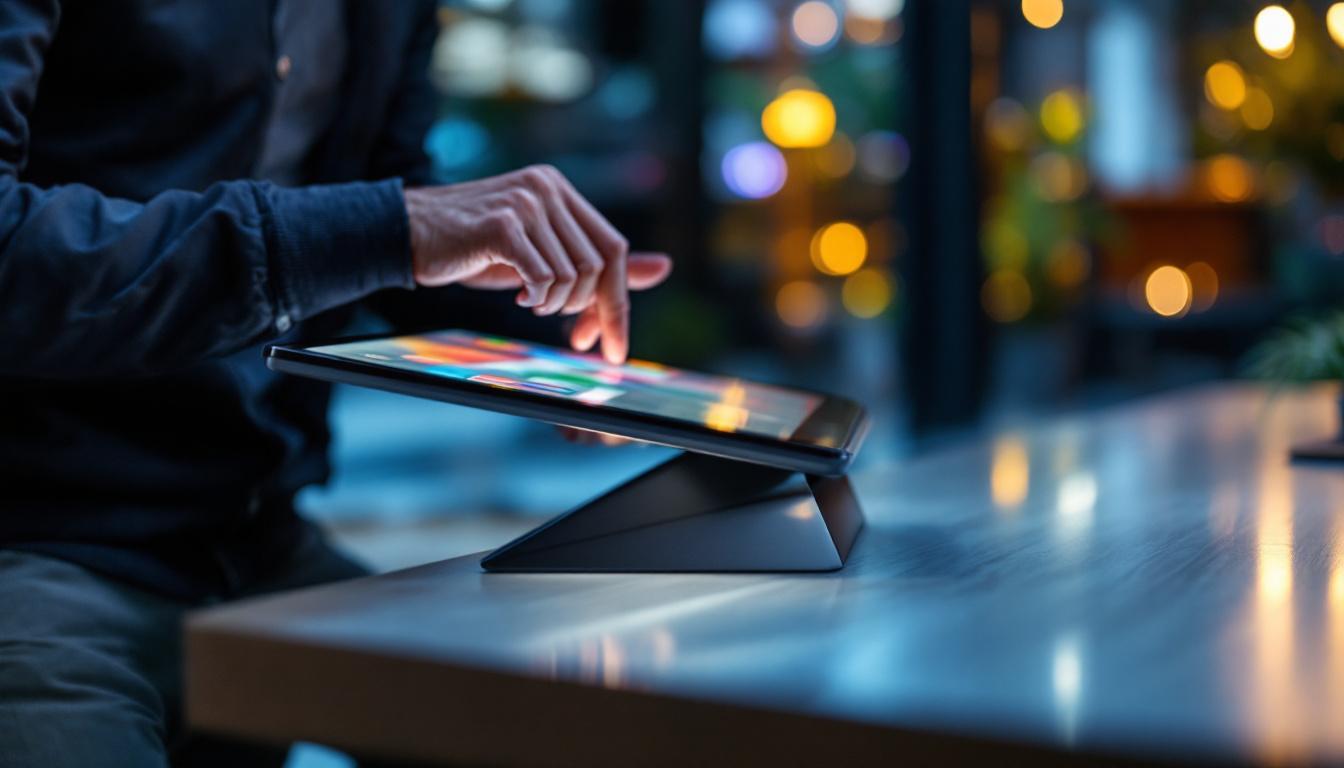
Integrating touch functionality with LED displays involves layering a touch-sensitive panel over the LED screen. This panel can use various technologies such as capacitive, resistive, or infrared touch sensing. Capacitive touchscreens, which detect electrical properties of the human finger, are the most prevalent in modern portable devices due to their responsiveness and support for multi-touch gestures.
The combination of LED display and capacitive touch technology results in vibrant visuals paired with intuitive user interaction, making these devices ideal for both professional and personal use. Additionally, advancements in touch technology have led to features such as palm rejection and pressure sensitivity, allowing for a more seamless experience when drawing or writing on the screen. This has opened up new possibilities for creative professionals, educators, and anyone looking to enhance their productivity in a mobile format.
Moreover, the durability of touch screens integrated with LED displays has improved significantly, with many models now featuring scratch-resistant coatings and enhanced glass technology. This resilience not only protects the device from everyday wear and tear but also ensures that the display remains clear and vibrant over time. As a result, users can enjoy their portable touch screen devices without the constant worry of damage, making them a reliable choice for on-the-go lifestyles.
Advantages of Portable LED Touch Screen Displays
Portable LED touch screen displays offer a range of benefits that make them attractive for a variety of applications. These advantages stem from the inherent properties of LED technology combined with touch interactivity and portability.
Superior Image Quality and Brightness
One of the most significant benefits of LED displays is their ability to produce bright, vivid images with excellent contrast. LED technology allows for higher brightness levels, often exceeding 500 nits in portable devices, which is crucial for visibility in brightly lit environments such as outdoor settings or well-lit offices.
Additionally, LED displays provide a wider color gamut and better color accuracy, which is essential for professionals in graphic design, photography, and video editing who require precise color representation.
Energy Efficiency and Longer Battery Life
Energy consumption is a critical factor in portable devices. LED displays are more energy-efficient than traditional LCDs with fluorescent backlighting, as LEDs consume less power while maintaining high brightness. This efficiency translates directly into longer battery life for laptops, tablets, and portable monitors, enabling users to work or play longer without needing to recharge.
Lightweight and Slim Design
The compact size of LEDs allows manufacturers to create thinner and lighter displays, enhancing portability. This slim design is particularly valued by mobile professionals who need to carry their devices between locations or use them in tight spaces.
For example, many portable touch screen monitors weigh less than 1.5 pounds and have thicknesses under 0.3 inches, making them easy to slip into a backpack or briefcase.
Robust Durability and Longevity
LED displays generally have longer lifespans than older display technologies, often rated for 30,000 to 50,000 hours of use. This durability is critical for portable devices that may be subjected to frequent handling and varying environmental conditions.
Moreover, LED screens are less prone to screen burn-in compared to OLED displays, which can be an important consideration for users who display static images or interfaces for extended periods.
Applications of Portable LED Touch Screen Displays
The versatility of portable LED touch screen displays makes them suitable for a wide range of applications. Their portability combined with high-quality visuals and interactive capabilities unlocks new possibilities across industries.
Business and Professional Use
In the corporate world, portable touch screen displays are invaluable for presentations, remote work, and collaborative projects. Professionals can connect these displays to laptops or mobile devices to extend their screen real estate, making multitasking more efficient.
For example, sales teams often use portable monitors during client meetings to showcase products or data interactively. The touch functionality enables easy navigation through slides or documents without the need for a mouse or keyboard.
Creative and Design Industries
Graphic designers, illustrators, and video editors benefit greatly from portable LED touch screens due to their accurate color reproduction and responsive touch controls. Many devices support stylus input, allowing artists to draw directly on the screen with precision.
Portable displays also facilitate on-site work, enabling creatives to review and edit projects without being tethered to a desktop setup.
Gaming and Entertainment
Gamers increasingly seek portable displays that can deliver immersive experiences on the go. LED touch screen monitors offer fast refresh rates and vibrant colors, enhancing gameplay visuals. The touch interface adds an additional layer of interaction for compatible games and applications.
Furthermore, portable displays can serve as secondary screens for consoles or PCs, providing flexibility in gaming setups.
Education and Training
Educational institutions and training programs utilize portable LED touch screens to foster interactive learning environments. Teachers can use these displays for dynamic presentations, while students can engage directly with educational software through touch input.
Portability allows these devices to be used in various classroom settings or even remotely, supporting hybrid learning models.
Choosing the Right Portable LED Touch Screen Display
Selecting the ideal portable touch screen display involves considering several key factors to ensure the device meets specific needs and expectations.
Screen Size and Resolution
Screen size is a balance between portability and usability. Common sizes range from 12 to 17 inches, with larger screens offering more workspace but less convenience for travel. Resolution is equally important; Full HD (1920×1080) is standard for most portable displays, while higher resolutions like 4K provide sharper images but may consume more power.
Touch Technology and Responsiveness
Capacitive touchscreens are preferred for their smooth and precise response, supporting multi-touch gestures. It’s essential to check the screen’s touch sensitivity and compatibility with styluses if drawing or handwriting input is required.
Connectivity Options
Modern portable displays typically connect via USB-C, HDMI, or DisplayPort. USB-C is favored for its ability to transmit video, data, and power through a single cable, simplifying setup and reducing clutter.
Compatibility with various devices—laptops, smartphones, gaming consoles—is also a crucial consideration to ensure seamless integration.
Brightness and Color Accuracy
For use in different lighting conditions, a display with at least 300 to 500 nits brightness is recommended. Professionals working with color-sensitive content should look for displays that cover a wide color gamut (e.g., 100% sRGB) and offer factory calibration.
Portability and Build Quality
Weight, thickness, and build materials impact the ease of transport and durability. Devices with metal frames and protective cases provide added resilience against everyday wear and tear.
Future Trends in Portable LED Touch Screen Displays
The evolution of portable LED touch screen displays continues to accelerate, driven by advances in display technology and user demands.
Mini-LED and Micro-LED Innovations
Emerging technologies like Mini-LED and Micro-LED promise even better brightness, contrast, and energy efficiency. Mini-LED uses thousands of tiny LEDs to create more precise backlighting zones, enhancing HDR performance and reducing blooming effects.
Micro-LED, still in early stages for consumer devices, offers self-emissive pixels similar to OLED but with superior brightness and longevity, potentially redefining portable display quality.
Flexible and Foldable Displays
Flexible LED displays are gaining traction, allowing devices to fold or roll without damaging the screen. This innovation could lead to ultra-portable devices that expand into larger screens when needed, merging convenience with functionality.
Enhanced Touch and Haptic Feedback
Future portable displays are likely to incorporate more sophisticated touch technologies, including haptic feedback that simulates the feel of physical buttons or textures. This development will improve user interaction, especially in gaming and creative applications.
Conclusion
Portable touch screen displays featuring LED technology represent a powerful convergence of portability, visual excellence, and interactive functionality. Their broad applicability—from business and education to creative arts and entertainment—makes them indispensable tools in the modern digital landscape.
By understanding the underlying technology, advantages, and key selection criteria, users can confidently choose the right portable LED touch screen display to enhance productivity, creativity, and enjoyment wherever they go.
Discover LumenMatrix’s Advanced LED Display Solutions
Ready to elevate your visual experience with the latest in LED display technology? LumenMatrix is at the forefront of innovation, offering a wide array of LED display solutions tailored to meet your needs. From captivating Indoor and Outdoor LED Wall Displays to dynamic Vehicle and Sports LED Displays, our products are designed to make your brand stand out and your messages resonate. Embrace the future of digital signage with LumenMatrix and create immersive environments that engage and inspire. Check out LumenMatrix LED Display Solutions today and transform the way you connect with your audience.