In the rapidly evolving world of digital signage and display technology, LED displays have become a cornerstone for vibrant, high-quality visual communication. Among various specifications, the terms “1.5” and “1.8” frequently appear, often referring to pixel pitch measurements. Understanding these numbers and their implications is essential for businesses, event organizers, and technology enthusiasts seeking the best LED display solutions. This article delves into the meaning of 1.5 and 1.8 LED displays, their applications, advantages, and how to choose the right option for your needs.
What Does 1.5 and 1.8 Mean in LED Displays?
Understanding Pixel Pitch
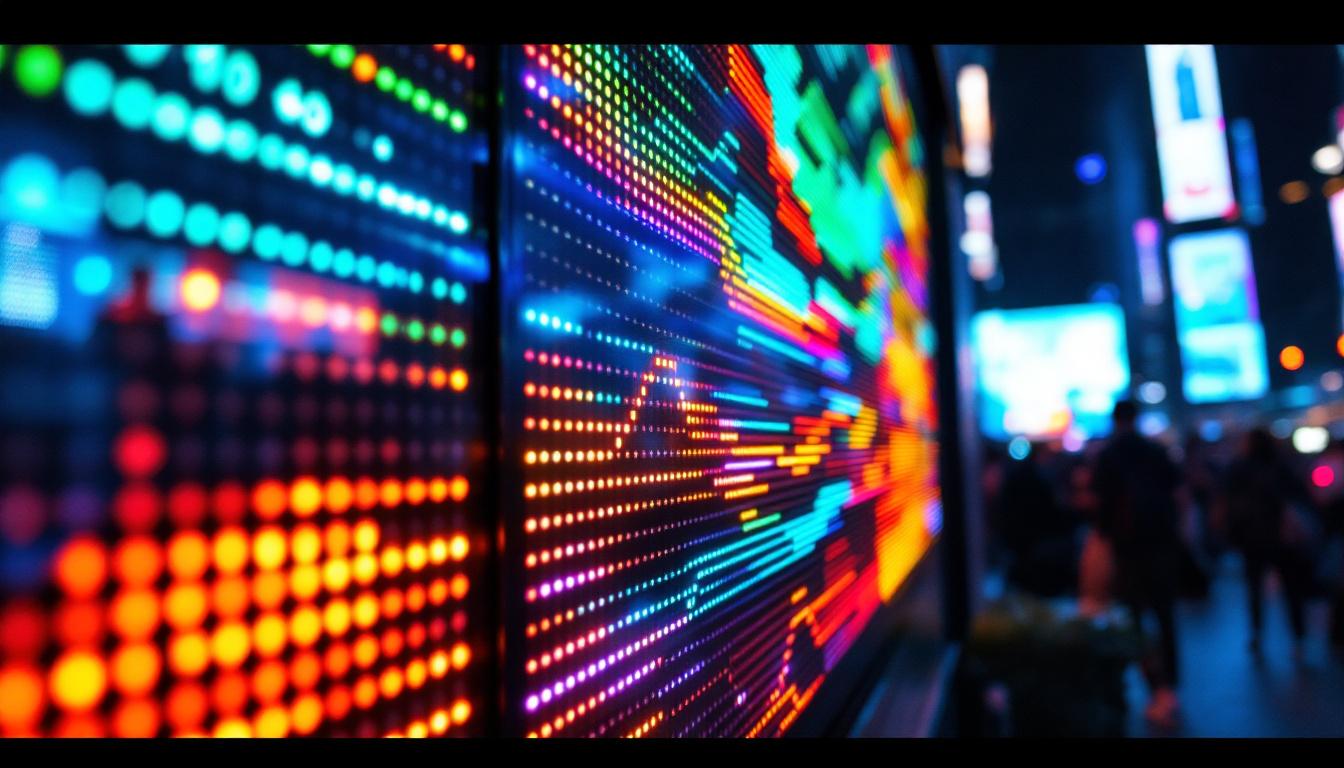
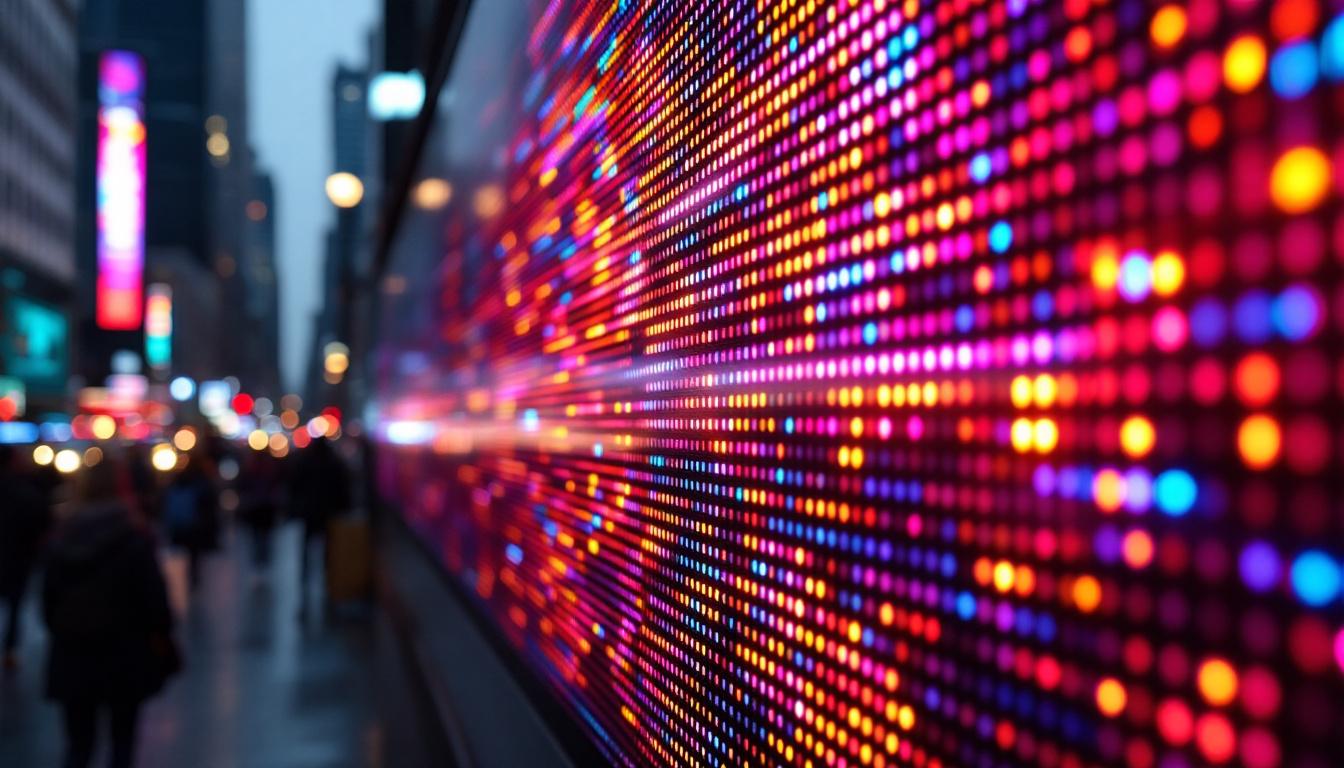
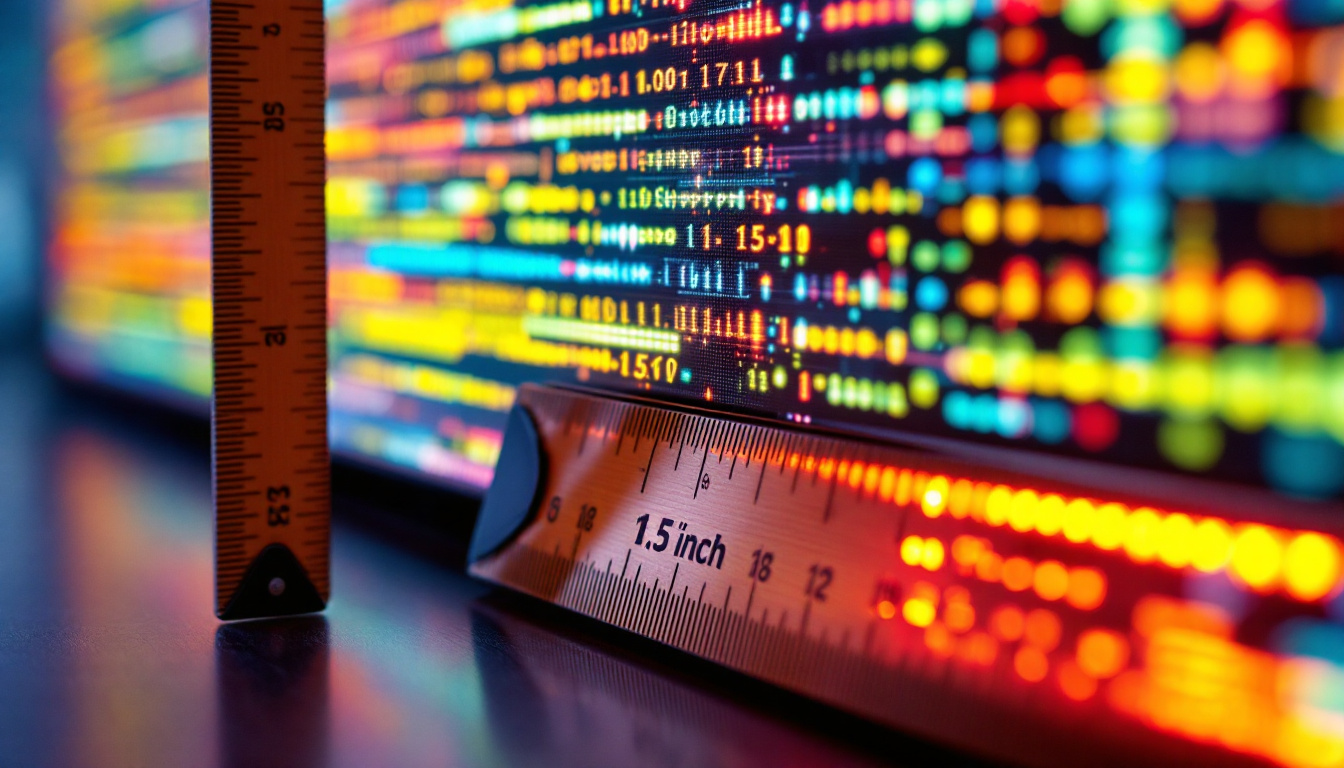
When discussing LED displays, the numbers 1.5 and 1.8 typically refer to the pixel pitch, measured in millimeters (mm). Pixel pitch is the distance from the center of one LED pixel to the center of the adjacent pixel. In essence, it defines the density of pixels on the display surface.
A pixel pitch of 1.5 mm means that each pixel is spaced 1.5 millimeters apart, while a 1.8 mm pixel pitch means pixels are 1.8 millimeters apart. The smaller the pixel pitch, the higher the pixel density, which translates into finer image resolution and better image clarity, especially when viewed from close distances. This is particularly important in applications where detail and precision are paramount, such as in medical imaging displays or high-end video walls used for broadcasting.
Why Pixel Pitch Matters
Pixel pitch directly impacts the visual quality and viewing distance of an LED display. A smaller pixel pitch (e.g., 1.5 mm) allows for sharper images and text, making it ideal for indoor environments where viewers are close to the screen. Conversely, a slightly larger pixel pitch like 1.8 mm might be more cost-effective while still delivering excellent image quality for medium viewing distances.
For example, a 1.5 mm LED display is often used in corporate lobbies, control rooms, or retail stores where viewers stand just a few feet away. A 1.8 mm display, while still high resolution, might be better suited for conference rooms or event spaces where the average viewing distance is slightly greater. The choice between these pixel pitches can also be influenced by the type of content being displayed; for instance, detailed graphics and videos benefit from the higher pixel density of a 1.5 mm display, while simpler text or graphics might suffice on a 1.8 mm display.
Moreover, the choice of pixel pitch can also affect the overall cost and energy efficiency of the display. Smaller pixel pitches often come with a higher price tag due to the increased number of LEDs required to achieve the desired resolution. However, they can also lead to lower maintenance costs over time, as the superior image quality may result in less frequent need for replacements or repairs. Additionally, advancements in LED technology continue to improve the performance of displays with larger pixel pitches, making them a viable option for a wider range of applications.
Technical Specifications and Performance Comparison
Resolution and Image Quality
Resolution is a key factor when comparing 1.5 mm and 1.8 mm LED displays. Given the same physical screen size, a 1.5 mm pixel pitch display will have more pixels, resulting in higher resolution. For instance, a 2-meter by 1-meter screen with a 1.5 mm pitch will have approximately 1333 x 666 pixels, whereas the same size with a 1.8 mm pitch will have about 1111 x 555 pixels.
This difference in pixel count means that the 1.5 mm display can render more detailed images, smoother gradients, and finer text. This is especially critical for applications requiring detailed visuals, such as medical imaging, financial data dashboards, or high-end retail advertising.
Brightness and Color Accuracy
Both 1.5 mm and 1.8 mm LED displays typically employ similar LED technologies, such as SMD (Surface-Mount Device) LEDs, which offer excellent brightness and color reproduction. Modern LED displays can achieve brightness levels of 800 to 1500 nits or more, making them suitable for indoor environments with ambient lighting.
Color accuracy is influenced by LED quality, calibration, and processing technology rather than pixel pitch alone. However, higher pixel density can contribute to more lifelike images by reducing the visible grid effect that sometimes occurs with lower pixel densities.
Viewing Distance Recommendations
Choosing the right pixel pitch depends heavily on the intended viewing distance. The general rule of thumb is that the optimal viewing distance (in meters) is roughly 1.5 to 2 times the pixel pitch (in millimeters). For a 1.5 mm pixel pitch, the ideal viewing distance ranges from about 2.25 to 3 meters (7.4 to 9.8 feet). For a 1.8 mm pitch, the recommended viewing distance is approximately 2.7 to 3.6 meters (8.9 to 11.8 feet).
Viewing an LED display from too close can reveal individual pixels, reducing image quality, while viewing from too far can make the image appear less sharp. Understanding these distances helps ensure the display is used in the most effective setting.
Applications of 1.5 mm and 1.8 mm LED Displays
Indoor Corporate and Commercial Settings
High-resolution LED displays with pixel pitches of 1.5 mm and 1.8 mm are increasingly popular in corporate environments. They serve as digital signage, video walls, and information boards in lobbies, conference rooms, and auditoriums. The crisp image quality enhances brand messaging and engagement.
For example, a multinational company might install a 1.5 mm LED display in its headquarters’ reception area to showcase dynamic content such as company achievements, news, and promotional videos. The fine pixel pitch ensures that the content looks sharp even when viewed up close by visitors.
Broadcast and Control Rooms
Control rooms in industries like utilities, transportation, and emergency services demand high-resolution displays for monitoring critical data. The 1.5 mm pixel pitch is ideal here, as operators often sit close to the screens and require detailed, clear visuals to make informed decisions quickly.
Similarly, television studios and broadcast centers use 1.5 mm and 1.8 mm LED walls as backdrops and display panels, where image clarity and color fidelity are paramount.
Retail and Hospitality
Retailers and hospitality venues use LED displays to attract customers and enhance the customer experience. A 1.8 mm pixel pitch display offers a balance between cost and quality, making it suitable for digital signage in shopping malls, hotel lobbies, and restaurants.
For example, a luxury hotel might install a 1.8 mm LED display in its lobby to provide interactive information, promotional content, and event schedules, ensuring guests receive clear and engaging visuals without the premium cost of a 1.5 mm display.
Cost Considerations and Installation Factors
Price Differences
Pixel pitch significantly influences the cost of LED displays. Smaller pixel pitches like 1.5 mm require more LEDs per square meter, increasing manufacturing complexity and price. On average, a 1.5 mm LED display can cost 20-30% more than a comparable 1.8 mm display, depending on brand and specifications.
While the upfront cost is higher, the improved image quality and closer viewing suitability may justify the investment for certain applications. Conversely, the 1.8 mm option offers a cost-effective solution with excellent performance for slightly less demanding environments.
Installation and Maintenance
Both 1.5 mm and 1.8 mm LED displays require professional installation to ensure optimal performance. Factors such as cabinet design, power supply, cooling, and calibration play crucial roles in long-term reliability.
Maintenance considerations include ease of module replacement, LED lifespan (typically 50,000 to 100,000 hours), and software updates. Proper maintenance ensures consistent brightness and color accuracy over time, maximizing return on investment.
Future Trends in LED Display Technology
Increasing Pixel Density
As LED technology advances, pixel pitches continue to shrink, with displays now available at pitches below 1 mm. These ultra-fine pitch displays push the boundaries of image clarity, enabling use cases previously reserved for LCD or OLED technologies.
However, 1.5 mm and 1.8 mm pixel pitches remain highly relevant, offering a sweet spot between cost, performance, and viewing distance for most indoor applications.
Integration with Smart Technologies
Modern LED displays increasingly incorporate smart capabilities such as AI-driven content management, real-time data integration, and remote diagnostics. These features enhance user experience and operational efficiency, making LED displays more versatile and impactful.
Sustainability and Energy Efficiency
Energy consumption is a growing concern in display technology. Manufacturers are developing LED modules with improved energy efficiency, longer lifespans, and recyclable materials. Choosing energy-efficient displays can reduce operational costs and environmental impact.
How to Choose Between 1.5 mm and 1.8 mm LED Displays
Assess Your Viewing Environment
Begin by evaluating where the display will be installed and the typical viewing distance. If viewers will be within 2 to 3 meters, a 1.5 mm pixel pitch is preferable for optimal clarity. For distances beyond 3 meters, a 1.8 mm pitch may suffice without compromising image quality.
Consider Content Type and Usage
If the display will show detailed graphics, fine text, or high-definition video, a smaller pixel pitch enhances the viewing experience. For simpler content like logos, basic animations, or text, the 1.8 mm option can deliver excellent results at a lower cost.
Budget and Long-Term Value
Balance your budget against the desired quality and longevity. Investing in a 1.5 mm display might be costlier initially but can provide better engagement and flexibility. The 1.8 mm display offers a practical alternative with strong performance for many commercial applications.
Conclusion
Understanding the significance of 1.5 mm and 1.8 mm pixel pitches is crucial when selecting an LED display. These measurements influence image resolution, viewing distance, cost, and application suitability. Both options offer impressive performance for indoor environments, with the 1.5 mm pitch excelling in close-range, high-detail scenarios, and the 1.8 mm pitch providing a cost-effective solution for slightly longer viewing distances.
As LED technology continues to evolve, these pixel pitches remain popular choices for businesses and organizations seeking reliable, vibrant, and engaging digital displays. By carefully considering viewing environment, content requirements, and budget, decision-makers can select the optimal LED display to meet their unique needs and maximize impact.
Discover the Perfect LED Display with LumenMatrix
Ready to elevate your visual communication with the ideal LED display? LumenMatrix, a pioneer in LED display technology, offers a wide array of innovative solutions tailored to your needs. From Indoor and Outdoor LED Wall Displays to specialized options like Vehicle, Sports, and Floor LED Displays, our products are designed to captivate and engage your audience. Embrace the future of digital signage with our Custom, All-in-One, and Transparent LED Displays. Check out LumenMatrix LED Display Solutions today and transform your space with unparalleled clarity and impact.