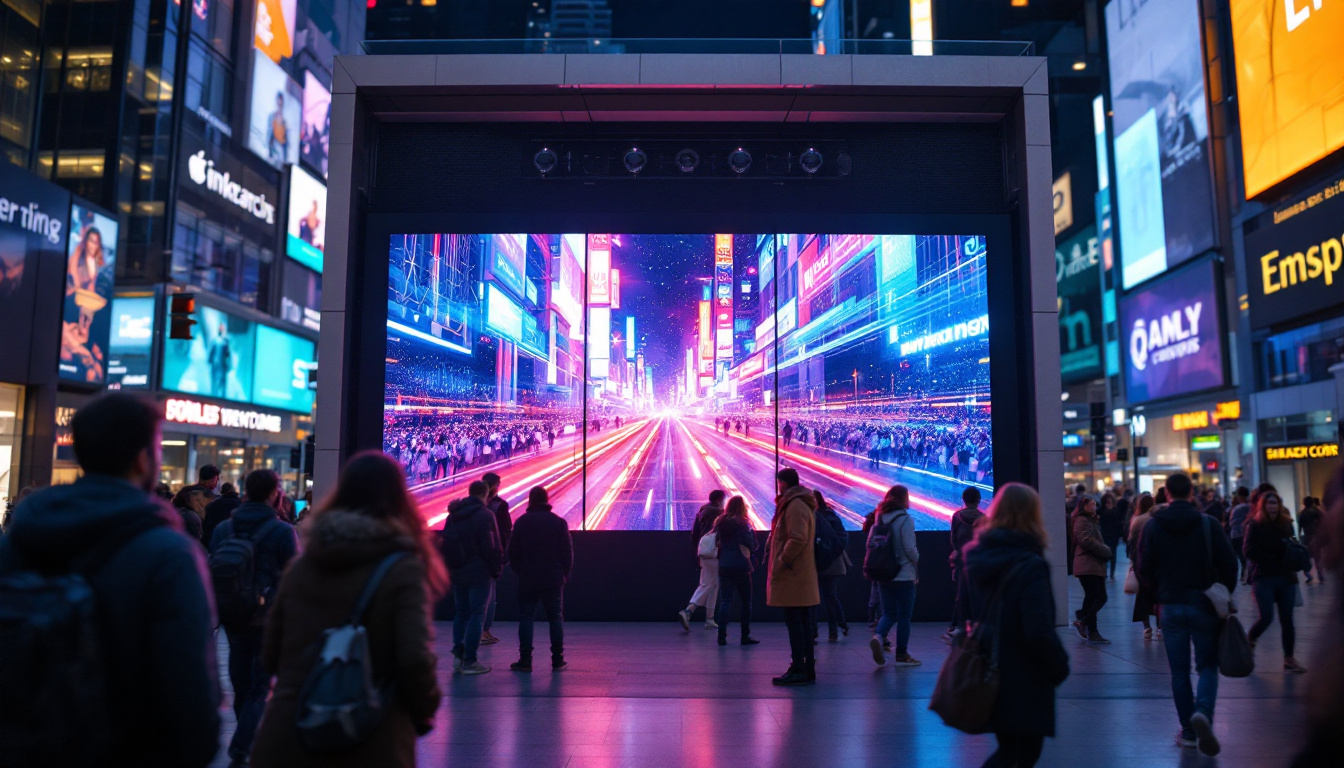
The living room is often the heart of a home, serving as a space for relaxation, entertainment, and social gatherings. In recent years, wall panel designs integrated with LED displays have revolutionized the way homeowners and designers approach living room aesthetics and functionality. This article explores the intricacies of wall panel design featuring LED displays, offering insights into their benefits, design considerations, and technological advancements.
Understanding LED Wall Panels: What They Are and How They Work
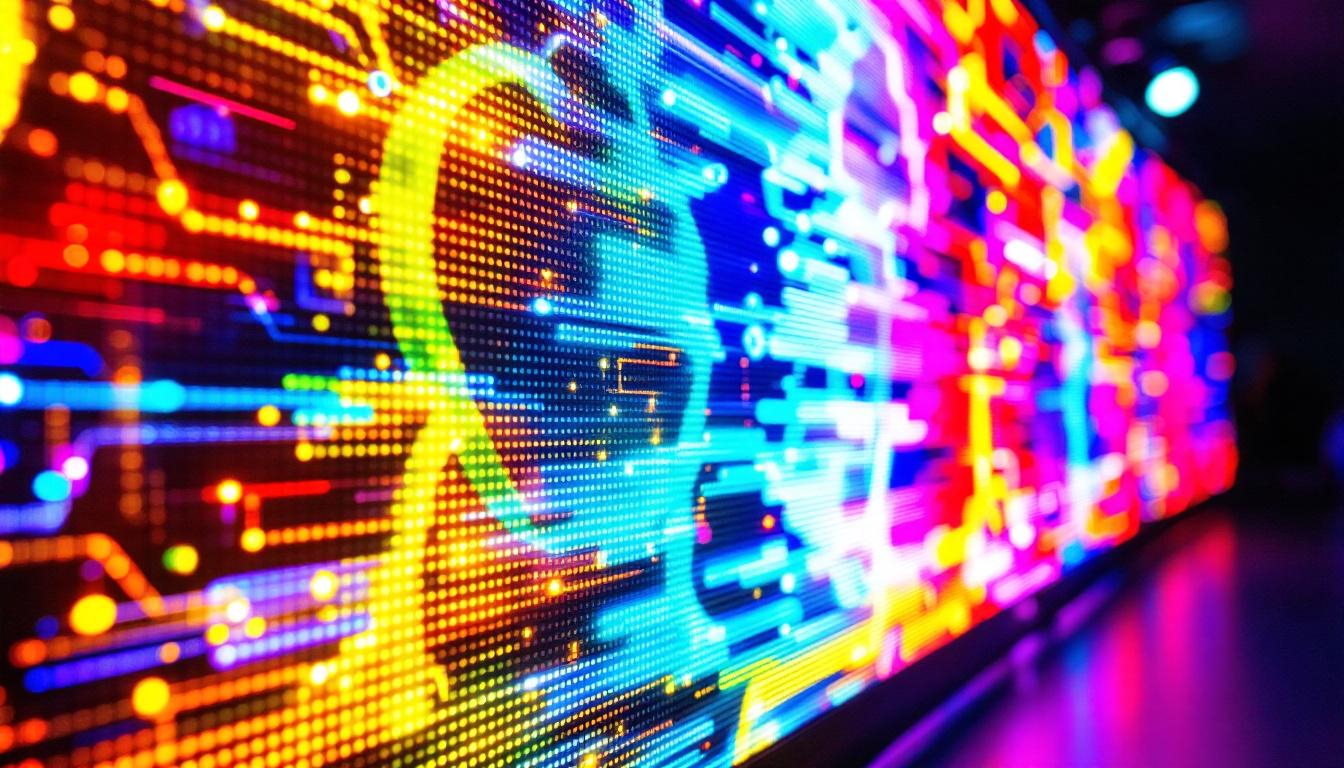
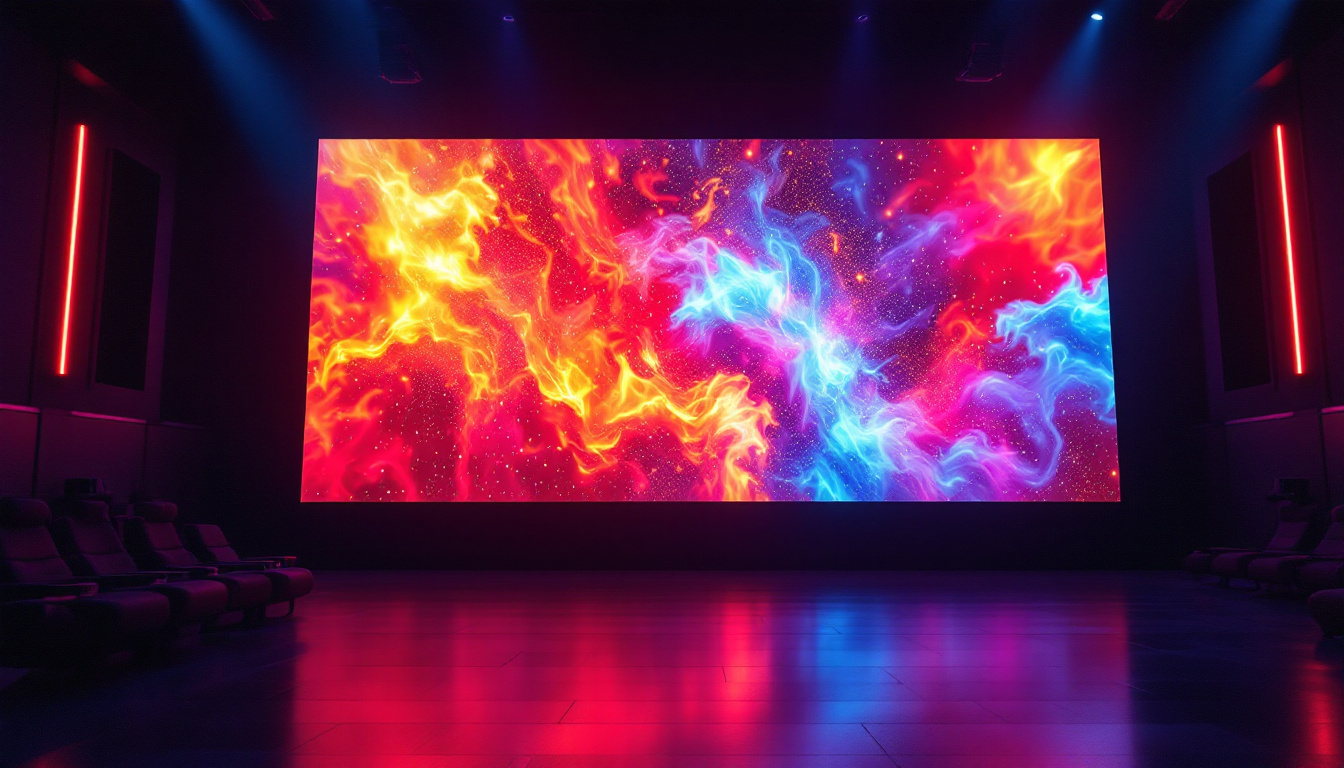
LED wall panels are flat panels embedded with light-emitting diodes (LEDs) that can display images, videos, or dynamic lighting effects. Unlike traditional static wall panels, LED panels bring walls to life, transforming them into interactive and visually captivating surfaces.
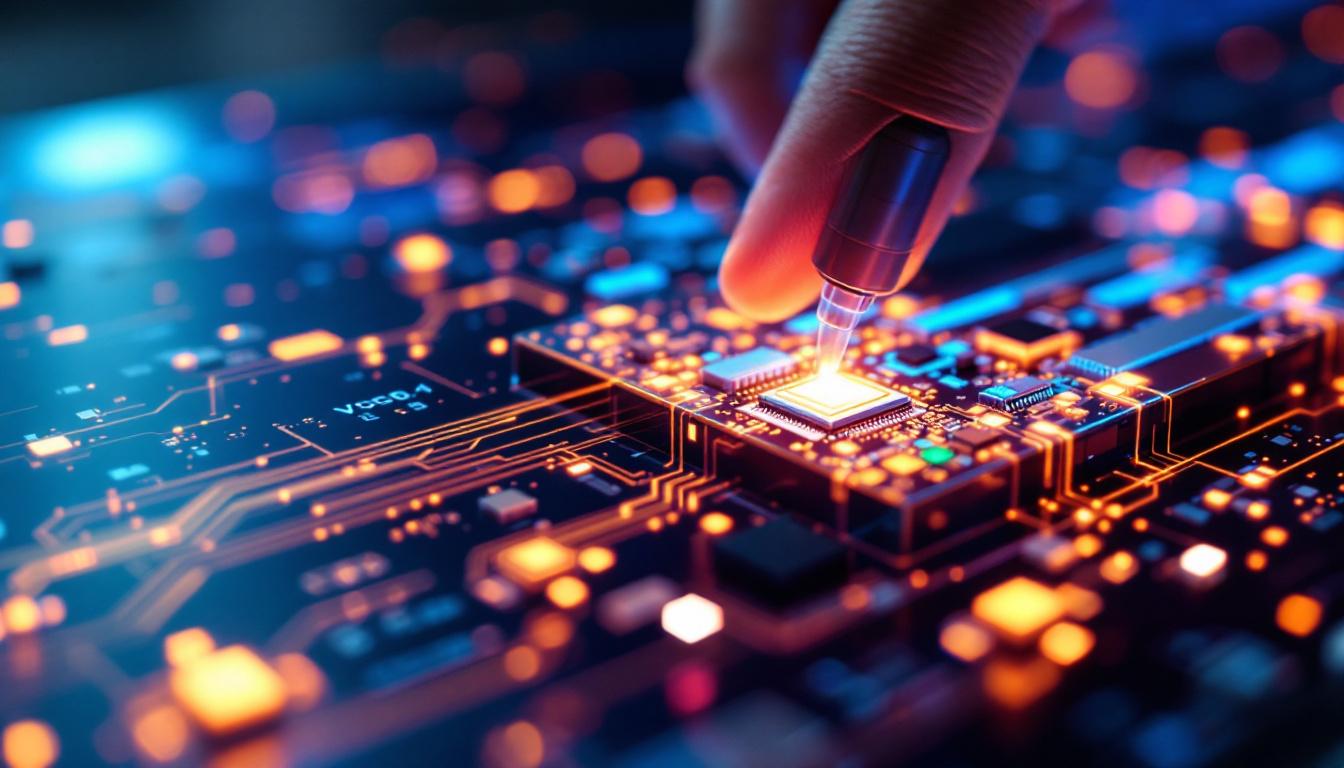
At their core, these panels consist of a matrix of LEDs arranged in a grid, controlled by sophisticated electronics that manage brightness, color, and animation. The technology behind LED displays has advanced significantly, allowing for ultra-thin, energy-efficient panels with high resolution and vivid color reproduction.
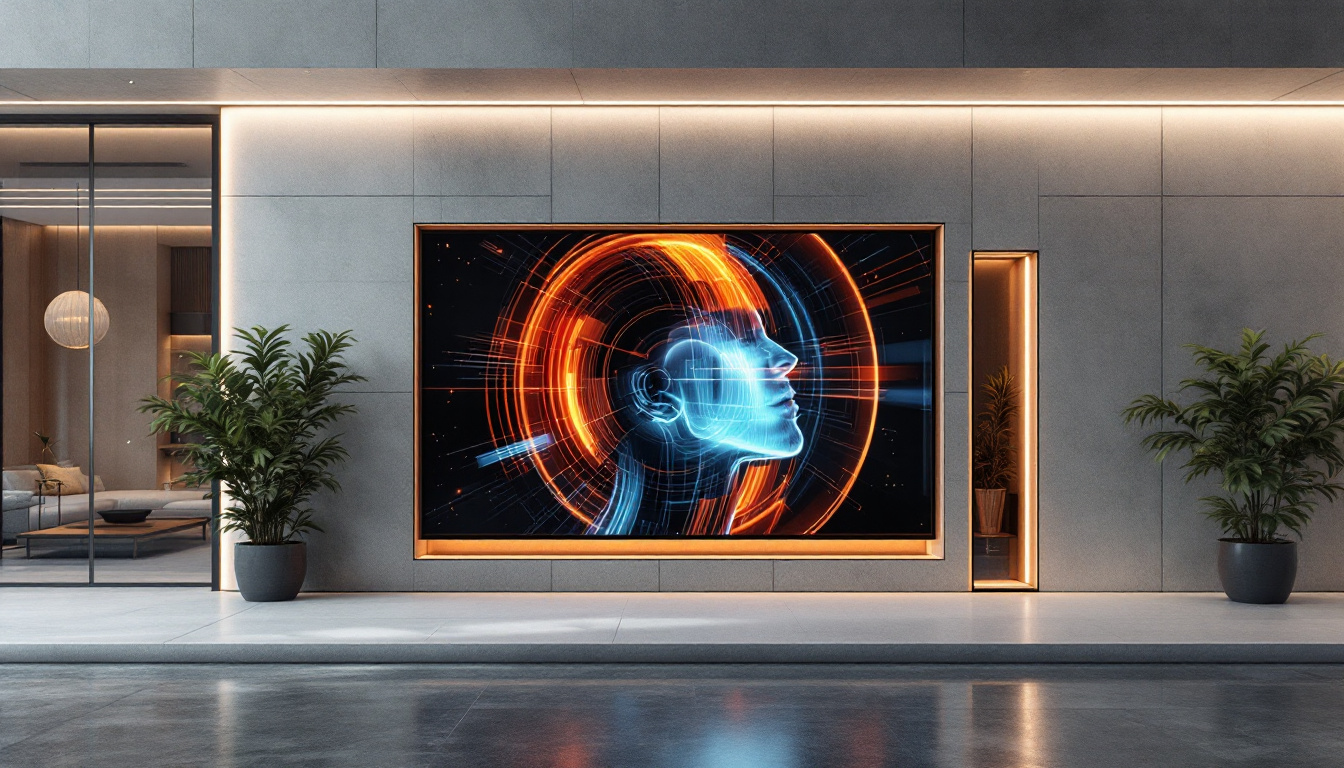
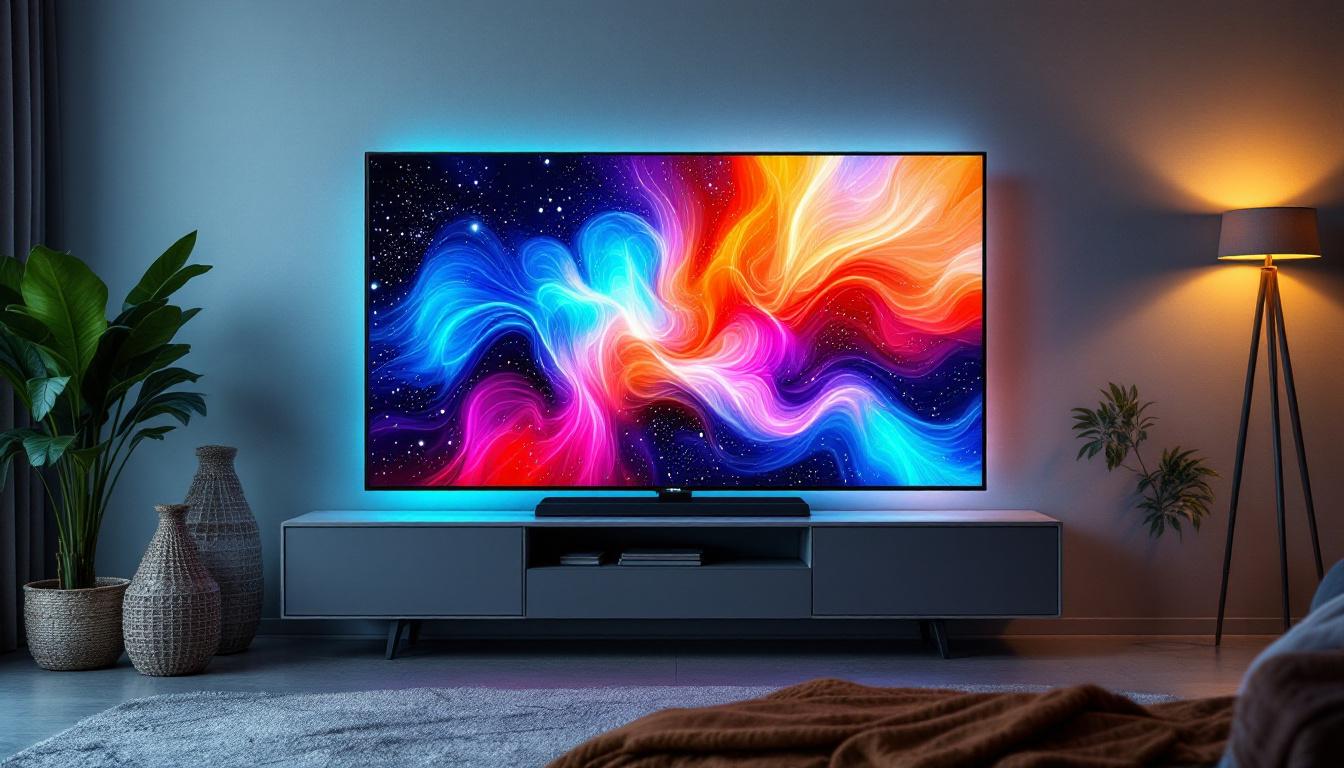
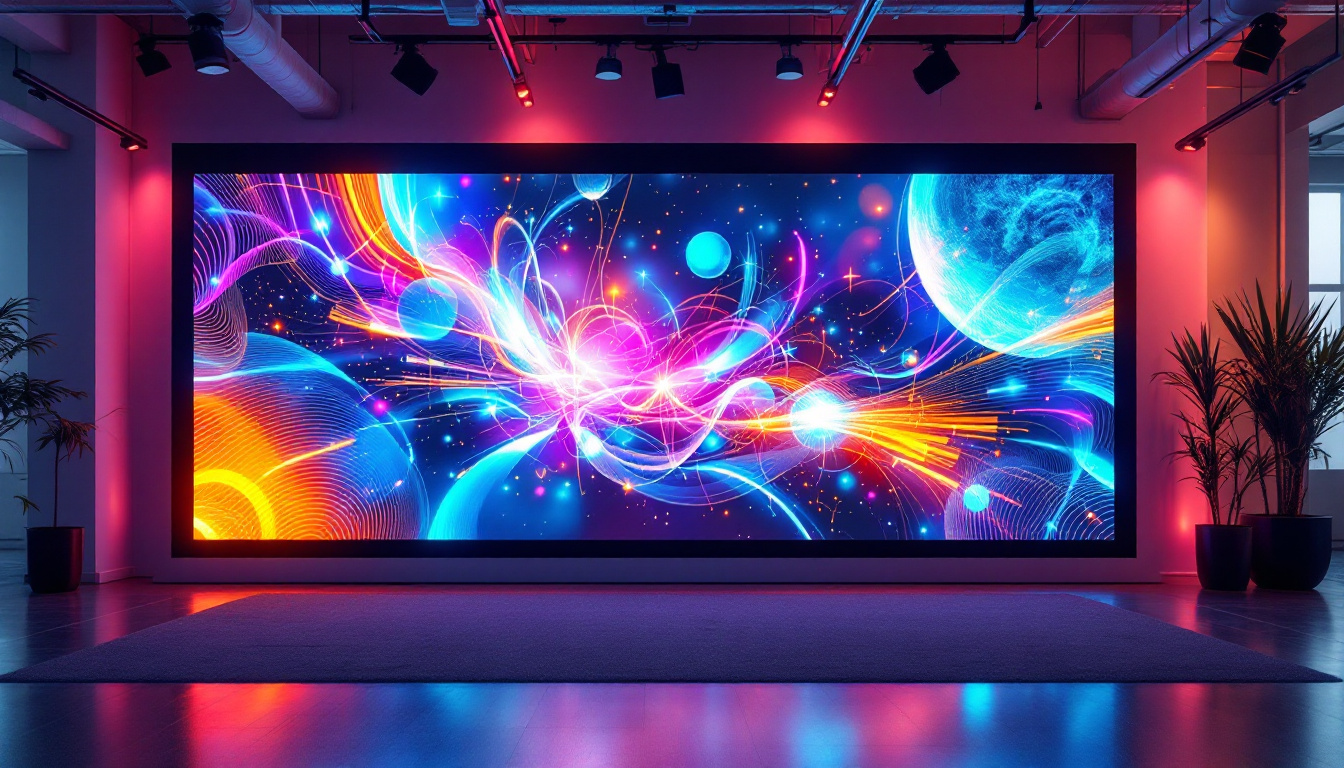
In the context of living room design, LED wall panels can serve multiple purposes—from acting as a large-scale digital art piece to providing ambient lighting or even functioning as an integrated television or media display. The versatility of LED panels means they can be customized to fit any aesthetic, whether you prefer a minimalist look with soft, diffused lighting or a vibrant, eye-catching display that serves as the focal point of the room.
Moreover, the interactivity of LED wall panels can enhance the overall experience in a space. Many modern panels come equipped with smart technology, allowing users to control the display via smartphones or voice commands. This feature not only adds convenience but also opens up a realm of possibilities for personalization. Imagine changing the artwork displayed on your wall to match your mood or the season, or setting the lighting to create a cozy atmosphere for movie nights. The integration of LED panels into smart home systems can further elevate their functionality, enabling synchronization with music, events, or even the time of day.
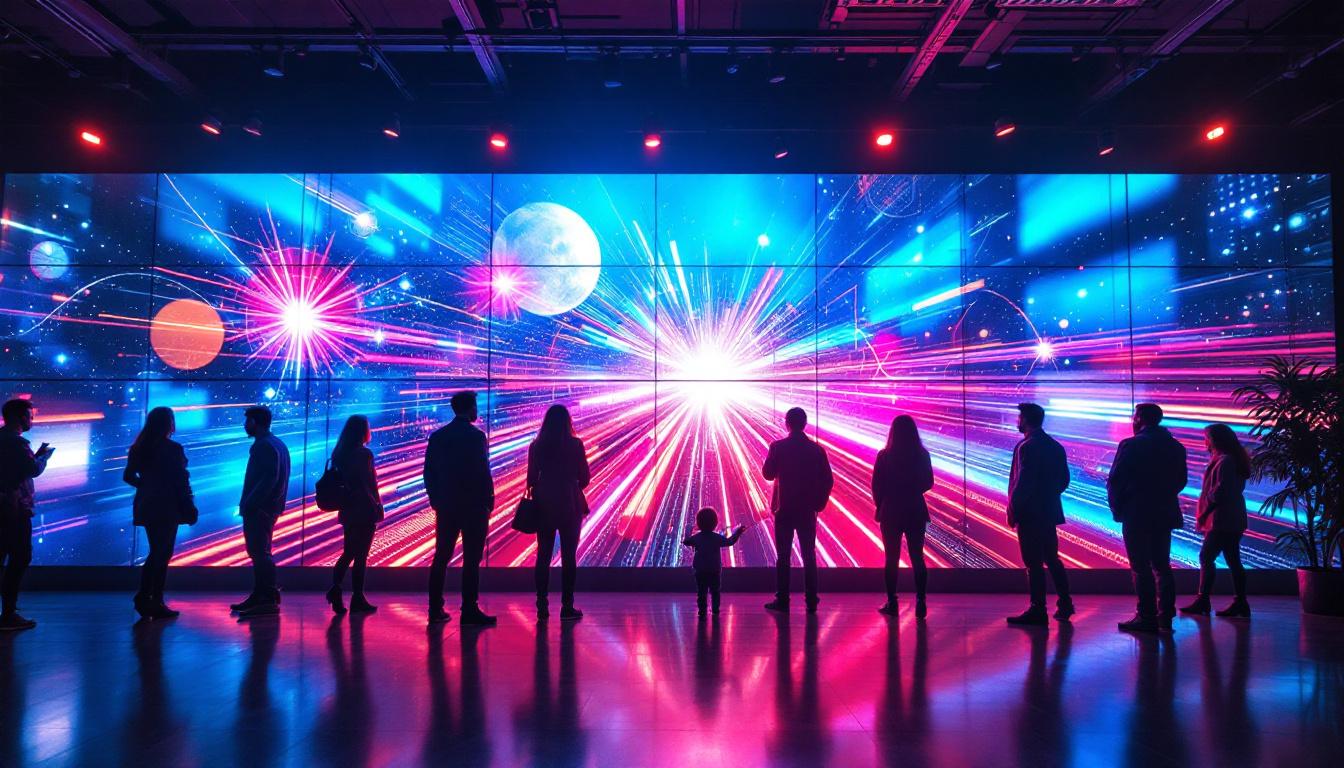
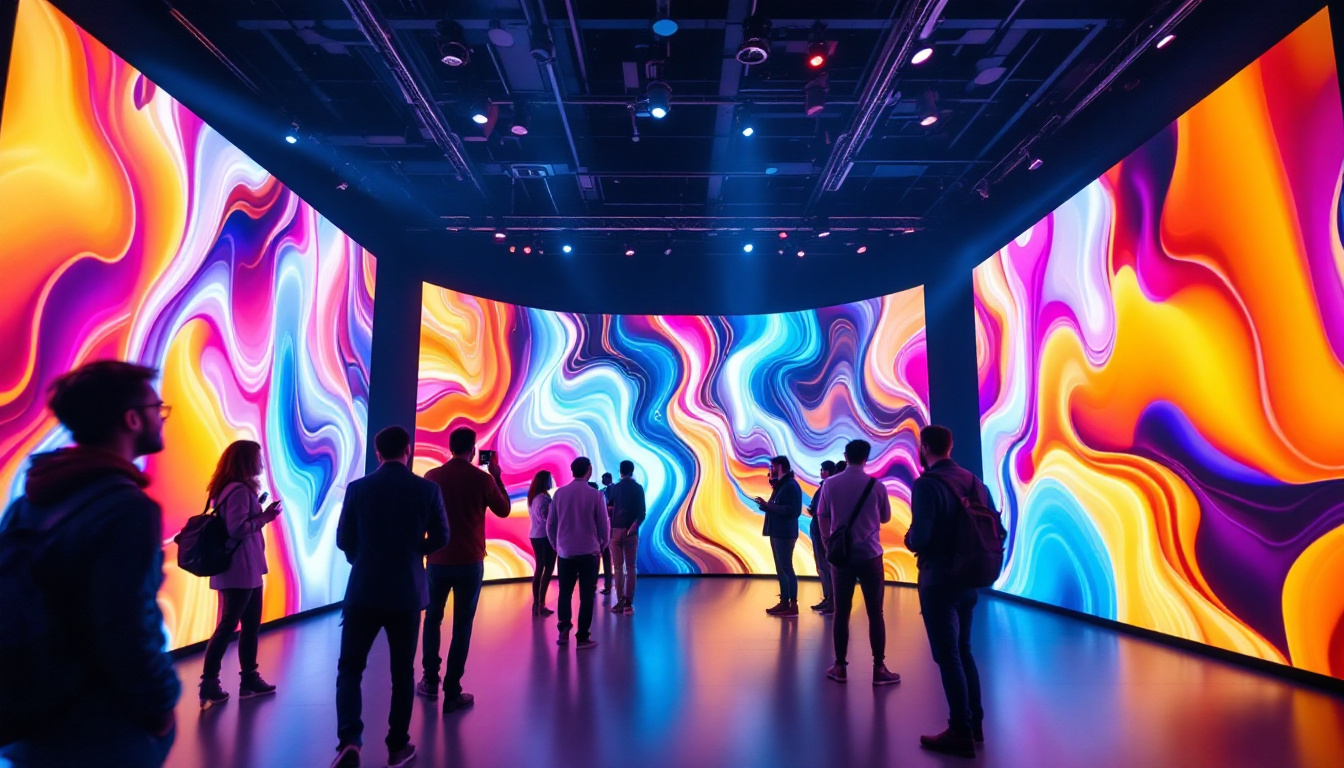
Additionally, LED wall panels are increasingly being utilized in commercial settings, such as retail stores, restaurants, and corporate offices. These environments benefit from the ability to display promotional content, dynamic branding, or even interactive experiences that engage customers. The flexibility of LED technology allows businesses to adapt their messaging quickly and efficiently, making it an invaluable tool in today’s fast-paced market. As the demand for immersive experiences grows, the role of LED wall panels in both residential and commercial spaces is likely to expand, paving the way for innovative applications and creative design solutions.
The Benefits of Incorporating LED Wall Panels in Living Rooms
Enhanced Aesthetic Appeal
One of the primary reasons homeowners opt for LED wall panels is the dramatic enhancement they bring to interior aesthetics. LED panels can be customized to display a wide range of visuals, from calming natural scenes to abstract art, allowing the living room to reflect personal tastes and moods dynamically.
Moreover, LED panels can be designed to blend seamlessly with other materials like wood, stone, or fabric, creating a sophisticated and modern look that elevates the entire space.
Versatility and Functionality
LED wall panels are incredibly versatile. They can serve as a focal point or complement other design elements. Some panels double as smart home interfaces, displaying information such as weather updates, calendars, or news headlines. Others can sync with music or ambient sounds, enhancing the sensory experience in the room.
Furthermore, LED panels can be programmed to change throughout the day, adapting to different lighting needs—from bright, energizing displays during the day to soft, warm glows in the evening.
Energy Efficiency and Longevity
Modern LED technology is highly energy-efficient compared to traditional lighting and display options. LED wall panels consume less power, generate minimal heat, and have a longer lifespan, making them a sustainable choice for homeowners concerned about energy consumption and maintenance costs.
According to the U.S. Department of Energy, LEDs use at least 75% less energy and last 25 times longer than incandescent lighting, which translates to significant savings and reduced environmental impact over time.
Design Considerations for LED Wall Panels in Living Rooms
Size and Placement
The size of the LED wall panel should be proportionate to the living room’s dimensions and furniture layout. Oversized panels can overwhelm smaller spaces, while too small panels may not have the desired visual impact.
Placement is equally critical. Common locations include behind the sofa, above a fireplace, or as a media wall. The panel should be positioned to minimize glare and maximize viewing angles, ensuring comfort for all occupants.
Resolution and Pixel Pitch
Resolution refers to the number of pixels in the LED panel, directly affecting image clarity and detail. Pixel pitch—the distance between individual LEDs—is a key factor in determining resolution. A smaller pixel pitch means higher resolution and sharper images, which is particularly important for panels viewed at close range.
For living rooms, a pixel pitch between 1.5mm and 3mm is generally recommended to balance cost and image quality. Higher resolutions are ideal for displaying detailed content such as photographs or videos.
Integration with Interior Design Styles
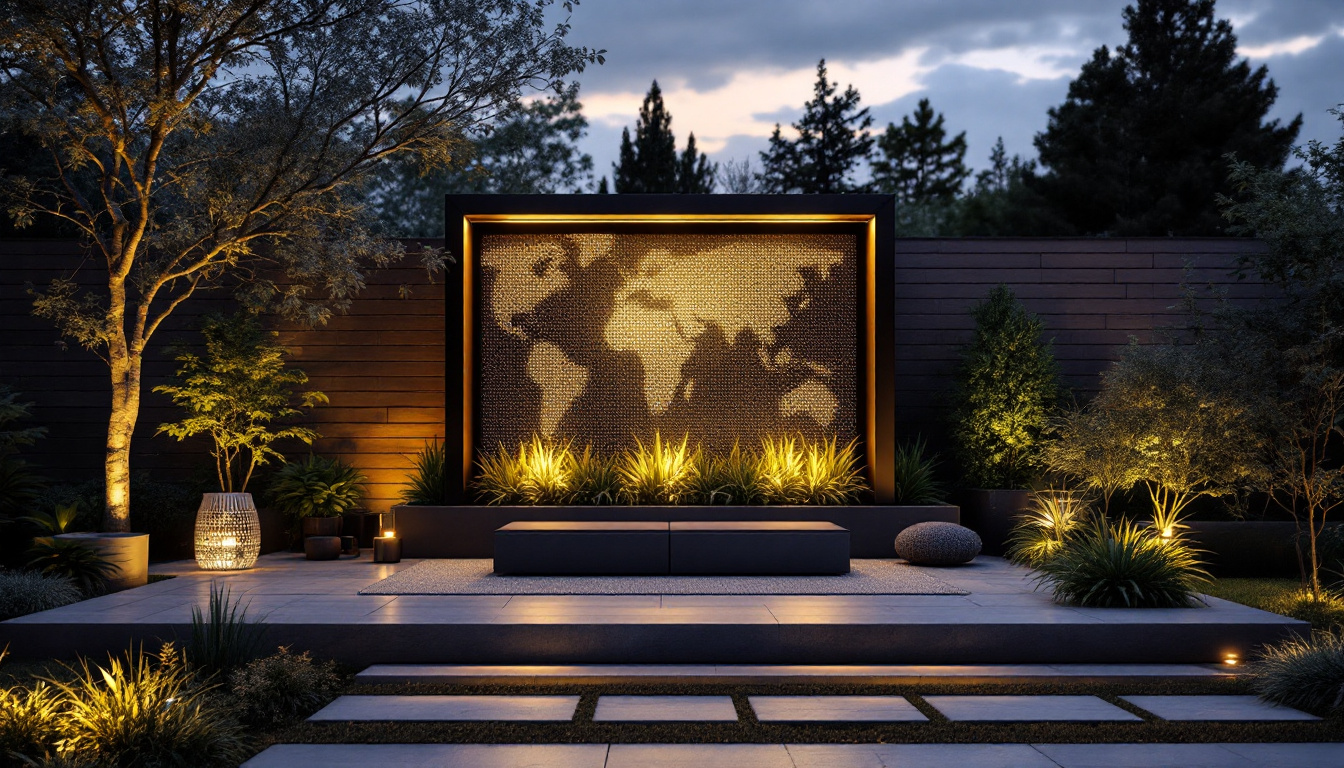
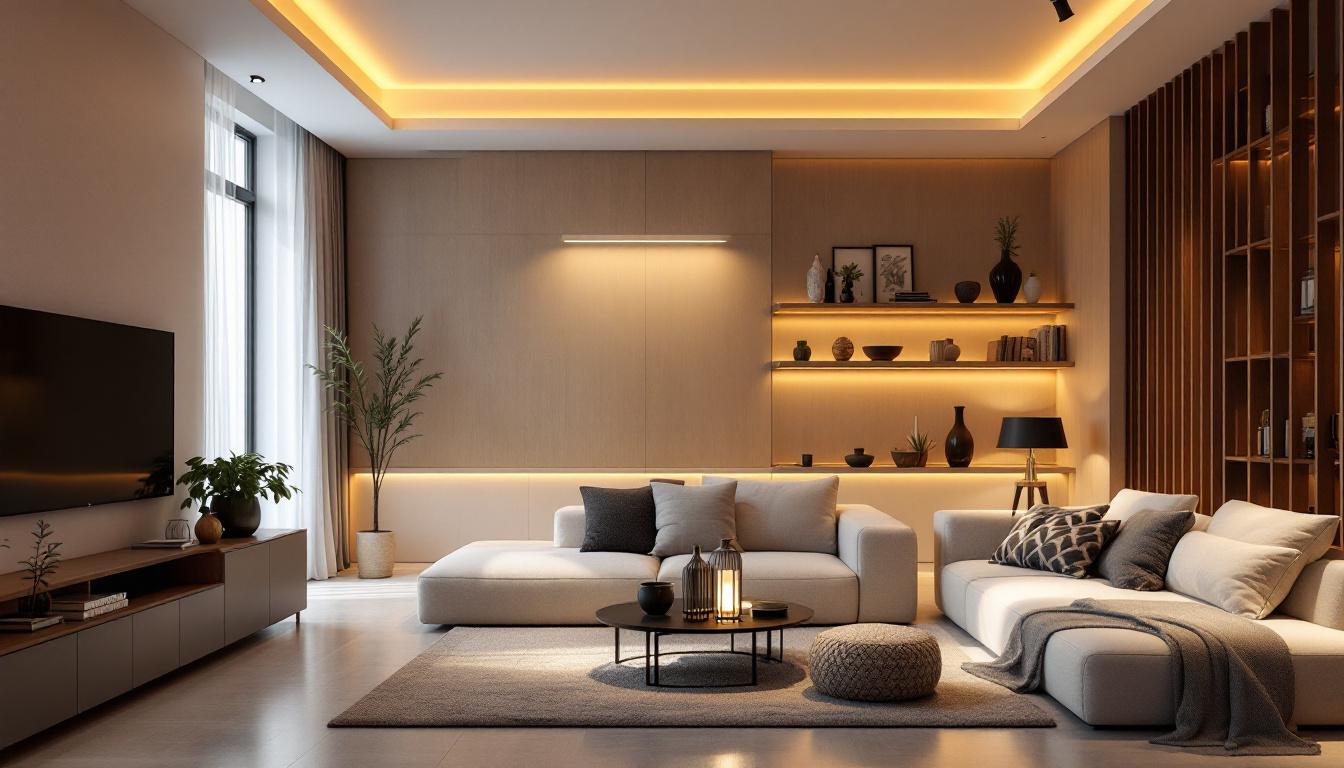
LED wall panels can be tailored to suit various interior design styles, from minimalist and contemporary to rustic and industrial. For example, panels with sleek metal frames and monochromatic displays complement modern aesthetics, while those embedded in natural wood frames can soften the high-tech appearance for a cozier feel.
Color schemes and lighting effects should also harmonize with existing décor elements, such as furniture, flooring, and wall colors, to create a cohesive and inviting atmosphere.
Technological Features and Innovations in LED Wall Panels
Smart Control Systems
Modern LED wall panels often come equipped with smart control systems that allow users to manage content and lighting effects via smartphones, tablets, or voice commands. Integration with smart home ecosystems like Amazon Alexa, Google Home, or Apple HomeKit enhances convenience and personalization.
These systems enable scheduling, scene setting, and automation, allowing the living room environment to adapt seamlessly to different activities and times of day.
Interactive and Touch-Enabled Panels
Some LED wall panels incorporate touch-sensitive surfaces, transforming walls into interactive displays. This feature is particularly useful for families with children or for hosting social events, where users can engage directly with the content.
Interactive panels can also serve educational or productivity purposes, displaying calendars, notes, or interactive art that responds to movement and touch.
Dynamic Lighting and Ambience Creation
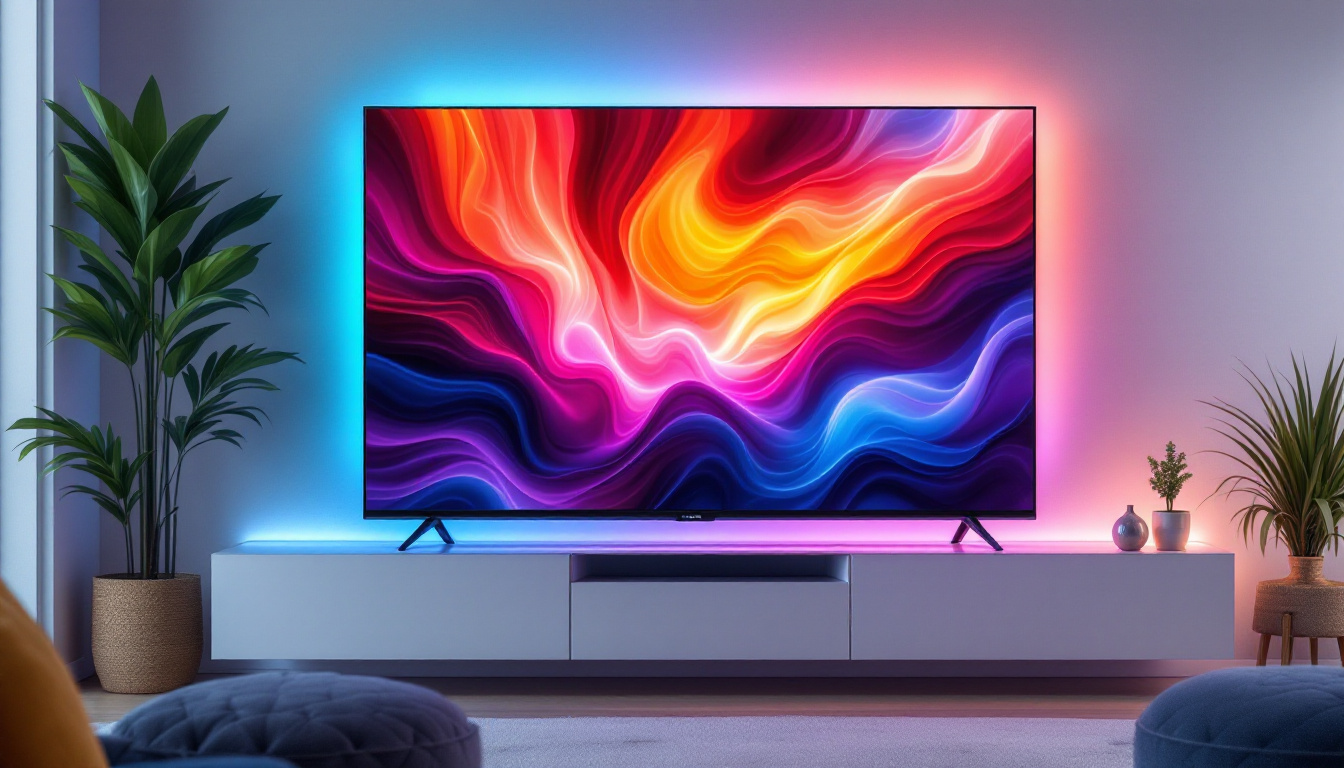
Beyond static images and videos, LED panels can produce dynamic lighting effects that enhance the mood and ambiance of the living room. Features such as color cycling, dimming, and synchronization with music or external stimuli create immersive environments tailored to relaxation, entertainment, or socializing.
Advancements in LED technology have made it possible to achieve smooth gradients and subtle color transitions, contributing to a more natural and pleasing lighting experience.
Installation and Maintenance Tips for LED Wall Panels
Professional Installation Recommendations
Due to the complexity of wiring, mounting, and calibration, professional installation is highly recommended for LED wall panels. Experts ensure that the panels are securely mounted, properly aligned, and integrated with existing electrical and smart home systems.
Proper installation also minimizes risks such as overheating, electrical faults, or damage to the panel, ensuring safety and longevity.
Routine Maintenance and Cleaning
Maintaining LED wall panels involves regular cleaning to prevent dust accumulation, which can affect brightness and image quality. Use soft, dry microfiber cloths and avoid harsh chemicals that could damage the panel surface.
It is also important to periodically check connections and software updates to ensure optimal performance and access to the latest features.
Case Studies: Inspiring Examples of LED Wall Panel Designs in Living Rooms
Modern Minimalist Living Room with Integrated LED Art
A contemporary apartment in New York City features a large LED wall panel integrated seamlessly into a white textured wall. The panel displays abstract digital art that changes throughout the day, providing a dynamic focal point without overwhelming the minimalist décor.
The homeowner uses a smartphone app to adjust the display based on mood, from vibrant colors during social gatherings to calming blues and greens for relaxation.
Rustic Living Room Enhanced by Warm LED Panels
In a countryside home, LED panels are embedded within reclaimed wood frames, creating a warm and inviting atmosphere. The panels display nature scenes and soft lighting effects that complement the rustic furniture and stone fireplace.
This design demonstrates how LED technology can be adapted to traditional aesthetics, enhancing rather than detracting from the overall style.
High-Tech Entertainment Hub with Interactive LED Walls
A tech-savvy homeowner in San Francisco installed interactive LED wall panels that double as media displays and smart home control centers. The panels respond to touch and voice commands, allowing seamless control of lighting, music, and home security systems.
This setup highlights the potential for LED wall panels to serve both aesthetic and practical functions in modern living rooms.
Future Trends in LED Wall Panel Design for Living Rooms
As LED technology continues to evolve, several trends are poised to shape the future of living room wall panel design. Flexible and rollable LED panels are becoming more accessible, allowing for creative installations on curved or irregular surfaces.
Advancements in microLED and OLED technologies promise even higher resolution, better color accuracy, and thinner profiles, further blurring the line between display and décor.
Integration with augmented reality (AR) and virtual reality (VR) platforms may also enable immersive living room experiences, where walls transform into portals to different environments or interactive storytelling spaces.
Conclusion
LED wall panel design is transforming living rooms into dynamic, multifunctional spaces that combine aesthetics with cutting-edge technology. By understanding the benefits, design considerations, and technological features, homeowners and designers can create living environments that are both beautiful and highly functional.
Whether aiming for a minimalist art display, a cozy rustic ambiance, or a high-tech interactive hub, LED wall panels offer unparalleled versatility and innovation. As technology advances, these panels will continue to redefine how living rooms look and feel, making them an exciting element in modern interior design.
Discover the Future of Living Room Design with LumenMatrix
Ready to elevate your living space with the latest in LED display technology? LumenMatrix is at the forefront of creating immersive environments that blend seamlessly with your interior design. From stunning Indoor LED Wall Displays to versatile All-in-One LED Displays, our solutions are crafted to captivate and engage. Experience the revolution in visual communication and transform your living room into a dynamic, multifunctional haven. Check out LumenMatrix LED Display Solutions today and step into the future of home aesthetics.