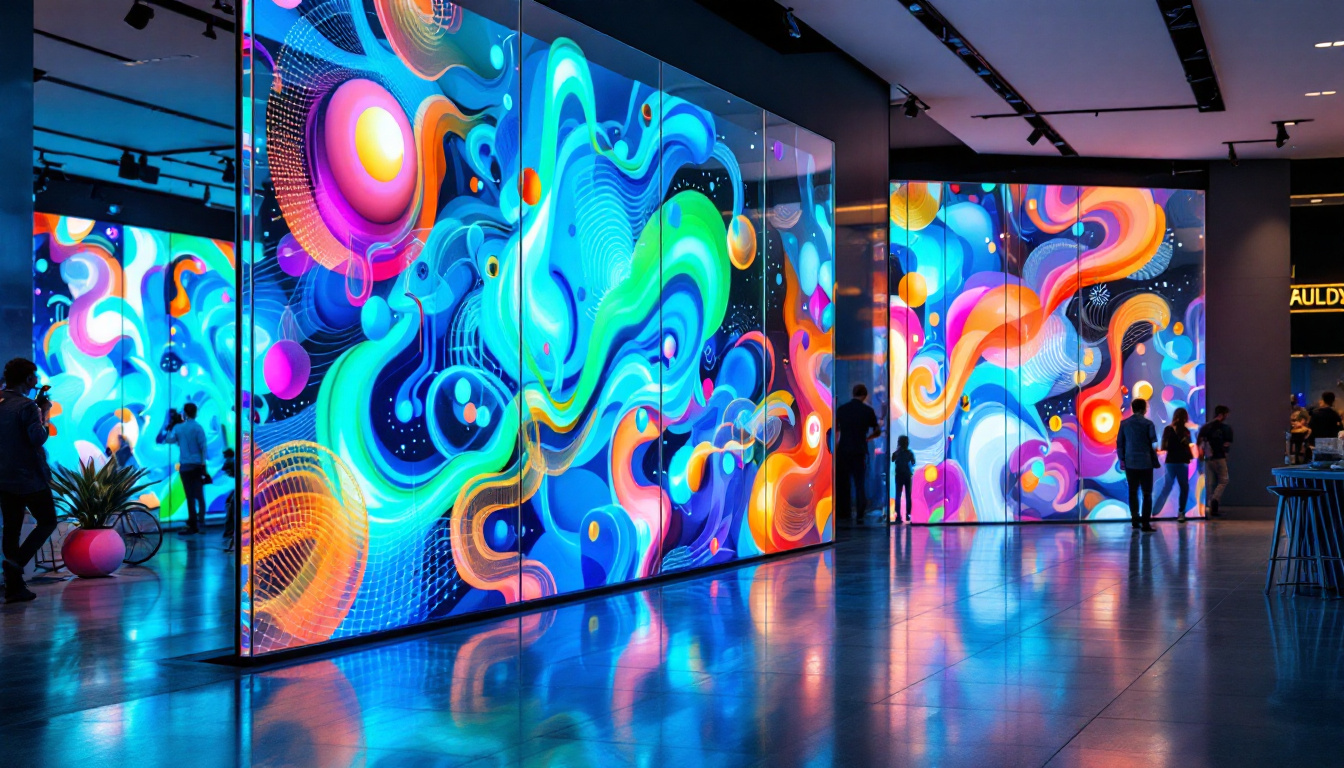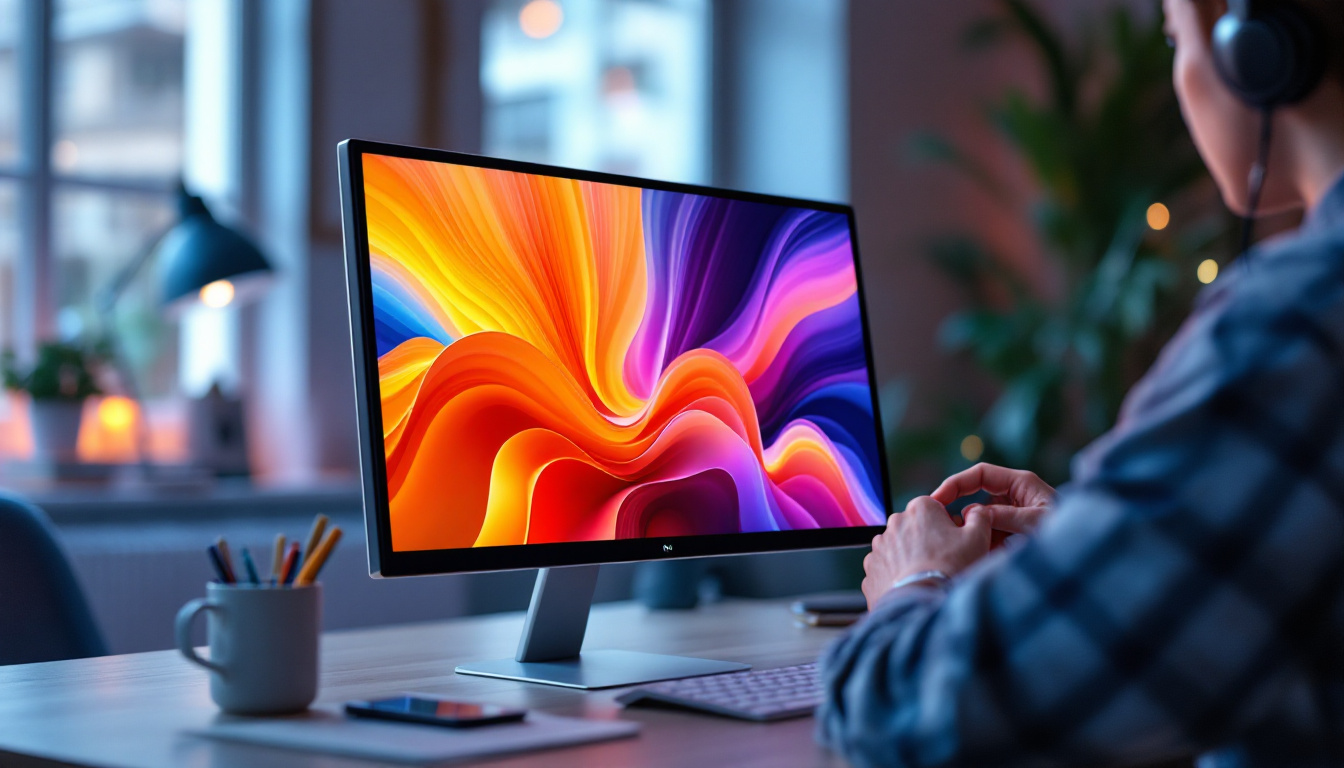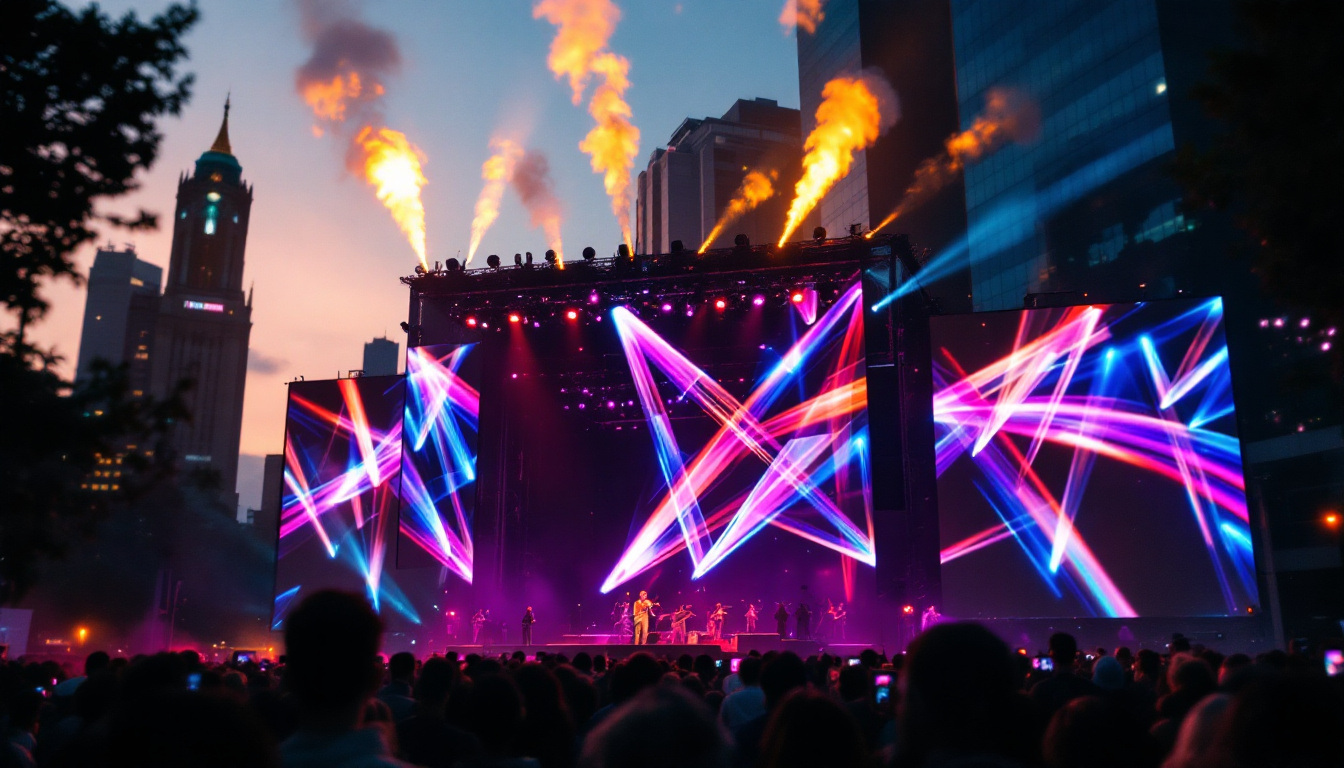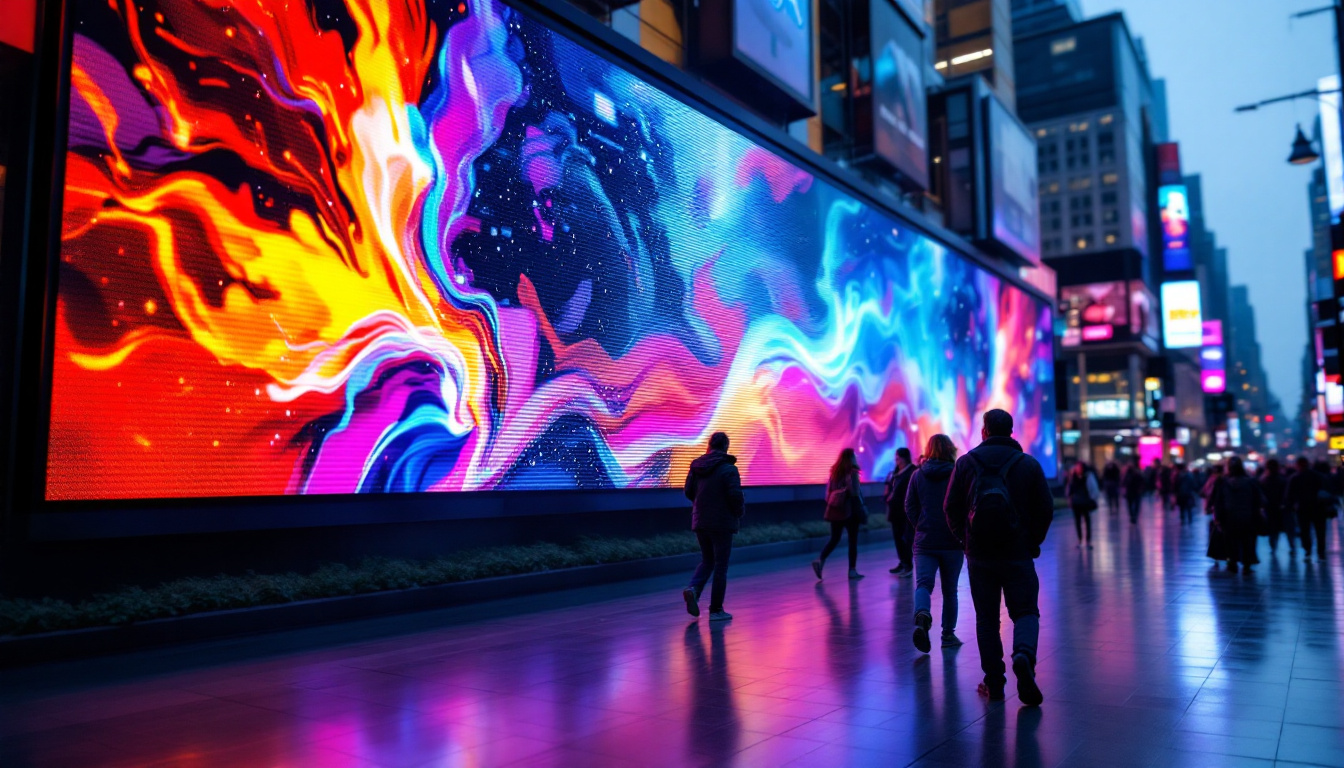
In today’s fast-paced digital world, the importance of clear, vibrant, and reliable display technology cannot be overstated. Whether in corporate offices, control rooms, retail environments, or public spaces, LED displays have become a cornerstone of visual communication. However, just as critical as the display itself is the support system that holds it — the monitor stand. This article dives deep into the world of LED displays and the role monitor stands play in optimizing their performance and usability.
Understanding LED Displays: What Makes Them Stand Out?
LED, or Light Emitting Diode, displays have revolutionized the way we view digital content. Unlike traditional LCD screens that rely on backlighting, LED displays use individual diodes to emit light, resulting in brighter images, deeper blacks, and more vivid colors.
One of the main advantages of LED technology is energy efficiency. According to a 2023 report by the U.S. Department of Energy, LED displays consume up to 30% less power compared to conventional LCDs with CCFL backlights. This efficiency not only reduces operational costs but also contributes to environmental sustainability. By consuming less energy, LED displays help decrease the overall carbon footprint of digital signage and entertainment, making them a popular choice for eco-conscious businesses and consumers alike.
Moreover, LED screens offer superior durability and longer lifespan. Many commercial-grade LED panels boast lifespans exceeding 100,000 hours, making them ideal for continuous use in demanding environments such as broadcast studios and public information kiosks. This longevity is particularly beneficial in settings where frequent replacements would be costly and disruptive, allowing businesses to focus on their core operations without the constant worry of equipment failure.
Types of LED Displays
LED displays come in various forms, each tailored to specific use cases:
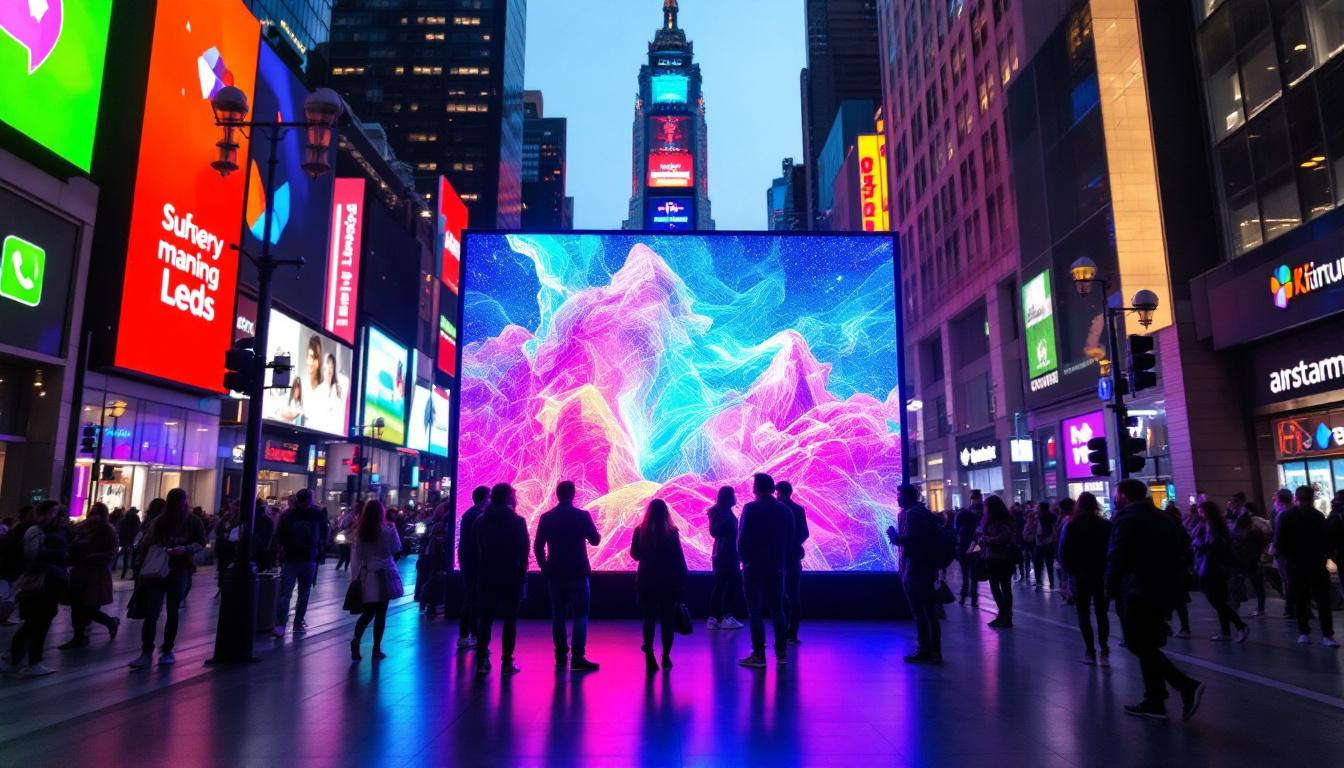
- Direct View LED (DVLED): These displays use arrays of LEDs as pixels themselves, allowing for large-scale, high-brightness screens often seen in stadiums and outdoor billboards.
- LED-backlit LCD: These are traditional LCD panels illuminated by LEDs, common in desktop monitors and televisions.
- MicroLED: An emerging technology that promises even higher brightness and contrast ratios by using microscopic LEDs as individual pixels.
Understanding these types helps in selecting the right display technology for specific environments and applications. For instance, Direct View LED displays are particularly advantageous for outdoor advertising due to their high brightness and visibility in direct sunlight, while MicroLED technology is gaining traction in high-end televisions and digital art installations, where color accuracy and detail are paramount. Additionally, the versatility of LED technology allows for creative applications, such as flexible LED screens that can be shaped to fit unique spaces or curved displays that enhance viewer engagement in immersive environments.
The Role of Monitor Stands in LED Display Performance
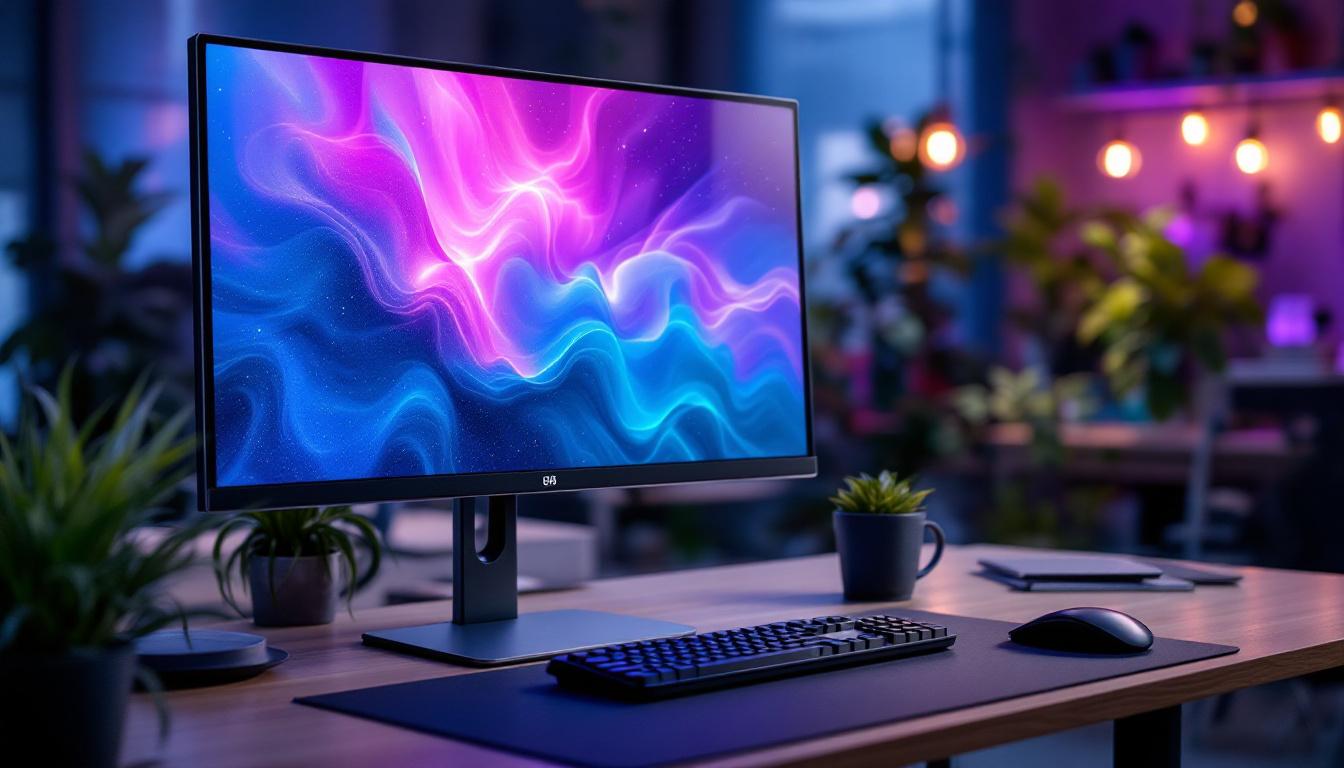
While the LED display itself is the star, the monitor stand is the unsung hero that ensures the display performs optimally. A sturdy, adjustable, and ergonomic stand can significantly enhance user experience and protect the investment in display technology.
Ergonomics and User Comfort
In office environments, where employees spend hours in front of screens, ergonomics is paramount. Poorly positioned displays can lead to neck strain, eye fatigue, and reduced productivity. Monitor stands that offer height adjustment, tilt, swivel, and rotation allow users to customize the screen position for optimal comfort.
Recent studies by the Occupational Safety and Health Administration (OSHA) emphasize the importance of ergonomic setups in reducing workplace injuries. Adjustable monitor stands contribute directly to these recommendations by enabling proper alignment of the display with the user’s line of sight.
Space Optimization and Aesthetics
Modern workspaces often grapple with limited desk space. Monitor stands help by elevating screens off the desk surface, freeing up valuable real estate for other tasks and equipment. Some stands also incorporate cable management systems, reducing clutter and enhancing the overall aesthetics of the workspace.
For LED displays used in public or retail settings, the stand’s design can influence the visual appeal and accessibility of the display. Sleek, minimalist stands complement the high-tech look of LED screens, while robust, industrial designs suit environments like factories or control rooms.
Stability and Safety Considerations
LED displays, especially larger models, can be heavy and fragile. A well-designed monitor stand ensures stability, preventing accidental tipping or damage. This is particularly important in high-traffic areas or environments prone to vibrations, such as manufacturing floors.
Additionally, stands with secure mounting options, such as VESA compatibility, allow for safe and standardized attachment of LED displays, ensuring the screen remains firmly in place.
Choosing the Right Monitor Stand for Your LED Display
Selecting the appropriate monitor stand is not a one-size-fits-all decision. Several factors must be considered to match the stand with the specific LED display and its intended environment.
Weight and Size Compatibility
One of the first considerations is the weight and size of the LED display. Monitor stands are rated for maximum weight capacity and screen size compatibility. For example, a 32-inch LED monitor weighing 15 pounds requires a different stand than a 65-inch commercial display weighing over 50 pounds.
Using a stand that cannot support the display’s weight risks structural failure and costly damage. Always check the manufacturer’s specifications for both the display and the stand.
Adjustability Features
Depending on the use case, adjustability features may be critical. For office or gaming monitors, stands with full ergonomic adjustments—height, tilt, swivel, and rotation—are ideal. In contrast, fixed stands may suffice for digital signage or displays mounted in permanent locations.
Some advanced stands offer motorized adjustments or integration with smart office systems, allowing users to change screen positions via software controls or voice commands.
Mounting Standards and Compatibility
Most LED displays adhere to the VESA (Video Electronics Standards Association) mounting standard, which specifies hole patterns on the back of the display for mounting. Ensuring the monitor stand supports the appropriate VESA pattern is essential for compatibility.
In addition to VESA, some displays may require custom mounting solutions, especially ultra-wide or curved LED panels. Consulting with manufacturers or professional installers can help identify the best mounting approach.
Material and Build Quality
The material of the monitor stand affects both durability and aesthetics. Common materials include steel, aluminum, and high-quality plastics. Steel stands offer maximum strength and stability, while aluminum provides a lighter, more modern look.
For environments with specific requirements, such as clean rooms or outdoor installations, stands made from corrosion-resistant or weatherproof materials are necessary.
Innovations and Trends in Monitor Stands for LED Displays
The monitor stand market continues to evolve, driven by advances in display technology and changing user needs. Several trends are shaping the future of LED display support solutions.
Height-Adjustable and Sit-Stand Solutions
With increasing awareness of the health risks associated with prolonged sitting, sit-stand desks and adjustable monitor stands are gaining popularity. These solutions allow users to switch between sitting and standing postures easily, promoting better circulation and reducing musculoskeletal strain.
Many modern stands integrate seamlessly with sit-stand desks, offering synchronized height adjustments for both the desk surface and the display.
Multi-Monitor and Video Wall Mounts
In environments like trading floors, control centers, and creative studios, multiple LED displays are often used in tandem. Specialized monitor stands and mounts facilitate the arrangement of multiple screens in ergonomic and visually cohesive configurations.
Video wall mounts enable the creation of large-scale, seamless LED display walls by securely mounting multiple panels with minimal gaps. These systems often include fine-tuning adjustments to align displays perfectly.
Smart and Connected Stands
The integration of IoT (Internet of Things) technology into monitor stands is an emerging trend. Smart stands can track usage patterns, adjust positions based on user preferences, and even remind users to change posture for health benefits.
Some stands also feature built-in USB hubs, wireless charging pads, and cable management systems, enhancing functionality and reducing desk clutter.
Maintenance and Safety Tips for Monitor Stands with LED Displays
Proper care and maintenance of monitor stands are essential to ensure longevity and safety, especially when supporting expensive LED displays.
Regular Inspection and Cleaning
Periodic inspection of the stand’s joints, screws, and mounting points helps identify any signs of wear or loosening that could compromise stability. Tightening loose components promptly prevents accidents.
Cleaning the stand with appropriate materials prevents dust buildup and corrosion. Avoid harsh chemicals that could damage finishes or degrade plastic components.
Safe Installation Practices
Installing LED displays on monitor stands should be done carefully, ideally with two or more people for larger screens. Following the manufacturer’s instructions and using proper tools ensures secure mounting.
For complex installations, especially video walls or ceiling mounts, professional installation services are recommended to guarantee safety and optimal performance.
Environmental Considerations
Ensure the monitor stand and LED display are placed in environments within their specified operating conditions. Excessive humidity, temperature extremes, or exposure to direct sunlight can affect both the stand’s materials and the display’s electronics.
Conclusion: The Symbiotic Relationship Between LED Displays and Monitor Stands
LED displays have transformed visual communication with their brilliant colors, energy efficiency, and durability. However, to fully leverage these advantages, the choice of a suitable monitor stand is critical. A well-designed stand enhances ergonomics, ensures safety, optimizes space, and complements the aesthetics of the display.
As technology advances, monitor stands are becoming more sophisticated, offering smart features and greater flexibility. Whether for individual workstations, multi-monitor setups, or large-scale video walls, investing in the right monitor stand is an essential step in maximizing the performance and lifespan of LED displays.
By understanding the interplay between LED display technology and monitor stands, businesses and users can create environments that are not only visually impressive but also comfortable, safe, and efficient.
Explore Cutting-Edge LED Display Solutions with LumenMatrix
Ready to elevate your visual communication to the next level? LumenMatrix is at the forefront of LED display innovation, offering a wide range of solutions tailored to your needs. From captivating Indoor and Outdoor LED Wall Displays to dynamic Vehicle and Sports LED Displays, our technology is designed to make your brand stand out. Discover the possibilities with our Custom, All-in-One, and Transparent LED Displays, and see how our Floor LED Displays can transform any space. Embrace the future of digital signage with LumenMatrix and create experiences that engage and inspire. Check out LumenMatrix LED Display Solutions today and let your message shine with unmatched clarity and impact.