In an age where digital communication dominates, the way information is visually presented plays a crucial role in capturing attention and conveying messages effectively. Among the various technologies available, LED displays have emerged as one of the most versatile and widely adopted solutions for both indoor and outdoor information dissemination. This article delves into the fundamentals of LED displays, exploring their technology, applications, advantages, and future trends.
Understanding LED Display Technology
LED, or Light Emitting Diode, displays are electronic display devices that use light-emitting diodes as pixels to present images, videos, and text. Unlike traditional display technologies such as LCD or plasma, LEDs emit their own light, which results in brighter, more vibrant visuals and greater energy efficiency. This inherent ability to produce light directly contributes to their popularity in various applications, from consumer electronics to large-scale advertising.
How LED Displays Work
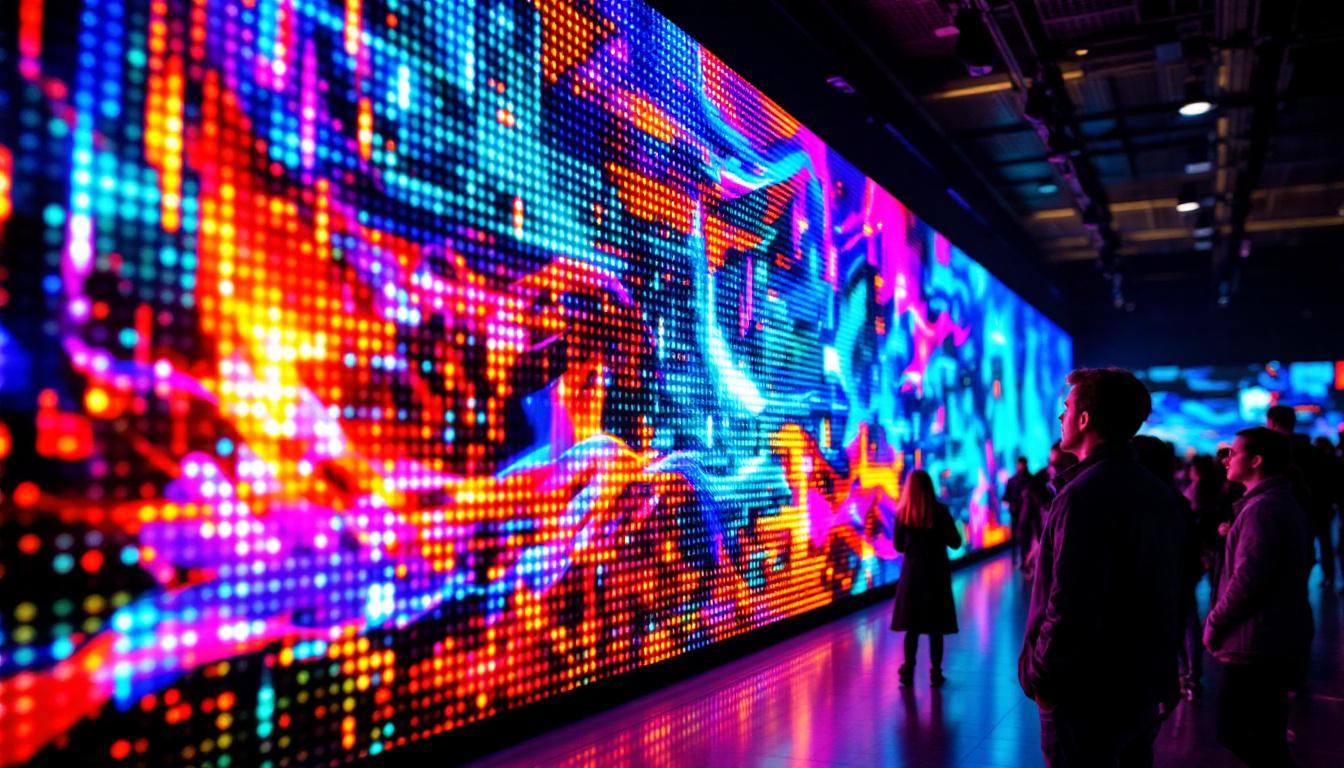
At the core of an LED display are tiny semiconductor diodes that emit light when an electric current passes through them. These diodes are arranged in a grid or matrix to form pixels. By controlling the intensity and color of each diode, the display can render detailed images and videos. The precision with which these diodes can be manipulated allows for rapid refresh rates and smooth motion, making LED displays ideal for dynamic content such as sports broadcasts and video games.
Modern LED displays often use red, green, and blue (RGB) diodes combined in varying intensities to produce a full spectrum of colors. This RGB configuration enables the display to render millions of colors, making it suitable for high-definition content. Furthermore, advancements in technology have led to the development of features like HDR (High Dynamic Range), which enhances the contrast and color accuracy, providing viewers with an immersive visual experience that closely resembles real life.
Types of LED Displays
LED displays come in various forms, each tailored to specific use cases:
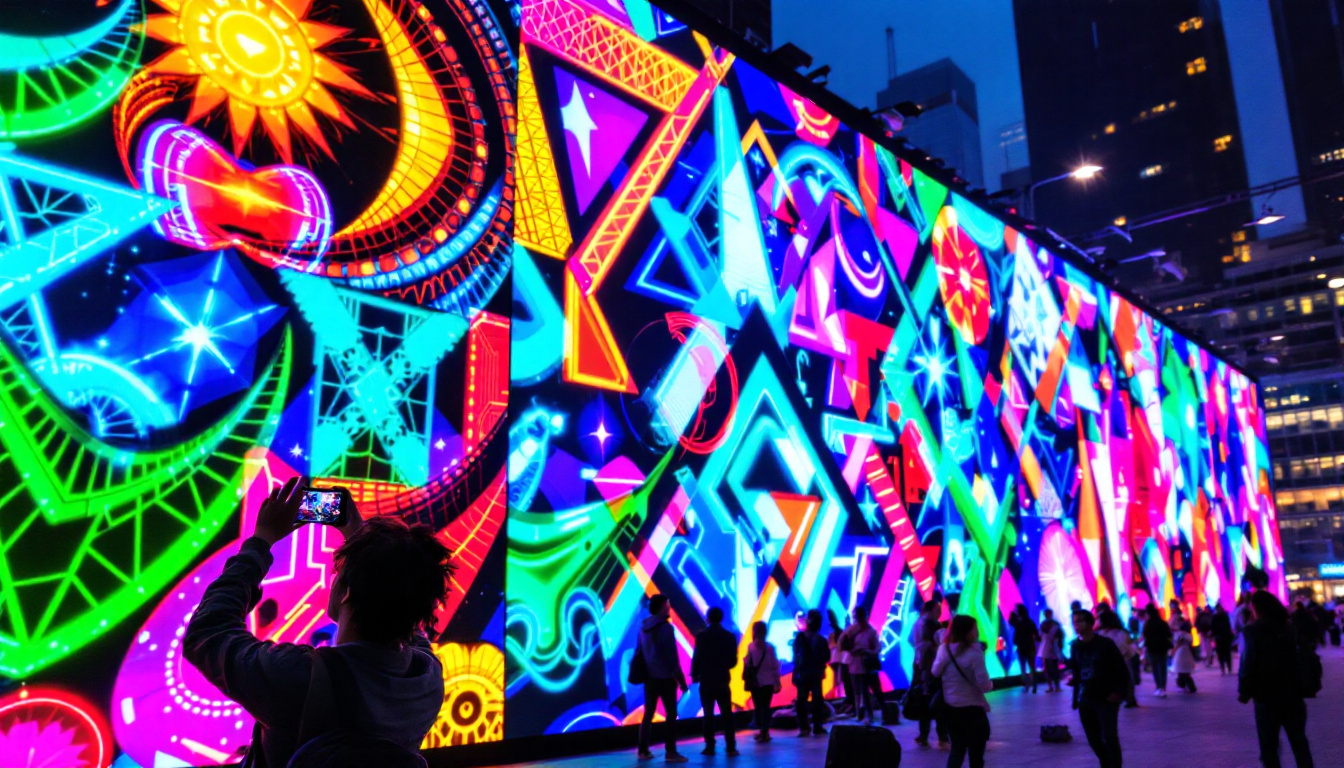
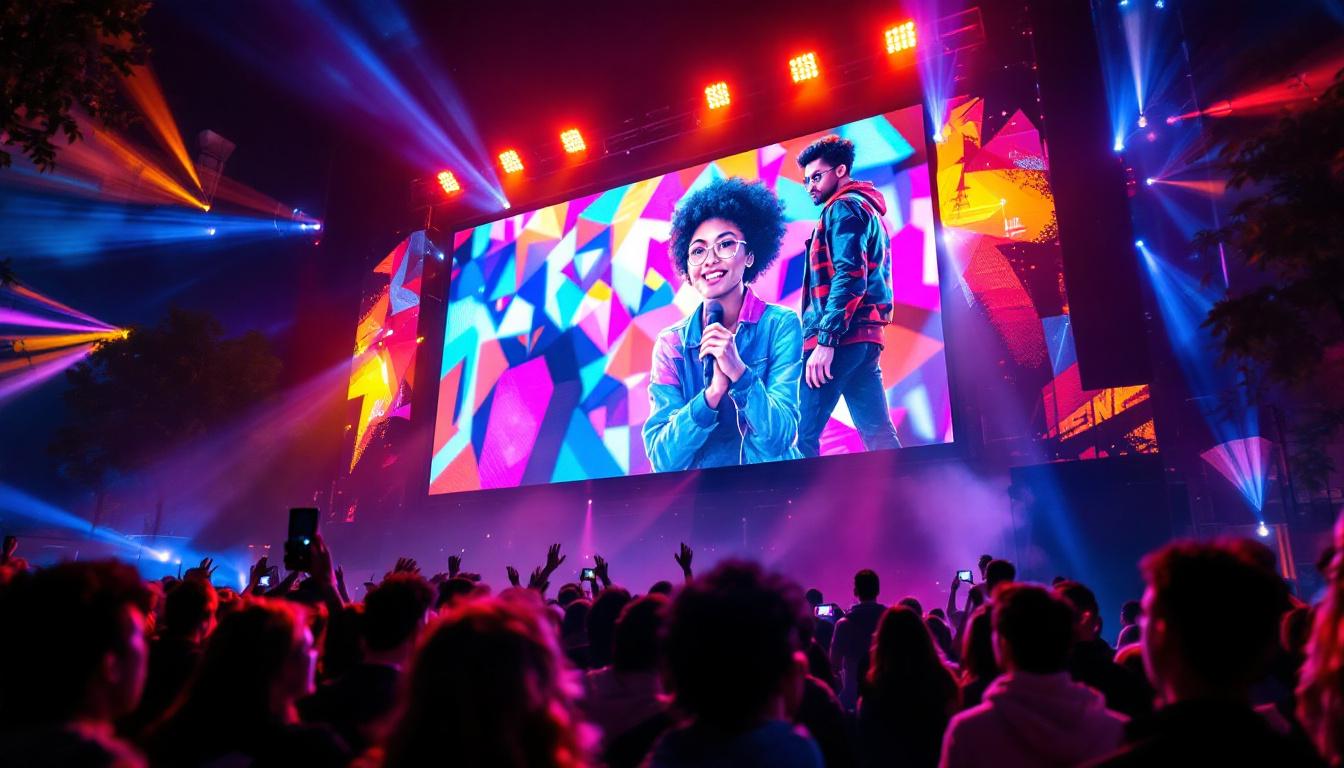
- Direct View LED Displays: These are composed of individual LEDs that form the entire screen surface. They are commonly used for large outdoor billboards, stadium screens, and public information boards. Their high brightness levels and weather-resistant designs make them particularly effective in outdoor environments, where they can capture attention even in direct sunlight.
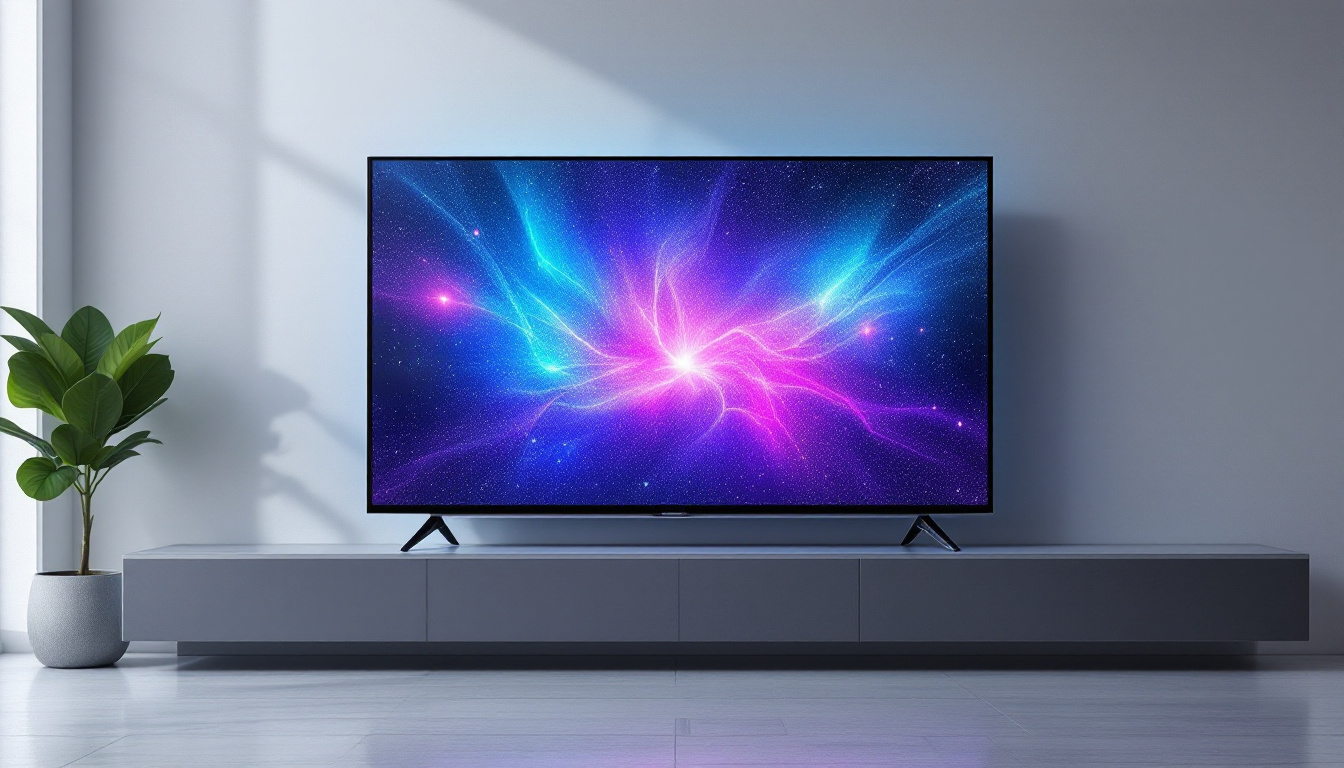
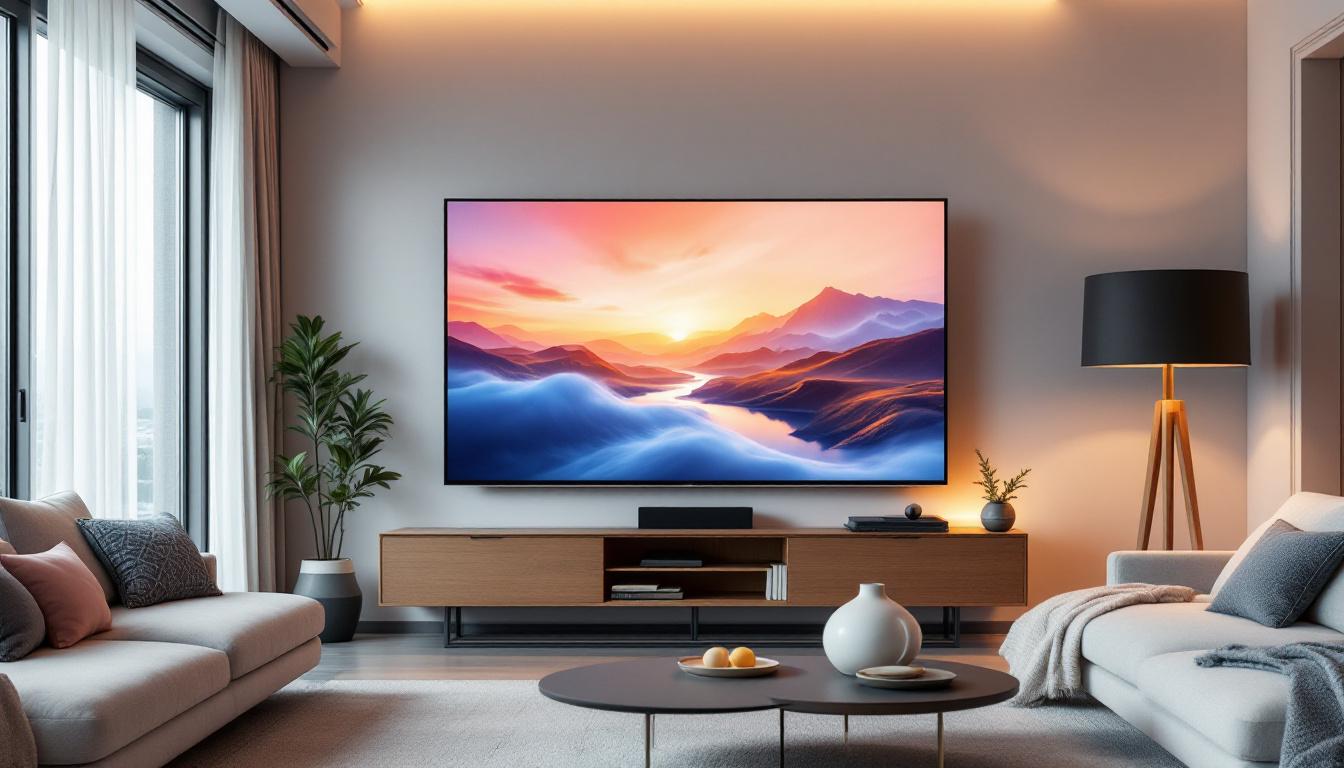
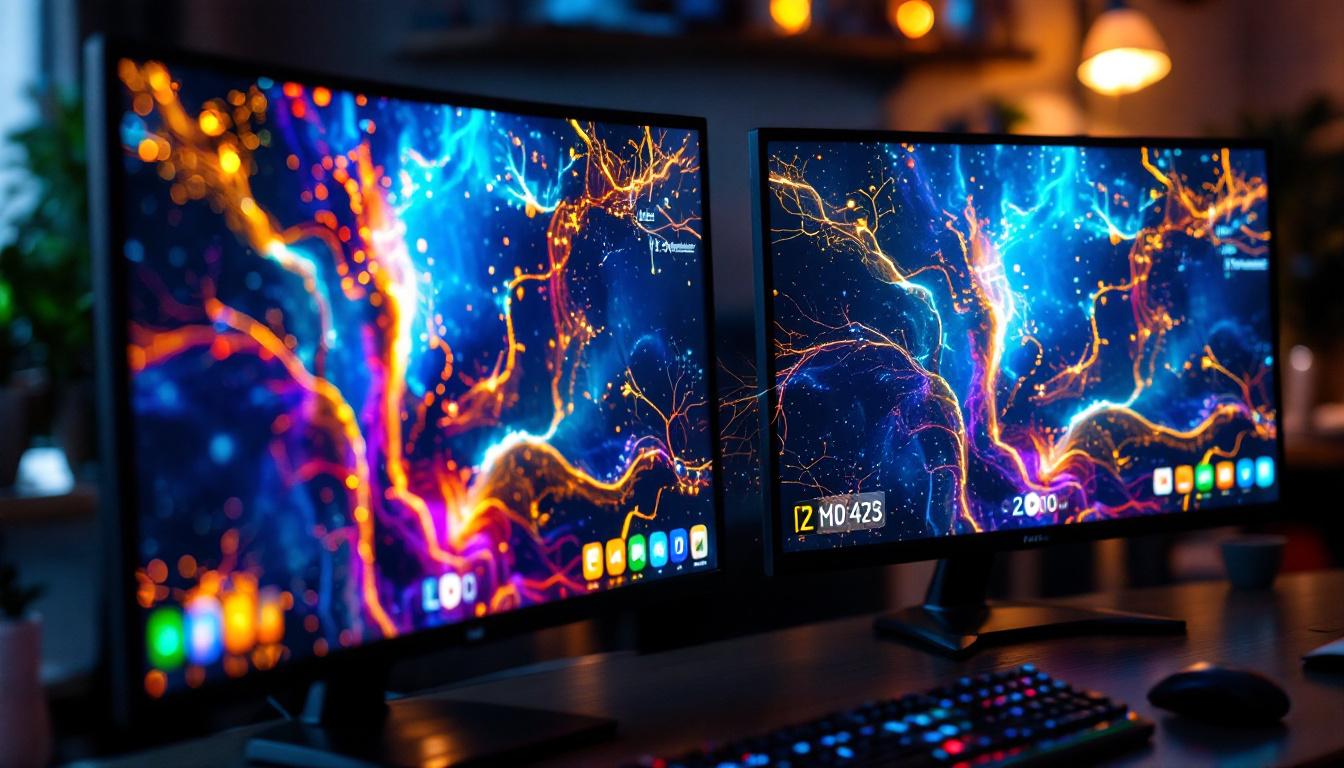
- LED-backlit LCD Displays: Here, LEDs serve as the backlight behind an LCD panel, improving brightness and color accuracy. This technology is prevalent in televisions, monitors, and mobile devices. The use of LED backlighting allows for thinner designs and better energy efficiency compared to traditional fluorescent backlights, making these displays not only more visually appealing but also more sustainable.
- OLED Displays: Organic LEDs emit light individually without a backlight, enabling thinner, flexible, and more energy-efficient screens. OLEDs are increasingly popular in smartphones and high-end televisions. Their ability to produce true blacks and vibrant colors has revolutionized the viewing experience, making them a favorite among filmmakers and content creators who prioritize visual fidelity.
Additionally, the versatility of LED technology has led to innovations such as transparent LED displays, which can blend seamlessly into architectural designs, and flexible LED screens that can be bent or shaped to fit unconventional spaces. These advancements not only enhance the aesthetic appeal of installations but also open up new possibilities for creative advertising and artistic expression. As LED technology continues to evolve, we can expect even more groundbreaking applications that push the boundaries of how we interact with visual media.
Applications of LED Displays in Information Presentation
The adaptability of LED displays has led to their widespread use across multiple sectors. Their ability to deliver dynamic, high-visibility content makes them ideal for various information display needs.
Outdoor Advertising and Digital Billboards
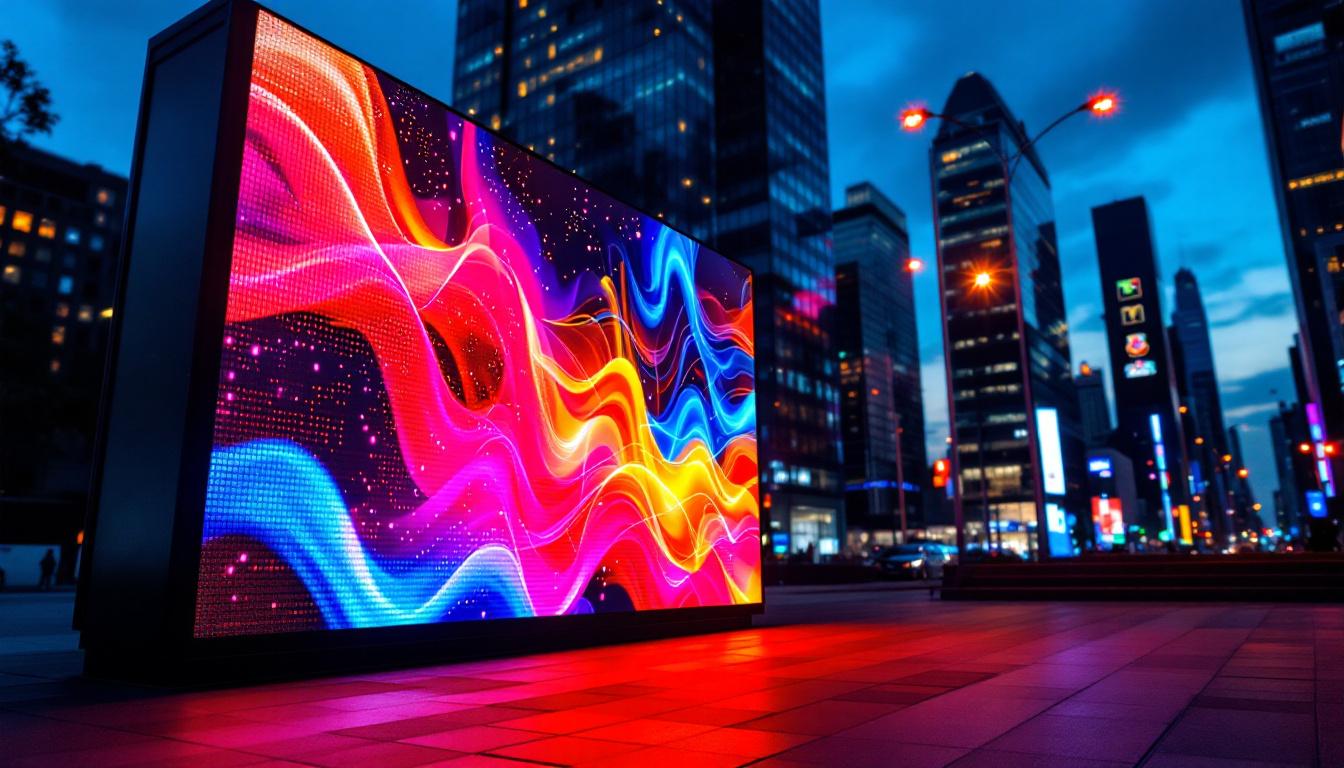
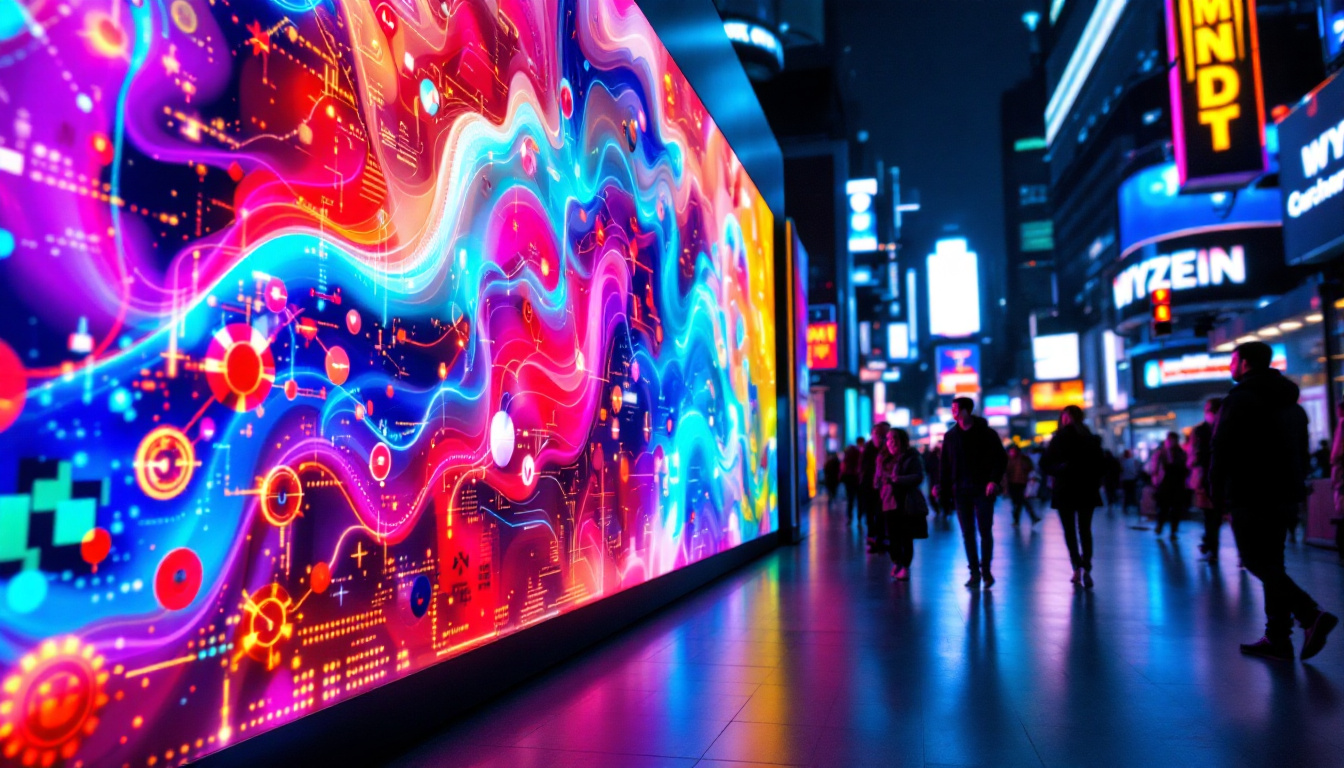
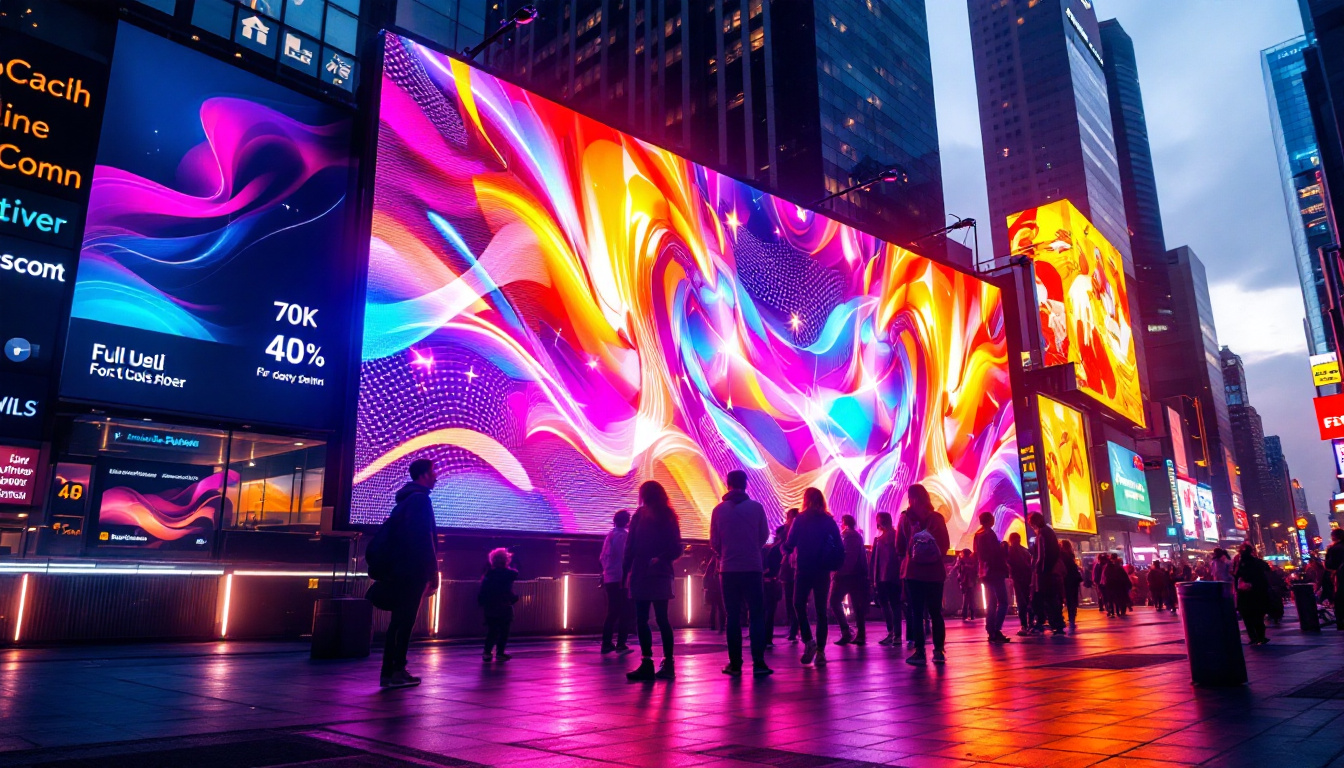
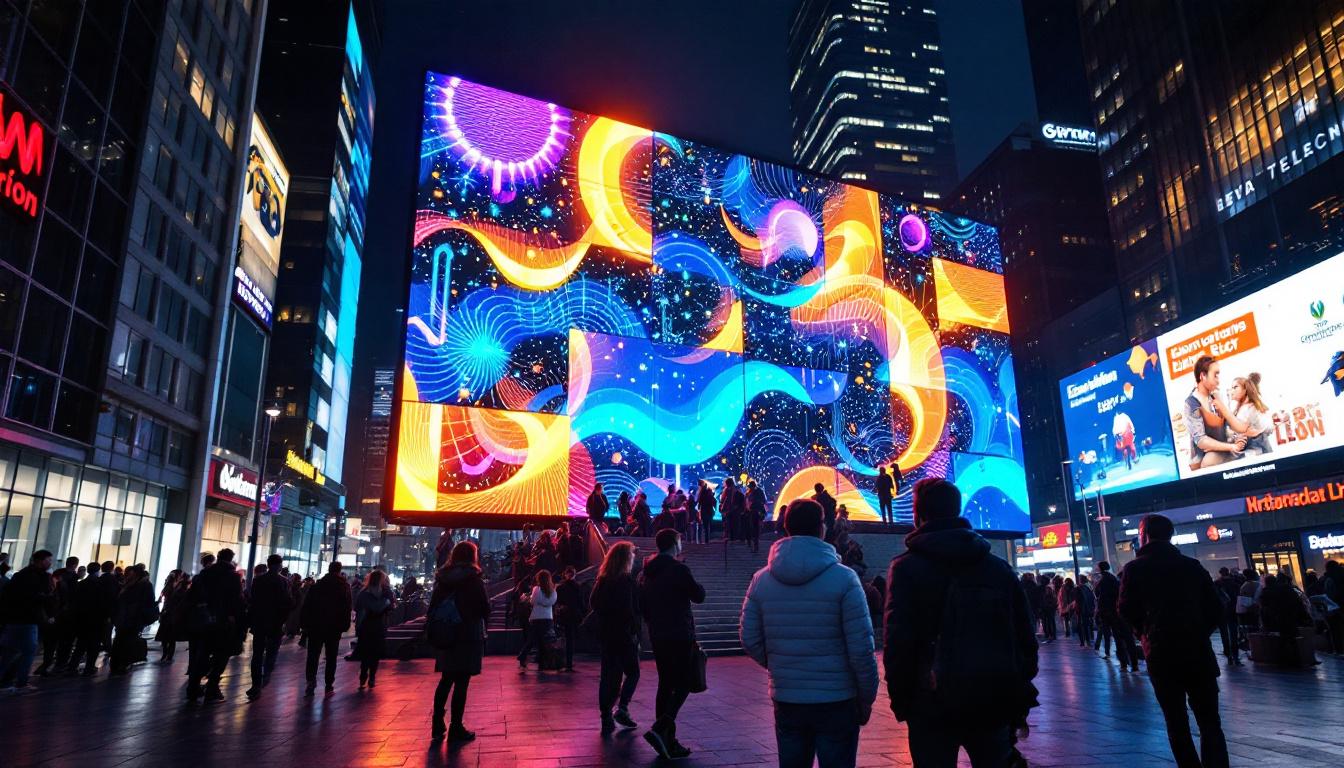
One of the most recognizable uses of LED displays is in outdoor advertising. Digital billboards leverage the brightness and visibility of LEDs to attract attention even in direct sunlight. According to the Outdoor Advertising Association of America, digital billboards have been shown to increase engagement rates by up to 25% compared to static signs.
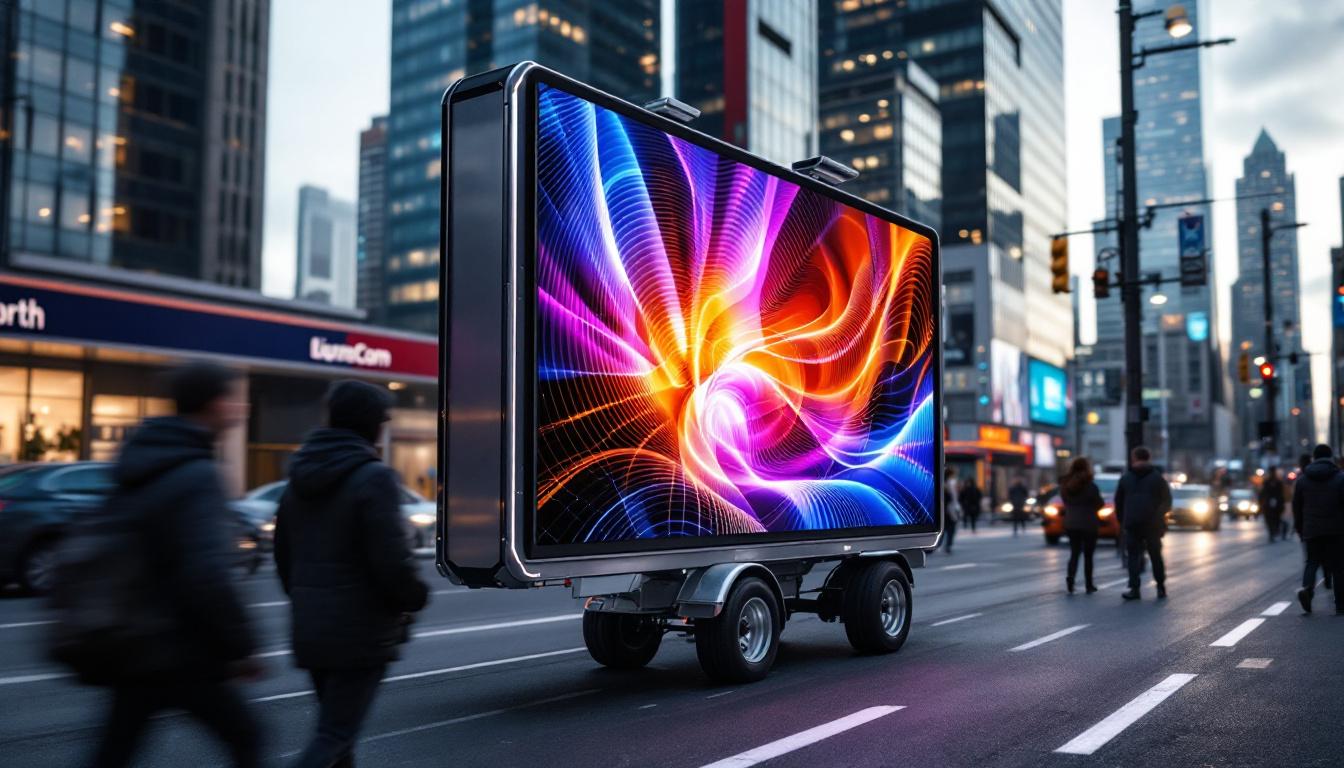
Moreover, LED billboards offer the flexibility to update content remotely and in real-time, allowing advertisers to tailor messages based on time of day, weather, or special events. This dynamic capability enhances marketing effectiveness and ROI. Additionally, the use of LED displays in outdoor settings can also contribute to sustainability efforts, as they consume less energy than traditional lighting methods while providing superior brightness and clarity.
Transportation and Public Information Systems
LED displays are integral to transportation hubs such as airports, train stations, and bus terminals. They provide travelers with real-time updates on schedules, delays, gate changes, and safety information. The high visibility and clarity of LED screens ensure that critical information is accessible even in crowded or fast-paced environments.
For example, the London Underground employs thousands of LED displays across its network to keep millions of commuters informed daily, improving overall passenger experience and operational efficiency. These displays not only serve functional purposes but also enhance the aesthetic appeal of transport facilities, creating a modern and inviting atmosphere for travelers. Furthermore, the integration of LED technology with mobile applications allows for personalized notifications, ensuring that passengers receive timely updates directly on their devices.
Retail and Hospitality Environments
In retail, LED displays are used for digital signage, promotional messaging, and interactive kiosks. Their vibrant colors and motion capabilities help capture shopper attention and influence purchasing decisions. Studies indicate that digital signage can increase sales by up to 30% when strategically placed.
Similarly, in the hospitality sector, hotels and restaurants use LED displays for menu boards, event announcements, and wayfinding. The ability to easily update content ensures that information remains current and relevant. Additionally, the interactive nature of some LED displays allows customers to engage with the brand, such as through touch screens that provide detailed product information or special offers. This not only enhances the customer experience but also encourages longer dwell times, which can lead to increased sales opportunities.
Sports and Entertainment Venues
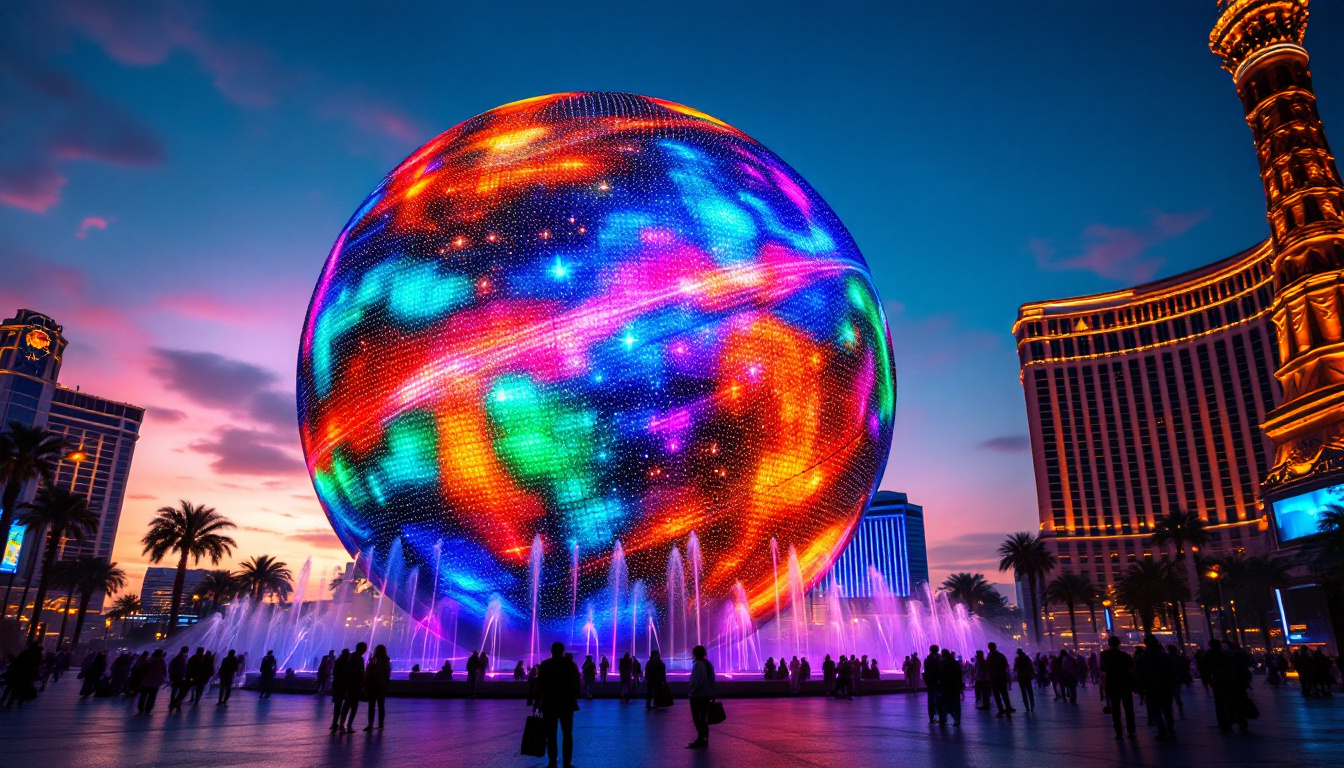
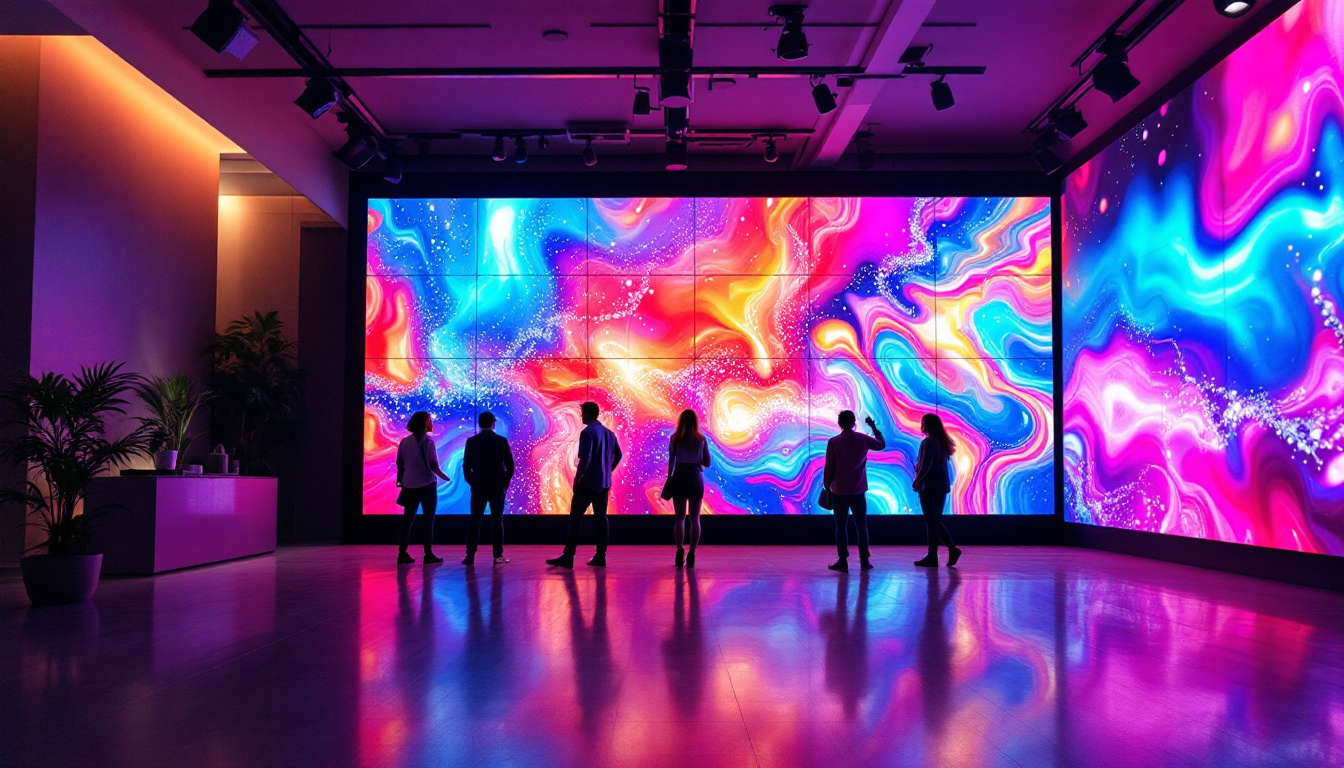
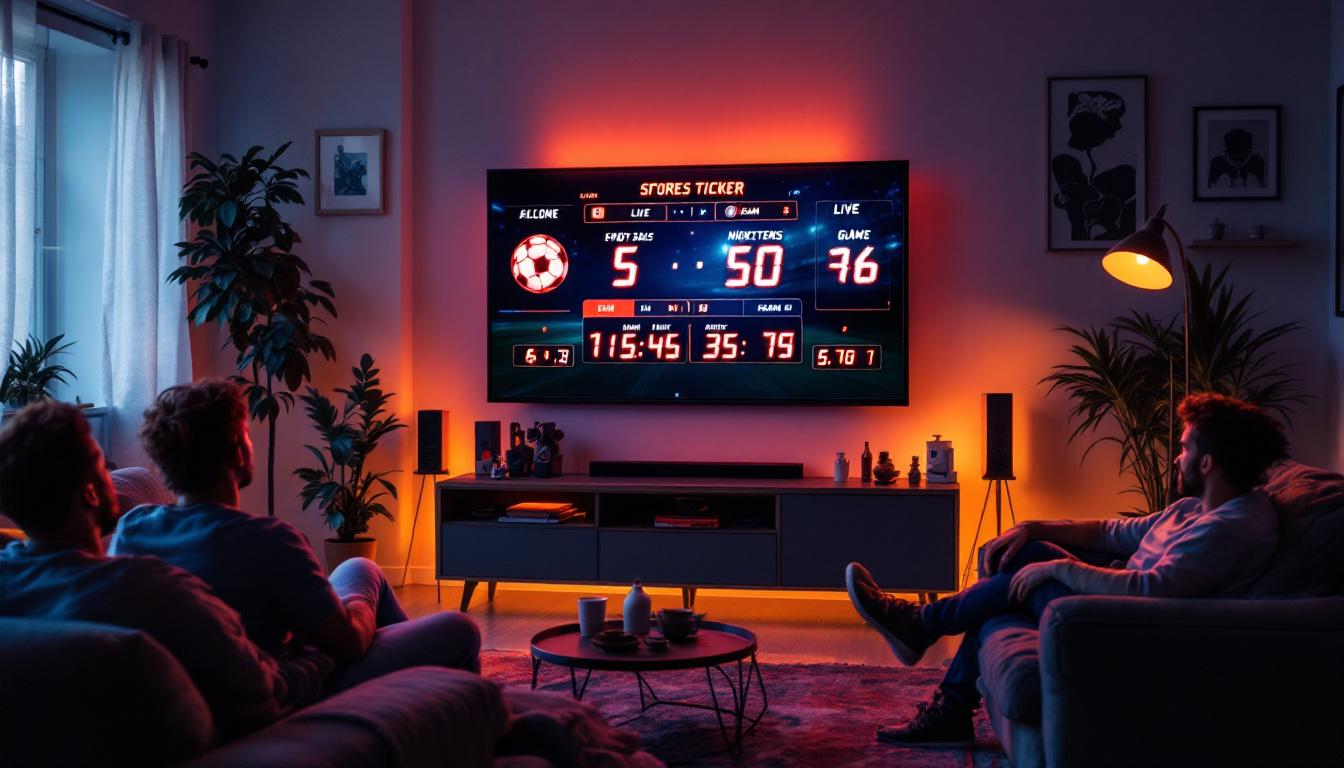
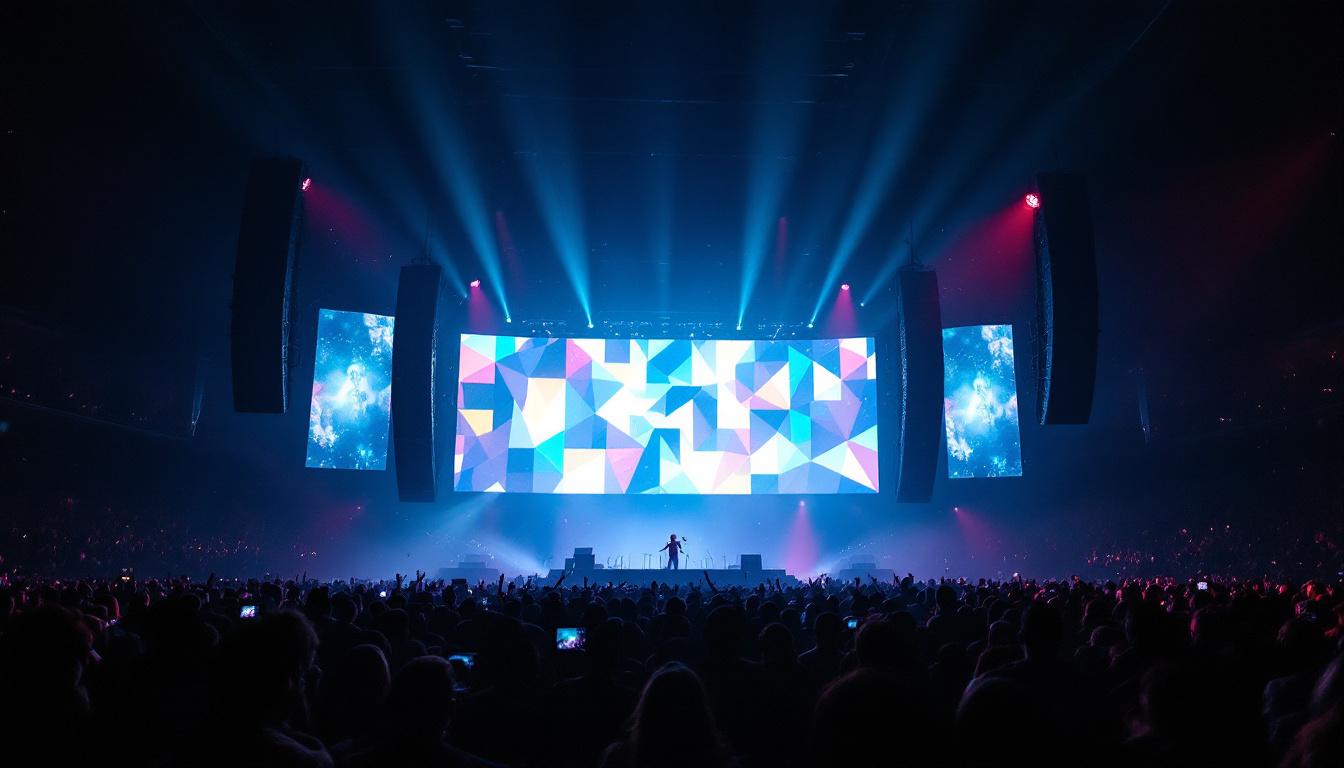
Stadiums and arenas rely heavily on large-scale LED displays to enhance spectator engagement. These displays provide live game scores, replays, advertisements, and interactive content. The immersive experience created by high-resolution LED screens contributes significantly to fan satisfaction and venue revenue.
Moreover, LED displays in sports venues can be used for fan interaction, such as live polls or social media integration, allowing spectators to feel more connected to the event. This technology also plays a vital role in broadcasting, as high-definition LED screens are essential for capturing the excitement of the game and relaying it to audiences both in-person and online. As a result, venues are increasingly investing in LED technology to create a more engaging and memorable experience for fans, ultimately driving loyalty and repeat attendance.
Advantages of LED Displays Over Other Technologies
LED displays offer several benefits that make them the preferred choice for many information display applications.
Brightness and Visibility
One of the most significant advantages of LED displays is their superior brightness. LEDs can produce intense light levels, making them easily visible in direct sunlight or brightly lit environments. This characteristic is essential for outdoor applications where ambient light can diminish the effectiveness of other display types.
Energy Efficiency
LED technology is inherently energy-efficient compared to traditional lighting and display methods. LEDs consume less power while providing higher brightness, which translates to lower operating costs and reduced environmental impact. For instance, LED billboards can use up to 80% less energy than neon or incandescent signs.
Durability and Longevity
LED displays are known for their robustness and long operational life. They are resistant to shock, vibration, and extreme weather conditions, making them suitable for outdoor installations. The average lifespan of an LED display can range from 50,000 to 100,000 hours, significantly outlasting other display technologies.
Flexibility and Scalability
LED displays can be manufactured in various sizes and shapes, from small indoor panels to massive outdoor screens spanning hundreds of square meters. Their modular design allows for easy scalability and customization, enabling tailored solutions for unique display requirements.
Considerations When Choosing an LED Display
Selecting the right LED display involves evaluating several factors to ensure optimal performance and value.
Pixel Pitch and Resolution
Pixel pitch refers to the distance between individual LED pixels, typically measured in millimeters. A smaller pixel pitch means higher resolution and sharper image quality, which is crucial for close viewing distances. For example, indoor displays often have pixel pitches as low as 1.2mm, while large outdoor billboards may use pitches of 10mm or more.
Brightness and Viewing Angle
The required brightness level depends on the installation environment. Outdoor displays need higher brightness (often exceeding 5,000 nits) to combat sunlight glare, whereas indoor displays typically require lower brightness. Additionally, viewing angle determines how well the display can be seen from different positions, impacting audience reach.
Environmental and Installation Factors
Outdoor LED displays must be weatherproof and capable of operating in a wide temperature range. IP ratings (Ingress Protection) indicate the level of dust and water resistance, with IP65 or higher recommended for outdoor use. Installation logistics, such as mounting options and power supply, also influence the choice of display.
Future Trends in LED Display Technology
The LED display industry continues to evolve rapidly, driven by advancements in materials, manufacturing, and digital integration.
MicroLED and MiniLED Innovations
MicroLED technology utilizes microscopic LEDs to create displays with exceptional brightness, contrast, and energy efficiency. Unlike OLEDs, MicroLEDs are inorganic and less prone to burn-in, making them promising for next-generation displays in TVs, smartphones, and augmented reality devices.
MiniLEDs, which are slightly larger than MicroLEDs, are already being integrated into high-end monitors and TVs to enhance backlighting and improve contrast ratios.
Flexible and Transparent LED Displays
Flexible LED panels enable curved, foldable, or rollable displays, opening new possibilities for design and application. Transparent LED displays can be integrated into glass surfaces, allowing for innovative advertising and architectural uses without obstructing views.
Integration with IoT and AI
Smart LED displays connected to the Internet of Things (IoT) can dynamically adjust content based on environmental data, audience demographics, or real-time analytics. Artificial intelligence (AI) algorithms can optimize messaging for maximum engagement, personalize advertisements, and automate maintenance alerts.
Conclusion
LED displays have revolutionized the way information is presented across industries, combining brightness, durability, and versatility to deliver compelling visual communication. Their widespread adoption in advertising, transportation, retail, and entertainment underscores their importance in modern information dissemination.
As technology advances, LED displays will become even more sophisticated, offering enhanced image quality, flexibility, and interactivity. Understanding the fundamentals of LED display technology and its applications empowers businesses and organizations to make informed decisions and harness the full potential of this dynamic medium.
Discover LumenMatrix’s Advanced LED Display Solutions
Ready to elevate your visual communication with the latest in LED technology? Look no further than LumenMatrix, a pioneer in crafting LED displays that bring your brand to life. From vibrant Indoor and Outdoor LED Wall Displays to innovative solutions like Vehicle LED Displays and LED Sports Displays, LumenMatrix offers a comprehensive range of products designed to captivate and engage. Experience the future of digital signage with our Custom LED Displays, All-in-One solutions, and groundbreaking LED Transparent Displays. Check out LumenMatrix LED Display Solutions today and transform how you share your message with the world.