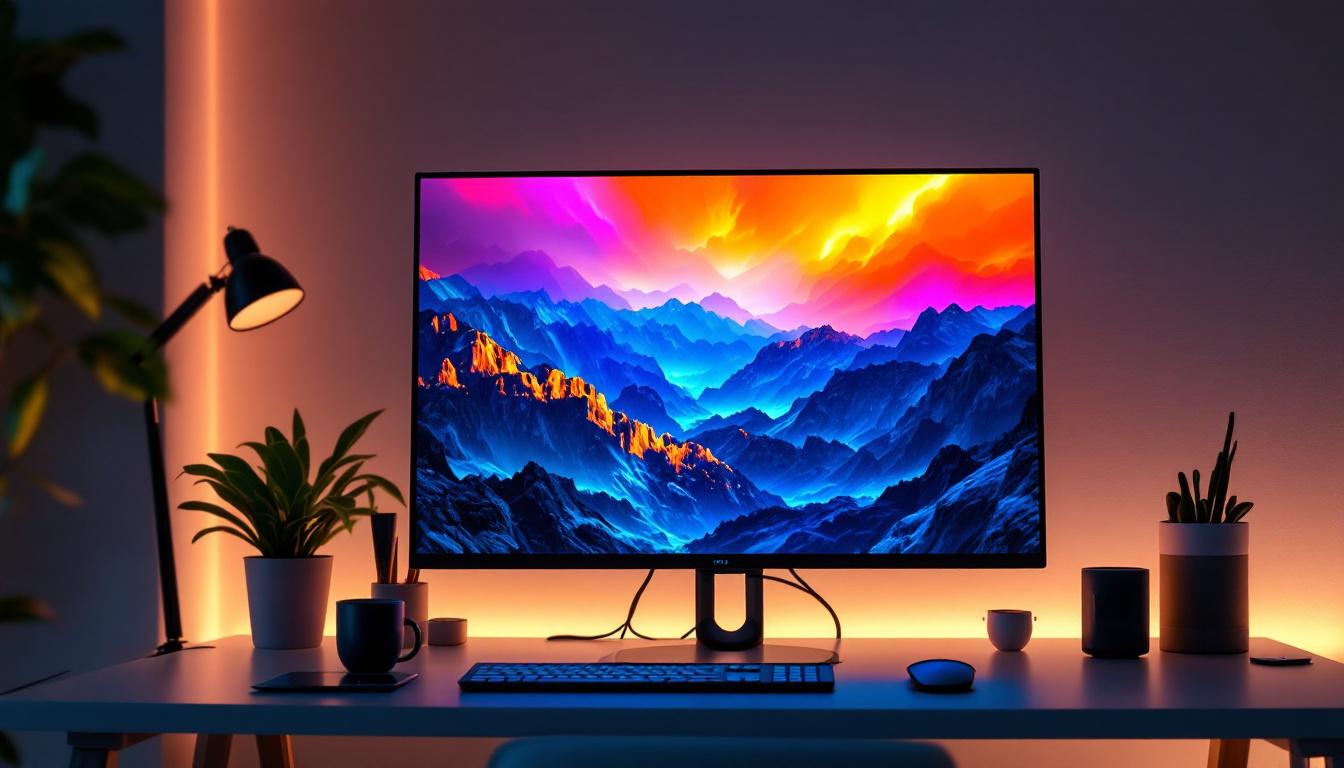
In the realm of modern computing, touch screen technology has become a cornerstone of user interaction. From smartphones and tablets to laptops and all-in-one desktops, touch screens offer an intuitive and dynamic way to engage with digital content. At the heart of many of these devices lies the LED display, a technology that has revolutionized how images and information are presented. This article delves into the intricacies of computer touch screens, focusing on LED displays, their technology, advantages, and the future trends shaping this vibrant industry.
Understanding LED Displays in Touch Screens
LED, or Light Emitting Diode, displays have become the dominant technology in computer screens due to their superior brightness, energy efficiency, and color accuracy. Unlike traditional LCDs that rely on cold cathode fluorescent lamps (CCFL) for backlighting, LED displays use light-emitting diodes to illuminate the screen. This fundamental difference results in thinner panels, better contrast ratios, and enhanced durability. The longevity of LED displays is also noteworthy, as they typically have a lifespan of over 50,000 hours, significantly outlasting older display technologies.
When integrated with touch screen technology, LED displays provide a seamless interface that combines vivid visuals with responsive touch capabilities. This integration is crucial for devices where both display quality and touch sensitivity are paramount, such as in professional graphic design laptops or interactive kiosks. The combination of high-resolution LED displays with touch functionality allows for intuitive user experiences, enabling users to manipulate images and data with precision and ease. As a result, industries such as education and healthcare have increasingly adopted these technologies to enhance learning and patient engagement.
The Basics of LED Display Technology
LED displays consist of millions of tiny diodes that emit light when an electric current passes through them. These diodes can be arranged in different configurations, such as edge-lit or direct-lit, to provide backlighting for the liquid crystal display (LCD) panel. The LCD itself manipulates this light to produce images by controlling the alignment of liquid crystals in each pixel. This technology allows for a wide color gamut and improved brightness levels, making LED displays ideal for various applications, from gaming to professional video editing.
More advanced LED displays, such as OLED (Organic LED), use organic compounds that emit light directly, eliminating the need for a backlight. While OLEDs offer even better contrast and color depth, they are currently more expensive and less common in mainstream computer touch screens compared to traditional LED-backlit LCDs. However, the growing interest in OLED technology has led to innovations that may soon make it more accessible, potentially revolutionizing the touch screen market further by providing even richer visuals and faster response times.
How Touch Screens Work on LED Displays
Touch screens on LED displays typically use one of two main technologies: capacitive or resistive touch. Capacitive touch screens detect touch through the electrical properties of the human body, allowing for multi-touch gestures and high sensitivity. This technology is prevalent in smartphones and modern laptops due to its responsiveness and clarity. Capacitive screens can recognize multiple points of contact simultaneously, enabling complex gestures such as pinch-to-zoom, which enhances user interaction significantly.
Resistive touch screens, on the other hand, rely on pressure applied to the screen, which causes two conductive layers to make contact. While more affordable and usable with gloves or styluses, resistive screens generally offer lower clarity and are less common in high-end computer touch screens. These screens are often found in industrial applications where durability and functionality are prioritized over visual fidelity. Moreover, advancements in hybrid technologies are emerging, combining the best features of both capacitive and resistive screens to create versatile touch interfaces that can adapt to various environments and user needs.
Advantages of LED Touch Screen Displays
The combination of LED display technology with touch capabilities brings several advantages that have propelled its widespread adoption in computing devices.
Superior Image Quality
LED displays provide brighter images with higher contrast ratios compared to older technologies. This results in sharper text, more vivid colors, and better visibility in various lighting conditions, including bright outdoor environments. For professionals working in graphic design, video editing, or any color-critical field, the accuracy and consistency of LED displays are indispensable. Furthermore, the rapid response times of LED technology reduce motion blur, making these displays ideal for fast-paced video content and gaming. Users can enjoy a more immersive experience, as the enhanced image quality allows for greater detail and realism in visual media.
Energy Efficiency and Longevity
LED backlighting consumes significantly less power than CCFL backlighting, contributing to longer battery life in portable devices. Additionally, LEDs have a longer lifespan and are more environmentally friendly, as they do not contain mercury or other hazardous materials. This efficiency is especially important for laptops and tablets, where battery performance is a key user concern. The reduced energy consumption not only lowers operational costs but also aligns with the growing demand for sustainable technology solutions. As businesses and consumers alike become more environmentally conscious, the adoption of LED displays is a step towards reducing the carbon footprint associated with electronic devices.
Thin and Lightweight Design
The compact nature of LED components allows manufacturers to create thinner and lighter devices without compromising screen size or quality. This trend has led to the proliferation of sleek ultrabooks and convertible laptops with touch screens that are both portable and powerful. The thin profile of these devices also enhances their aesthetic appeal, making them more attractive to consumers who value style as much as functionality. Additionally, the lightweight design facilitates easy transport, catering to the needs of mobile professionals and students who require reliable technology that can keep up with their on-the-go lifestyles.
Enhanced Touch Responsiveness
Capacitive touch screens paired with LED displays offer smooth and accurate touch detection, supporting complex gestures like pinch-to-zoom and multi-finger swipes. This responsiveness enhances user experience, making navigation more intuitive and efficient. The integration of advanced touch technology also allows for features such as palm rejection, which prevents accidental touches while typing or drawing. As a result, artists and designers can work more effectively, utilizing the full potential of their devices for creative tasks. Moreover, the growing ecosystem of touch-enabled applications continues to expand, providing users with innovative ways to interact with their devices, from gaming to productivity tools.
Applications of LED Touch Screen Displays in Computing
LED touch screen displays have found applications across a broad spectrum of computing devices, each leveraging the technology’s strengths to meet specific user needs.
Laptops and Ultrabooks
Many modern laptops incorporate LED touch screens to provide versatile input options. Devices like the Microsoft Surface series and various models from Dell and HP combine high-resolution LED displays with touch functionality, catering to both productivity and creative tasks. The ability to switch between keyboard, touch, and stylus input modes enhances flexibility for users.
All-in-One PCs
All-in-one desktop computers benefit from large LED touch screens that reduce clutter and improve ergonomics. These devices are popular in office environments, educational settings, and creative studios where space-saving and interactive displays enhance workflow and collaboration.
Interactive Kiosks and Digital Signage
Public-facing devices such as information kiosks, ATMs, and digital signage rely on robust LED touch screens for durability and visibility. The bright LED backlighting ensures content is legible in various lighting conditions, while the touch interface allows users to interact directly with the system.
Gaming and Entertainment
Gaming laptops and portable entertainment devices increasingly incorporate LED touch screens to deliver immersive experiences. High refresh rates, low response times, and vibrant colors contribute to enhanced gameplay, while touch controls add new dimensions to interaction.
Challenges and Considerations in LED Touch Screen Technology
Despite the numerous benefits, there are challenges and considerations that manufacturers and users should be aware of when dealing with LED touch screen displays.
Cost Implications
LED touch screen displays, especially those with higher resolutions and advanced features like OLED or HDR support, tend to be more expensive than traditional displays. This cost can be a barrier for budget-conscious consumers or institutions purchasing in bulk.
Durability and Screen Protection
Touch screens are subject to frequent physical contact, increasing the risk of scratches and damage. Manufacturers often use hardened glass such as Gorilla Glass to protect the display, but users should still be mindful of potential wear and tear, especially in mobile devices.
Power Consumption in High Brightness Modes
While LED displays are generally energy efficient, operating at maximum brightness or using features like HDR can increase power consumption. Users relying on battery-powered devices should balance screen brightness with battery life requirements.
Calibration and Color Accuracy
For professional users, accurate color representation is critical. LED displays can sometimes require calibration to ensure colors are true to life, particularly when used for photo editing, printing, or video production. Calibration tools and software are often necessary to maintain optimal display performance.
The Future of LED Touch Screen Displays
The evolution of LED touch screen technology continues at a rapid pace, driven by advances in materials science, manufacturing, and user interface design.
MicroLED and MiniLED Innovations
Emerging technologies like MicroLED and MiniLED promise to combine the best features of OLED and traditional LED displays. MicroLEDs offer self-emissive pixels with exceptional brightness and color accuracy without the burn-in issues associated with OLEDs. MiniLEDs provide improved local dimming zones, enhancing contrast and HDR performance while maintaining energy efficiency.
Flexible and Foldable Displays
Flexible LED touch screens are becoming more prevalent, enabling new device form factors such as foldable laptops and tablets. These innovations allow users to expand screen real estate or transform devices to suit different tasks, blending portability with productivity.
Integration with AI and Gesture Recognition
Future touch screen interfaces are expected to incorporate advanced AI-driven gesture recognition and haptic feedback, creating more immersive and natural user experiences. This could include touchless control, pressure-sensitive inputs, and adaptive interfaces that respond to user behavior.
Environmental Sustainability
Manufacturers are increasingly focusing on sustainable production methods and recyclable materials for LED displays. Energy-efficient designs and longer-lasting components contribute to reducing the environmental footprint of computing devices.
Conclusion
LED display technology has fundamentally transformed computer touch screens, offering vibrant visuals, energy efficiency, and responsive interaction. As the technology continues to advance, users can expect even more immersive, flexible, and sustainable computing experiences. Whether for professional applications, entertainment, or everyday use, understanding the capabilities and considerations of LED touch screen displays empowers consumers and businesses to make informed decisions in a rapidly evolving digital landscape.
Discover LumenMatrix’s Innovative LED Display Solutions
Ready to experience the future of LED touch screen technology firsthand? LumenMatrix is at the forefront of this evolution, offering a diverse range of LED display modules that are designed to bring your visual communication to life. From captivating Indoor LED Wall Displays to dynamic Vehicle LED Displays and beyond, our solutions are crafted to meet the needs of any application. Embrace the power of advanced LED technology and elevate your brand’s visibility with LumenMatrix. Check out LumenMatrix LED Display Solutions today and transform the way you engage with your audience.