110 Inch TV Dimensions: LED Display Explained
Choosing the right television size is a crucial decision for anyone looking to enhance their home entertainment experience. Among the largest consumer TVs available, the 110 inch LED TV stands out, offering an immersive viewing experience that rivals movie theaters. However, understanding the dimensions and technology behind such a massive display is essential before making a purchase. This article dives deep into the specifics of 110 inch TV dimensions, the LED display technology powering these giants, and practical considerations for integrating them into your living space.
Understanding the Dimensions of a 110 Inch TV
What Does “110 Inch” Actually Mean?
The “110 inch” label refers to the diagonal measurement of the TV screen, measured from one corner to the opposite corner. This diagonal measurement is the standard used across the industry to describe screen size. For a 110 inch TV, the screen measures approximately 110 inches diagonally, which translates to about 9 feet 2 inches.
However, to fully grasp the physical size of the TV, it’s important to understand the width and height dimensions, which depend on the aspect ratio of the screen. Most modern TVs, including 110 inch models, use a 16:9 aspect ratio, which means the width is 16 units for every 9 units of height. This aspect ratio is particularly popular for widescreen movies and high-definition television broadcasts, making it ideal for immersive viewing experiences.
In addition to its size, a 110 inch TV can transform your living space into a mini-theater, providing an engaging platform for movie nights, sports events, and gaming sessions. The sheer size of the screen allows for a more cinematic experience, drawing viewers into the action and enhancing the overall enjoyment of their favorite content.
Calculating Width and Height
Using the 16:9 aspect ratio, the width and height of a 110 inch TV can be calculated using the Pythagorean theorem. The formula for the width (W) and height (H) based on the diagonal (D) is:
- W = D × (16 / √(16² + 9²))
- H = D × (9 / √(16² + 9²))
Plugging in 110 inches for D:
- W ≈ 110 × (16 / 18.36) ≈ 110 × 0.8716 ≈ 95.88 inches
- H ≈ 110 × (9 / 18.36) ≈ 110 × 0.4903 ≈ 53.93 inches
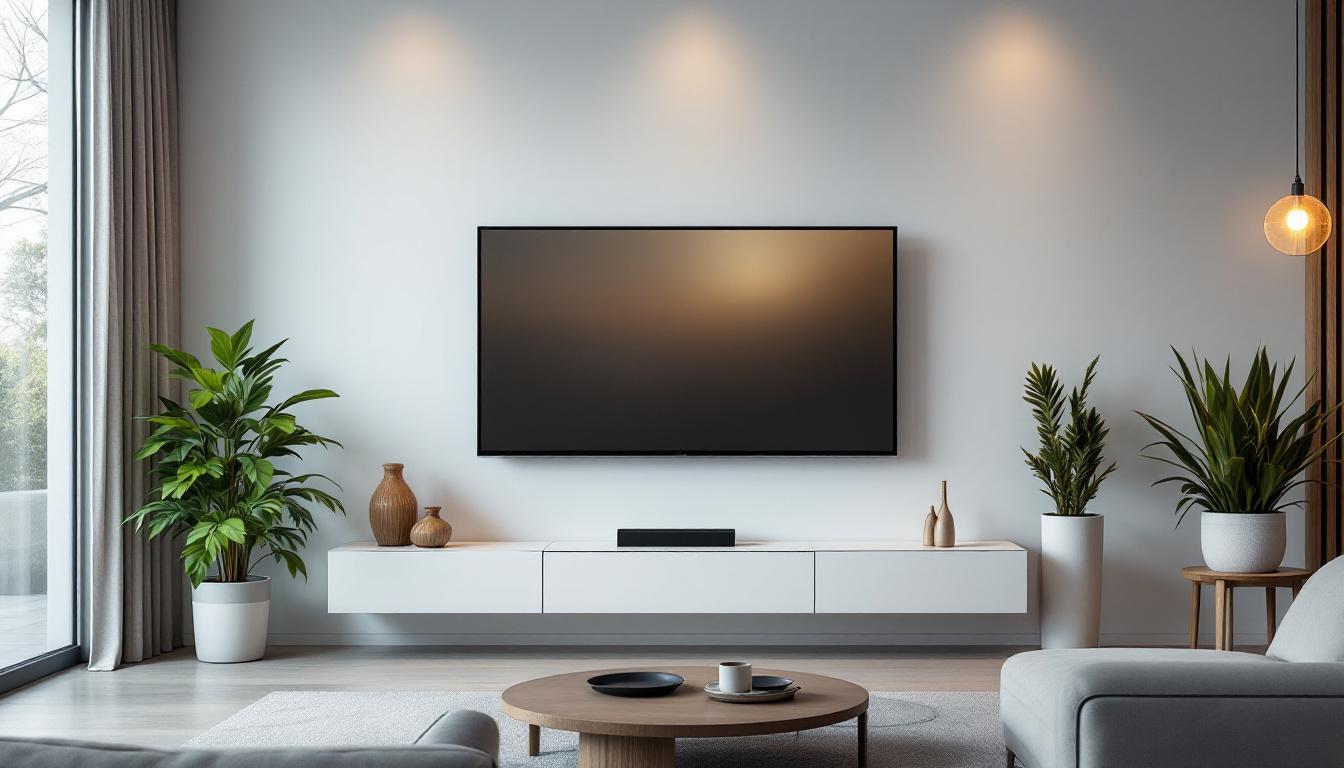
This means a 110 inch TV is roughly 8 feet wide and 4.5 feet tall, not including the bezel or frame around the screen. The bezel can add a few inches to each side, so the total width and height of the TV unit will be slightly larger. Understanding these dimensions is crucial for ensuring that your TV fits well in your designated space, whether it be a living room, home theater, or game room.
Moreover, when considering placement, it’s essential to account for viewing distance. Ideally, viewers should sit at a distance of about 1.5 to 2.5 times the diagonal screen size for optimal viewing comfort. For a 110 inch TV, this translates to a viewing distance of approximately 9 to 18 feet, allowing for an immersive experience without straining the eyes.
Depth and Weight Considerations
While width and height are the most noticeable dimensions, the depth and weight of a 110 inch TV are also important, especially when planning wall mounts or stands. Modern LED TVs have become increasingly slim, with many models measuring between 2 to 4 inches in depth. However, larger models may be slightly thicker to accommodate advanced cooling systems and enhanced audio components. The slim profile not only contributes to a sleek aesthetic but also allows for easier integration into various room designs.
Weight varies widely depending on the brand and specific model, but a 110 inch LED TV typically weighs between 120 to 150 pounds. This necessitates robust mounting solutions and may require professional installation to ensure safety and stability. Additionally, proper support is crucial to avoid any potential damage to walls or the TV itself. Many manufacturers recommend specific mounting brackets designed to accommodate the weight and dimensions of their larger models, ensuring that your investment is securely displayed.
Furthermore, considering the placement of your TV also involves thinking about cable management and accessibility to power outlets. With a TV of this size, the arrangement of cables can become cumbersome, so investing in cable management solutions can help maintain a clean and organized look in your entertainment area. This attention to detail not only enhances the visual appeal but also contributes to a more enjoyable viewing experience by minimizing distractions.
LED Display Technology Behind 110 Inch TVs
What is LED Technology?
LED stands for Light Emitting Diode, which refers to the type of backlighting used in these TVs. Unlike older LCD TVs that used cold cathode fluorescent lamps (CCFLs) for backlighting, LED TVs use arrays of LEDs to illuminate the screen. This technology offers several advantages, including better energy efficiency, thinner panels, and improved picture quality.
In a 110 inch LED TV, millions of tiny LEDs work together to produce the images you see on the screen. These LEDs can be arranged in different configurations, such as edge-lit or full-array backlighting, each impacting the display’s brightness, contrast, and uniformity.
Types of LED Backlighting
There are primarily two types of LED backlighting used in large TVs:
- Edge-Lit LED: LEDs are positioned around the edges of the screen, and light is distributed across the panel using light guides. This design allows for ultra-thin TVs but may result in uneven brightness and less precise local dimming.
- Full-Array LED: LEDs are placed directly behind the entire screen in a grid pattern. This allows for more precise control of brightness zones, enhancing contrast and black levels through local dimming technology.
For a 110 inch TV, full-array LED backlighting is often preferred due to the size of the screen and the need for uniform brightness and contrast across such a large surface.
Quantum Dot and Mini-LED Enhancements
Many high-end 110 inch LED TVs incorporate advanced technologies like Quantum Dot and Mini-LED to further enhance picture quality.
- Quantum Dot: This technology involves a layer of semiconductor nanocrystals that emit pure, saturated colors when illuminated by the LED backlight. Quantum Dot displays offer wider color gamuts and higher brightness levels, resulting in more vivid and lifelike images.
- Mini-LED: Mini-LED technology uses thousands of tiny LEDs for backlighting, enabling even more precise local dimming and improved contrast ratios. This is particularly beneficial for large TVs where uniformity and deep blacks are critical.
These enhancements make 110 inch LED TVs capable of delivering spectacular HDR (High Dynamic Range) performance, which is essential for enjoying modern 4K and 8K content.
Practical Considerations for Installing a 110 Inch TV
Room Size and Viewing Distance
Before investing in a 110 inch TV, it’s important to evaluate your room size and optimal viewing distance. A TV this large requires ample space to avoid overwhelming the room and to provide a comfortable viewing experience.
Experts recommend a viewing distance of approximately 1.5 to 2.5 times the diagonal screen size for 4K TVs. For a 110 inch screen, this translates to a viewing distance between 13.5 and 23 feet. Sitting too close can cause eye strain and make it difficult to take in the entire screen, while sitting too far diminishes the immersive effect.
Wall Mounting vs. Stand Placement
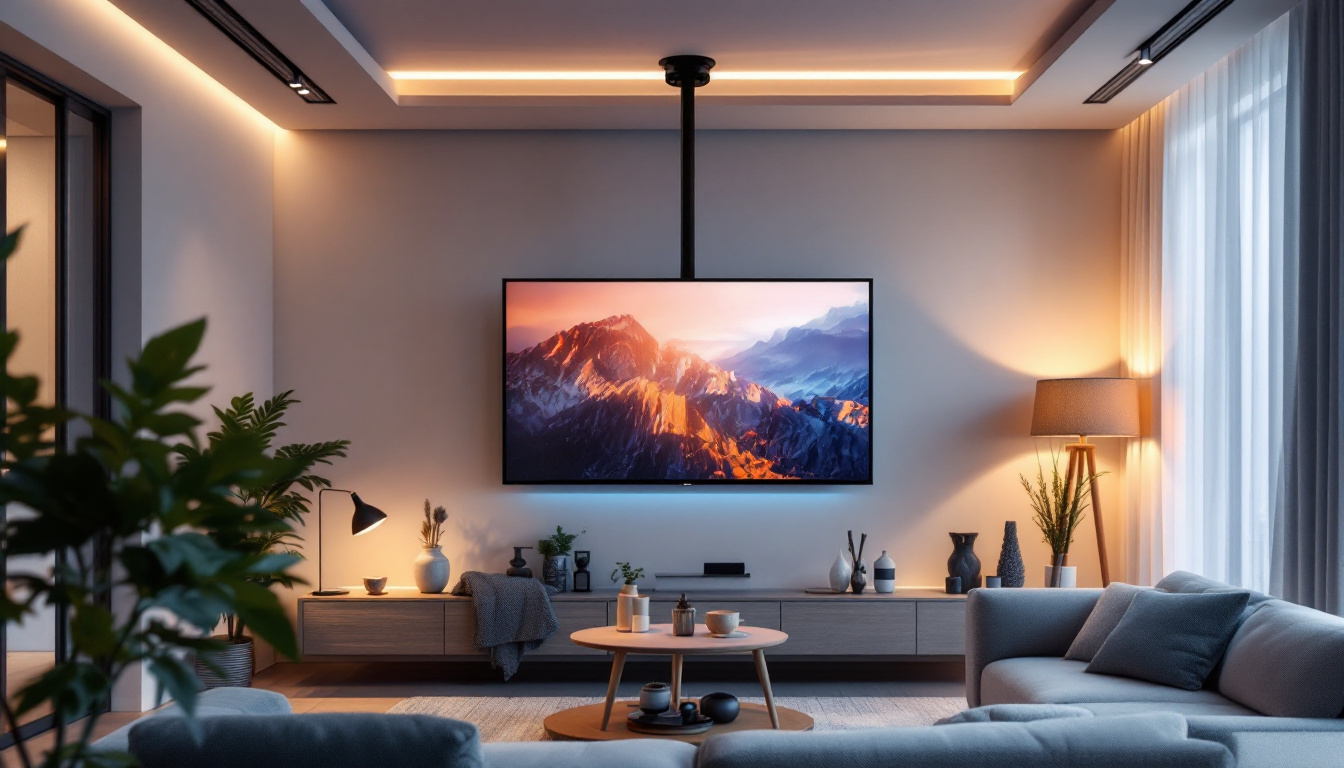
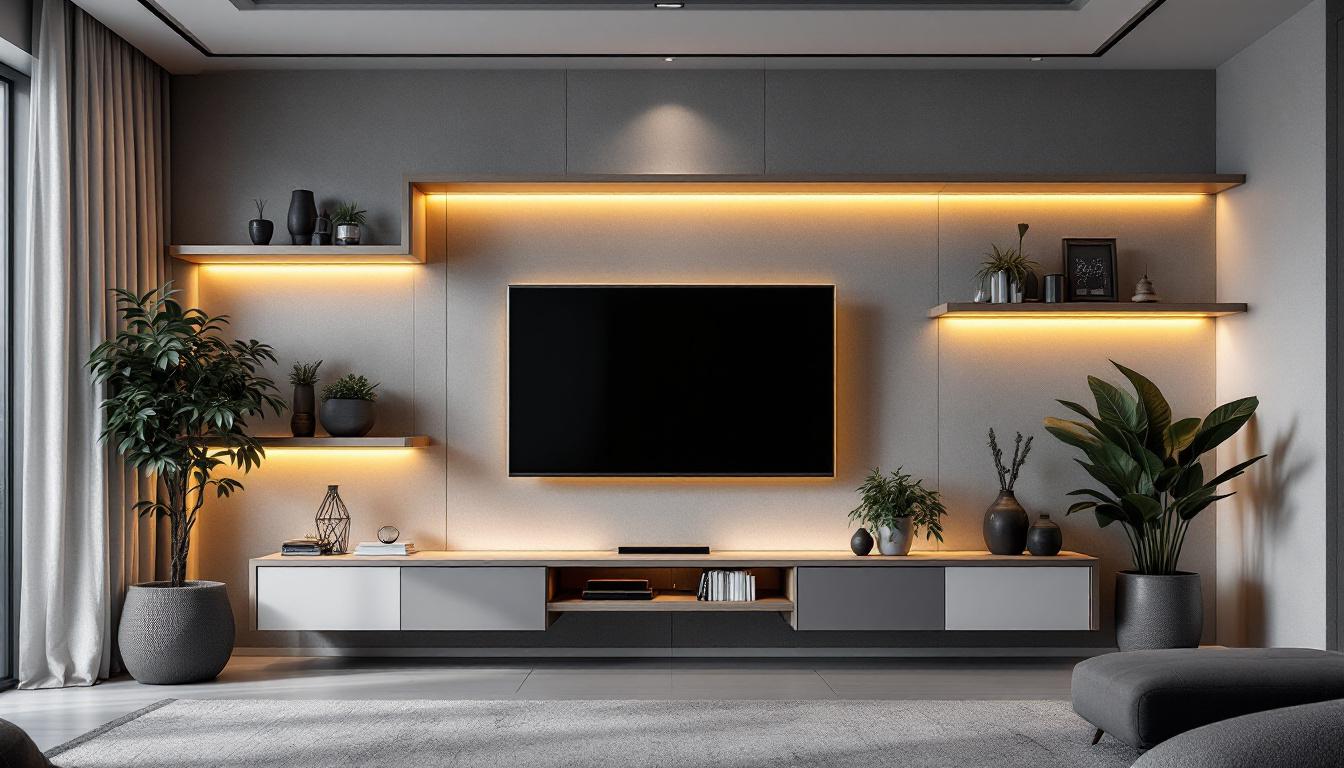
Given the size and weight of a 110 inch TV, wall mounting is often the preferred installation method. A sturdy, professional-grade wall mount designed to support heavy loads is essential. Additionally, the wall itself must be capable of bearing the weight, which might require reinforcement or mounting into studs.
If wall mounting is not feasible, a robust TV stand or entertainment center designed for large, heavy TVs is necessary. Ensure the stand has a wide base and sufficient depth to prevent tipping, and consider cable management solutions to keep the setup clean and safe.
Room Lighting and Glare Management
Large LED TVs can be susceptible to glare and reflections, especially in rooms with abundant natural light. Positioning the TV away from direct sunlight and using curtains or blinds can help reduce glare. Additionally, many modern 110 inch LED TVs come with anti-reflective coatings and high peak brightness to combat ambient light issues.
Benefits of Owning a 110 Inch LED TV
Immersive Viewing Experience
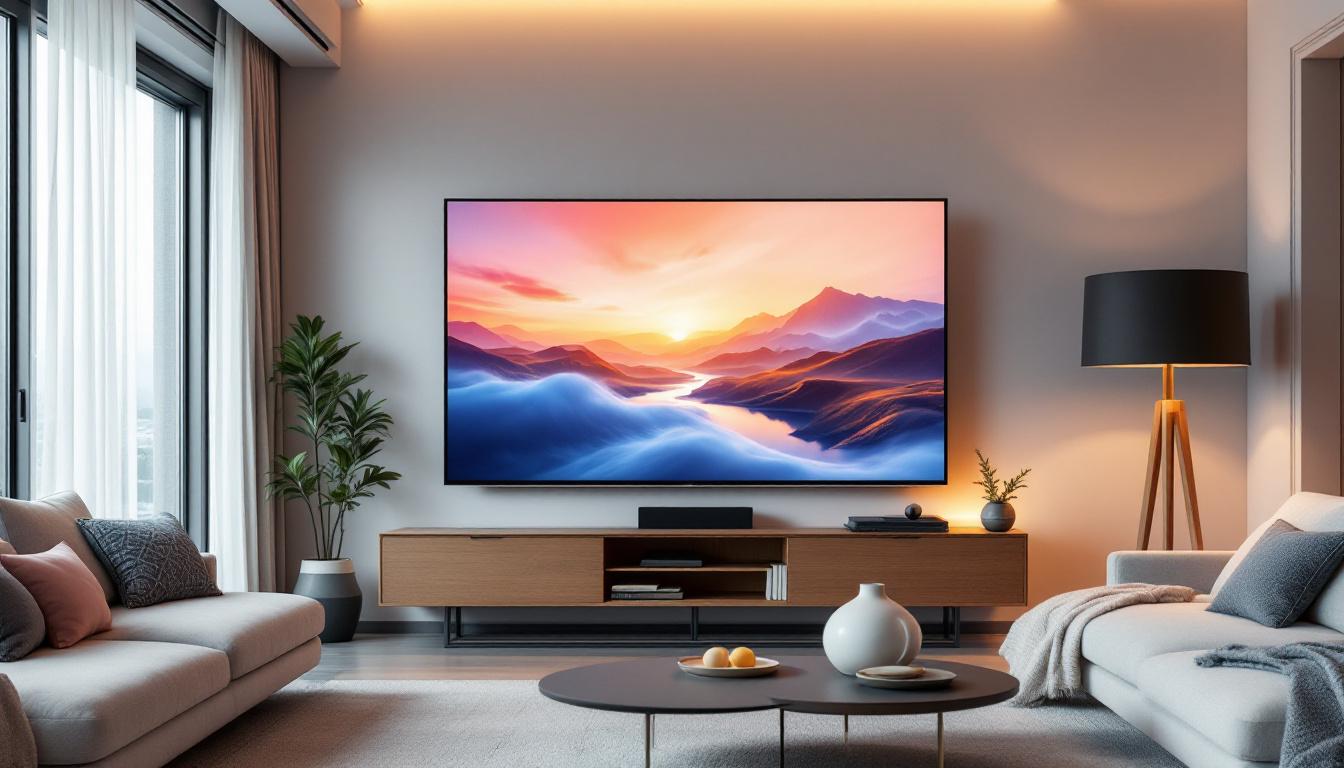
A 110 inch TV offers a cinematic experience in the comfort of your home. The sheer size of the screen envelops your field of vision, making movies, sports, and video games more engaging and realistic. This is particularly advantageous for large living rooms or dedicated home theater setups.
Enhanced Picture Quality
With the latest LED technology, including 4K and 8K resolutions, HDR support, and advanced backlighting techniques, 110 inch TVs deliver stunning picture quality. The combination of high resolution and large screen size ensures sharp images with vibrant colors and deep blacks.
Future-Proof Investment
Investing in a 110 inch LED TV positions your home entertainment system for the future. As content providers increasingly offer 4K and 8K content, having a large, high-quality display ensures you can fully enjoy these advancements as they become mainstream.
Potential Drawbacks and Challenges
Cost Considerations
110 inch TVs are premium products with prices reflecting their size and technology. Depending on the brand and features, prices can range from $10,000 to over $30,000. This makes them a significant investment, often reserved for enthusiasts or commercial use.
Space and Setup Requirements
The large footprint of a 110 inch TV demands a spacious room and careful planning for installation. Not all homes can accommodate such a large display comfortably, and improper setup can detract from the viewing experience.
Energy Consumption
While LED technology is energy efficient compared to older display types, a 110 inch TV still consumes more power than smaller models. This is an important consideration for energy-conscious consumers.
Conclusion: Is a 110 Inch LED TV Right for You?
A 110 inch LED TV represents the pinnacle of home entertainment technology, combining massive screen size with cutting-edge display innovations. For those with the space, budget, and desire for an immersive viewing experience, it can transform how movies, sports, and games are enjoyed.
Understanding the exact dimensions, technology, and installation requirements is essential to making an informed decision. By considering room size, viewing distance, and setup logistics, potential buyers can ensure they maximize the benefits of owning one of these impressive displays.
Ultimately, a 110 inch LED TV is more than just a television—it’s a statement piece and a gateway to next-level entertainment.
Discover the Future of Home Entertainment with LumenMatrix
Ready to elevate your viewing experience to unparalleled heights? LumenMatrix is at the forefront of LED display innovation, offering a wide array of solutions that bring your entertainment and visual communication to life. From the comfort of your living room to the buzz of a sports arena, our Indoor and Outdoor LED Wall Displays, along with specialized options like Vehicle, Poster, Sports, Floor, and Custom LED Displays, are designed to transform any space into a dynamic visual spectacle. Embrace the future of immersive entertainment with our All-in-One and Transparent LED Displays, crafted to deliver clarity and impact for every scene. Check out LumenMatrix LED Display Solutions today and join the revolution in visual storytelling.