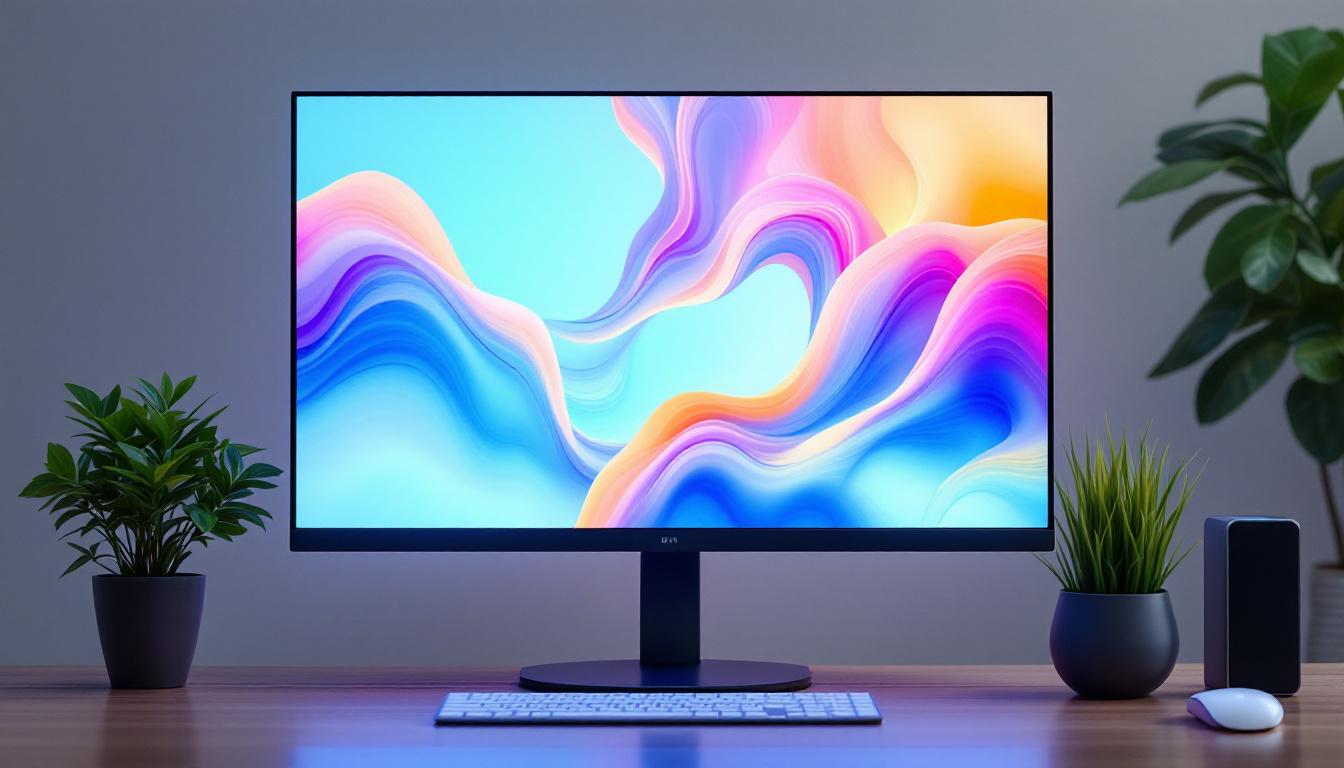
In today’s digital age, selecting the right PC monitor is crucial for both productivity and entertainment. With a myriad of display technologies available, understanding the nuances behind terms like LCD and LED can help consumers make informed decisions. This article delves into the details of PC LCD monitors, particularly focusing on LED displays, and sheds light on pricing factors, technology differences, and what to expect in the current market.
Understanding LCD and LED Display Technologies
What is an LCD Monitor?
LCD stands for Liquid Crystal Display, a widely used technology in modern computer monitors. These displays utilize liquid crystals sandwiched between two layers of glass or plastic. When an electric current passes through, the crystals align to either block or allow light, forming images on the screen. LCD monitors are known for their slim profiles, energy efficiency, and sharp image quality compared to older CRT monitors.
However, LCDs do not emit light by themselves. Instead, they require a backlight to illuminate the screen. This is where LED technology comes into play, often causing confusion among consumers. The structure of an LCD monitor allows for a wide viewing angle and vibrant color reproduction, making it a popular choice for both casual users and professionals who require accurate color representation, such as graphic designers and photographers. Additionally, advancements in LCD technology have led to features like higher refresh rates and faster response times, which are particularly beneficial for gaming and video playback.
What Does LED Mean in Monitors?
LED stands for Light Emitting Diode. In the context of monitors, LED refers to the type of backlighting used behind the LCD panel. Traditionally, LCDs used cold cathode fluorescent lamps (CCFL) for backlighting, but LED backlighting has become the industry standard due to its advantages.
LED backlighting offers better energy efficiency, improved brightness, and thinner panels. It also allows for more precise control of brightness and contrast, enhancing the overall visual experience. It’s important to note that “LED monitor” is essentially an LCD monitor with LED backlighting, rather than a fundamentally different display technology. This distinction is crucial for consumers making purchasing decisions, as LED-backlit monitors can provide deeper blacks and a wider color gamut compared to their CCFL counterparts. Furthermore, many modern LED monitors come equipped with advanced features such as local dimming, which enhances contrast by adjusting the brightness of specific areas of the screen, and HDR (High Dynamic Range) support, which allows for a more dynamic range of colors and brightness levels, making images appear more lifelike and immersive.
Types of LED Backlighting and Their Impact on Price
Edge-Lit LED Monitors
Edge-lit LED monitors position LEDs along the edges of the screen, using light guides to distribute illumination evenly across the display. This design enables manufacturers to produce ultra-thin monitors, which are highly sought after for their sleek aesthetics and space-saving benefits.
Edge-lit monitors tend to be more affordable than other LED backlighting types because they use fewer LEDs and simpler construction. However, they may have limitations in brightness uniformity and contrast ratios, especially in darker scenes, which can affect image quality. Users may notice a slight halo effect around bright objects against dark backgrounds, which can detract from the viewing experience. Despite these drawbacks, edge-lit monitors are popular for casual use, such as web browsing and office applications, where extreme color accuracy and deep blacks are not as critical.
Full-Array LED Monitors
Full-array LED backlighting places LEDs directly behind the entire screen area, allowing for more uniform brightness and better local dimming capabilities. Local dimming means the monitor can dim or brighten specific zones independently, resulting in deeper blacks and enhanced contrast.
This technology is typically found in higher-end monitors and comes at a premium price. The improved picture quality is particularly beneficial for professionals in graphic design, video editing, and gaming enthusiasts who demand superior visuals. Additionally, full-array monitors often support a wider color gamut and higher peak brightness levels, making them ideal for HDR (High Dynamic Range) content. As a result, they can render vibrant colors and intricate details that are crucial for tasks requiring precision and fidelity.
Mini-LED and Micro-LED: The Next Frontier
Mini-LED technology uses thousands of tiny LEDs for backlighting, offering even finer control over local dimming zones. This results in exceptional contrast ratios and brightness levels approaching those of OLED displays, but without the risk of burn-in.
Micro-LED, while still emerging in the consumer market, represents a significant leap by integrating microscopic LEDs as individual pixels, eliminating the need for an LCD layer altogether. This promises unparalleled image quality but currently comes with a very high price tag, limiting its availability. The potential of Micro-LED technology extends beyond just superior image quality; it also allows for modular displays, where users can create custom screen sizes and shapes by combining multiple panels. This flexibility could revolutionize how we think about display technology in both home and professional environments, paving the way for innovative applications in art installations, advertising, and immersive gaming experiences.
Factors Influencing PC LCD Monitor Prices
Panel Type and Resolution
The type of LCD panel—such as Twisted Nematic (TN), In-Plane Switching (IPS), or Vertical Alignment (VA)—greatly affects both price and performance. TN panels are typically the most affordable, offering fast response times but limited color accuracy and viewing angles. IPS panels provide superior color reproduction and wide viewing angles, making them popular for creative professionals, but they tend to be more expensive.
Resolution also plays a critical role. Common resolutions include Full HD (1920×1080), Quad HD (2560×1440), and 4K Ultra HD (3840×2160). Higher resolutions deliver crisper images and more screen real estate but increase the cost significantly. For example, a 27-inch 4K IPS monitor can cost upwards of $400-$600, while a basic Full HD TN monitor of the same size might be under $150.
Refresh Rate and Response Time
Gamers and professionals who work with fast-moving visuals often prioritize refresh rate and response time. Standard monitors operate at 60Hz, but gaming monitors can reach 120Hz, 144Hz, or even 240Hz, providing smoother motion and reducing motion blur.
Higher refresh rates and lower response times generally increase the price. A 144Hz IPS monitor with a 1ms response time may cost twice as much as a standard 60Hz monitor. These features are essential for competitive gaming but might be unnecessary for everyday office use.
Additional Features
Modern monitors often include features such as HDR (High Dynamic Range) support, USB-C connectivity, adjustable stands, built-in speakers, and blue light filters. HDR enhances color and brightness for a more lifelike image, but monitors with true HDR certification tend to be pricier.
Ergonomic stands that allow height, tilt, swivel, and pivot adjustments add to manufacturing costs but improve user comfort. USB-C ports enable single-cable connections for video, data, and power, appealing to users with modern laptops and peripherals.
Current Market Trends and Pricing Overview
Price Ranges for Popular Monitor Sizes
As of 2024, the price of PC LCD monitors varies widely depending on size, resolution, and features. Here is a general overview:
- 21.5 to 24 inches: Entry-level Full HD monitors with TN panels start around $100-$130. IPS models with better color accuracy and viewing angles range from $150 to $250.
- 27 inches: Popular for both work and gaming, 27-inch monitors with Quad HD resolution and IPS panels typically cost between $250 and $450. 4K monitors in this size start at about $400 and can go up to $700 or more.
- 32 inches and above: Larger monitors with 4K resolution and advanced features like HDR and high refresh rates often exceed $600, with premium models reaching $1,000 or more.
LED Backlit Monitors Dominate the Market
Nearly all new LCD monitors on the market use LED backlighting due to its efficiency and image quality benefits. The shift away from CCFL backlighting is nearly complete, making LED-backlit monitors the standard choice for consumers and professionals alike.
Consumers should be cautious of marketing terms like “LED monitor” without further specification, as this does not necessarily imply superior display quality. Instead, consider the type of LED backlighting, panel technology, and additional features when evaluating price and performance.
How to Choose the Right Monitor for Your Budget
Identify Your Primary Use Case
Determining how you intend to use your monitor is the first step. For general office work, web browsing, and media consumption, a Full HD IPS monitor with standard refresh rates will suffice and keep costs low. For gaming, prioritize higher refresh rates and low response times. Creative professionals should focus on color accuracy, resolution, and panel quality.
Balance Features and Price
While it might be tempting to opt for the latest technology, such as Mini-LED or 4K at large sizes, these come at a premium. Assess which features are essential versus nice-to-have. For instance, if you don’t require HDR or ultra-high refresh rates, opting for a solid IPS panel with LED backlighting at 1080p or 1440p can provide excellent value.
Consider Long-Term Value
Investing in a quality monitor can pay off in productivity and enjoyment. Cheaper monitors may save money upfront but could lead to eye strain or require earlier replacement. Look for reputable brands with good warranties and customer support to ensure a reliable purchase.
Conclusion
Understanding the relationship between LCD and LED technologies is key to navigating the PC monitor market effectively. LED backlighting has revolutionized LCD monitors, offering better image quality, energy efficiency, and sleek designs. Prices vary widely depending on panel type, resolution, refresh rate, and additional features.
By carefully considering your needs and budget, you can select a PC LCD monitor with LED backlighting that delivers excellent performance and value. Whether for work, gaming, or creative pursuits, the right monitor can enhance your computing experience significantly.
Discover the Future of Visual Display with LumenMatrix
Ready to elevate your visual experience with the latest in LED display technology? Look no further than LumenMatrix, a pioneer in crafting immersive LED display modules that transform any space into a dynamic environment. Whether you’re in need of an Indoor LED Wall Display for your office, an Outdoor LED Wall Display for impactful advertising, or any of our specialized solutions like Vehicle LED Displays and Custom LED Displays, LumenMatrix has you covered. Embrace the future of visual communication and check out LumenMatrix LED Display Solutions to see how we can help you make a lasting impression with clarity and innovation.