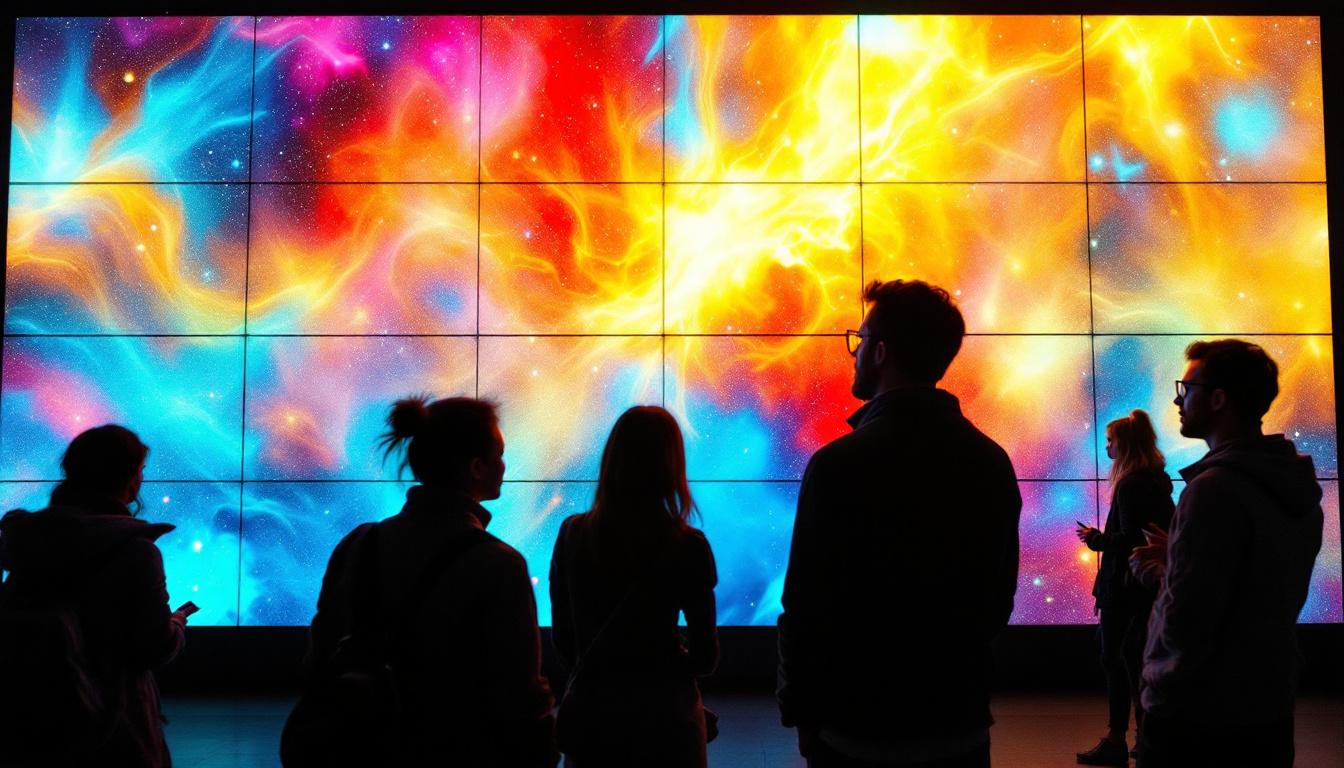
In today’s digital age, visual communication plays a pivotal role across industries, from retail and entertainment to corporate environments and public spaces. Video walls, particularly those utilizing LED display technology, have emerged as a powerful tool to capture attention, convey information dynamically, and create immersive experiences. This article delves into the world of LED video walls, explaining their technology, applications, benefits, and considerations for implementation.
Understanding LED Video Walls
What Is a Video Wall?
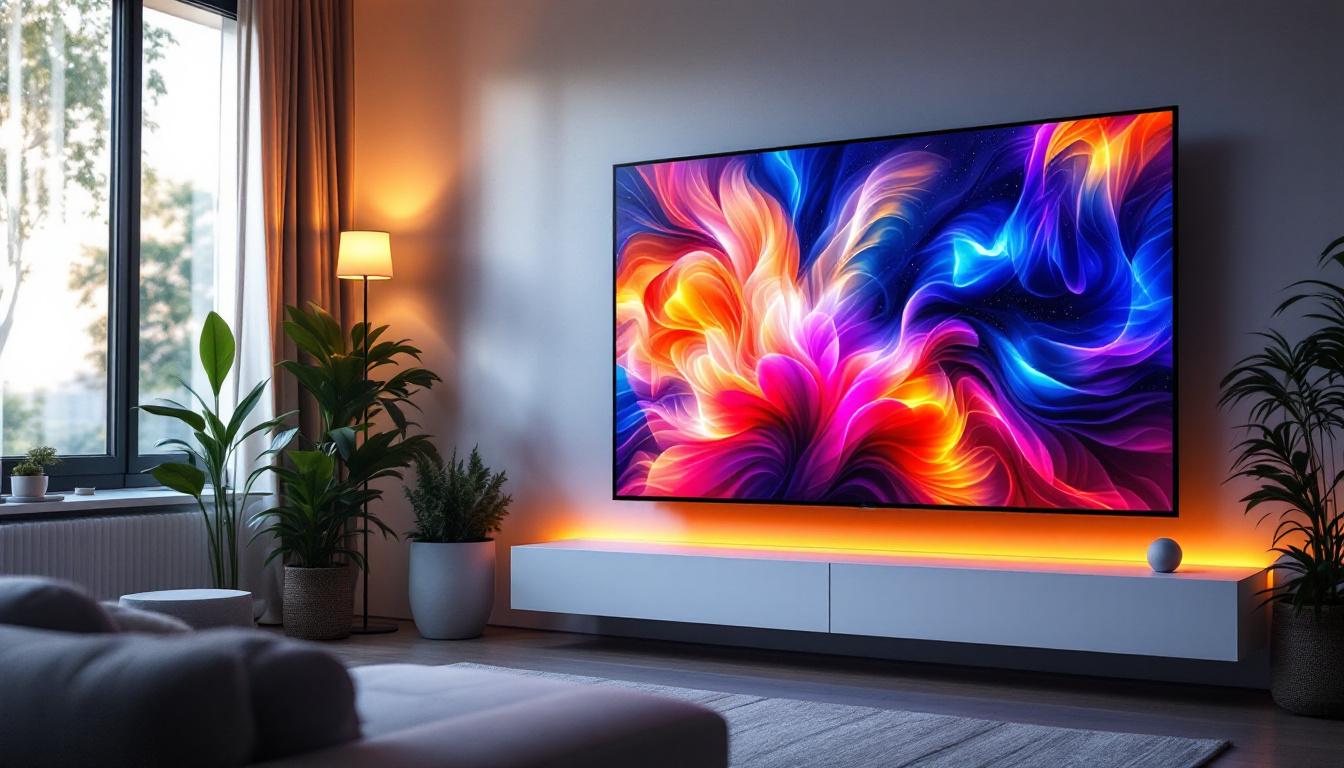
A video wall is a large-scale display system composed of multiple screens or panels tiled together to form one expansive screen. Unlike a single large display, video walls can be customized in size and shape, offering flexibility in design and functionality. They are used to display high-resolution images, videos, and data streams, often in environments where impactful visual communication is essential.
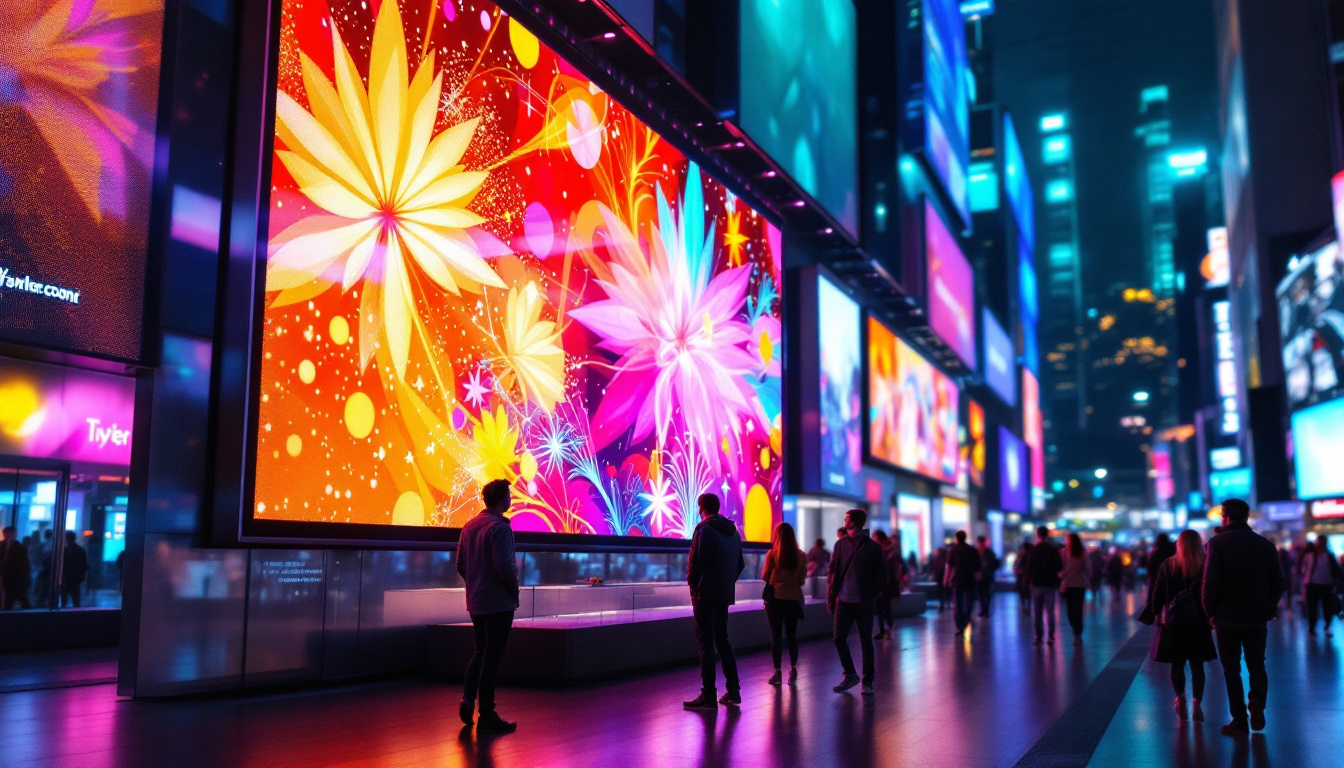
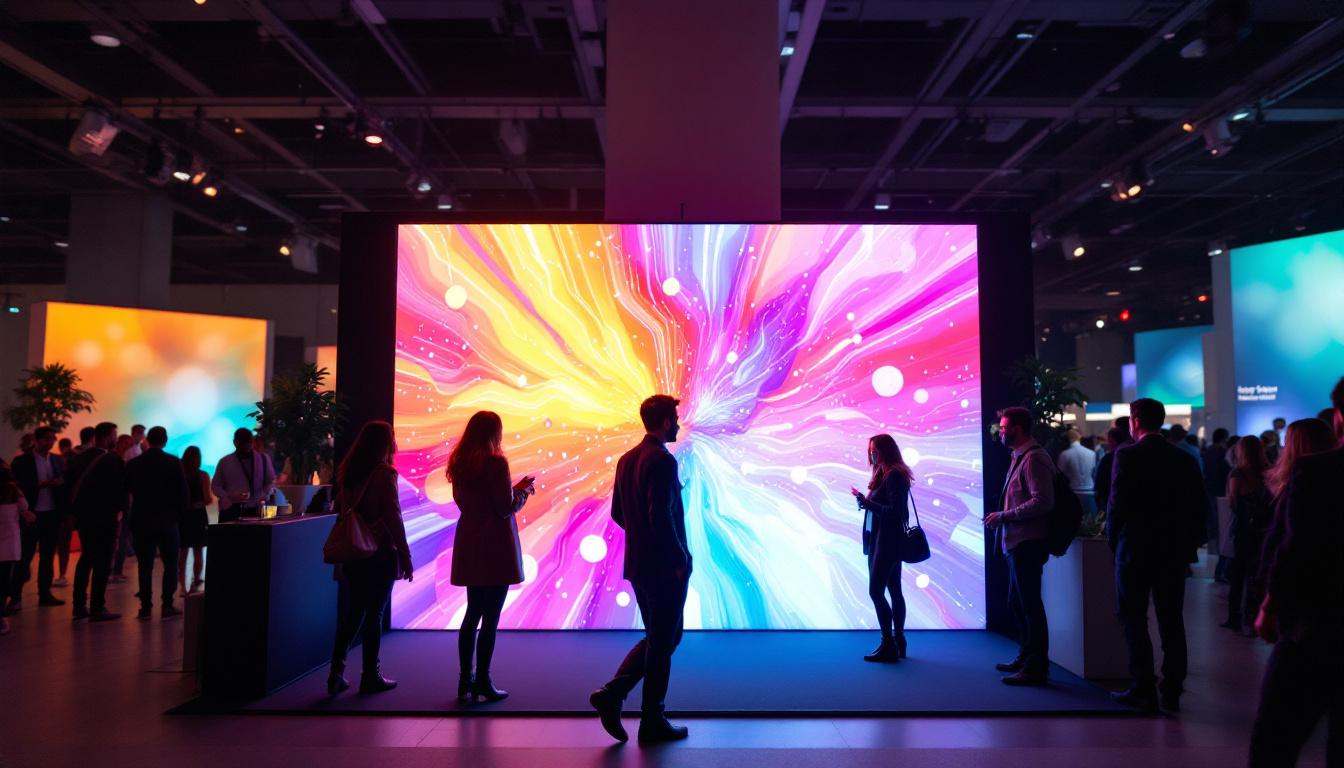
Video walls can be constructed using various technologies, including LCD, projection, and LED. Among these, LED video walls have gained significant popularity due to their superior brightness, seamless appearance, and durability. These systems are often found in high-traffic areas such as airports, shopping malls, and corporate lobbies, where they serve not only as information displays but also as artistic installations that capture the attention of passersby.
In addition to their aesthetic appeal, video walls are also highly versatile, capable of displaying a wide range of content from live feeds and presentations to interactive media. This adaptability makes them an ideal choice for events, exhibitions, and advertising campaigns, where dynamic content can enhance audience engagement and retention.
How LED Technology Works in Video Walls
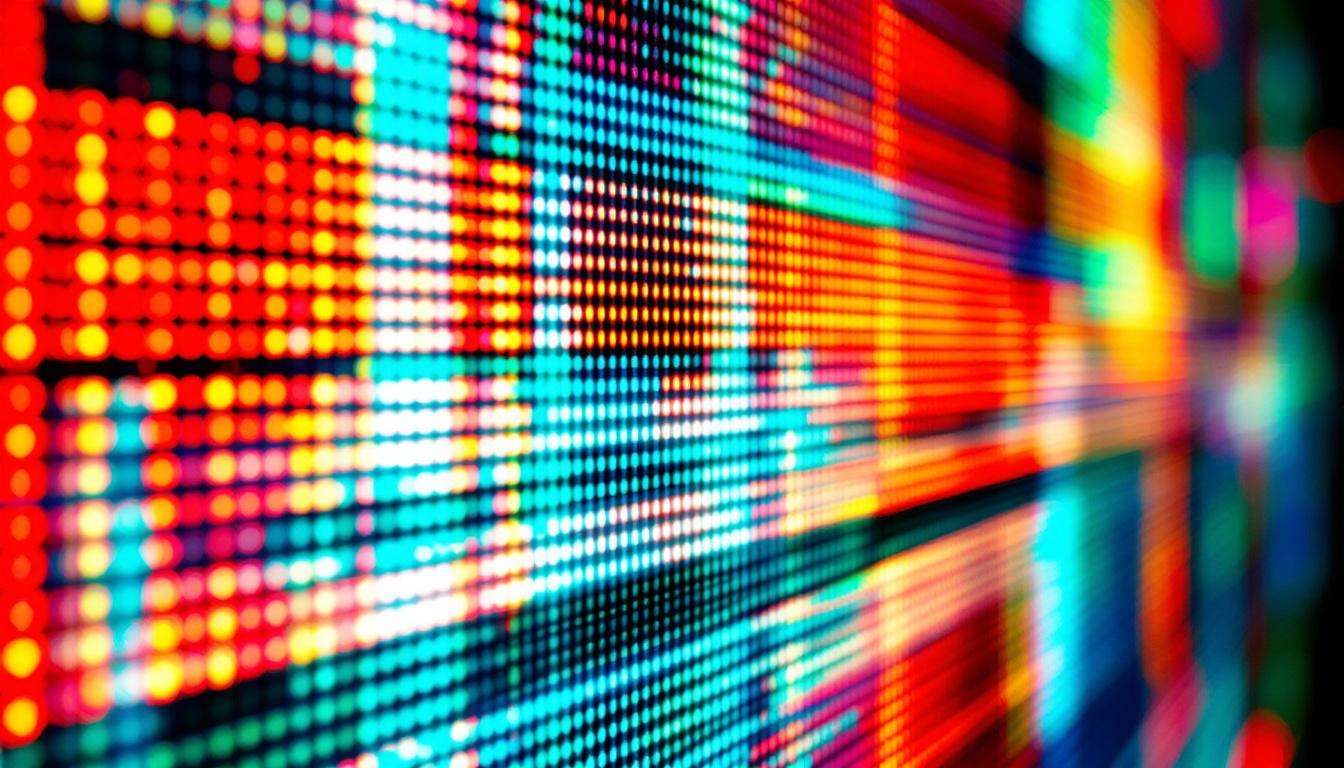
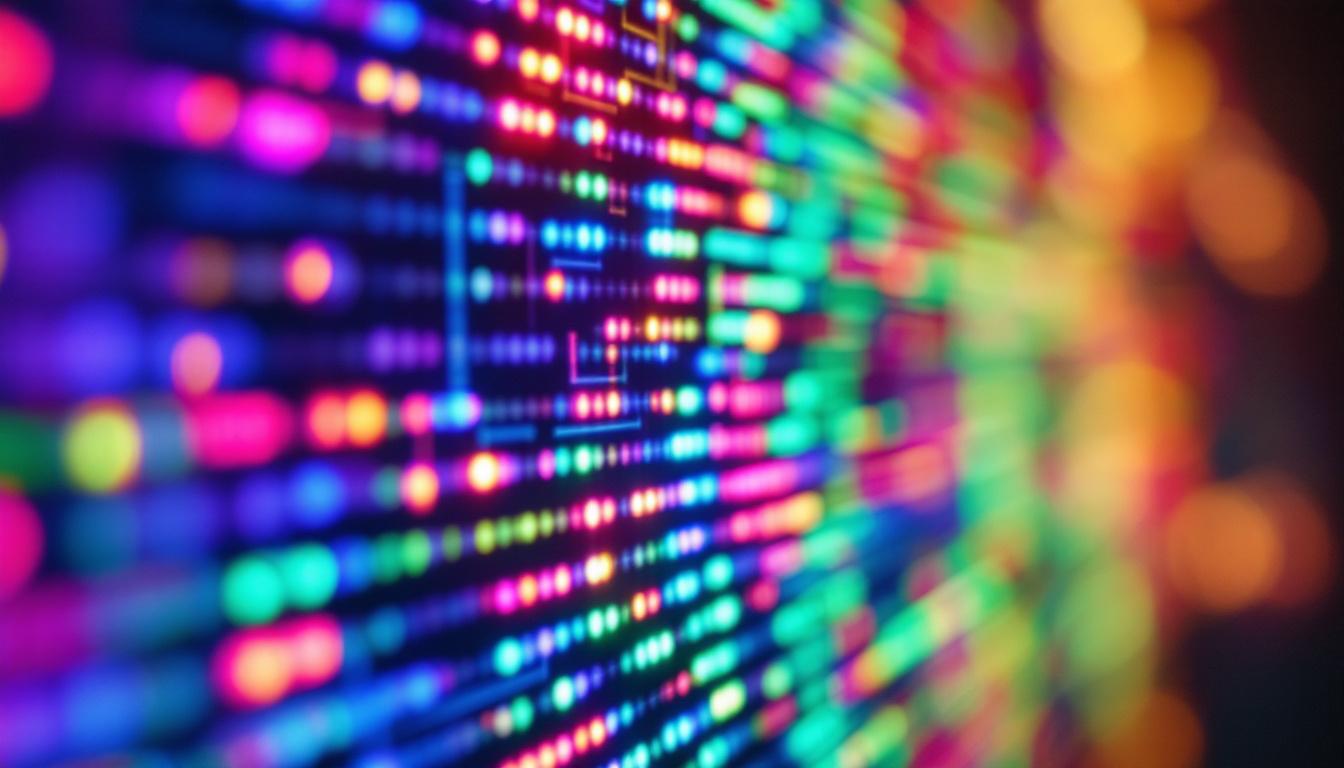
LED stands for Light Emitting Diode, a semiconductor light source that emits light when an electric current passes through it. LED video walls consist of numerous tiny LEDs arranged in a grid pattern, each acting as an individual pixel. These LEDs can emit red, green, or blue light, and by adjusting the intensity of each, the display can produce a full spectrum of colors.
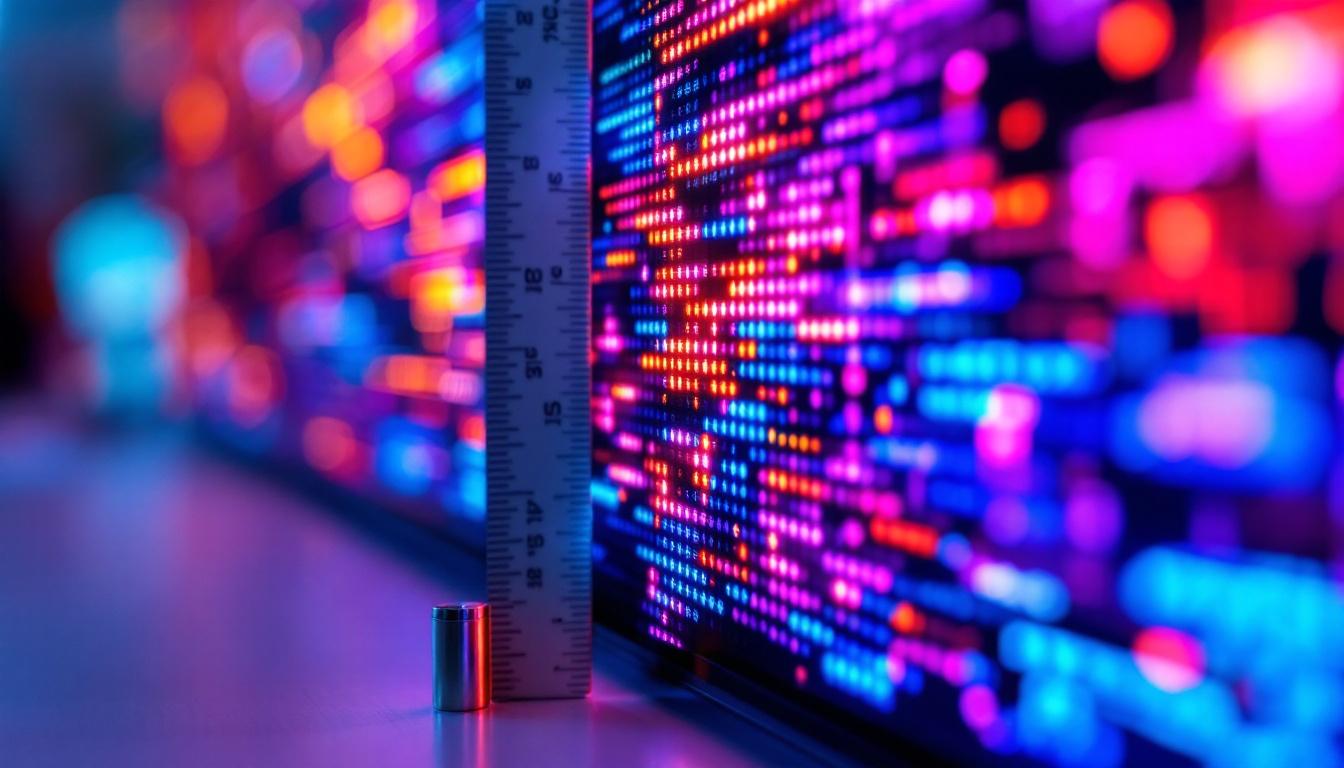
The key component in LED video walls is the pixel pitch, which refers to the distance between the centers of two adjacent pixels. A smaller pixel pitch means higher pixel density, resulting in sharper images and closer optimal viewing distance. Modern LED video walls can have pixel pitches as low as 0.9mm for indoor use, delivering near-retina quality visuals. This level of detail is crucial for applications such as control rooms and broadcast studios, where clarity and precision are paramount.
Furthermore, LED technology is known for its energy efficiency and longevity, often outlasting traditional display technologies. This not only reduces the overall cost of ownership but also minimizes environmental impact, making LED video walls a sustainable choice for organizations looking to invest in long-term visual solutions. Additionally, advancements in LED technology have led to the development of flexible and curved displays, opening up new possibilities for creative installations that can fit into unconventional spaces, further enhancing their appeal in modern architecture and design.
Advantages of LED Video Walls
Brightness and Visibility
One of the standout advantages of LED video walls is their exceptional brightness. LEDs can achieve brightness levels upwards of 1,000 to 5,000 nits, making them highly visible even in direct sunlight. This characteristic makes LED video walls ideal for both indoor environments with high ambient light and outdoor installations such as stadiums, billboards, and transportation hubs.
Compared to LCD or projection systems, LED video walls maintain consistent brightness and color accuracy over time, ensuring content remains vivid and eye-catching. This is particularly important for advertising and promotional displays, where capturing attention quickly can lead to increased engagement and sales. The high brightness levels also allow for dynamic content, such as animations and videos, to be displayed without losing impact, even in challenging lighting conditions.
Seamless and Scalable Design
LED panels are designed to be tiled with minimal bezels, often less than 1.5mm, creating an almost seamless display surface. This allows for large-format video walls without visible gaps, enhancing the immersive viewing experience. The seamless design not only improves aesthetics but also allows for creative content that spans multiple panels, making it an excellent choice for artistic installations and immersive environments.
Moreover, LED video walls are highly scalable. Businesses can start with a small configuration and expand as needed, customizing the size and shape to fit unique spaces or creative designs. This scalability is particularly beneficial for venues like control rooms, retail stores, and event spaces. For instance, a retail store can begin with a single panel to showcase promotions and later expand to a larger wall that enhances the overall shopping experience, creating a dynamic atmosphere that attracts more customers.
Durability and Longevity
LED displays are known for their robust build and long operational life, often exceeding 100,000 hours of use. They are resistant to shock, vibration, and temperature fluctuations, making them suitable for a wide range of environments. This durability ensures that LED video walls can withstand the rigors of high-traffic areas and outdoor settings, where traditional displays might fail more quickly.
Additionally, LED video walls require less maintenance compared to other display technologies. Individual LED modules can be replaced without dismantling the entire wall, reducing downtime and maintenance costs. This ease of maintenance is a significant advantage for businesses that rely on continuous operation, such as airports or entertainment venues, where any disruption can lead to lost revenue and customer dissatisfaction. Furthermore, the energy efficiency of LED technology contributes to lower operational costs, making it a sustainable choice for organizations looking to reduce their environmental footprint while still delivering high-quality visual experiences.
Applications of LED Video Walls
Retail and Advertising
Retailers leverage LED video walls to create dynamic storefront displays and in-store experiences that attract and engage customers. High-resolution visuals and vibrant colors help brands showcase products, promotions, and interactive content effectively.
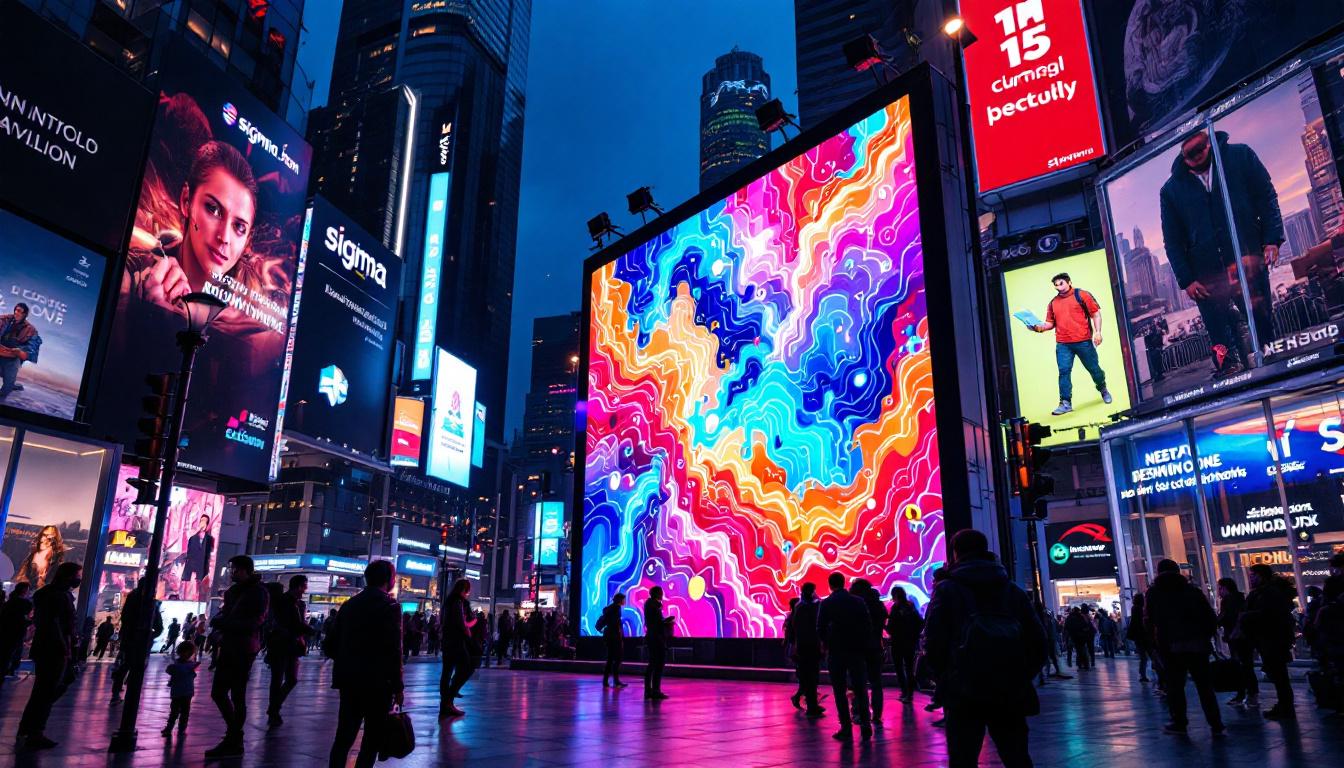
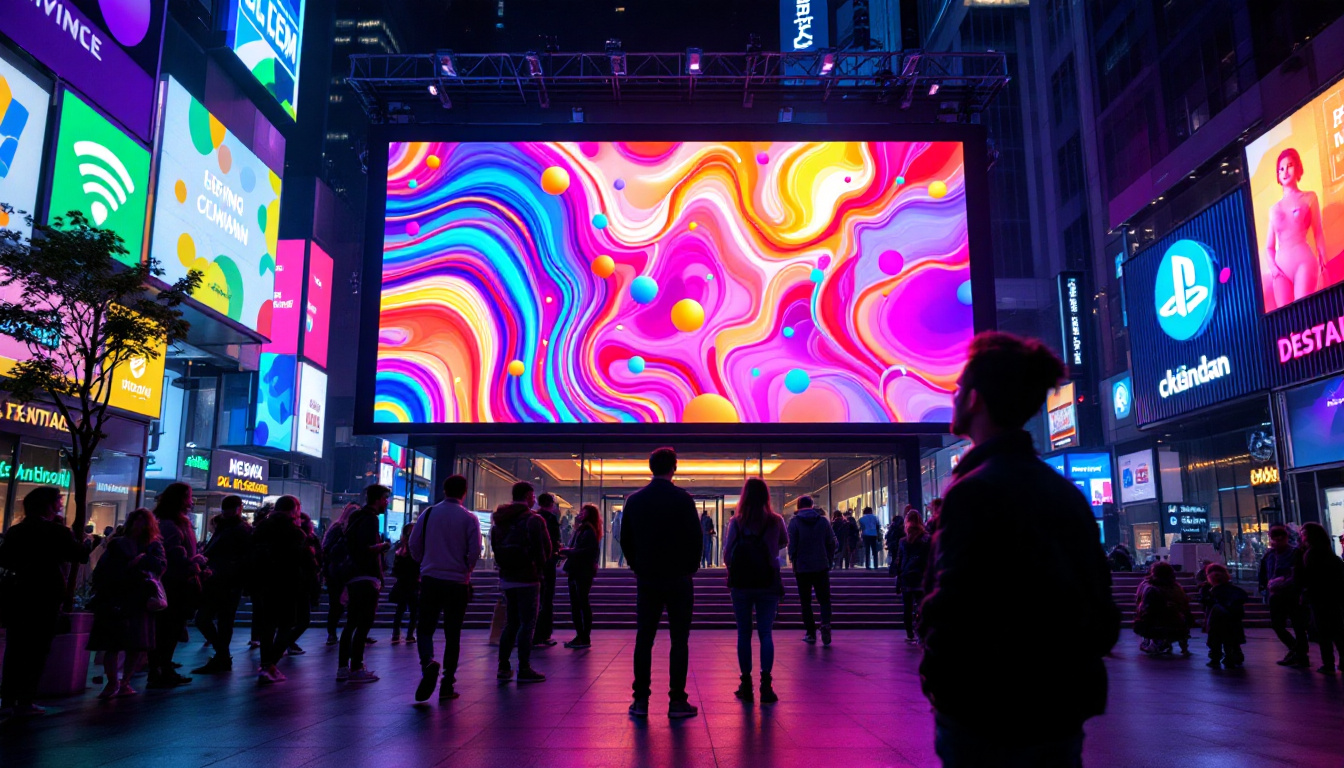
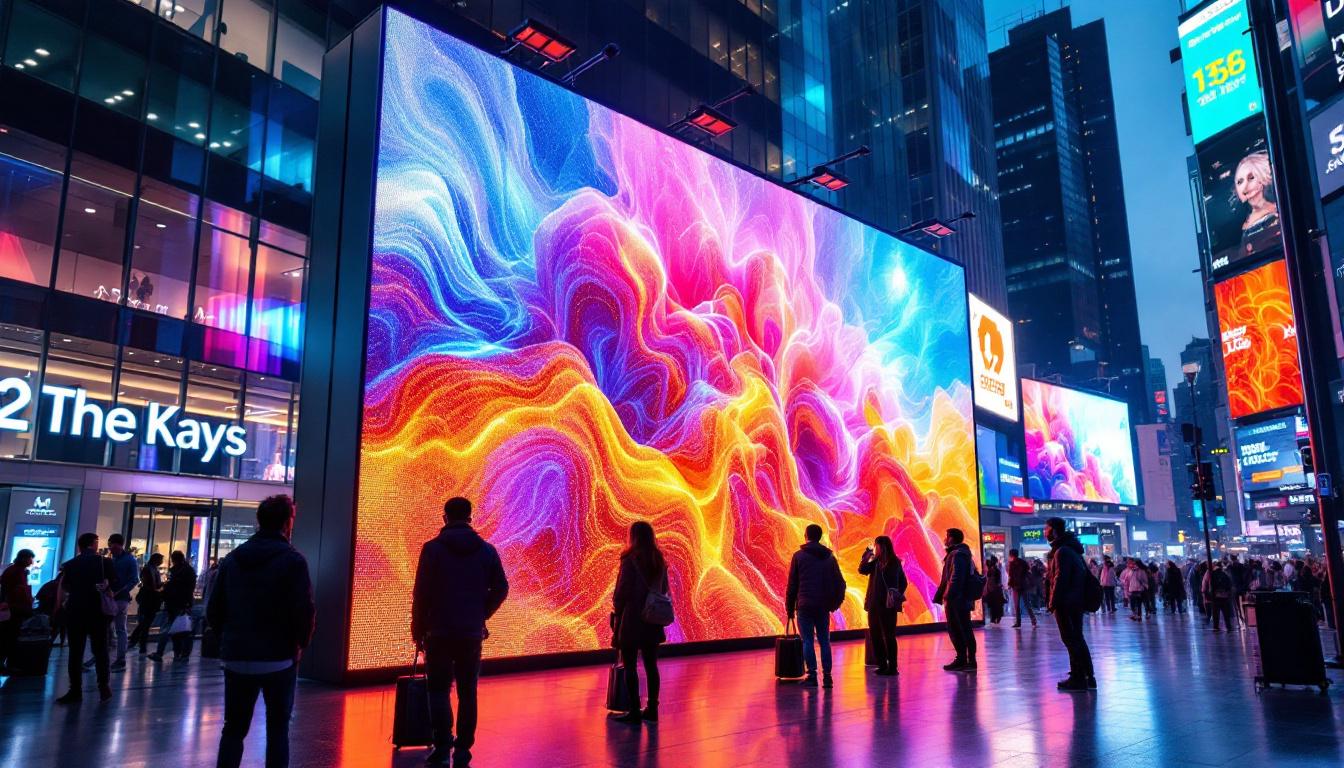
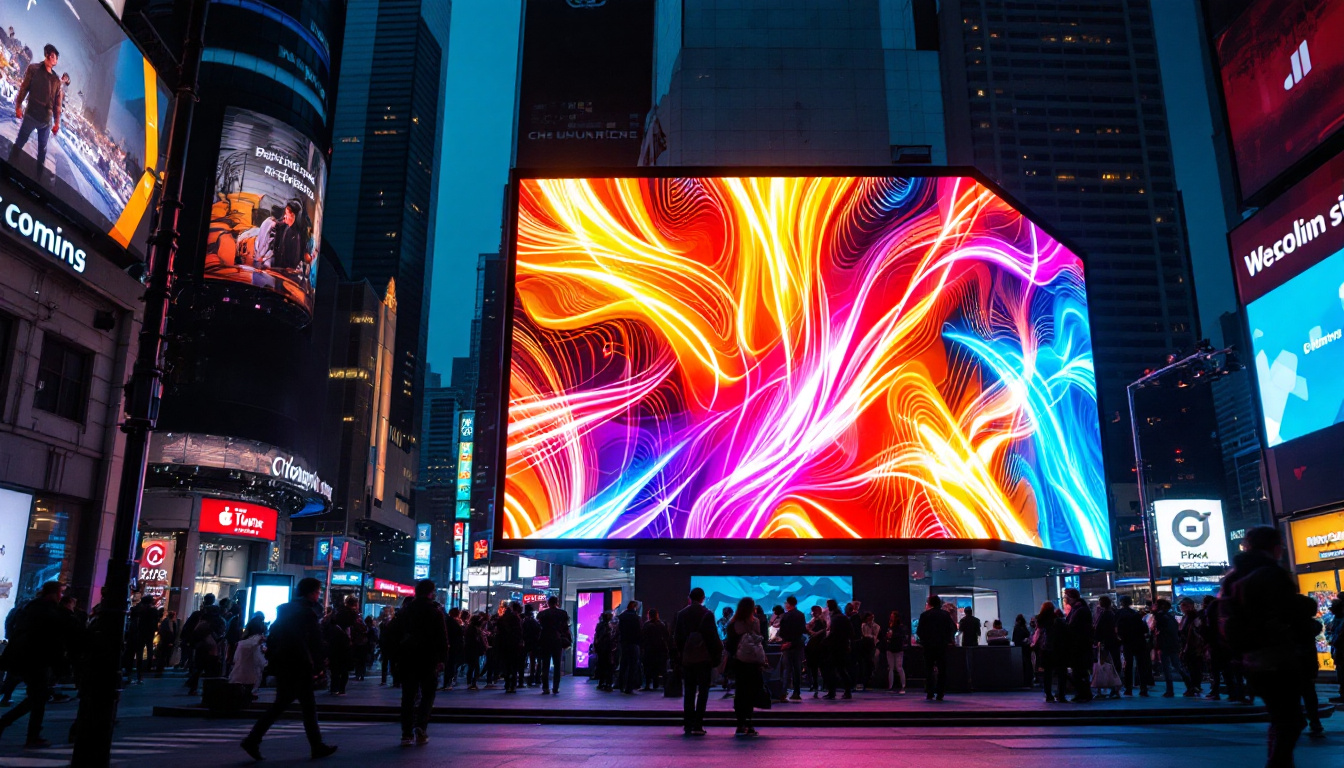
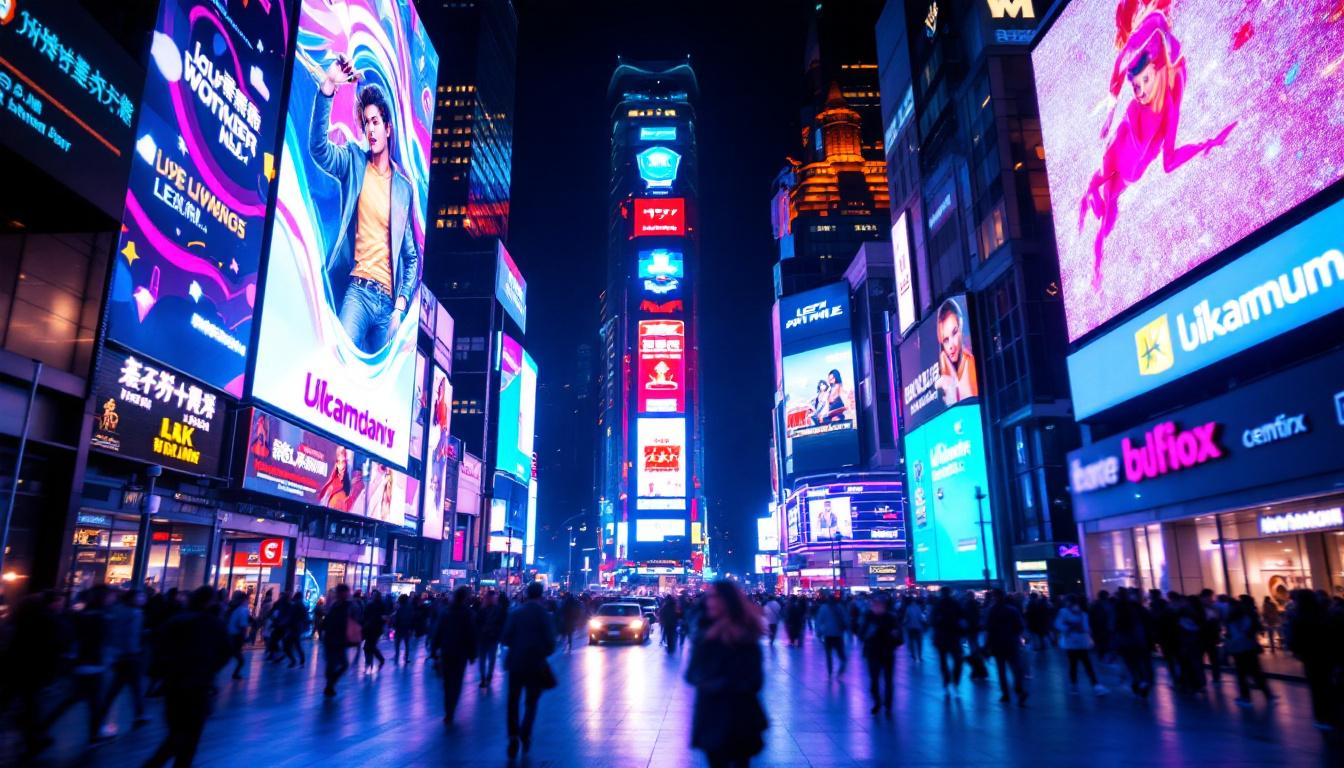
In advertising, LED video walls are a staple in urban centers worldwide. Iconic locations like Times Square in New York and Piccadilly Circus in London feature massive LED billboards that deliver high-impact advertising campaigns visible to thousands daily.
Corporate and Control Rooms
In corporate settings, LED video walls serve as powerful tools for presentations, video conferencing, and data visualization. Their ability to display multiple content sources simultaneously enhances collaboration and decision-making.
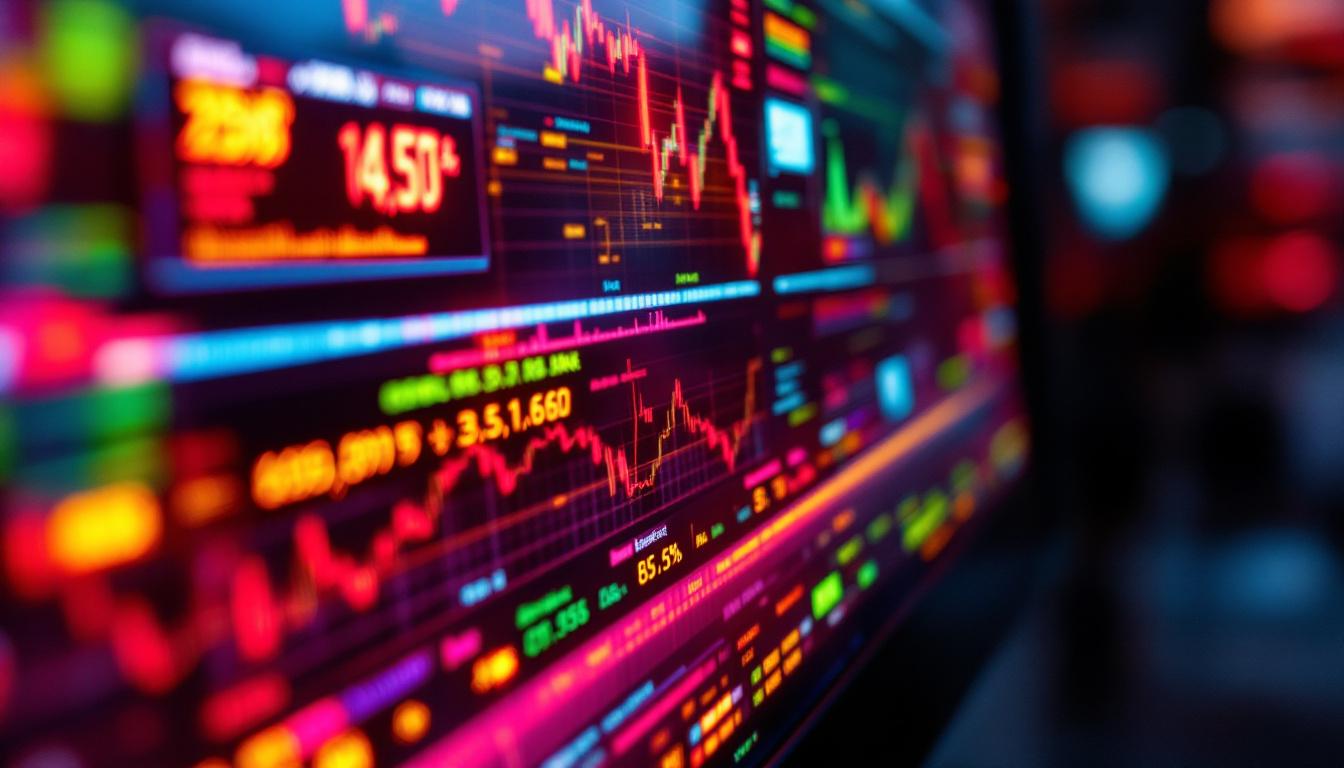
Control rooms in industries such as transportation, utilities, and security rely on LED video walls for real-time monitoring and situational awareness. The high resolution and brightness ensure critical information is clear and accessible to operators.
Entertainment and Events
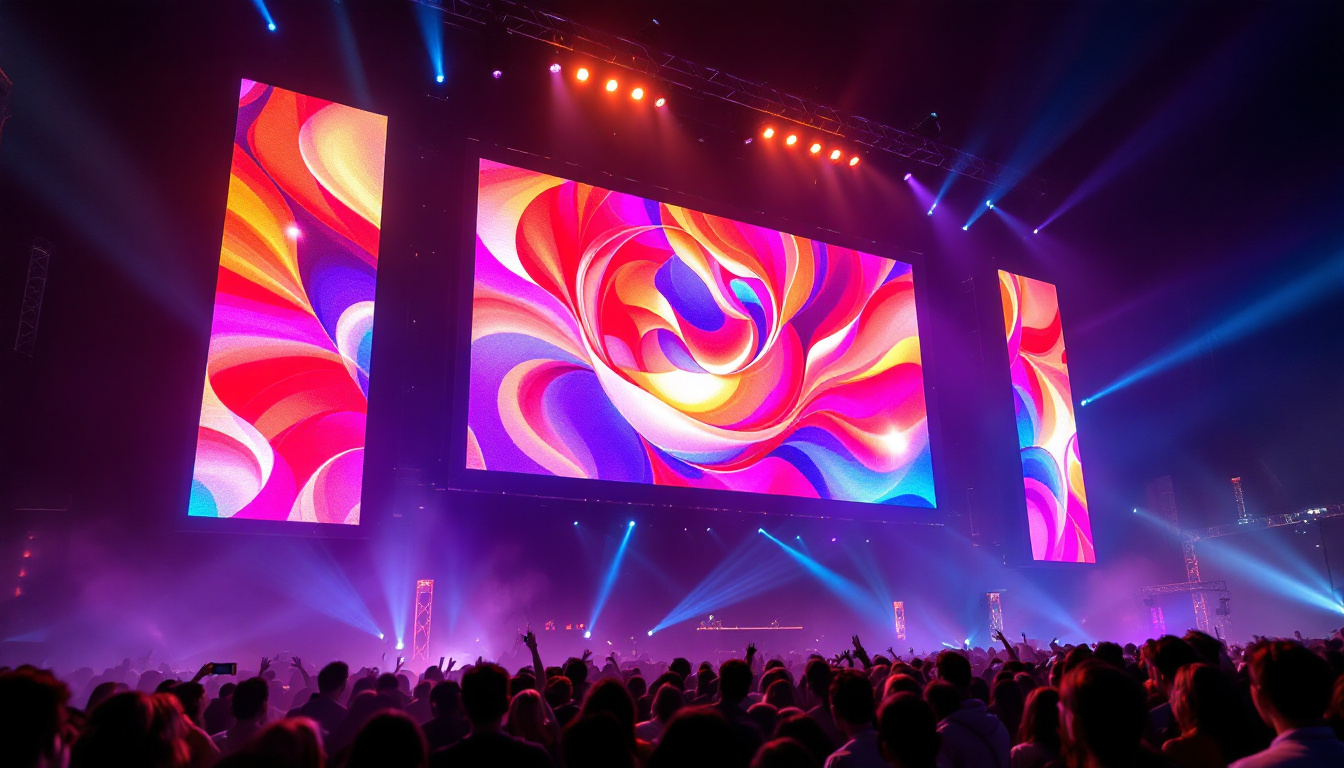
Concerts, sports arenas, and live events frequently utilize LED video walls to deliver immersive experiences to audiences. These displays can cover entire stages or stadium walls, providing close-up views, live feeds, and special effects that amplify the event atmosphere.
Event organizers also benefit from the portability and modularity of LED panels, enabling quick setup and teardown for touring shows and temporary installations.
Technical Considerations When Choosing an LED Video Wall
Pixel Pitch and Viewing Distance
Choosing the appropriate pixel pitch is crucial for ensuring optimal image quality. For indoor applications where viewers are close to the screen, a smaller pixel pitch (e.g., 1.2mm to 2.5mm) is preferred to avoid visible pixelation.
For outdoor or large-venue installations where viewers are farther away, a larger pixel pitch (e.g., 4mm to 10mm) can be used without compromising perceived image quality. Understanding the typical viewing distance helps in selecting the right LED module.
Resolution and Content Source
The overall resolution of the video wall depends on the number of LED modules and their pixel density. High-resolution content requires a correspondingly high-resolution display to maintain clarity.
Content management systems (CMS) and video processors play a vital role in managing multiple inputs, scaling content, and synchronizing playback across the video wall. Ensuring compatibility and ease of use with these systems is essential for smooth operation.
Installation Environment and Maintenance
Environmental factors such as ambient light, weather conditions, and space constraints influence the choice of LED video wall. Outdoor installations require weatherproof and high-brightness panels, while indoor setups may prioritize color accuracy and slim design.
Maintenance access is another important consideration. Front-serviceable LED panels allow for easier repairs in tight spaces, minimizing disruption. Additionally, power consumption and heat dissipation should be evaluated to ensure energy efficiency and system longevity.
Future Trends in LED Video Wall Technology
MicroLED and MiniLED Innovations
Recent advancements in MicroLED and MiniLED technologies promise even higher resolution, better contrast, and improved energy efficiency. MicroLED, in particular, offers self-emissive pixels similar to OLED but with greater brightness and lifespan, potentially revolutionizing video wall displays.
Interactive and Smart Video Walls
Integration of touch and gesture controls is transforming LED video walls into interactive platforms. Smart video walls can respond to user input, enabling applications in retail, education, and corporate environments that require engagement beyond passive viewing.
AI-Driven Content Optimization
Artificial intelligence is increasingly used to optimize content delivery based on audience demographics, time of day, and environmental conditions. AI-powered video walls can adjust brightness, contrast, and content dynamically to maximize impact and reduce energy consumption.
Conclusion
LED video walls represent a versatile and impactful medium for visual communication across various sectors. Their brightness, scalability, durability, and seamless design make them an ideal choice for environments demanding high-quality, large-format displays.
As technology continues to evolve, LED video walls will become even more sophisticated, interactive, and efficient, opening new possibilities for creative expression and information delivery. Whether for advertising, corporate use, entertainment, or public information, understanding the fundamentals of LED video walls is essential for making informed decisions and maximizing their potential.
Discover LumenMatrix’s Innovative LED Display Solutions
Ready to elevate your visual communication with the latest in LED display technology? LumenMatrix offers a comprehensive range of LED display solutions tailored to meet your needs. From stunning Indoor and Outdoor LED Wall Displays to dynamic Vehicle and Sports LED Displays, our products are designed to captivate and engage your audience. Experience the future of digital signage with our All-in-One LED Displays, LED Transparent Displays, and more. Each solution is crafted to deliver unparalleled clarity and impact for your brand. Check out LumenMatrix LED Display Solutions today and transform your space into a visual spectacle.