In recent years, the television market has witnessed rapid advancements in display technology, with Micro LED emerging as one of the most promising innovations. As consumers seek better picture quality, higher brightness, and longer-lasting screens, Micro LED TVs have garnered significant attention. However, understanding what Micro LED technology entails and how it compares to other LED displays is crucial before making a purchase decision. This article delves into the intricacies of Micro LED displays, their pricing dynamics, and why they represent a significant leap forward in television technology.
What is Micro LED Technology?
Micro LED technology refers to a display system that uses microscopic light-emitting diodes to form individual pixels. Unlike traditional LED TVs, which rely on a backlight shining through an LCD panel, Micro LED displays are self-emissive. This means each tiny LED emits its own light, allowing for unparalleled control over brightness and contrast.
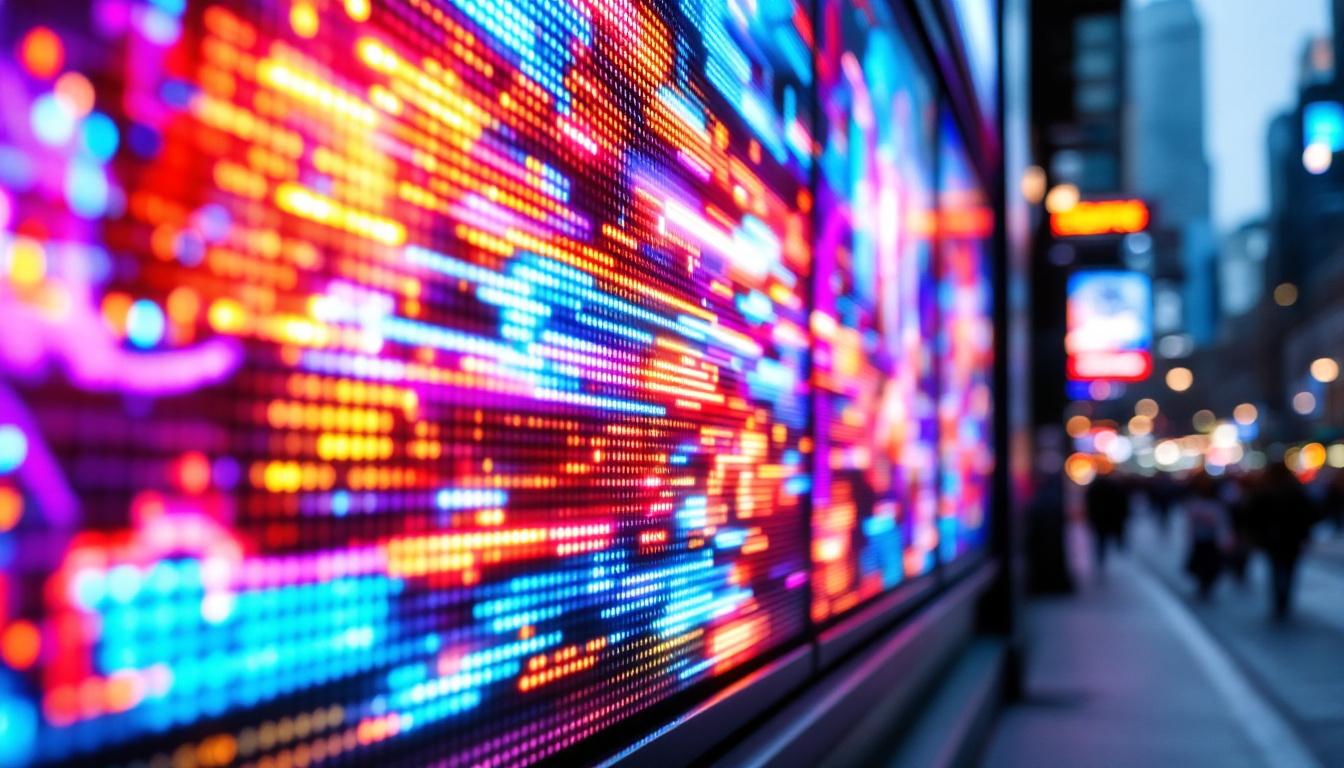
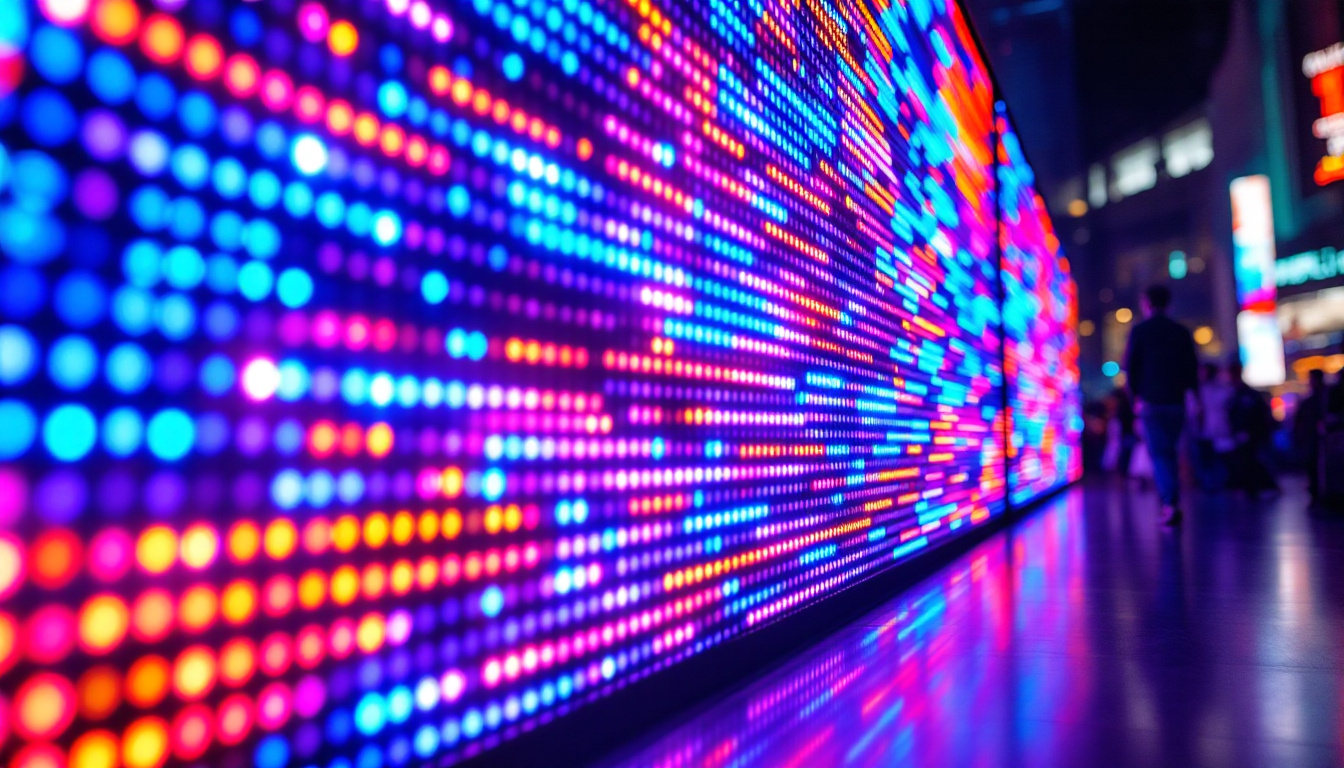
Each Micro LED is typically less than 100 micrometers in size, enabling manufacturers to pack millions of these tiny LEDs onto a single display. This density results in exceptional resolution and image sharpness. Additionally, because each pixel can be turned on or off independently, Micro LED TVs can achieve true blacks and vibrant colors without the light bleed issues common in LCD-based LED TVs.
Comparison with Other LED Technologies
To appreciate Micro LED’s advantages, it’s helpful to contrast it with other popular display technologies:
- LCD LED TVs: These use LED backlights behind an LCD panel. While affordable and widely available, they suffer from limited contrast ratios and less vibrant colors due to the backlight’s inability to be controlled at the pixel level.
- OLED TVs: Organic Light Emitting Diode displays are also self-emissive, offering excellent contrast and color accuracy. However, OLED panels are prone to burn-in and generally have lower peak brightness compared to Micro LED.
- Micro LED TVs: Combining the best of both worlds, Micro LED offers self-emissive properties like OLED but with higher brightness, better durability, and no risk of burn-in.
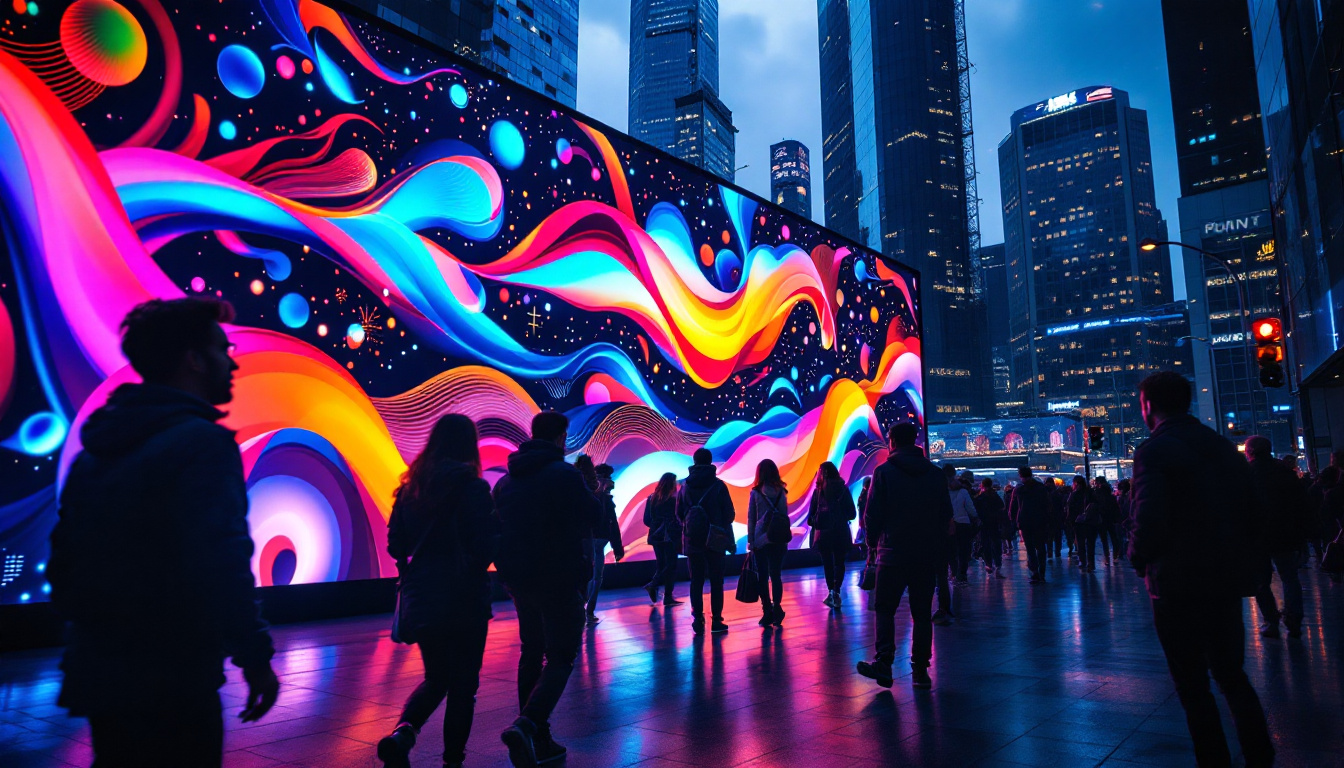
One of the most exciting aspects of Micro LED technology is its potential for modularity. Manufacturers can create large displays by connecting smaller Micro LED panels together, allowing for customizable screen sizes and shapes. This flexibility opens up new possibilities for both consumer and commercial applications, from immersive home theaters to stunning digital signage in public spaces. Furthermore, the lightweight and thin design of Micro LED panels makes them easier to install and integrate into various environments, enhancing their appeal.
Moreover, Micro LED technology is not just about visual performance; it also boasts energy efficiency. Because each pixel operates independently, Micro LED displays can consume less power compared to traditional displays, especially when displaying darker images. This efficiency not only contributes to lower energy bills but also aligns with growing consumer preferences for environmentally friendly technology. As manufacturers continue to innovate, we can expect to see even more advancements in Micro LED technology, further solidifying its place in the future of display solutions.
Why Micro LED Displays Are a Game-Changer
Micro LED technology brings several key benefits that justify the excitement around it:
Superior Picture Quality
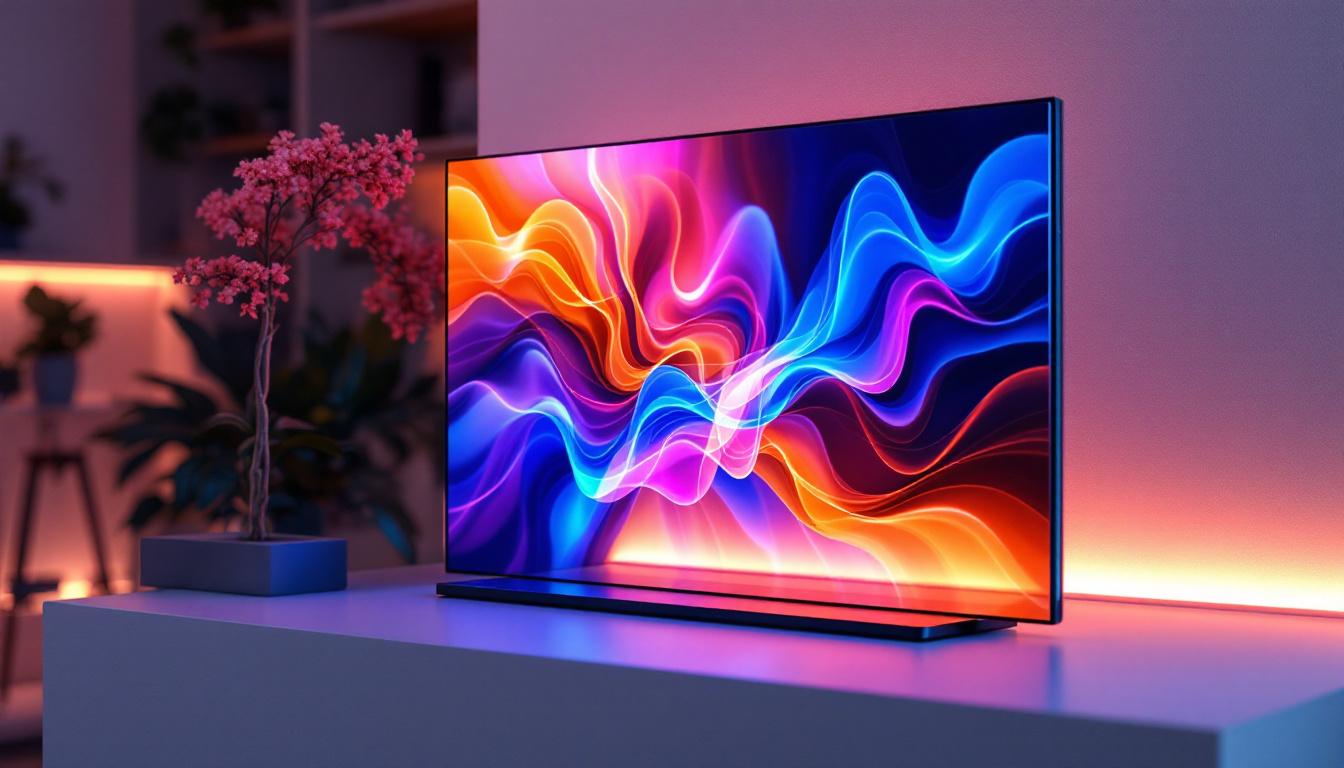
Micro LED TVs deliver outstanding picture quality with high dynamic range (HDR) capabilities. Because each pixel emits its own light, these TVs can produce true blacks by simply turning off individual LEDs. This results in infinite contrast ratios and vibrant colors that pop even in brightly lit rooms.
Moreover, Micro LED displays can achieve peak brightness levels exceeding 1,500 nits, which is significantly higher than most OLED TVs. This makes them ideal for viewing HDR content, where bright highlights and deep shadows coexist. The technology also supports a wider color gamut, allowing viewers to experience colors that are more accurate and lifelike. With advancements in calibration techniques, the color accuracy of Micro LED displays can be fine-tuned to meet the standards of professional filmmakers and content creators, ensuring that audiences see exactly what was intended.
Longevity and Durability
Unlike OLEDs, which use organic materials that degrade over time, Micro LEDs are inorganic and far more stable. This translates to longer-lasting displays with minimal risk of burn-in or image retention. For consumers, this means a TV that maintains its picture quality over many years without the common issues associated with OLED panels. Additionally, Micro LED technology is less susceptible to environmental factors such as humidity and temperature fluctuations, making it a robust choice for various settings, from home theaters to outdoor installations.
Scalability and Customization
One of the unique advantages of Micro LED technology is its modularity. Manufacturers can create displays of virtually any size by assembling smaller Micro LED modules. This flexibility allows for ultra-large screens and even unconventional shapes, catering to both consumer and commercial applications. For instance, businesses can design eye-catching digital signage that adapts to their branding needs, while homeowners can create immersive multi-screen setups that enhance their viewing experience. The potential for customization extends beyond size; consumers can also choose different pixel densities to suit their specific use cases, whether for casual viewing or professional graphic design.
Furthermore, the modular nature of Micro LED displays opens up exciting possibilities for interactive applications. Imagine a wall of Micro LED panels that can be rearranged to create a dynamic art installation or a gaming setup that seamlessly integrates with your living space. This adaptability not only enhances aesthetic appeal but also allows for innovative uses in various environments, such as museums, exhibitions, and even smart homes, where displays can be integrated into furniture or architecture for a truly unique experience.
Understanding Micro LED TV Pricing
Despite its impressive features, Micro LED technology remains expensive compared to other display types. Several factors contribute to the high price tags of Micro LED TVs:
Complex Manufacturing Process
Producing Micro LED displays involves transferring millions of tiny LEDs onto a substrate with extreme precision. This process, known as mass transfer, is technologically challenging and time-consuming. The yield rates—the percentage of defect-free panels produced—are currently lower than those for OLED or LCD manufacturing, driving up costs.
Limited Production Scale
Micro LED TVs are still in the early stages of commercialization, with only a handful of manufacturers offering models to consumers. The limited scale of production means economies of scale have yet to be realized, keeping prices high.
Premium Positioning
Given their superior performance and novelty, Micro LED TVs are positioned as luxury products. Manufacturers often price them at a premium to reflect their cutting-edge technology and exclusivity.
Current Price Range
As of mid-2024, Micro LED TVs typically start at around $50,000 for smaller models (around 100 inches) and can exceed $150,000 for larger, more advanced setups. For example, Samsung’s “The Wall” Micro LED display, which is modular and customizable, has been priced in this range depending on size and configuration.
In contrast, high-end OLED TVs from brands like LG or Sony usually cost between $2,000 and $5,000 for sizes ranging from 55 to 77 inches, highlighting the significant price gap.
Is a Micro LED TV Worth the Investment?
Whether a Micro LED TV is worth the hefty price depends largely on individual needs, budget, and priorities. Here are some considerations to help potential buyers decide:
For Enthusiasts and Early Adopters
Tech enthusiasts who crave the latest and greatest in display technology may find Micro LED TVs irresistible. The unparalleled picture quality, brightness, and longevity make them a compelling choice for those who want the best home theater experience possible.
For Commercial and Professional Use
Micro LED displays are increasingly popular in commercial settings such as digital signage, luxury retail, and broadcast studios. Their modularity and size scalability make them ideal for large venues and specialized applications where image quality and durability are paramount.
For Average Consumers
For most consumers, the high cost of Micro LED TVs is prohibitive. OLED and high-end LCD TVs currently offer excellent picture quality at a fraction of the price. As manufacturing processes improve and prices decrease, Micro LED may become more accessible in the future.
The Future of Micro LED Technology
Industry experts predict that Micro LED technology will continue to evolve rapidly. Advances in manufacturing techniques, such as improved mass transfer methods and automation, are expected to increase production yields and reduce costs.
Additionally, as more companies invest in Micro LED research and development, competition will likely drive innovation and affordability. Some analysts forecast that within the next five to ten years, Micro LED TVs could become mainstream, potentially replacing OLED as the top-tier display technology.
Beyond televisions, Micro LED technology holds promise for augmented reality (AR) and virtual reality (VR) devices, wearable displays, and automotive screens due to its brightness, efficiency, and scalability.
Conclusion
Micro LED represents a significant breakthrough in display technology, offering superior picture quality, brightness, and durability compared to traditional LED and OLED TVs. However, the current high price of Micro LED TVs limits their accessibility to affluent consumers and commercial applications.
Understanding the technology behind Micro LED and the factors influencing its price can help consumers make informed decisions. While Micro LED TVs may not yet be practical for everyone, their future looks bright as advancements continue to lower costs and expand availability.
For those seeking the pinnacle of home entertainment and willing to invest substantially, Micro LED TVs offer an unmatched viewing experience that justifies the premium price. For the broader market, watching this technology mature over the next few years will be exciting as it reshapes the landscape of visual displays.
Discover the Future of Visual Displays with LumenMatrix
As you contemplate the exciting advancements in Micro LED TV technology, consider the transformative impact that LumenMatrix’s innovative LED display solutions can have on your visual experiences. Whether you’re looking to elevate your home entertainment or seeking dynamic digital signage for your business, LumenMatrix offers a wide range of products, including Indoor and Outdoor LED Wall Displays, Vehicle LED Displays, and more. Embrace the future of display technology and check out LumenMatrix LED Display Solutions to create unforgettable visual narratives and share your message with unparalleled clarity and impact.