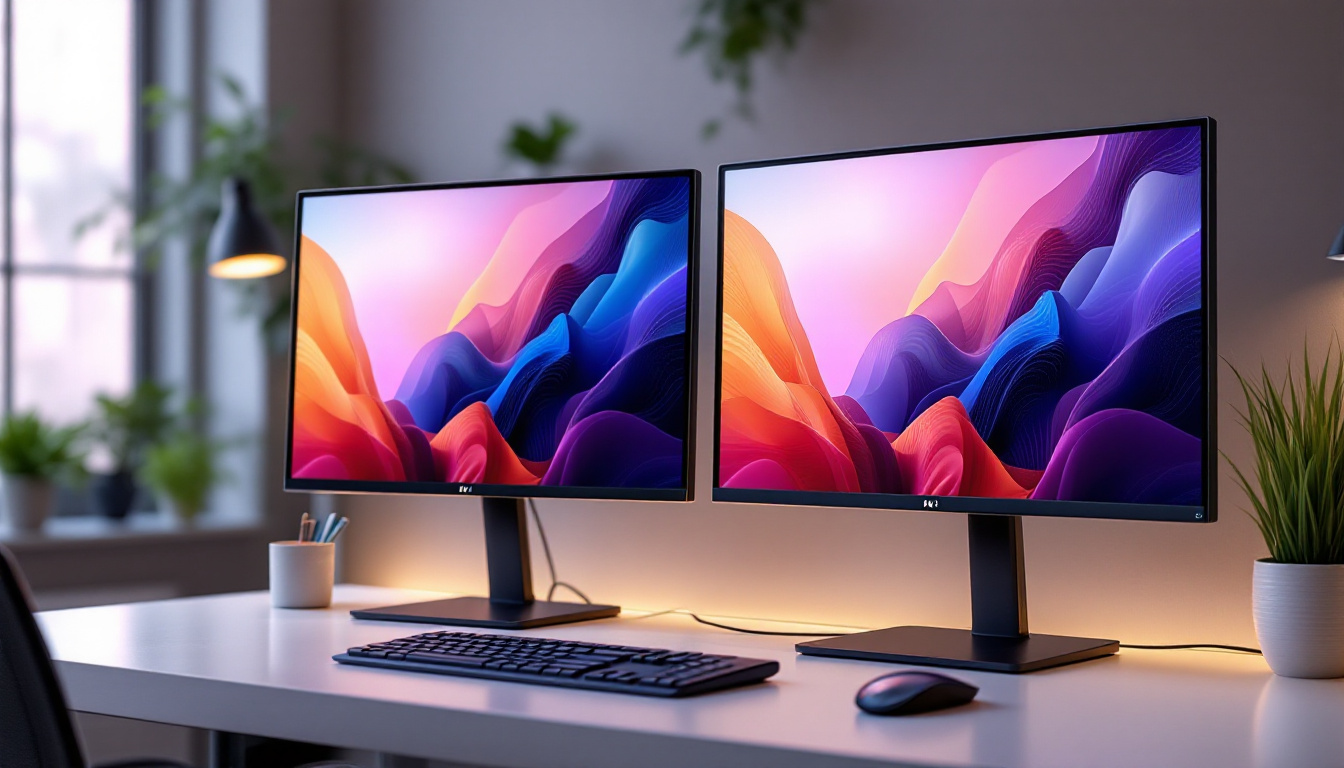
In today’s rapidly evolving world of visual technology, the demand for high-quality, versatile display solutions has never been greater. Whether for home theaters, corporate presentations, or public exhibitions, the integration of motorized projector screens with LED displays is transforming how audiences experience visual content. This article delves into the mechanics, advantages, and applications of motorized projector screens and LED displays, providing a comprehensive understanding for enthusiasts, professionals, and consumers alike.
Understanding Motorized Projector Screens
What is a Motorized Projector Screen?
A motorized projector screen is a type of projection surface that can be rolled up or down using an electric motor. Unlike manual pull-down screens, motorized screens offer the convenience of remote control operation, allowing users to adjust the screen position effortlessly. These screens are typically mounted on walls or ceilings and come in various sizes and aspect ratios to suit different projection needs.
The motorized mechanism is usually powered by a low-voltage electric motor, which drives the screen fabric around a roller tube. This setup ensures smooth and quiet operation, enhancing the overall viewing experience. Many models include built-in limit switches that stop the screen at preset upper and lower positions, preventing damage and ensuring precise deployment. Additionally, some advanced models are compatible with smart home systems, enabling users to control the screen through voice commands or mobile apps, adding a layer of modern convenience to home entertainment setups.
Types of Motorized Screens
Motorized screens vary based on their installation type and screen material. The most common types include:
- Wall-mounted screens: Installed directly on walls, ideal for fixed setups in conference rooms or home theaters.
- Ceiling-mounted screens: Suspended from ceilings, saving space and providing a clean look.
- Tab-tensioned screens: Equipped with tensioning cables to keep the screen surface flat and wrinkle-free, perfect for high-end projection.
- Ambient light rejecting (ALR) screens: Designed to enhance image quality in rooms with ambient light by selectively reflecting projector light while minimizing glare.
In addition to these common types, there are also portable motorized screens that can be easily transported and set up in different locations, making them ideal for traveling presenters or outdoor movie nights. These portable options often come with lightweight materials and compact designs, allowing for quick assembly and disassembly without compromising on screen quality. Furthermore, some motorized screens are designed with a variety of materials that cater to specific projection needs, such as high-gain surfaces for brighter images or matte finishes for better color accuracy, ensuring that users can find the perfect screen to match their projector and viewing environment.
The Rise of LED Displays in Projection Technology
What is an LED Display?
LED (Light Emitting Diode) displays are screens composed of numerous tiny LEDs that emit light to form images. Unlike traditional projection, which relies on projecting light onto a surface, LED displays are self-illuminating, meaning each pixel produces its own light. This fundamental difference results in several advantages, including higher brightness, better contrast, and vivid color reproduction.
LED displays come in various configurations, such as direct-view LED panels used in large venues and smaller LED-lit screens for consumer electronics. The technology has advanced to the point where LED displays can be seamlessly integrated with motorized projector screens, offering hybrid solutions that leverage the strengths of both projection and LED technology. This integration allows for a versatile setup that can adapt to different viewing environments, whether it be a corporate boardroom, a home theater, or a large-scale outdoor event.
Moreover, the compact nature of LED technology allows for thinner and lighter displays, making them easier to install and transport. This portability has opened new avenues for creative applications, such as pop-up displays for marketing events and immersive installations in museums. As a result, LED displays are not only transforming how we view content but also how we experience it in various settings.
Advantages of LED Displays Over Traditional Projection
LED displays have gained popularity due to several key benefits:
- Brightness and Visibility: LED displays can achieve brightness levels exceeding 1,000 nits, making them suitable for environments with high ambient light where traditional projectors struggle.
- Color Accuracy and Contrast: LEDs provide deep blacks and vibrant colors, enhancing image quality and viewer immersion.
- Durability and Longevity: LED panels typically have longer lifespans than projector lamps, reducing maintenance costs.
- Instant On/Off: Unlike projectors that require warm-up and cool-down periods, LED displays turn on and off instantly, improving usability.
In addition to these advantages, LED technology also supports a wider range of resolutions and aspect ratios, catering to diverse content formats and viewer preferences. This flexibility is particularly beneficial in professional settings, where presentations may require different visual styles or data formats. Furthermore, the energy efficiency of LED displays contributes to lower operational costs, making them an attractive option for businesses looking to reduce their carbon footprint while maintaining high-quality visual standards.
As the demand for high-definition content continues to rise, the ability of LED displays to deliver stunning visuals in a variety of formats positions them as a leading choice for both commercial and personal use. With ongoing advancements in LED technology, including improvements in pixel density and color gamut, the future of visual displays looks increasingly bright, paving the way for even more innovative applications in entertainment, education, and beyond.
Integrating Motorized Projector Screens with LED Displays
Hybrid Solutions: Combining the Best of Both Worlds
While LED displays offer many advantages, motorized projector screens remain popular due to their flexibility and cost-effectiveness, especially for large-format displays. Hybrid setups that combine motorized screens with LED technology are emerging as innovative solutions to meet diverse user needs.
For instance, some systems use motorized screens to reveal or conceal LED panels, allowing venues to switch between projection and LED display modes depending on the event or lighting conditions. This approach maximizes the utility of the space and equipment, catering to different presentation styles and audience sizes. The ability to transition seamlessly between formats not only enhances the visual experience but also provides event organizers with the versatility to adapt to varying content types, from cinematic presentations to corporate slideshows.
Moreover, this hybrid solution can significantly reduce setup times for events, as the technology allows for quick adjustments without the need for extensive reconfiguration. Venues can host a range of activities—from film screenings to live performances—without the constraints typically associated with either technology alone. This adaptability is particularly beneficial for multi-purpose spaces, where the demands of different events can vary widely.
Technical Considerations for Integration
Integrating motorized screens with LED displays requires careful planning and technical expertise. Key factors include:
- Screen Material Compatibility: The screen surface must be optimized for LED backlighting or projection to ensure image clarity and brightness.
- Mounting and Space Requirements: Motorized mechanisms need adequate clearance and secure mounting points, especially when paired with heavy LED panels.
- Control Systems: Synchronizing the motorized screen operation with LED display controls can enhance user experience, often achieved through integrated remote controls or automation systems.
- Power and Cooling: LED displays generate heat and require power management solutions, which must be considered alongside the motorized screen’s electrical needs.
In addition to these considerations, it’s essential to evaluate the overall acoustic environment of the space. The integration of motorized screens and LED displays can impact sound quality, particularly in venues where audio-visual synchronization is critical. Ensuring that the installation does not interfere with sound systems or create unwanted reflections can be a determining factor in achieving optimal performance. Furthermore, the choice of materials for both screens and displays can influence not just visual quality but also sound absorption and diffusion, which is vital for creating an immersive experience.
Lastly, ongoing maintenance and support should also be factored into the integration plan. As technology evolves, regular updates and servicing may be necessary to keep both the motorized screens and LED displays functioning at peak performance. Establishing a reliable maintenance schedule can help prevent downtime and ensure that the equipment remains in top condition for all events, thus maximizing the investment made in this hybrid technology.
Applications and Use Cases
Home Theaters and Entertainment
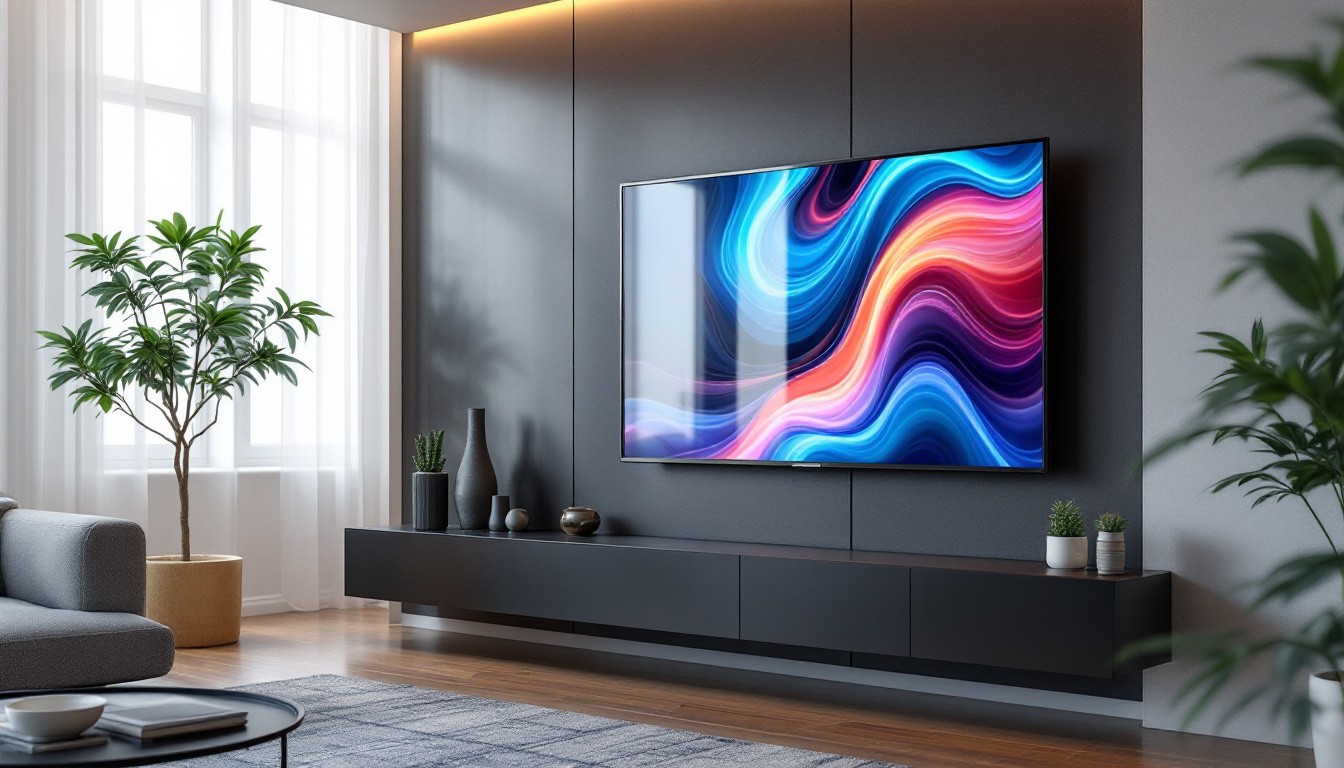
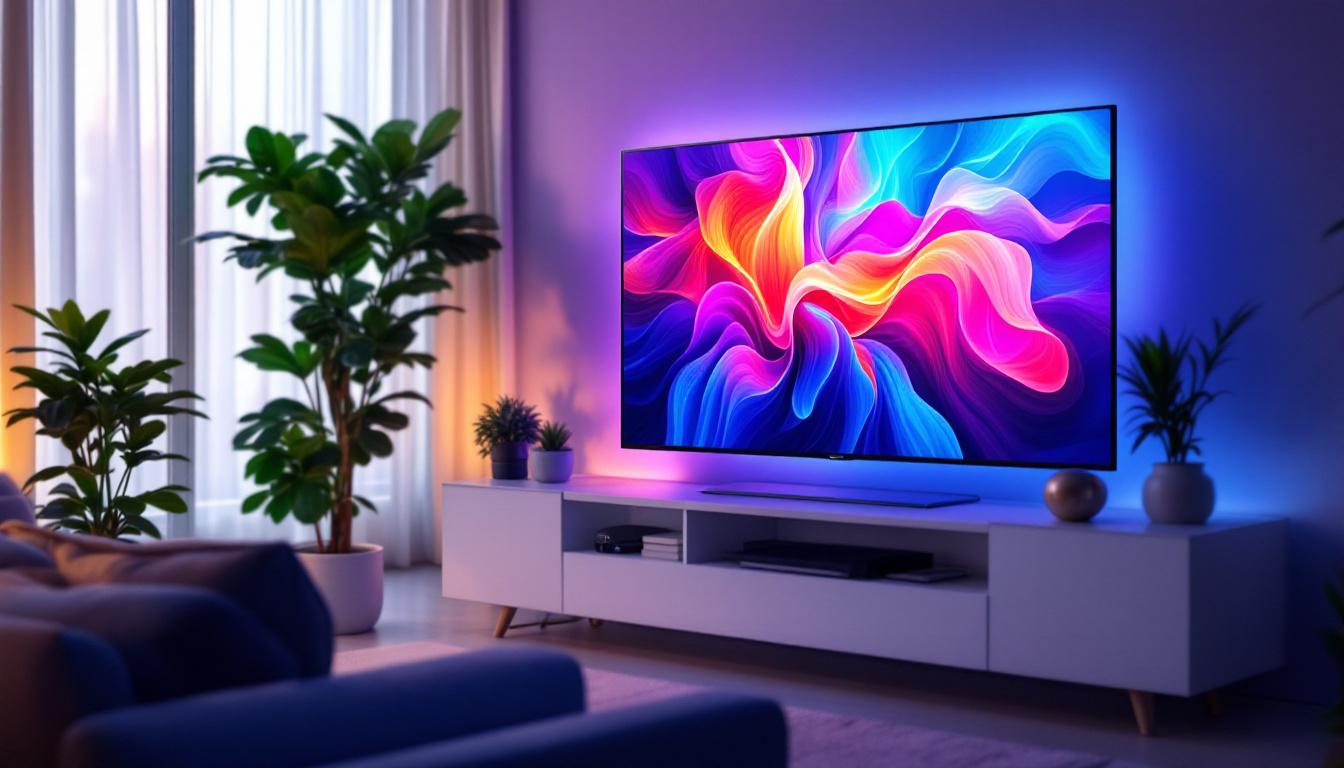
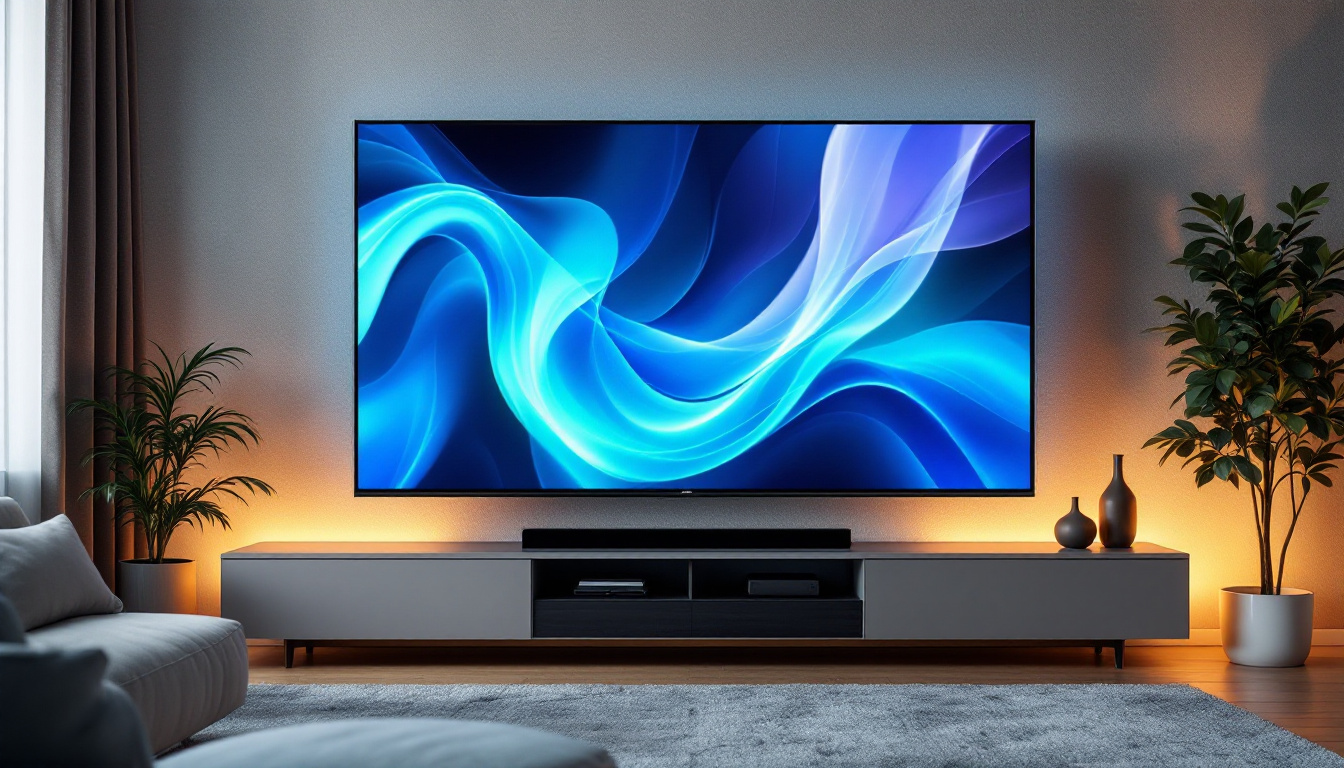
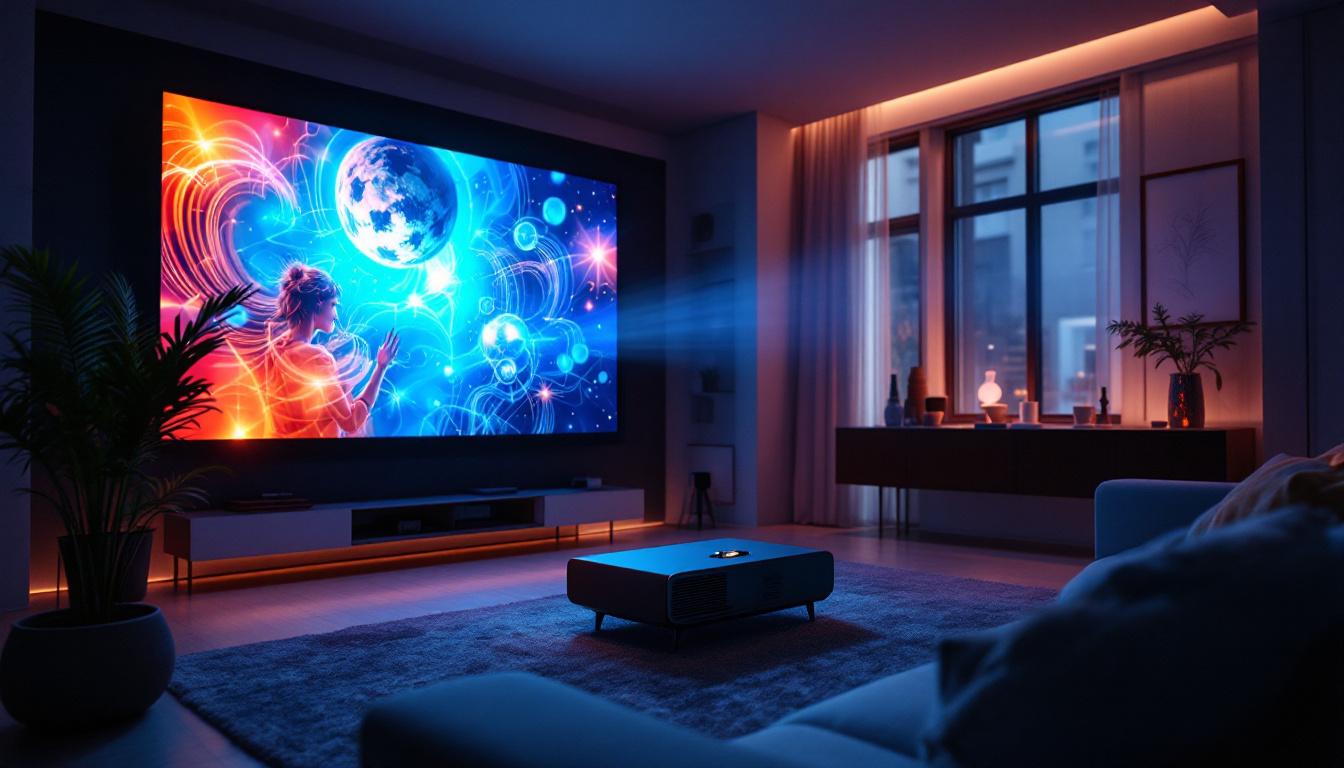
Motorized projector screens remain a staple in home theater setups, offering a sleek, retractable solution that preserves room aesthetics when not in use. When combined with LED displays, homeowners can enjoy ultra-bright visuals for gaming or streaming, even in well-lit rooms. The ability to switch between projection and LED modes offers versatility for different content types and viewing preferences.
Corporate and Educational Environments
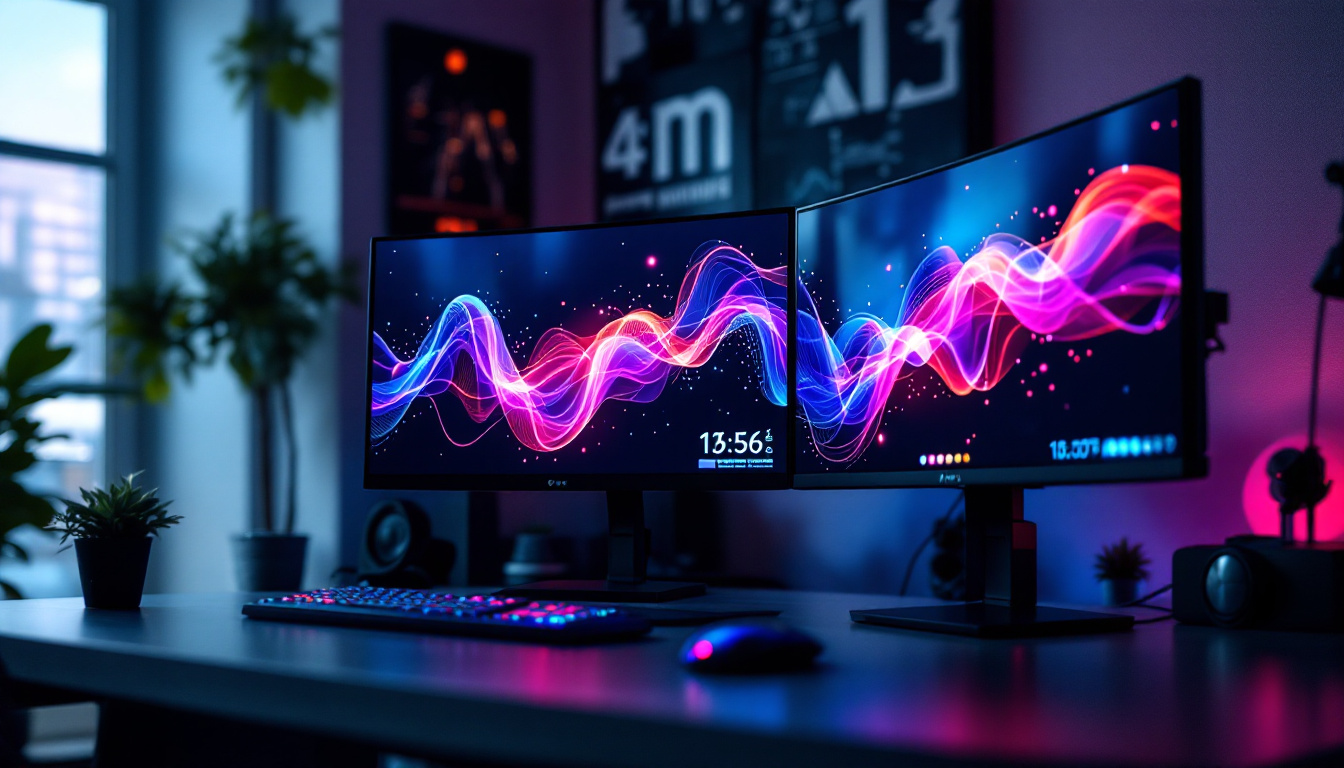
In corporate boardrooms and educational institutions, motorized screens paired with LED displays facilitate dynamic presentations and interactive learning. The motorized feature allows quick setup and teardown, while LED displays ensure visibility in rooms with varying lighting conditions. This combination supports multimedia content, video conferencing, and collaborative workshops effectively.
Public Venues and Events
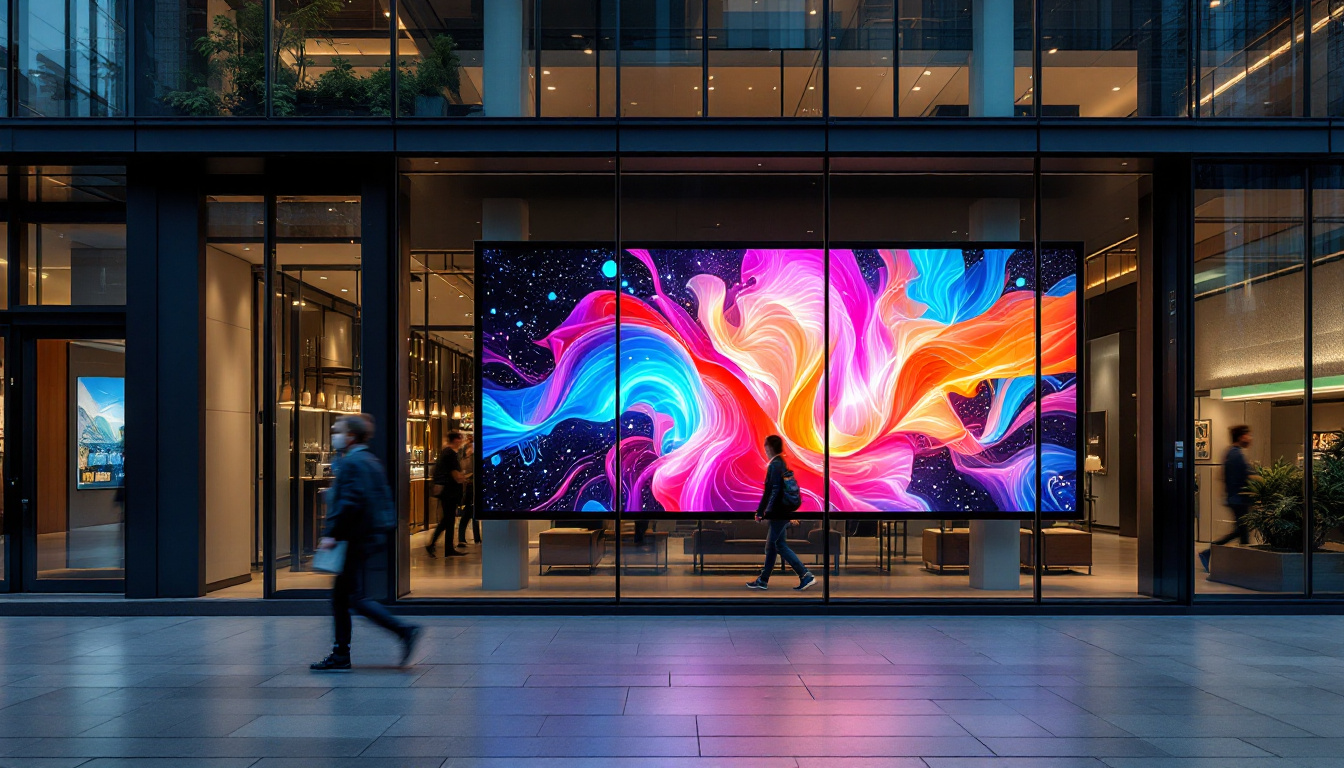
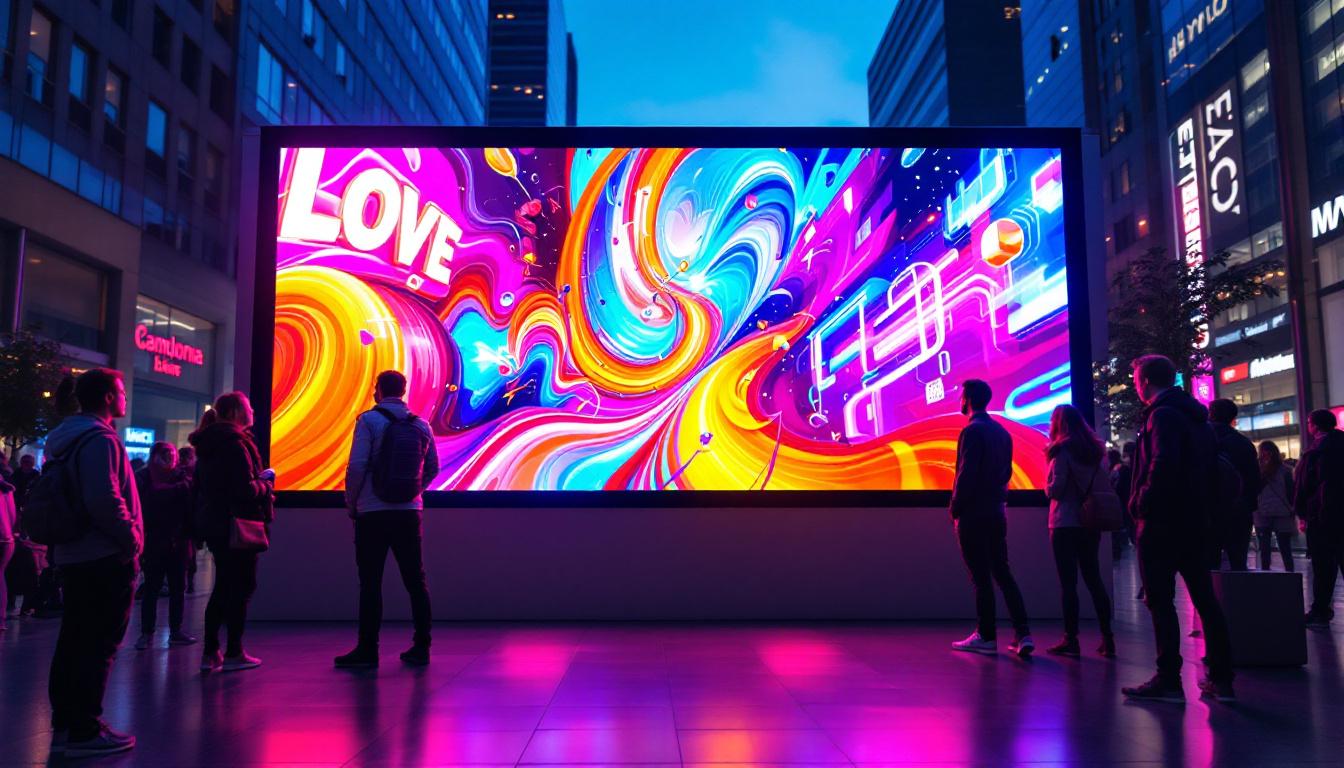
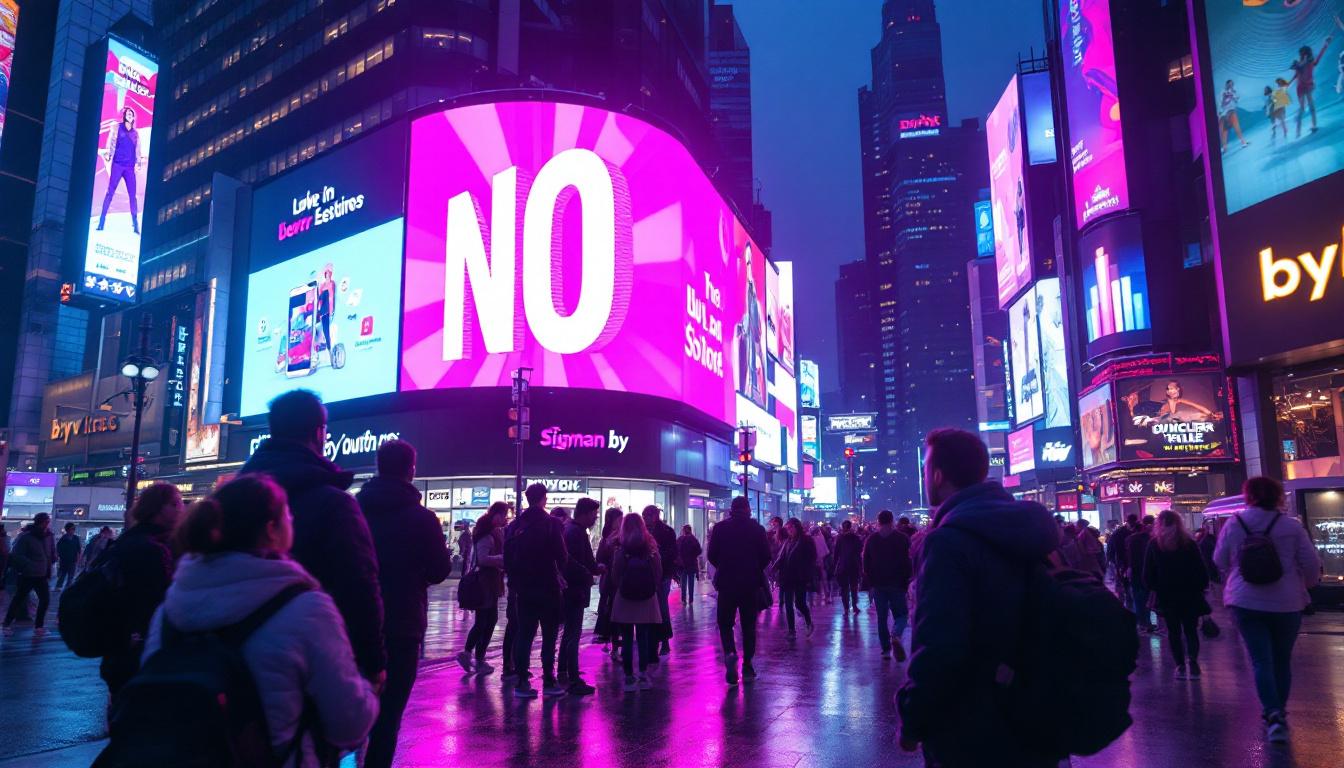
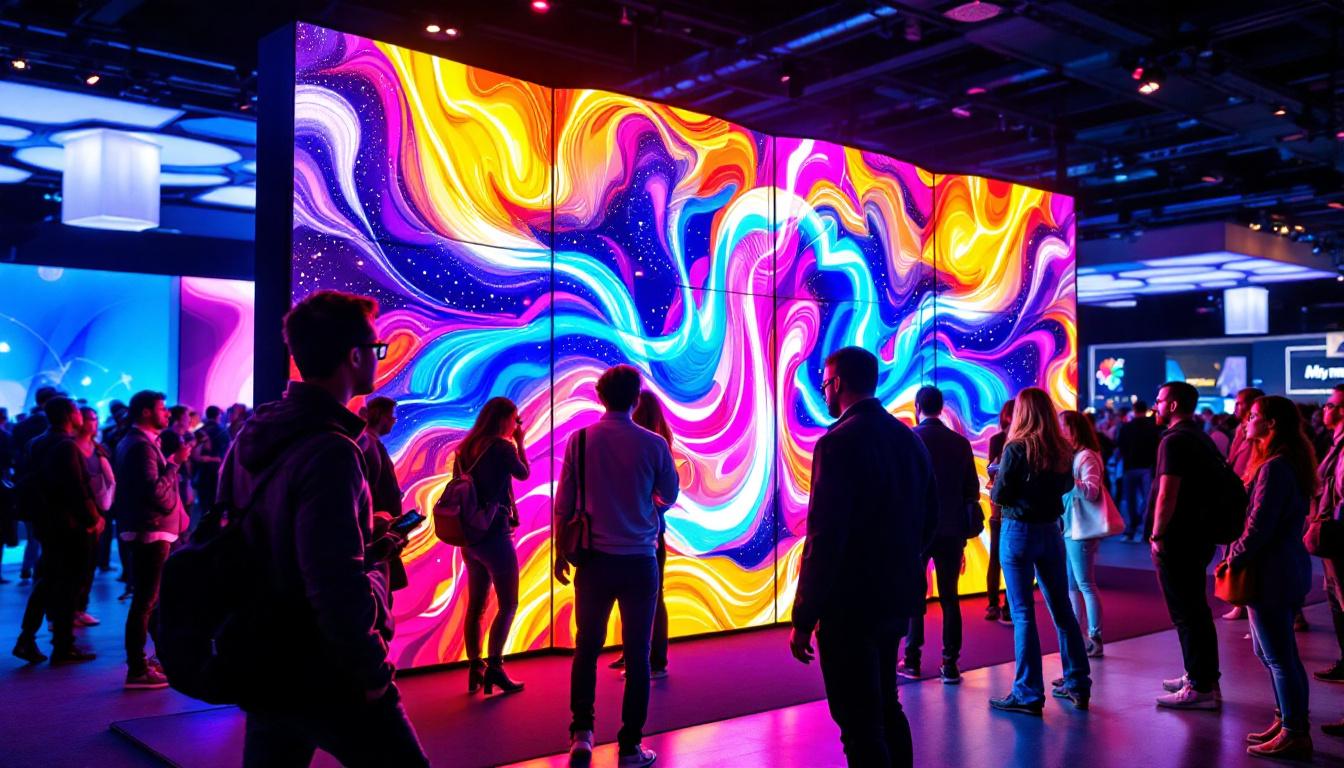
Large-scale events, such as concerts, trade shows, and sports arenas, benefit from the brightness and scalability of LED displays. Motorized screens can be used to reveal or conceal LED panels, stage backdrops, or advertising content, adding dramatic effect and functional flexibility. The durability of LED technology also suits the demanding environments of public venues.
Choosing the Right Motorized Screen and LED Display
Factors to Consider
Selecting the appropriate motorized projector screen and LED display depends on several factors:
- Room Size and Ambient Light: Larger rooms or spaces with high ambient light may benefit more from LED displays or ALR motorized screens.
- Content Type: For video-heavy content with rich colors, LED displays offer superior performance, while static presentations may work well on projection screens.
- Budget Constraints: Motorized screens are generally more affordable than large LED panels, but hybrid solutions can balance cost and performance.
- Installation and Maintenance: Consider the complexity of installation and ongoing maintenance requirements for both technologies.
Emerging Trends and Innovations
The display technology landscape continues to evolve with innovations such as micro-LED and mini-LED displays, offering higher resolution and improved energy efficiency. Motorized screens are also becoming smarter, integrating with home automation systems and voice control. These trends promise even more seamless and immersive visual experiences in the near future.
Conclusion
Motorized projector screens and LED displays each bring unique strengths to the table, and their integration opens new possibilities for high-quality, flexible visual presentations. Understanding the technical aspects, benefits, and applications of these technologies empowers users to make informed decisions tailored to their specific needs. As advancements continue, the synergy between motorized screens and LED displays will undoubtedly shape the future of visual media, delivering captivating experiences across homes, businesses, and public venues.
Discover LumenMatrix’s Innovative LED Display Solutions
Ready to elevate your visual experience with the latest in LED display technology? LumenMatrix is at the forefront of innovation, offering a diverse range of LED display modules designed to bring your content to life. From Indoor and Outdoor LED Wall Displays to specialized solutions like Vehicle LED Displays and LED Sports Displays, our products are crafted to enhance engagement and ensure your message makes a lasting impact. Explore our captivating Floor LED Displays, Custom LED Displays, All-in-One LED Displays, and LED Transparent Displays. Embrace the future of visual communication with LumenMatrix and create unforgettable visual experiences. Check out LumenMatrix LED Display Solutions today and transform the way you share your message.