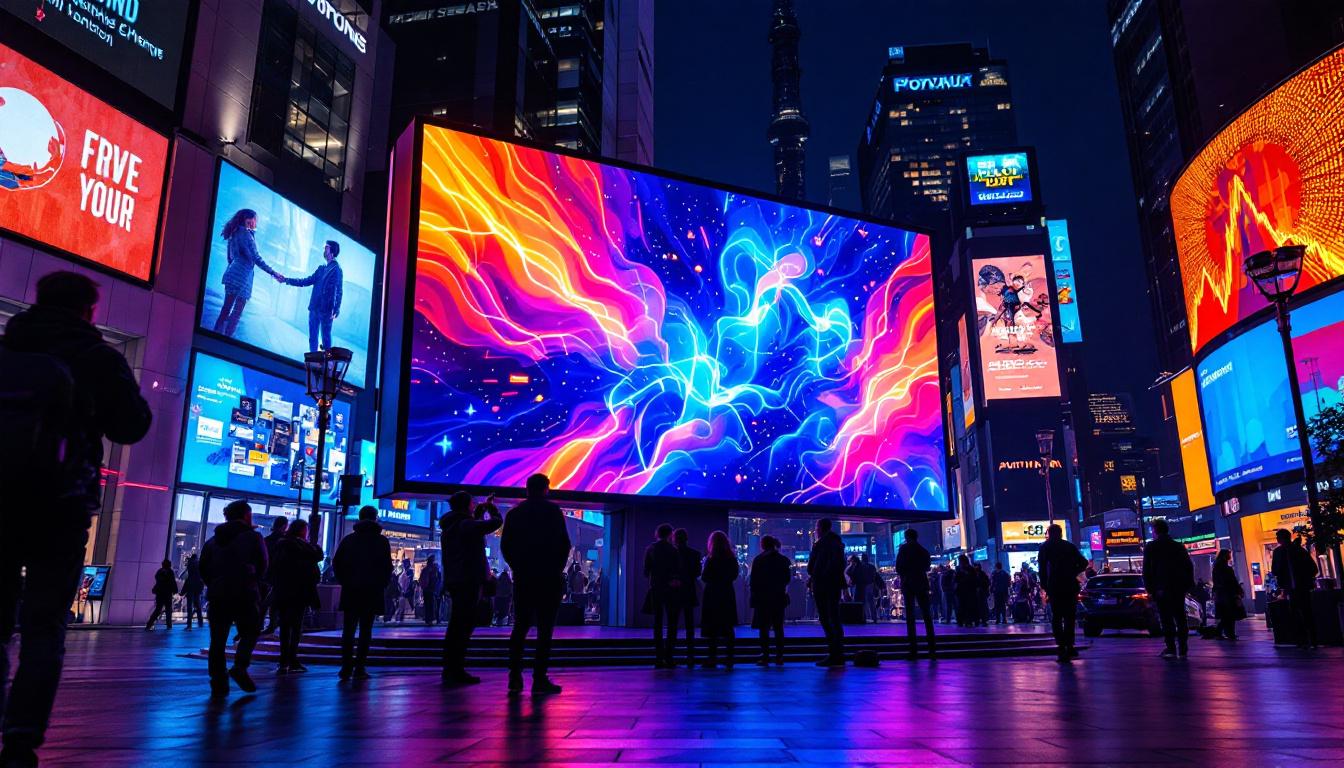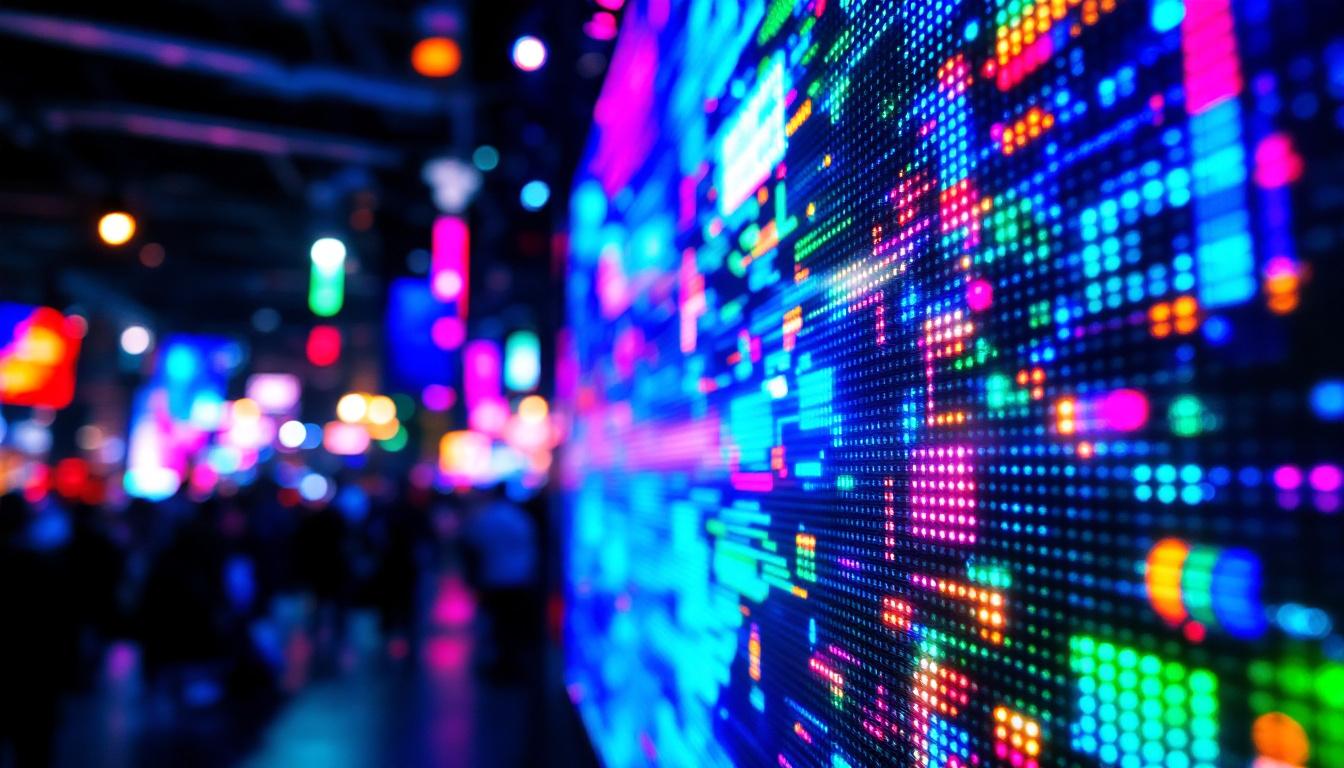
In the rapidly evolving world of digital displays, LED technology has emerged as a leading solution for everything from smartphones to massive outdoor billboards. But what exactly is an LED display, and why has it become so ubiquitous in both consumer and commercial applications? This comprehensive guide will explore the fundamentals of LED displays, their types, advantages, and the innovations shaping their future.
What is an LED Display?
LED stands for Light Emitting Diode, a semiconductor device that emits light when an electric current passes through it. An LED display is a flat panel display that uses an array of these tiny LEDs as pixels to create images, videos, or text. Unlike traditional LCD screens that rely on backlighting, LED displays generate their own light, offering superior brightness and contrast. This self-illuminating property allows LED displays to be viewed in a variety of lighting conditions, making them ideal for both indoor and outdoor environments.
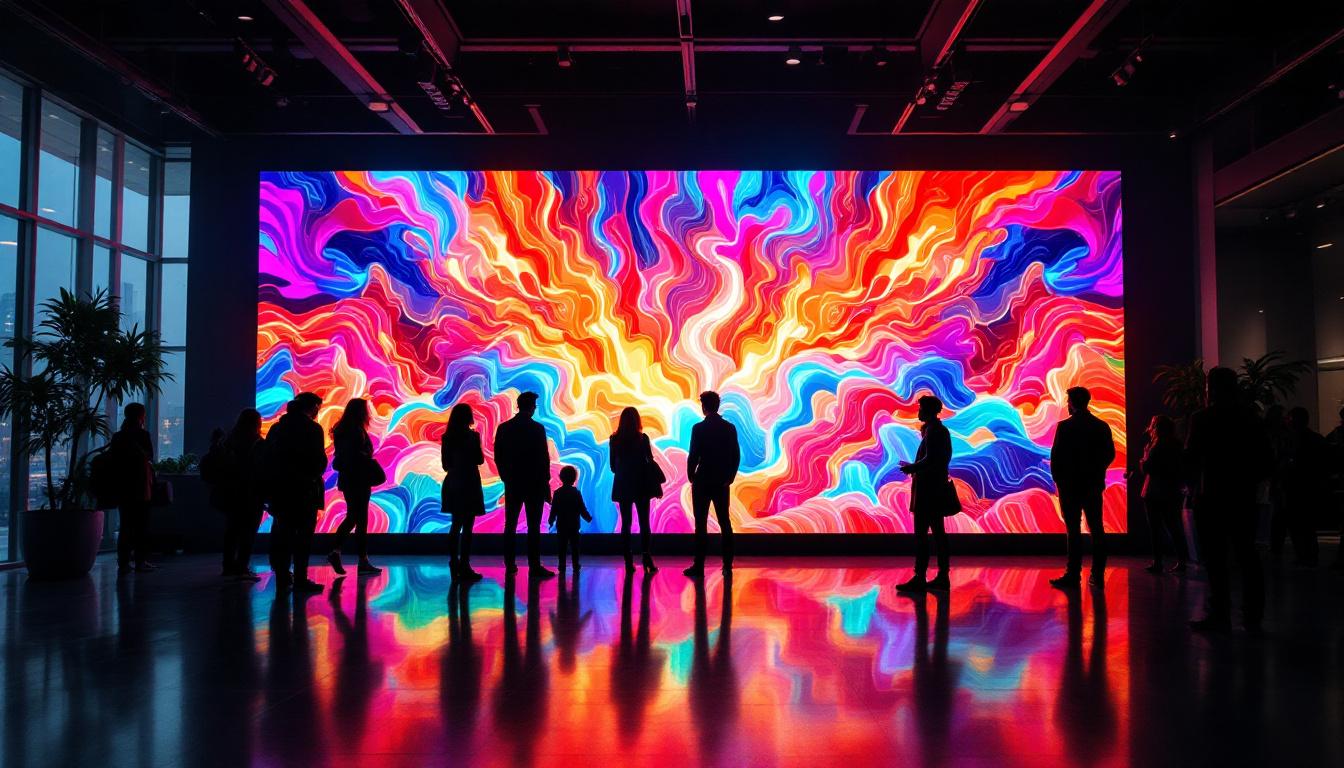
LED displays can vary in size from small indicator lights on electronic devices to massive video walls spanning hundreds of square meters. Their versatility and efficiency have made them the preferred choice for many applications, including television screens, digital signage, sports arenas, and even wearable technology. Furthermore, advancements in LED technology have led to the development of flexible displays, which can be curved or shaped to fit unique designs, enhancing their aesthetic appeal and functionality in modern architecture and advertising.
How LED Displays Work
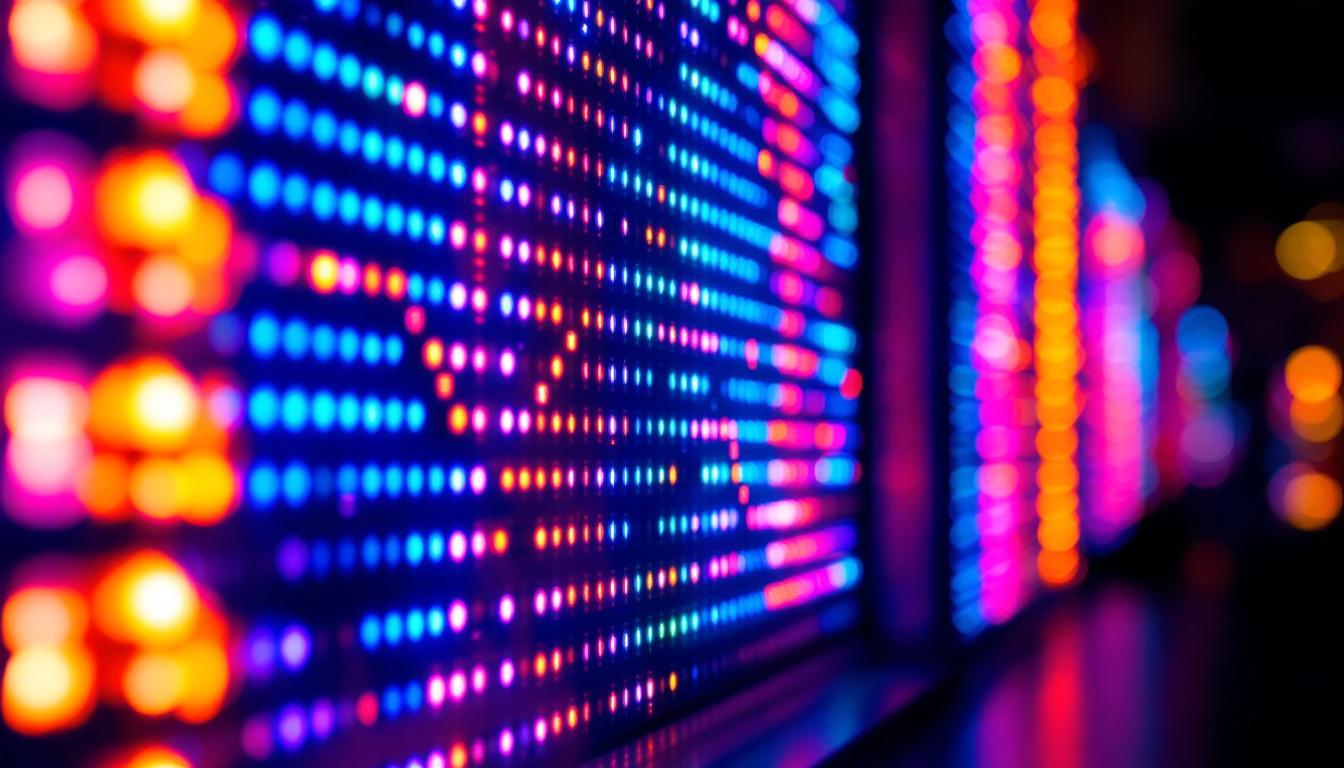
At the core of an LED display is the pixel, the smallest unit of the image. Each pixel typically consists of three sub-pixels: red, green, and blue LEDs. By adjusting the intensity of these sub-pixels, the display can produce a wide spectrum of colors. This process is called additive color mixing. The ability to create millions of colors makes LED displays particularly effective for applications requiring vivid imagery, such as video games and high-definition films.
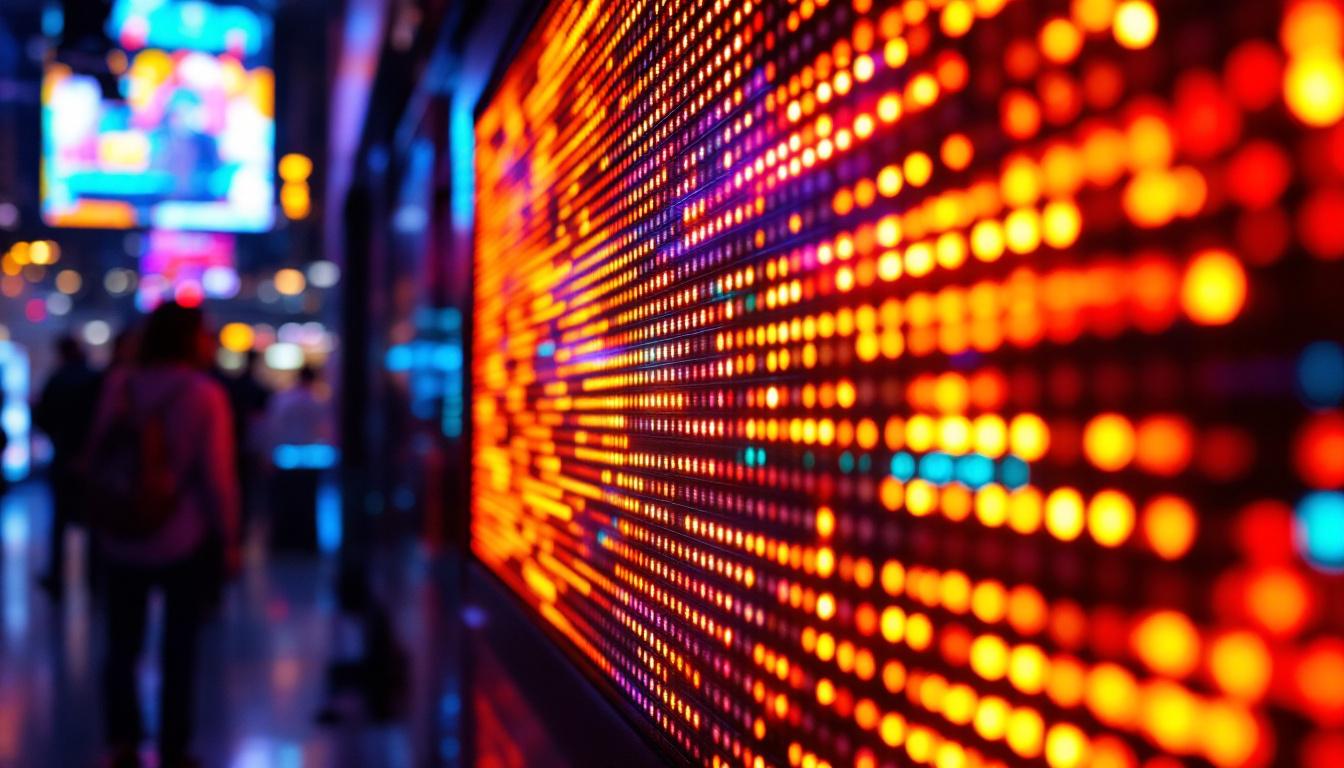
The LEDs are arranged in a grid pattern, controlled by integrated circuits that manage the timing and brightness of each diode. This precise control enables the display to render high-resolution images with vibrant colors and deep blacks, which are difficult to achieve with other display technologies. Moreover, the rapid response time of LEDs allows for smooth transitions and animations, making them suitable for dynamic content. Many modern LED displays also incorporate advanced technologies such as HDR (High Dynamic Range) and local dimming, further enhancing the visual experience by providing greater detail in both bright and dark scenes.
Types of LED Displays
Understanding the different types of LED displays is crucial for selecting the right technology for a specific application. The two primary categories are direct-view LED displays and LED-backlit LCDs.
Direct-View LED Displays
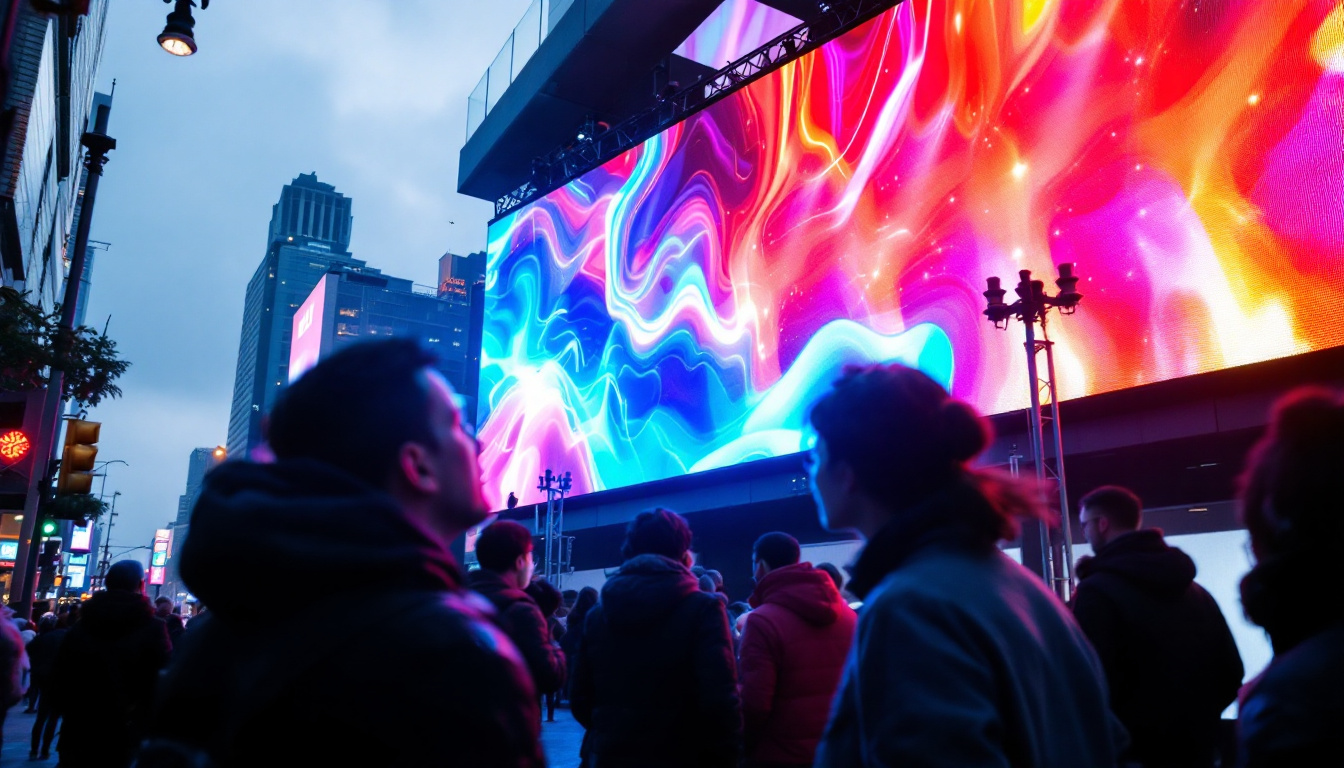
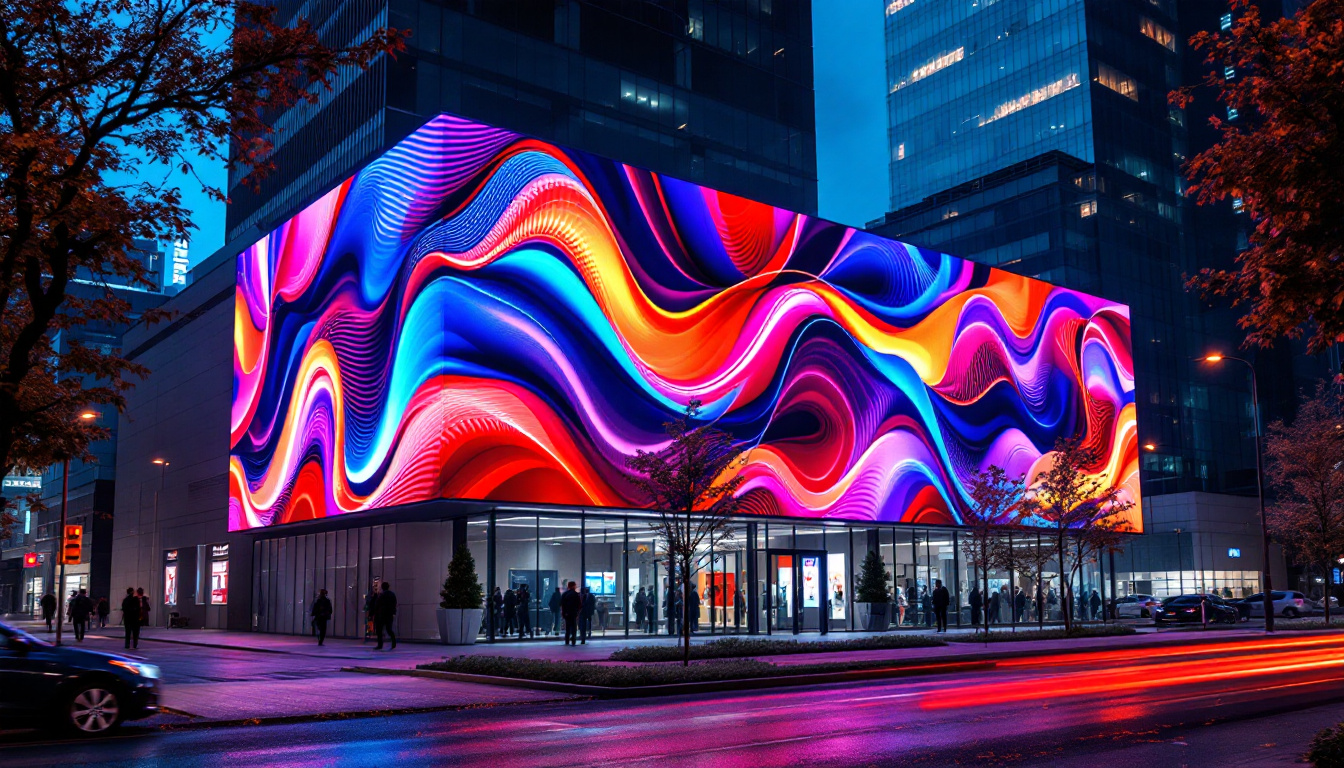
Direct-view LED displays consist of individual LEDs that emit light directly to the viewer. These displays are commonly used in outdoor advertising, stadium screens, and large-scale event backdrops. Their high brightness levels make them easily visible even in direct sunlight.
One of the key advantages of direct-view LED displays is their scalability. They can be built in virtually any size or shape by combining multiple LED modules. Additionally, they offer excellent viewing angles and fast refresh rates, making them ideal for dynamic content such as live video feeds and animations.
LED-Backlit LCD Displays
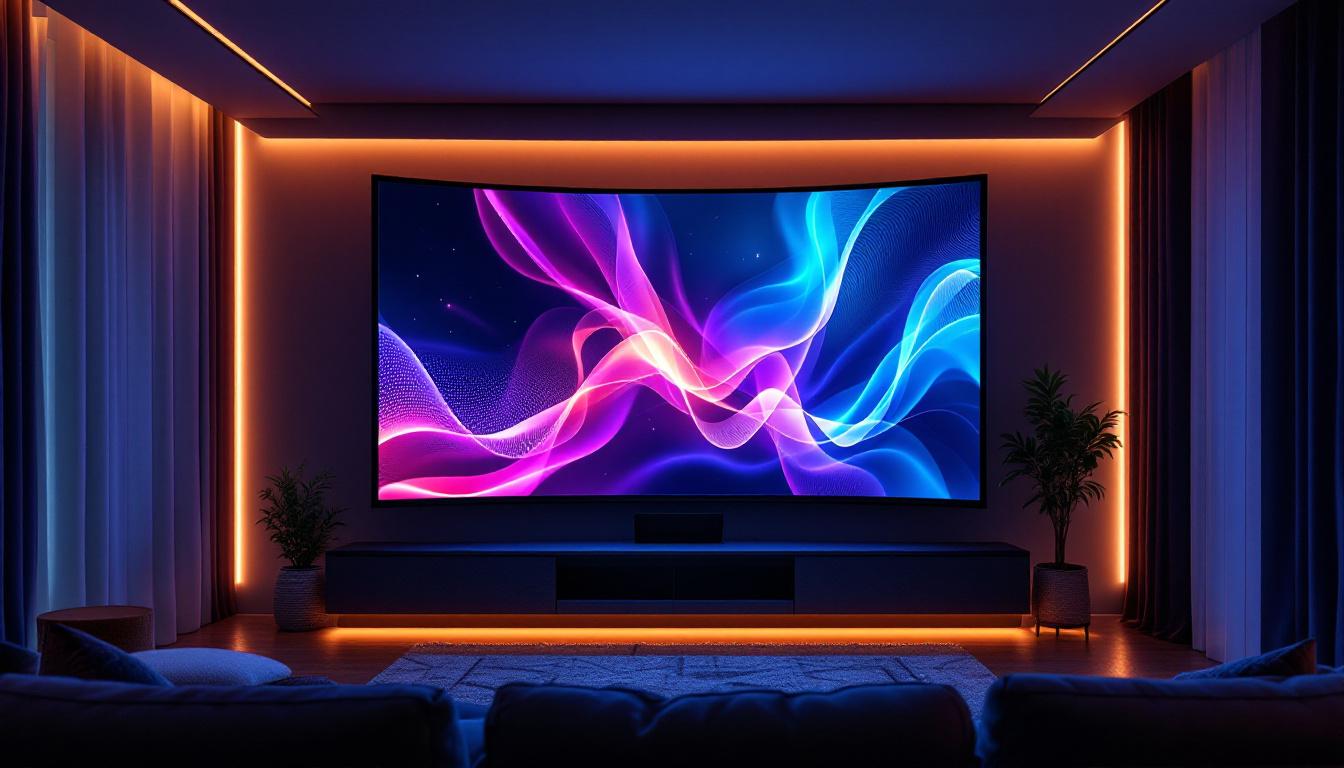
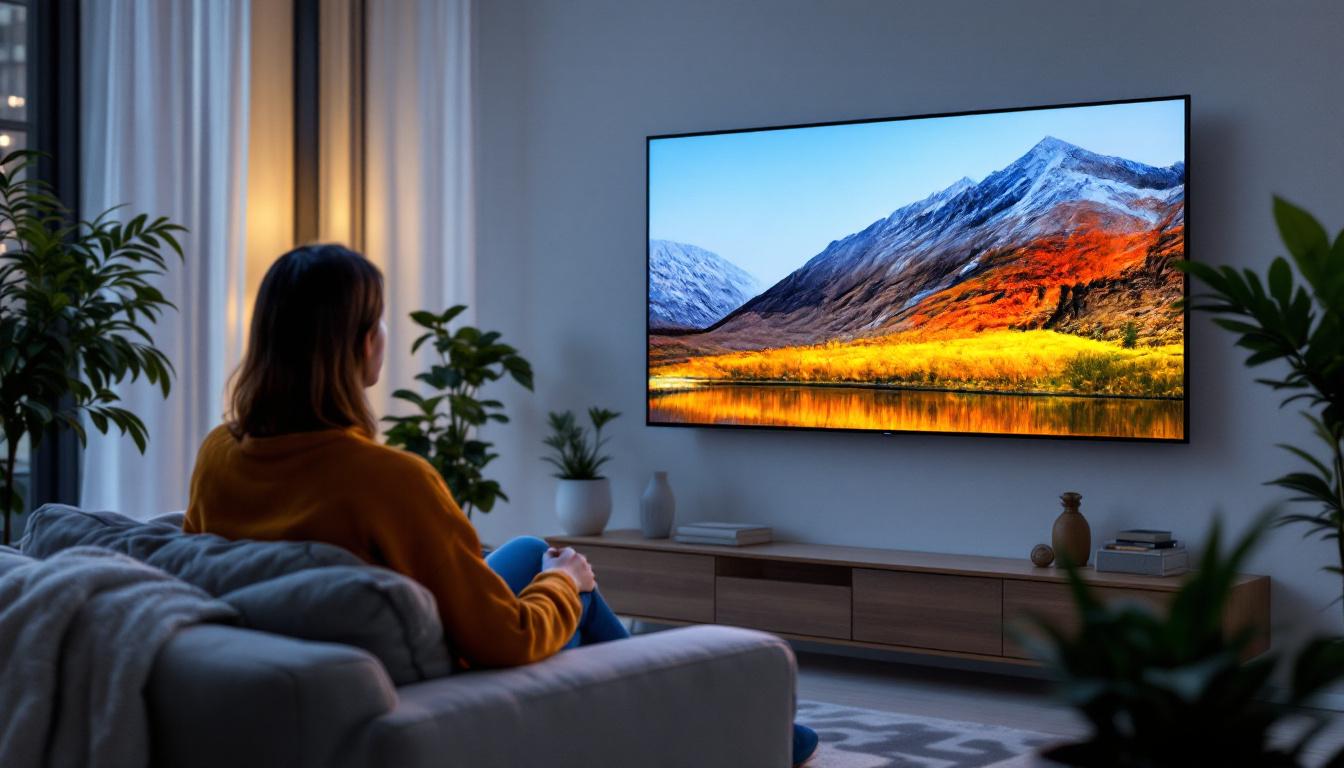
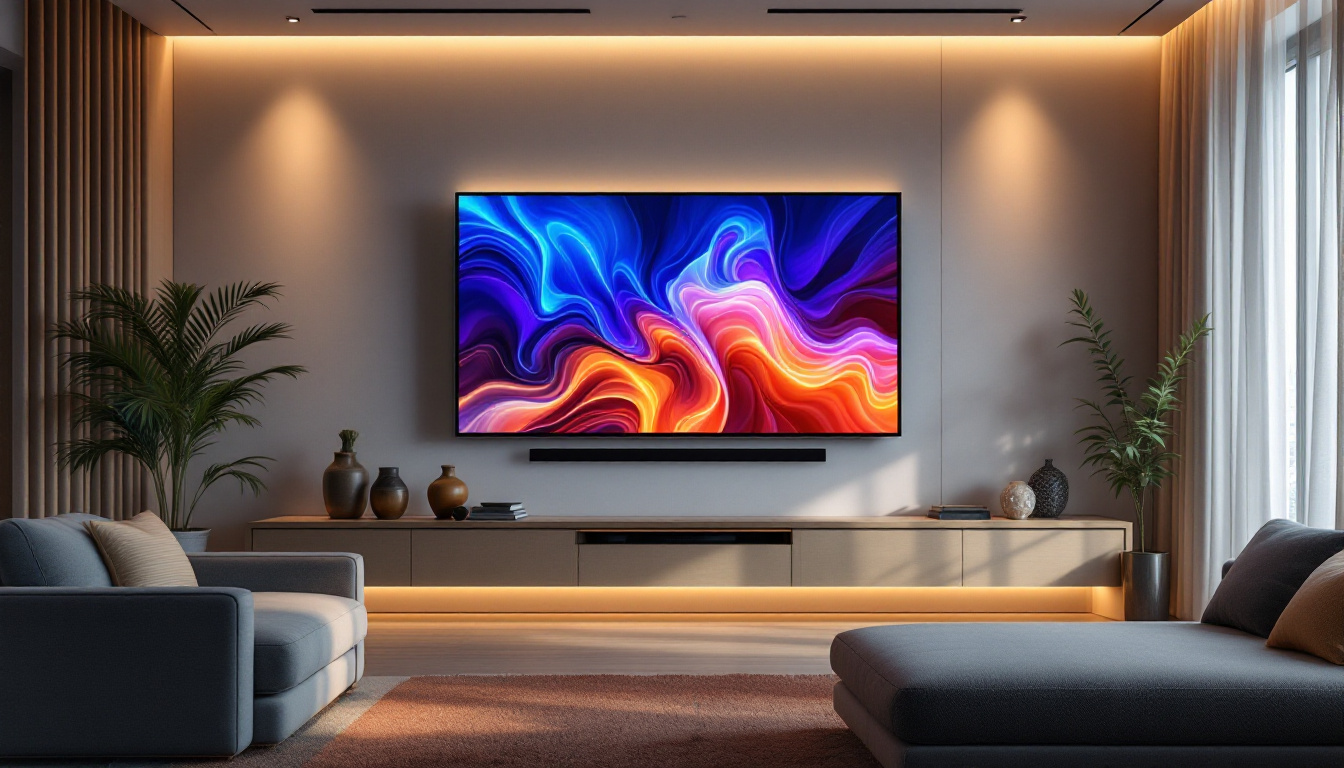
LED-backlit LCDs use LEDs as a light source behind a liquid crystal display panel. This technology is prevalent in consumer electronics like smartphones, laptops, and televisions. While the LCD panel controls the image formation, the LED backlight enhances brightness and color accuracy.
This hybrid approach benefits from the energy efficiency and slim profile of LEDs while leveraging the high resolution and color fidelity of LCD technology. However, LED-backlit LCDs typically cannot match the contrast ratios and viewing angles of direct-view LED displays.
Advantages of LED Displays
LED displays have revolutionized the way visual information is presented, offering several significant advantages over traditional display technologies.
Brightness and Visibility
One of the most notable benefits of LED displays is their exceptional brightness. Modern direct-view LED screens can achieve brightness levels exceeding 5,000 nits, making them visible even under intense sunlight. This feature is particularly important for outdoor digital signage and public information displays.
Energy Efficiency
LEDs are inherently energy-efficient because they convert a higher percentage of electrical energy into visible light compared to incandescent or fluorescent sources. According to the U.S. Department of Energy, LED lighting can use up to 75% less energy than traditional lighting technologies. This efficiency translates into lower operating costs and reduced environmental impact for large-scale LED display installations.
Longevity and Durability
LEDs have a long operational lifespan, often rated between 50,000 to 100,000 hours of use. This durability reduces maintenance requirements and replacement costs. Additionally, LED displays are robust and resistant to shock and vibration, making them suitable for both indoor and outdoor environments.
Color Accuracy and Contrast
Because each LED emits light individually, LED displays can achieve true black levels by turning off pixels completely. This capability results in higher contrast ratios and more vivid colors, enhancing the overall viewing experience. This is a key reason why premium televisions and professional displays often utilize direct-view LED technology.
Applications of LED Displays
The versatility of LED displays has led to their adoption across a broad range of industries and use cases.
Advertising and Digital Signage
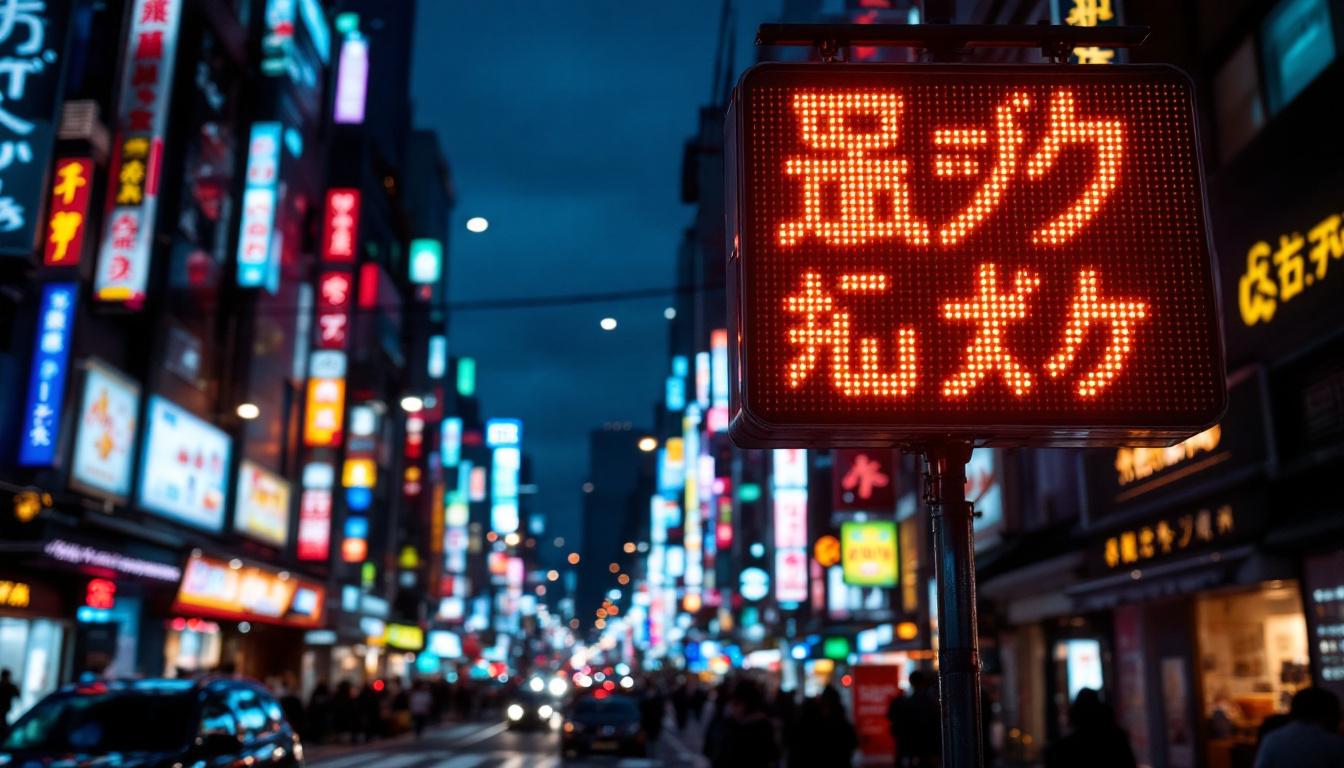
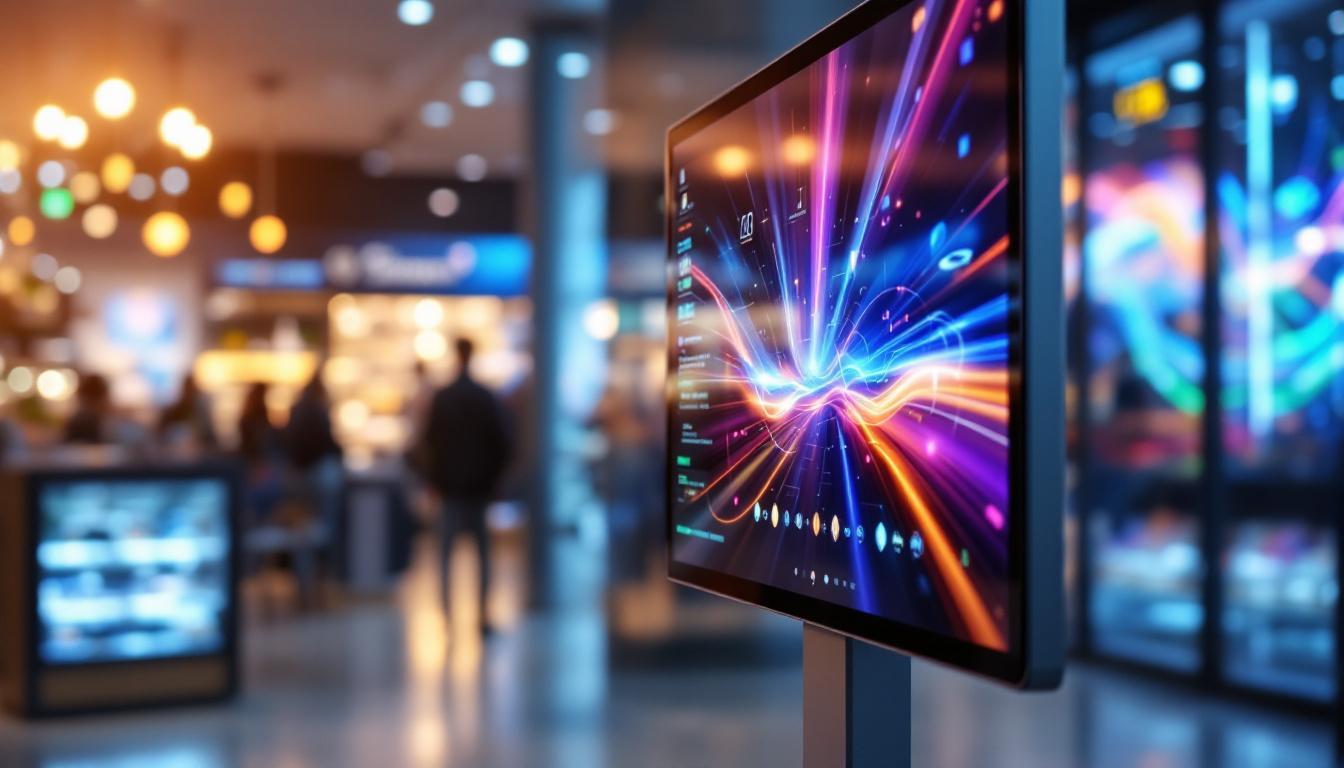
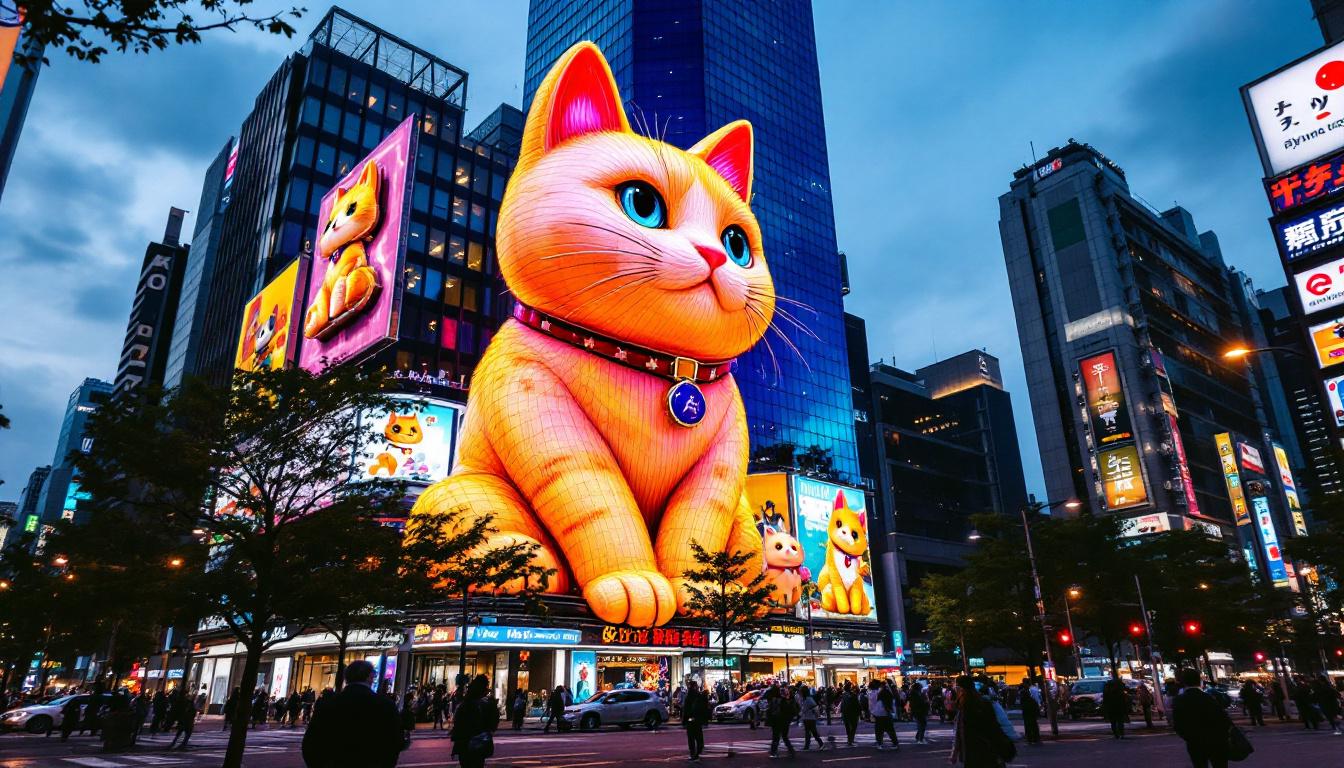
Outdoor LED billboards and digital signage have transformed advertising by enabling dynamic, eye-catching content that can be updated in real-time. According to a recent report by Grand View Research, the global digital signage market is expected to reach $32.84 billion by 2028, driven largely by LED display technology. Retailers, transportation hubs, and event venues increasingly rely on LED displays to engage audiences and deliver targeted messages.
Entertainment and Sports Venues
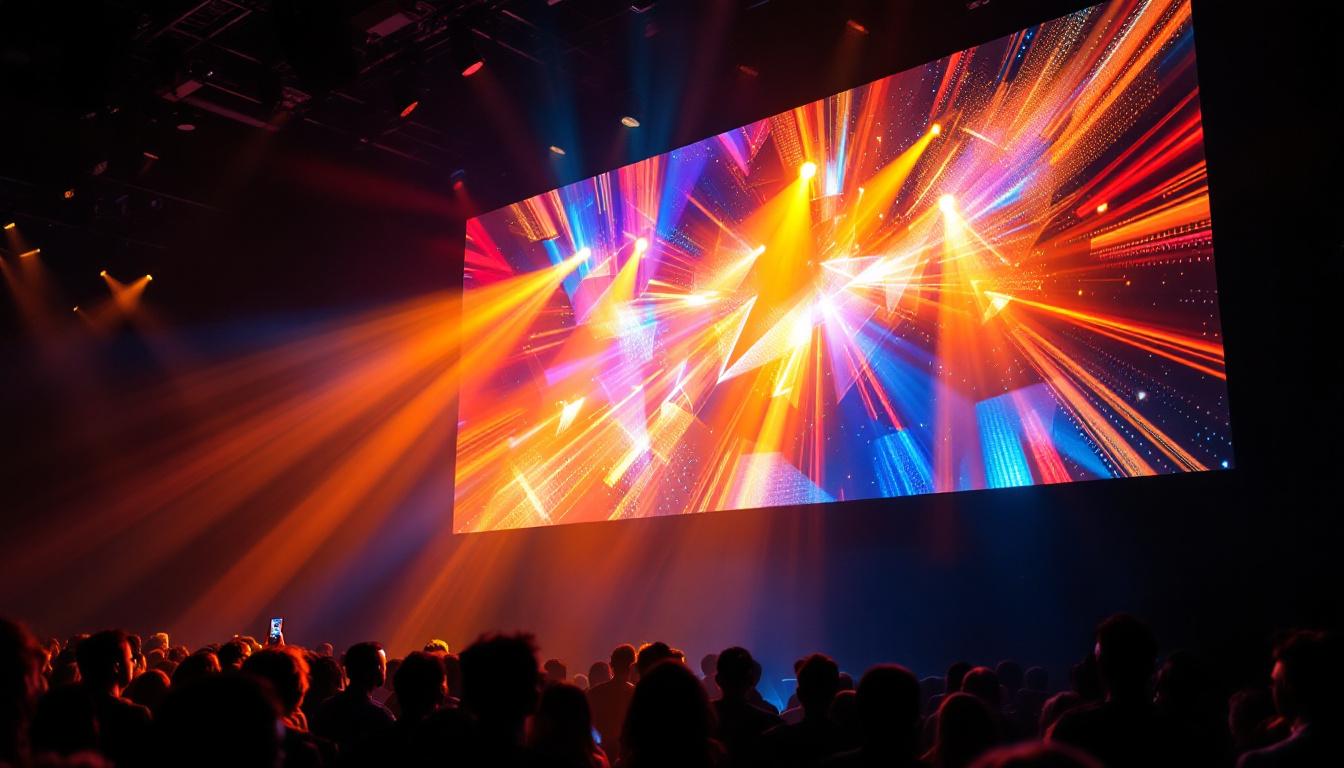
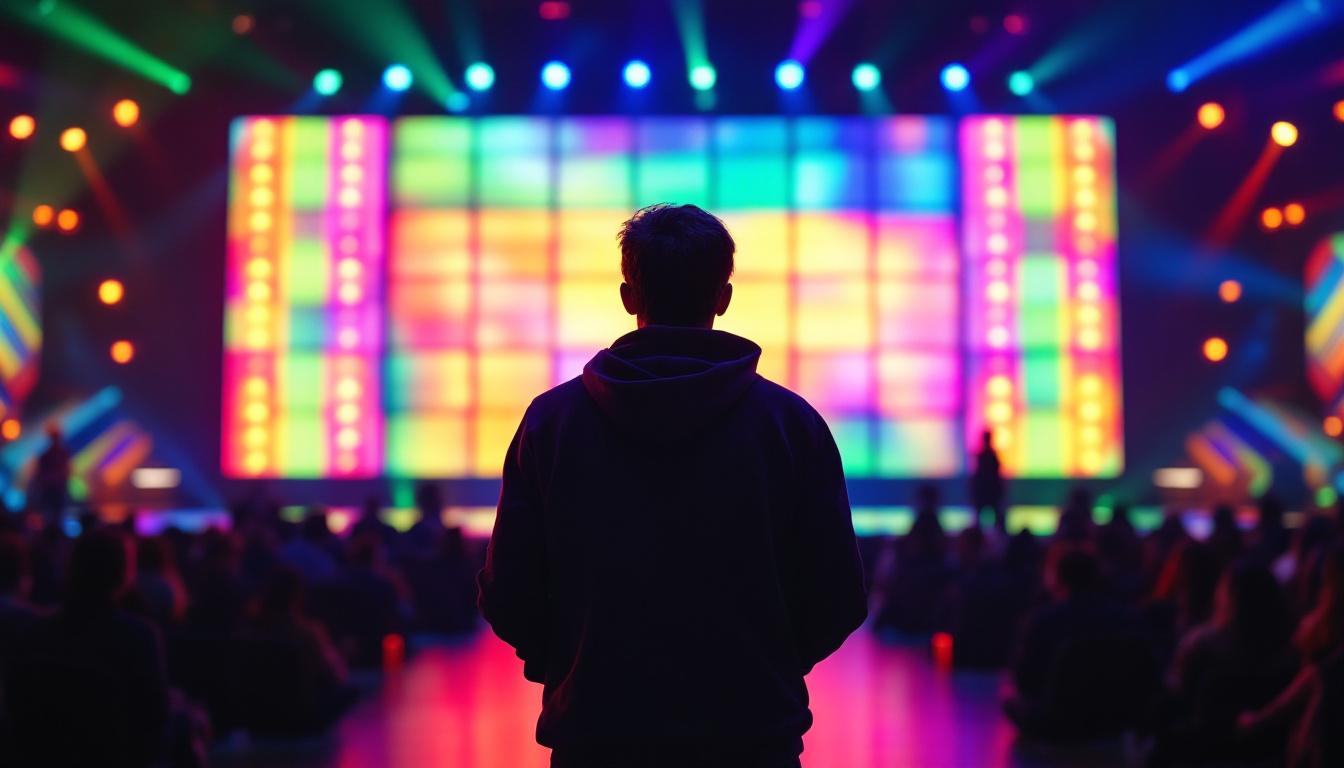
Stadiums and concert arenas use massive LED video walls to provide spectators with close-up views, replays, and interactive content. The ability to create curved, flexible, or transparent LED panels allows designers to integrate displays seamlessly into architectural features, enhancing the immersive experience.
Consumer Electronics
From smartphones to televisions, LED technology underpins many of today’s most popular devices. OLED (Organic LED) displays, a subset of LED technology, offer even higher contrast and thinner form factors, pushing the boundaries of design and image quality in consumer products.
Transportation and Public Information
LED displays are widely used in airports, train stations, and bus terminals to provide real-time information. Their high visibility and reliability ensure that travelers receive timely updates on schedules, delays, and safety announcements.
Innovations and Future Trends in LED Display Technology
The LED display industry continues to innovate, driven by demands for higher resolution, flexibility, and energy efficiency.
MicroLED and MiniLED Technologies
MicroLED and MiniLED represent the next generation of LED displays. MicroLEDs are microscopic LEDs that can be assembled into displays with exceptional brightness, contrast, and energy efficiency, rivaling and potentially surpassing OLED technology. MiniLEDs, on the other hand, use thousands of tiny LEDs as backlighting for LCD panels, improving contrast and color accuracy without the burn-in risks associated with OLEDs.
These technologies are already being integrated into high-end televisions and monitors, promising better performance and longer lifespans.
Flexible and Transparent LED Displays
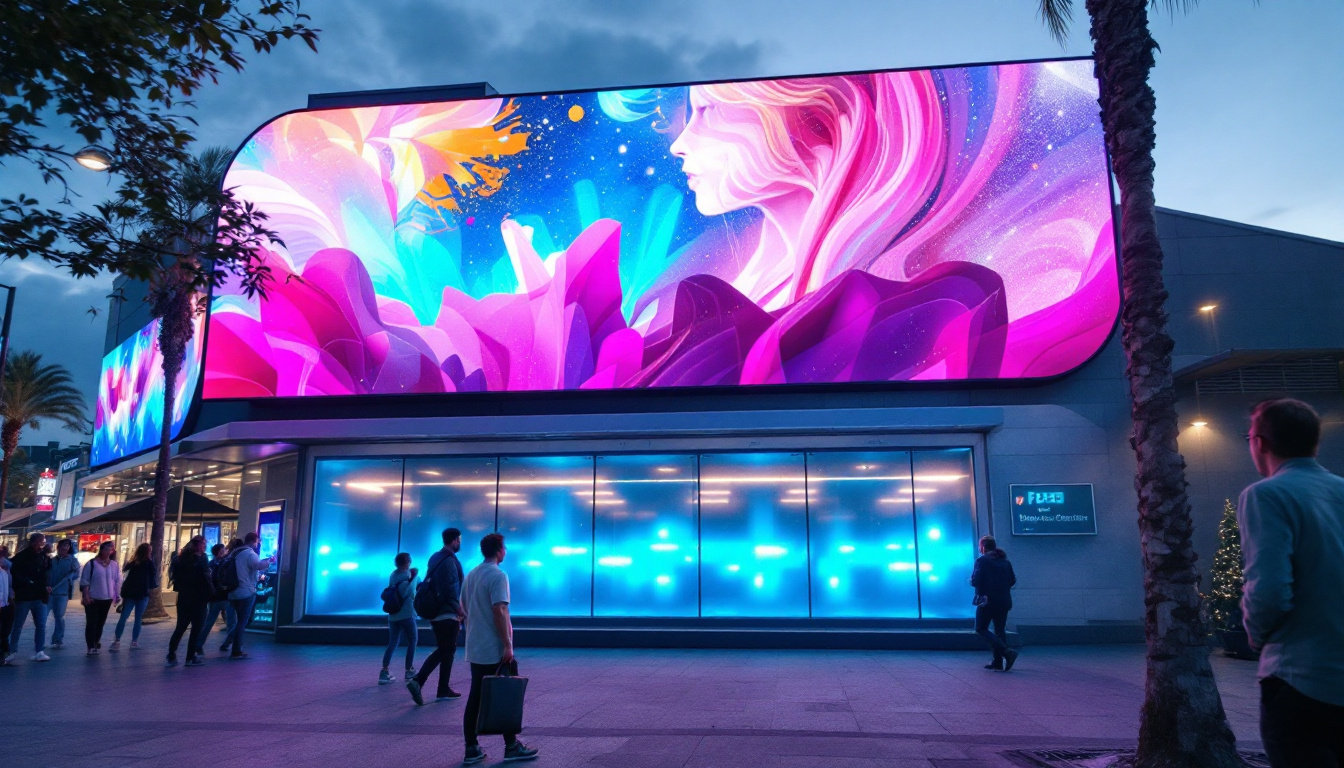
Advancements in materials science have enabled the creation of flexible and transparent LED displays. These innovations open new possibilities for integrating displays into curved surfaces, windows, and wearable devices. Transparent LED panels, for example, can turn store windows into dynamic advertising spaces without obstructing the view.
AI and Smart LED Displays
Artificial intelligence is increasingly being used to optimize LED display content and performance. Smart LED displays can adjust brightness based on ambient light, tailor advertising content to viewer demographics, and even interact with users through gesture recognition and facial analysis. These capabilities enhance user engagement and improve the effectiveness of digital signage.
Choosing the Right LED Display
Selecting the appropriate LED display depends on several factors, including application, environment, budget, and desired features.
Consider Resolution and Pixel Pitch
Resolution refers to the number of pixels in the display, while pixel pitch is the distance between individual LEDs. A smaller pixel pitch results in higher resolution and sharper images, which is critical for close viewing distances. For example, indoor displays typically require pixel pitches between 1mm and 4mm, whereas outdoor displays can have larger pixel pitches of 6mm or more due to greater viewing distances.
Assess Environmental Conditions
Outdoor LED displays must withstand weather, temperature fluctuations, and direct sunlight. Look for displays with high IP ratings for water and dust resistance, as well as robust cooling systems to maintain performance.
Evaluate Brightness and Contrast Requirements
Brightness is essential for visibility, especially in outdoor or brightly lit environments. Contrast affects image quality and viewer experience. Ensure the display meets the specific lighting conditions of the installation site.
Budget and Maintenance
While LED displays can have higher upfront costs compared to other technologies, their energy efficiency and durability often result in lower total cost of ownership. Consider maintenance requirements, warranty, and the availability of technical support when making a decision.
Conclusion
LED displays have transformed the way visual content is delivered across industries, offering unparalleled brightness, energy efficiency, and versatility. From the massive screens that light up cityscapes to the high-resolution panels in consumer devices, LED technology continues to evolve, pushing the boundaries of what is possible in digital display technology.
Understanding the different types of LED displays, their advantages, and the latest innovations is essential for businesses and consumers looking to invest in this dynamic technology. As advancements like MicroLED, flexible panels, and AI integration become mainstream, LED displays will undoubtedly play an even more significant role in shaping the future of visual communication.
Discover LumenMatrix’s Innovative LED Display Solutions
Ready to elevate your visual experience with the latest in LED display technology? LumenMatrix is at the forefront of innovation, offering a diverse range of LED display modules designed to captivate and engage. From vibrant Indoor and Outdoor LED Wall Displays to dynamic Vehicle and Sports LED Displays, our solutions are tailored to meet your unique needs. Whether you’re looking to create an immersive Floor LED Display, a sleek LED Poster Display, or require a Custom or All-in-One LED solution, LumenMatrix has you covered. Experience the future of visual communication with our LED Transparent Displays and revolutionize how you connect with your audience. Check out LumenMatrix LED Display Solutions today and transform your brand’s visibility with unparalleled clarity and impact.