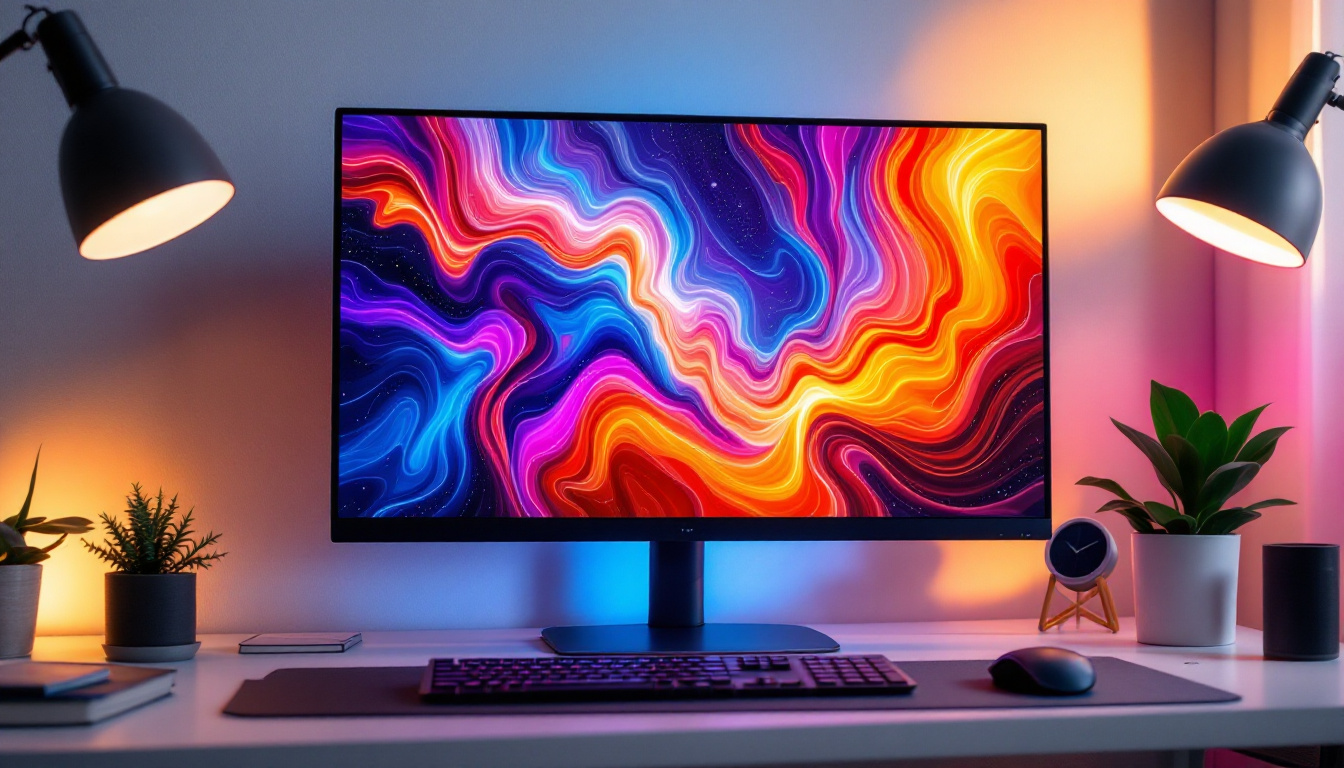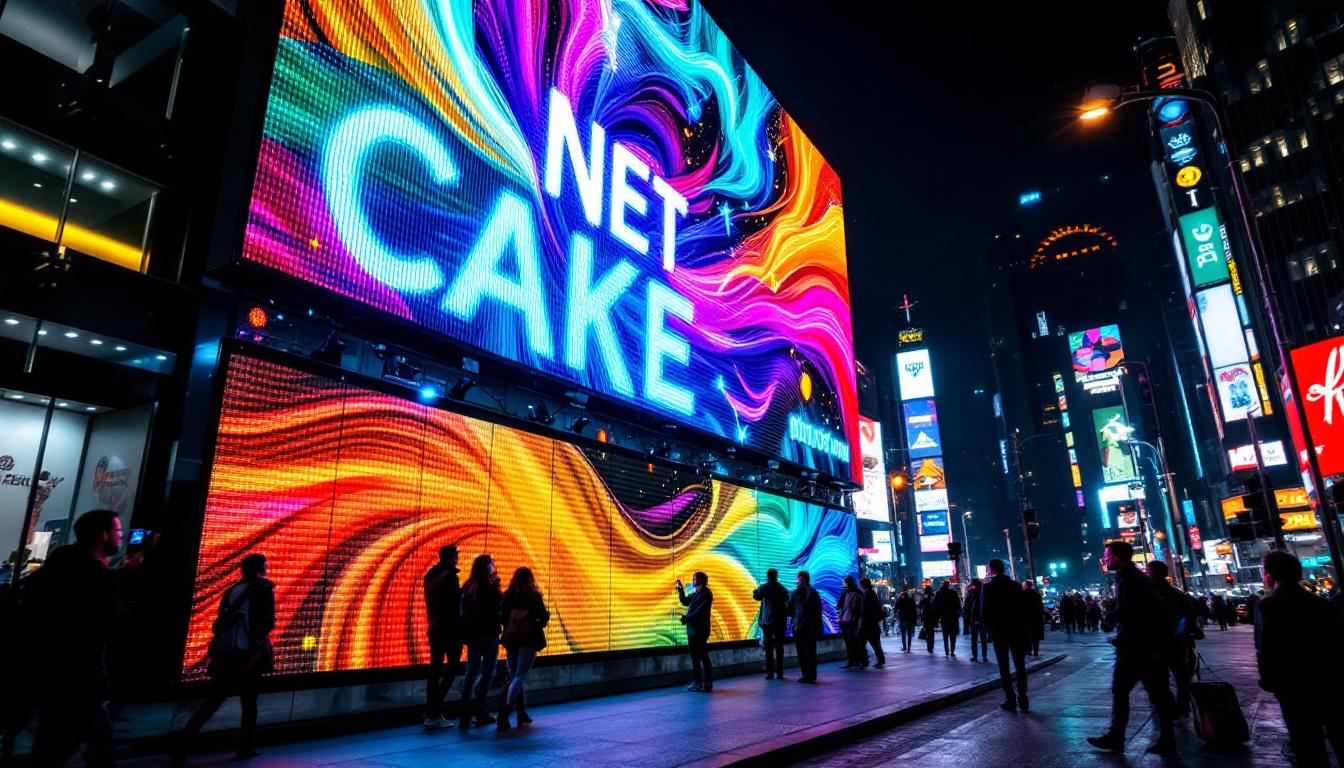
In today’s fast-paced world, capturing attention quickly and effectively is more important than ever. LED displays have become a cornerstone of modern advertising, information dissemination, and public communication. From vibrant billboards to dynamic indoor signage, LED technology offers unparalleled brightness, flexibility, and energy efficiency. This article explores the fundamentals of LED displays, their applications, technological advancements, and why they are a smart investment for businesses and organizations.
Understanding LED Display Technology
LED stands for Light Emitting Diode, a semiconductor device that emits light when an electric current passes through it. Unlike traditional lighting technologies such as incandescent or fluorescent bulbs, LEDs are highly efficient, durable, and capable of producing vivid colors with excellent brightness. The energy efficiency of LEDs is particularly noteworthy; they consume significantly less power than their predecessors, leading to lower electricity bills and a reduced carbon footprint. This efficiency, combined with their long lifespan, makes LEDs an environmentally friendly option, contributing to sustainability efforts across various industries.
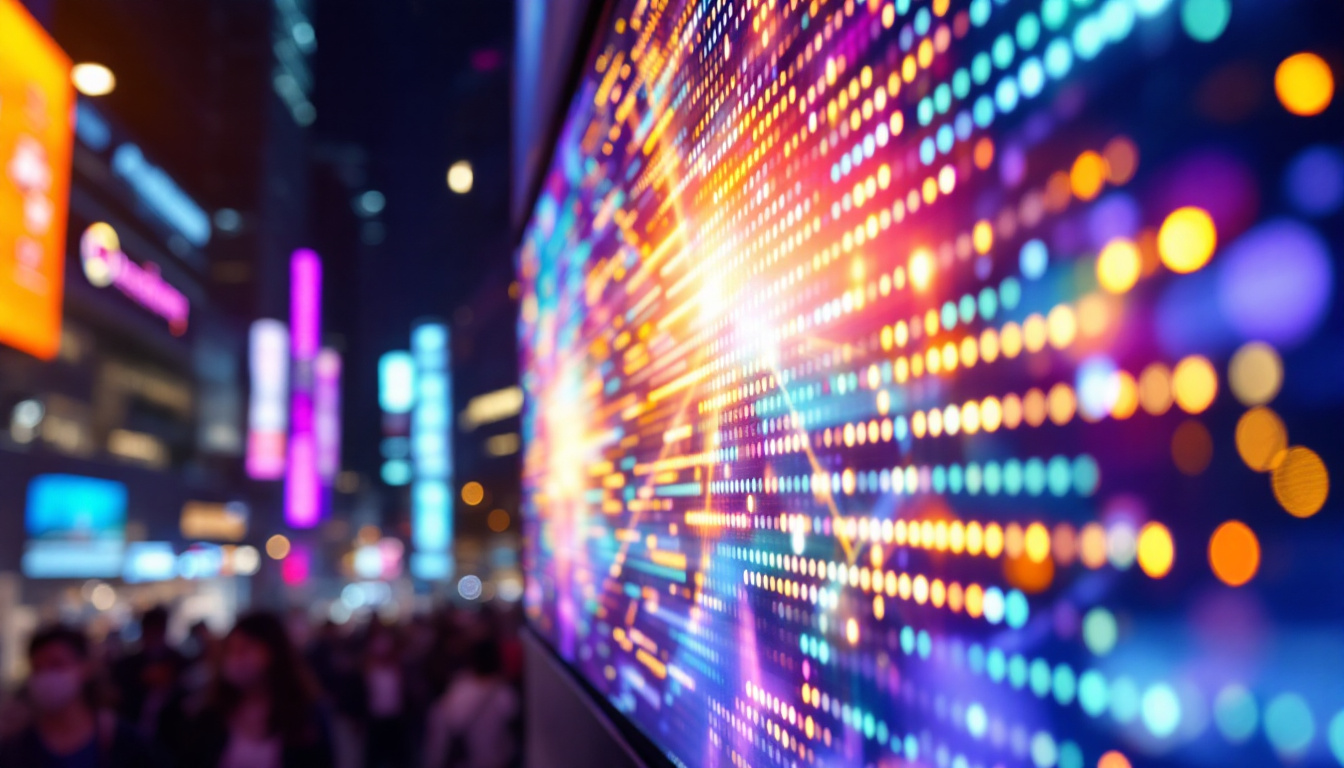
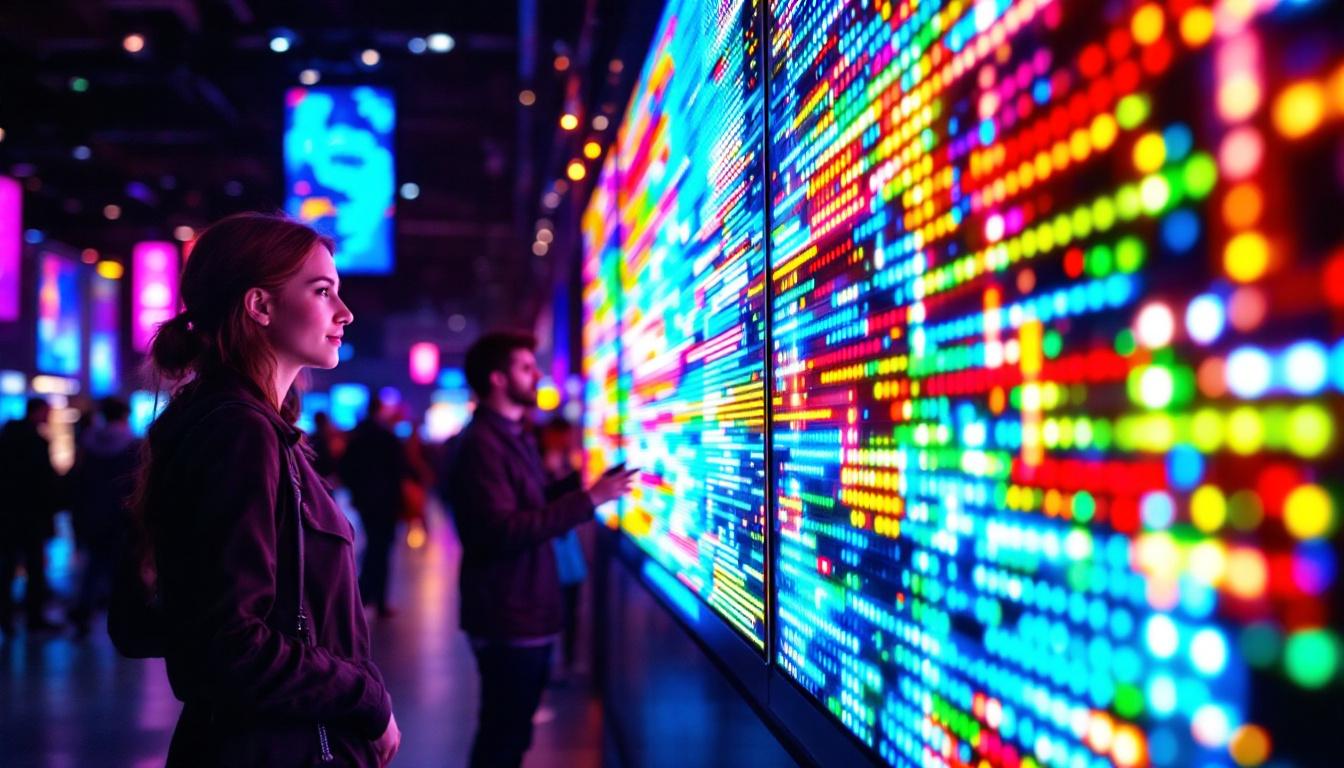
LED displays are composed of thousands to millions of these tiny diodes arranged in a matrix. Each diode acts as a pixel, and by controlling the intensity and color of each pixel, the display can render images, videos, text, and animations with remarkable clarity. The technology behind LED displays has evolved rapidly, enabling larger, higher-resolution, and more energy-efficient screens than ever before. Innovations such as quantum dot technology and microLEDs are pushing the boundaries of display capabilities, resulting in richer colors and deeper contrasts that enhance the viewing experience. As a result, LED displays are increasingly being adopted in various fields, from entertainment to education, where visual impact is crucial.
Types of LED Displays
There are several types of LED displays, each suited to different environments and purposes:
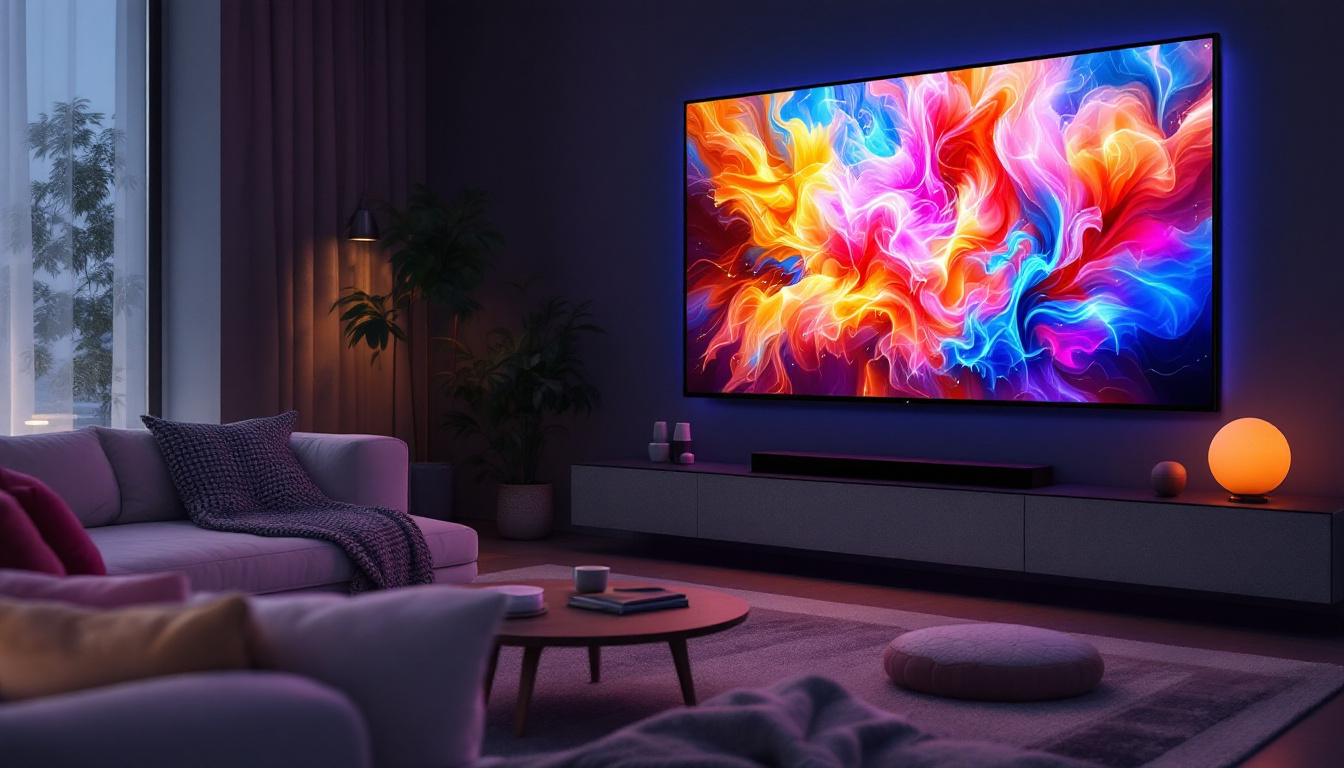
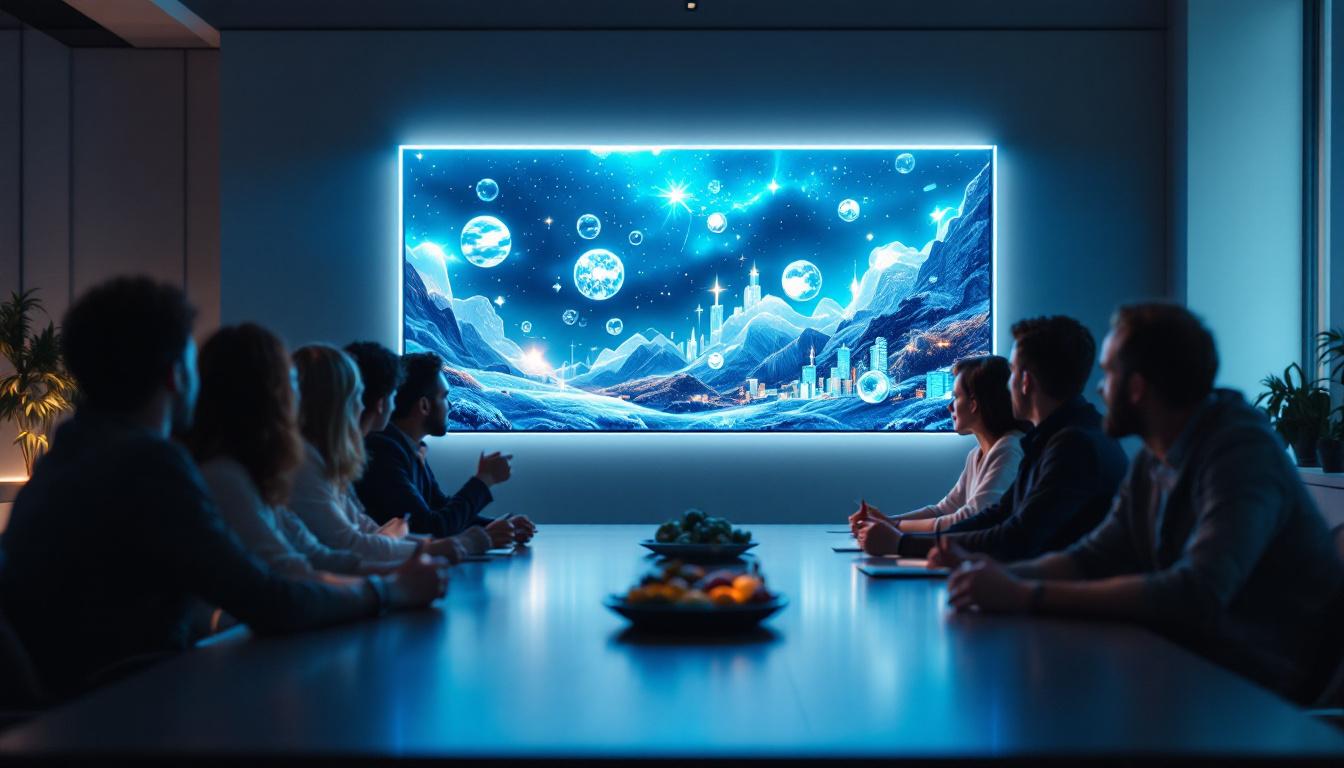
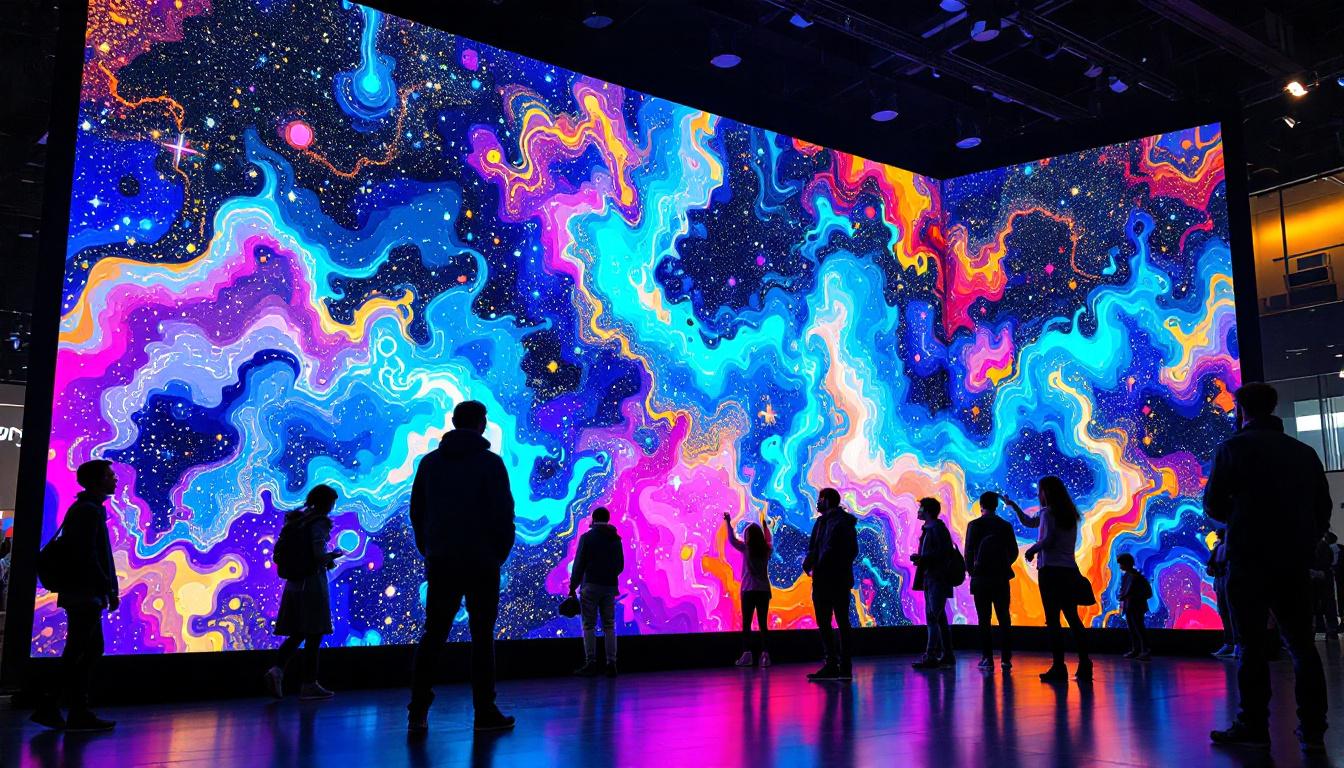
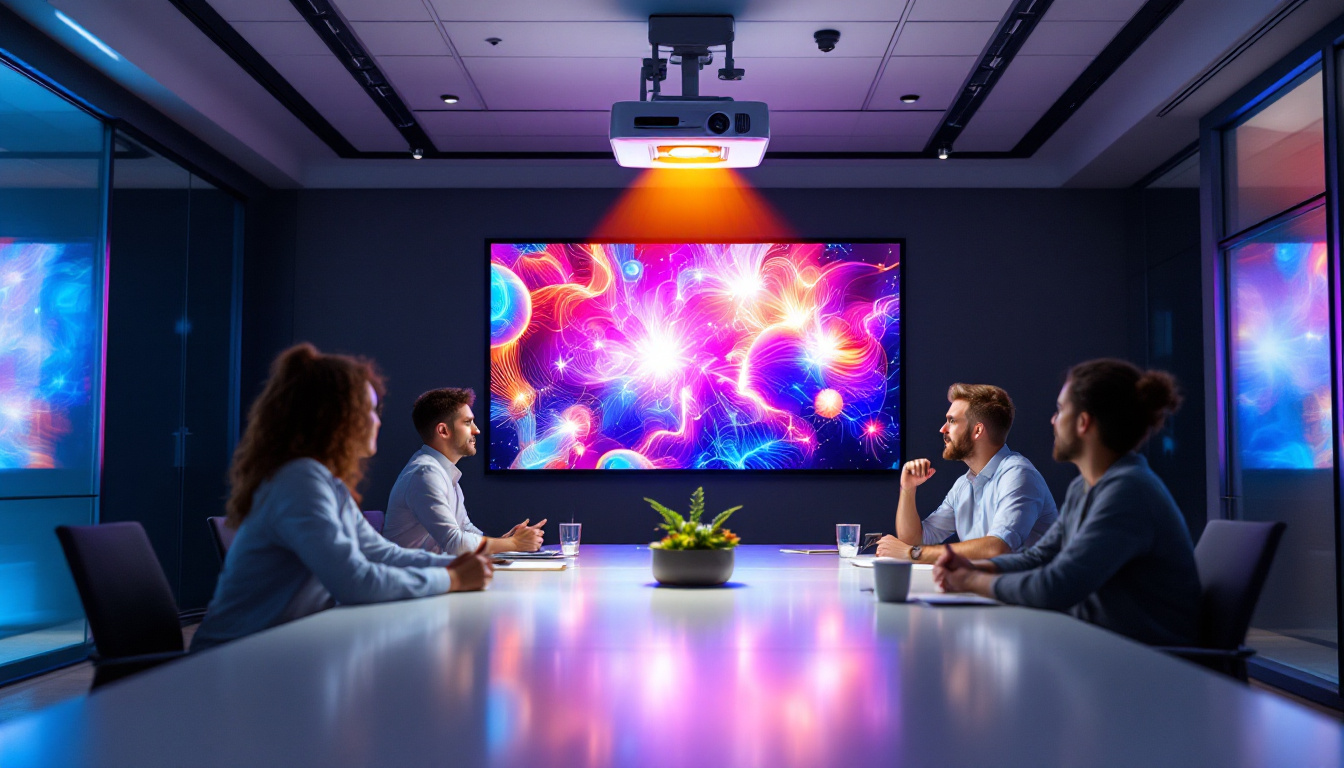
- Indoor LED Displays: Designed for close viewing distances, these displays have a higher pixel density, meaning the pixels are packed tightly together to produce sharp images. They are commonly used in retail stores, conference rooms, and event venues. In addition to their visual appeal, indoor LED displays often come equipped with advanced features such as touch interactivity and dynamic content management systems, allowing businesses to engage customers in innovative ways.
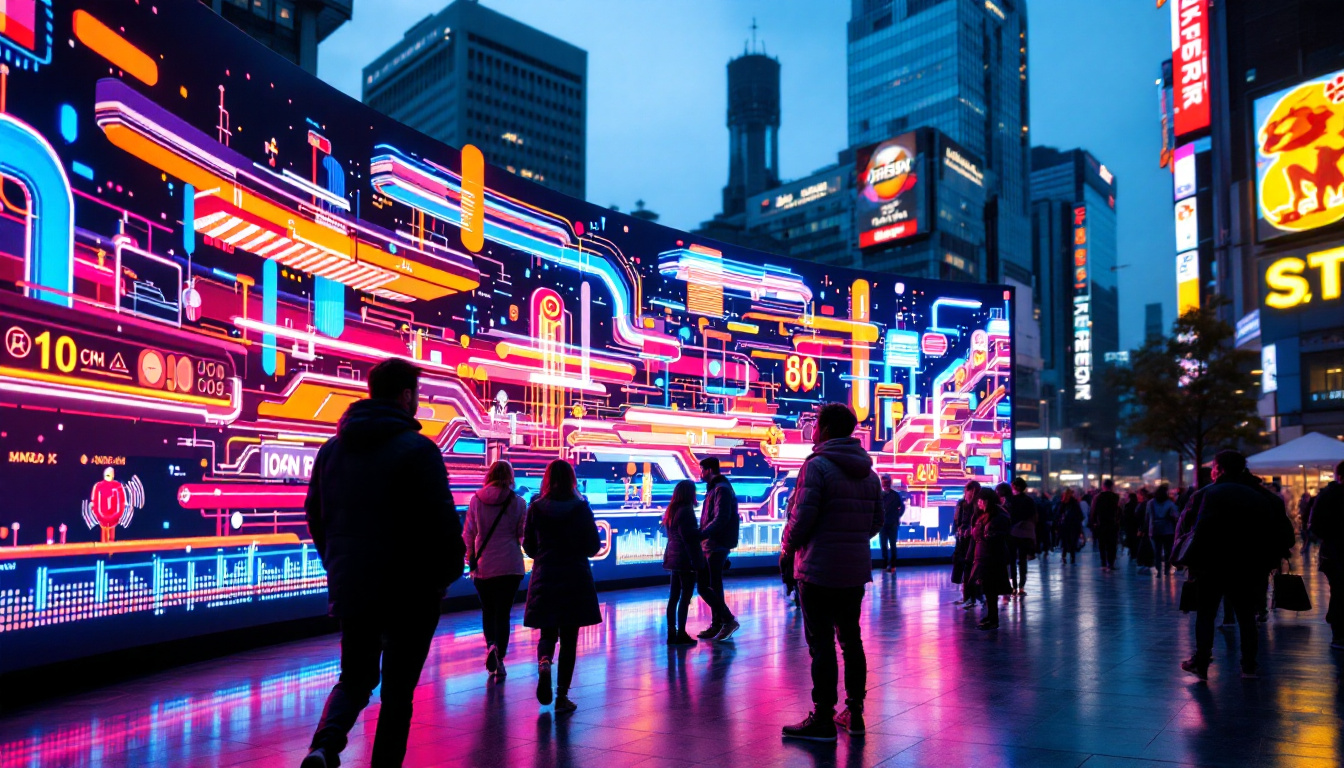
- Outdoor LED Displays: Built to withstand harsh weather conditions, these displays are brighter to combat sunlight glare and have a wider viewing angle. Examples include billboards, stadium screens, and public transport information boards. The durability of outdoor LED displays is enhanced by protective coatings that guard against moisture, dust, and UV radiation, ensuring they remain functional and visually striking in various environments.
- Flexible and Transparent LED Displays: Emerging technologies allow LED panels to be flexible or transparent, opening new possibilities for creative installations and architectural integration. Flexible LED displays can be bent or shaped to fit unconventional surfaces, making them ideal for artistic installations or unique advertising solutions. Transparent LED displays, on the other hand, enable a seamless blend of digital content with the physical environment, allowing businesses to showcase advertisements without obstructing views, thus enhancing the aesthetic appeal of storefronts and public spaces.
Key Advantages of LED Displays
LED displays offer several benefits that have made them the preferred choice across industries worldwide.
Superior Brightness and Visibility
One of the most significant advantages of LED technology is its brightness. LED displays can achieve luminance levels far exceeding those of LCD or projection-based screens. This makes them highly visible in direct sunlight and large venues, ensuring messages are seen clearly regardless of ambient lighting conditions. The advanced technology behind LED displays allows for dynamic brightness adjustments, enabling the screens to maintain optimal visibility in varying light environments. This adaptability is particularly beneficial for outdoor advertising and events, where lighting conditions can change rapidly throughout the day.
Energy Efficiency and Longevity
Compared to traditional lighting and display technologies, LEDs consume significantly less power. This translates to lower operating costs and a reduced environmental footprint. Additionally, LEDs have a long lifespan—often exceeding 50,000 hours—meaning they require less frequent replacement and maintenance. This longevity not only contributes to cost savings but also reduces waste, making LED displays a more sustainable option in the long run. Furthermore, many LED systems are designed to operate efficiently even in extreme temperatures, which enhances their reliability and performance in diverse environments.
Vibrant Colors and High Contrast
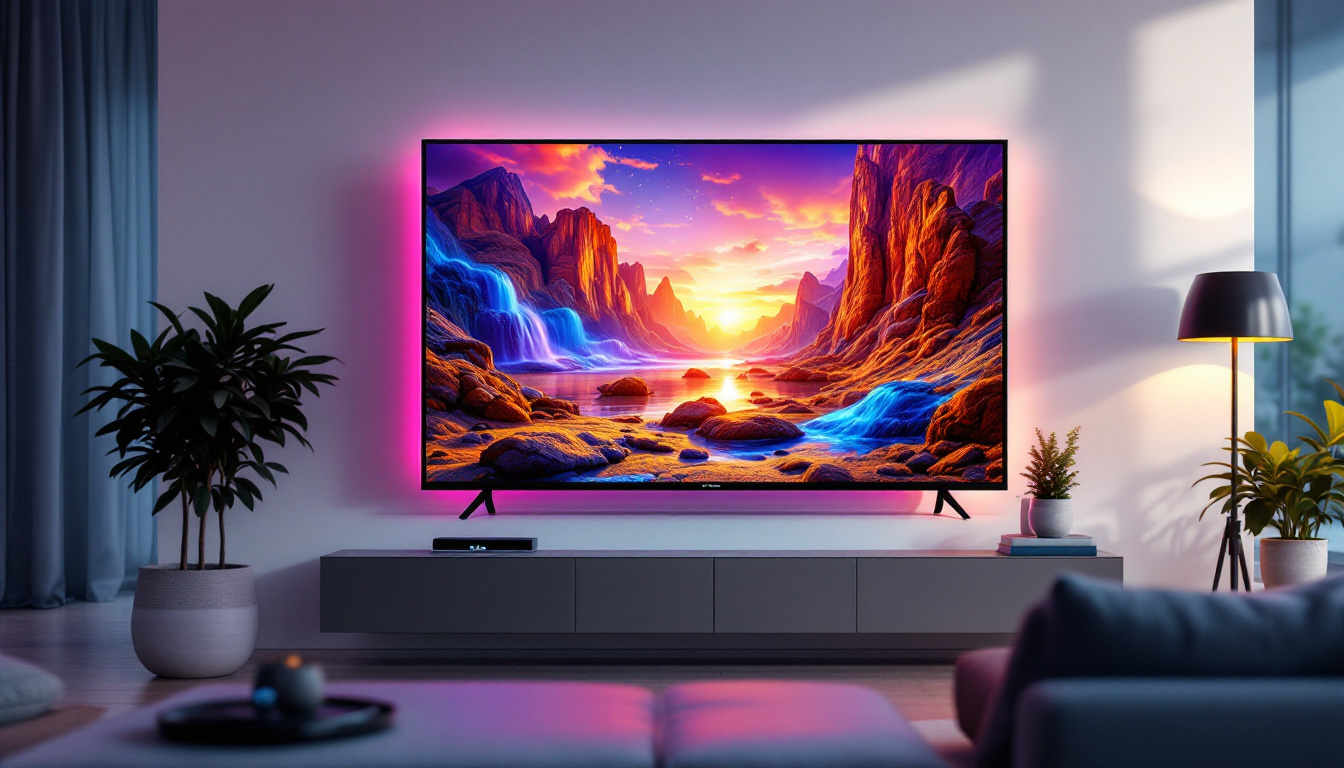
LEDs can produce a wide color gamut with rich saturation and deep blacks, especially in high-quality displays. This results in crisp, eye-catching visuals that enhance brand messaging and viewer engagement. The ability of LED technology to render colors accurately and vividly makes it an ideal choice for applications such as digital signage, art installations, and entertainment venues. Additionally, advancements in LED technology, such as HDR (High Dynamic Range) capabilities, further enhance the visual experience by providing greater detail in both highlights and shadows, captivating audiences with stunning imagery.
Flexibility and Customization
LED displays come in various sizes and shapes, from small indoor panels to massive outdoor billboards. They can be customized to fit unique architectural designs or specific marketing needs, including curved screens, irregular shapes, and modular configurations. This versatility allows businesses to create immersive experiences that resonate with their target audience. For instance, in retail environments, LED displays can be seamlessly integrated into store fixtures or used as interactive kiosks, providing customers with engaging content that enhances their shopping experience. Additionally, the modular nature of many LED systems allows for easy upgrades and expansions, ensuring that businesses can adapt to changing market demands without significant investment in new technology.
Applications of LED Displays Across Industries
LED displays have become integral to many sectors, transforming how information and advertising are presented.
Advertising and Marketing
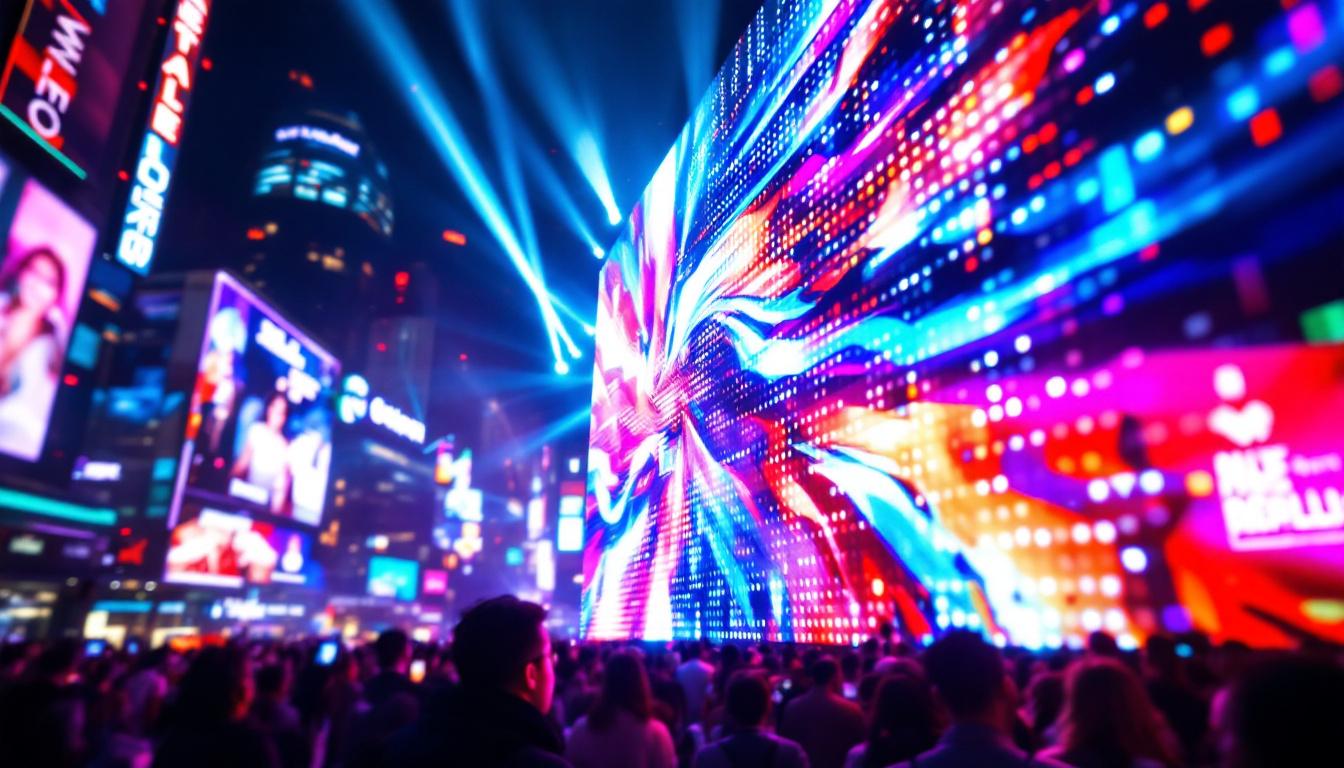
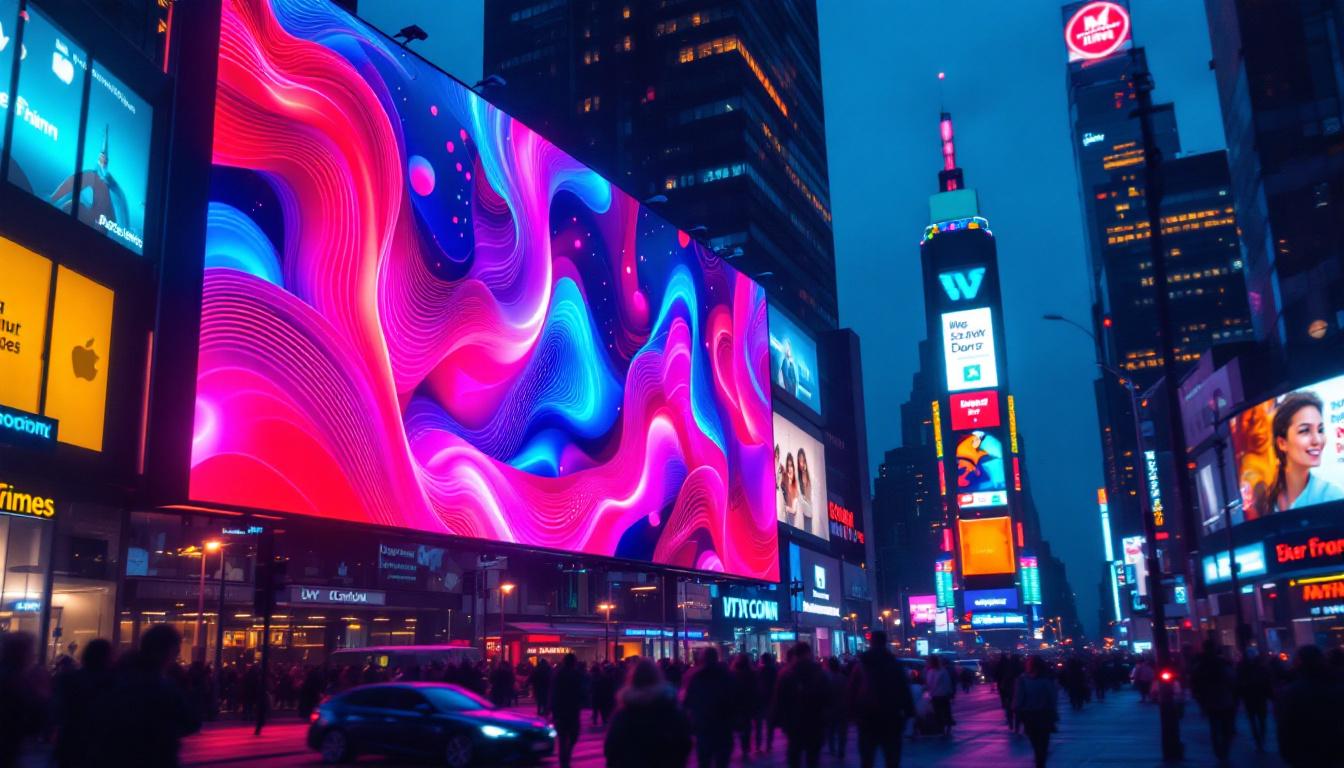
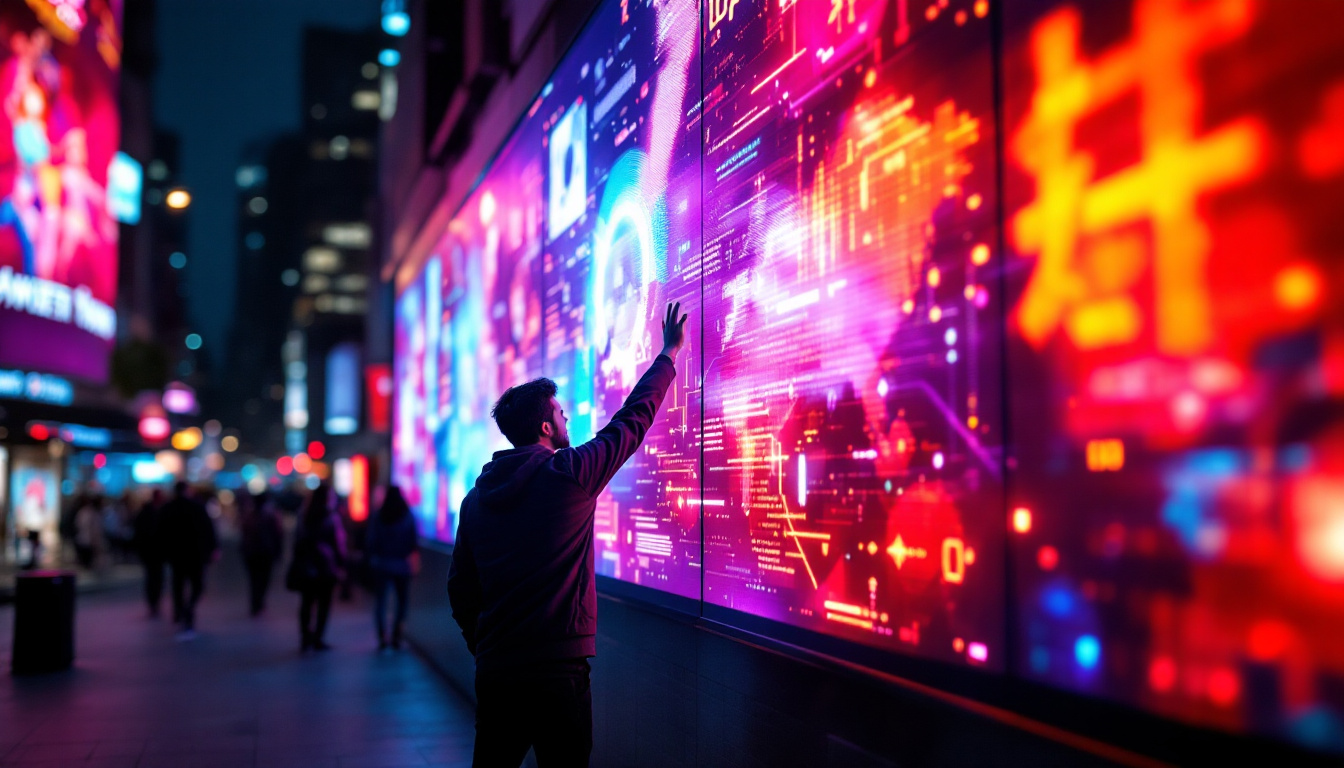
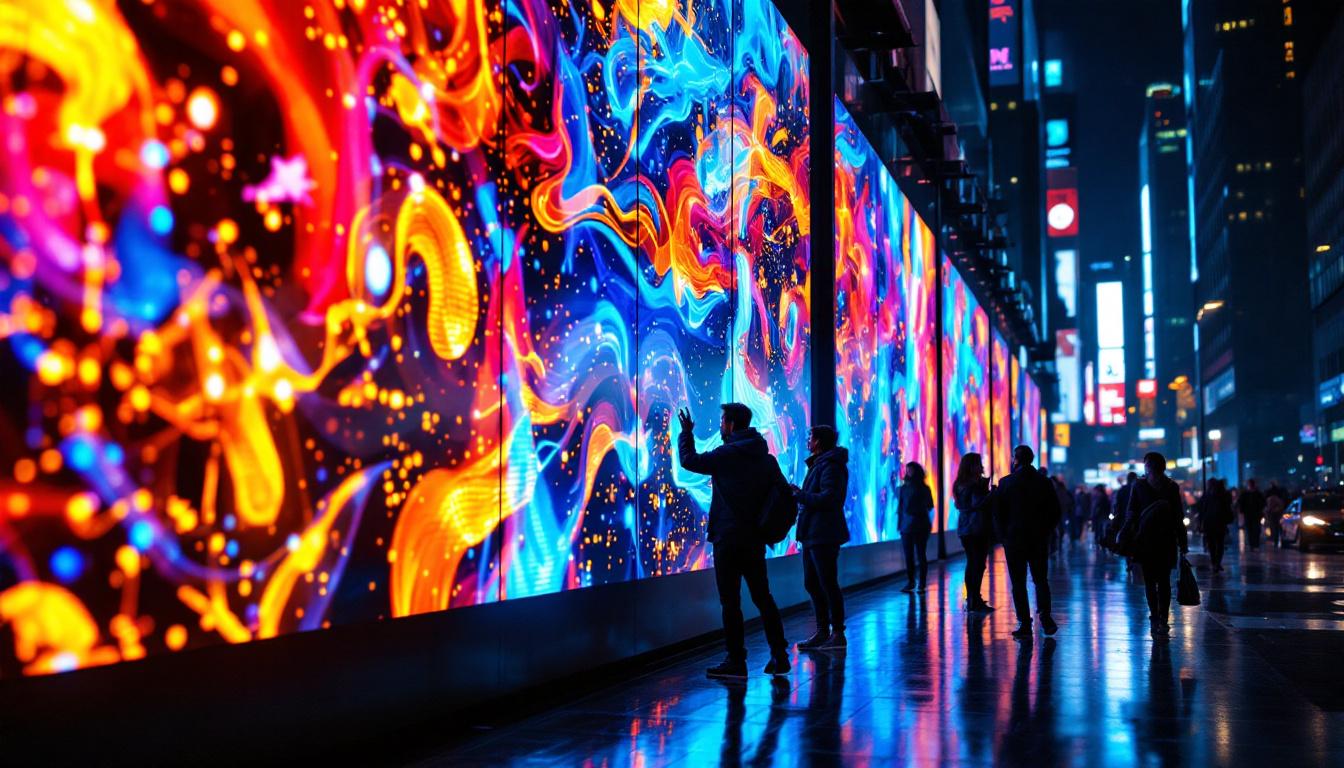
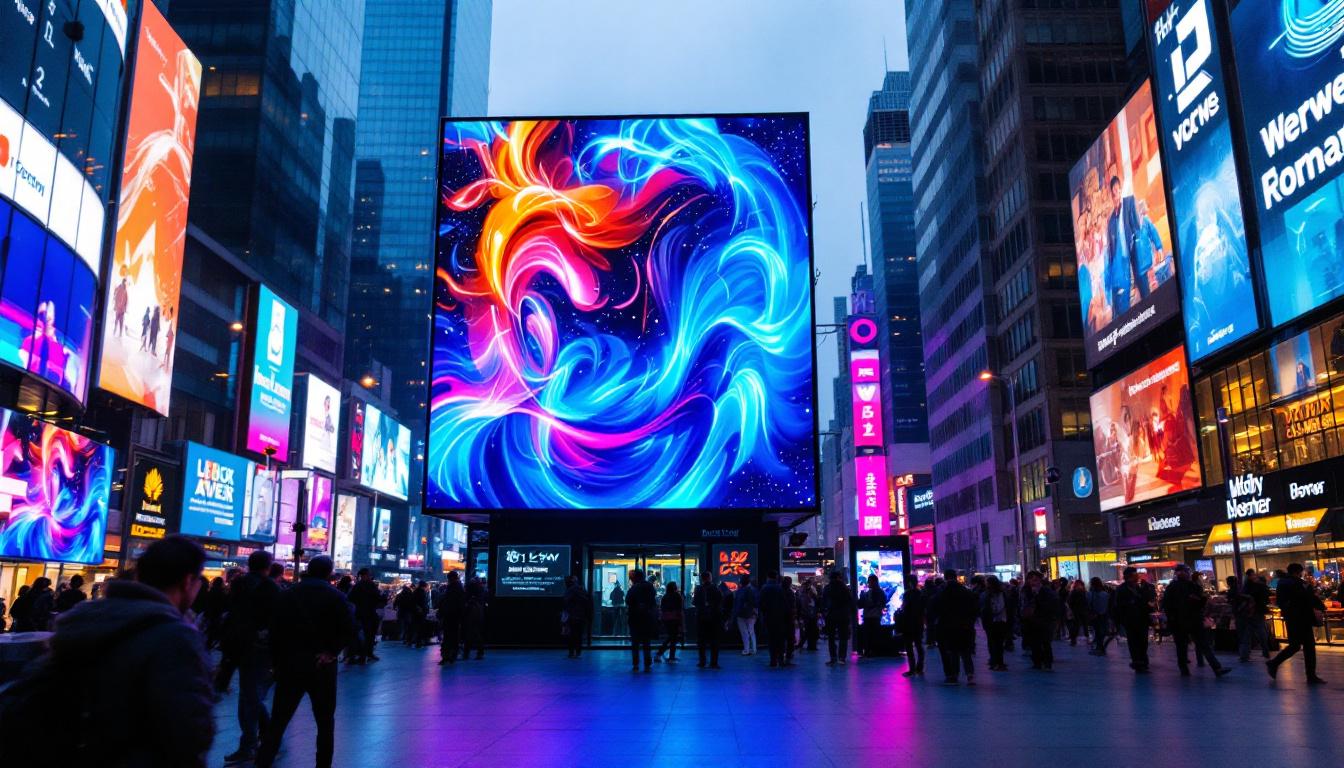
Outdoor LED billboards are a staple of urban advertising, offering dynamic content that can be updated remotely and in real-time. This flexibility allows brands to tailor messages to different audiences throughout the day, increasing campaign effectiveness. For example, Times Square in New York City features some of the world’s most iconic LED displays, showcasing everything from movie trailers to global brand advertisements.
Retail and Hospitality
Indoor LED signage enhances customer experience by providing engaging digital menus, promotional offers, and interactive displays. Hotels and restaurants use LED screens to create immersive environments, while retail stores leverage them for product launches and seasonal campaigns.
Transportation and Public Information
Airports, train stations, and bus terminals utilize LED displays for real-time scheduling, alerts, and wayfinding. The high visibility and reliability of LED technology ensure that travelers receive accurate and timely information, improving overall efficiency and safety.
Sports and Entertainment Venues
Stadiums and arenas rely on large-scale LED screens to broadcast live action, replays, and advertisements. These displays enhance spectator engagement and provide additional revenue streams through sponsorships and advertising.
Technological Innovations Driving LED Display Evolution
The LED display industry continues to innovate, pushing the boundaries of what these screens can achieve.
Mini-LED and Micro-LED Technologies
Mini-LED and Micro-LED represent the next generation of LED technology. Mini-LEDs use smaller diodes than traditional LEDs, enabling higher pixel density and improved contrast ratios. Micro-LEDs go even further, with microscopic LEDs that can be individually controlled, offering exceptional brightness, color accuracy, and energy efficiency. These advancements are particularly promising for applications requiring ultra-high resolution, such as large-format TVs and professional displays.
Improved Control Systems and Software Integration
Modern LED displays are equipped with sophisticated control systems that allow seamless integration with content management software. This enables dynamic content scheduling, remote monitoring, and real-time data integration. For example, digital signage networks can automatically update weather reports, news feeds, or social media content, keeping displays fresh and relevant.
Environmental and Sustainability Considerations
Manufacturers are increasingly focusing on eco-friendly materials and energy-saving designs. Advances in LED chip efficiency and power management contribute to reducing the carbon footprint of digital signage. Additionally, many LED displays are now designed for easy recycling and reuse, aligning with global sustainability goals.
Choosing the Right LED Display for Your Needs
Selecting an LED display involves considering several factors to ensure it meets your specific requirements and delivers the best return on investment.
Pixel Pitch and Resolution
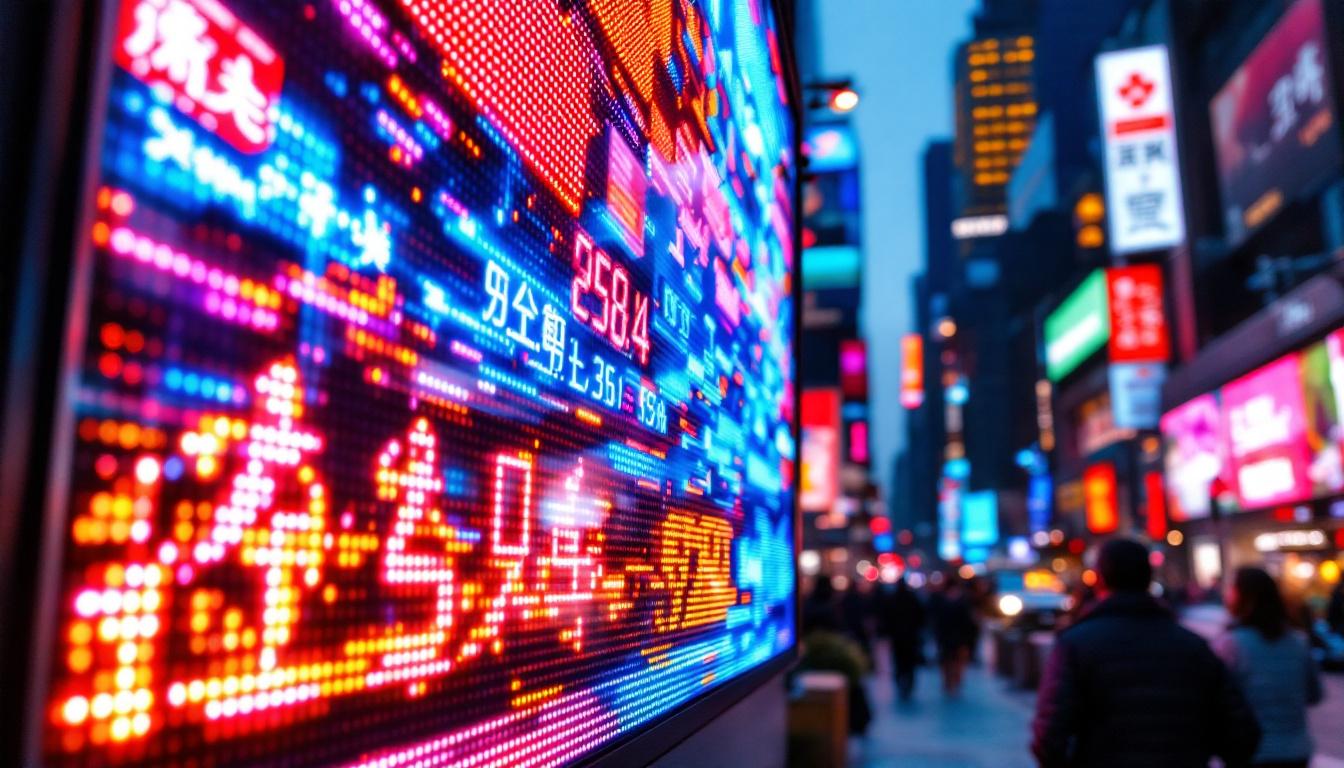
Pixel pitch refers to the distance between the centers of adjacent pixels, typically measured in millimeters. A smaller pixel pitch means higher resolution and sharper images, which is crucial for close viewing distances. For outdoor billboards viewed from afar, a larger pixel pitch is acceptable and more cost-effective.
Brightness and Viewing Angle
Brightness is measured in nits, with outdoor displays often requiring 5,000 nits or more to remain visible in sunlight. Viewing angle determines how well the display can be seen from different positions. A wide viewing angle ensures consistent image quality for audiences spread across large areas.
Durability and Weather Resistance
For outdoor installations, it is essential to choose displays with high ingress protection (IP) ratings to resist dust, moisture, and extreme temperatures. Robust construction extends the lifespan and reduces maintenance costs.
Installation and Maintenance
Consider the ease of installation and accessibility for maintenance. Modular designs allow for quick repairs and upgrades without significant downtime. Additionally, working with experienced suppliers and installers ensures proper setup and long-term support.
The Future of LED Displays
As LED technology continues to advance, the possibilities for innovative applications are expanding rapidly. Integration with artificial intelligence and augmented reality could enable personalized and interactive experiences, transforming how audiences engage with digital content.
Moreover, the rise of smart cities and the Internet of Things (IoT) will likely see LED displays becoming interconnected nodes in urban environments, providing real-time data and enhancing public services. From adaptive traffic signs to immersive public art installations, LED displays are poised to play a central role in the digital transformation of public spaces.
Conclusion
LED displays represent a powerful and versatile medium for communication in the modern era. Their superior brightness, energy efficiency, and adaptability make them suitable for a wide range of applications, from advertising and retail to transportation and entertainment. With ongoing technological innovations, LED displays will continue to evolve, offering even greater visual impact and interactivity.
For businesses and organizations looking to enhance their visibility and engagement, investing in LED display technology is a forward-thinking choice that combines effectiveness with sustainability. Understanding the key features and selecting the right type of display ensures that this investment delivers long-lasting value and a competitive edge in today’s dynamic market.
Discover LumenMatrix’s Innovative LED Solutions
Ready to elevate your visual communication strategy with the latest in LED technology? LumenMatrix is at the forefront of LED display innovation, offering a diverse range of solutions tailored to meet your needs. From Indoor and Outdoor LED Wall Displays to specialized options like Vehicle, Sports, and Floor LED Displays, our products are designed to captivate your audience and amplify your message. Experience the future of digital signage with our Custom, All-in-One, and Transparent LED Displays. Check out LumenMatrix LED Display Solutions today and transform your space with vibrant, energy-efficient, and dynamic visuals.