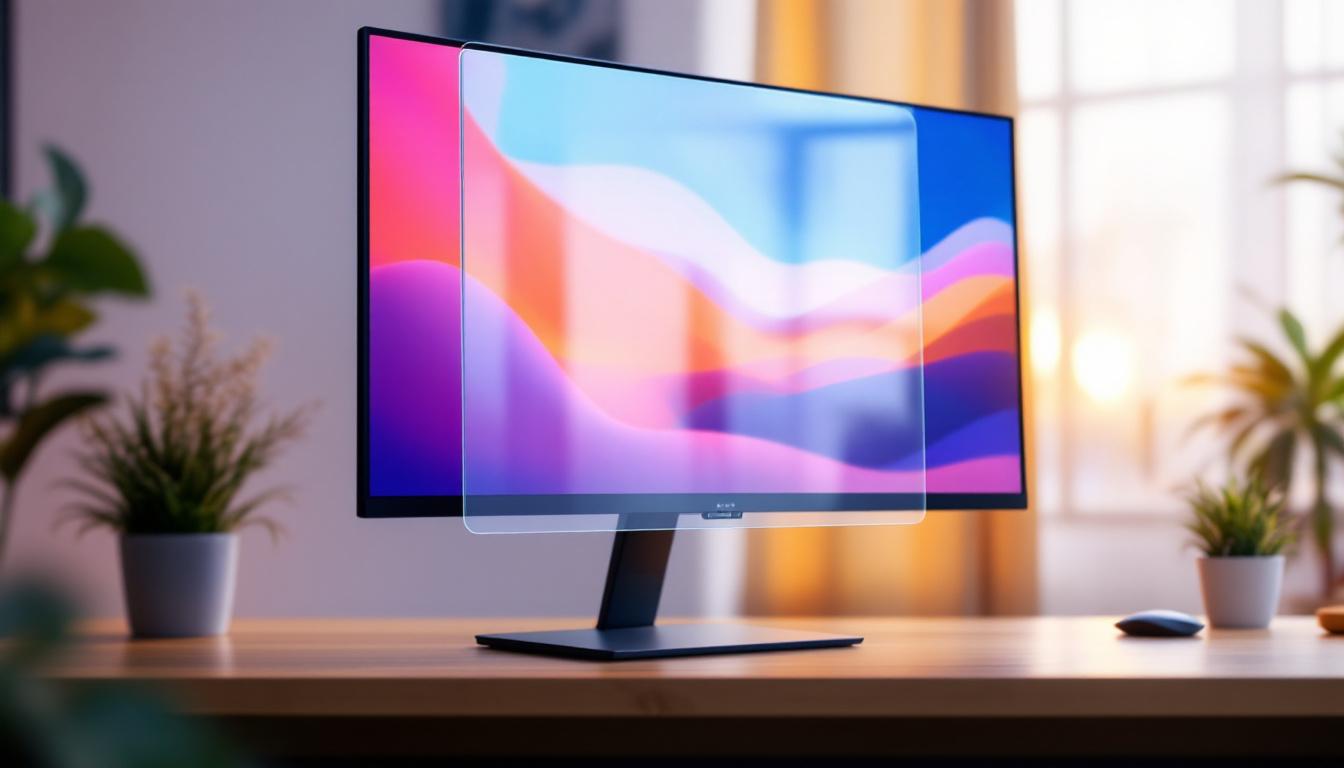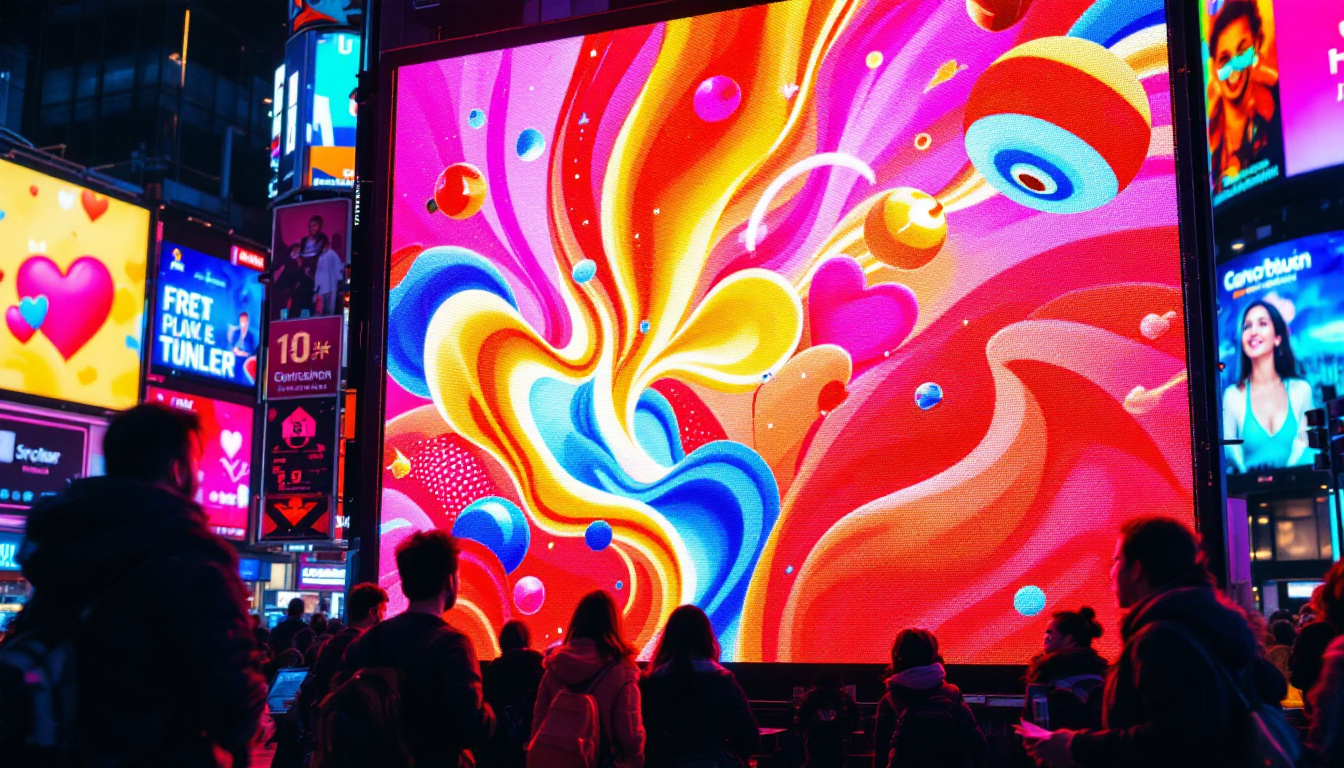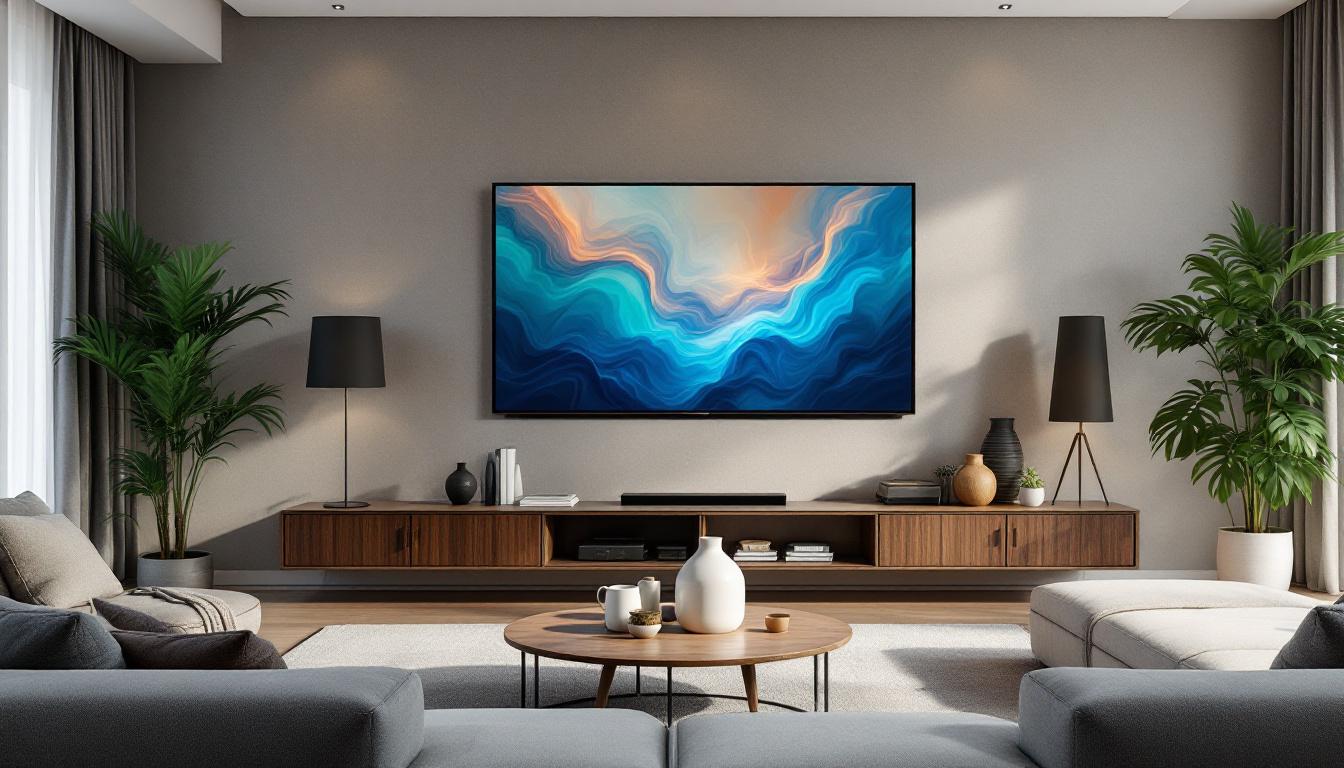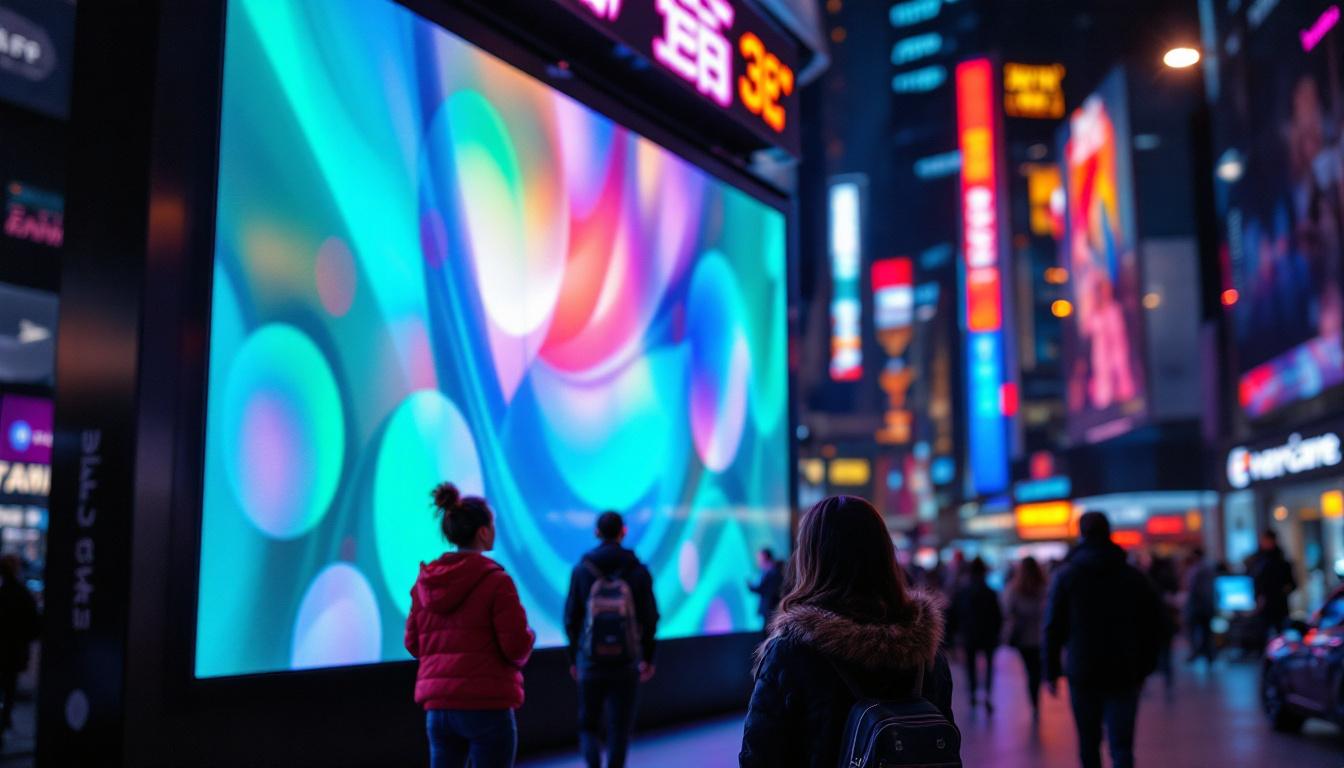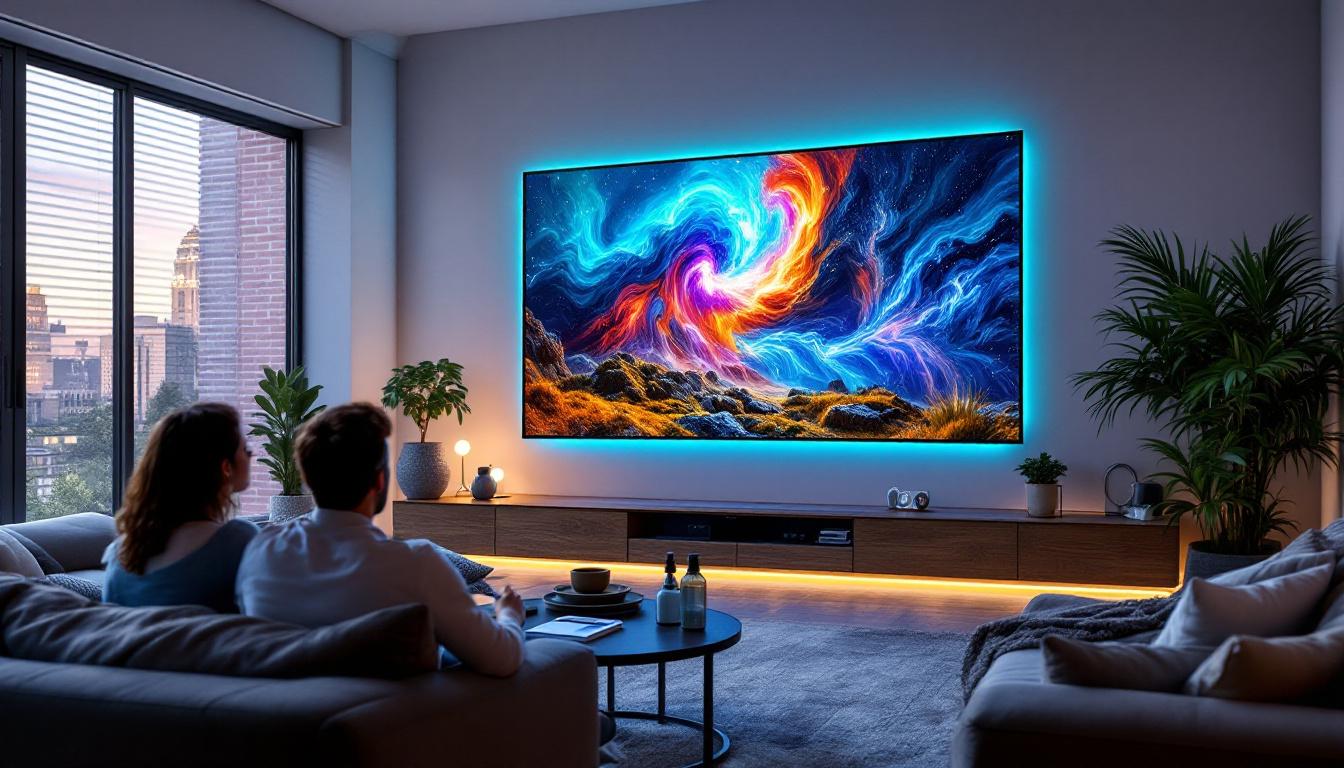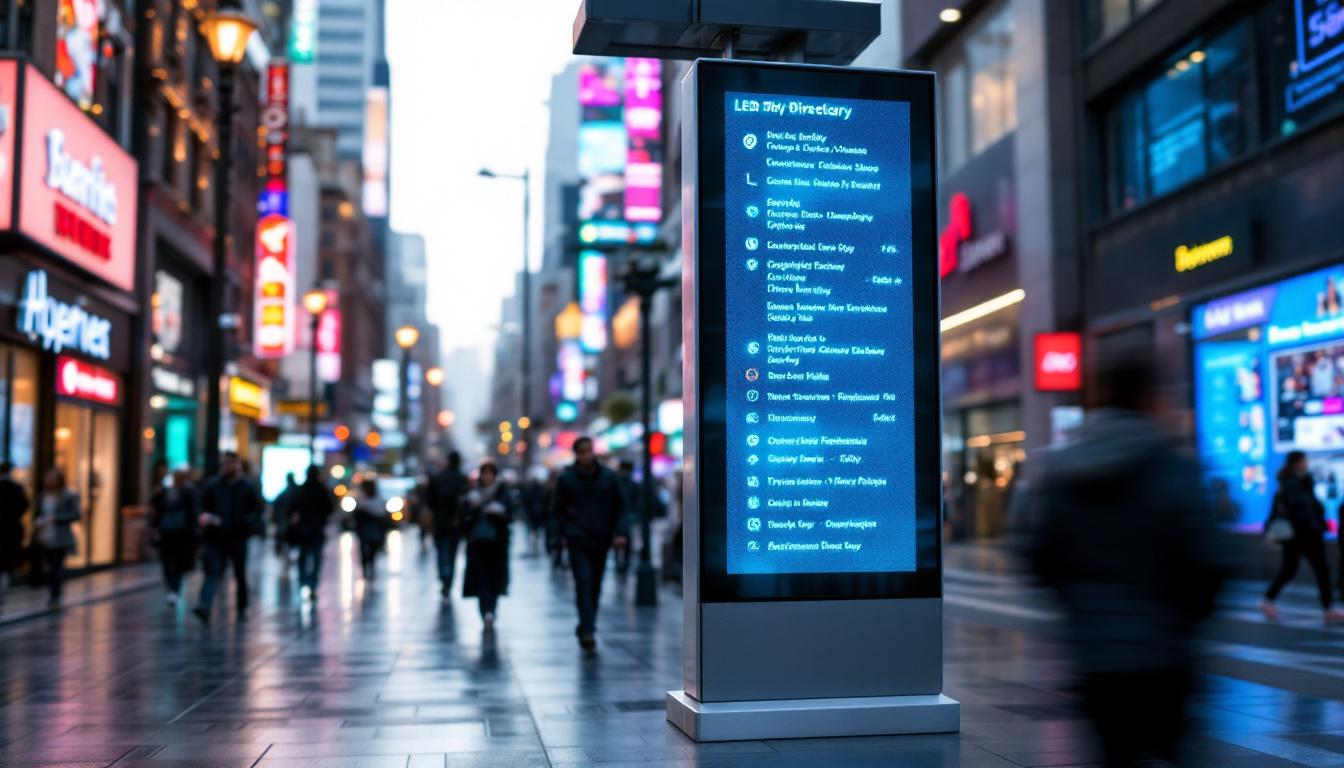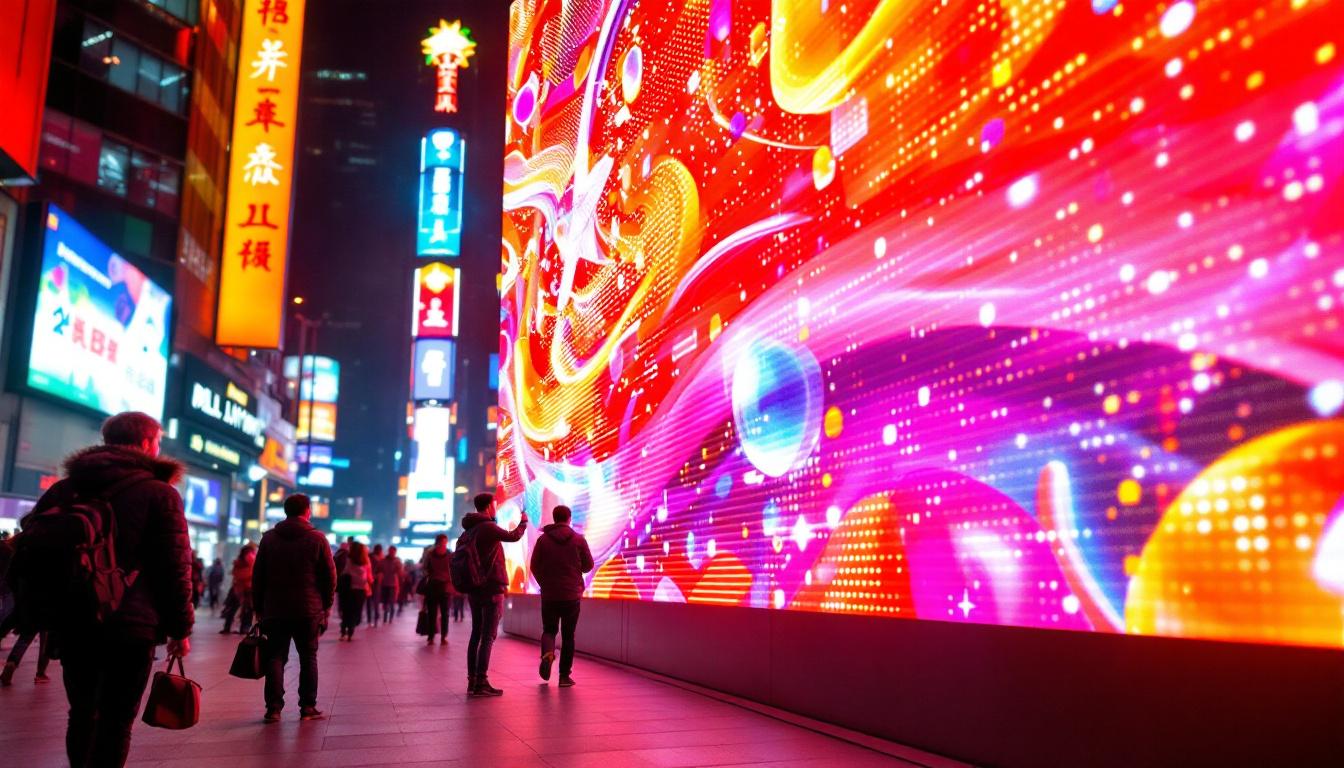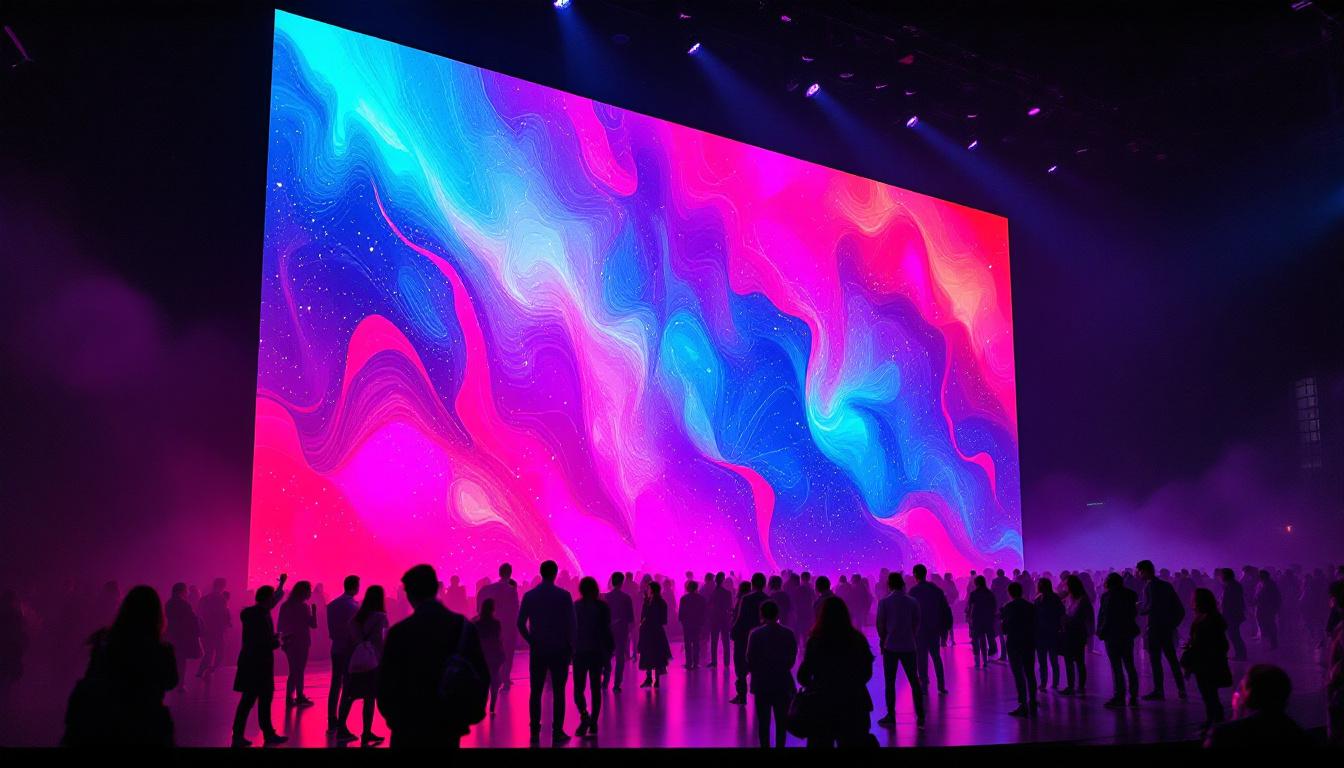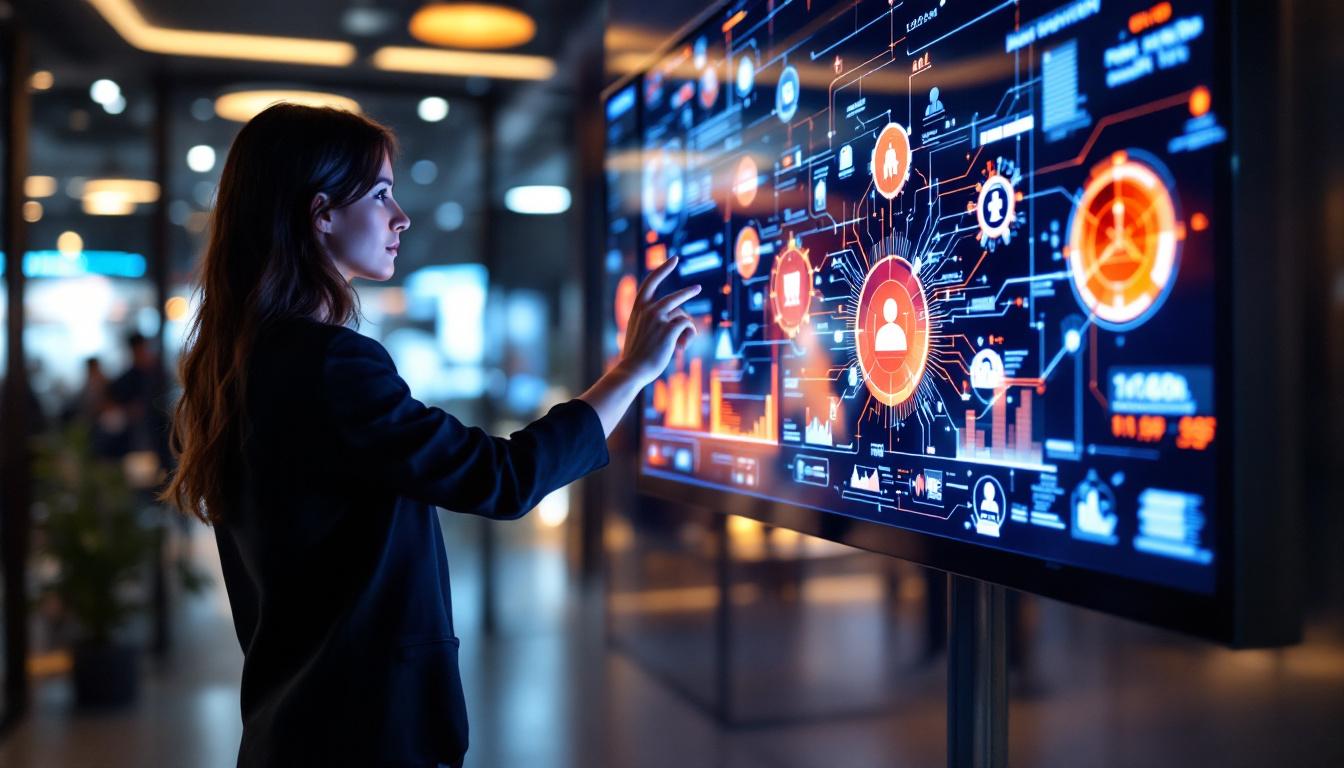
In the rapidly evolving world of digital technology, LED displays have become a cornerstone of modern visual communication. From advertising billboards to interactive kiosks, and from large-scale event screens to indoor digital signage, LED technology offers unparalleled brightness, color accuracy, and versatility. When combined with touch systems, these displays transform from mere visual tools into dynamic, interactive interfaces that engage users in new and meaningful ways.
This article delves into the fundamentals of LED displays, explores the integration of touch systems, and examines the practical applications and benefits of this powerful combination. Whether you are a business owner considering digital signage, a technology enthusiast, or a professional in the display industry, understanding how touch systems and LED displays work together is essential to harnessing their full potential.
Understanding LED Display Technology
What is an LED Display?
LED stands for Light Emitting Diode, a semiconductor device that emits light when an electric current passes through it. An LED display is a flat panel that uses an array of these diodes to create images, videos, or text. Unlike traditional LCD or plasma screens, LED displays use these tiny diodes as individual pixels, which can be controlled to produce vibrant colors and high contrast.
LED displays are commonly divided into two categories: direct view LED (DVLED) and LED-backlit LCDs. The former uses LEDs as the actual pixels, making them ideal for large-scale outdoor or indoor installations due to their brightness and scalability. LED-backlit LCDs, on the other hand, use LEDs to illuminate an LCD panel and are typically found in consumer electronics like televisions and monitors.
Key Advantages of LED Displays
LED displays offer several advantages that have made them the preferred choice for many applications:
- Brightness and Visibility: LED displays can achieve brightness levels upwards of 5,000 nits, making them easily visible even in direct sunlight. This is critical for outdoor advertising and public information displays.
- Energy Efficiency: LEDs consume significantly less power compared to other display technologies, which reduces operational costs and environmental impact.
- Longevity: LED panels typically have a lifespan exceeding 100,000 hours, ensuring durability and reducing the need for frequent replacements.
- Color Accuracy and Contrast: LEDs offer excellent color reproduction and deep blacks, enhancing the overall image quality.
- Scalability: LED modules can be combined to create displays of virtually any size and shape, from small indoor screens to massive stadium displays.
How LED Displays Work
Each pixel in an LED display consists of red, green, and blue diodes (RGB) that can be individually controlled to produce a wide spectrum of colors. By adjusting the intensity of each diode, the display creates the desired image. This pixel-level control allows for high-resolution images and smooth video playback.
In direct view LED displays, the diodes themselves emit light, eliminating the need for a backlight and enabling thinner, lighter panels. The display’s control system manages the timing and color output of each diode, synchronizing them to render the intended content.
The Integration of Touch Systems with LED Displays
What Are Touch Systems?
Touch systems refer to the technology that enables a display to detect and respond to touch input. This can include finger taps, swipes, pinches, and multi-touch gestures. Touch systems have become ubiquitous in smartphones, tablets, kiosks, and increasingly, large-format displays.
There are several types of touch technologies, including resistive, capacitive, infrared, and optical. Each has its own strengths and weaknesses, which influence their suitability for different environments and applications.
Types of Touch Technologies Used with LED Displays
- Capacitive Touch: The most common technology in consumer devices, capacitive touch uses the electrical properties of the human body to detect touch. It offers high accuracy and supports multi-touch gestures, but can be affected by gloves or moisture.
- Infrared (IR) Touch: IR touch systems use an array of infrared LEDs and photodetectors surrounding the display to detect interruptions in the light grid caused by a finger or object. They are durable and work with any input but can be sensitive to environmental lighting conditions.
- Optical Touch: These systems use cameras or sensors to detect touch points on the display surface. They support multi-touch and are highly durable, making them suitable for large displays.
- Resistive Touch: Less common in LED displays, resistive touch screens detect pressure applied to the screen. They are cost-effective but less sensitive and do not support multi-touch.
Why Combine Touch Systems with LED Displays?
Integrating touch systems with LED displays transforms passive visual content into interactive experiences. This combination is particularly valuable in environments where user engagement and real-time interaction are critical, such as retail, education, healthcare, and public information.
Touch-enabled LED displays allow users to navigate menus, access information, make selections, and even control connected devices directly through the screen. This interactivity can enhance customer engagement, improve accessibility, and streamline operations.
Applications of Touch-Enabled LED Displays
Retail and Advertising
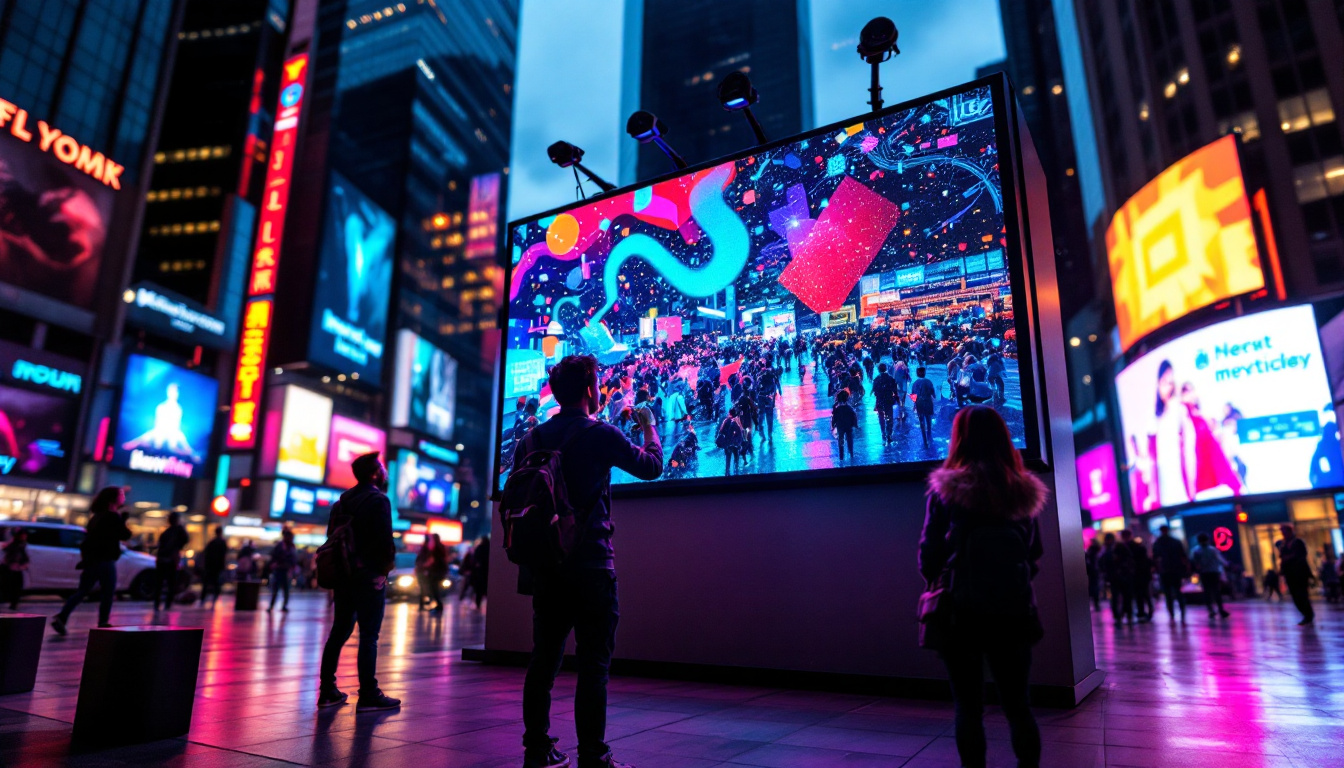
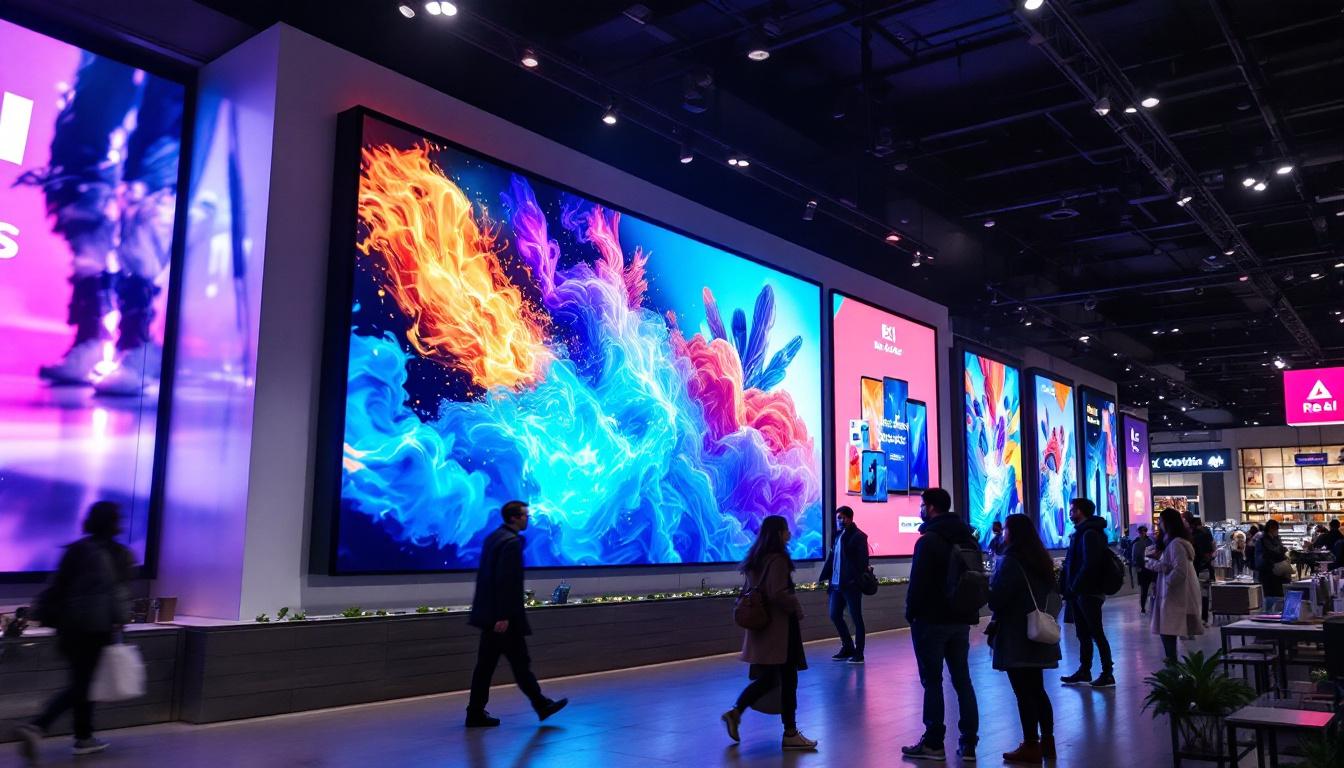
In retail environments, touch-enabled LED displays are revolutionizing the way brands connect with consumers. Interactive digital signage can showcase product catalogs, provide personalized recommendations, and enable self-service checkout options. According to a 2023 report by Grand View Research, the global digital signage market is expected to reach $31.71 billion by 2028, driven largely by the adoption of interactive displays.
For example, fashion retailers use large touch LED walls to allow customers to browse collections, check availability, and even customize products. This not only enhances the shopping experience but also increases dwell time and sales conversion rates.
Education and Training
Educational institutions are increasingly incorporating touch-enabled LED displays in classrooms and lecture halls. These displays facilitate interactive lessons, collaborative learning, and multimedia presentations. The large size and high brightness of LED panels ensure visibility even in well-lit rooms, while touch functionality encourages student participation.
Training centers and corporate environments also benefit from these systems by enabling hands-on demonstrations and real-time feedback during sessions.
Healthcare and Public Information
Hospitals and clinics use touch-enabled LED displays for patient check-in, wayfinding, and information dissemination. These systems reduce wait times and improve patient experience by providing clear, interactive guidance.
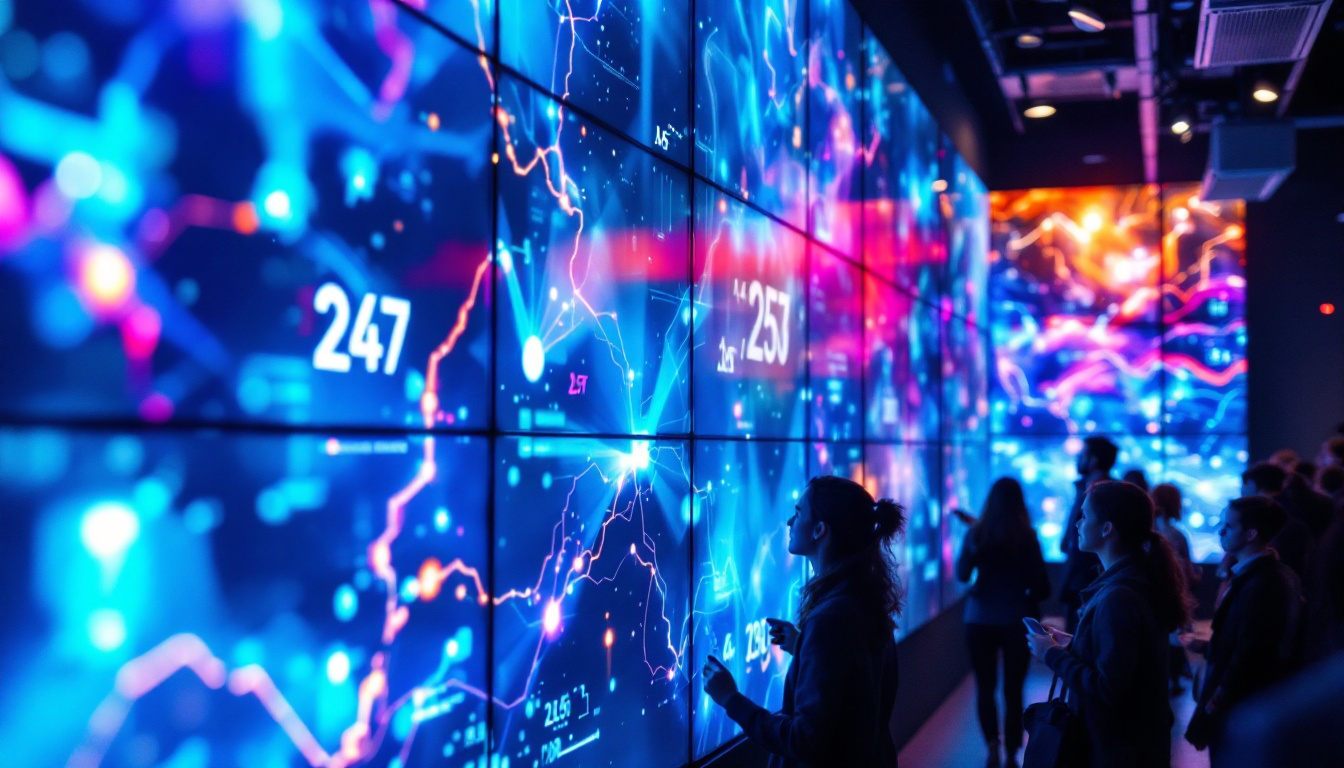
In public spaces such as airports, museums, and government buildings, interactive LED kiosks offer multilingual support, accessibility features, and up-to-date information, enhancing visitor engagement and operational efficiency.
Events and Entertainment
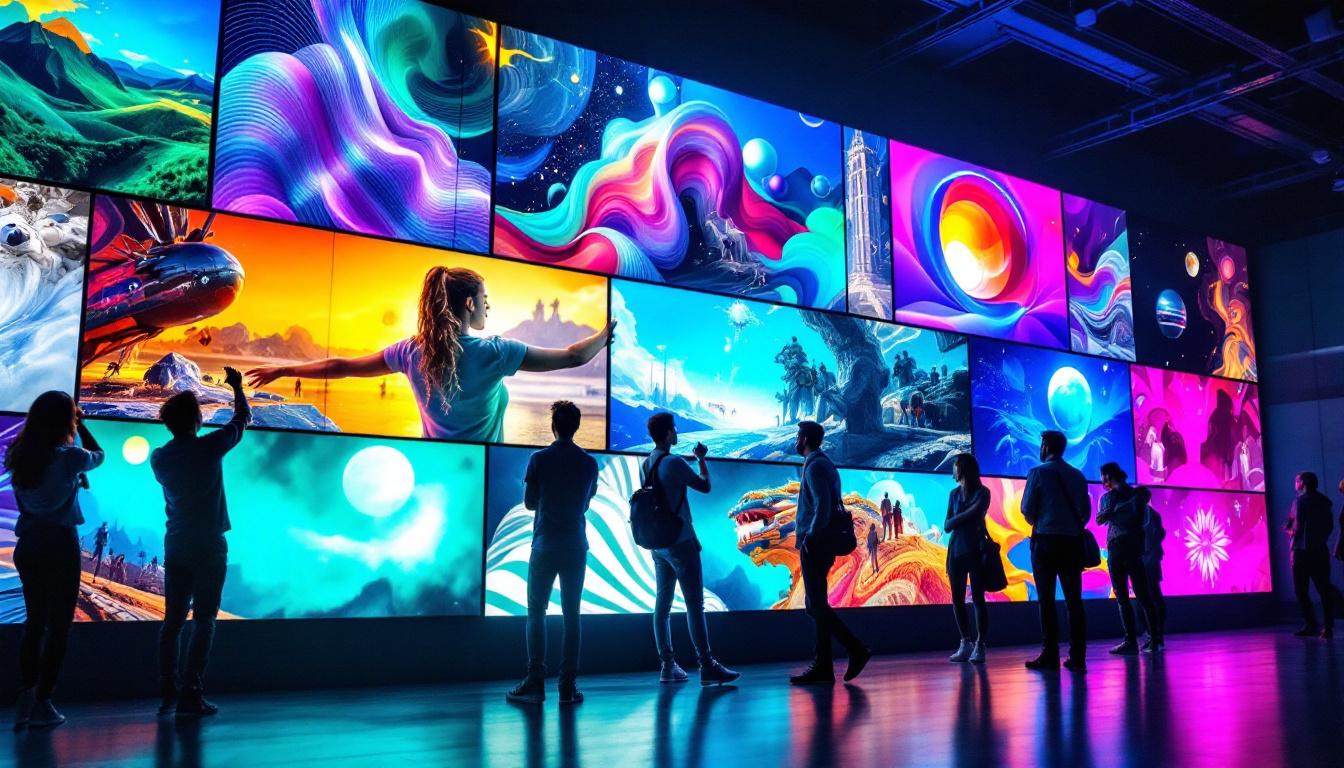
Large-scale events, concerts, and exhibitions utilize touch-enabled LED displays for interactive maps, schedules, and promotional content. These displays can also serve as interactive photo booths or gaming stations, creating memorable experiences for attendees.
Technical Considerations and Challenges
Durability and Environmental Factors
Touch-enabled LED displays often operate in diverse environments, from outdoor billboards exposed to weather elements to indoor installations subject to heavy user interaction. Ensuring durability involves selecting appropriate touch technology and protective materials.
For example, infrared and optical touch systems are favored for outdoor use due to their robustness and ability to function with gloves or styluses. Additionally, protective glass or coatings can prevent damage from impact, scratches, and vandalism.
Calibration and Accuracy
Maintaining touch accuracy is essential for user satisfaction. Calibration ensures that touch input corresponds precisely to the displayed content. Over time, calibration may drift due to environmental changes or hardware wear, necessitating periodic maintenance.
Advanced touch systems incorporate self-calibration features and diagnostic tools to minimize downtime and maintain performance.
Latency and Responsiveness
Touch responsiveness directly impacts the user experience. High latency or lag can frustrate users and reduce the effectiveness of interactive content. Modern touch-enabled LED displays use optimized controllers and software to achieve near-instantaneous response times.
Latency can also be influenced by the size of the display and the complexity of the touch system, so careful design and testing are crucial.
Integration with Software and Content Management
Touch-enabled LED displays require compatible software platforms to manage content and interpret touch inputs. Many manufacturers offer proprietary content management systems (CMS) that support interactive features, analytics, and remote updates.
Open standards and APIs allow integration with third-party applications, enabling customized user interfaces and advanced functionalities such as gesture recognition and multi-user interaction.
Future Trends in Touch-Enabled LED Displays
Advancements in Touch Technology
Emerging touch technologies, such as haptic feedback and 3D touch sensing, promise to enhance the tactile experience of interactive LED displays. These innovations aim to provide users with physical sensations or resistance, making interactions more intuitive and immersive.
Flexible and Transparent LED Displays
Research into flexible and transparent LED panels is opening new possibilities for touch-enabled displays. Flexible displays can conform to curved surfaces, enabling innovative form factors in retail, automotive, and wearable technology. Transparent LED displays allow for interactive windows and augmented reality applications, blending digital content with the physical environment.
Artificial Intelligence and Analytics Integration
Integrating AI with touch-enabled LED displays can personalize user interactions by analyzing behavior patterns and preferences. Retailers can tailor content dynamically, while public information systems can adapt to crowd flow and environmental conditions.
Energy Efficiency and Sustainability
As sustainability becomes a priority, manufacturers are focusing on reducing the energy consumption of LED displays and using eco-friendly materials. Advances in LED efficiency and touch technology will contribute to greener digital signage solutions.
Conclusion
Touch-enabled LED displays represent a powerful fusion of cutting-edge visual technology and interactive functionality. Their ability to deliver bright, vibrant images combined with intuitive user input makes them invaluable across a wide range of industries. From enhancing customer engagement in retail to improving communication in public spaces, these systems are shaping the future of digital interaction.
Understanding the underlying technologies, applications, and challenges is essential for businesses and organizations looking to invest in touch-enabled LED displays. As technology continues to advance, these displays will become even more versatile, immersive, and integral to the way people access and interact with information.
With the global digital signage market projected to grow steadily and touch technology evolving rapidly, the integration of touch systems with LED displays is poised to remain at the forefront of interactive digital solutions for years to come.
Explore Interactive LED Solutions with LumenMatrix
Ready to elevate your space with the interactive power of touch-enabled LED displays? Discover the innovative world of LumenMatrix, where we specialize in crafting LED display modules that bring your visual communications to life. Whether you’re looking to enhance customer engagement with an Indoor LED Wall Display, make a bold statement with an Outdoor LED Wall Display, or captivate audiences with a Custom LED Display, LumenMatrix has the solution for you. Our mission is to revolutionize your visual experience with displays that not only grab attention but also create immersive interactions. Check out LumenMatrix LED Display Solutions today and see how we can help you share your message with impact and clarity.