In recent years, LED display technology has revolutionized the way we consume visual content, from advertising billboards to television screens and event backdrops. The new TVF series on LED displays offers an insightful exploration into this dynamic technology, breaking down complex concepts into easy-to-understand segments. This article delves into the core elements of LED displays, their applications, and the technological advancements driving the industry forward.
Understanding LED Display Technology
LED, or Light Emitting Diode, displays are screens that use an array of tiny light-emitting diodes to produce images. Unlike traditional LCD or plasma screens, LED displays offer superior brightness, contrast, and energy efficiency. The technology has evolved significantly since its inception, enabling larger, more vibrant, and more durable screens. With the rapid advancements in LED technology, we are witnessing not just improvements in display quality but also a shift in how we interact with visual media, making it an exciting time for both consumers and creators alike.
How LED Displays Work
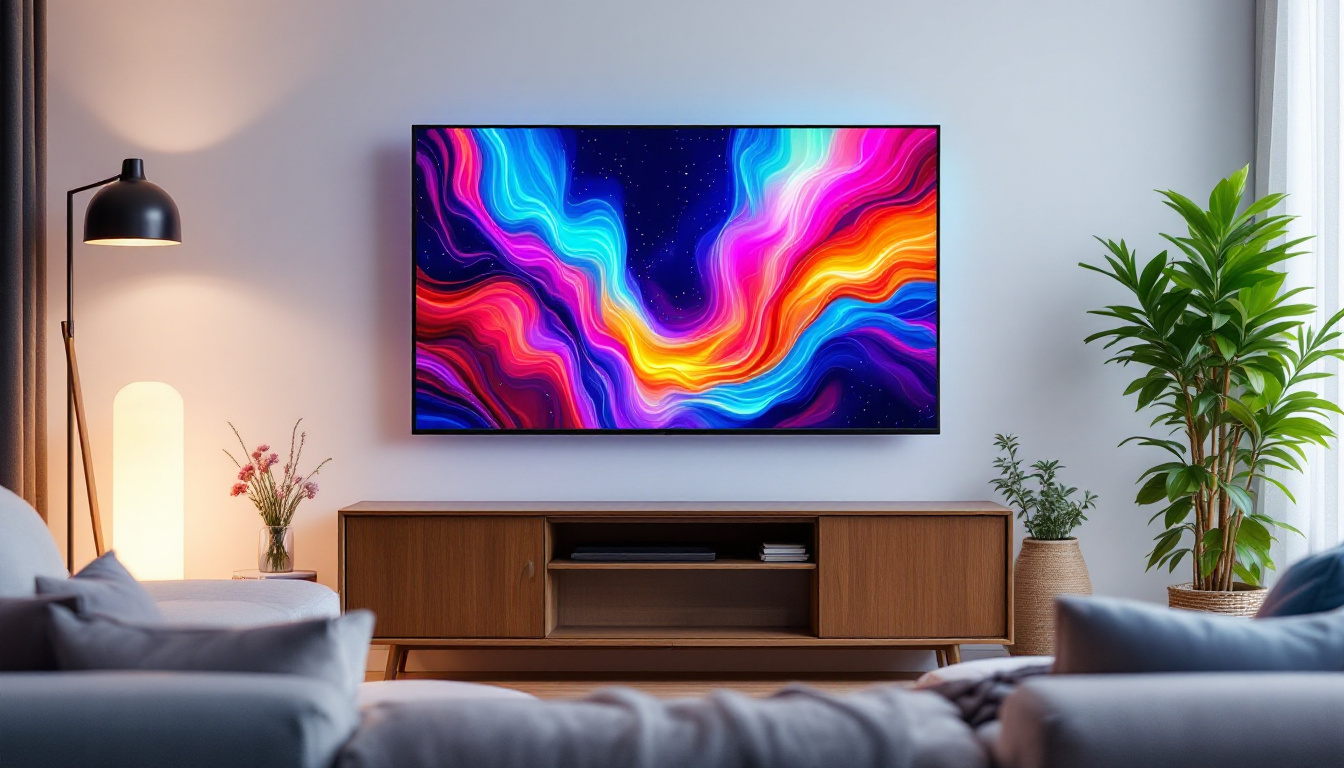
At the heart of every LED display is a matrix of diodes that emit light when an electric current passes through them. These diodes can be arranged as individual pixels or clusters of red, green, and blue LEDs to create full-color images. By controlling the intensity of each diode, the display can render a wide spectrum of colors with remarkable precision. This capability allows for stunning visuals that can adapt to various lighting conditions, making LED displays ideal for both indoor and outdoor use.
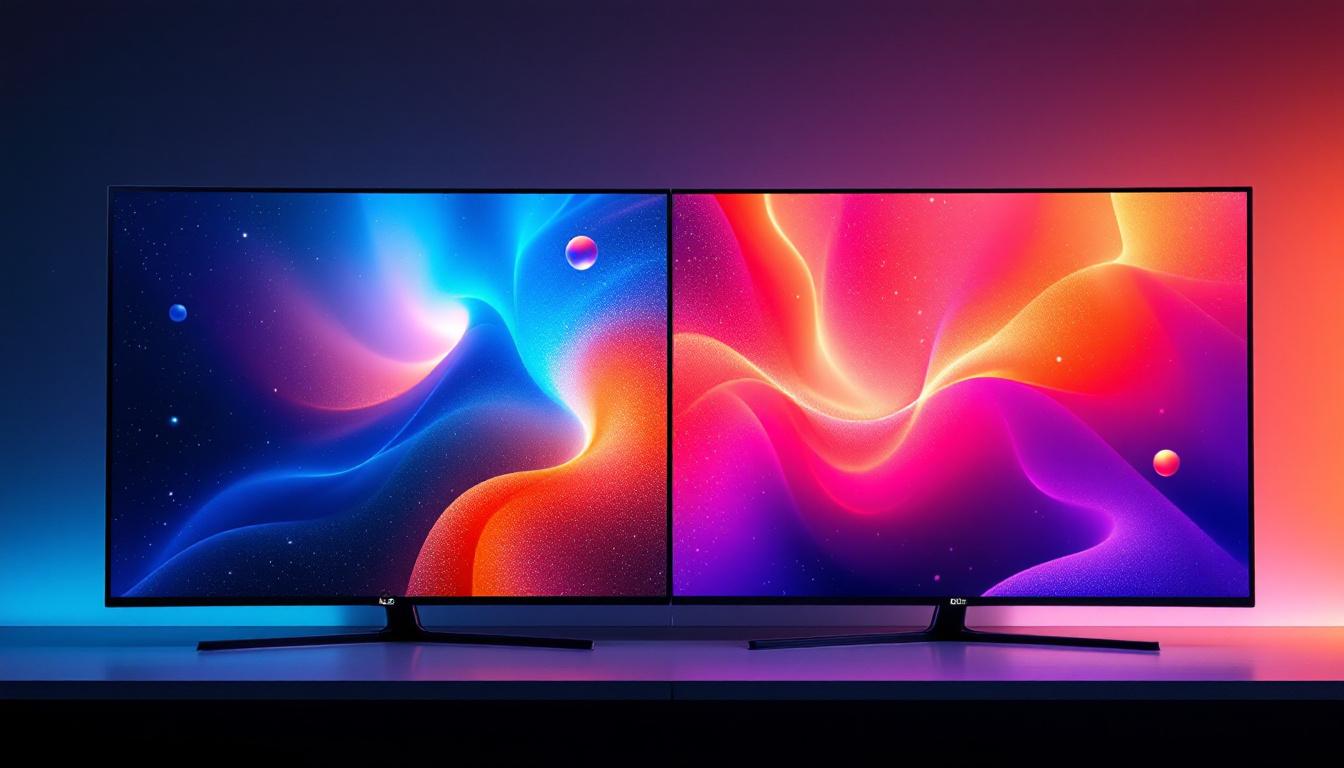
One of the key advantages of LED technology is its ability to produce true blacks and high contrast ratios. Since LEDs emit light directly, they can be turned off completely to display black, unlike LCDs which rely on backlighting and often suffer from light bleed. This characteristic not only enhances the overall picture quality but also contributes to a more immersive viewing experience, particularly in dark environments where contrast is crucial for depth perception.
Types of LED Displays
LED displays come in various forms, each suited to different applications:
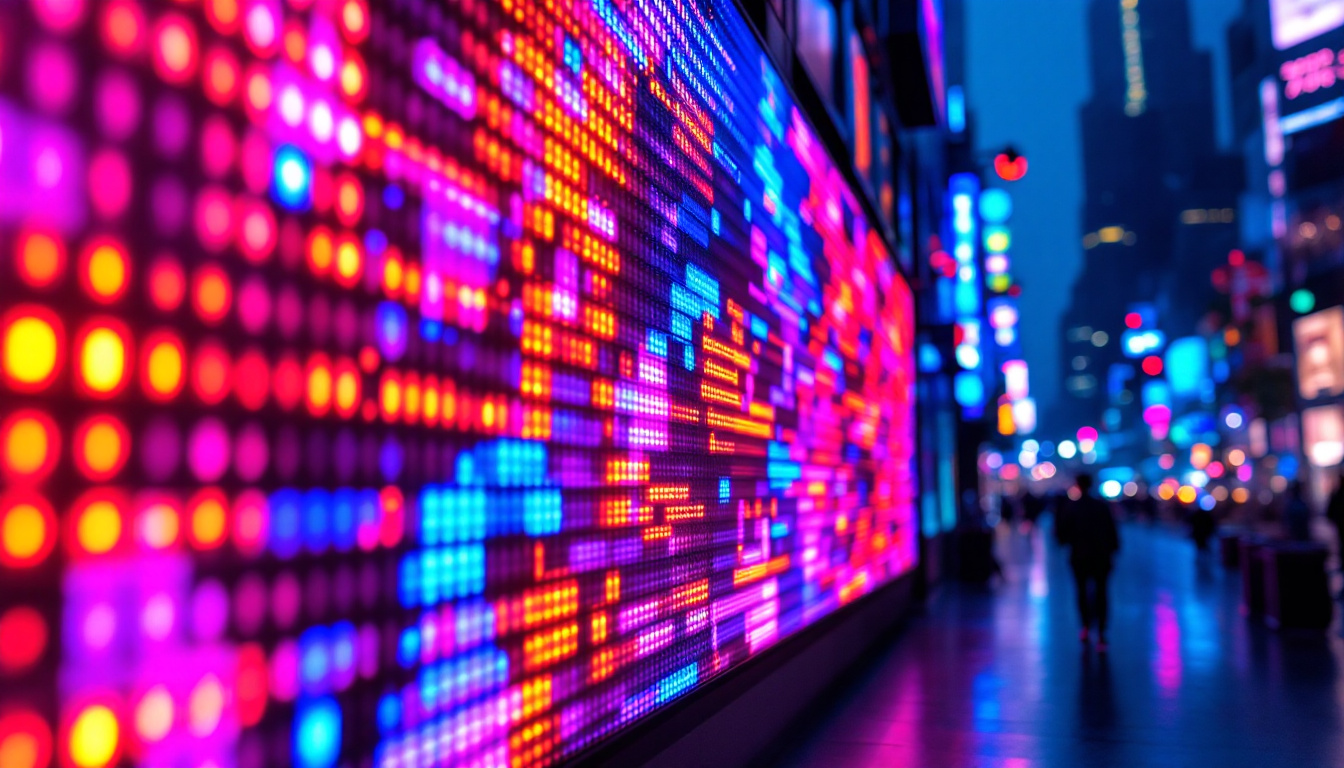
- Direct View LED Displays: These are large-scale screens where each pixel is an individual LED or cluster of LEDs. They are commonly used in stadiums, outdoor billboards, and large event screens. Their ability to maintain visibility in bright sunlight makes them a popular choice for advertising and public information displays.
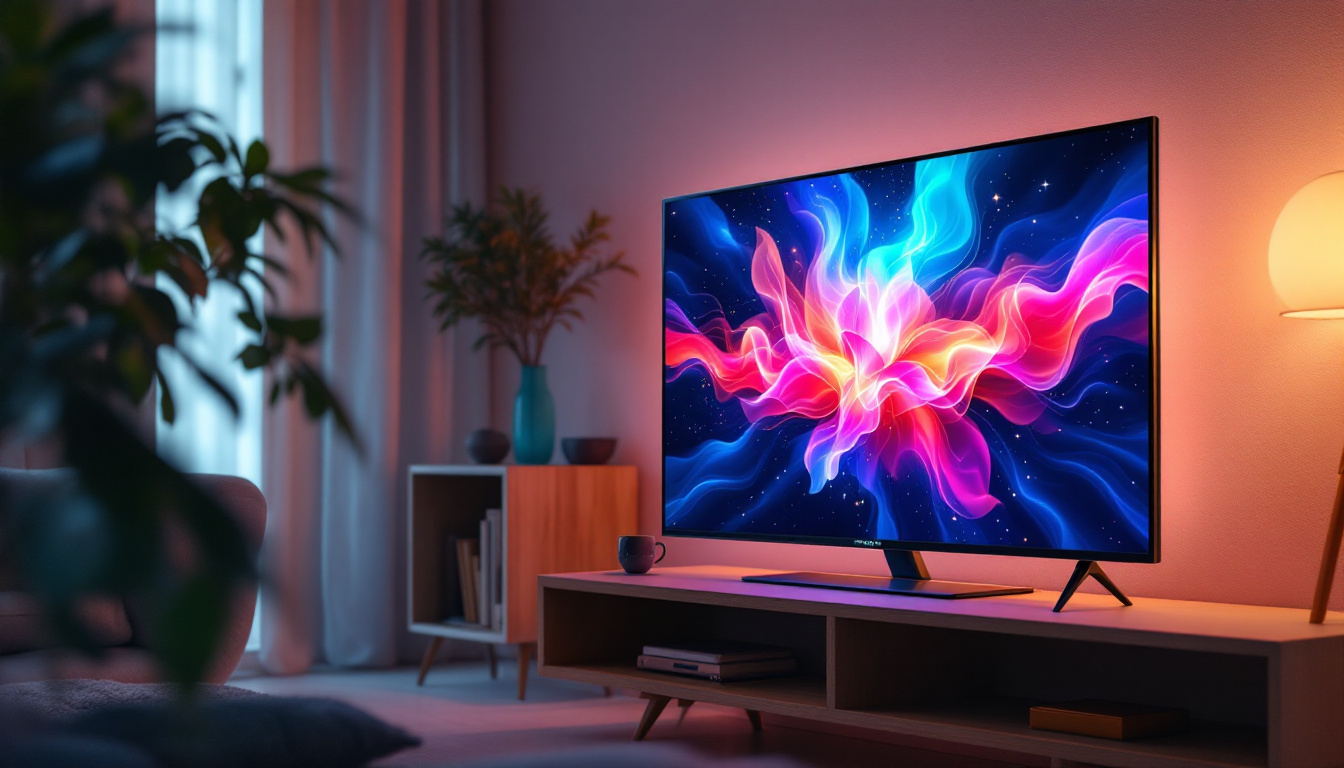
- LED-backlit LCD Displays: These combine traditional LCD panels with LED backlighting to enhance brightness and color accuracy. This is the most common type found in consumer televisions and monitors. The integration of LED backlighting has allowed manufacturers to produce thinner and lighter screens while still delivering excellent image quality.
- MicroLED Displays: An emerging technology that uses microscopic LEDs to create displays with exceptional brightness, contrast, and energy efficiency. MicroLEDs promise to surpass OLED technology in the near future. With their modular design, MicroLEDs can be seamlessly combined to create screens of virtually any size, offering limitless possibilities for custom installations.
In addition to these types, there are also specialized LED displays designed for niche applications, such as transparent LED screens that allow for innovative advertising solutions without obstructing views, and flexible LED panels that can be bent or shaped to fit unique environments. These advancements not only broaden the scope of LED technology but also inspire creativity in design and functionality, paving the way for future innovations in display technology.
The Evolution and Impact of LED Displays
The LED display industry has witnessed rapid growth, driven by advancements in semiconductor technology, manufacturing processes, and consumer demand for high-quality visuals. According to market research, the global LED display market is expected to reach over $40 billion by 2027, growing at a compound annual growth rate (CAGR) of around 12% from 2020 to 2027.
From Simple Indicators to Immersive Visual Experiences
Initially, LEDs were used as simple indicator lights in electronic devices. Over time, engineers developed ways to arrange these diodes into matrices capable of displaying text and images. The transition from monochrome to full-color displays marked a major milestone, enabling vibrant advertising and entertainment applications.
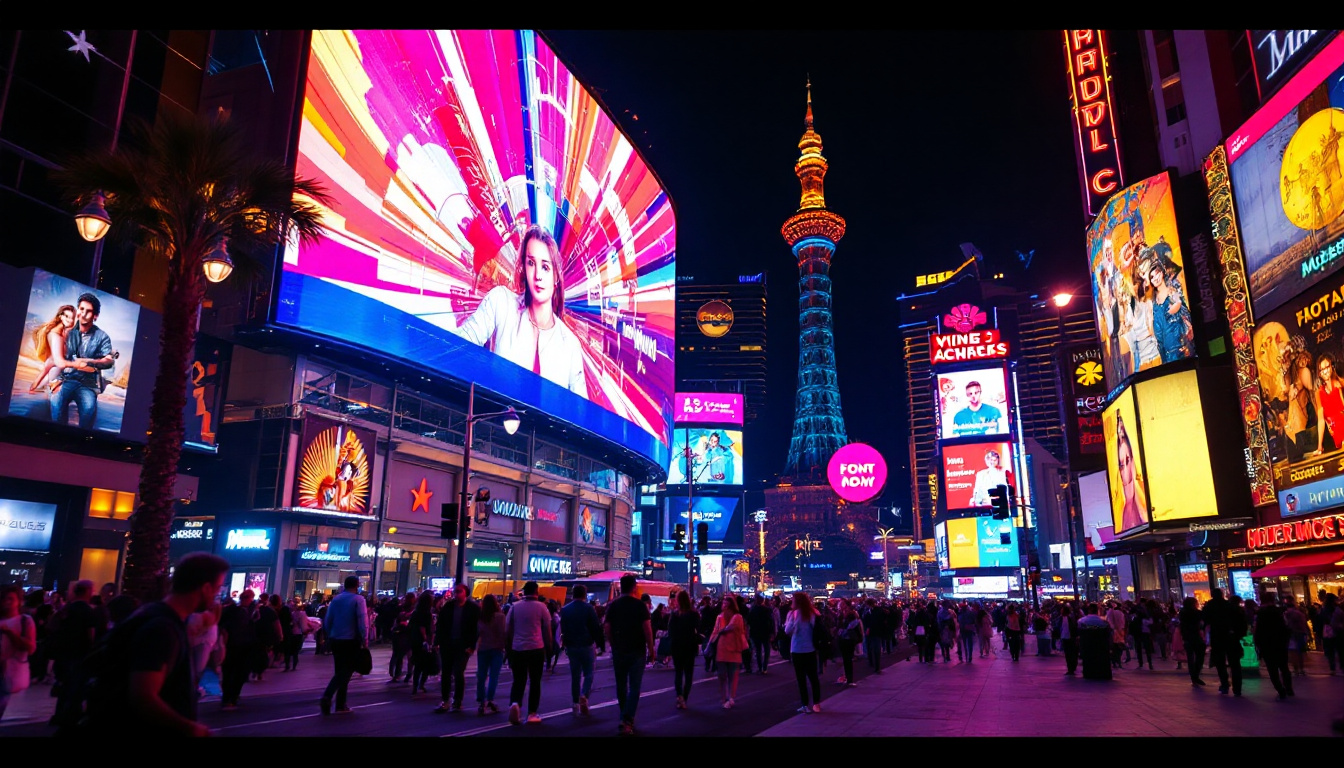
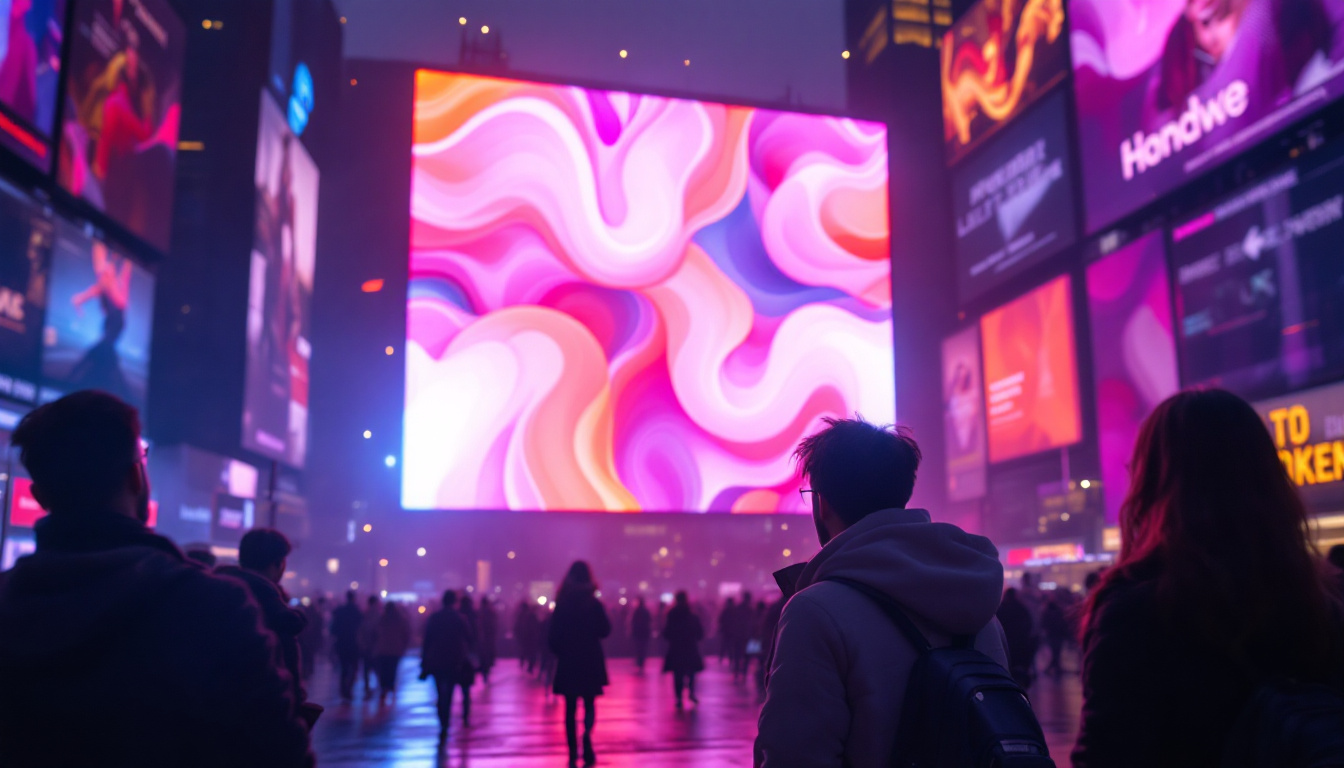
Today, LED displays are integral to many industries, including retail, transportation, sports, and entertainment. Their ability to deliver bright, clear images even in direct sunlight has made them the preferred choice for outdoor digital signage and public information systems. Furthermore, the advent of flexible LED technology has opened new avenues for creative installations, allowing displays to be shaped and curved to fit unique architectural designs, thereby enhancing the visual appeal of public spaces and events.
Energy Efficiency and Environmental Benefits
LED displays consume significantly less power compared to traditional display technologies. This efficiency not only reduces operational costs but also contributes to lower carbon emissions. For instance, a study by the U.S. Department of Energy found that LED lighting systems use at least 75% less energy than incandescent lighting, a principle that extends to LED displays as well.
Moreover, LEDs have a longer lifespan, often exceeding 50,000 hours of use, which means fewer replacements and less electronic waste. These factors make LED displays an environmentally responsible choice for businesses and consumers alike. In addition to their energy efficiency, many manufacturers are now focusing on sustainable production practices, utilizing recyclable materials and reducing hazardous substances in their products. This commitment to sustainability not only helps in mitigating environmental impact but also resonates with a growing consumer base that values eco-friendly solutions.
Applications of LED Displays in Modern Media and Entertainment
The new TVF series highlights how LED displays have transformed the media landscape, enabling innovative content delivery and immersive experiences.
Broadcast and Studio Use
In television studios, LED walls are increasingly replacing traditional green screens and static backdrops. These dynamic displays allow producers to change backgrounds in real-time, create interactive environments, and enhance visual storytelling. The flexibility and high resolution of LED walls contribute to more engaging broadcasts.
Live Events and Concerts
Concerts, festivals, and live events rely heavily on LED displays to captivate audiences. Massive LED screens provide clear visuals to attendees, regardless of their distance from the stage. Additionally, LED technology supports complex video mapping and synchronized lighting effects that elevate the overall experience.
Retail and Advertising
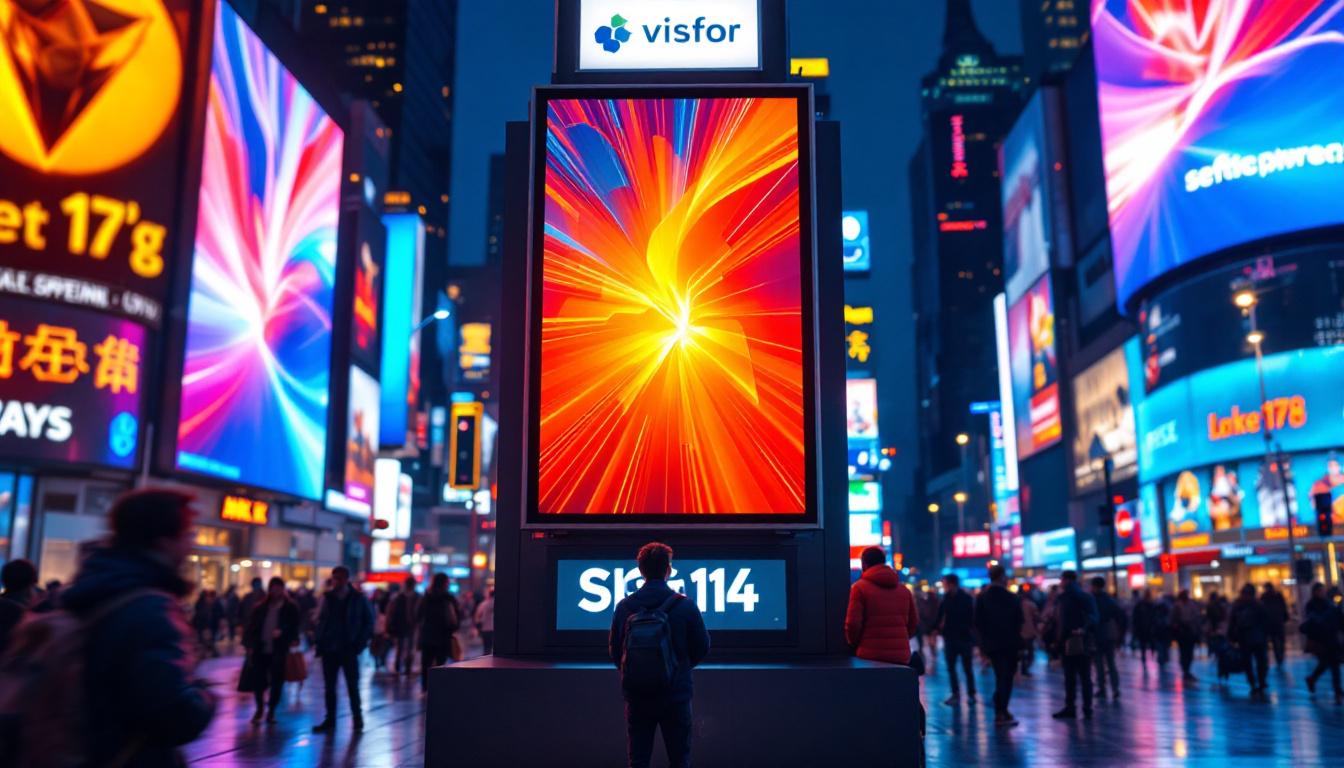
Retailers use LED displays to attract customers with vibrant advertisements and interactive content. Digital signage powered by LED technology can be updated remotely and instantly, allowing for timely promotions and personalized messaging. This adaptability is crucial in today’s fast-paced market environment.
Technological Innovations Driving the Future of LED Displays
Continuous research and development are pushing LED display capabilities to new heights. The TVF series explores some of the most promising innovations shaping the future of this technology.
MicroLED and MiniLED Technologies
MicroLED technology involves creating displays with microscopic LEDs that function as individual pixels. This approach offers exceptional brightness, contrast, and color accuracy, rivaling and potentially surpassing OLED displays. MicroLEDs also boast longer lifespans and better energy efficiency.
MiniLEDs, which use smaller LEDs as backlighting for LCD panels, provide improved contrast and local dimming capabilities. Both technologies are gaining traction in high-end televisions, monitors, and mobile devices, promising superior picture quality.
Flexible and Transparent LED Displays
Recent advances have enabled the production of flexible LED panels that can bend and curve without losing functionality. This opens up new possibilities for creative installations, wearable displays, and innovative product designs.
Transparent LED displays are another exciting development, allowing screens to be integrated into glass surfaces such as windows and storefronts. These displays maintain visibility while showing dynamic content, blending digital and physical environments seamlessly.
Artificial Intelligence and Content Optimization
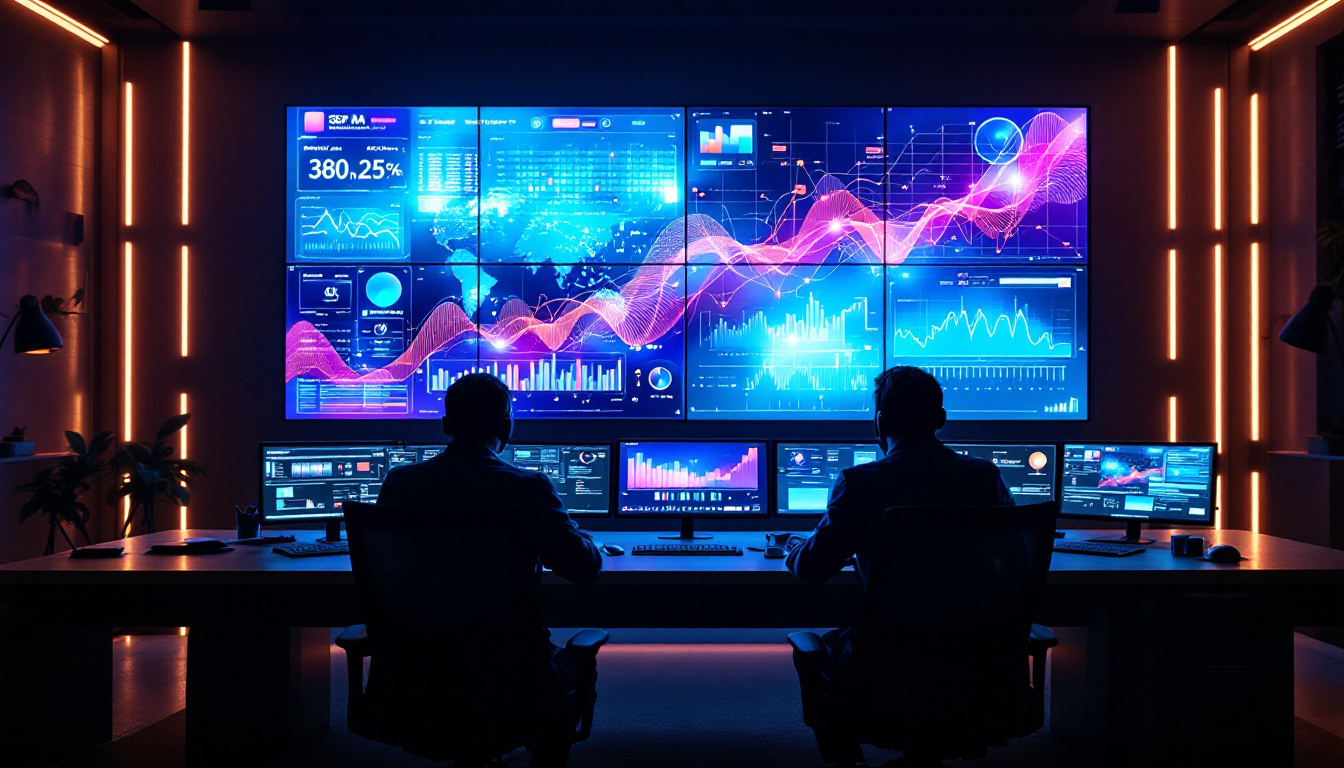
Artificial intelligence (AI) is increasingly being integrated with LED display systems to optimize content delivery. AI algorithms can analyze audience demographics, environmental conditions, and engagement metrics to tailor visuals in real-time. This leads to more effective advertising and enhanced viewer experiences.
Choosing the Right LED Display: Key Considerations
For businesses and consumers looking to invest in LED display technology, understanding the critical factors that influence performance and suitability is essential.
Resolution and Pixel Pitch
Resolution refers to the number of pixels on the display, while pixel pitch is the distance between individual LEDs. A smaller pixel pitch results in higher resolution and sharper images, especially important for close viewing distances. For example, indoor LED displays typically have a pixel pitch of 1.5 to 3 millimeters, whereas outdoor displays may have pitches of 10 millimeters or more.
Brightness and Viewing Angle
Brightness is crucial for visibility, particularly in outdoor environments exposed to sunlight. LED displays can reach brightness levels of up to 5,000 nits or higher, ensuring clear images in various lighting conditions. Viewing angle determines how well the display can be seen from different positions; wider angles improve audience reach.
Durability and Weather Resistance
Outdoor LED displays must withstand harsh weather conditions, including rain, dust, and temperature fluctuations. Look for displays with appropriate IP (Ingress Protection) ratings that guarantee resistance to water and dust ingress. Robust construction also ensures longevity and reduces maintenance costs.
Cost and Maintenance
While LED displays can be a significant investment, their long-term benefits often justify the expense. Consider not only the initial purchase price but also energy consumption, maintenance requirements, and potential upgrades. Partnering with reputable manufacturers and service providers can help ensure reliable performance and support.
Conclusion: The Bright Future of LED Displays
The new TVF series on LED displays offers a comprehensive look at a technology that continues to shape modern visual communication. From its fundamental principles to cutting-edge innovations, LED display technology is enabling richer, more immersive experiences across industries.
As the demand for high-quality, energy-efficient, and versatile displays grows, ongoing advancements like MicroLED, flexible panels, and AI integration promise to push the boundaries even further. Whether for advertising, entertainment, or information dissemination, LED displays are set to remain at the forefront of digital media for years to come.
Explore the Future of Visuals with LumenMatrix
As you’ve seen, LED displays are transforming the way we connect and communicate. If you’re inspired to be part of this visual revolution, look no further than LumenMatrix. As a pioneer in LED display technology, LumenMatrix offers an extensive range of solutions tailored to your needs, including Indoor and Outdoor LED Wall Displays, Vehicle LED Displays, LED Poster Displays, and more. Embrace the future of digital signage with LumenMatrix’s innovative and immersive LED display modules. Check out LumenMatrix LED Display Solutions today and see how they can illuminate your brand’s message with vibrancy and precision.