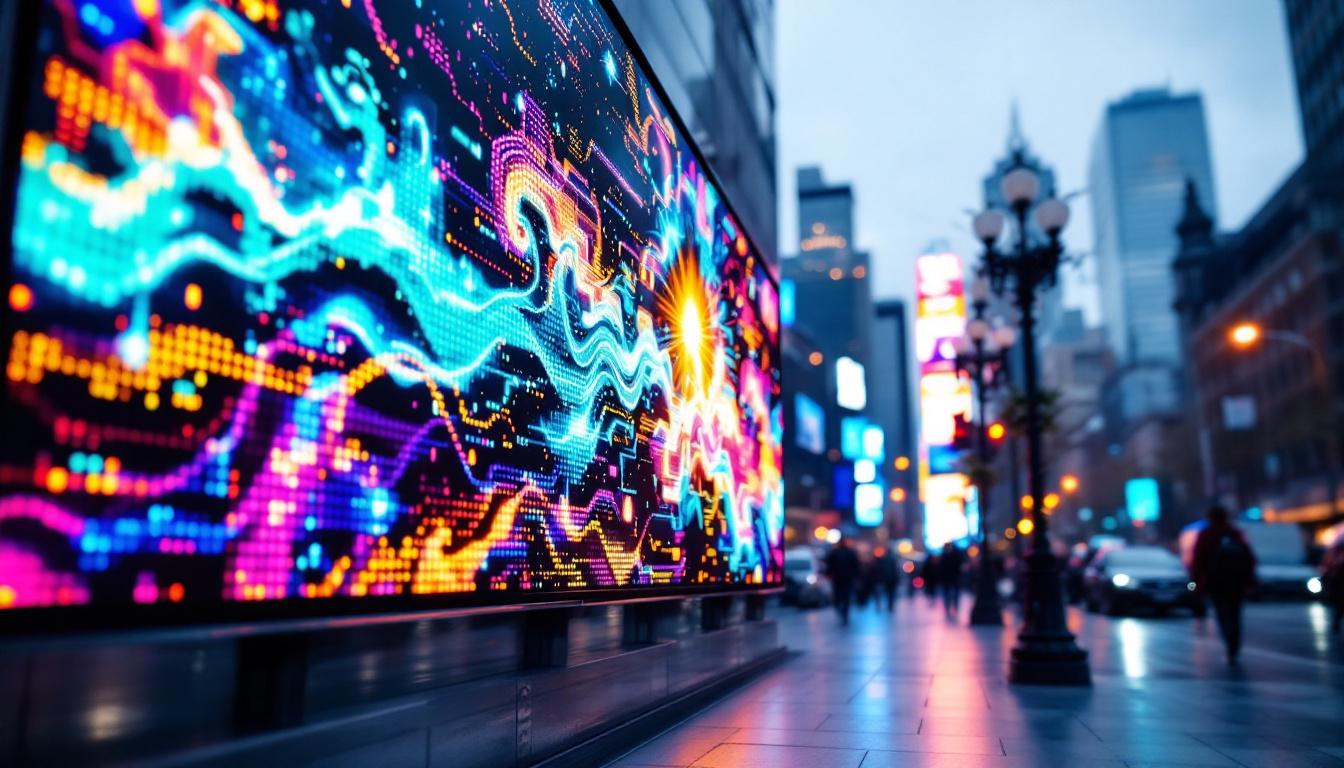
In today’s digital age, LED displays have become an integral part of how information is communicated visually. From vibrant billboards in Times Square to the sleek screens in conference rooms, LED technology powers many of the displays we interact with daily. Understanding the fundamentals of LED displays, their advantages, and the latest innovations can help businesses and consumers make informed decisions when selecting visual display solutions.
What is an LED Display?
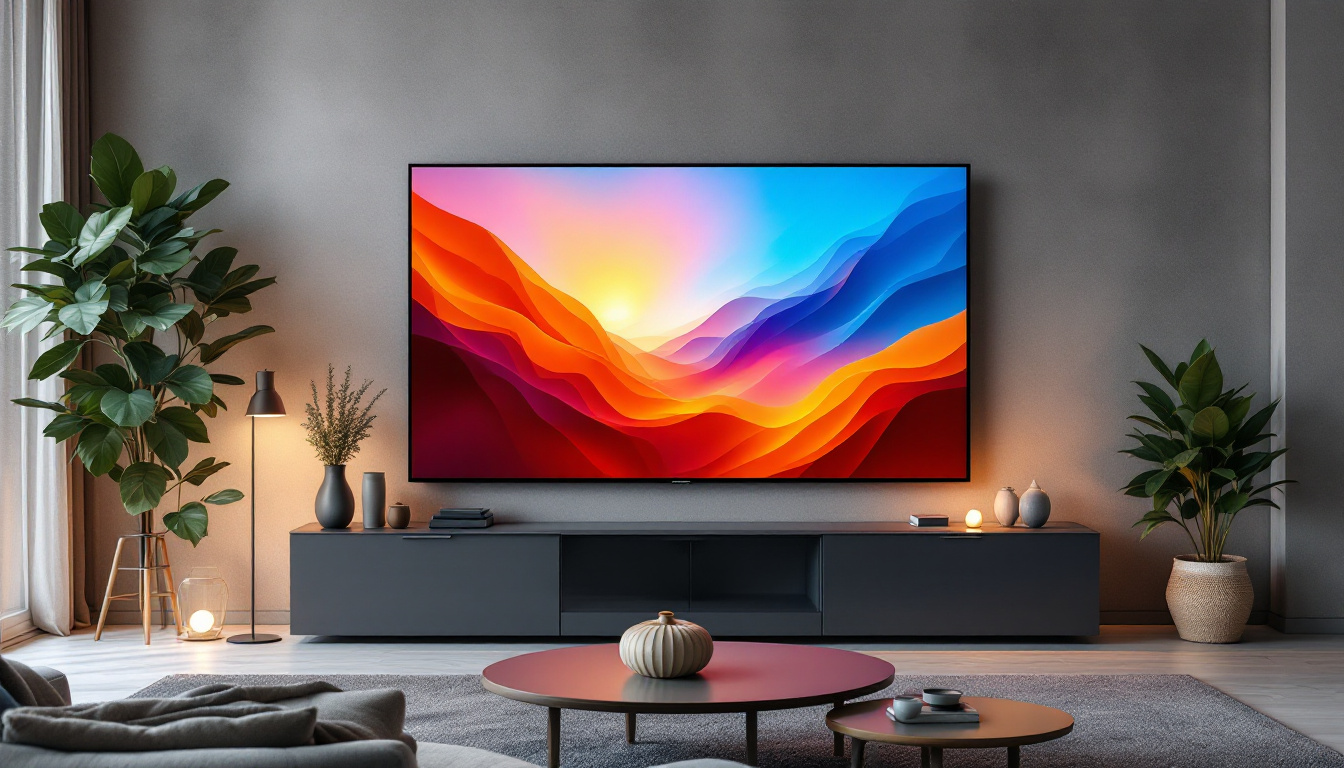
LED stands for Light Emitting Diode, a semiconductor device that emits light when an electric current passes through it. An LED display is a flat panel display that uses an array of these tiny LEDs as pixels to create images, videos, and text. Unlike traditional LCD or plasma displays, LED displays use direct light emission, which results in brighter, more vivid visuals.
LED displays come in various forms, including indoor and outdoor screens, flexible panels, and even transparent displays. Their versatility makes them suitable for a wide range of applications, from advertising and entertainment to information dissemination and interactive kiosks.
One of the standout features of LED displays is their energy efficiency. Compared to older display technologies, LED displays consume significantly less power, making them not only cost-effective but also environmentally friendly. This energy efficiency is particularly beneficial for large-scale installations, such as billboards and stadium screens, where the power savings can be substantial. Additionally, the longevity of LED technology means that these displays can often last for tens of thousands of hours, reducing the need for frequent replacements and maintenance.
Another important aspect of LED displays is their ability to produce high dynamic range (HDR) content. This capability allows for a wider range of colors and contrasts, enhancing the viewing experience. As a result, LED displays are increasingly being utilized in high-end applications, such as cinema screens and art installations, where visual fidelity is paramount. Furthermore, advancements in LED technology, such as the development of microLED and miniLED displays, are pushing the boundaries of what is possible, offering even greater resolution and flexibility in design, which opens new avenues for creative expression in digital media.
How LED Displays Work
Basic Structure and Components
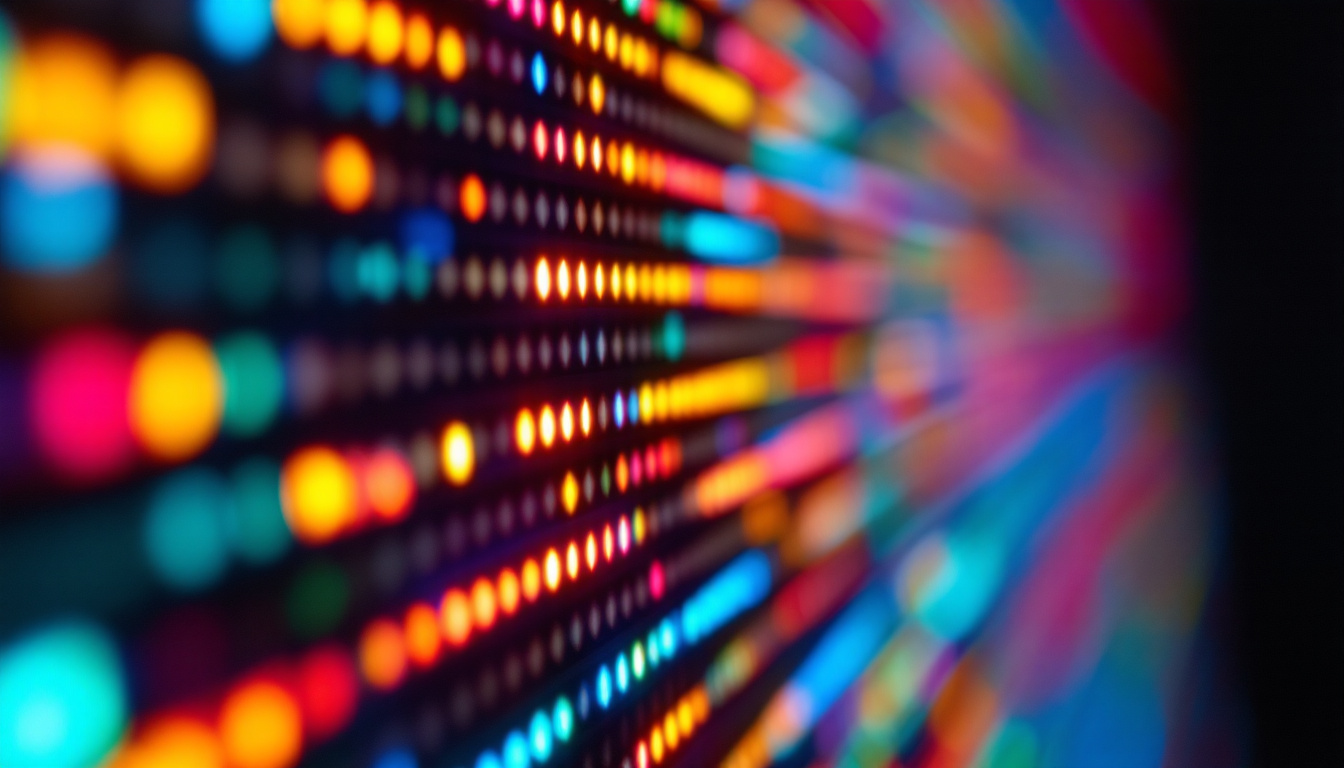
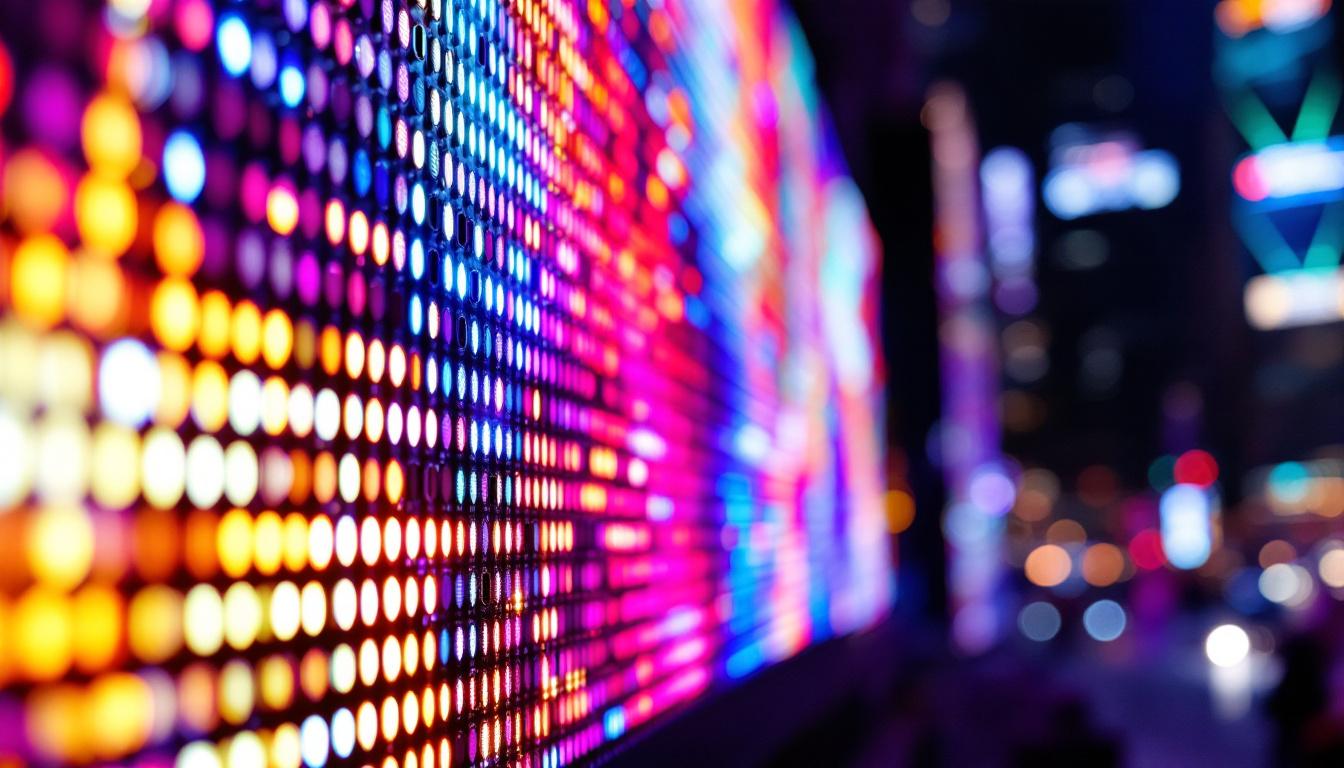
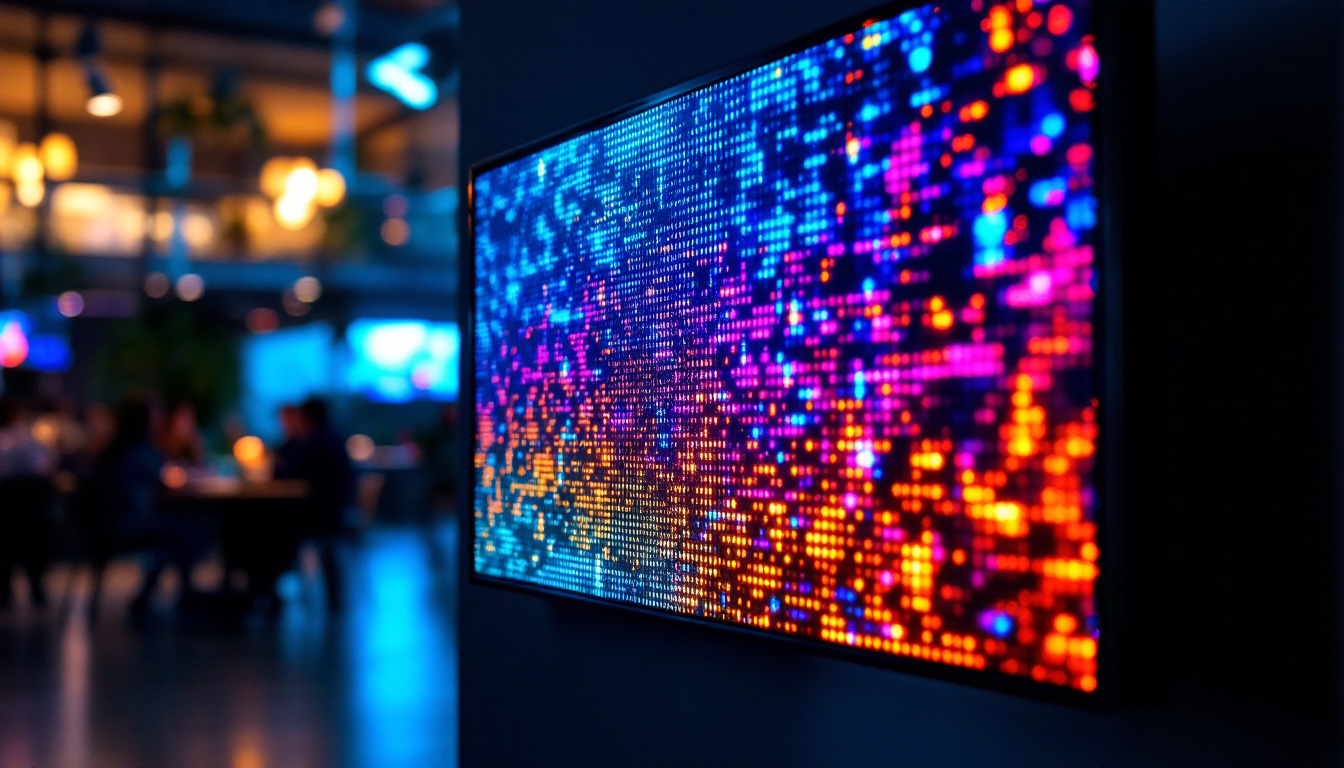
An LED display is composed of thousands to millions of individual LEDs arranged in a matrix. Each LED acts as a pixel or part of a pixel, emitting red, green, or blue light. By adjusting the intensity of these three colors, the display can produce a full spectrum of colors.
The fundamental components of an LED display include:
- LED Modules: Small panels containing clusters of LEDs, which are combined to form the full display.
- Driver Circuits: Electronics that control the current supplied to each LED, managing brightness and color.
- Control System: Hardware and software that process input signals (video, images, text) and translate them into commands for the LEDs.
- Power Supply: Provides the necessary electrical energy to the entire system.
In addition to these core components, LED displays often incorporate advanced thermal management systems to dissipate heat generated during operation. This is crucial for maintaining performance and longevity, as excessive heat can lead to reduced brightness and color accuracy over time. Furthermore, many modern LED displays are designed with modularity in mind, allowing for easy maintenance and replacement of individual LED modules without requiring a complete system overhaul.
Pixel Pitch and Resolution
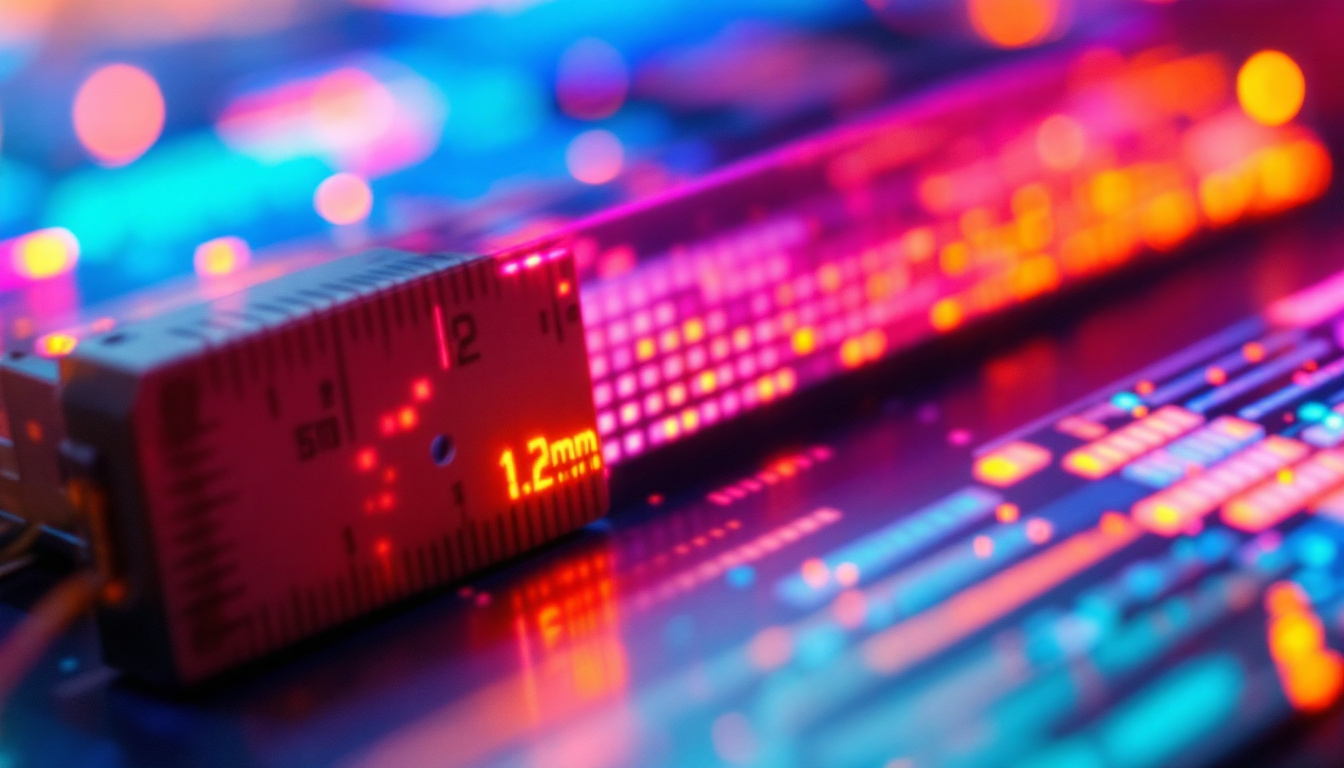
One of the most critical technical specifications of an LED display is the pixel pitch, which is the distance between the centers of two adjacent pixels. This measurement, usually in millimeters, directly impacts the display’s resolution and viewing distance.
A smaller pixel pitch means more pixels per square meter, resulting in sharper images and finer detail. For example, indoor LED displays often have pixel pitches as low as 0.9mm to 2.5mm, ideal for close viewing distances. Outdoor displays, designed to be viewed from afar, typically have larger pixel pitches ranging from 4mm to 20mm or more.
Advantages of LED Displays Over Other Technologies
Superior Brightness and Visibility
One of the standout benefits of LED displays is their exceptional brightness. LEDs can achieve brightness levels exceeding 5,000 nits, making them easily visible even in direct sunlight. This is a significant advantage over LCD and plasma screens, which often struggle with glare and reduced visibility outdoors.
High brightness ensures that content remains clear and engaging regardless of ambient lighting conditions, which is crucial for outdoor advertising, sports arenas, and transportation hubs.
Energy Efficiency and Longevity
LED technology is known for its energy efficiency. Compared to traditional incandescent or fluorescent lighting, LEDs consume significantly less power while delivering comparable or superior illumination. This translates into lower operational costs and a reduced environmental footprint.
Moreover, LED displays generally have a longer lifespan, often rated between 50,000 to 100,000 hours of operation. This durability reduces maintenance frequency and replacement costs, making LEDs a cost-effective choice over time.
Flexibility and Customization
LED displays can be manufactured in various shapes and sizes, including curved, flexible, and transparent panels. This flexibility allows designers and marketers to create unique visual experiences tailored to specific environments and branding needs.
For example, flexible LED strips can wrap around columns in retail spaces, while transparent LED panels can be integrated into glass walls without obstructing views. Such customization enhances aesthetic appeal and user engagement.
Applications of LED Displays
Advertising and Digital Signage
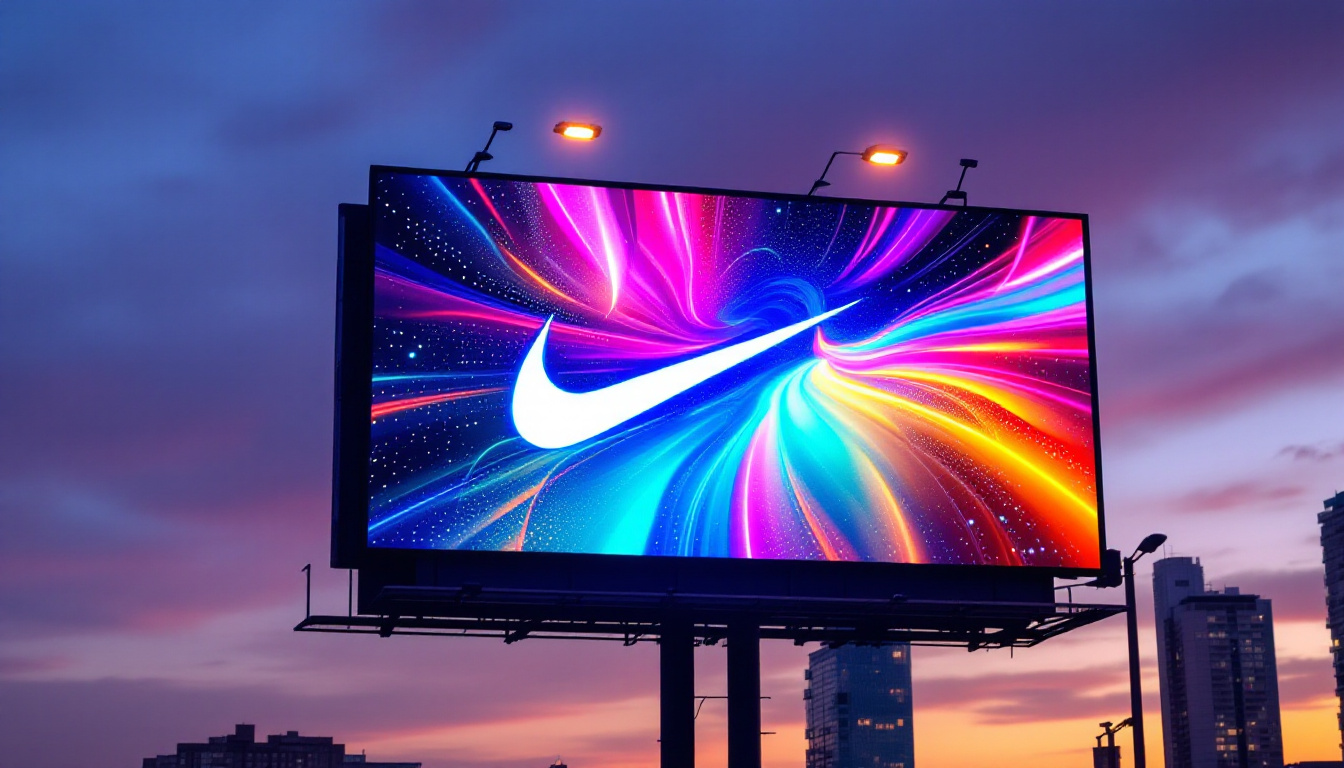
One of the most widespread uses of LED displays is in advertising. Digital billboards powered by LED technology offer dynamic content that can be updated in real-time, enabling marketers to tailor messages based on time of day, audience demographics, or current promotions.
According to a recent report by Grand View Research, the global digital signage market size was valued at over $21 billion in 2023 and is expected to grow at a compound annual growth rate (CAGR) of 7.5% through 2030. LED displays are a major driver of this growth due to their reliability and visual impact.
Sports and Entertainment Venues
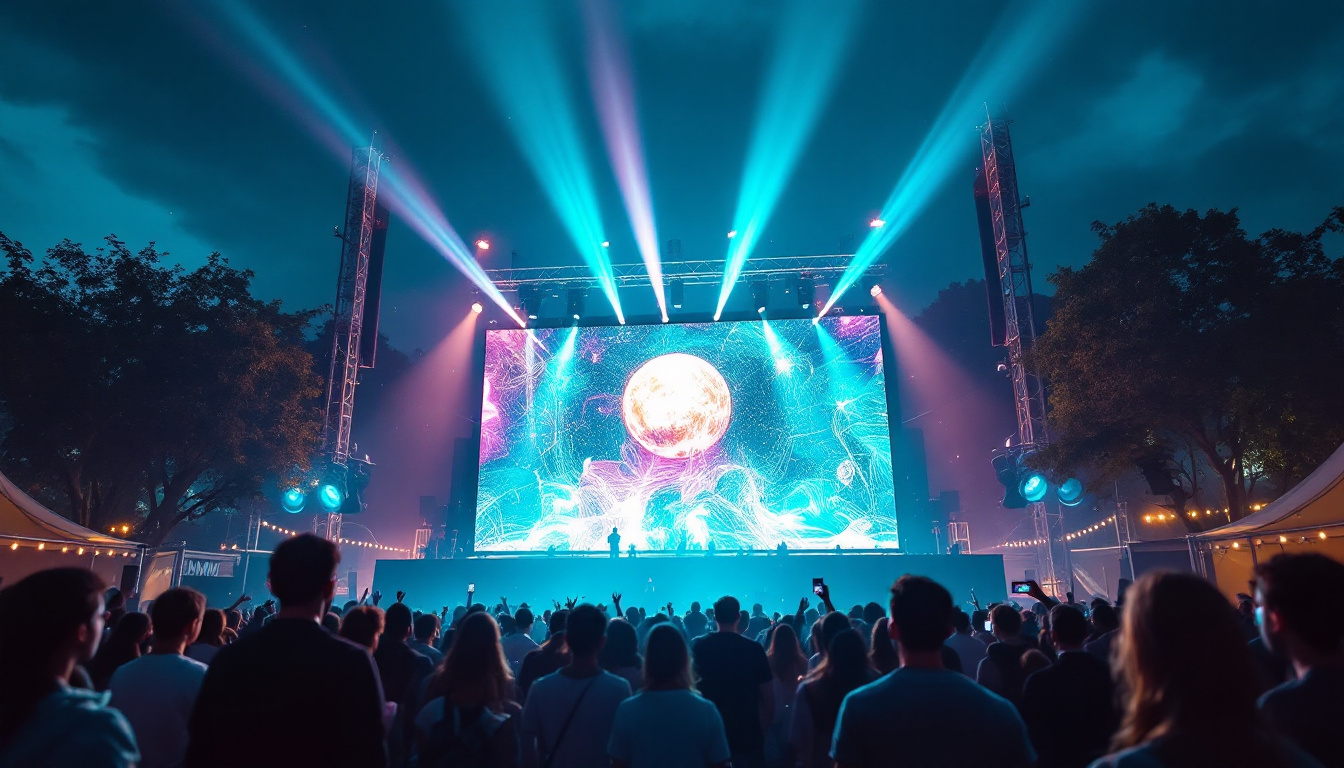
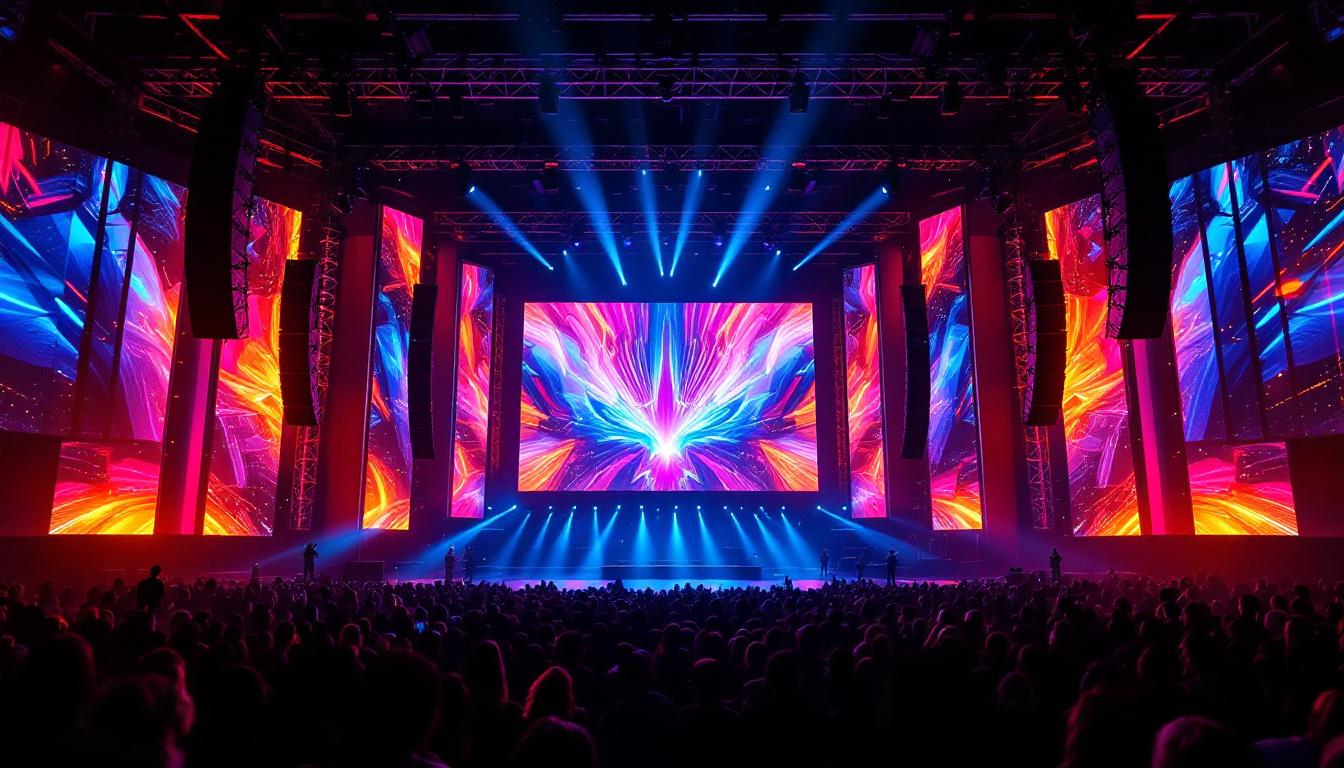
LED screens have revolutionized the spectator experience in stadiums and arenas. Large-scale LED video walls display live action, replays, scores, and advertisements, enhancing fan engagement. Their ability to produce vivid, high-resolution images ensures that spectators can enjoy clear visuals from any seat.
In concerts and theatrical productions, LED panels serve as dynamic backdrops that can change instantly to match the mood and theme, offering creative freedom to producers and performers.
Corporate and Educational Environments
In corporate settings, LED displays are used for presentations, video conferencing, and digital whiteboards. Their high resolution and brightness make them ideal for boardrooms and training rooms where clarity is essential.
Educational institutions employ LED screens to facilitate interactive learning, display announcements, and broadcast events. The technology’s scalability allows schools to implement solutions ranging from small classroom displays to large auditorium screens.
Emerging Trends and Innovations in LED Display Technology
MicroLED and MiniLED
MicroLED and MiniLED represent the next generation of LED display technology, offering improvements in brightness, contrast, and energy efficiency. MicroLED uses microscopic LEDs to create individual pixels, enabling displays with exceptional resolution and color accuracy without the need for backlighting.
MiniLED, on the other hand, uses smaller LEDs as a backlight for LCD panels, providing better local dimming and contrast ratios. Both technologies are gaining traction in high-end televisions, smartphones, and professional displays, promising richer visual experiences.
Interactive and Touch-Enabled LED Displays
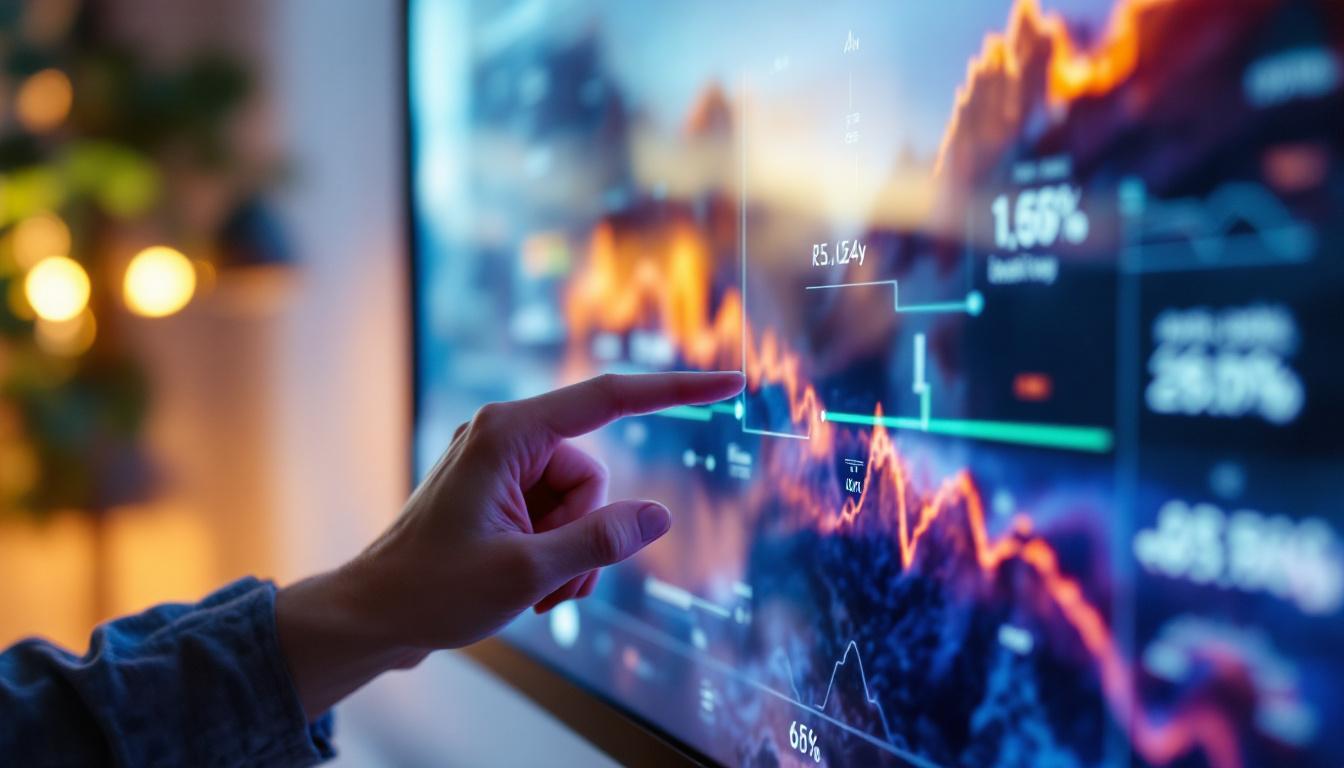
Touch-enabled LED displays are becoming increasingly popular in retail, education, and public information systems. Integrating capacitive or infrared touch technology with LED displays allows users to interact directly with the content, enhancing engagement and usability.
For instance, interactive LED kiosks in shopping malls can provide product information, wayfinding, and promotional offers, creating a more personalized customer experience.
Sustainability and Eco-Friendly Design
As environmental concerns rise, manufacturers are focusing on making LED displays more sustainable. This includes using recyclable materials, reducing power consumption through smarter control systems, and designing for easier repair and longer product life cycles.
Many companies now highlight the eco-friendly aspects of their LED products as a selling point, aligning with corporate social responsibility goals and consumer preferences.
Choosing the Right LED Display for Your Needs
Assessing Environment and Viewing Distance
When selecting an LED display, understanding the environment where it will be installed is critical. Indoor displays require higher resolution and smaller pixel pitch for close viewing, while outdoor displays prioritize brightness and weather resistance.
Viewing distance also dictates pixel pitch: closer viewing distances demand finer pixel pitches to avoid visible pixelation, whereas larger pixel pitches suffice for displays viewed from afar.
Content Type and Usage
The nature of the content to be displayed influences the choice of LED technology. Static images and text require different specifications compared to dynamic video content. Additionally, interactive applications necessitate touch integration and responsive control systems.
Budget and Maintenance Considerations
While LED displays offer long-term cost savings, initial investments can be significant. It is essential to balance upfront costs with expected lifespan, energy consumption, and maintenance requirements. Partnering with reputable suppliers and service providers ensures reliable performance and support.
Conclusion
LED displays have transformed how visual information is presented across industries, combining brightness, durability, and versatility in a single technology. As innovations like MicroLED and interactive touch capabilities continue to evolve, the potential applications and benefits of LED displays will only expand.
For businesses and organizations seeking impactful visual communication tools, understanding the technical aspects and practical advantages of LED displays is crucial. By carefully considering environment, content, and budget, decision-makers can select the optimal LED solution to engage audiences effectively and sustainably.
Discover LumenMatrix’s Innovative LED Solutions
Ready to elevate your visual communication with cutting-edge LED technology? Explore LumenMatrix’s comprehensive range of LED display modules, from vibrant Indoor and Outdoor LED Wall Displays to dynamic Vehicle and Sports LED Displays. Whether you’re looking to captivate with a Custom LED Display, make a statement with an LED Poster, or innovate with a Transparent LED Display, LumenMatrix has the solution to transform your space and engage your audience. Check out LumenMatrix LED Display Solutions today and experience the future of digital signage.