In today’s digital age, LED displays have become an integral part of how information is communicated visually across various industries. From advertising billboards to stadium screens, LED technology offers vibrant, energy-efficient solutions for dynamic content presentation. Among the many terms and technologies associated with LED displays, R Slp is one that often surfaces, especially in technical discussions about LED panel specifications and performance.
This article delves into the concept of R Slp in LED displays, explaining what it means, why it matters, and how it impacts the overall quality and functionality of LED screens. Whether you are a professional in the display industry, a business owner considering an LED installation, or simply curious about display technology, this comprehensive guide will provide valuable insights.
Understanding LED Displays: A Brief Overview
Before exploring R Slp specifically, it’s essential to understand the basics of LED display technology. LED stands for Light Emitting Diode, a semiconductor device that emits light when an electric current passes through it. LED displays are composed of thousands to millions of these tiny LEDs arranged in a matrix to form images, videos, or text.
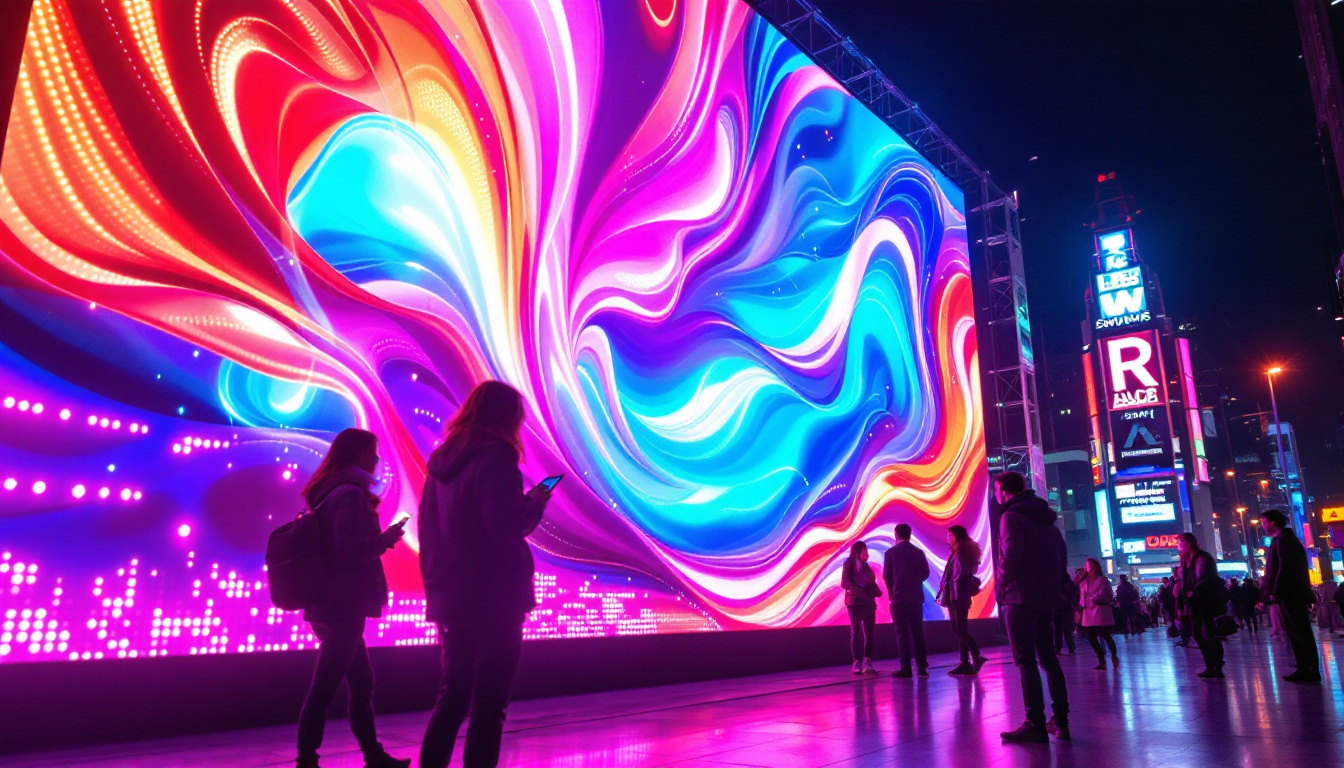
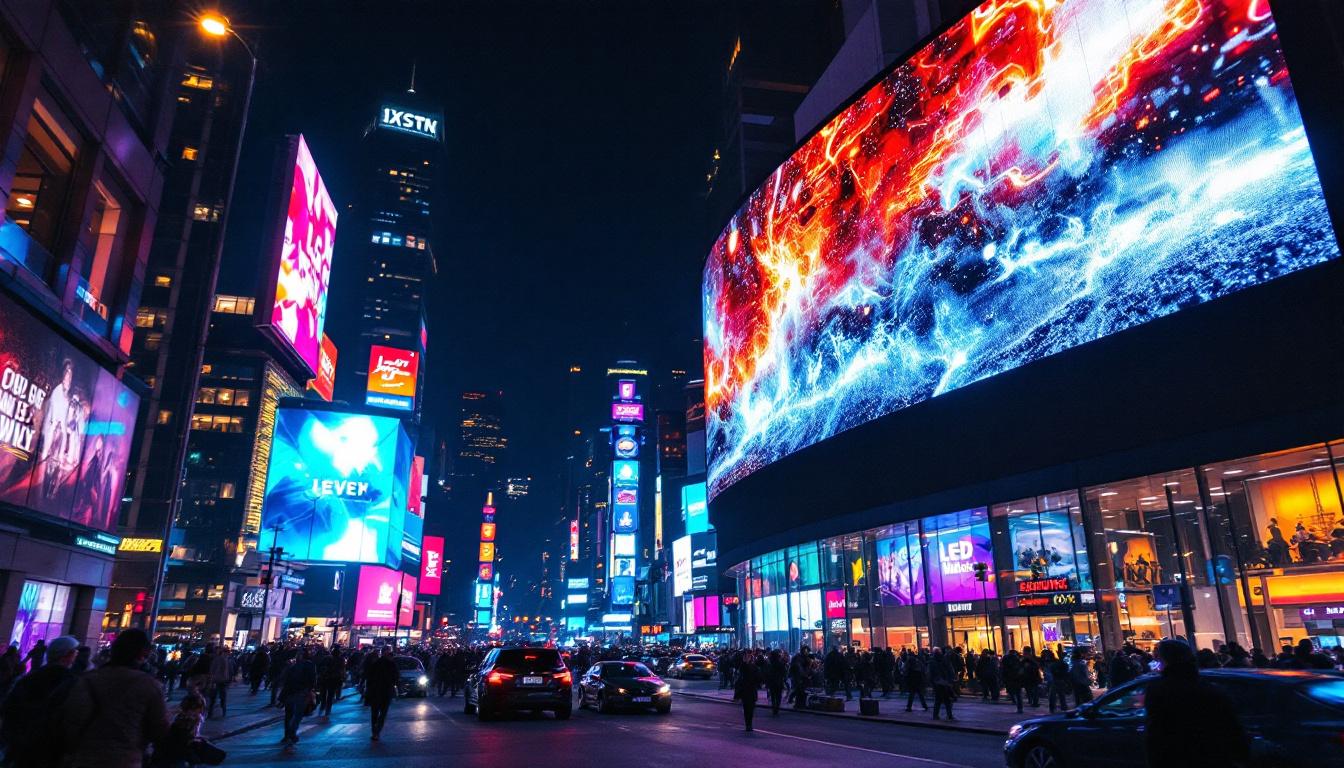
LED displays are favored for their brightness, color accuracy, and energy efficiency compared to traditional display technologies like LCD or plasma. They are used in a wide range of applications including outdoor advertising, sports arenas, retail signage, transportation hubs, and concert venues. The versatility of LED technology allows it to adapt to various environments, making it an ideal choice for both indoor and outdoor settings. Furthermore, advancements in LED technology have led to improved durability and lifespan, making them a cost-effective solution over time.
Types of LED Displays
LED displays come in various forms, primarily categorized by pixel pitch, size, and configuration:
- Indoor LED Displays: Designed for close viewing distances, these displays have a smaller pixel pitch (typically 1-4 mm) to ensure high resolution and sharp images.
- Outdoor LED Displays: Built to withstand weather conditions, these have larger pixel pitches (usually 10 mm or more) for visibility from greater distances.
- Flexible and Transparent LED Displays: Emerging technologies allow for curved, bendable, or see-through LED panels, expanding creative possibilities.
Each type has unique requirements and performance characteristics, where parameters like R Slp play a crucial role. For instance, the pixel pitch not only affects the resolution but also the viewing angle and brightness, which are vital for ensuring that the display performs optimally in its intended environment. Additionally, the advancements in LED technology have led to the development of smart displays that can integrate with IoT devices, enabling real-time data display and interactivity. This integration opens up new avenues for advertising and information dissemination, allowing brands to engage with their audience in innovative ways.
Moreover, the environmental impact of LED displays is a growing concern, as manufacturers strive to create more sustainable products. Many LED displays now incorporate energy-saving features and recyclable materials, contributing to a reduced carbon footprint. This shift not only aligns with global sustainability goals but also appeals to environmentally conscious consumers and businesses. As technology continues to evolve, the future of LED displays looks promising, with ongoing research focused on enhancing efficiency, reducing costs, and expanding their application in everyday life.
What is R Slp in LED Displays?
R Slp stands for Red Slope, a technical parameter related to the color calibration and gamma correction of the red channel in an LED display. It is part of the broader color management process that ensures images and videos are rendered accurately and consistently across the screen.
In LED displays, color accuracy depends on the precise control of the red, green, and blue LEDs that combine to produce the full spectrum of colors. The “slope” in this context refers to the rate at which the intensity of the red LEDs changes in response to input signals, affecting how gradients and shades of red appear on the screen.
The Role of Gamma Correction
Gamma correction is a nonlinear operation used to encode and decode luminance or tristimulus values in video or still image systems. Without proper gamma correction, images can look washed out or overly dark. The R Slp parameter is critical in adjusting the gamma curve for the red channel, ensuring that reds are displayed with the correct brightness and contrast levels.
By fine-tuning the R Slp, manufacturers and technicians can achieve a more natural and vivid red tone, which is vital because the human eye is particularly sensitive to variations in red hues. This adjustment helps prevent color distortion and enhances the overall viewing experience.
Why R Slp Matters for LED Display Quality
Color fidelity is one of the most important aspects of display technology. Poor color calibration can lead to inaccurate branding, reduced viewer engagement, and a generally subpar visual experience. The R Slp parameter contributes significantly to this calibration process.
Impact on Visual Performance
When R Slp is optimized correctly, the red colors on an LED display appear richer and more consistent. This is especially important in applications such as:
- Advertising: Brands often rely on specific red tones in their logos and marketing materials. Accurate red reproduction ensures brand consistency and viewer recognition.
- Sports Broadcasting: Team colors, uniforms, and graphics often include red elements that must be displayed vividly to enhance fan engagement.
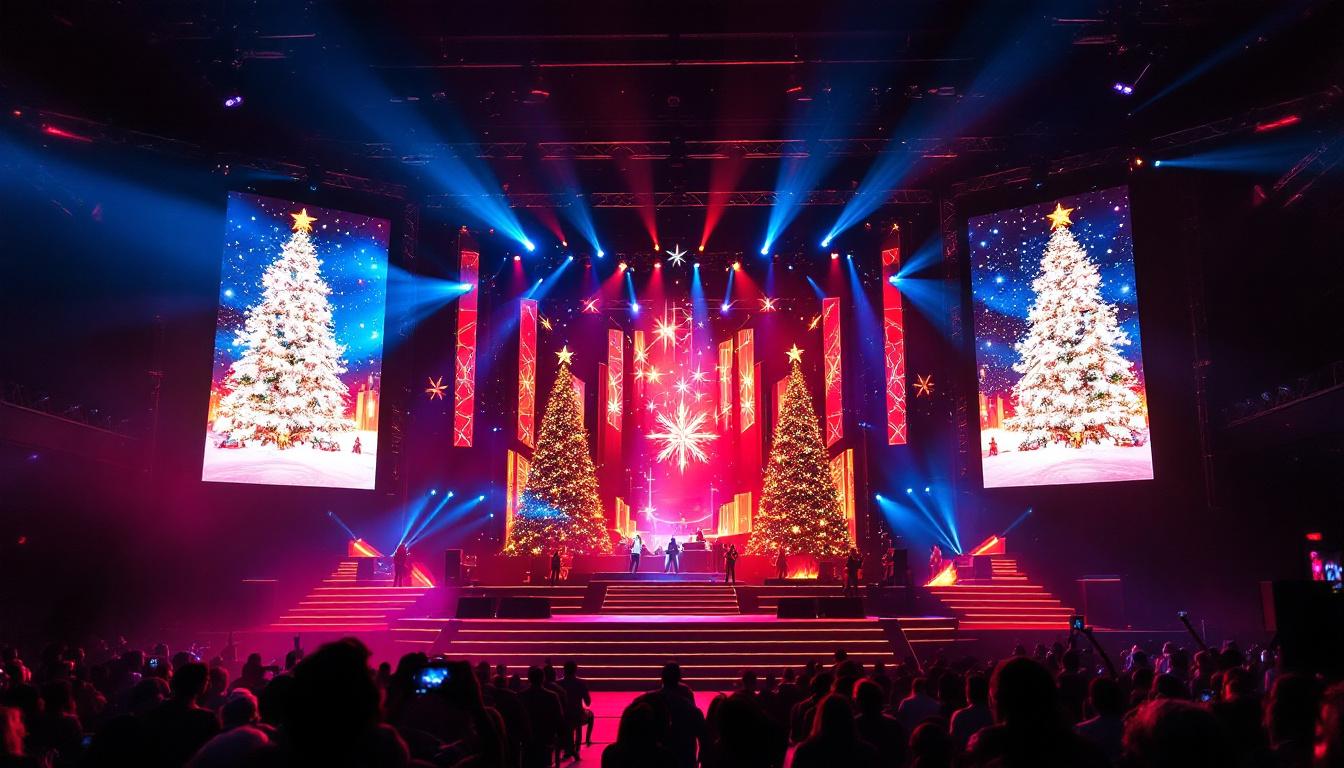
- Entertainment Venues: Concerts and events use LED walls to create immersive environments where color accuracy enhances the overall atmosphere.
Conversely, if R Slp is poorly configured, reds can appear either too dull or oversaturated, leading to a distorted image that detracts from the content’s intended impact.
Energy Efficiency and Longevity
Adjusting R Slp is not only about aesthetics. Proper calibration can also contribute to energy efficiency. By ensuring the red LEDs operate within optimal parameters, the display consumes power more effectively, reducing heat generation and prolonging the lifespan of the LEDs.
Given that LED displays are often used in continuous operation environments, such as digital billboards that run 24/7, these efficiency gains translate into significant cost savings and reduced maintenance requirements over time.
How R Slp is Measured and Adjusted
Measuring and adjusting R Slp involves specialized equipment and software tools designed for LED display calibration. The process typically includes the following steps:
1. Color Measurement
Technicians use colorimeters or spectroradiometers to measure the output of the red LEDs across different intensity levels. These devices capture precise data on luminance and chromaticity, which are essential for evaluating the current R Slp setting.
2. Gamma Curve Analysis
Using the measurement data, software tools plot the gamma curve for the red channel. The slope of this curve indicates how the red intensity changes relative to the input signal. Deviations from the ideal slope highlight the need for adjustment.
3. Calibration and Adjustment
Based on the analysis, technicians adjust the R Slp parameter through the display’s control system. This adjustment modifies the gamma curve to align with the target values, ensuring accurate red reproduction.
4. Verification
After adjustments, the display is re-measured to confirm that the R Slp is within the desired range. Multiple iterations may be necessary to achieve optimal results.
R Slp in the Context of Overall LED Display Calibration
While R Slp focuses on the red channel, it is part of a comprehensive calibration process that includes green and blue channels, as well as other parameters such as white balance, brightness, contrast, and uniformity.
Modern LED display calibration systems use advanced algorithms and artificial intelligence to automate much of this process, improving accuracy and reducing the time required. However, understanding individual parameters like R Slp remains crucial for troubleshooting and fine-tuning.
Integration with Color Management Systems
Many LED displays are integrated with color management systems that ensure consistency across multiple screens and content sources. R Slp adjustments are synchronized with these systems to maintain uniform color output, especially in large-scale installations such as video walls or multi-panel displays.
Future Trends and Innovations Related to R Slp
As LED technology continues to evolve, the methods for managing parameters like R Slp are becoming more sophisticated. Some emerging trends include:
- AI-Driven Calibration: Artificial intelligence is being leveraged to dynamically adjust color parameters in real-time, adapting to environmental changes such as ambient light and content type.
- Higher Color Gamut Displays: Advances in LED materials and design are expanding the color gamut, requiring more precise control of parameters like R Slp to fully utilize these capabilities.
- Mini-LED and Micro-LED Technologies: These next-generation LED displays offer finer pixel pitches and improved color accuracy, making calibration parameters even more critical for optimal performance.
These innovations promise to enhance the visual quality and versatility of LED displays, further emphasizing the importance of understanding and managing R Slp.
Conclusion
R Slp, or Red Slope, is a fundamental yet often overlooked parameter in the calibration and performance of LED displays. It plays a vital role in ensuring accurate red color reproduction, which is essential for visual fidelity, brand consistency, and viewer engagement. Proper adjustment of R Slp contributes not only to better image quality but also to energy efficiency and the longevity of LED panels.
As LED display technology advances, the importance of precise color calibration, including parameters like R Slp, will only grow. Professionals and businesses investing in LED displays should prioritize understanding these technical aspects to maximize the impact and return on their digital signage and display solutions.
With the right knowledge and tools, achieving vibrant, true-to-life colors on LED screens is entirely within reach, making R Slp an indispensable part of the LED display ecosystem.
Explore Cutting-Edge LED Display Solutions with LumenMatrix
Ready to experience the pinnacle of color accuracy and visual performance in LED displays? LumenMatrix is at the forefront of LED display innovation, offering a comprehensive range of solutions tailored to your needs. From Indoor and Outdoor LED Walls to specialized displays for vehicles, sports, and custom installations, our products are designed to captivate and engage your audience. Embrace the future of visual communication with LumenMatrix’s advanced LED technology. Check out LumenMatrix LED Display Solutions today and transform your brand’s visibility with unparalleled clarity and impact.