In the evolving world of film production, lighting remains one of the most critical elements in creating compelling visuals. With the rise of LED display technology, filmmakers now have access to innovative lighting solutions that can transform the way scenes are lit and captured. This article explores the role of LED displays in filming, their advantages, technical considerations, and practical applications, helping professionals and enthusiasts alike understand how to harness this technology effectively.
Understanding LED Displays in Film Lighting
What Are LED Displays?
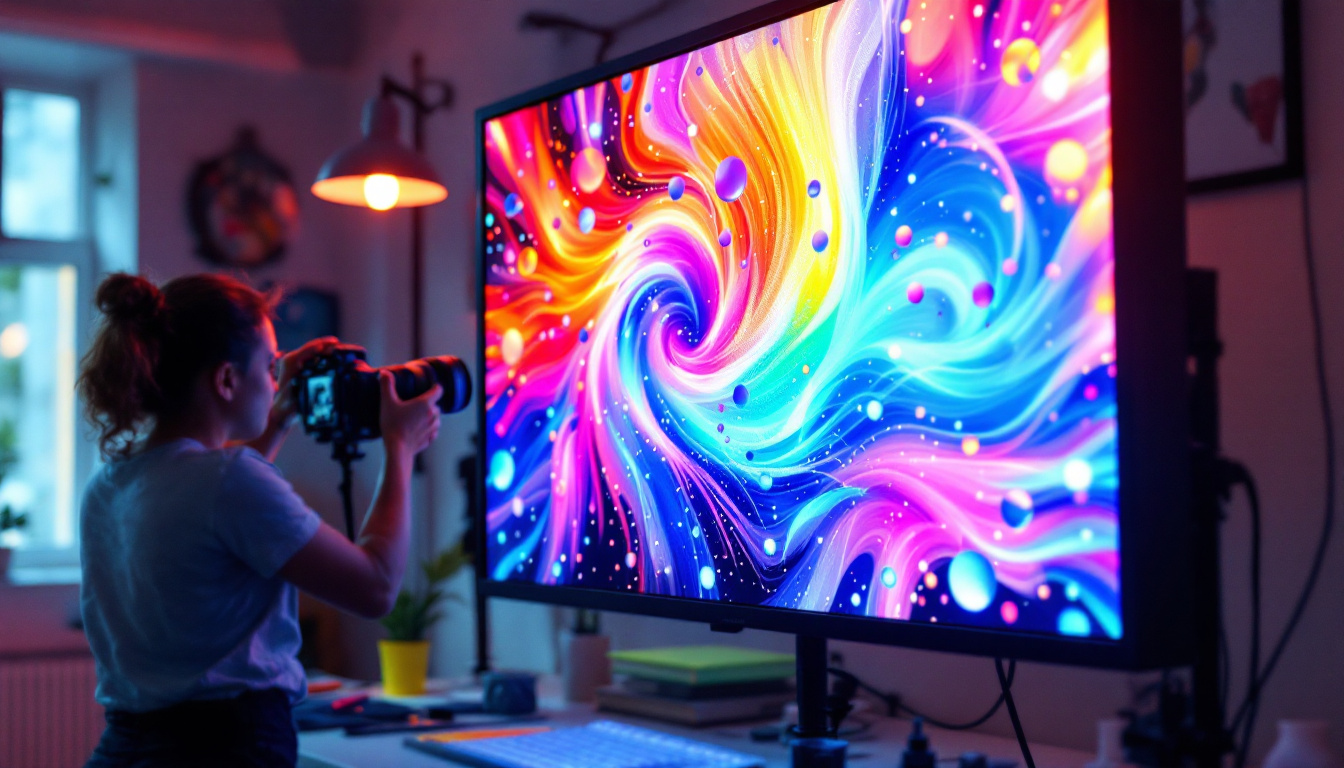
LED (Light Emitting Diode) displays are digital screens composed of numerous tiny LEDs that emit light when an electric current passes through them. Unlike traditional lighting fixtures that simply illuminate a scene, LED displays can show dynamic images, colors, and patterns, acting as both a light source and a backdrop simultaneously. This dual functionality makes them uniquely suited for modern film production environments.
In recent years, LED displays have become more affordable and versatile, leading to their increased adoption in studios and on-location shoots. Their ability to produce consistent, controllable light with minimal heat output has made them a preferred choice over conventional tungsten or fluorescent lighting in many scenarios.
How LED Displays Differ from Traditional Lighting
Traditional film lighting typically involves static sources such as Fresnel lights, softboxes, or HMIs, which provide illumination but require additional elements like flags, diffusers, or gels to shape and color the light. In contrast, LED displays can emit programmable light patterns and colors directly from their surface, enabling filmmakers to create immersive environments without extensive physical setups.
Moreover, LED displays offer real-time adaptability. For instance, background visuals can be altered instantly without changing physical props or sets, saving time and resources. This flexibility is particularly valuable in virtual production workflows, where LED walls serve as interactive backgrounds that respond to camera movements, enhancing realism and immersion.
Advantages of Using LED Displays for Filming
Enhanced Creative Control and Flexibility
One of the most significant benefits of LED displays is the unparalleled creative control they provide. Directors and cinematographers can manipulate lighting intensity, color temperature, and imagery on the fly to suit the mood and narrative of a scene. This capability reduces the need for multiple lighting setups and allows for more experimental and dynamic storytelling techniques.
For example, during a night scene, an LED display can simulate city lights, passing cars, or even a starry sky, all while illuminating actors with naturalistic light that matches the background. This integration helps maintain continuity and reduces post-production compositing challenges.
Improved Efficiency and Cost Savings
LED displays contribute to faster production schedules by minimizing the need for physical set changes and complex lighting rigs. Traditional lighting setups often require extensive crew effort to position, adjust, and balance multiple fixtures, which can be time-consuming and costly. LED walls streamline this process by combining lighting and background into a single element.
Additionally, LED displays are energy-efficient and generate less heat, reducing the need for additional cooling equipment on set. This not only lowers electricity costs but also creates a more comfortable working environment for cast and crew, which can enhance productivity.
Superior Image Quality and Color Accuracy
Modern LED displays offer high resolution and excellent color rendering capabilities, essential for achieving cinematic quality visuals. With advancements in LED technology, displays can produce a wide color gamut and precise brightness levels, ensuring that scenes look vibrant and true to life on camera.
Furthermore, LED displays can be calibrated to match specific color profiles, which is critical for maintaining consistency across multiple shots and scenes. This level of control helps avoid color grading issues during post-production and ensures that the director’s vision is faithfully represented.
Technical Considerations When Using LED Displays in Filming
Resolution and Pixel Pitch
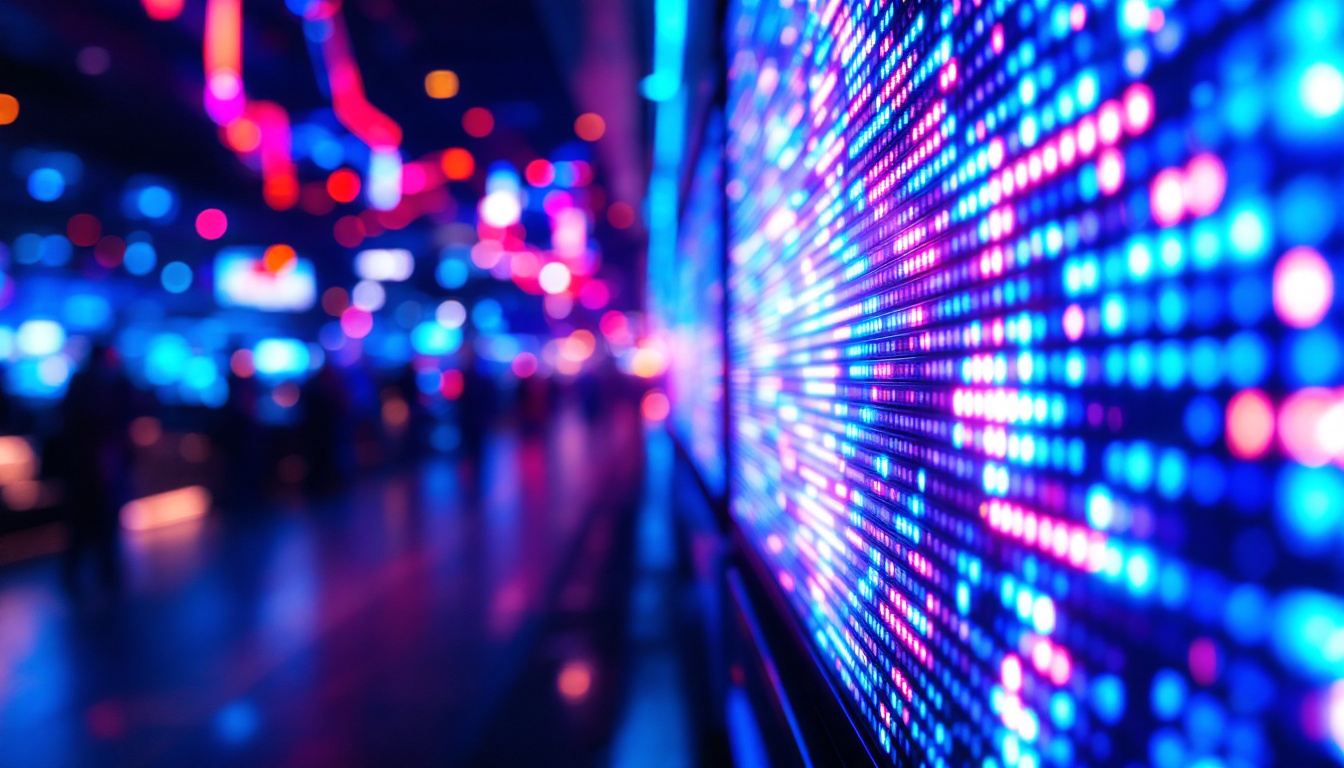
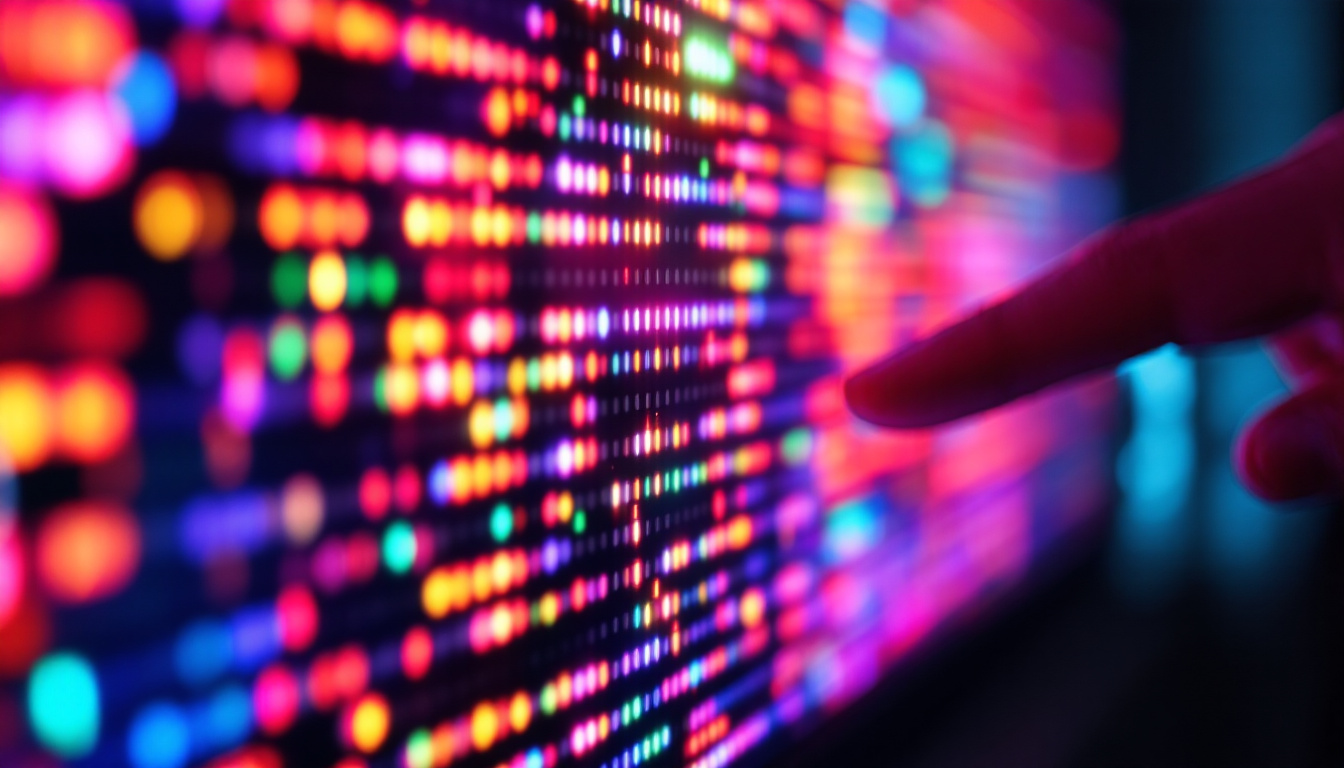
The resolution of an LED display, determined by its pixel pitch (the distance between individual LEDs), is a crucial factor for filming. A smaller pixel pitch means higher resolution and finer detail, which is important when the display is captured close to the camera or fills a large portion of the frame.
For film production, LED walls typically feature pixel pitches ranging from 1.2mm to 2.5mm. Choosing the right pixel pitch depends on the camera’s resolution, shooting distance, and the desired visual effect. Lower resolution screens may appear pixelated on camera, detracting from the immersive experience.
Refresh Rate and Flicker Control
Flicker is a common issue when filming LED displays, caused by mismatched refresh rates between the camera and the LED panel. To avoid flickering artifacts, LED displays designed for film use often support high refresh rates (above 1,000 Hz) and can be synchronized with camera shutter speeds.
Many professional LED panels include flicker-free modes and advanced control systems that allow cinematographers to adjust settings in real time. Ensuring proper synchronization is vital for achieving smooth, flicker-free footage, especially in slow-motion or high-frame-rate shooting.
Brightness and Contrast Levels
LED displays must provide sufficient brightness to compete with other light sources on set while maintaining good contrast to preserve image depth. Typical brightness levels for film-grade LED walls range from 1,000 to 2,000 nits, which is bright enough for indoor shooting environments without overwhelming the scene.
Contrast ratios are equally important, as they affect how well the display can render dark and bright areas simultaneously. High contrast helps create more realistic and visually appealing backgrounds, enhancing the overall cinematic quality.
Practical Applications of LED Displays in Film Production
Virtual Production and LED Volumes
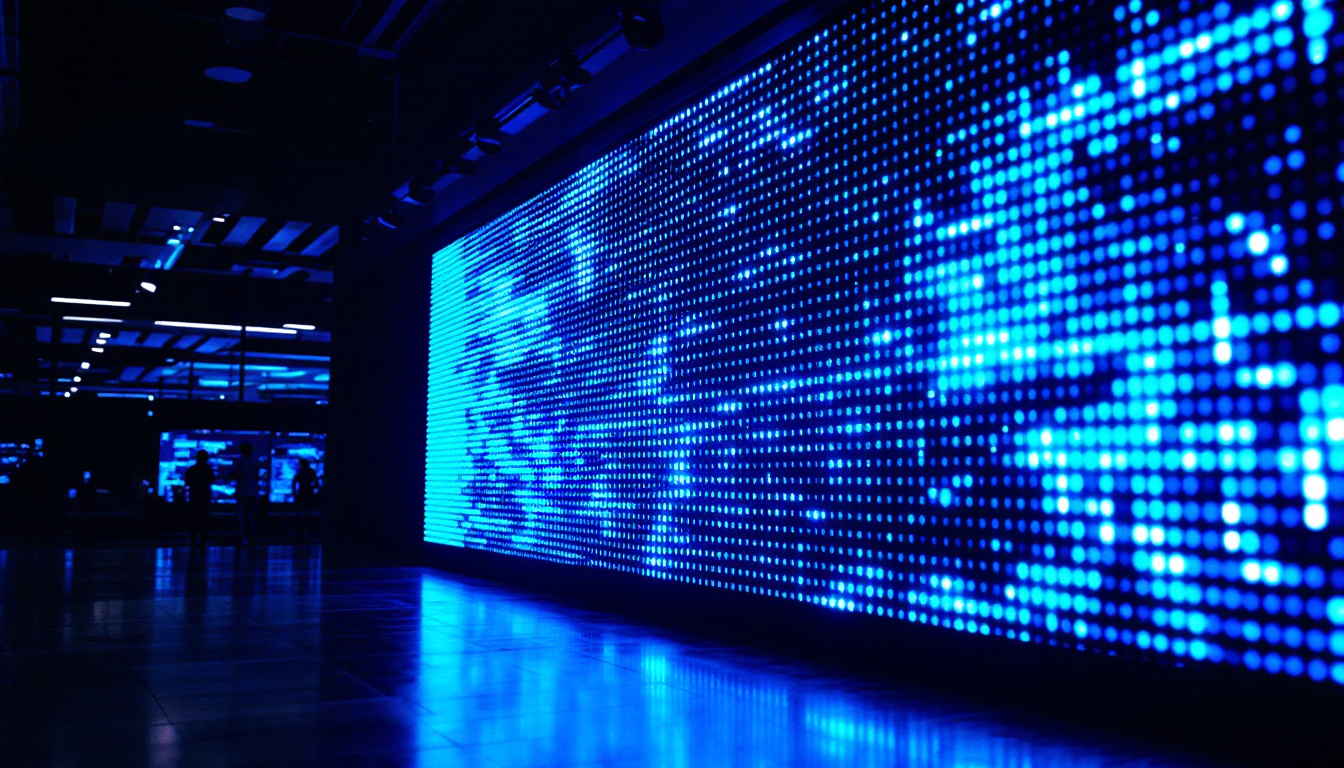
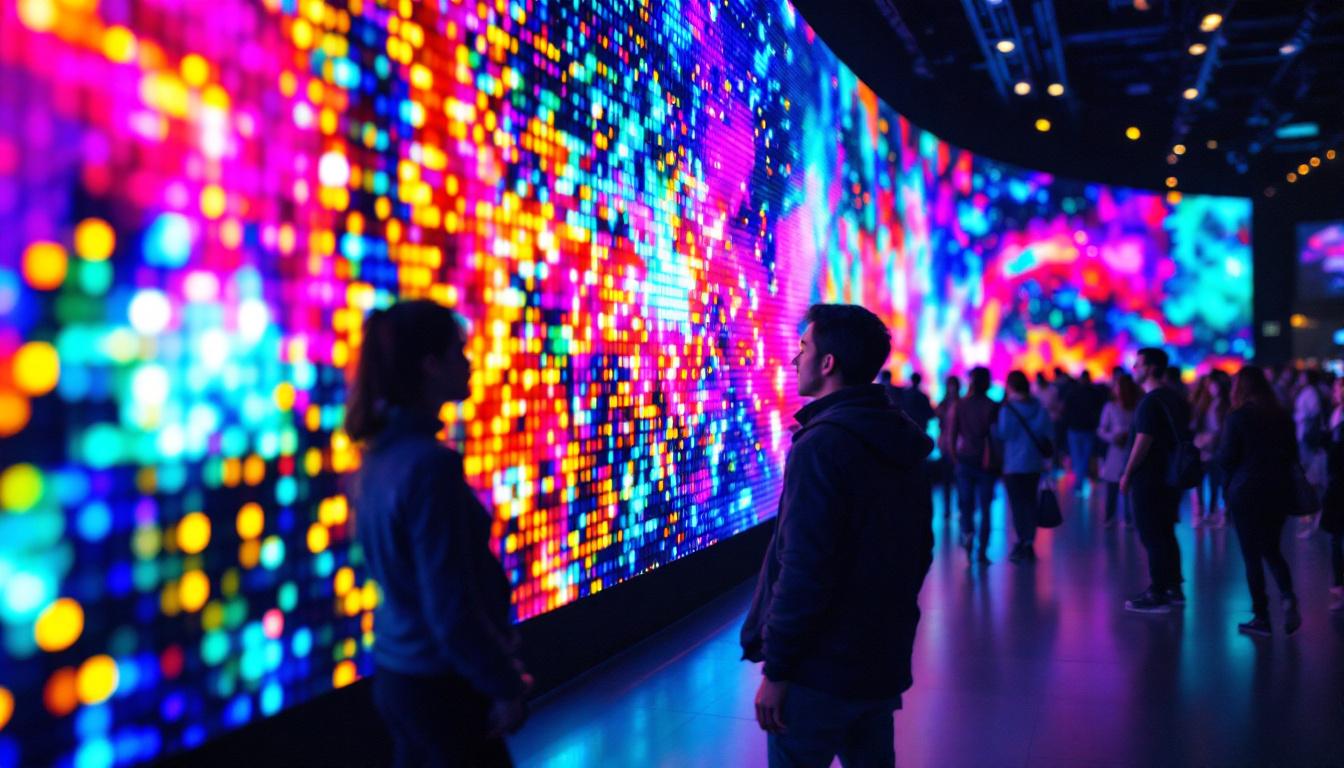
One of the most groundbreaking uses of LED displays in filmmaking is in virtual production, where LED volumes (large LED walls arranged in a semi-enclosed space) serve as dynamic backgrounds. This technique gained widespread attention with productions like “The Mandalorian,” where LED volumes replaced traditional green screens.
Virtual production allows real-time rendering of 3D environments on LED walls, which respond to camera movements through motion tracking. This creates realistic parallax effects and natural lighting interactions, enabling actors to perform within immersive digital worlds without post-production compositing.
On-Set Lighting and Background Integration
Beyond virtual production, LED displays are increasingly used as practical lighting sources on set. They can simulate environmental lighting conditions such as sunsets, firelight, or neon signs, providing natural illumination that matches the scene’s context.
This integration reduces the need for additional lighting fixtures and enhances the authenticity of the visuals. For example, an LED display showing a flickering fireplace can cast warm, dynamic light on actors, creating a convincing ambiance that would be difficult to replicate with traditional lights alone.
Creative Storytelling and Visual Effects
Filmmakers leverage LED displays to push creative boundaries by integrating interactive visuals directly into scenes. This capability opens new possibilities for storytelling, such as displaying futuristic interfaces, holograms, or abstract backgrounds that interact with the narrative.
Because the LED display acts as both a light source and a visual element, it can influence the mood and tone of a scene more cohesively. This synergy between lighting and imagery helps create memorable cinematic moments that resonate with audiences.
Challenges and Limitations of LED Displays in Filming
Initial Investment and Setup Complexity
Despite their advantages, LED displays require a significant upfront investment, including the cost of the panels, control systems, and skilled technicians to operate them. Setting up an LED volume or large-scale display can be complex and time-consuming, necessitating careful planning and coordination.
Smaller productions may find these costs prohibitive, although rental options and modular systems are becoming more accessible. As technology advances, prices are expected to decrease, making LED displays more attainable for a broader range of filmmakers.
Color Calibration and Consistency
Maintaining consistent color and brightness across an entire LED display can be challenging, especially with large installations composed of multiple panels. Variations in panel manufacturing, aging, and environmental factors can lead to uneven lighting or color shifts.
Regular calibration and maintenance are essential to ensure uniformity. Professional color calibration tools and software are often employed to fine-tune the displays, but this adds to the operational complexity.
Limitations in Outdoor and High Ambient Light Conditions
While LED displays perform exceptionally well indoors, their effectiveness outdoors or in environments with strong ambient light can be limited. Even the brightest LED panels may struggle to compete with direct sunlight, reducing visibility and impact.
For outdoor shoots, additional shading, specialized high-brightness panels, or alternative lighting solutions might be necessary. Understanding the environmental constraints is crucial when planning to use LED displays in diverse filming locations.
Future Trends in LED Display Technology for Filming
Higher Resolution and Mini-LED Innovations
Emerging technologies such as mini-LED and micro-LED promise even higher resolution and improved color accuracy for LED displays. These advancements will allow filmmakers to create more detailed and lifelike backgrounds, further blurring the line between physical and digital environments.
Mini-LED technology, which uses thousands of tiny LEDs for backlighting, offers better contrast and deeper blacks, enhancing image quality. As these technologies mature, they will likely become standard tools in film production lighting.
Integration with Augmented Reality (AR) and Artificial Intelligence (AI)
Future LED display systems are expected to integrate more seamlessly with AR and AI technologies, enabling smarter, context-aware lighting and visual effects. AI-driven systems could automatically adjust lighting based on scene composition, actor movements, or emotional cues, optimizing the filming process.
Such integration will empower filmmakers to focus more on creativity while relying on intelligent systems to handle technical complexities, leading to more efficient and innovative productions.
Expanded Use in Remote and Hybrid Production Models
The COVID-19 pandemic accelerated the adoption of remote and hybrid production workflows. LED displays facilitate these models by enabling virtual backgrounds and interactive environments that can be controlled remotely.
As the industry adapts to new working paradigms, LED display technology will play a pivotal role in maintaining production quality while offering flexibility and safety for cast and crew.
Conclusion
LED displays have revolutionized lighting for filming by combining illumination with dynamic visual content, offering filmmakers unprecedented creative control and efficiency. Their ability to simulate realistic environments, integrate with virtual production techniques, and enhance storytelling makes them indispensable tools in modern cinema.
While challenges such as cost, calibration, and environmental limitations remain, ongoing technological advancements promise to overcome these hurdles, making LED displays increasingly accessible and versatile. Understanding their capabilities and constraints enables filmmakers to make informed decisions and leverage this technology to its fullest potential, ultimately elevating the art and craft of filmmaking.
Explore Cutting-Edge LED Display Solutions with LumenMatrix
Ready to take your film production to the next level with advanced LED display technology? Discover LumenMatrix’s comprehensive range of LED display modules, designed to bring your creative vision to life with unparalleled brightness, clarity, and versatility. From immersive Indoor LED Wall Displays to robust Outdoor LED Wall Displays, and from dynamic Vehicle LED Displays to innovative Custom LED Solutions, LumenMatrix is at the forefront of revolutionizing visual storytelling. Elevate your filmmaking with our LED display solutions that promise to captivate your audience and deliver your message with impact. Check out LumenMatrix LED Display Solutions today and transform the way you light up your scenes.