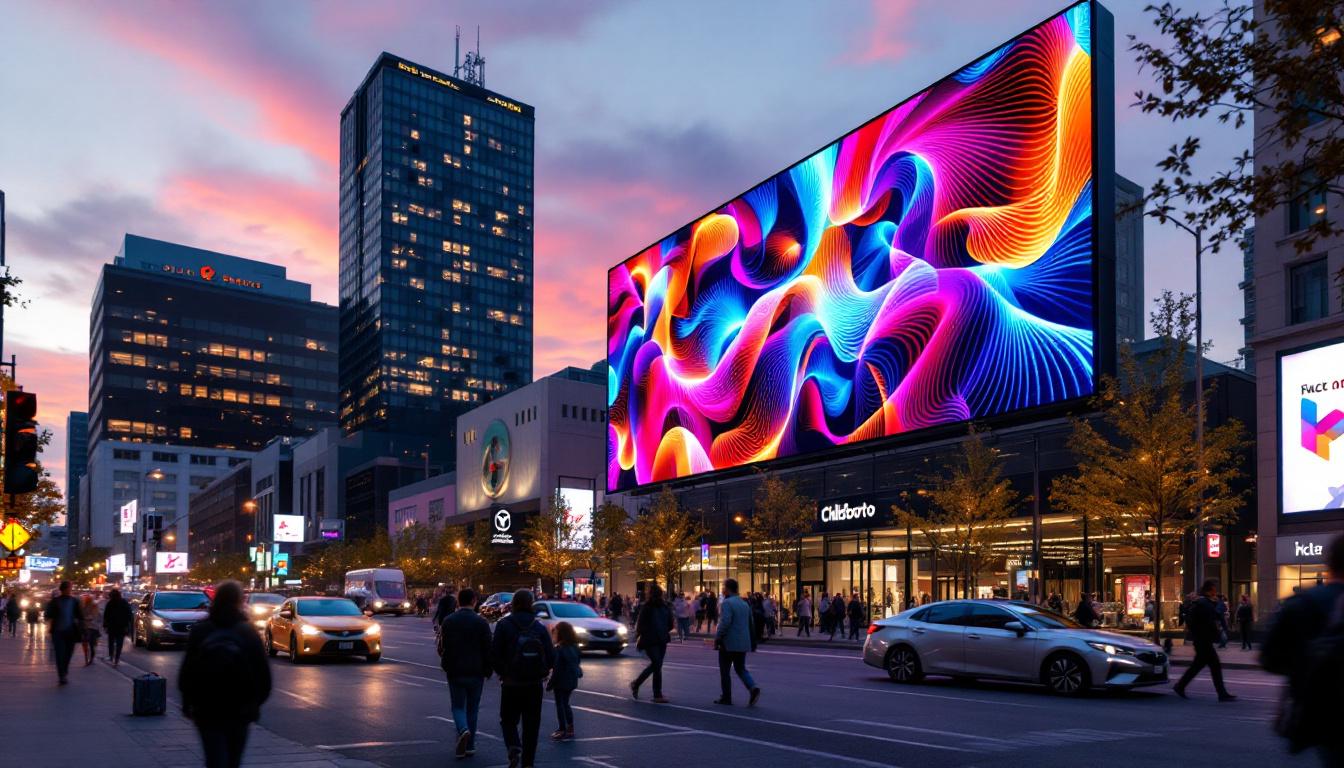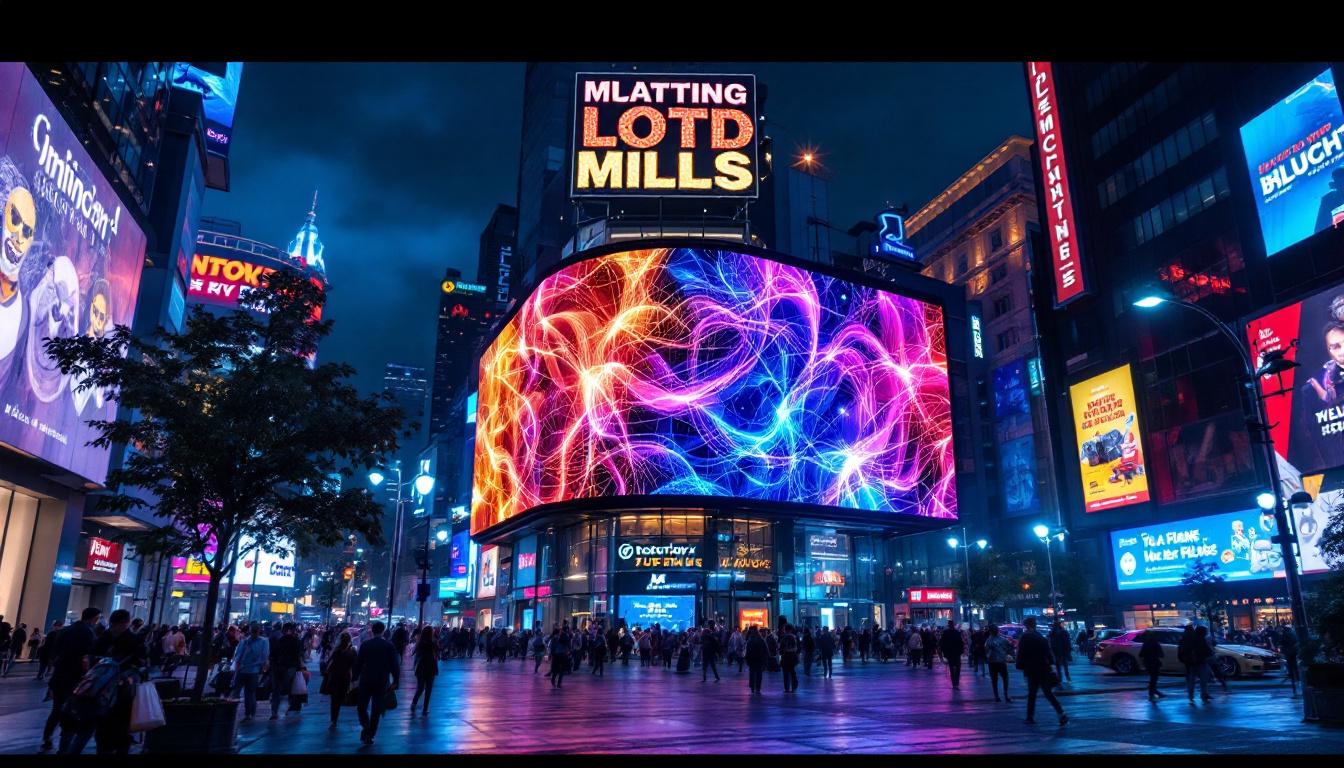
In today’s fast-evolving digital landscape, LED displays have become a cornerstone technology for communication, advertising, entertainment, and information dissemination. From the vibrant billboards lighting up Times Square to the high-definition screens in stadiums and retail stores, LED displays are everywhere. This article delves into the world of LED displays, explaining what they are, how they work, their types, applications, and the latest advancements shaping their future.
What is an LED Display?
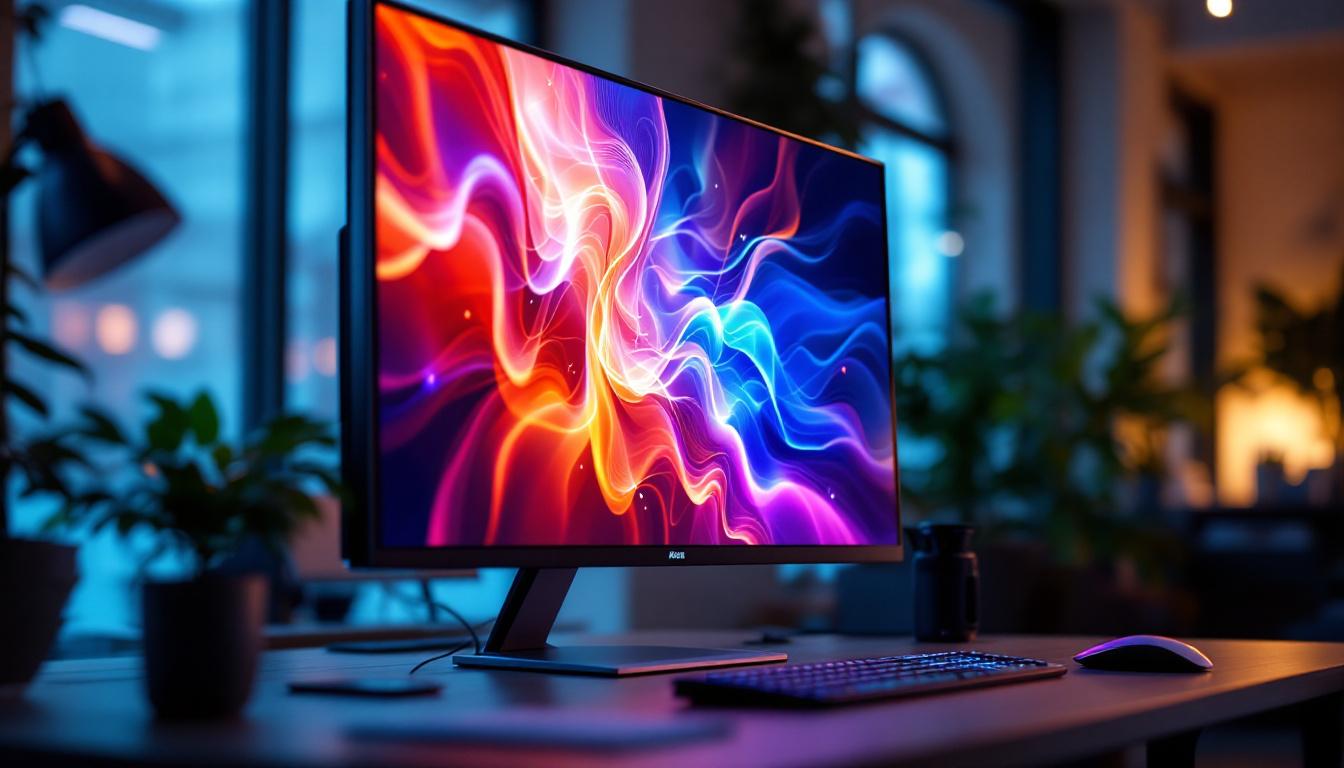
An LED display is a flat panel display that uses light-emitting diodes (LEDs) as pixels to produce images and videos. Unlike traditional LCD or plasma screens, LED displays rely on tiny semiconductor devices that emit light when an electrical current passes through them. This technology allows for bright, vivid, and energy-efficient screens that can be scaled to various sizes. The versatility of LED displays makes them suitable for a wide range of applications, from large outdoor billboards to small handheld devices, showcasing their adaptability in different environments.
The term “Dled display” often refers to “Direct LED” or “Distributed LED” technology, where LEDs are directly integrated into the display panel to enhance brightness, contrast, and color accuracy. This is distinct from edge-lit LED displays, where LEDs are placed on the edges and light is diffused across the screen. The choice between these technologies can significantly affect the viewing experience, especially in terms of viewing angles and uniformity of brightness across the display.
How LEDs Work in Displays
Each LED in a display acts as a single pixel or part of a pixel. By controlling the intensity and color of each LED, the display can render complex images. LEDs can emit red, green, and blue light, which combine to create a full spectrum of colors. The precision control of these LEDs allows for high contrast ratios and deep blacks, which are essential for image quality. This capability is particularly beneficial in environments where ambient light can interfere with visibility, as the brightness of LED displays can be adjusted to maintain clarity and detail.
Because LEDs emit their own light, LED displays do not require a backlight, unlike LCDs. This self-illumination results in better energy efficiency and thinner display panels. Furthermore, the longevity of LED technology means that these displays can last significantly longer than traditional screens, often exceeding 50,000 hours of use. This durability, combined with lower power consumption, makes LED displays an environmentally friendly option, reducing both energy costs and electronic waste. As technology continues to advance, we can expect to see even more innovative applications of LED displays, including flexible screens and integration into smart environments, enhancing interactivity and user experience.
Types of LED Displays
LED displays come in various forms, each suited for different applications and environments. Understanding these types helps in selecting the right display for a particular use case.
1. Indoor LED Displays
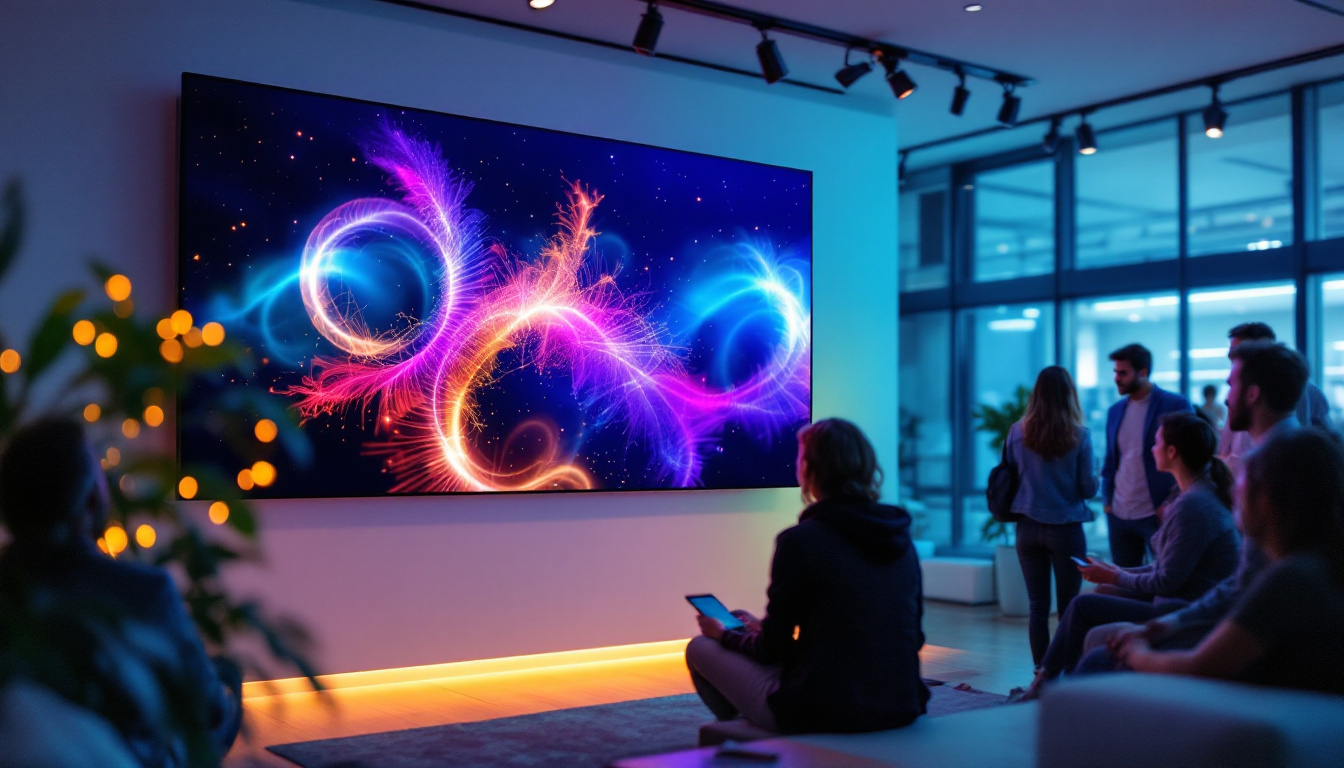
Indoor LED displays are designed for environments with controlled lighting, such as shopping malls, conference rooms, and indoor arenas. These displays typically have a higher pixel density, meaning the LEDs are packed closer together, resulting in sharper images suitable for close viewing distances.
They usually feature brightness levels ranging from 800 to 1,500 nits, which is sufficient for indoor visibility without causing eye strain. Indoor LED displays are often modular, allowing customization of size and shape.
2. Outdoor LED Displays
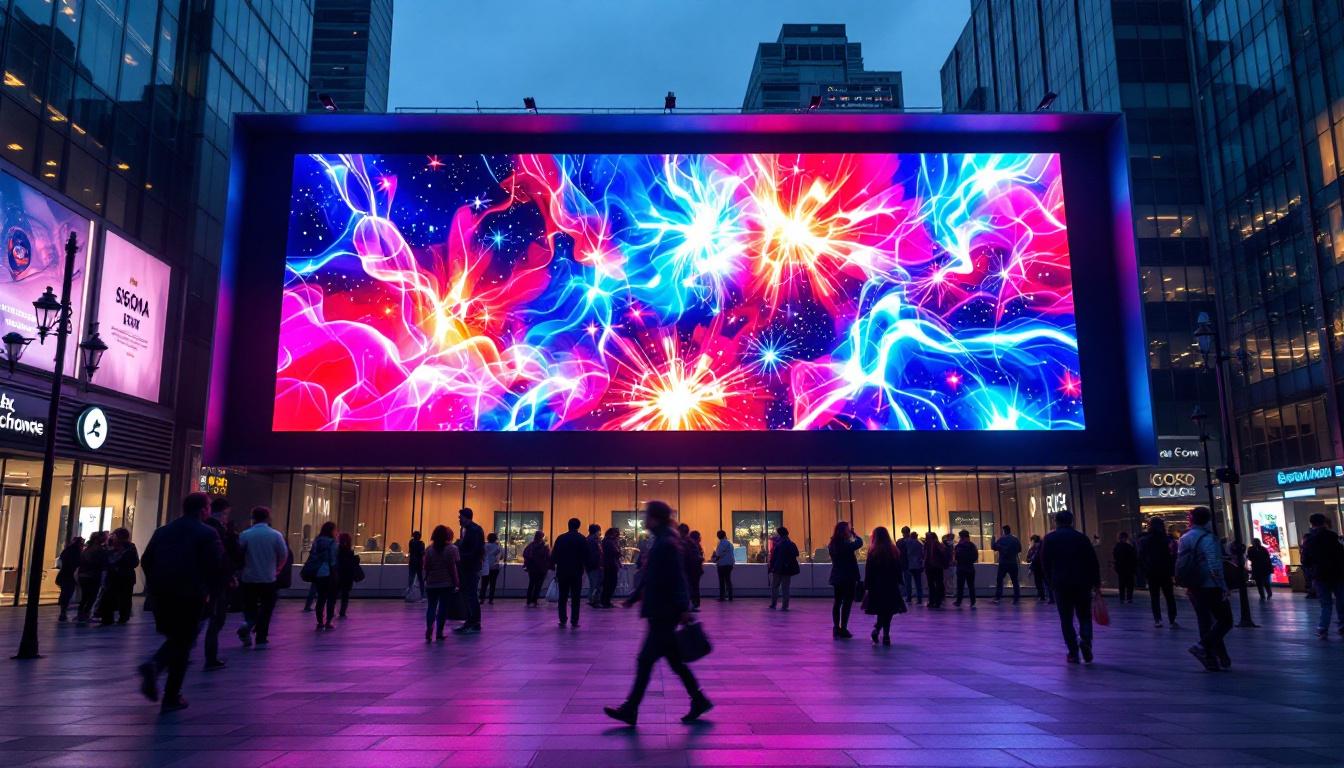
Outdoor LED displays are built to withstand harsh weather conditions, including rain, dust, and extreme temperatures. They are commonly used for billboards, sports stadiums, and public information boards.
These displays have much higher brightness levels, often exceeding 5,000 nits, to ensure visibility even in direct sunlight. Their pixel pitch—the distance between LEDs—is larger than indoor displays, as they are typically viewed from greater distances.
3. Transparent LED Displays
Transparent LED displays are an innovative category that allows light to pass through the screen, making them ideal for glass windows and storefronts. They combine advertising or informational content with the ability to see through the display, creating a futuristic and eye-catching effect.
These displays maintain good brightness and color quality while offering transparency rates between 30% and 70%, depending on the design.
4. Flexible and Curved LED Displays
With advances in LED technology, flexible and curved LED displays have emerged, enabling unique installations on irregular surfaces. These displays can wrap around columns, create immersive environments, or fit into architectural designs that require non-flat surfaces.
They maintain the same brightness and color performance as traditional LED displays but offer greater versatility in design and application.
Key Components and Technology Behind LED Displays
Understanding the components that make up an LED display helps clarify how these devices deliver such impressive performance.
LED Modules and Pixels
The core of any LED display is the LED module, which contains an array of LEDs arranged in a grid. Each LED or group of LEDs forms a pixel. The pixel pitch determines the resolution and clarity of the display—the smaller the pitch, the higher the resolution.
Driving Circuits and Control Systems
LED displays require sophisticated driving circuits that regulate the current to each LED to control brightness and color. The control system processes input signals, such as video or images, and translates them into commands that adjust each LED’s output.
Modern LED displays use advanced processors and software to optimize image quality, refresh rates, and color accuracy.
Power Supply and Cooling
Because LEDs consume power and generate heat, LED displays incorporate power supplies and cooling mechanisms to ensure reliability and longevity. Efficient heat dissipation is critical, especially for large outdoor displays exposed to sunlight and varying temperatures.
Applications of LED Displays
The versatility of LED displays has led to their adoption across numerous industries and settings. Their ability to deliver bright, dynamic, and customizable content makes them invaluable tools for communication and engagement.
Advertising and Digital Signage
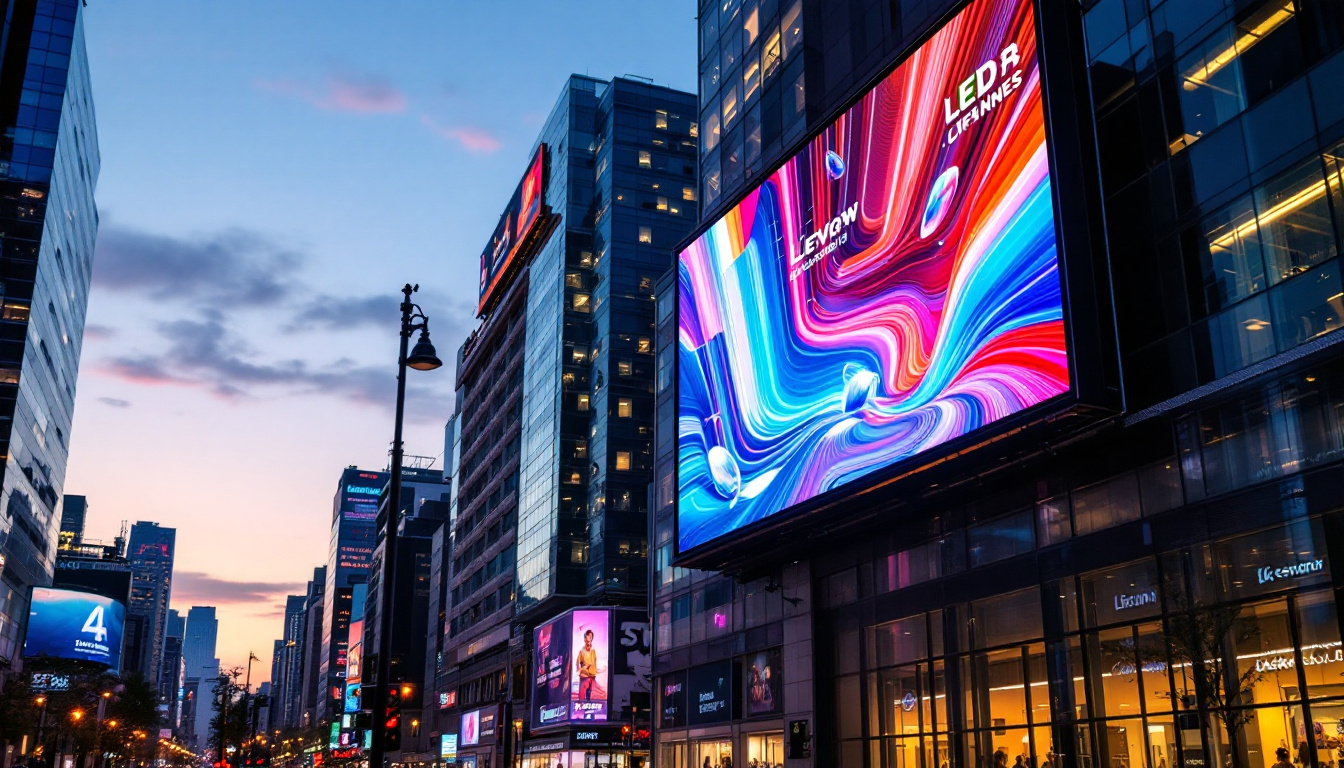
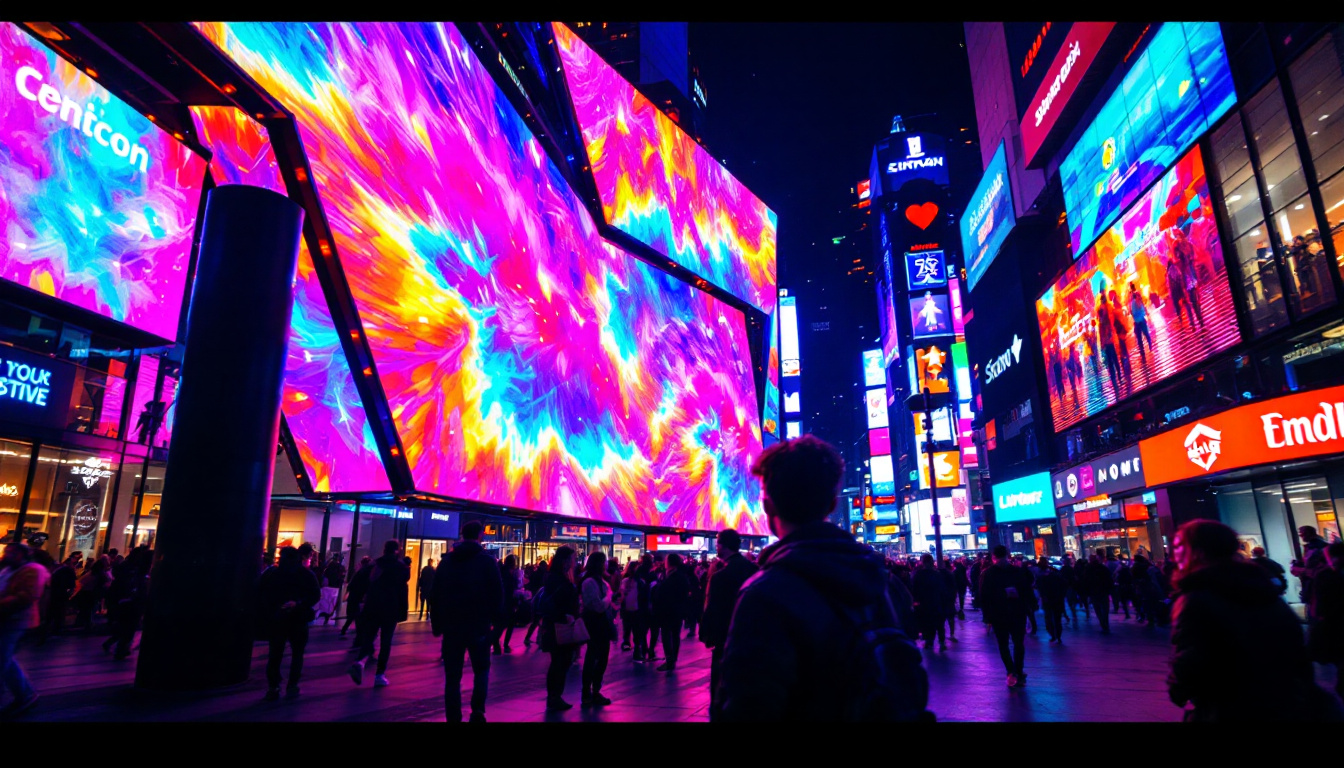
One of the most prominent uses of LED displays is in advertising. Digital billboards and signage leverage LED technology to deliver eye-catching visuals that can be updated remotely and frequently. According to recent market research, the global digital signage market is expected to reach over $32 billion by 2027, with LED displays accounting for a significant share due to their superior brightness and durability.
Retailers use LED displays to attract customers, promote products, and enhance brand visibility both indoors and outdoors.
Sports and Entertainment Venues
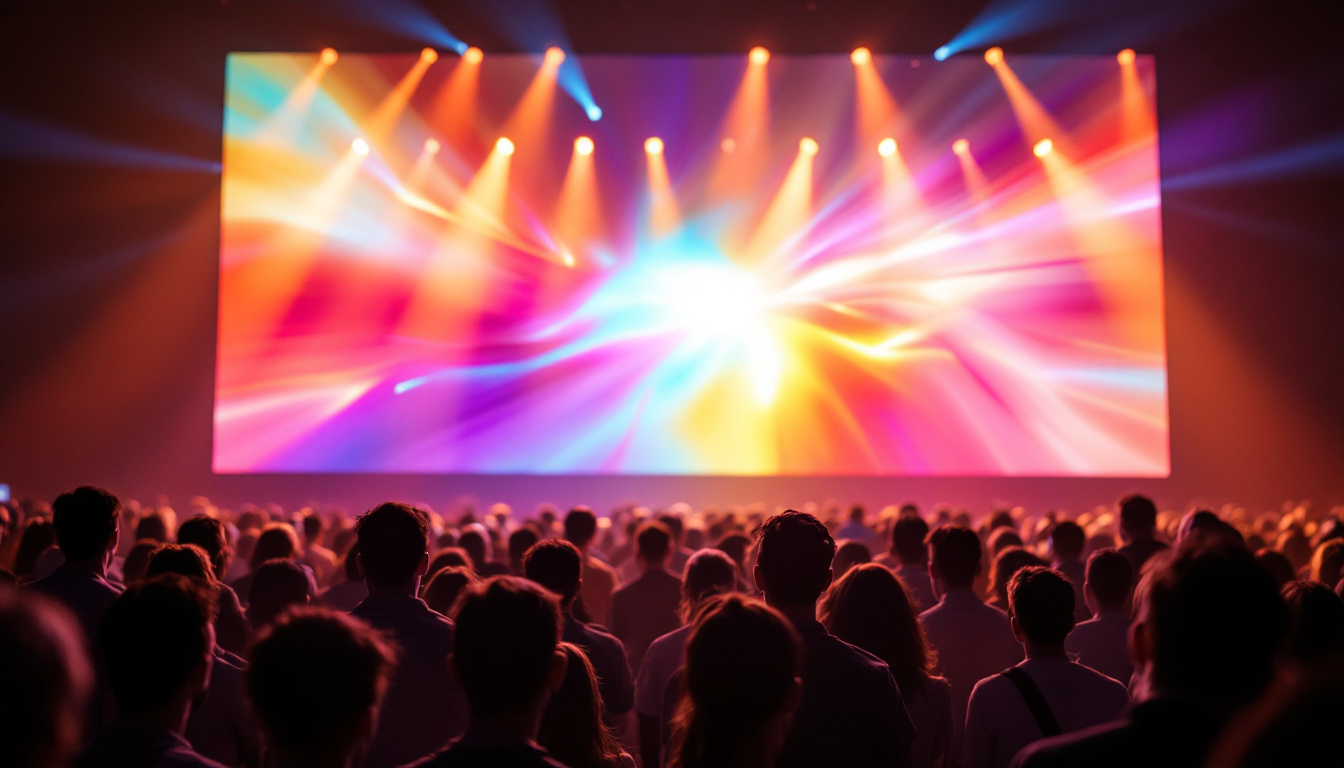
Stadiums and arenas employ massive LED screens to provide spectators with live action, replays, and interactive content. These displays enhance the overall experience by ensuring visibility from all seating areas and delivering high-definition images even in bright daylight.
Transportation and Public Information
LED displays are widely used in transportation hubs such as airports, train stations, and bus terminals to provide real-time information, schedules, and alerts. Their high visibility and reliability make them ideal for critical communication in public spaces.
Corporate and Educational Environments
In corporate settings, LED displays serve as dynamic presentation tools in conference rooms and lobbies. Educational institutions use them for digital notice boards, event promotions, and interactive learning displays.
Advantages of LED Displays Over Other Technologies
LED displays offer several advantages compared to traditional display technologies like LCD, plasma, and projection systems.
Brightness and Visibility
LED displays provide superior brightness, making them visible in direct sunlight and brightly lit environments. This advantage is crucial for outdoor advertising and public information displays.
Energy Efficiency
LEDs consume less power than many other display technologies, reducing operational costs and environmental impact. Energy efficiency is especially important for large-scale installations that operate continuously.
Longevity and Durability
LED displays have a long operational life, often exceeding 100,000 hours. They are also more resistant to shock and vibration, making them suitable for outdoor and high-traffic environments.
Color Accuracy and Contrast
Because LEDs emit light directly, they offer better contrast ratios and more vibrant colors. This results in sharper images and more engaging content.
Scalability and Customization
LED displays can be built in virtually any size and shape by combining modules. This flexibility allows for creative installations tailored to specific needs and spaces.
Challenges and Considerations When Choosing LED Displays
While LED displays offer many benefits, there are some challenges and factors to consider before investing in this technology.
Initial Cost
High-quality LED displays can require significant upfront investment, especially for large or high-resolution installations. However, the total cost of ownership often balances out due to energy savings and reduced maintenance.
Pixel Pitch and Viewing Distance
Choosing the correct pixel pitch is essential to ensure image clarity at the intended viewing distance. A display with too large a pixel pitch may appear pixelated up close, while one with too small a pitch can be unnecessarily expensive for distant viewing.
Maintenance and Repairs
Although LED displays are durable, they require periodic maintenance to ensure optimal performance. Access to replacement parts and technical support is an important consideration.
Environmental Factors
For outdoor displays, factors such as weatherproofing, temperature tolerance, and sunlight readability must be carefully evaluated to prevent premature failure.
Recent Innovations and the Future of LED Displays
LED display technology continues to evolve rapidly, driven by innovations in materials, manufacturing, and software.
MicroLED and MiniLED Technologies
MicroLED and MiniLED represent the next generation of LED displays, featuring much smaller LEDs that allow for even higher resolution and improved color performance. MicroLED displays, in particular, promise OLED-like contrast with better brightness and longevity, making them ideal for premium TVs, smartphones, and wearable devices.
Integration with AI and IoT
Smart LED displays integrated with artificial intelligence and the Internet of Things (IoT) enable dynamic content adaptation based on audience demographics, weather, or time of day. This enhances engagement and provides advertisers with valuable data insights.
Energy Harvesting and Sustainability
Advances in energy harvesting and more efficient materials are making LED displays greener. Solar-powered LED billboards and displays with recyclable components are becoming more common, aligning with global sustainability goals.
Conclusion
LED displays have revolutionized the way information and advertising are presented in public and private spaces. Their superior brightness, energy efficiency, and versatility make them the preferred choice across a wide range of applications. As technology advances, LED displays will become even more immersive, intelligent, and sustainable, continuing to shape the future of digital communication.
Whether for a small indoor screen or a massive outdoor billboard, understanding the fundamentals of LED display technology is essential for making informed decisions that maximize impact and value.
Discover LumenMatrix LED Display Solutions
Ready to elevate your visual communication with cutting-edge LED display technology? Look no further than LumenMatrix, a leader in innovative LED solutions. From vibrant Indoor LED Wall Displays to robust Outdoor LED Wall Displays, and from dynamic Vehicle LED Displays to sleek LED Poster Displays, LumenMatrix offers a comprehensive range of products designed to captivate and engage your audience. Whether you’re looking to enhance your sports venue with an LED Sports Display, make a statement with a Floor LED Display, or require a Custom LED Display tailored to your unique needs, LumenMatrix has the expertise to bring your vision to life. Experience the future of digital signage with our All-in-One LED Display and LED Transparent Display options. Check out LumenMatrix LED Display Solutions today and transform your space into a mesmerizing visual experience.