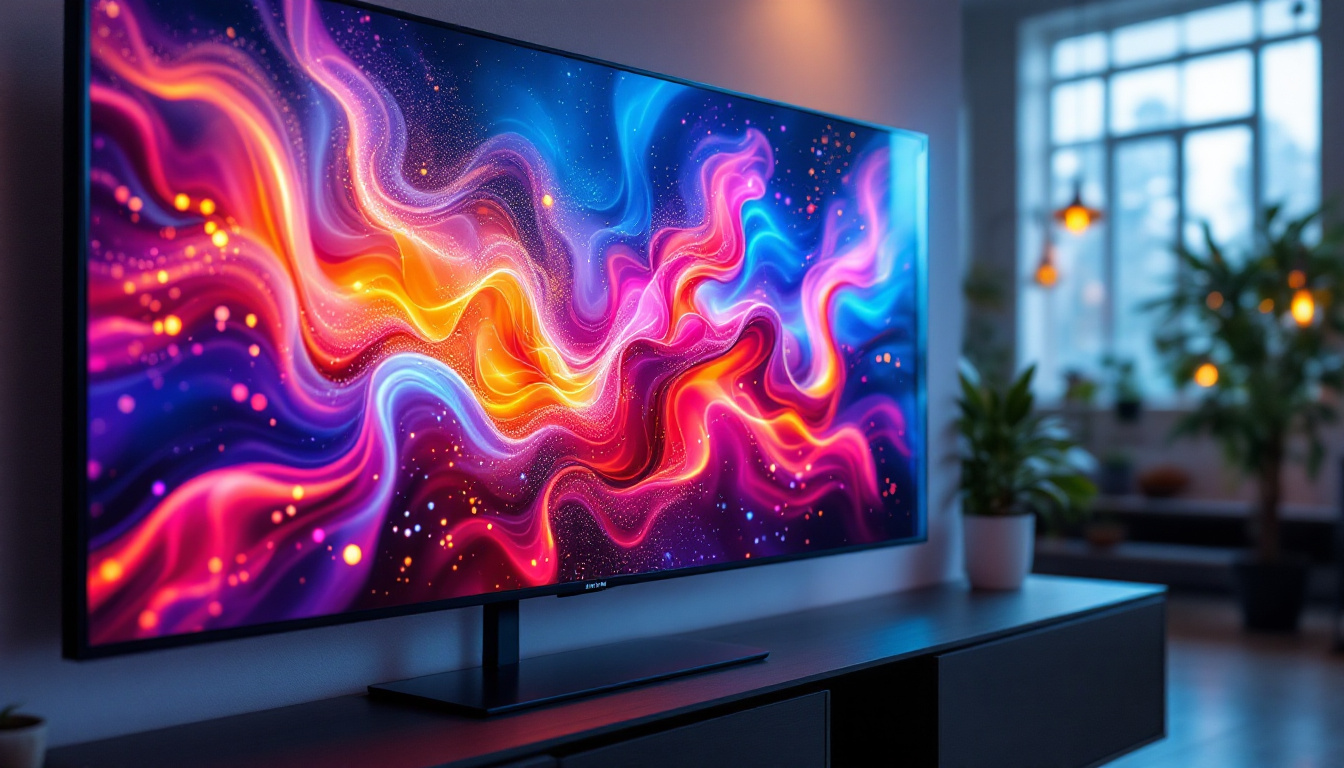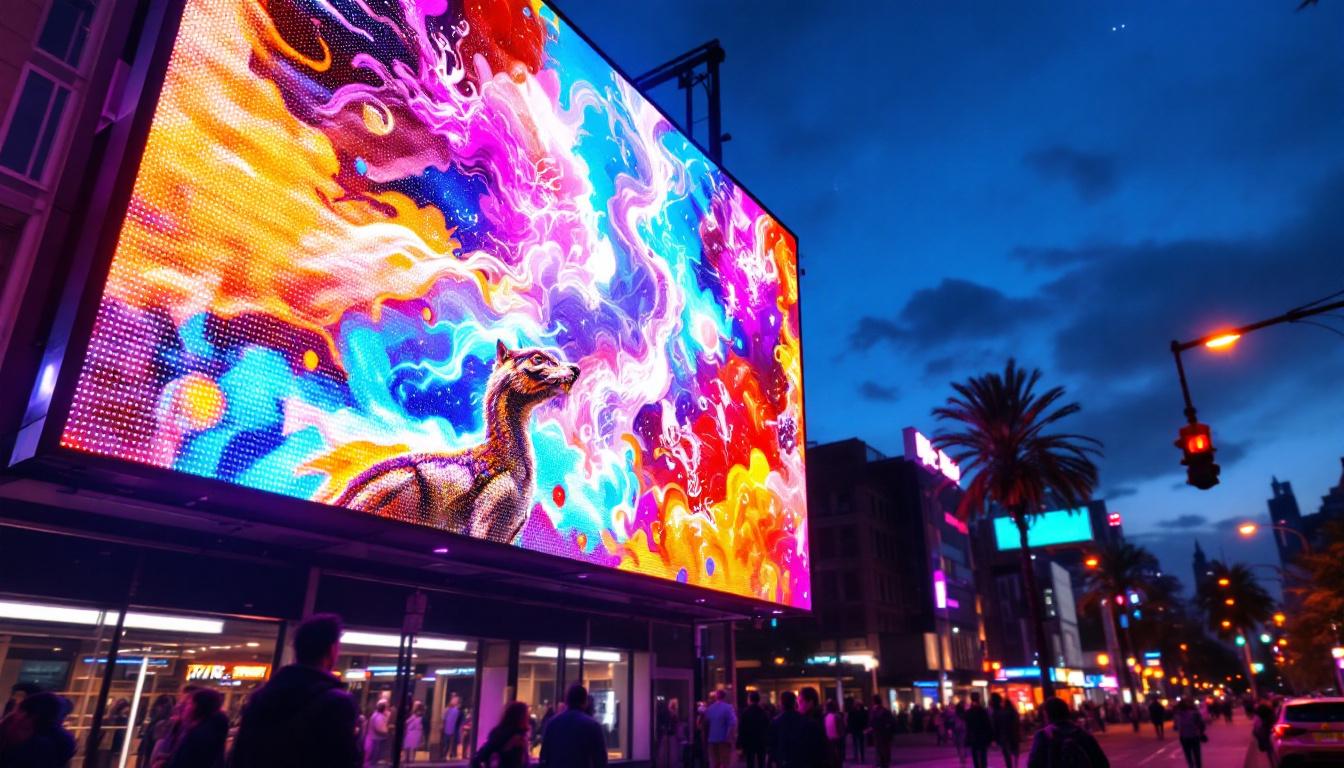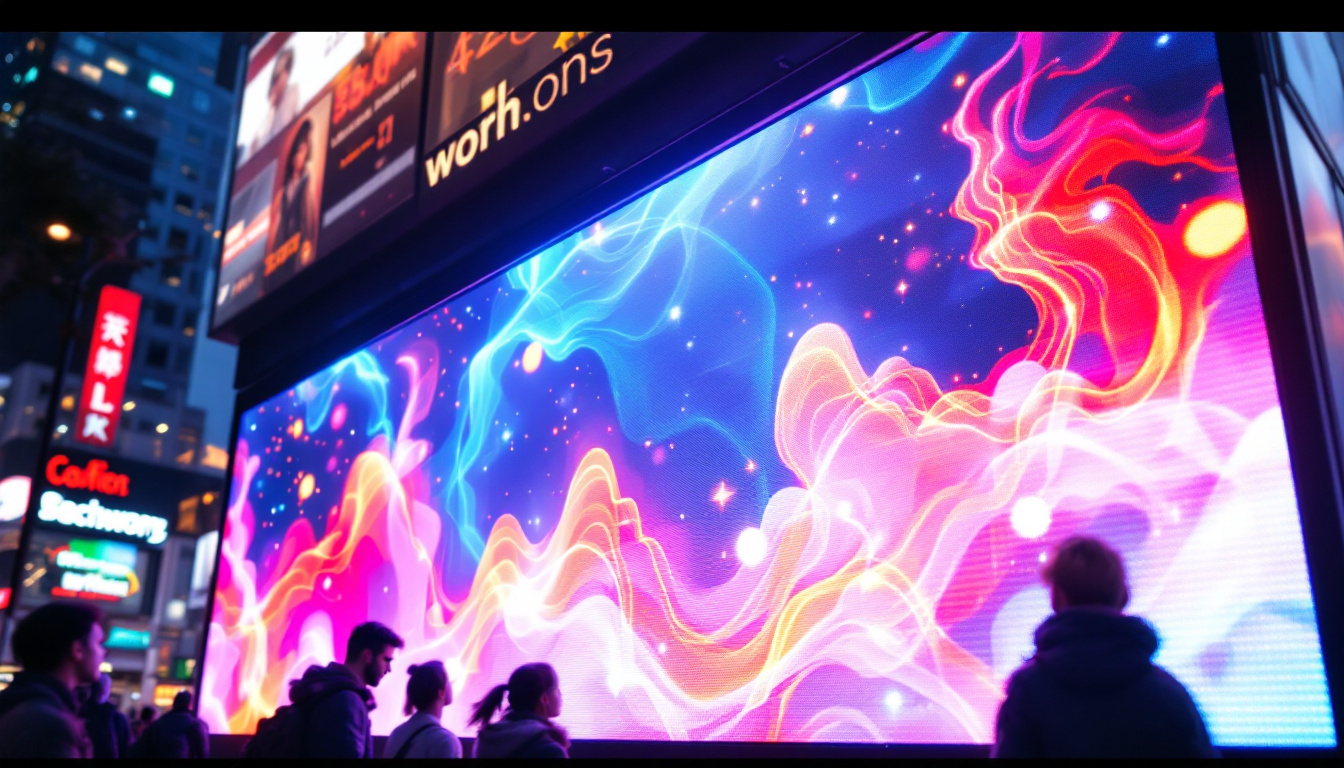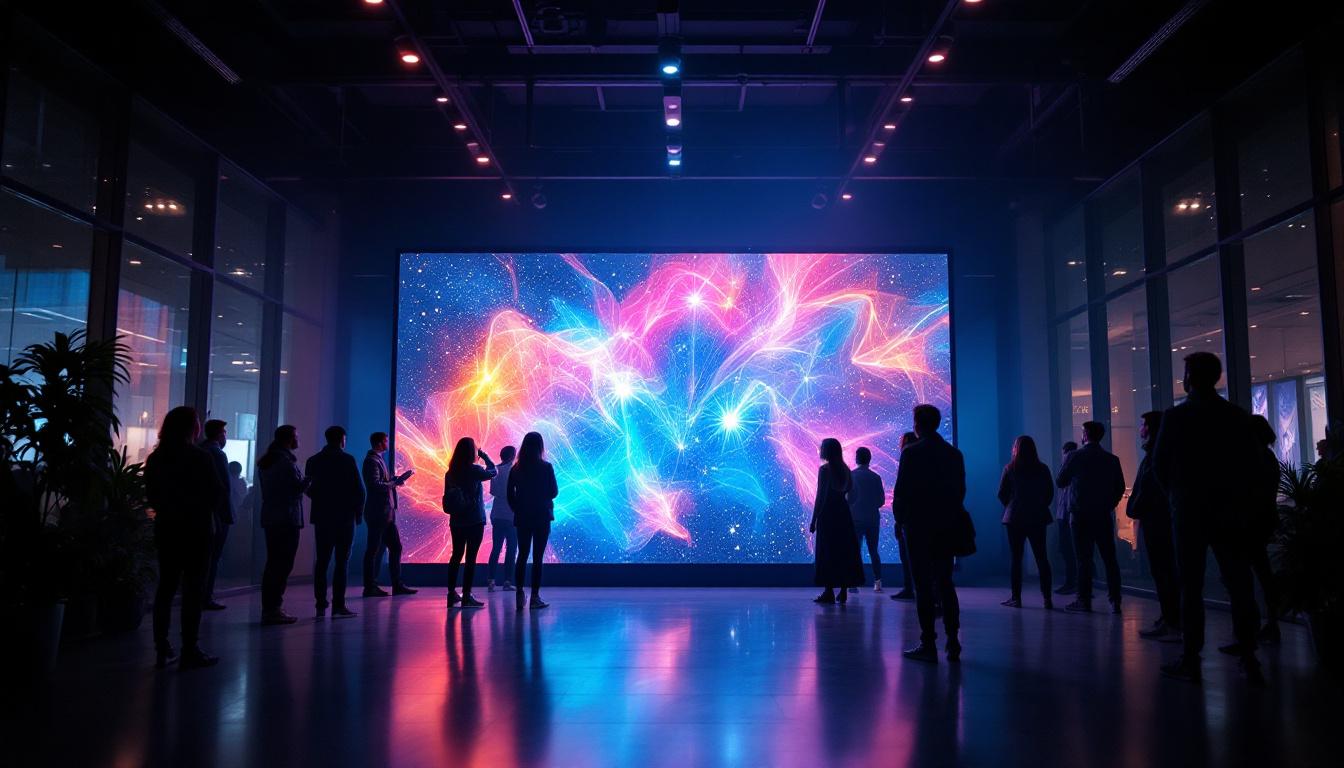
In today’s fast-paced digital landscape, LED displays have become an essential component of modern communication, advertising, and entertainment. From massive outdoor billboards to sleek indoor video walls, LED technology offers vibrant visuals, energy efficiency, and unparalleled flexibility. This comprehensive guide explores everything you need to know about LED displays, focusing on all wall equipment aspects—from design and installation to maintenance and emerging trends.
Understanding LED Display Technology
What Is an LED Display?
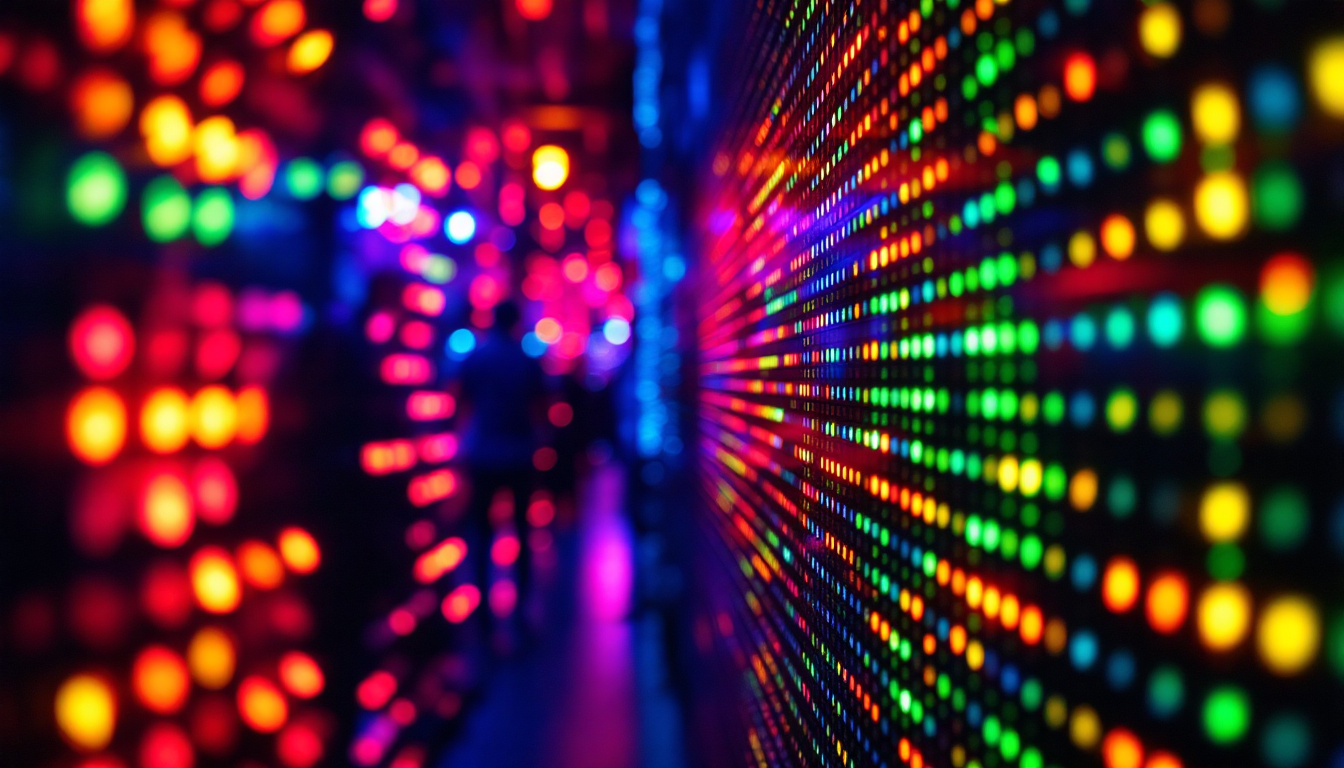
LED stands for Light Emitting Diode, a semiconductor device that emits light when an electric current passes through it. An LED display is composed of thousands to millions of these tiny diodes arranged in a matrix to form images, videos, or text. Unlike traditional LCD or projection screens, LED displays produce their own light, resulting in higher brightness and better contrast ratios. This self-illuminating characteristic not only enhances visibility in bright environments but also allows for deeper blacks and more vibrant colors, making them a preferred choice for many applications.
LED displays come in various forms, including outdoor billboards, indoor video walls, transparent screens, and flexible panels. Their versatility makes them suitable for diverse applications such as advertising, sports arenas, control rooms, retail environments, and public information systems. Furthermore, the advancements in LED technology have led to the development of energy-efficient models that consume less power while providing superior performance. This not only reduces operational costs but also contributes to a more sustainable approach to display technology, appealing to environmentally conscious consumers and businesses alike.
Types of LED Displays
There are primarily two types of LED displays based on the color technology:
- Monochrome LED Displays: These use a single color, often red or green, and are commonly found in simple message boards or scoreboards.
- Full-Color LED Displays: These combine red, green, and blue LEDs (RGB) to produce a full spectrum of colors, enabling high-definition video and image rendering.
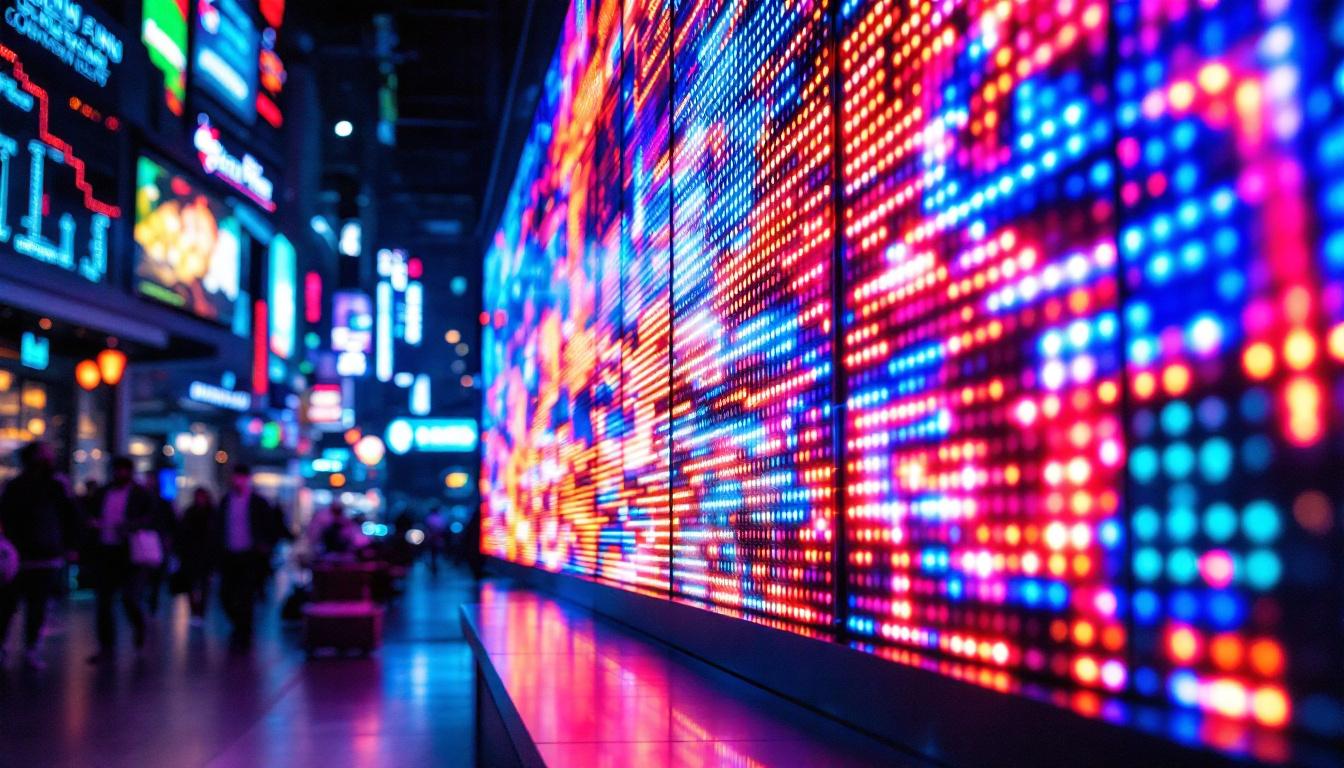
Additionally, LED displays are categorized by their pixel pitch—the distance between the center of one LED cluster to the next. Smaller pixel pitches (e.g., 1.2mm to 2.5mm) are ideal for close viewing distances, such as indoor conference rooms or retail stores, while larger pitches (e.g., 6mm to 20mm) suit outdoor environments where viewers are farther away. The choice of pixel pitch is crucial for ensuring that the display maintains clarity and detail, as a smaller pitch allows for a higher resolution, making it possible to showcase intricate graphics and text without distortion.
Moreover, the technology behind LED displays continues to evolve, with innovations such as MicroLED and MiniLED emerging on the scene. MicroLED technology utilizes microscopic LEDs to create even smaller and more efficient displays, offering improved brightness and contrast while being less susceptible to burn-in issues compared to traditional OLED displays. MiniLED, on the other hand, enhances backlighting in LCD screens by using thousands of tiny LEDs, allowing for better local dimming and improved picture quality. These advancements not only push the boundaries of what LED displays can achieve but also open up new possibilities for immersive experiences in entertainment, advertising, and beyond.
Key Components of LED Wall Equipment
LED Modules and Panels
The building blocks of any LED display are the LED modules or panels. Each module contains a grid of LEDs and associated driver electronics. These modules are designed for easy assembly and replacement, allowing for scalable and customizable screen sizes. High-quality modules ensure uniform brightness, color accuracy, and longevity. The choice of pixel pitch, which refers to the distance between the centers of two adjacent pixels, plays a crucial role in determining the resolution and viewing distance of the display. Smaller pixel pitches provide higher resolutions, making them ideal for close-up viewing, while larger pitches are suitable for larger venues where viewers are positioned further away.
Moreover, advancements in LED technology have led to the development of flexible and transparent LED modules, expanding the possibilities for creative installations. These innovative designs allow for curved displays that can wrap around structures or transparent screens that can blend seamlessly into their surroundings, offering new dimensions in visual storytelling and advertising.
Control Systems
LED displays rely on sophisticated control systems to process incoming video signals and distribute them across the LED modules. These systems include video processors, controllers, and software that manage image scaling, color calibration, and synchronization. Advanced control systems support multiple input sources, real-time content updates, and remote monitoring. They are equipped with features such as automatic failover, which switches to backup systems in case of a malfunction, ensuring that the display remains operational at all times.
Furthermore, these control systems often integrate with content management systems (CMS) that allow users to schedule and manage digital content efficiently. This capability is particularly beneficial for advertising and event management, where timely updates and dynamic content can significantly enhance audience engagement. The ability to control multiple displays from a single interface also simplifies operations for venues hosting large events or exhibitions.
Power Supply Units
Reliable power supplies are critical for maintaining consistent brightness and preventing flicker. LED walls typically use redundant power supplies to ensure uninterrupted operation, especially in mission-critical environments like broadcast studios or command centers. These power supply units are designed to handle varying loads and can adapt to fluctuations in power demand, ensuring that the display operates smoothly under different conditions.
Additionally, energy efficiency is a growing concern in the design of power supplies. Modern units are engineered to minimize energy consumption while maximizing output, which not only reduces operational costs but also aligns with sustainability goals. Some power supply systems even feature smart technology that allows for monitoring energy usage in real-time, providing valuable insights into performance and efficiency.
Mounting and Structural Equipment
Proper mounting hardware and structural support are vital for the safety and stability of LED walls. This includes wall mounts, frames, rigging systems, and climate protection enclosures. For outdoor installations, weatherproofing and ventilation are essential to protect sensitive electronics from environmental damage. The structural integrity of the mounting solutions must be rigorously tested to withstand wind loads, seismic activity, and other potential stresses, especially in high-traffic areas or exposed locations.
In addition to traditional mounting solutions, innovative designs such as modular mounting systems are gaining popularity. These systems allow for quick assembly and disassembly, making it easier to transport and set up LED walls for events or temporary installations. Moreover, the use of lightweight materials in mounting equipment contributes to easier handling and reduces the overall load on supporting structures, making installations safer and more efficient.
Applications of LED Displays in Various Industries
Advertising and Marketing
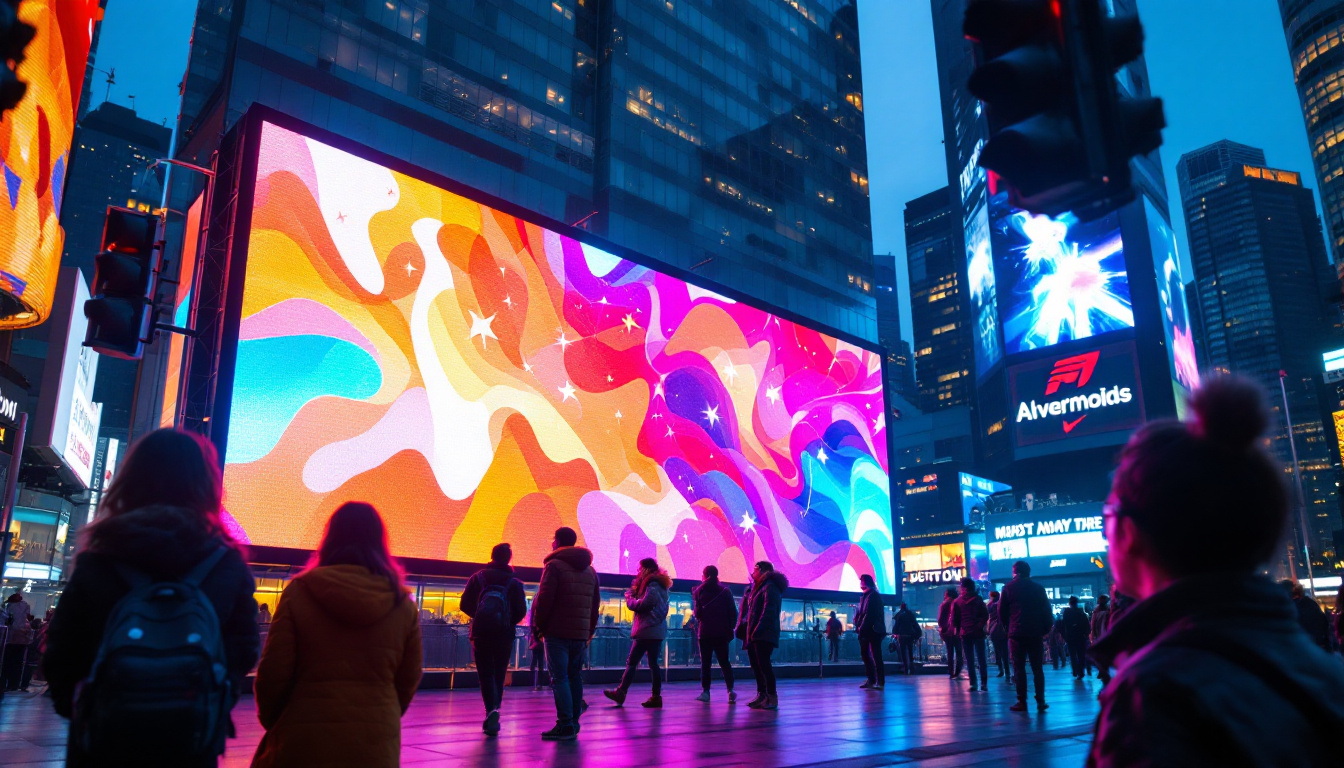
LED displays have revolutionized outdoor advertising by enabling dynamic, eye-catching content that can be updated instantly. According to a 2023 report by Grand View Research, the global digital signage market—which includes LED displays—is expected to reach $32.84 billion by 2028, driven by demand for engaging advertising solutions.
Brands use LED billboards in high-traffic areas to capture attention with vibrant visuals and interactive content. Indoor LED walls in retail stores enhance customer experience by showcasing promotions and product information in real time.
Entertainment and Events
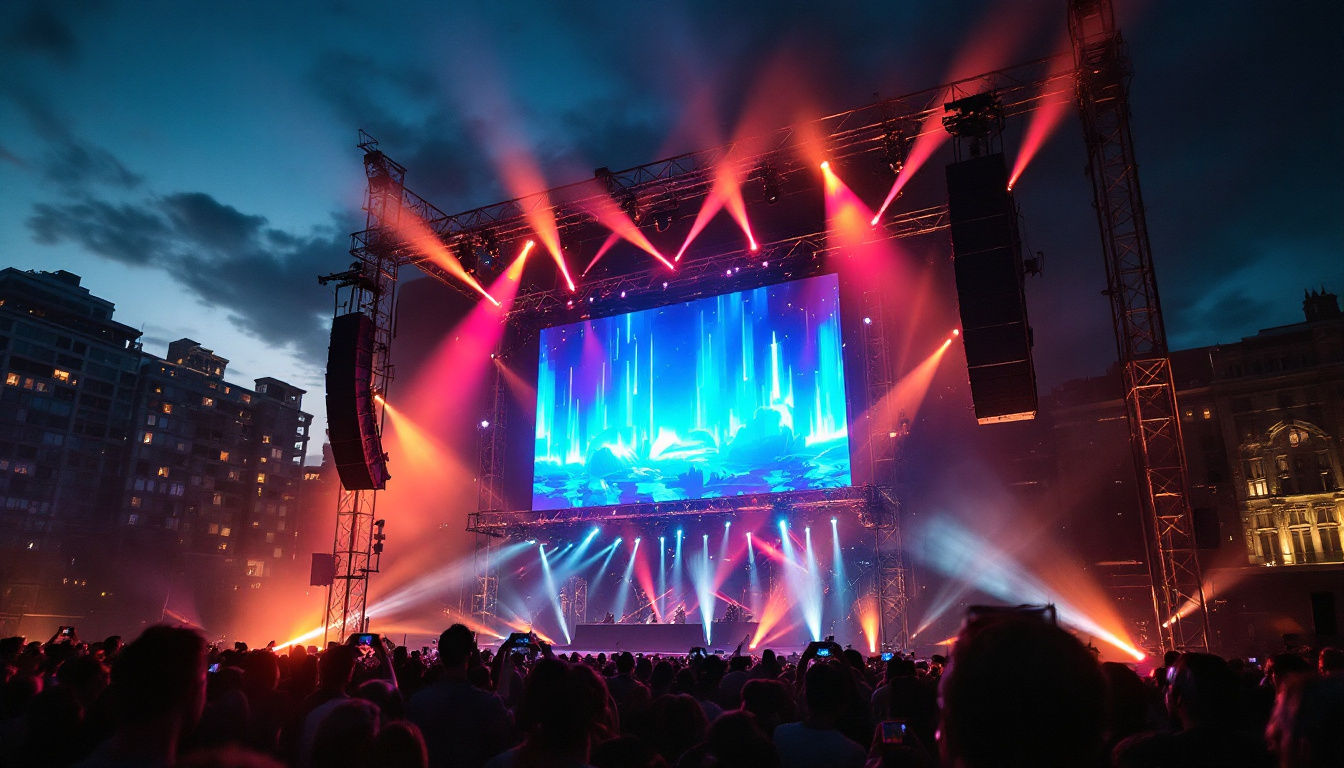
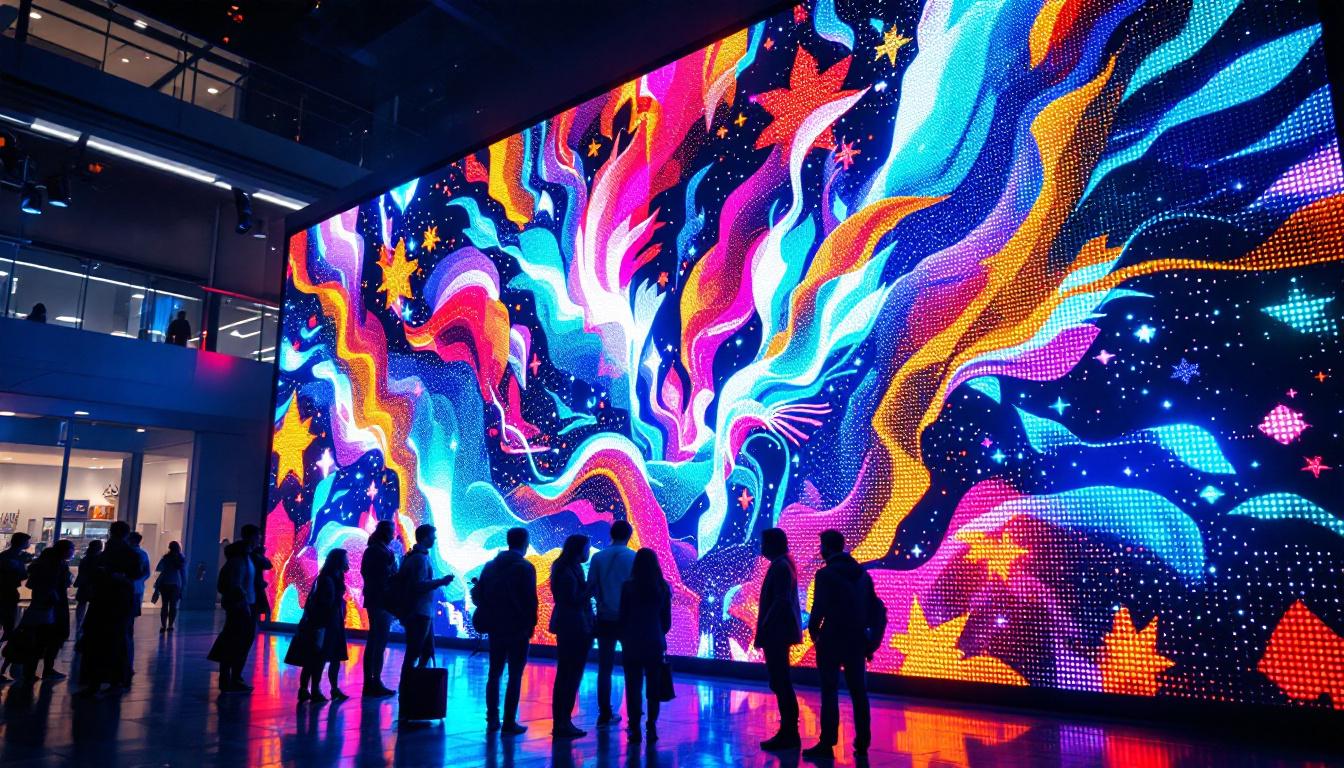
Concerts, sports arenas, and festivals rely heavily on LED walls to deliver immersive experiences. Large-format LED screens provide clear visibility even in bright daylight or large venues, ensuring every spectator enjoys the event. The 2024 Super Bowl, for example, featured a 360-degree LED display surrounding the stadium, creating an unforgettable visual spectacle.
Corporate and Control Rooms
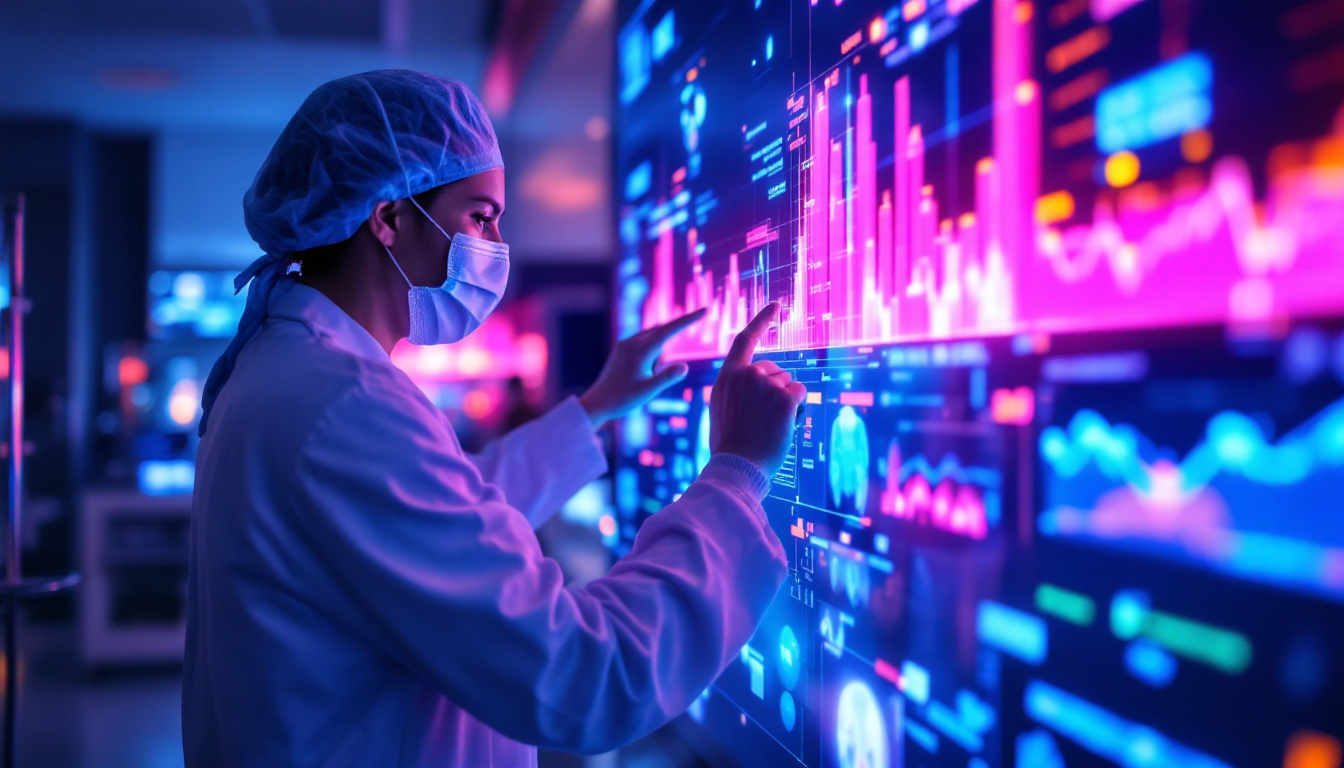
In corporate environments, LED video walls are used for presentations, video conferencing, and digital signage. Control rooms for utilities, transportation, and emergency services employ high-resolution LED walls to monitor operations and display critical information in real time. The ability to customize screen layouts and integrate multiple data sources is crucial in these settings.
Education and Public Spaces
Universities, museums, and public transportation hubs use LED displays to provide information, wayfinding, and educational content. Interactive LED walls encourage engagement and enhance learning experiences. For instance, some museums have installed transparent LED walls that allow visitors to see exhibits behind the screen while displaying contextual information.
Installation and Maintenance Considerations
Planning and Site Assessment
Successful LED wall installation begins with thorough site assessment. Factors such as ambient light levels, viewing distance, structural support, and electrical infrastructure must be evaluated. For outdoor installations, considerations include weather conditions, sun exposure, and accessibility for maintenance.
Installation Process
LED walls require precise alignment and calibration to ensure seamless image quality. Modules are mounted on frames or walls, connected to control systems, and tested for uniform brightness and color accuracy. Professional installation teams use specialized tools and software to achieve optimal results.
Maintenance and Troubleshooting
Routine maintenance extends the lifespan of LED displays and prevents unexpected failures. This includes cleaning the surface to remove dust and debris, checking electrical connections, and updating firmware. Many modern LED systems feature remote diagnostics that alert operators to issues such as dead pixels or power irregularities.
Replacing individual LED modules or power supplies is straightforward due to modular design. However, preventive maintenance schedules should be established, especially for outdoor installations exposed to harsh conditions.
Emerging Trends and Future Outlook
MicroLED and MiniLED Technologies
MicroLED and MiniLED are next-generation display technologies gaining traction for their superior brightness, contrast, and energy efficiency. MicroLEDs are significantly smaller than traditional LEDs, enabling ultra-high-resolution displays with excellent color accuracy and longer lifespans. These advancements promise to enhance both indoor and outdoor LED walls, particularly in premium applications like luxury retail and broadcast studios.
Interactive and Smart LED Walls
Integration of touch sensors, cameras, and AI-driven content management is transforming LED walls into interactive platforms. Smart LED displays can adapt content based on audience demographics, environmental conditions, or user input. This interactivity opens new opportunities for engagement in retail, education, and public installations.
Sustainability and Energy Efficiency
As environmental concerns grow, manufacturers are focusing on making LED displays more sustainable. Innovations include low-power components, recyclable materials, and intelligent brightness control to reduce energy consumption. According to the U.S. Department of Energy, LED technology can reduce energy use by up to 75% compared to traditional lighting, a benefit that extends to LED displays as well.
Choosing the Right LED Display for Your Needs
Assessing Your Requirements
Selecting an LED display involves understanding the specific needs of your project. Key factors include:
- Viewing Distance: Determines the appropriate pixel pitch for clear images.
- Location: Indoor vs. outdoor installation affects brightness and weatherproofing requirements.
- Content Type: Static images, video, or interactive content influence hardware and software choices.
- Budget: Balancing quality, size, and features within financial constraints.
Working with Professional Providers
Partnering with experienced LED display manufacturers and integrators ensures access to the latest technology, expert installation, and reliable support. Reputable providers offer tailored solutions, from design consultation to after-sales service, helping clients maximize the return on investment.
Future-Proofing Your Investment
Technology evolves rapidly, so choosing modular and scalable LED systems allows for easy upgrades and expansions. Open-standard control systems and compatibility with emerging software platforms further protect your investment against obsolescence.
Conclusion
LED displays represent a powerful medium for visual communication across numerous industries. Understanding the technology, components, and applications enables informed decisions when selecting and deploying LED walls. With ongoing advancements in resolution, interactivity, and sustainability, LED display solutions will continue to shape the future of digital signage and immersive experiences.
Whether for advertising, entertainment, corporate use, or public information, investing in high-quality LED wall equipment ensures vibrant, reliable, and engaging displays that captivate audiences and deliver measurable impact.
Discover the Future of Visual Communication with LumenMatrix
Ready to elevate your visual presence and captivate your audience with the latest in LED display technology? LumenMatrix is at the forefront of innovation, offering a comprehensive range of LED display solutions tailored to your unique needs. From vibrant Indoor and Outdoor LED Wall Displays to dynamic Vehicle and Sports Displays, our cutting-edge products are designed to make your brand stand out. Experience the revolution in digital signage and create immersive experiences with our Custom, All-in-One, and Transparent LED Displays. Don’t miss the opportunity to transform your visual communication. Check out LumenMatrix LED Display Solutions today and see your message come to life with unparalleled clarity and impact.