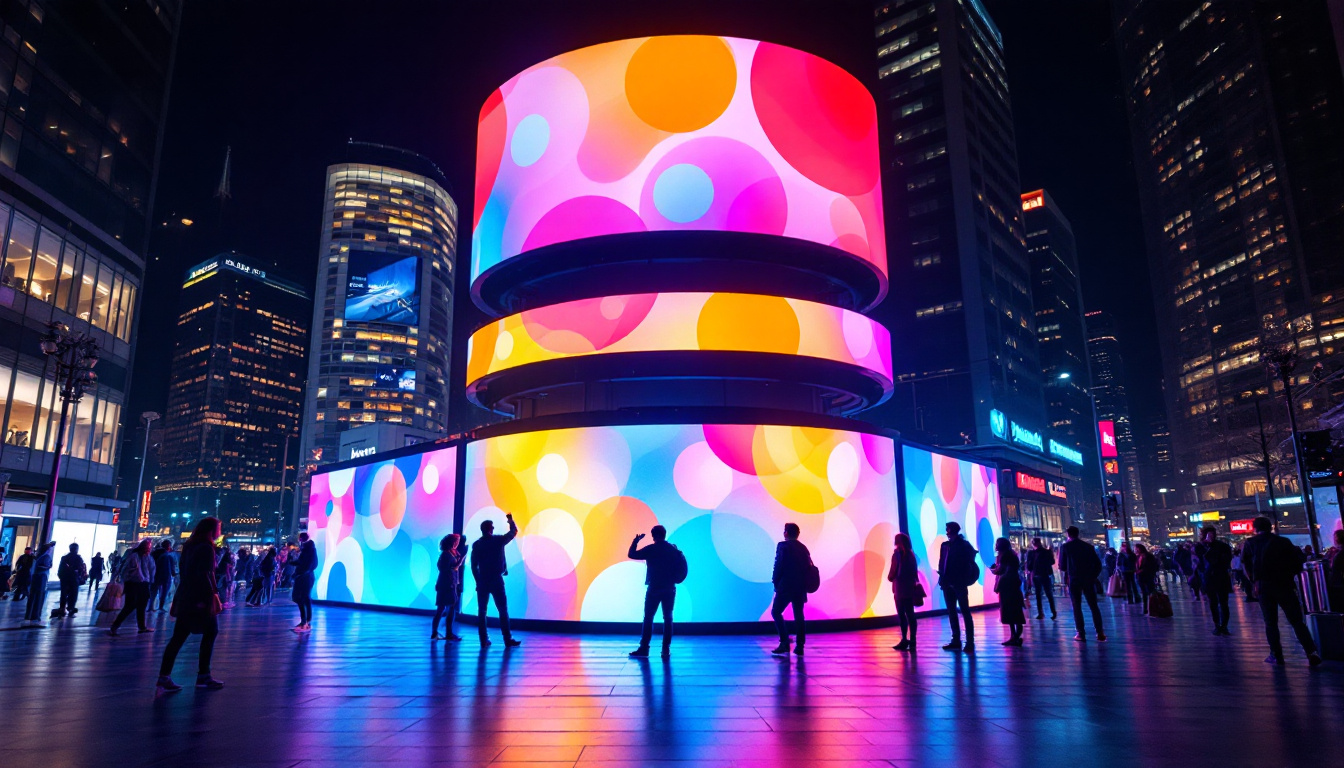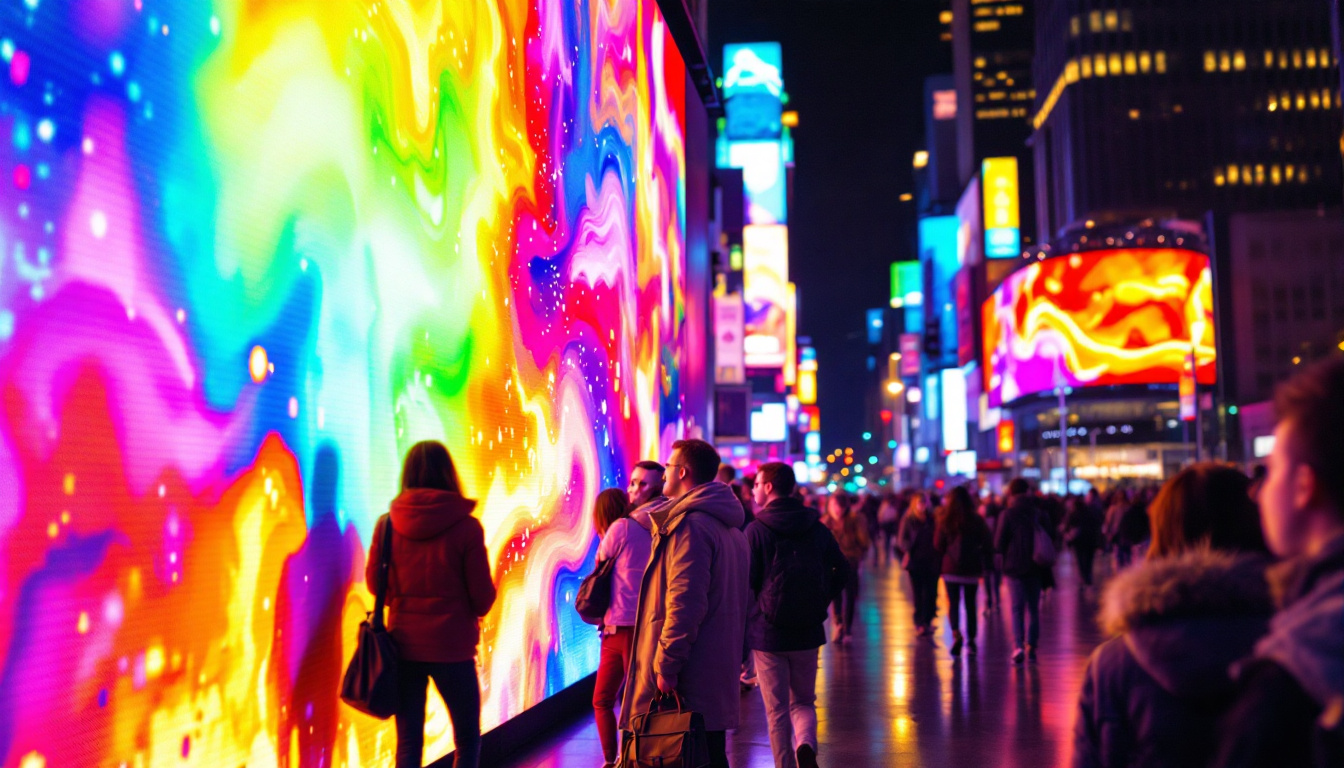
In today’s fast-paced world, capturing the attention of passersby is more challenging than ever. Outdoor video signage, powered by LED display technology, has emerged as a dynamic solution for advertisers, event organizers, and public information providers. This article delves into the essentials of outdoor LED video signage, exploring its technology, benefits, applications, and considerations for implementation.
Understanding LED Technology in Outdoor Displays
Light Emitting Diode (LED) technology forms the backbone of modern outdoor video signage. Unlike traditional lighting, LEDs are semiconductor devices that emit light when an electric current passes through them. This fundamental property allows LED displays to produce bright, vivid images that remain visible even under direct sunlight. The efficiency of LEDs also contributes to their popularity, as they consume significantly less energy compared to incandescent or fluorescent lighting, making them an eco-friendly choice for businesses looking to reduce their carbon footprint.
Outdoor LED displays are composed of thousands to millions of tiny LEDs arranged in a grid, often referred to as pixels. Each pixel can emit red, green, and blue light, combining to create a full spectrum of colors. The display’s resolution depends on the pixel pitch—the distance between the centers of two adjacent pixels. A smaller pixel pitch means higher resolution and sharper images, but it also increases cost and power consumption. This trade-off is crucial for businesses to consider, especially in high-traffic areas where clarity and visibility are paramount for effective advertising and communication.
Key Components of Outdoor LED Displays
Outdoor LED signage consists of several critical components:
- LED Modules: These are the building blocks containing the LEDs arranged in a matrix. Modules are assembled to form the full display. Each module is designed for easy replacement, ensuring that maintenance is straightforward and minimizing downtime.
- Control System: This includes hardware and software that manage the content displayed, brightness levels, and timing. Advanced control systems allow for real-time updates and remote management, enabling businesses to change their messaging instantly based on current events or promotions.
- Power Supply: Ensures consistent and reliable power to the LEDs, often designed to withstand outdoor conditions. High-quality power supplies are essential for maintaining performance and longevity, as fluctuations in power can lead to display malfunctions.
- Cabinet and Enclosure: Protects the internal components from weather elements such as rain, dust, and extreme temperatures. These enclosures are often built with durable materials that provide additional insulation and protection, ensuring that the displays can operate effectively in various climates.
In addition to these components, outdoor LED displays often incorporate advanced features such as automated brightness adjustment, which uses ambient light sensors to optimize visibility throughout the day. This technology not only enhances the viewing experience but also contributes to energy savings by reducing power consumption during low-light conditions. Furthermore, many outdoor LED displays are designed with modularity in mind, allowing for easy scalability. Businesses can start with a smaller display and expand as their needs grow, making LED technology a flexible solution for a wide range of applications, from advertising to public information dissemination.
Advantages of Outdoor LED Video Signage
Outdoor LED displays offer numerous benefits over traditional signage and other digital display technologies, making them a preferred choice for many industries.
High Visibility and Brightness
One of the standout features of LED displays is their exceptional brightness. Outdoor LED signs can reach brightness levels of 5,000 to 10,000 nits, which is significantly higher than LCD or projection-based displays. This ensures clear visibility even in direct sunlight, a critical factor for outdoor advertising where ambient light conditions vary throughout the day. Moreover, the vivid colors produced by LED technology make advertisements more eye-catching, capturing the attention of passersby and increasing the likelihood of engagement. The ability to adjust brightness levels automatically based on surrounding light conditions further enhances visibility, ensuring that messages are always clear and impactful.
Durability and Weather Resistance
LED displays designed for outdoor use are built to withstand harsh environmental conditions. They typically feature IP65 or higher ratings, indicating protection against dust and water ingress. This robustness allows for uninterrupted operation in rain, snow, or extreme heat, ensuring reliable performance year-round. Additionally, many outdoor LED signs are constructed with tempered glass and sturdy aluminum frames, further enhancing their resilience against physical impacts and vandalism. This durability not only protects the investment but also minimizes maintenance costs, allowing businesses to focus on their core operations without worrying about frequent repairs or replacements.
Energy Efficiency
Compared to traditional lighting and some other digital signage technologies, LEDs consume less power while delivering brighter images. This energy efficiency translates to lower operating costs and a reduced environmental footprint, which is increasingly important for businesses aiming to meet sustainability goals. Furthermore, the long lifespan of LED bulbs—often exceeding 50,000 hours—means fewer replacements and less waste, contributing to a greener approach to advertising. As energy costs continue to rise, the financial benefits of using LED displays become even more pronounced, making them an attractive option for businesses looking to optimize their budgets.
Flexibility and Dynamic Content
Unlike static billboards, LED video signage enables dynamic content that can be updated in real-time. Advertisers can display videos, animations, live feeds, and interactive content tailored to specific audiences or times of day. This flexibility enhances engagement and allows for targeted marketing strategies. For instance, businesses can promote time-sensitive offers or events, ensuring that their messaging remains relevant and timely. Additionally, the ability to integrate social media feeds or user-generated content can create a sense of community and interaction, further driving foot traffic and customer loyalty. As technology evolves, the potential for augmented reality and interactive features in LED displays opens up even more avenues for creativity in advertising, making them a powerful tool in the digital marketing arsenal.
Applications of Outdoor LED Video Signage
The versatility of outdoor LED displays has led to their adoption across a variety of sectors. Understanding these applications helps businesses and organizations identify opportunities to leverage this technology effectively.
Advertising and Marketing
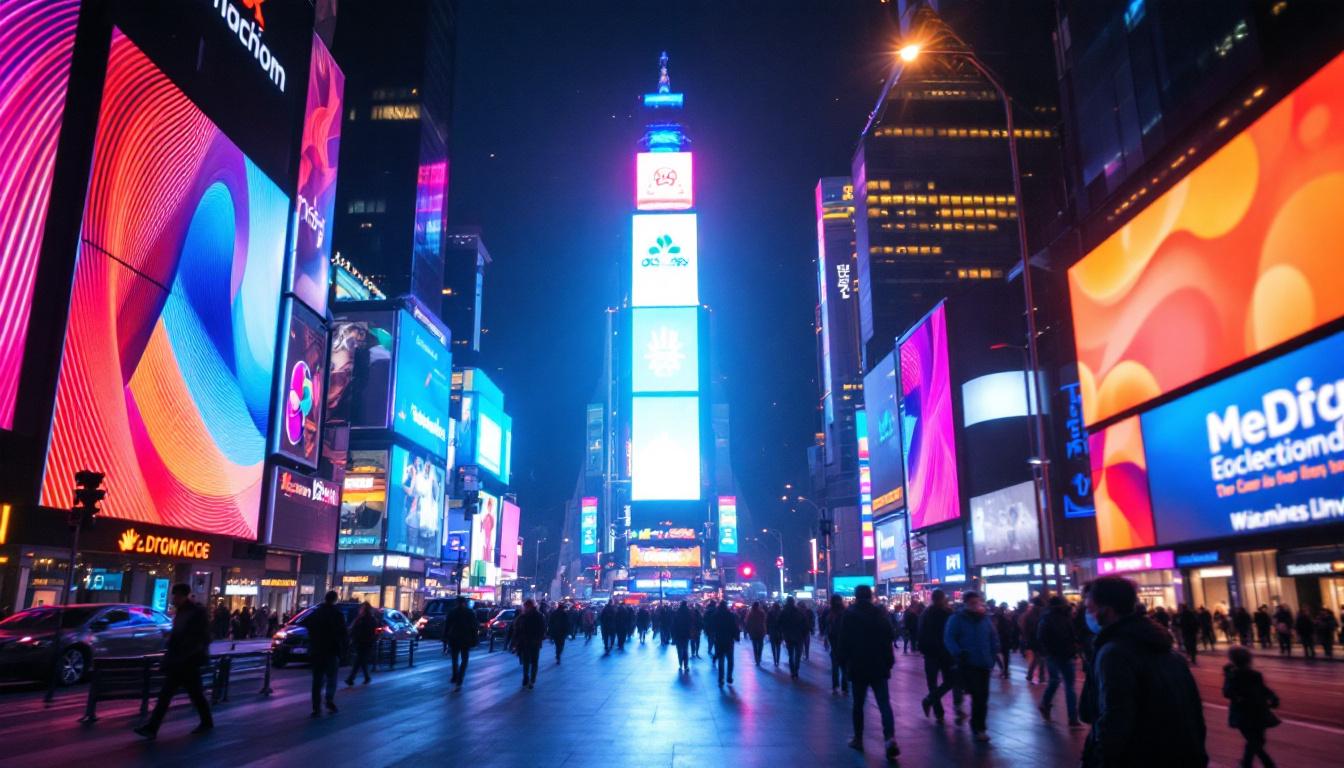
Outdoor LED signage is a powerful tool for brands looking to increase visibility and drive consumer action. High-traffic locations such as shopping centers, highways, and urban centers benefit from LED billboards that can showcase multiple advertisements throughout the day. According to a 2023 report by the Digital Signage Federation, LED-based digital out-of-home (DOOH) advertising has grown by over 15% annually, reflecting its rising popularity.
Sports and Entertainment Venues
Stadiums, arenas, and concert venues utilize large-format LED displays to enhance the spectator experience. These screens provide live game footage, instant replays, scores, and interactive fan content. The ability to display vibrant visuals and real-time updates makes LED signage indispensable in these environments.
Transportation and Public Information
LED displays are widely used in airports, train stations, and bus terminals to convey schedules, alerts, and wayfinding information. Their high visibility ensures that travelers receive timely updates, improving overall transit efficiency and safety.
Retail and Hospitality
Retailers and hotels use outdoor LED signage to promote offers, events, and brand messaging. The dynamic nature of LED displays allows businesses to adapt content based on customer demographics, weather conditions, or special occasions, enhancing customer engagement and driving foot traffic.
Key Considerations When Implementing Outdoor LED Signage
Deploying outdoor LED video signage requires careful planning to maximize return on investment and ensure long-term success. Several factors should be taken into account during the selection and installation process.
Location and Viewing Distance
Choosing the right location is critical. The viewing distance influences the pixel pitch selection; for example, a display intended to be viewed from 50 meters away can use a larger pixel pitch than one viewed from 10 meters. Proper placement also considers line-of-sight, ambient lighting, and potential obstructions.
Content Strategy and Management
Effective content is key to leveraging the full potential of LED signage. Businesses should develop a content calendar that aligns with marketing goals and audience preferences. Additionally, utilizing content management systems (CMS) that support remote updates and scheduling can streamline operations and enable timely messaging.
Regulatory Compliance and Permits
Many municipalities regulate outdoor signage to control light pollution, size, and content. It is essential to consult local regulations and obtain necessary permits before installation. Compliance helps avoid legal issues and community pushback.
Maintenance and Longevity
Regular maintenance ensures optimal performance and extends the lifespan of LED displays. This includes cleaning, firmware updates, and periodic inspections to identify and replace faulty modules. Investing in quality components and professional installation reduces downtime and repair costs.
Future Trends in Outdoor LED Video Signage
The outdoor LED signage industry continues to evolve, driven by advancements in technology and changing consumer behaviors.
Higher Resolution and Pixel Density
As LED manufacturing techniques improve, displays with finer pixel pitches are becoming more affordable. This trend allows for ultra-high-definition outdoor screens capable of displaying intricate graphics and detailed video content, even at close viewing distances.
Integration with IoT and AI
Smart LED signage integrated with Internet of Things (IoT) devices and artificial intelligence (AI) can offer personalized content based on real-time data such as weather, traffic, or audience demographics. This level of customization enhances engagement and marketing effectiveness.
Energy Harvesting and Sustainability
Innovations in solar-powered LED displays and energy-efficient designs are making outdoor signage more sustainable. These developments reduce reliance on grid power and align with global efforts to lower carbon emissions.
Conclusion
Outdoor video signage using LED display technology represents a compelling medium for communication in public spaces. Its brightness, durability, energy efficiency, and flexibility make it suitable for a wide range of applications, from advertising to public information dissemination. By understanding the technology, benefits, and strategic considerations, businesses and organizations can harness the power of outdoor LED signage to engage audiences effectively and achieve their objectives.
Illuminate Your Message with LumenMatrix
Ready to elevate your outdoor advertising and public messaging with unparalleled brightness, durability, and energy efficiency? Discover LumenMatrix’s innovative LED display solutions, designed to captivate your audience and amplify your brand. From vibrant outdoor displays to customizable digital signage, our technology is crafted to create visual experiences that resonate. Check out LumenMatrix LED Display Solutions and transform your communication strategy today.