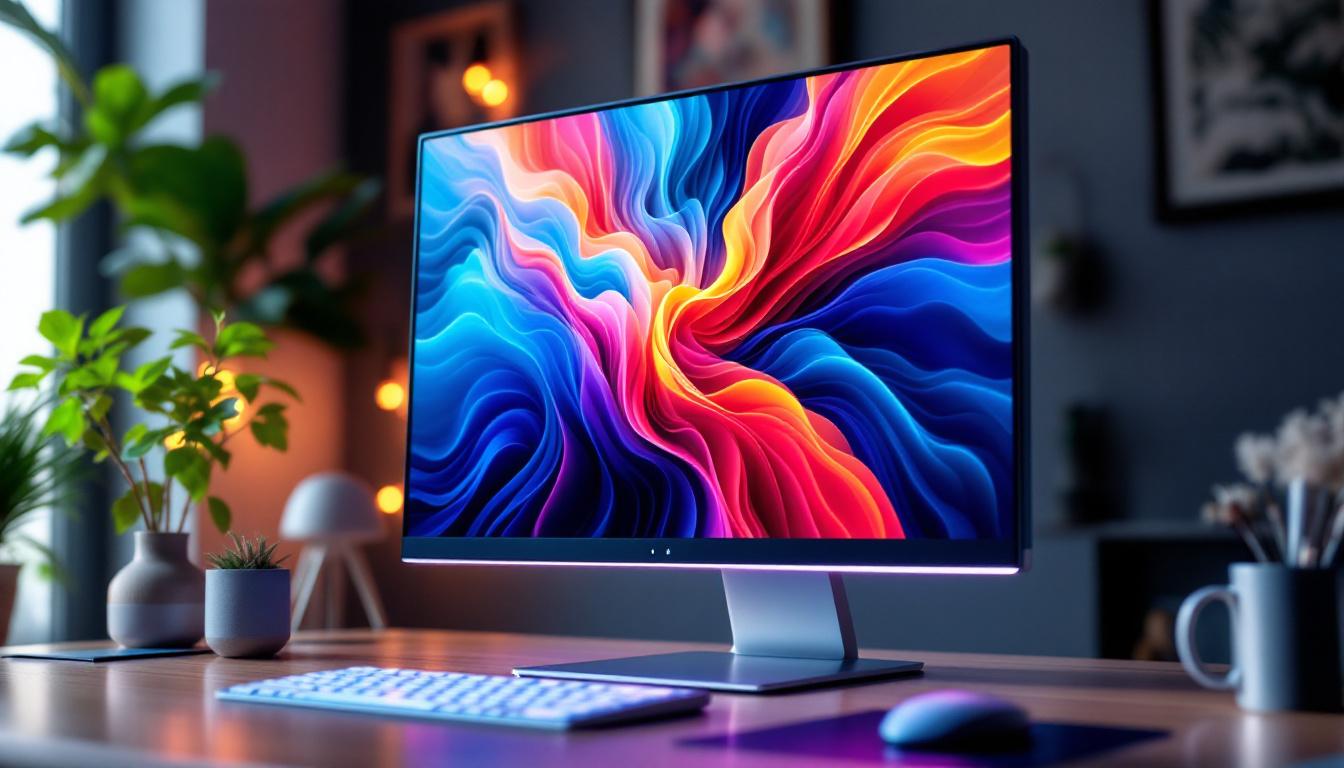
In the rapidly evolving world of display technology, understanding the nuances between various types of screens is essential for consumers, manufacturers, and tech enthusiasts alike. Among the most popular display technologies today are LCD (Liquid Crystal Display) and LED (Light Emitting Diode) displays. When combined in an All-in-One (AIO) form factor, these technologies offer compelling solutions for both personal and professional use. This article delves into the intricacies of LCD AIO devices with LED displays, explaining their technology, advantages, and practical applications.
Understanding LCD and LED Technologies
What is an LCD?
Liquid Crystal Display (LCD) technology has been a staple in screens for decades. It operates by using liquid crystals that modulate light to produce images. These crystals do not emit light themselves; instead, they rely on a backlight to illuminate the display. The backlight shines through the liquid crystals, which twist and align to control the amount of light passing through each pixel, thus creating images.
LCDs are known for their thin profile, energy efficiency, and ability to produce sharp images with good color accuracy. They are widely used in monitors, televisions, smartphones, and increasingly in All-in-One PCs, where space-saving design is crucial. Additionally, advancements in LCD technology have led to improvements in viewing angles and response times, making them suitable for a variety of applications, from gaming to professional graphic design. The development of IPS (In-Plane Switching) panels, for example, has significantly enhanced color reproduction and viewing angles, allowing multiple viewers to enjoy consistent image quality from different perspectives.
What is an LED Display?
LED, or Light Emitting Diode, refers to the type of backlighting used in many modern LCD screens. Originally, LCDs used cold cathode fluorescent lamps (CCFLs) for backlighting, but LEDs have largely replaced them due to their superior efficiency and performance.
LED displays use an array of tiny LEDs to illuminate the screen. These LEDs can be arranged in different configurations, such as edge-lit or direct-lit, affecting the display’s brightness, contrast, and uniformity. Importantly, the term “LED display” often refers to an LCD screen with LED backlighting, rather than a screen made entirely of LEDs (which is a different technology known as OLED or microLED). The shift to LED backlighting has not only improved energy consumption but has also enabled thinner designs and better color performance, as LEDs can produce a wider color gamut. Furthermore, many LED displays now incorporate technologies like local dimming, which allows for deeper blacks and enhanced contrast by selectively dimming areas of the screen, thus improving the overall viewing experience, especially in dark environments.
The All-in-One (AIO) Form Factor and Its Advantages
What Defines an AIO Device?
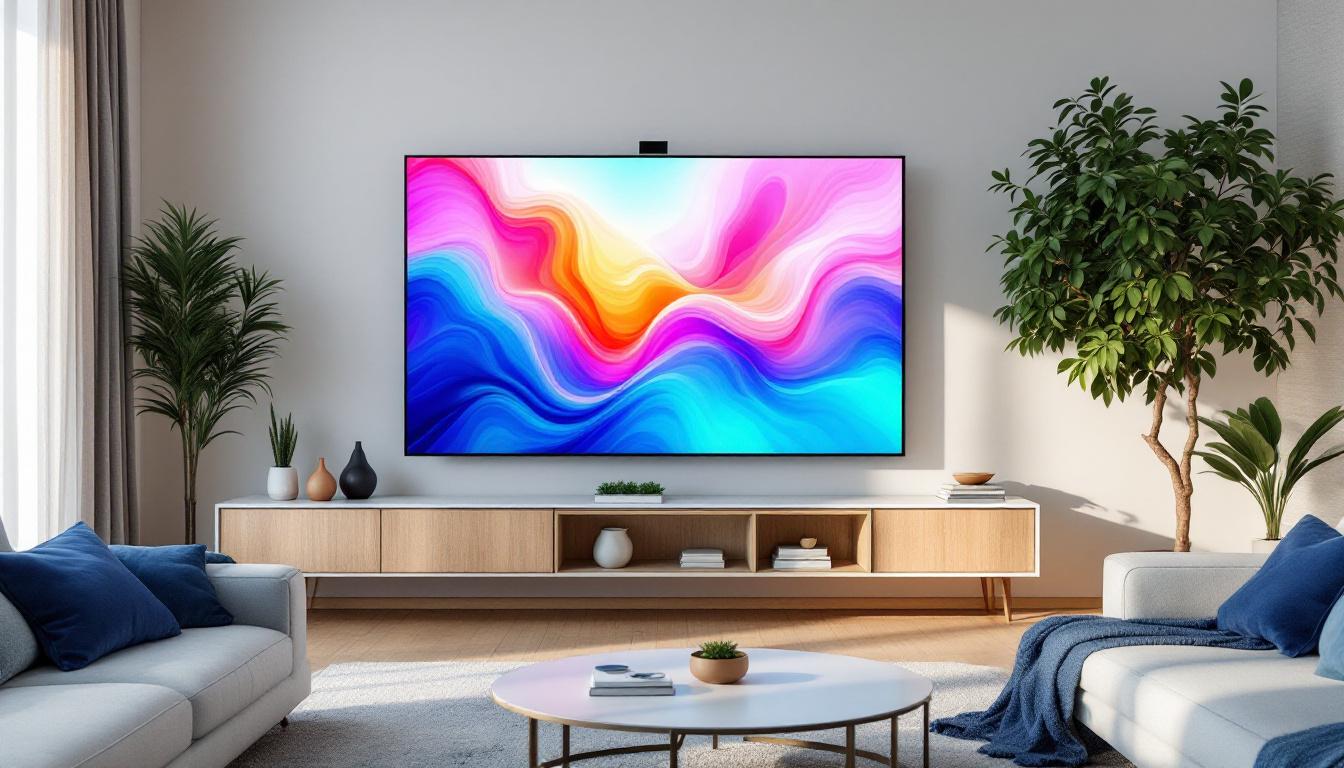
An All-in-One (AIO) device integrates the computer’s internal components and the display into a single unit. This design eliminates the need for a separate tower and monitor, resulting in a sleek, space-saving setup. AIOs are popular in offices, educational environments, and homes where desk space is limited or a minimalist aesthetic is preferred.
Modern AIOs often incorporate touchscreen capabilities, high-resolution displays, and powerful processors, making them versatile for a range of tasks from basic productivity to multimedia consumption and even light gaming.
Benefits of LCD AIOs with LED Displays
Combining LCD technology with LED backlighting in an AIO offers several benefits:
- Energy Efficiency: LED backlighting consumes less power compared to older CCFL backlights, contributing to lower electricity bills and environmental impact.
- Improved Brightness and Contrast: LED backlights provide brighter images and better contrast ratios, enhancing visual clarity and reducing eye strain.
- Thin and Lightweight Design: LEDs are smaller and generate less heat, allowing manufacturers to create thinner, lighter AIO units without sacrificing performance.
- Longer Lifespan: LEDs have a longer operational life than CCFLs, meaning the display maintains its quality for a more extended period.
Types of LED Backlighting in LCD AIOs
Edge-Lit LED Displays
Edge-lit LED displays place the LEDs along the edges of the screen. Light is then diffused across the display using light guides. This method allows for ultra-thin panels and is cost-effective, making it common in many consumer-grade AIOs.
However, edge-lit displays can sometimes suffer from uneven brightness and less precise local dimming, which may affect contrast in darker scenes.
Direct-Lit and Full-Array LED Displays
Direct-lit LED displays position LEDs directly behind the LCD panel, providing more uniform brightness. Full-array LED displays take this a step further by having a grid of LEDs that can be individually controlled, enabling local dimming.
Local dimming enhances contrast by dimming LEDs in dark areas of the screen while keeping bright areas illuminated, resulting in deeper blacks and more vibrant images. Though more expensive, this technology is increasingly found in premium AIO models.
Mini-LED and MicroLED Technologies
Emerging technologies like Mini-LED and MicroLED are pushing the boundaries of LED backlighting. Mini-LED uses thousands of tiny LEDs for even finer local dimming zones, dramatically improving contrast and HDR performance. MicroLED, while still in early stages for consumer devices, offers self-emissive pixels with exceptional brightness, color accuracy, and energy efficiency.
While Mini-LEDs are beginning to appear in high-end AIOs and monitors, MicroLED remains primarily in prototype and specialized applications.
Key Performance Metrics for LCD AIO LED Displays
Resolution and Pixel Density
The resolution of an LCD AIO display determines how many pixels are used to create the image. Common resolutions include Full HD (1920×1080), Quad HD (2560×1440), and 4K UHD (3840×2160). Higher resolution means sharper images and more screen real estate, which is particularly beneficial for multitasking and detailed work.
Pixel density, measured in pixels per inch (PPI), affects how crisp the display appears. A higher PPI results in smoother text and finer image details.
Color Accuracy and Gamut
Color accuracy is critical for professionals in graphic design, photography, and video production. It refers to how faithfully a display reproduces colors compared to real-world or reference standards.
Color gamut describes the range of colors a display can produce. Common standards include sRGB, Adobe RGB, and DCI-P3. LCD AIOs with LED displays that cover a wide color gamut and offer factory calibration provide more vibrant and accurate colors.
Brightness and Contrast Ratio
Brightness, measured in nits, affects visibility in various lighting conditions. A typical office environment requires at least 250-300 nits, while HDR content benefits from 600 nits or more.
Contrast ratio is the difference between the darkest black and brightest white a display can produce. Higher contrast ratios improve image depth and realism. LED backlighting with local dimming significantly enhances this metric.
Refresh Rate and Response Time
While refresh rate and response time are more critical for gaming, they also impact general user experience. A higher refresh rate (e.g., 120Hz or 144Hz) results in smoother motion, while lower response times reduce motion blur.
Most office-oriented LCD AIOs use standard 60Hz panels, but models aimed at creative professionals or casual gamers may offer higher refresh rates.
Applications and Use Cases of LCD AIOs with LED Displays
Office and Productivity Environments
LCD AIOs with LED displays are ideal for office settings due to their compact design and efficient performance. The combination of sharp resolution and accurate colors aids in document editing, presentations, and video conferencing.
Additionally, the reduced eye strain from LED backlighting and flicker-free technology contributes to better user comfort during long work hours.
Creative and Multimedia Work
For graphic designers, video editors, and photographers, color accuracy and high resolution are paramount. Premium LCD AIOs with full-array LED backlighting and wide color gamut support meet these demands effectively.
The integration of touchscreen functionality and stylus support in some AIOs further enhances creative workflows.
Education and Remote Learning
The all-in-one design simplifies setup and reduces clutter in classrooms and home learning environments. LED-backlit LCDs provide bright, clear images for video lectures, interactive lessons, and collaborative projects.
Many AIOs also include built-in webcams and microphones, making them convenient for virtual classrooms.
Entertainment and Casual Gaming
While not typically designed for high-end gaming, LCD AIOs with LED displays offer a satisfying multimedia experience. Full HD or higher resolutions combined with good color reproduction make them suitable for streaming movies, browsing, and light gaming.
Some models with higher refresh rates and better response times cater to casual gamers seeking a balance between performance and aesthetics.
Future Trends in LCD AIO and LED Display Technology
Integration of AI and Adaptive Display Features
Artificial intelligence is beginning to influence display technology by enabling adaptive brightness, color adjustments, and power optimization based on user habits and ambient conditions. This enhances user experience and prolongs device lifespan.
Advancements in Backlighting and Pixel Technology
The transition from traditional LED backlighting to Mini-LED and eventually MicroLED promises even better image quality, energy efficiency, and thinner designs. These advances will likely become standard in future AIOs, pushing the boundaries of what is possible in a compact form factor.
Increased Focus on Sustainability
Manufacturers are increasingly prioritizing eco-friendly materials and energy-efficient designs. LED backlighting already contributes to lower power consumption, and ongoing innovations aim to reduce environmental impact further.
Conclusion
LCD AIO devices with LED displays represent a harmonious blend of technology, design, and functionality. By leveraging LED backlighting, these all-in-one systems offer enhanced brightness, energy efficiency, and image quality while maintaining a sleek, space-saving profile.
Understanding the distinctions between LCD and LED technologies, as well as the types of LED backlighting, helps consumers make informed decisions tailored to their specific needs—whether for professional work, education, or entertainment.
As display technology continues to advance, LCD AIOs with LED displays will remain a versatile and popular choice, adapting to the evolving demands of users across the globe.
Discover the Future of Visual Experience with LumenMatrix
Ready to elevate your visual engagement? Explore LumenMatrix’s innovative LED display solutions, where cutting-edge technology meets creative design. From captivating Indoor LED Walls to dynamic Outdoor Displays and beyond, LumenMatrix is at the forefront of revolutionizing visual communication. Whether for advertising, entertainment, or information sharing, our displays are crafted to enhance brand visibility and create immersive experiences. Don’t miss out on the opportunity to transform your space. Check out LumenMatrix LED Display Solutions today and see your vision come to life.