In today’s digital era, large 4K LED displays have become a cornerstone for various industries, ranging from entertainment and advertising to corporate communications and control rooms. Their ability to deliver crystal-clear visuals on a grand scale makes them indispensable for environments where clarity, brightness, and color accuracy are paramount. This article explores the technology behind large 4K LED displays, their advantages, key applications, and considerations for selecting the right display for your needs.
Understanding the Technology Behind Large 4K LED Displays
What Is a 4K LED Display?
A 4K LED display refers to an electronic screen that uses Light Emitting Diodes (LEDs) as its light source and offers a resolution of approximately 3840 x 2160 pixels, commonly known as 4K Ultra High Definition (UHD). This resolution provides four times the pixel count of standard Full HD (1920 x 1080) displays, resulting in significantly sharper and more detailed images. The increased pixel density not only enhances the clarity of the visuals but also allows viewers to sit closer to the screen without noticing any pixelation, making it ideal for immersive experiences in both commercial and residential settings.
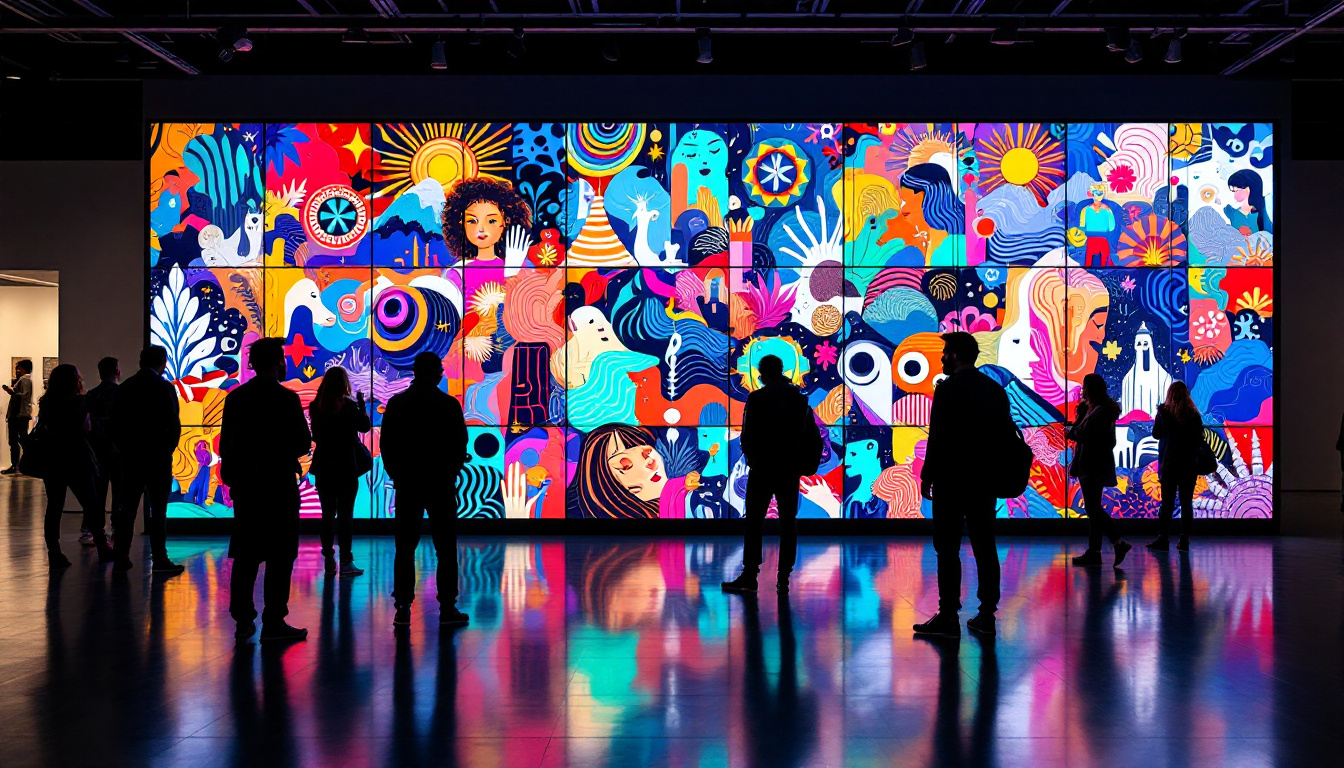
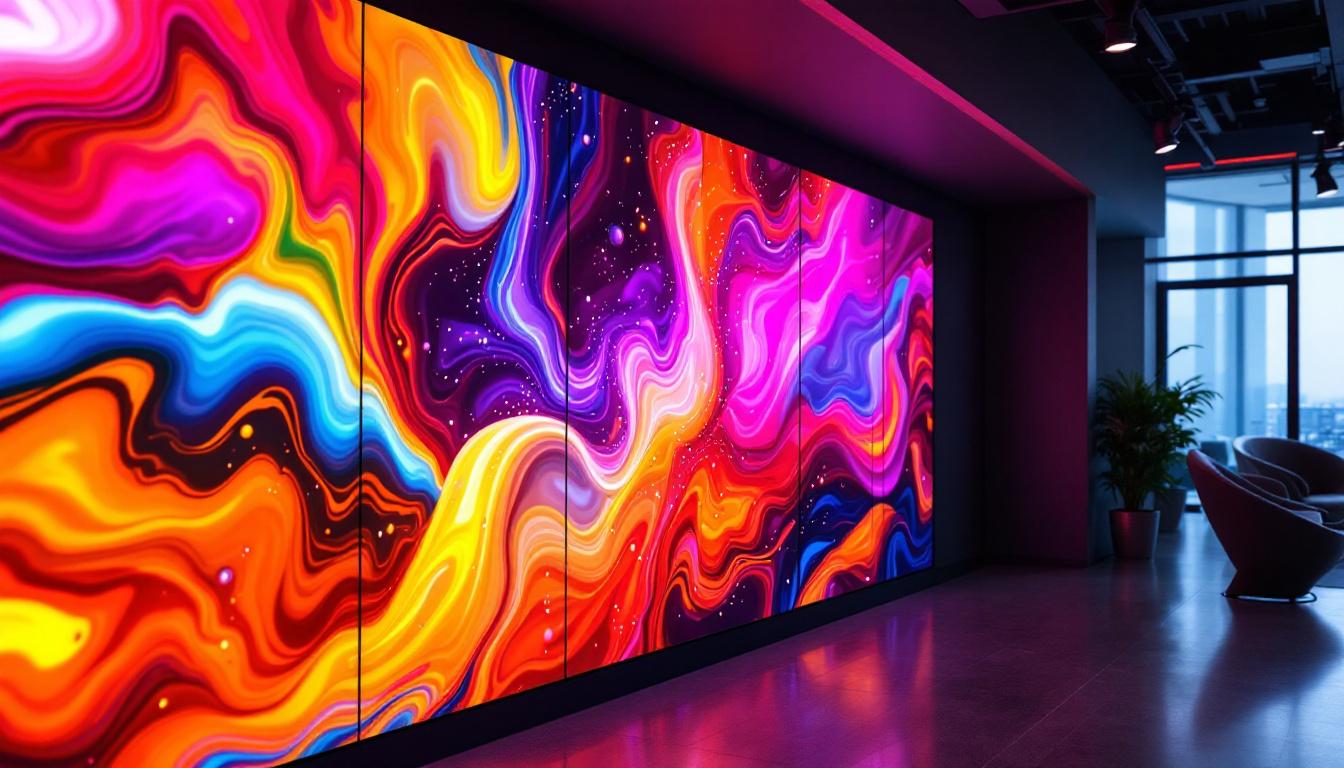
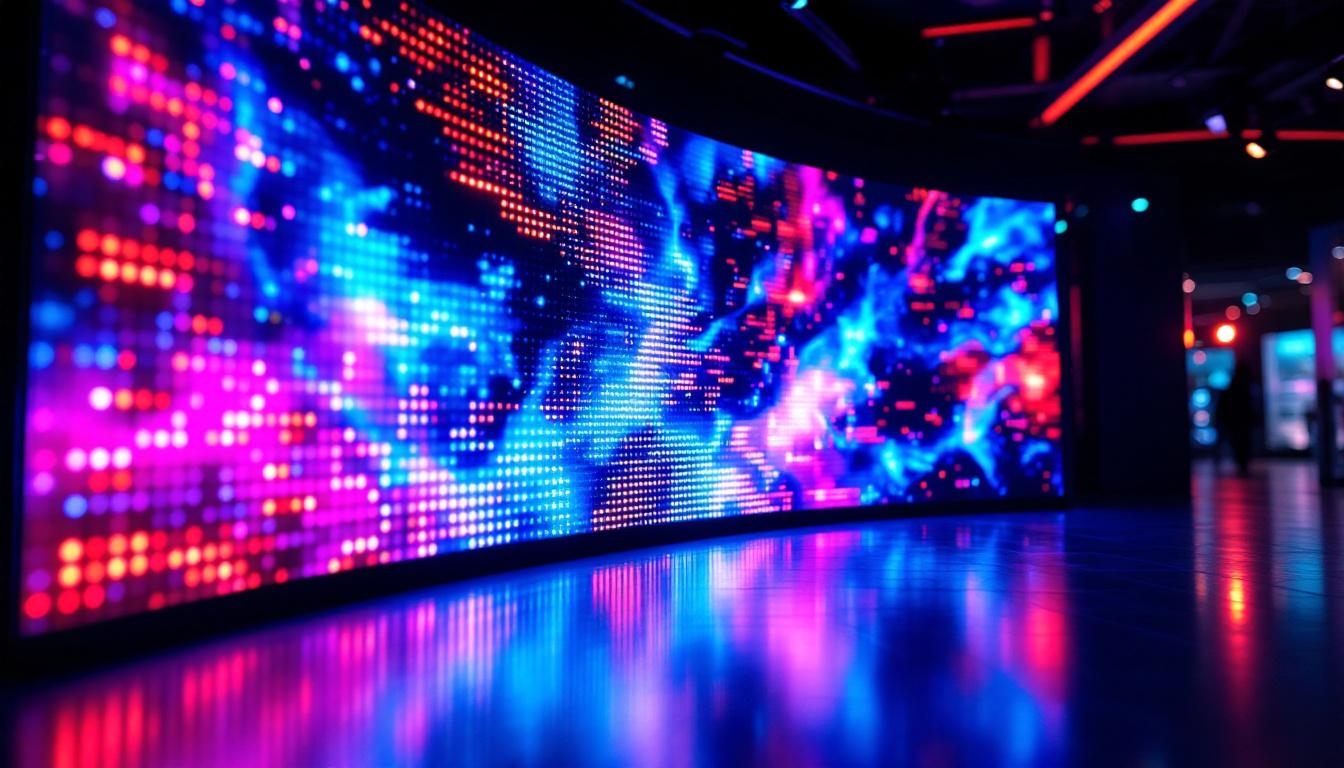
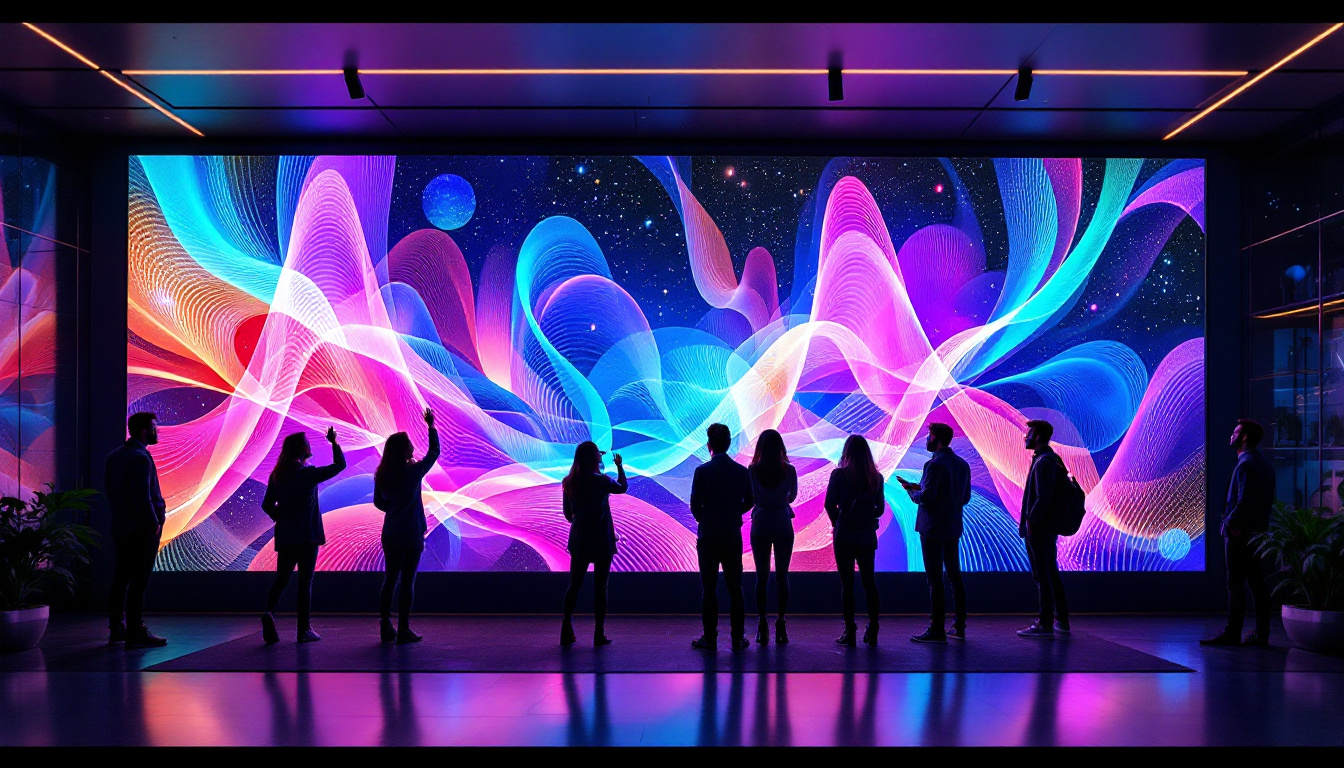
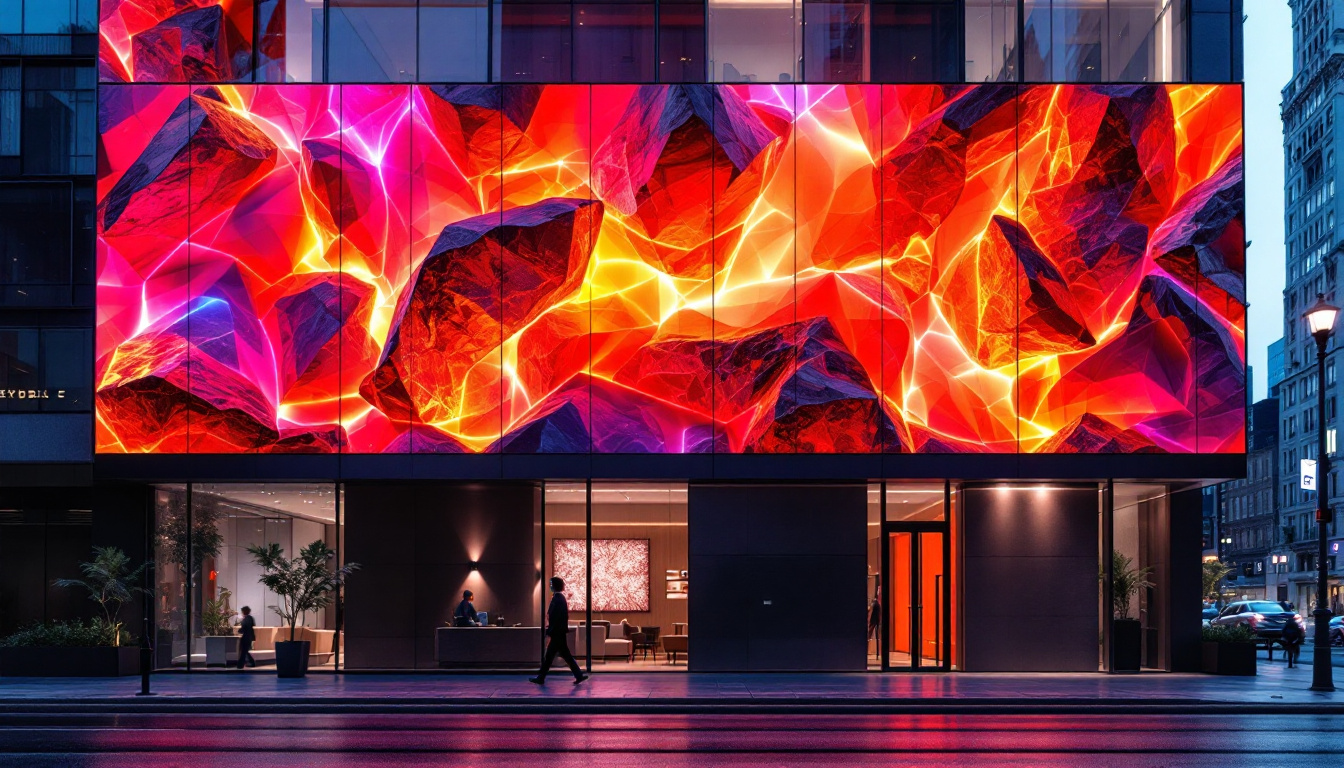
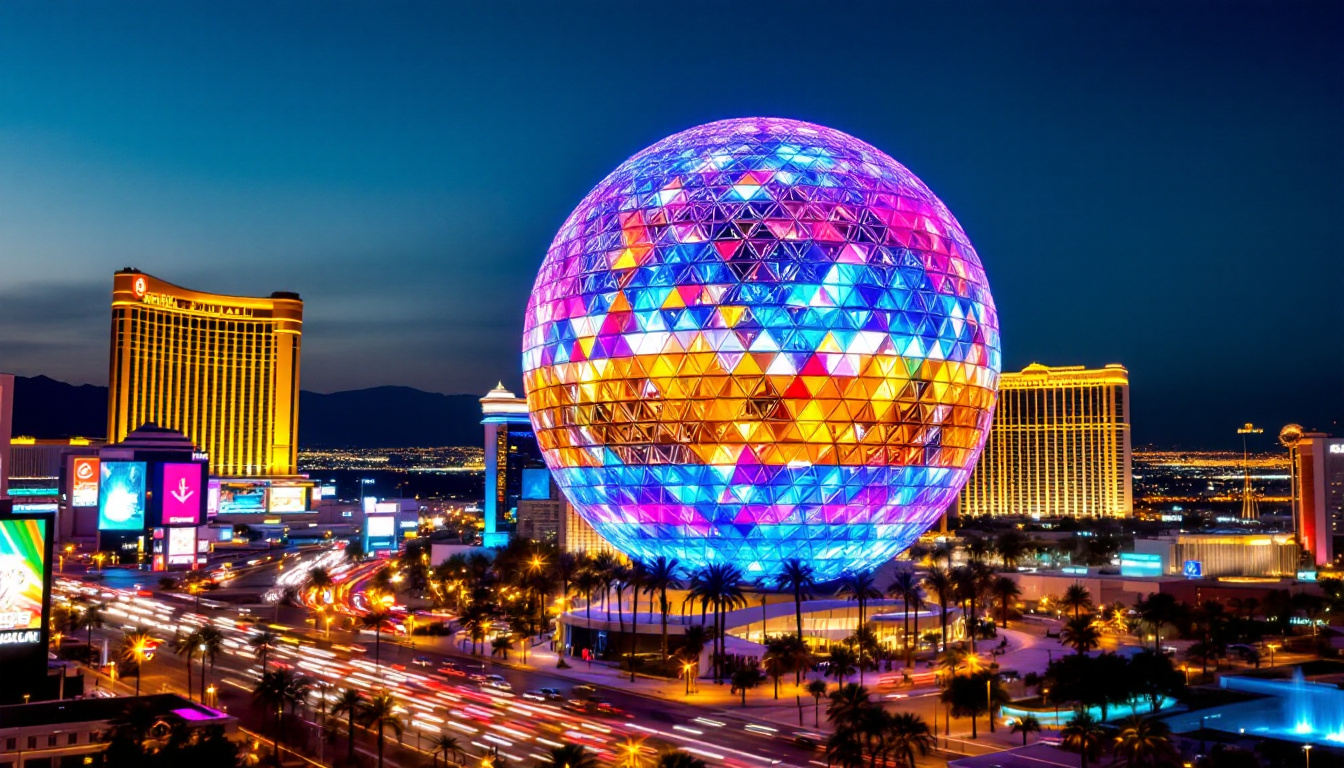
Large 4K LED displays are typically modular, meaning they are composed of multiple LED panels tiled together to create a seamless, expansive screen. This modularity allows for flexible sizing, from a few feet wide to walls spanning dozens of feet, making them ideal for venues like stadiums, conference halls, and digital billboards. Furthermore, the ability to customize the configuration of these displays enables businesses to create unique visual experiences tailored to their specific needs, whether for advertising, entertainment, or informational purposes.
How LED Technology Works
LED displays consist of millions of tiny diodes that emit light when an electric current passes through them. Unlike traditional LCDs that rely on backlighting, LED displays are self-illuminating, which means each pixel emits its own light. This results in superior brightness, contrast, and energy efficiency. The energy efficiency of LED technology not only reduces operational costs but also contributes to a lower carbon footprint, making it an environmentally friendly option for large-scale displays.
In large LED screens, these diodes are arranged in clusters called pixels, often combining red, green, and blue LEDs to produce a full spectrum of colors. The precision in controlling the intensity of each LED allows for vibrant and accurate color reproduction, which is especially important for applications requiring high visual fidelity. Additionally, advancements in LED technology have led to improvements in color calibration and uniformity across the display, ensuring that viewers enjoy a consistent visual experience regardless of their viewing angle. This capability is particularly beneficial for outdoor displays, where varying lighting conditions can affect visibility and color accuracy.
Advantages of Large 4K LED Displays
Exceptional Image Quality and Clarity
The defining feature of 4K resolution is its ability to display incredibly detailed images. On large screens, this high pixel density prevents the image from appearing pixelated or blurry, even when viewed up close. This clarity is crucial in environments like control rooms or medical imaging centers, where every detail matters. For instance, in a medical setting, radiologists can discern subtle differences in imaging scans, allowing for more accurate diagnoses and better patient outcomes. The enhanced detail provided by 4K displays can also be beneficial in educational environments, where intricate diagrams and visuals can be presented with stunning clarity, making it easier for students to grasp complex concepts.
Moreover, LED technology offers high brightness levels, often exceeding 1,000 nits, which ensures visibility even in brightly lit or outdoor environments. The high contrast ratio of LED displays further enhances image depth, making colors appear more vivid and blacks more profound. This capability is particularly advantageous for digital signage, where attracting attention in a crowded marketplace is essential. The vibrant colors and sharp details can captivate passersby, effectively conveying messages and promoting products in a way that less advanced displays simply cannot achieve.
Scalability and Flexibility
Large LED displays can be customized to virtually any size and shape due to their modular design. This flexibility allows businesses to create immersive visual experiences tailored to their spatial constraints and design preferences. For example, curved or angled LED walls can be constructed to wrap around a room, enhancing viewer engagement. This innovative design can transform a standard presentation into an interactive experience, drawing audiences into the content being displayed. Furthermore, the ability to seamlessly integrate multiple screens into a single cohesive display opens up endless possibilities for creative content presentation, from dynamic advertising to captivating art installations.
Additionally, LED displays can be configured for indoor or outdoor use, with weatherproofing and brightness adjustments to suit different environments. This adaptability makes them suitable for a wide range of applications, from indoor corporate presentations to massive outdoor advertising billboards. Beyond traditional advertising, these displays can also serve as platforms for live events, broadcasting real-time information, or displaying interactive content that engages viewers in a unique way. As technology continues to evolve, the potential for innovative uses of large LED displays expands, making them a versatile tool in any marketer’s arsenal.
Energy Efficiency and Longevity
Compared to older display technologies like plasma or fluorescent backlit LCDs, LED displays consume less power, which translates into lower operational costs over time. Advances in LED technology have also extended the lifespan of these displays, with many rated for over 100,000 hours of continuous use. This longevity not only reduces the frequency of replacements but also contributes to a smaller environmental footprint, as fewer displays need to be manufactured and disposed of over time. Organizations can take pride in their choice of technology, knowing they are making a more sustainable choice.
This durability reduces maintenance needs and replacement frequency, making LED displays a cost-effective investment for organizations looking for reliable, long-term solutions. Furthermore, many modern LED displays come equipped with smart technology that allows for remote monitoring and diagnostics, enabling proactive maintenance and minimizing downtime. This feature is particularly beneficial for businesses that rely on continuous operation, such as retail environments or live event venues, where every moment of display failure can lead to lost revenue and diminished customer experience.
Key Applications of Large 4K LED Displays
Advertising and Digital Signage
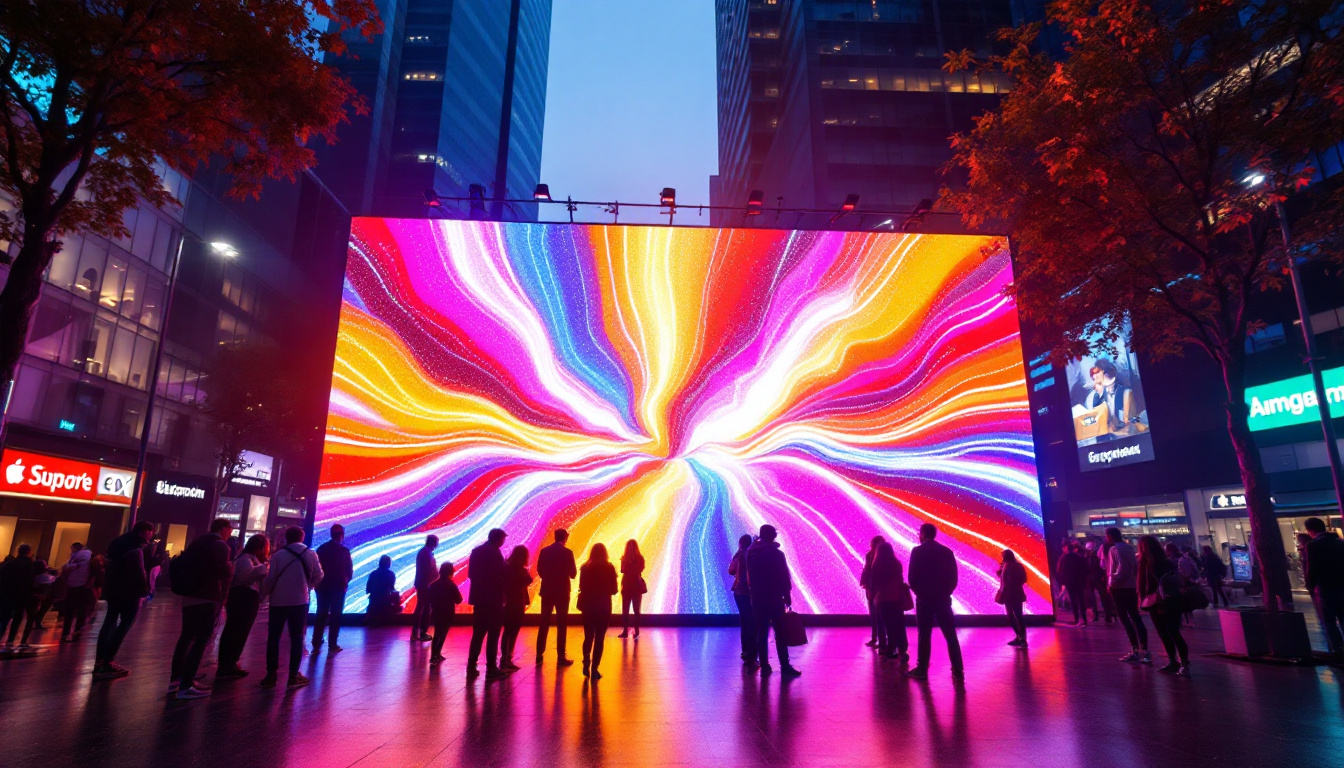
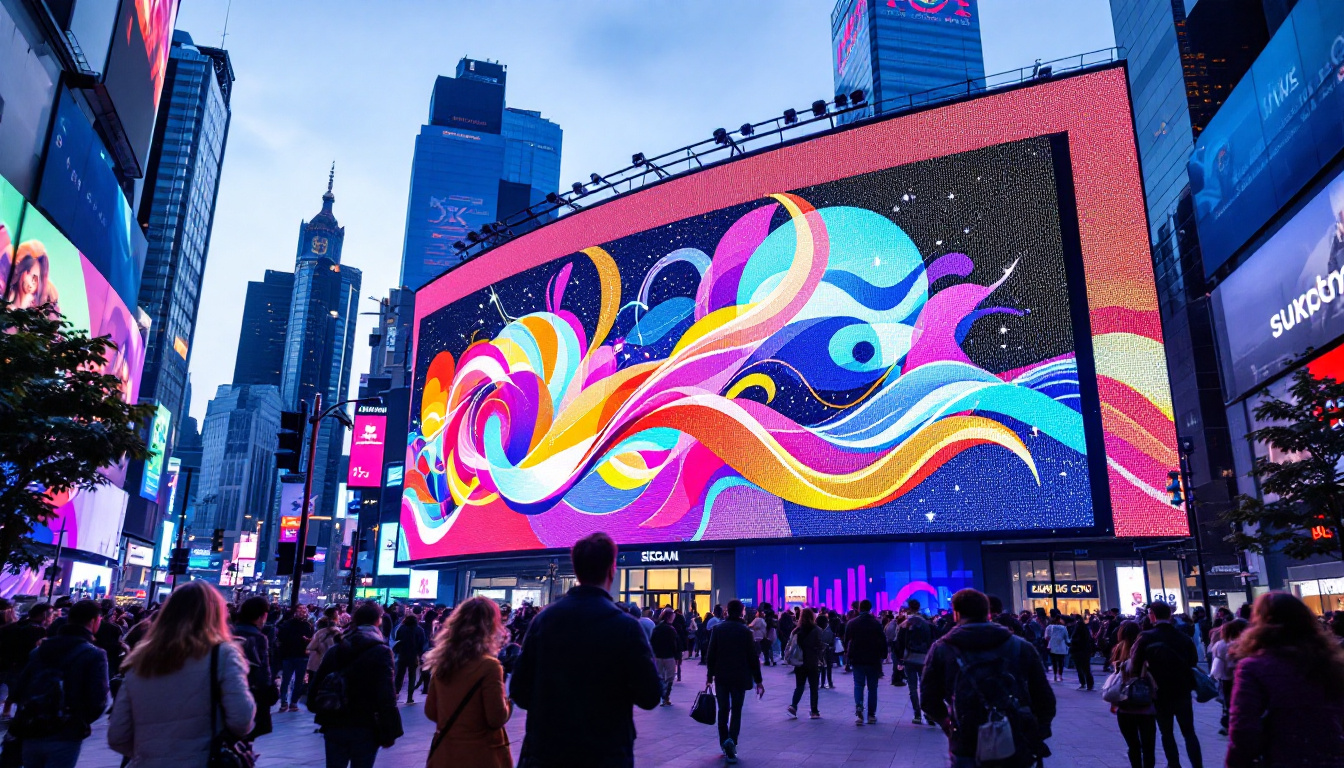
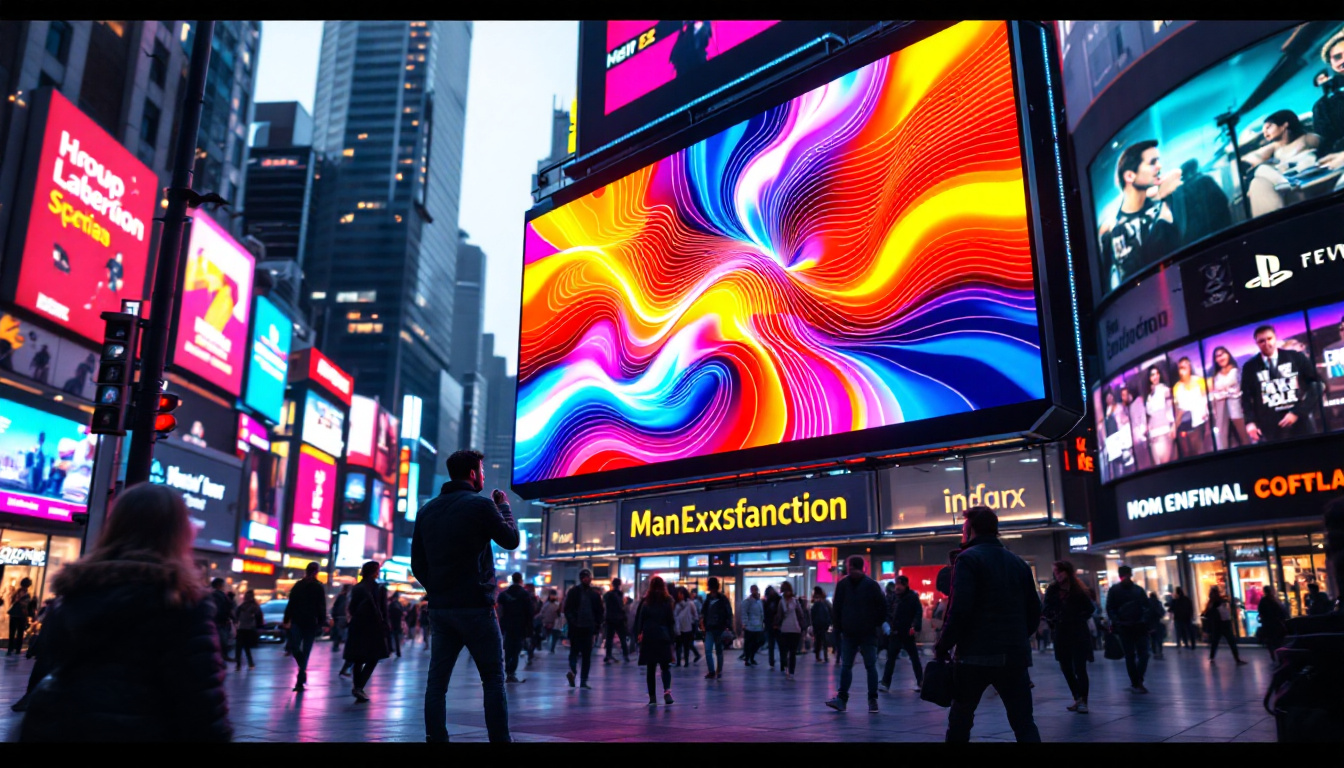
One of the most visible uses of large 4K LED displays is in advertising. High-traffic urban areas like Times Square in New York City or Shibuya Crossing in Tokyo showcase massive LED billboards that captivate audiences with vibrant, dynamic content. The 4K resolution ensures that promotional messages are sharp and eye-catching, even from a distance.
Digital signage also benefits from LED displays’ ability to operate in various lighting conditions, including direct sunlight. This versatility allows advertisers to reach audiences around the clock with clear and compelling visuals.
Entertainment and Events
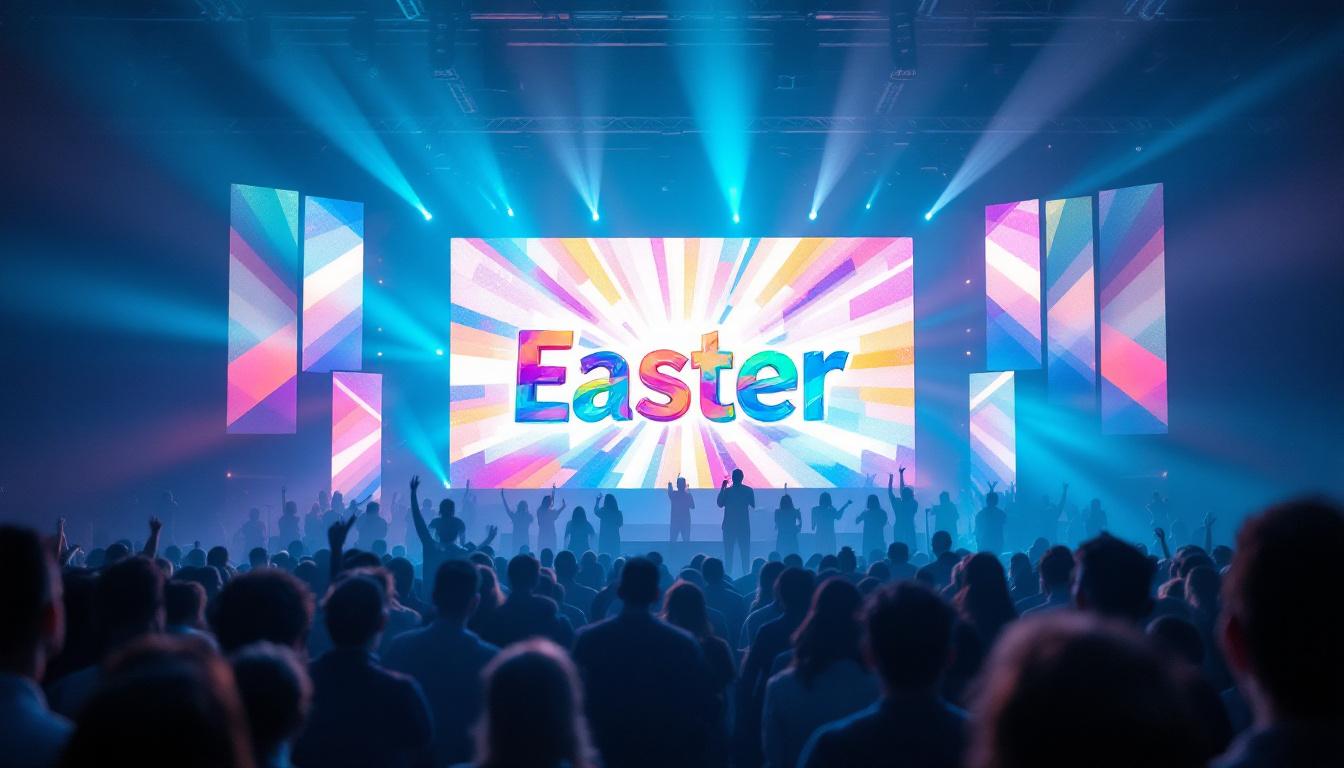
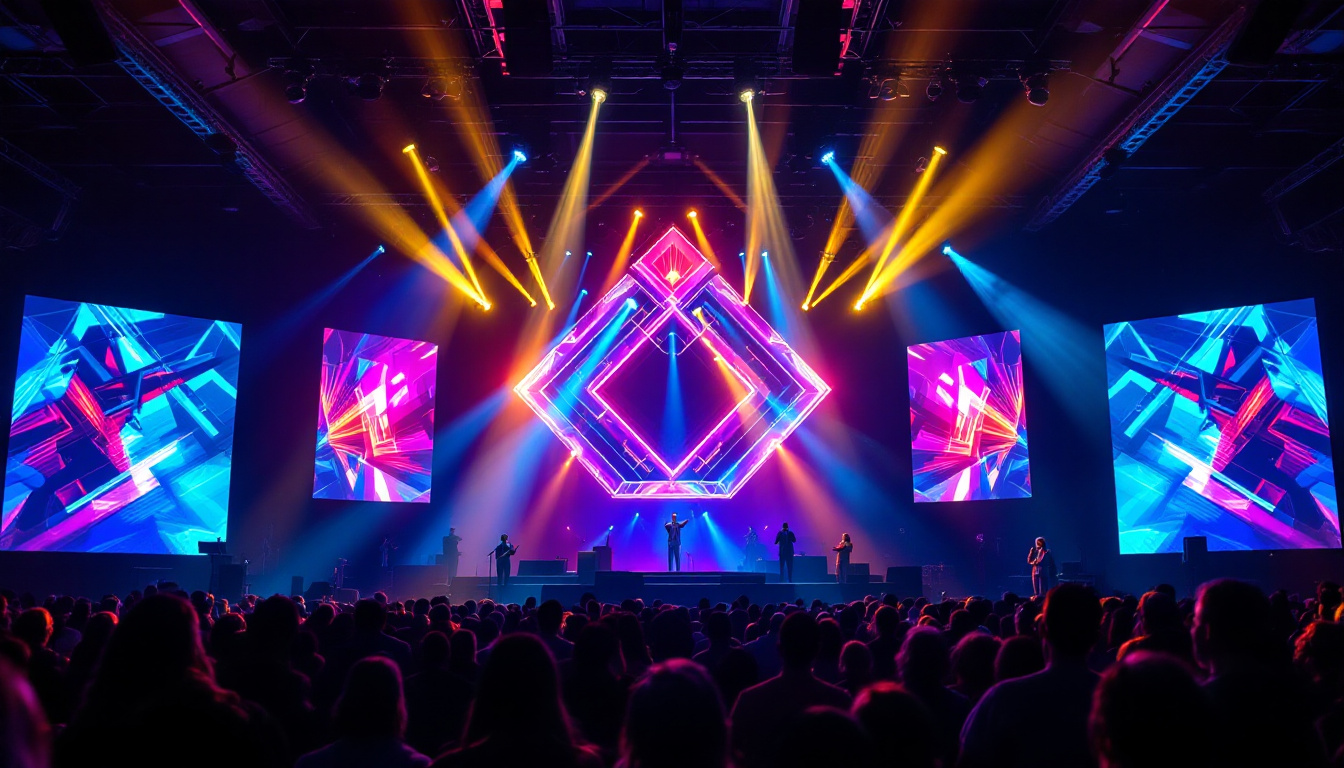
Concerts, sports arenas, and theaters utilize large 4K LED screens to enhance the spectator experience. These displays can project live footage, replays, and graphic overlays with stunning clarity, ensuring that even attendees seated far from the stage or field can enjoy detailed visuals.
Event organizers also appreciate the scalability and portability of LED panels, which can be assembled and disassembled quickly to accommodate different venues and production requirements.
Corporate and Control Room Environments
In corporate settings, large 4K LED displays are used for presentations, video conferencing, and immersive collaboration spaces. Their ability to display multiple content sources simultaneously helps teams analyze data and make informed decisions more efficiently.
Control rooms in industries such as transportation, utilities, and emergency services rely on high-resolution LED walls to monitor critical systems. The clarity and reliability of these displays are essential for real-time situational awareness and rapid response.
Choosing the Right Large 4K LED Display
Pixel Pitch and Viewing Distance
Pixel pitch, the distance between the centers of adjacent pixels, is a key factor in determining display quality. Smaller pixel pitches mean higher pixel density and sharper images, which is especially important for close viewing distances.
For example, a pixel pitch of 1.2mm or less is ideal for indoor displays viewed from a few feet away, such as in conference rooms or control centers. Conversely, outdoor billboards viewed from hundreds of feet away can use larger pixel pitches, such as 10mm or more, without compromising perceived image quality.
Brightness and Environmental Considerations
Brightness requirements vary depending on the installation environment. Indoor displays typically require brightness levels between 600 and 1,000 nits, while outdoor displays may need 5,000 nits or higher to remain visible in direct sunlight.
Environmental factors like humidity, temperature fluctuations, and exposure to dust or rain also influence the choice of LED display. Outdoor models often feature ruggedized enclosures and IP ratings to protect against the elements.
Connectivity and Control Systems
Modern large 4K LED displays support a range of input sources, including HDMI, DisplayPort, and specialized video processors. Integration with control systems allows for seamless content management, scheduling, and real-time adjustments.
Choosing a display with robust software support and compatibility with existing infrastructure ensures smooth operation and scalability as organizational needs evolve.
Future Trends in Large 4K LED Displays
MicroLED and MiniLED Innovations
Emerging technologies like MicroLED and MiniLED are pushing the boundaries of LED display performance. MicroLEDs, which use microscopic LEDs as individual pixels, promise even higher brightness, contrast, and energy efficiency than traditional LEDs. These displays also offer improved color accuracy and longer lifespans.
MiniLED backlighting, used in some high-end LCD displays, enhances contrast and brightness by employing thousands of tiny LEDs for localized dimming. While not a direct competitor to full LED walls, MiniLED technology is influencing the broader display market.
Integration with AI and Smart Technologies
Artificial intelligence is beginning to play a role in content optimization for large LED displays. AI algorithms can analyze audience demographics and environmental conditions to tailor content dynamically, maximizing engagement and effectiveness.
Smart LED displays may also incorporate sensors to adjust brightness and color temperature automatically, improving viewer comfort and reducing energy consumption.
Conclusion
Large 4K LED displays represent a significant advancement in visual technology, combining high resolution, brightness, and flexibility to meet the diverse needs of modern industries. Whether used for advertising, entertainment, corporate communication, or critical monitoring, these displays deliver unparalleled image quality and operational efficiency.
Understanding the underlying technology, key advantages, and application-specific requirements is essential for selecting the right LED display solution. As innovations like MicroLED and AI integration continue to evolve, the future of large-scale visual displays promises even more immersive and intelligent experiences.
Discover LumenMatrix’s Innovative LED Display Solutions
Ready to elevate your visual impact with the latest in LED technology? LumenMatrix is at the forefront of creating immersive and dynamic visual experiences tailored to your unique needs. From Indoor and Outdoor LED Wall Displays to specialized solutions like Vehicle, Sports, and Floor LED Displays, we have the cutting-edge technology to bring your vision to life. Embrace the future of visual communication with our Custom, All-in-One, and Transparent LED Displays, designed to captivate your audience and amplify your message. Check out LumenMatrix LED Display Solutions today and transform the way you connect with the world.