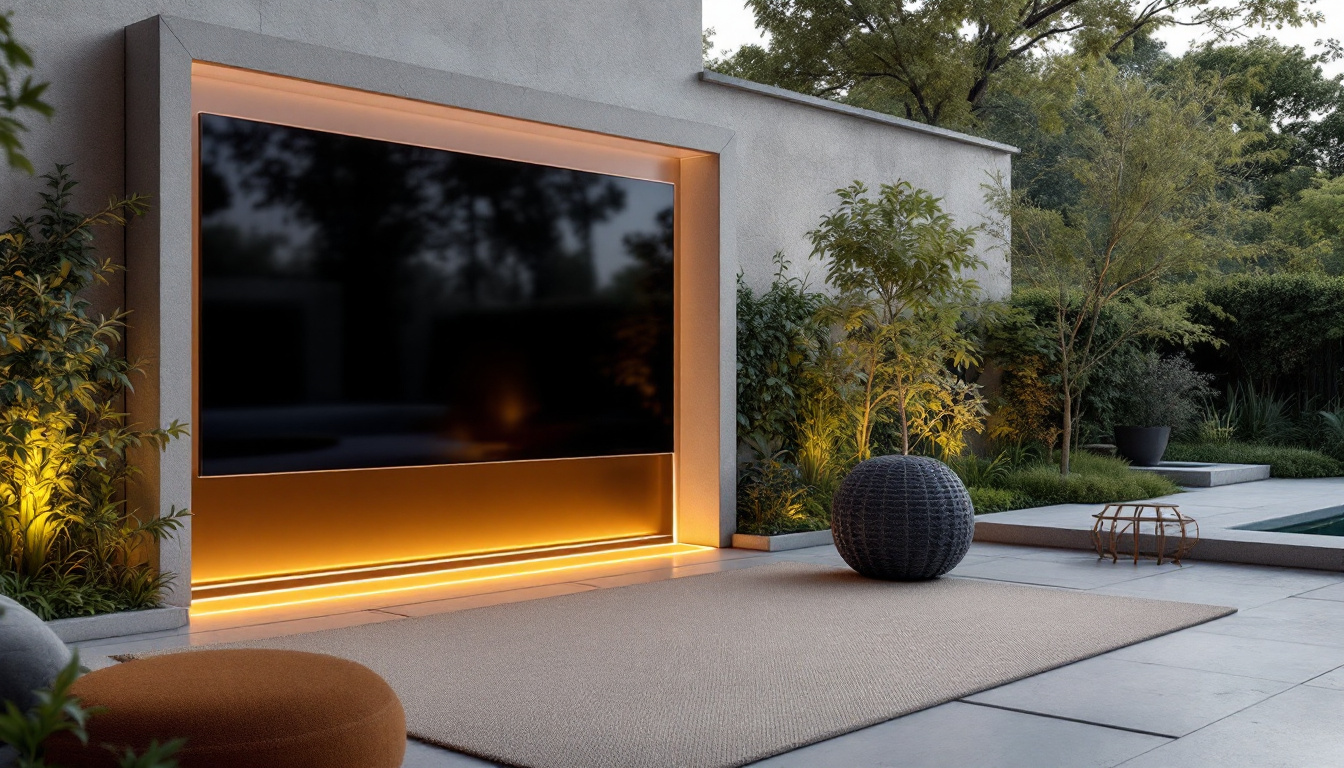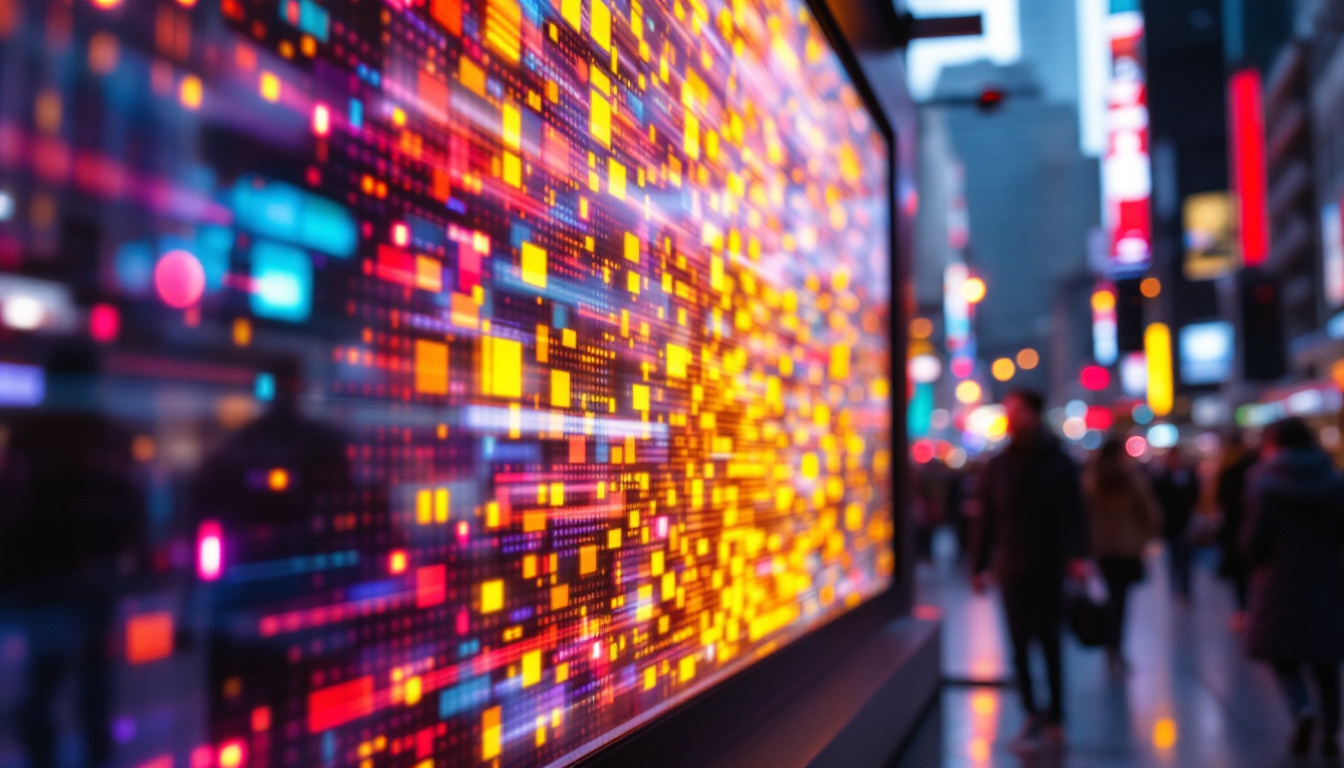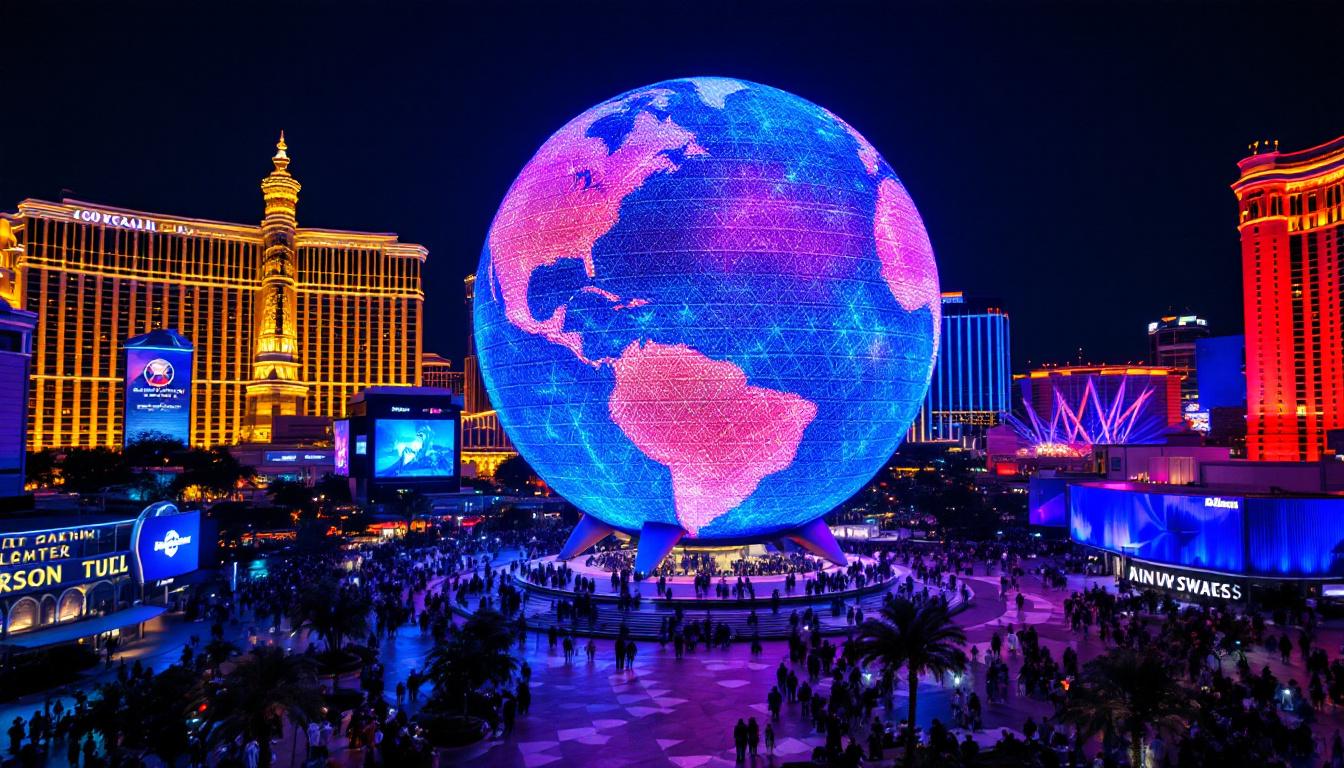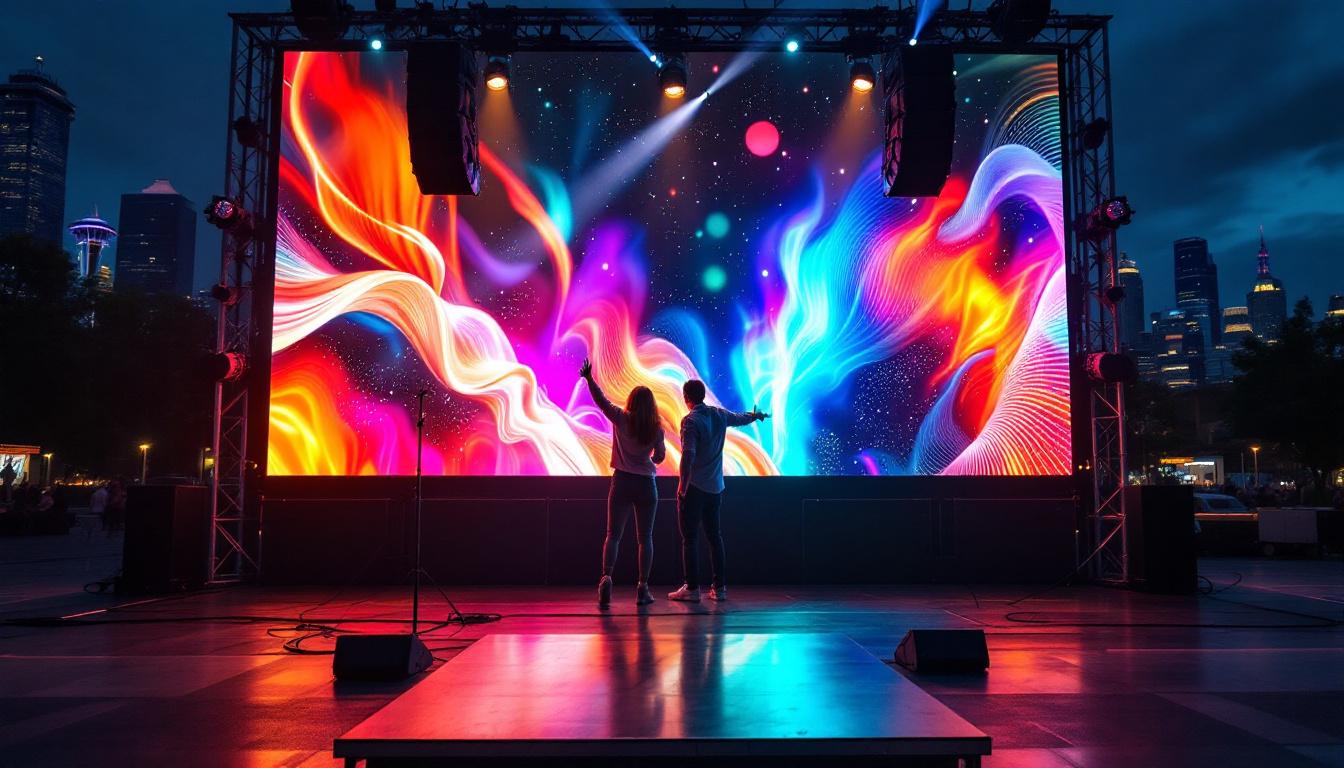
In today’s digital age, LED displays have become an integral part of how we communicate visually, from the vibrant billboards on city streets to the high-definition screens in our homes and offices. Understanding what LED displays are, how they work, and why they have become the preferred technology for so many applications can help consumers, businesses, and tech enthusiasts make informed decisions. This article delves into the fundamentals of LED displays, explores their advantages, and highlights their diverse uses across industries.
What is an LED Display?
LED stands for Light Emitting Diode, a semiconductor device that emits light when an electric current passes through it. An LED display is a flat panel display that uses an array of these tiny LEDs as pixels to produce images, videos, and text. These displays are known for their brightness, energy efficiency, and long lifespan. The versatility of LED technology has made it a popular choice across various industries, from advertising to entertainment, and even in everyday consumer electronics.
Unlike traditional LCD screens that rely on a backlight, LED displays generate their own light, allowing for greater contrast and vivid colors. This self-emissive property means each pixel can be turned on or off independently, contributing to deeper blacks and more dynamic images. Additionally, the compact size of LEDs allows for thinner display designs, enabling manufacturers to create sleek and modern devices that fit seamlessly into contemporary lifestyles.
Types of LED Displays
There are several types of LED displays, each suited to different applications:
- Direct View LED Displays: These are composed of individual LEDs that form the image directly. They are commonly used in large outdoor billboards and stadium screens due to their high brightness and visibility from long distances. Their ability to withstand various weather conditions makes them ideal for outdoor advertising, where they can capture the attention of passersby even in bright sunlight.
- LED-backlit LCD Displays: These use LEDs as a backlight for an LCD panel, enhancing brightness and color accuracy. This technology is prevalent in televisions, monitors, and smartphones. The introduction of local dimming in LED-backlit displays further improves contrast by allowing specific areas of the screen to dim while others remain bright, resulting in a more immersive viewing experience.
- MicroLED Displays: An emerging technology featuring microscopic LEDs that offer superior brightness, contrast, and energy efficiency. MicroLEDs are poised to revolutionize display technology in the coming years. Their potential for modular design means that screens can be built to any size or shape, opening up new possibilities for creative installations and applications in both commercial and residential settings.
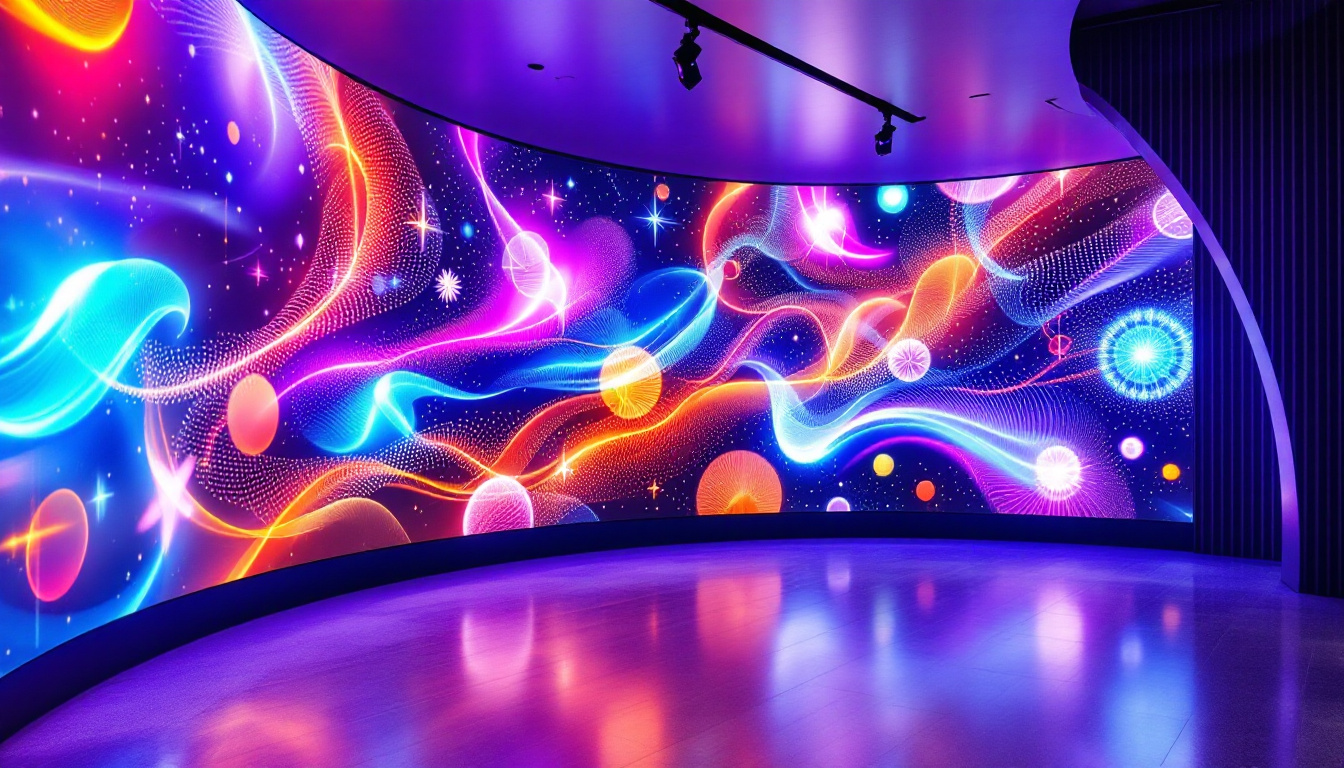
In addition to these types, there are also specialized LED displays such as transparent LED displays, which allow light to pass through them, making them ideal for retail environments where product visibility is crucial. These displays can create stunning visual effects while maintaining the aesthetic appeal of the space. Furthermore, flexible LED displays are gaining traction, enabling curved or bendable screens that can conform to various surfaces, adding a new dimension to design possibilities in architecture and interior design.
The rapid advancements in LED technology continue to push the boundaries of what is possible in display solutions. Innovations such as improved color accuracy, higher refresh rates, and enhanced durability are making LED displays more appealing for a wide range of applications, from high-end gaming monitors to professional video walls. As the demand for high-quality visual experiences grows, LED displays are likely to remain at the forefront of display technology, shaping the way we interact with digital content.
How LED Displays Work
At the core of an LED display is the light emitting diode itself. When voltage is applied, electrons recombine with electron holes within the semiconductor material, releasing energy in the form of photons — this process is known as electroluminescence.
In a typical LED display, thousands or even millions of these LEDs are arranged in a grid pattern. Each LED or group of LEDs corresponds to a pixel, and by varying the intensity of each LED, the display can produce a full spectrum of colors and intricate images.
Pixel Structure and Color Production
Most LED displays use red, green, and blue (RGB) LEDs grouped together to create a single pixel. By adjusting the brightness of each color component, the display can produce millions of colors through a process called additive color mixing.
For example, combining red and green LEDs at full brightness creates yellow, while mixing all three at maximum intensity produces white. This flexibility allows LED displays to render vibrant and accurate images suitable for a wide range of visual content.
Advantages of LED Displays
LED displays offer numerous benefits that have made them the technology of choice across many sectors.
Brightness and Visibility
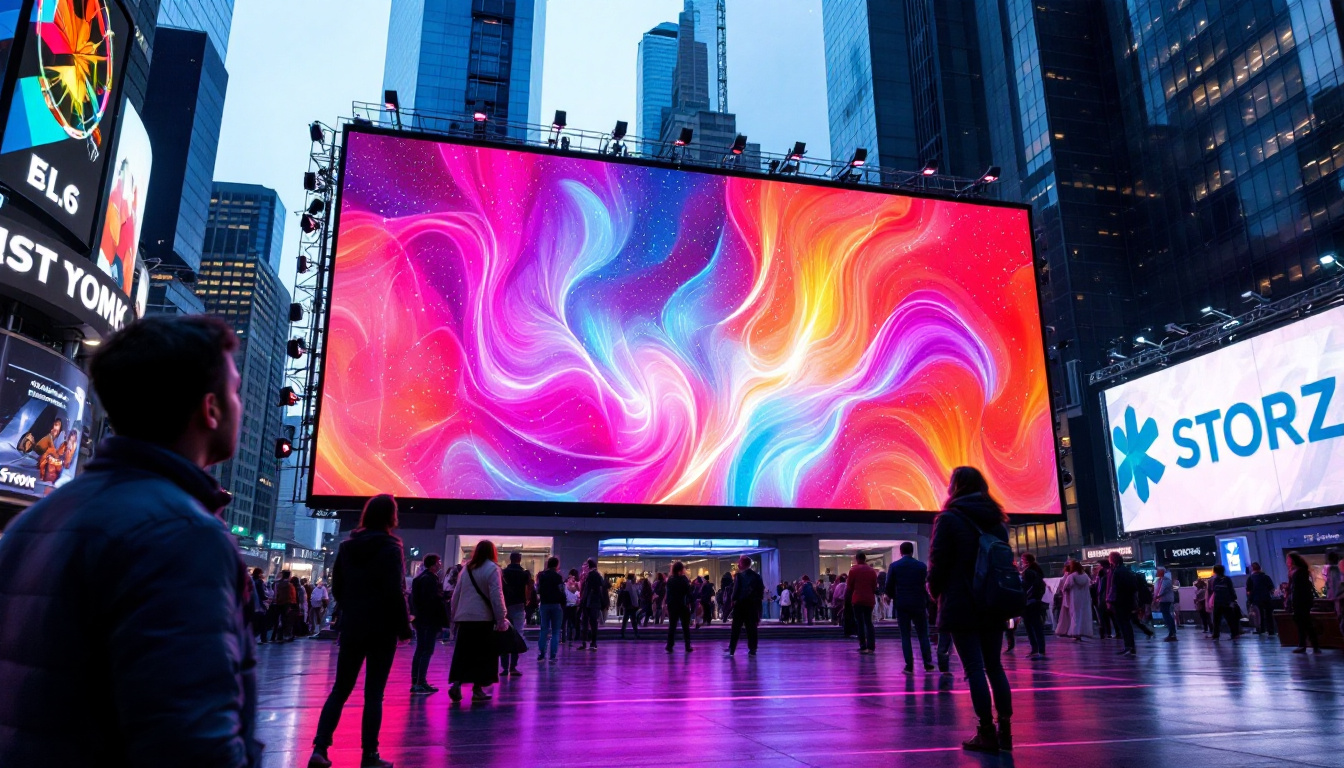
One of the standout features of LED displays is their exceptional brightness. Outdoor LED billboards can reach brightness levels exceeding 5,000 nits, ensuring clear visibility even under direct sunlight. This makes them ideal for advertising, public information displays, and sports arenas.
Energy Efficiency
Compared to traditional display technologies, LEDs consume significantly less power. According to the U.S. Department of Energy, LED lighting uses at least 75% less energy than incandescent lighting, and while displays differ, LED technology similarly reduces energy consumption in screens. This efficiency translates into lower operating costs and a smaller environmental footprint.
Durability and Longevity
LEDs are solid-state devices with no fragile filaments or glass tubes, making them highly resistant to shock and vibration. They also boast a long operational life, often exceeding 50,000 hours, which reduces maintenance and replacement costs.
Thin and Lightweight Design
LED displays can be manufactured to be incredibly thin and lightweight, enabling sleek designs and flexible installation options. This has led to their widespread adoption in consumer electronics, from ultra-thin televisions to wearable devices.
Applications of LED Displays
The versatility of LED displays has led to their adoption in a wide array of environments and industries.
Advertising and Digital Signage
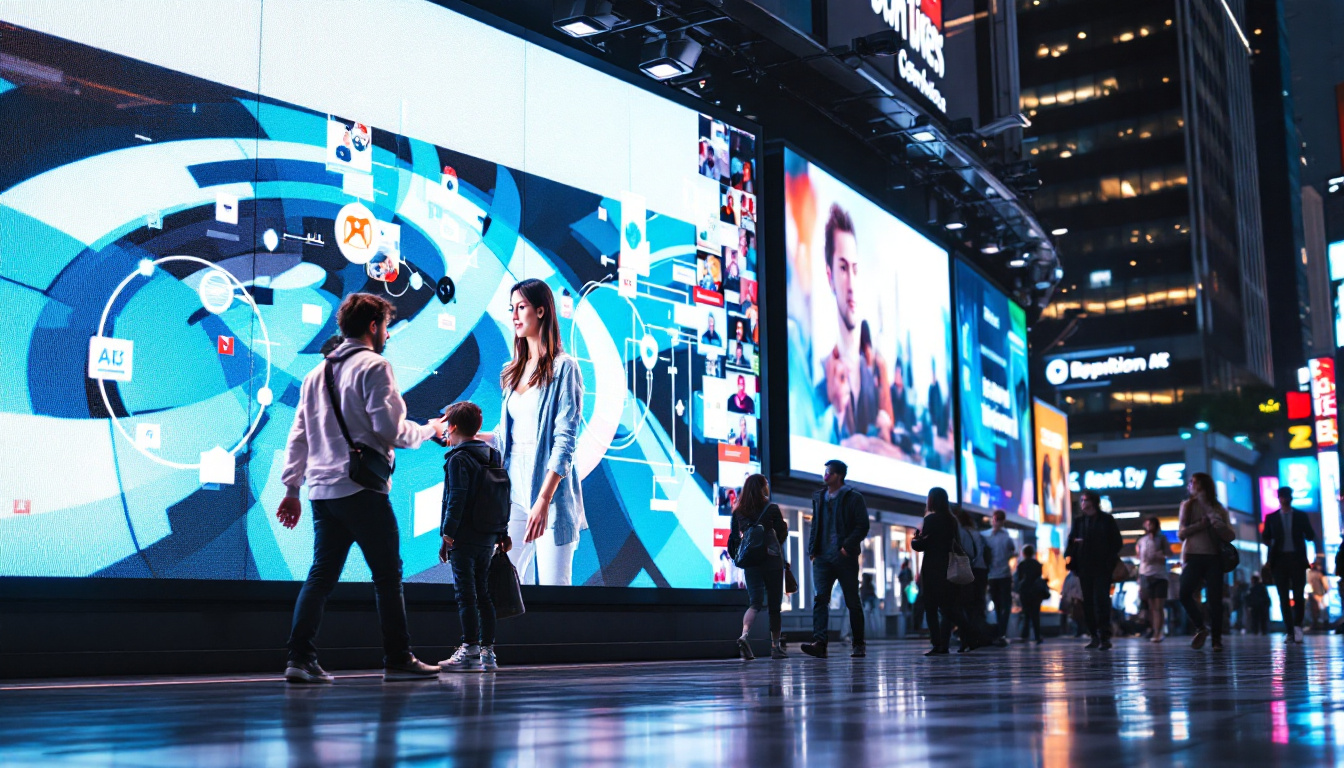
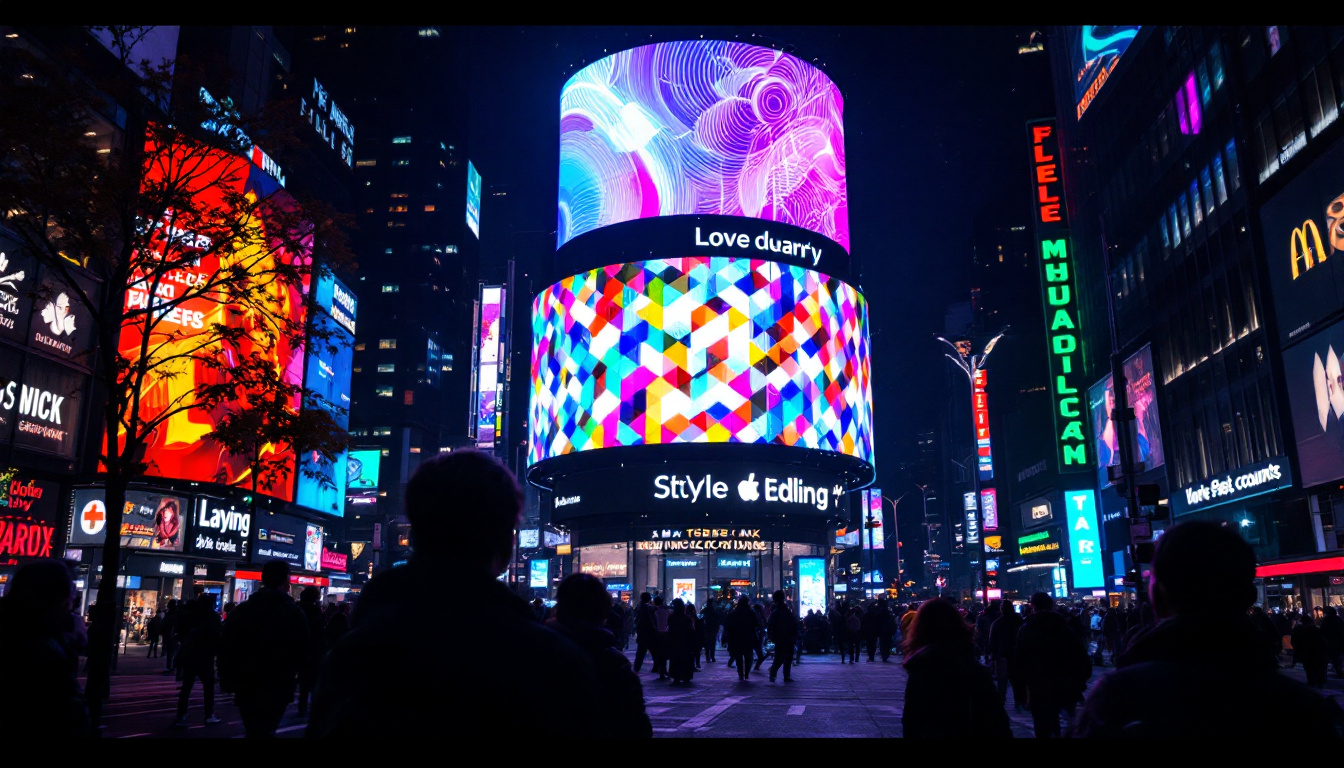
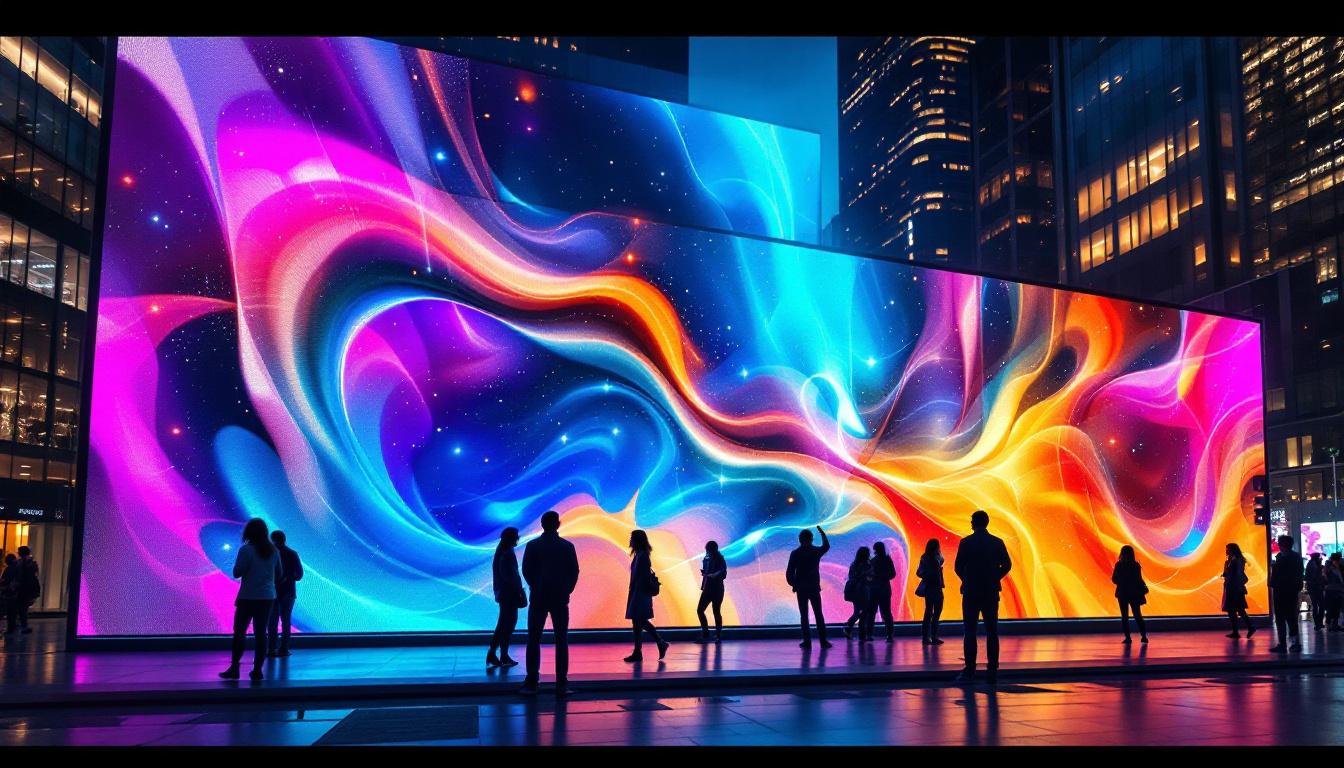
One of the most visible uses of LED displays is in outdoor advertising. The dynamic nature of LED billboards allows advertisers to change content quickly and display eye-catching animations or videos. Cities like New York’s Times Square and Tokyo’s Shibuya Crossing are famous for their massive LED screens that captivate millions of viewers daily.
Retailers also use LED displays indoors to promote products and enhance customer engagement, leveraging the technology’s brightness and color accuracy to create compelling visual experiences.
Entertainment and Sports Venues
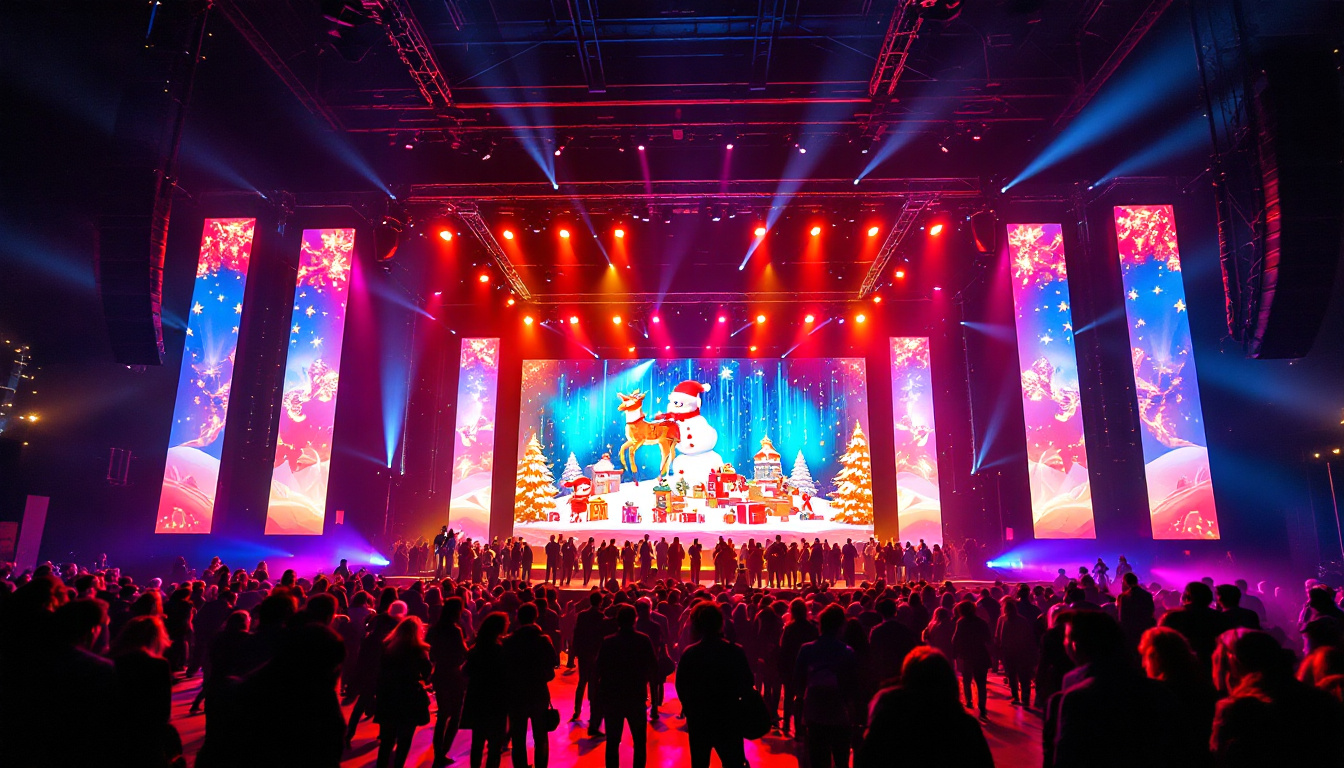
Sports arenas and concert venues utilize large-scale LED displays to provide spectators with live action replays, scores, and interactive content. The high refresh rates and vivid colors ensure that images remain clear and smooth, even during fast-paced events.
Consumer Electronics
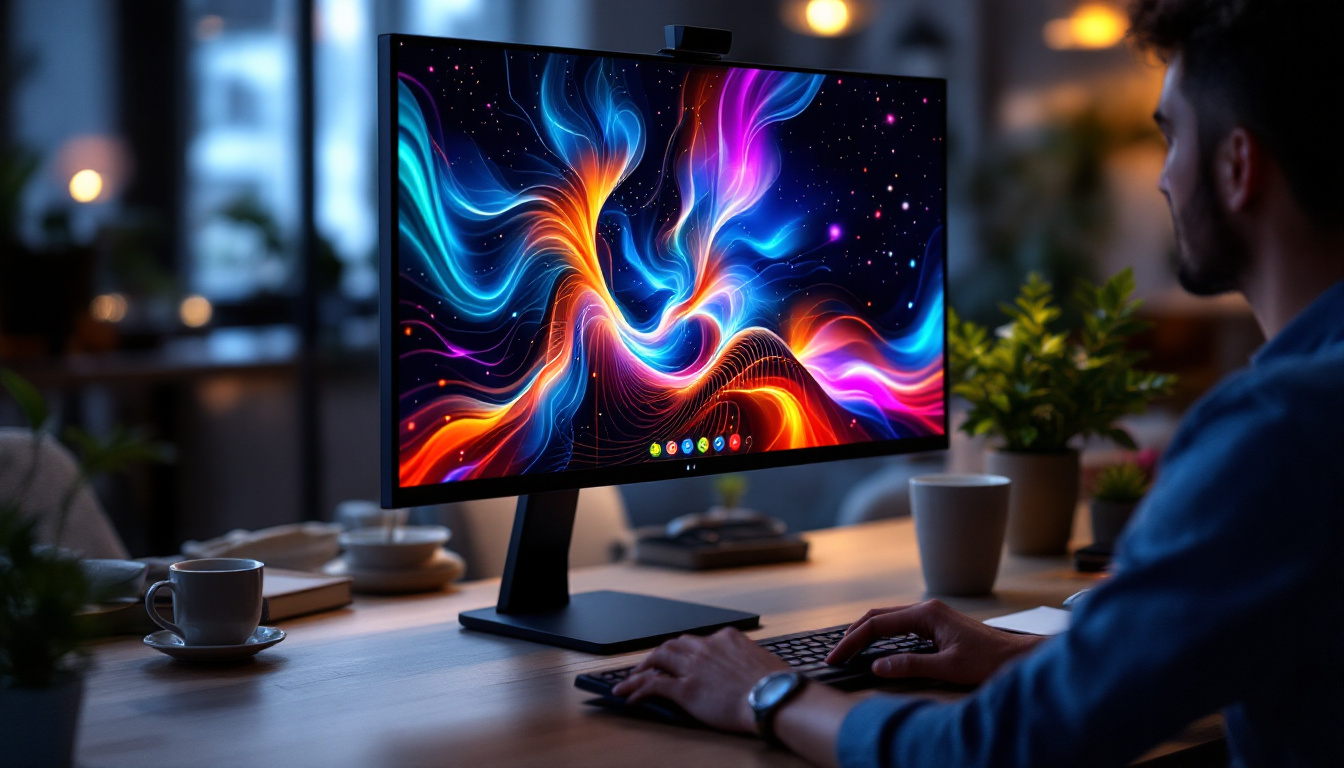
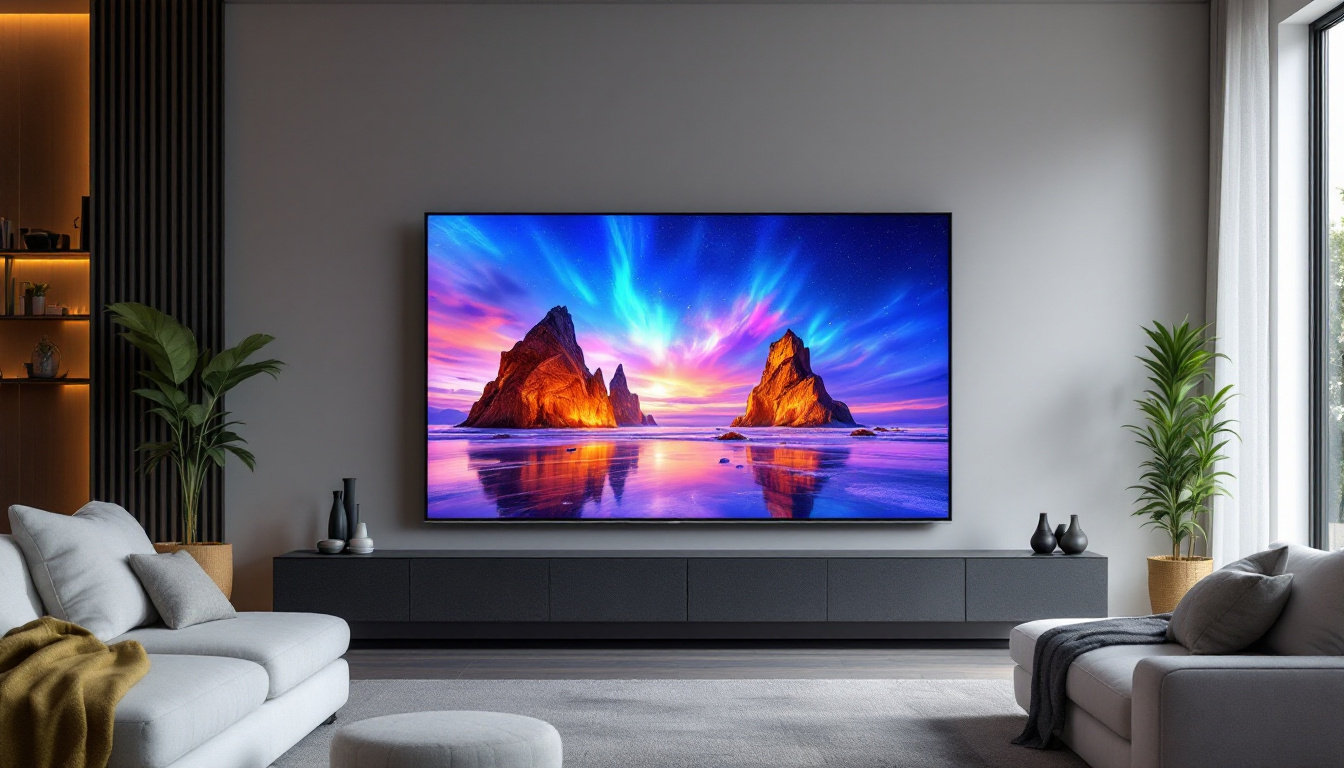
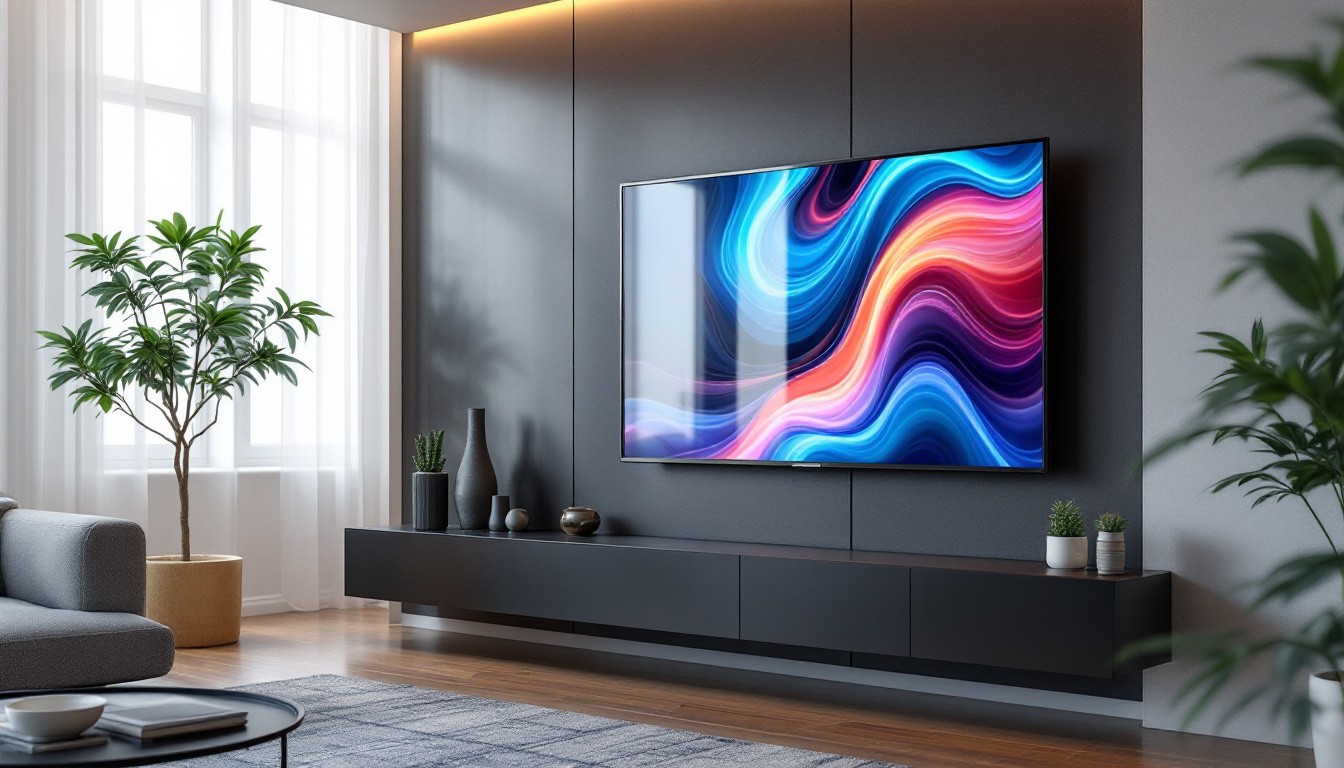
LED-backlit LCD televisions and monitors dominate the consumer market due to their superior image quality and energy efficiency. Additionally, smartphones and tablets increasingly incorporate OLED (Organic LED) technology, a variant of LED displays, to deliver stunning visuals with deep blacks and vibrant colors.
Transportation and Public Information
LED displays are commonly found in airports, train stations, and bus terminals, providing real-time information such as arrival times, delays, and safety messages. Their brightness and clarity ensure information is accessible even in challenging lighting conditions.
Emerging Trends and Future of LED Displays
The LED display industry continues to evolve rapidly, driven by technological innovation and growing demand for immersive visual experiences.
MicroLED and MiniLED Technologies
MicroLED displays, which use microscopic LEDs smaller than 100 micrometers, promise to combine the best qualities of OLED and traditional LED displays. They offer higher brightness, better color accuracy, and longer lifespans without the burn-in issues associated with OLEDs. Although still in the early stages of commercialization, companies like Samsung and Sony are investing heavily in MicroLED research.
MiniLED technology, which uses smaller LEDs for backlighting, is already making its way into premium televisions and monitors, providing enhanced contrast and local dimming capabilities.
Flexible and Transparent LED Displays
Innovations in materials and manufacturing have enabled the creation of flexible LED displays that can bend and curve without losing functionality. This opens up new possibilities for wearable devices, automotive interiors, and creative architectural installations.
Transparent LED displays are also gaining traction, allowing screens to be integrated into windows and glass surfaces without obstructing views, which is particularly appealing for retail and advertising applications.
Integration with Smart Technologies
As the Internet of Things (IoT) expands, LED displays are becoming smarter and more interactive. Integration with sensors, cameras, and AI enables displays to adapt content based on audience demographics, environmental conditions, or real-time data, enhancing user engagement and operational efficiency.
Considerations When Choosing an LED Display
Whether for commercial use or personal enjoyment, selecting the right LED display involves evaluating several factors to ensure it meets specific needs.
Resolution and Pixel Pitch
Resolution refers to the number of pixels on a display, influencing image sharpness. Pixel pitch, the distance between individual LEDs, affects viewing distance and clarity. For large outdoor displays viewed from afar, a larger pixel pitch is acceptable, while indoor or close-up displays require finer pixel pitches for detailed images.
Brightness and Viewing Environment
Consider the ambient lighting conditions where the display will be used. High-brightness LED displays are essential for outdoor or brightly lit environments, whereas lower brightness may suffice indoors, helping to conserve energy.
Durability and Weather Resistance
For outdoor installations, displays must be weatherproof and resistant to dust, moisture, and temperature fluctuations. Look for displays with appropriate IP (Ingress Protection) ratings to ensure longevity.
Cost and Maintenance
While LED displays can be more expensive upfront compared to other technologies, their energy efficiency and durability often result in lower total cost of ownership. Additionally, consider the availability of technical support and ease of maintenance.
Conclusion
LED displays have transformed the way visual information is presented and consumed, offering unparalleled brightness, color accuracy, and versatility. From massive outdoor billboards to sleek consumer electronics, their applications continue to expand as technology advances. Understanding the fundamentals of LED displays, their benefits, and emerging trends empowers businesses and consumers to leverage this powerful technology effectively.
As the industry progresses towards innovations like MicroLED and flexible displays, the future promises even more immersive and interactive visual experiences. Whether for advertising, entertainment, or everyday use, LED displays remain at the forefront of digital display technology.
Explore Cutting-Edge LED Display Solutions
Ready to elevate your visual experience with the latest in LED technology? Discover LumenMatrix’s innovative LED display modules, designed to bring your brand to life and captivate your audience. Whether you’re looking for an Indoor LED Wall Display, a dynamic Outdoor LED Wall Display, or specialized solutions like Vehicle LED Displays and LED Sports Displays, LumenMatrix has you covered. Embrace the future of visual communication with our All-in-One LED Displays, LED Transparent Displays, and more. Check out LumenMatrix LED Display Solutions today and see how we can transform your space with clarity and impact.