In the evolving world of visual technology, LED screen backdrops have become a cornerstone for events, advertising, and entertainment. Their vibrant displays and dynamic capabilities have transformed how audiences engage with content, making them indispensable in modern setups. This article delves into the intricacies of LED display technology, exploring what makes LED screen backdrops a preferred choice across industries.
Understanding LED Screen Backdrops
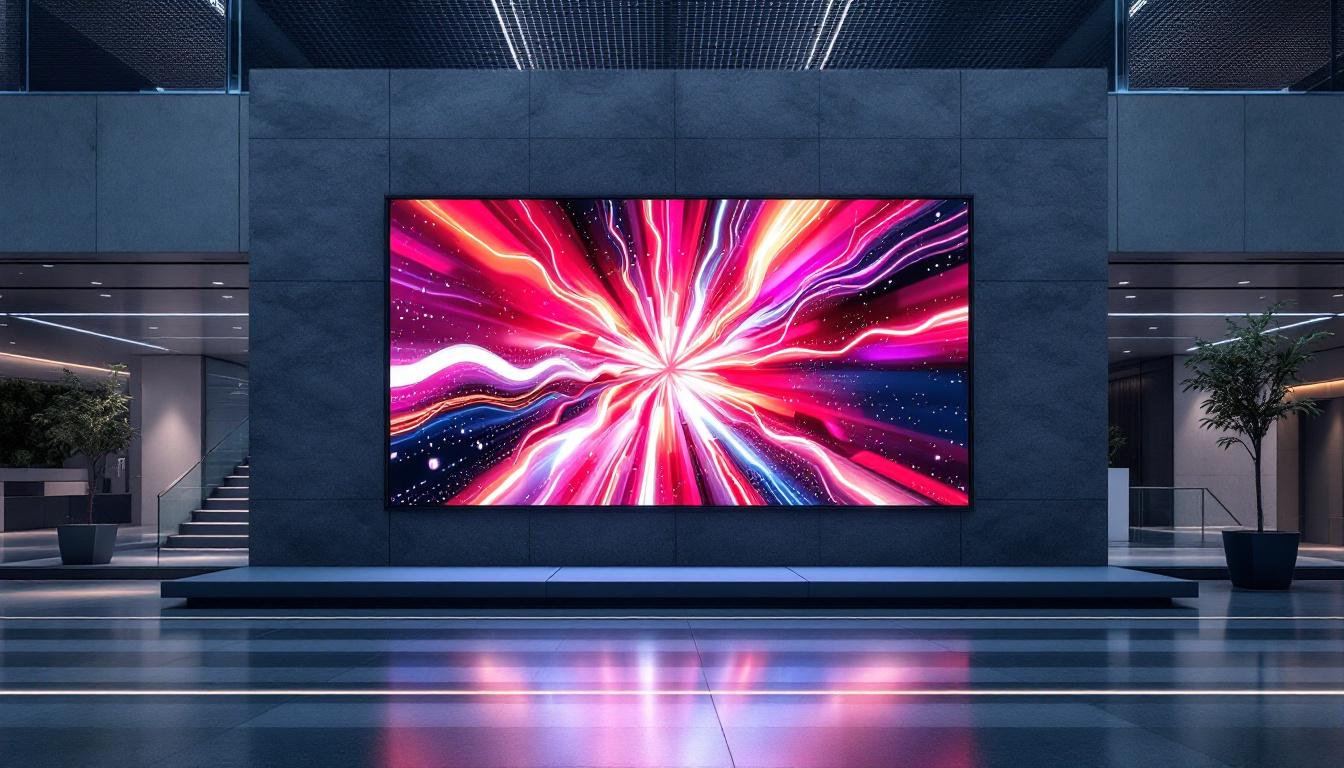
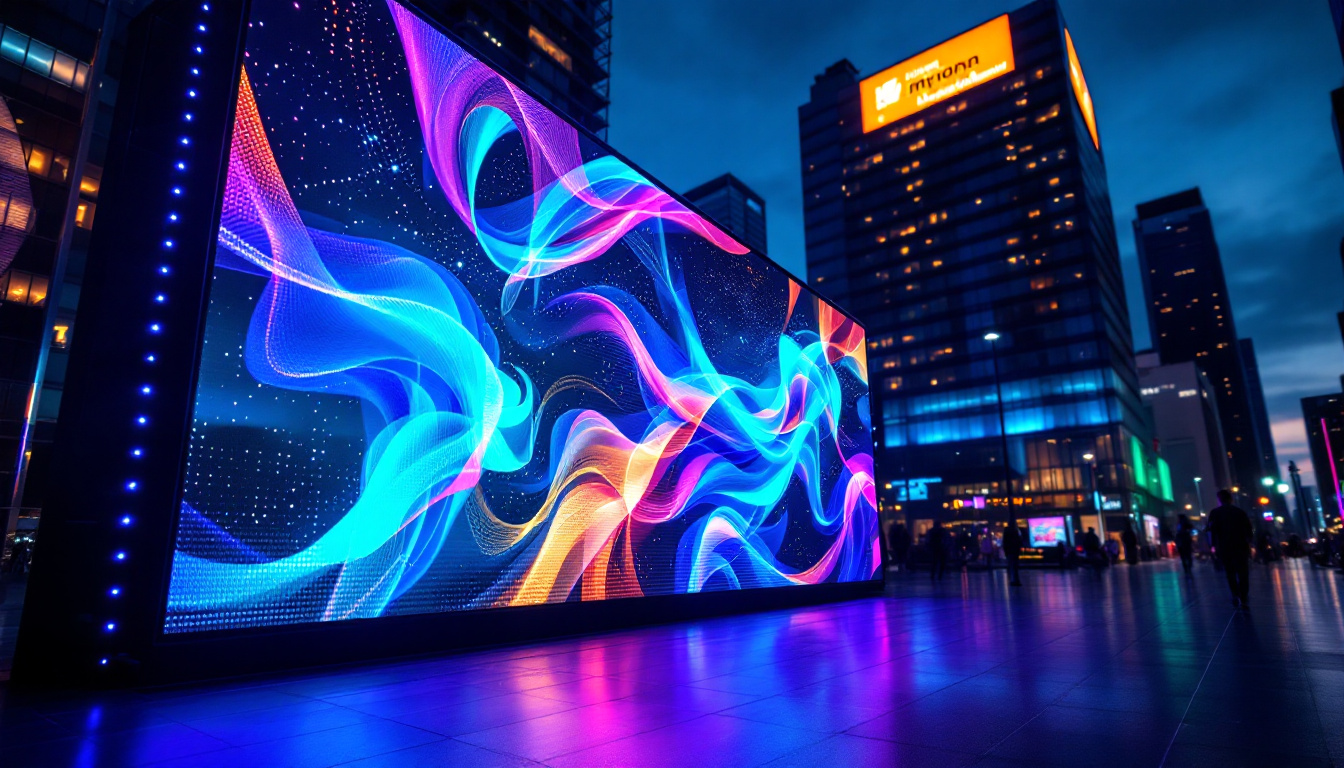
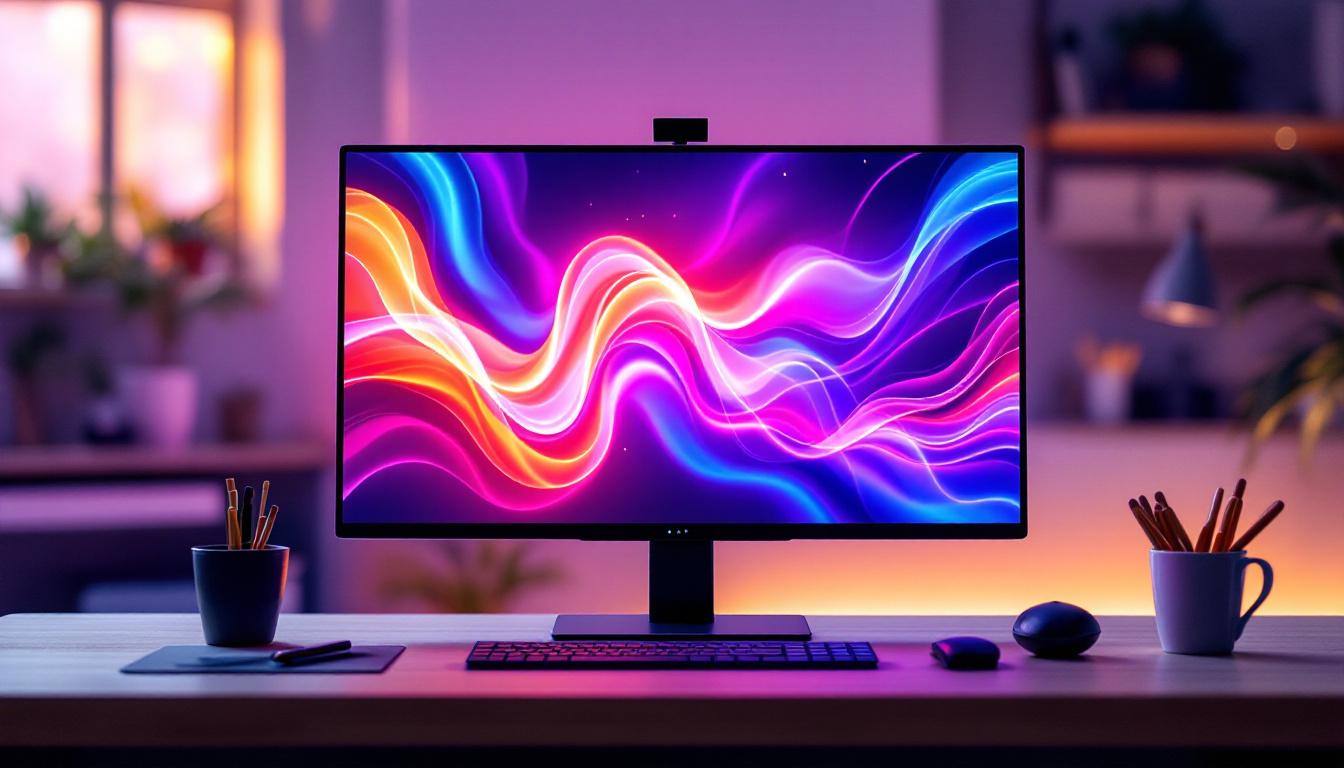
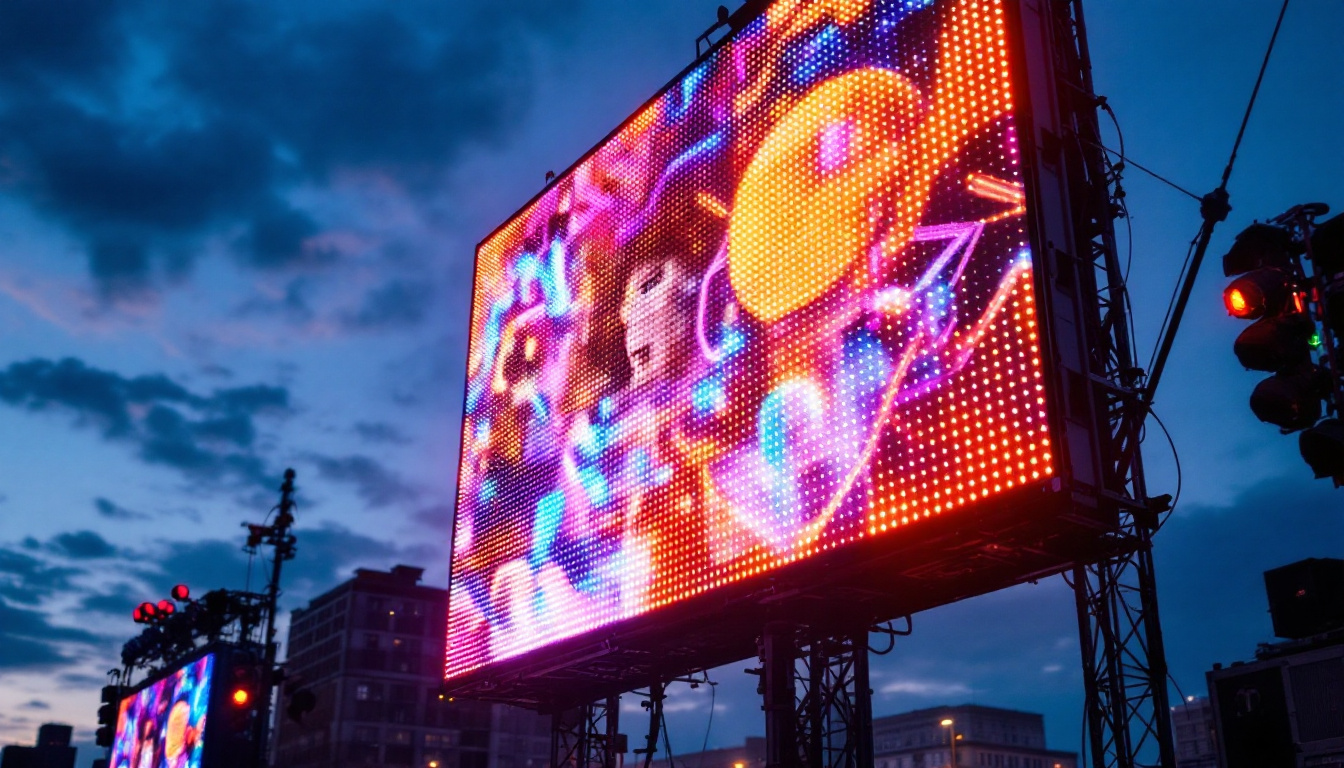
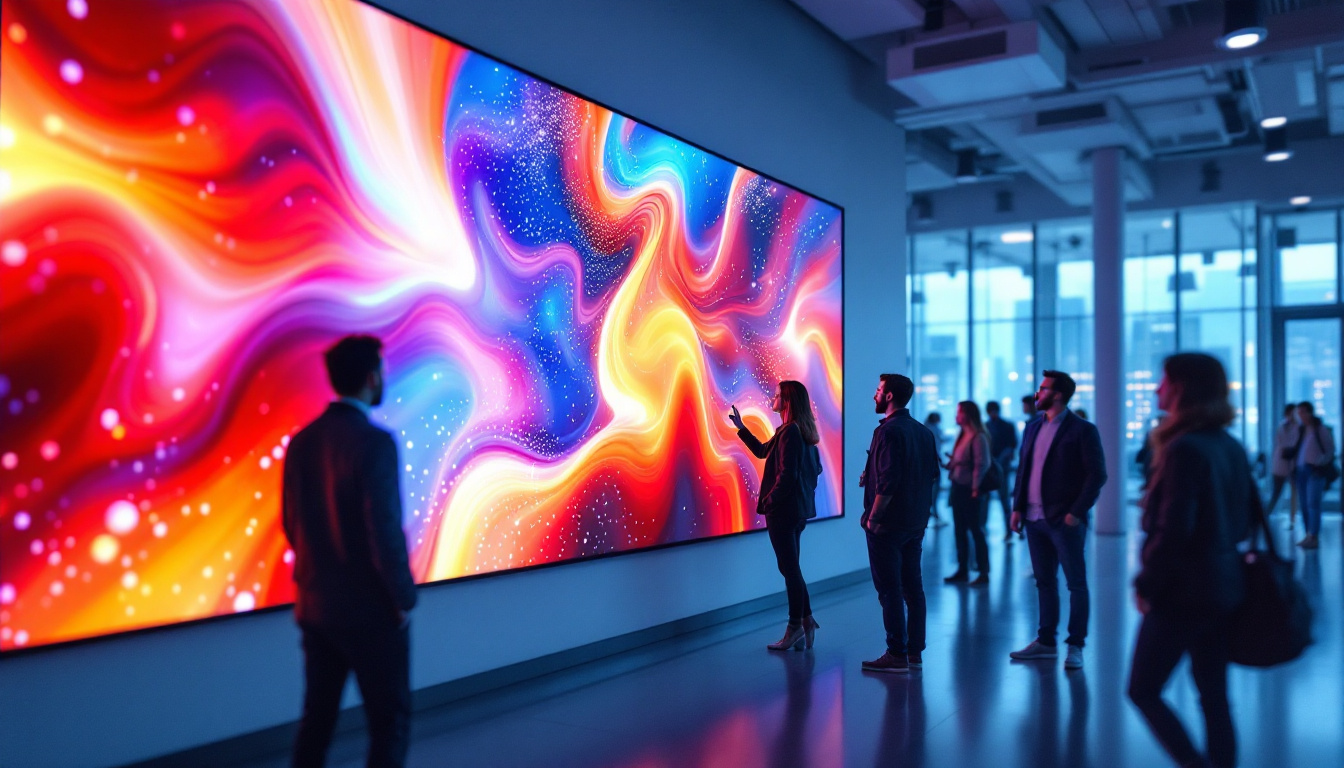
LED screen backdrops are large-scale digital displays composed of numerous light-emitting diodes (LEDs) arranged in a grid. These screens serve as dynamic canvases for showcasing images, videos, and animations in high resolution and vivid color. Unlike traditional projection screens or printed backdrops, LED displays offer unparalleled brightness and clarity, making them suitable for both indoor and outdoor environments. Their ability to maintain visibility even in bright sunlight sets them apart, making them an ideal choice for outdoor festivals and events where lighting conditions can vary significantly.
The core advantage of LED backdrops lies in their modular design. Panels can be seamlessly connected to create screens of virtually any size and shape, allowing for customized installations tailored to specific event requirements. This flexibility has made LED backdrops a popular choice for concerts, corporate events, trade shows, and broadcast studios. Additionally, the lightweight nature of these panels simplifies transportation and setup, enabling event organizers to quickly adapt their visual displays to different venues and themes, enhancing the overall atmosphere and engagement of the audience.
How LED Displays Work
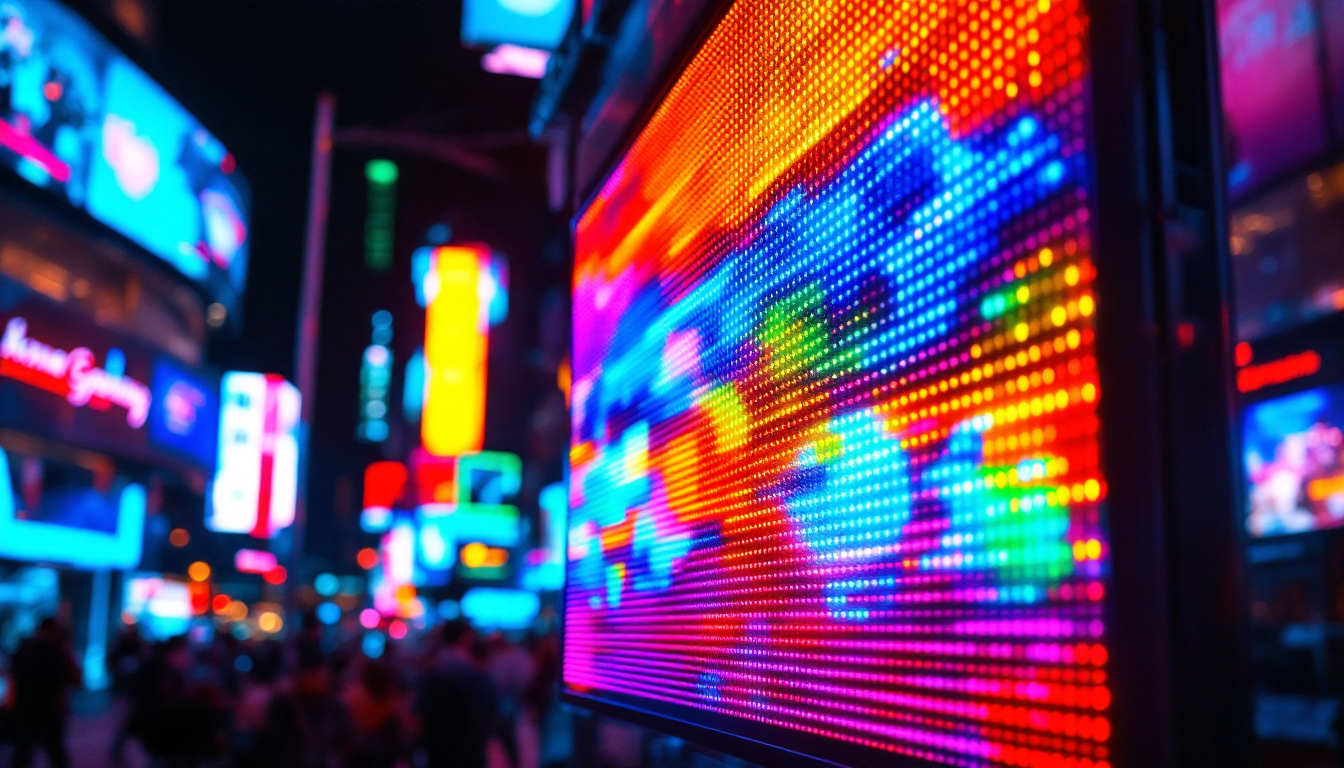
Each LED on the screen acts as a tiny light source that can emit red, green, or blue light. By adjusting the intensity of these three colors, the screen can produce a full spectrum of colors. The pixels, made up of clusters of these LEDs, form the images and videos displayed. This pixel arrangement is crucial, as the density of pixels determines the screen’s resolution; higher pixel density results in sharper images, which is particularly important for close-up viewing, such as in small venues or intimate settings.
The display controller processes incoming video signals and directs the LEDs to light up in specific patterns and colors. Modern LED screens utilize advanced processing chips to ensure smooth transitions, high refresh rates, and accurate color reproduction, which are critical for delivering a visually appealing experience. Furthermore, many LED screens are now equipped with features such as real-time video processing and interactive capabilities, allowing for live audience participation and engagement. This technology enables event planners to create immersive experiences that resonate with viewers, making LED backdrops not just a visual tool but a vital component of modern event production.
Key Features and Benefits of LED Screen Backdrops
Brightness and Visibility
One of the standout features of LED screen backdrops is their exceptional brightness. LED technology can achieve luminance levels far exceeding those of traditional screens or projectors. This brightness ensures visibility even under direct sunlight, making LED backdrops ideal for outdoor events and daytime use.
For instance, LED screens can reach brightness levels of 5,000 to 7,000 nits or more, compared to around 2,000 nits for high-end LCD displays. This capability allows content to remain vibrant and legible regardless of ambient lighting conditions. The result is a captivating visual experience that draws in audiences, making it an excellent choice for concerts, festivals, and corporate events where engagement is key. Additionally, the ability to adjust brightness settings dynamically means that these screens can be optimized for various environments, ensuring that they always look their best.
Color Accuracy and Image Quality
LED displays offer superior color accuracy and contrast ratios. The ability to individually control each LED results in deeper blacks and brighter whites, enhancing the overall image quality. This is particularly important for events where brand colors and detailed visuals must be reproduced faithfully. The precision in color reproduction allows brands to maintain their identity and messaging effectively, ensuring that every visual element aligns with their marketing strategy.
High pixel density in LED backdrops contributes to sharper images and smoother video playback. Pixel pitch, the distance between LEDs, determines the resolution; smaller pixel pitches result in higher resolution and finer detail, which is crucial for close-viewing environments. This level of detail is especially beneficial in settings like trade shows, where intricate graphics and animations can captivate potential clients and partners. Moreover, advancements in LED technology continue to push the boundaries of image quality, with innovations such as HDR (High Dynamic Range) becoming increasingly common, further enhancing the visual experience.
Durability and Longevity
LED screen backdrops are designed to withstand the rigors of frequent use and transportation. Many LED panels are built with robust materials and weatherproofing features, enabling them to function reliably in various conditions, including rain and dust. This resilience makes them a preferred choice for outdoor events, where unpredictable weather can pose a challenge to traditional display technologies.
The lifespan of LEDs typically ranges from 50,000 to 100,000 hours, significantly longer than other display technologies. This longevity reduces maintenance costs and downtime, making LED backdrops a cost-effective investment over time. Additionally, many manufacturers offer warranties that cover both the panels and their components, providing peace of mind for event organizers who rely on these displays for critical presentations and performances. The modular design of many LED systems also allows for easy repairs and upgrades, ensuring that your investment remains relevant and functional for years to come.
Energy Efficiency
Compared to traditional lighting and projection systems, LED displays consume less power while delivering higher brightness. This energy efficiency not only reduces operational costs but also aligns with growing sustainability goals in event production and advertising sectors. As more organizations prioritize eco-friendly practices, the adoption of LED technology represents a significant step toward reducing carbon footprints and promoting sustainable event management.
Furthermore, the low heat output of LED screens minimizes the need for extensive cooling systems, which can be a significant energy drain in large venues. This characteristic not only contributes to energy savings but also enhances the comfort of attendees by maintaining a more stable temperature in the event space. As the demand for greener solutions continues to rise, LED screen backdrops stand out as a forward-thinking choice that meets both aesthetic and environmental needs.
Applications of LED Screen Backdrops
Live Events and Concerts
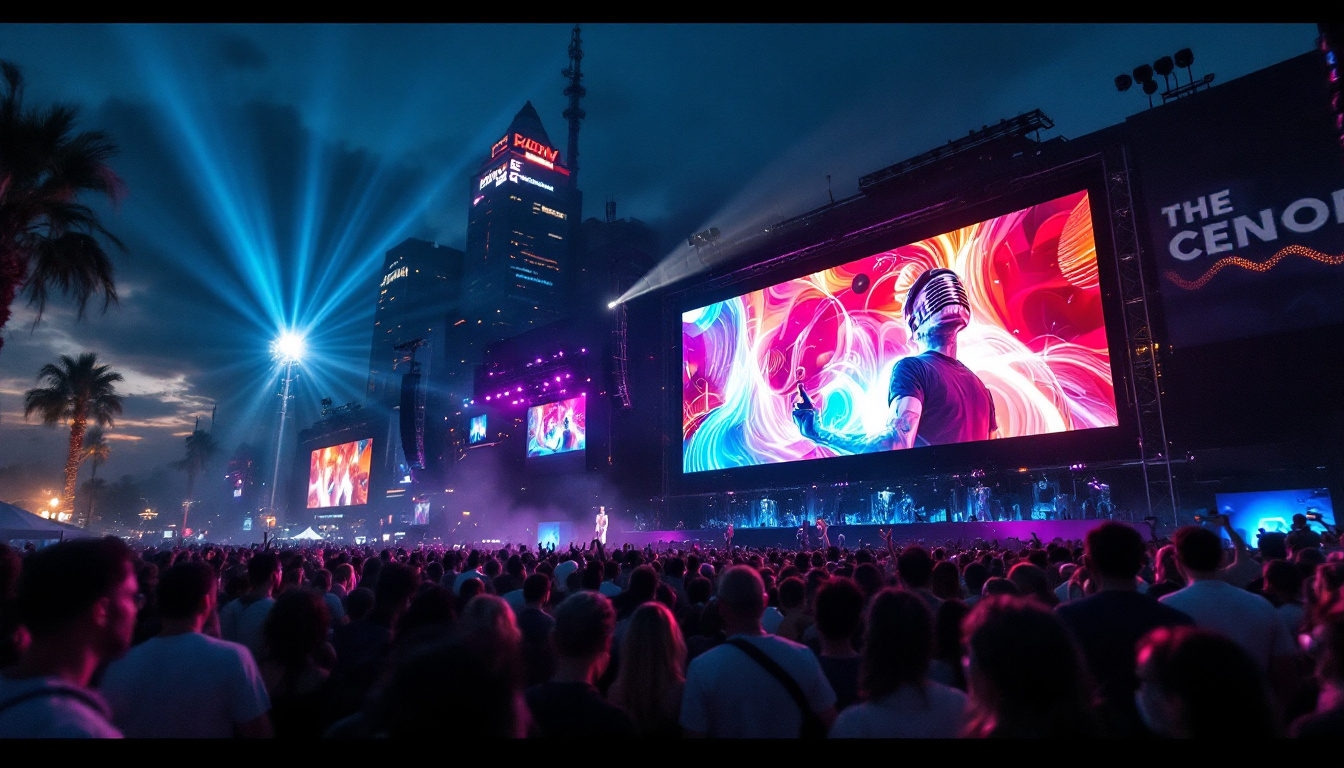
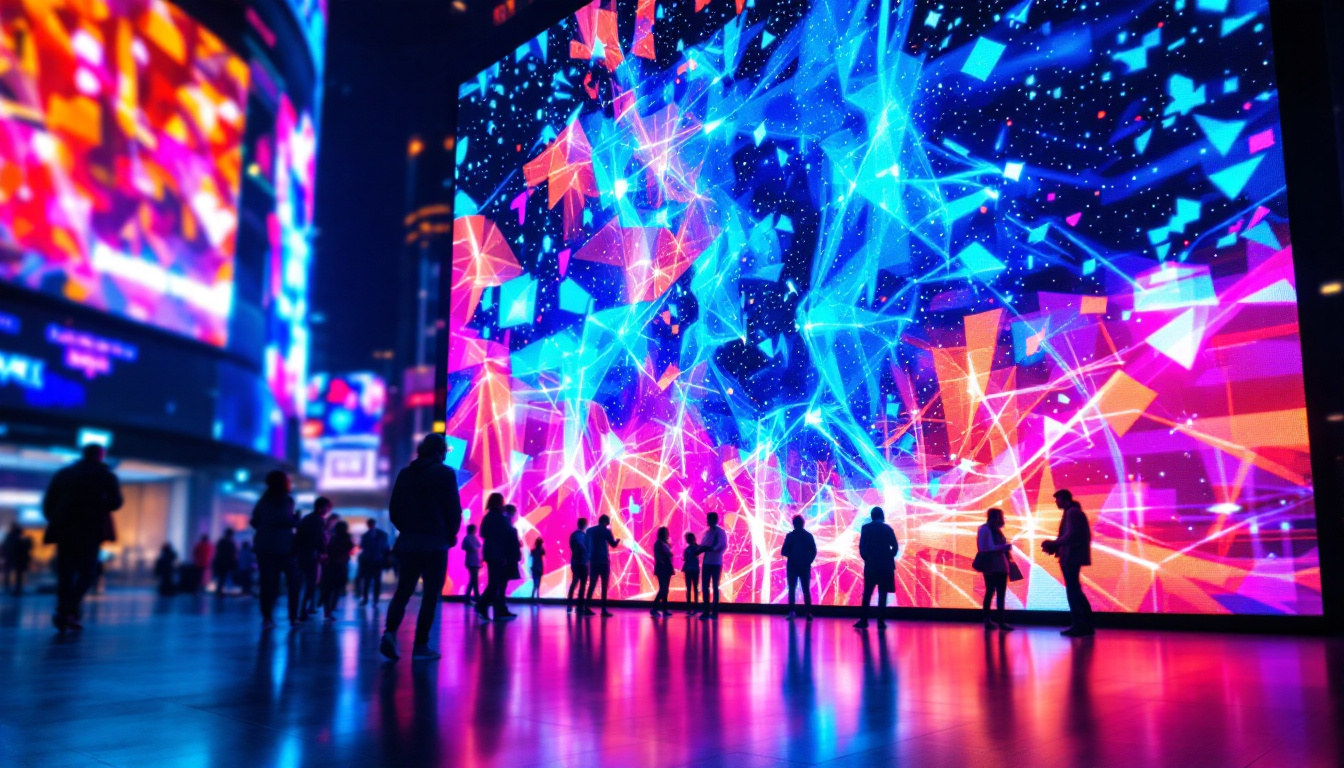
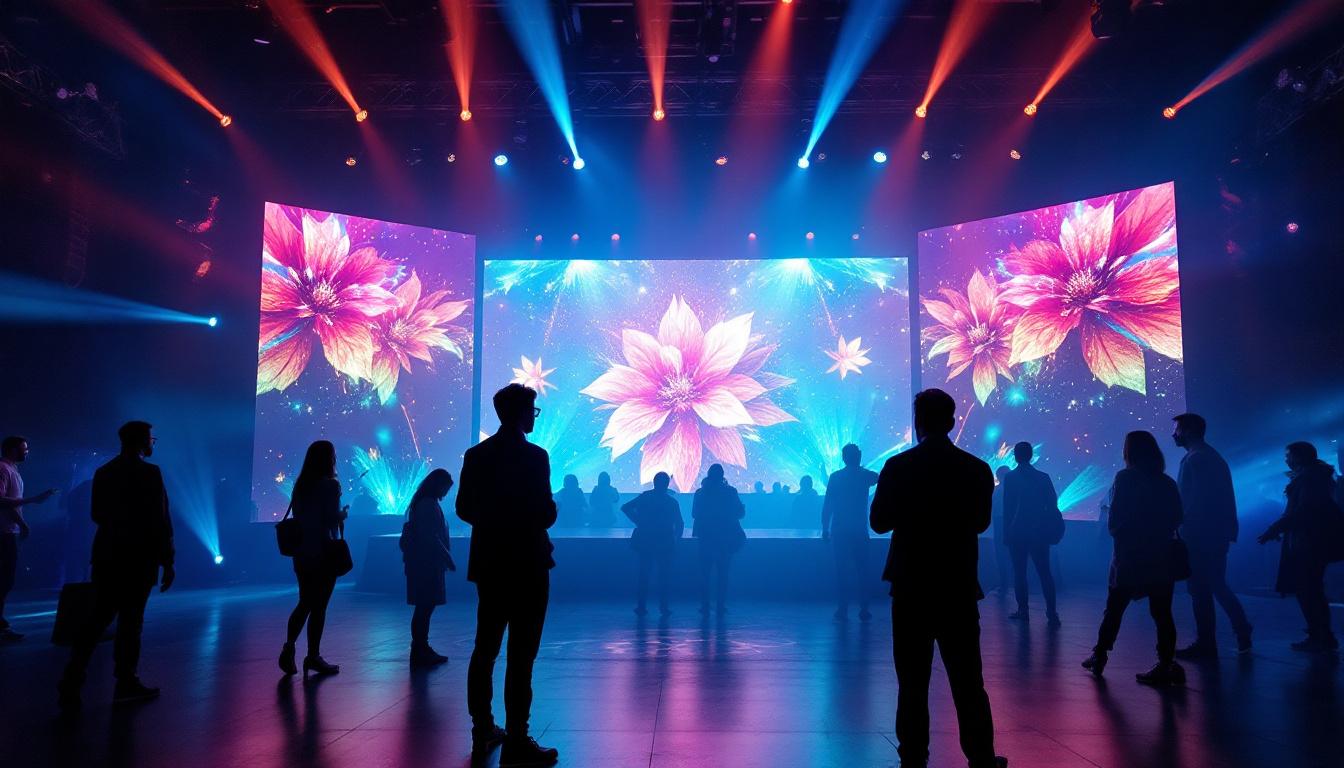
In the entertainment industry, LED screen backdrops have revolutionized stage design. Artists and production teams use these displays to create immersive visual experiences that complement live performances. From dynamic backgrounds to interactive visuals, LED screens enhance audience engagement and elevate the overall atmosphere.
Major music festivals and tours often feature massive LED walls that can be seen from great distances, ensuring every attendee enjoys a clear view of the action. The ability to quickly change content also allows for seamless transitions between acts and effects.
Corporate Events and Conferences
Corporate events benefit from the professionalism and versatility of LED backdrops. Presentations, product launches, and keynote speeches are enhanced by crisp visuals that convey information effectively. LED screens can display live feeds, slideshows, and branding elements, making communication more impactful.
Furthermore, the modular nature of LED panels allows for creative stage designs that can be tailored to the event’s theme and space constraints, providing a polished and memorable experience for attendees.
Advertising and Retail
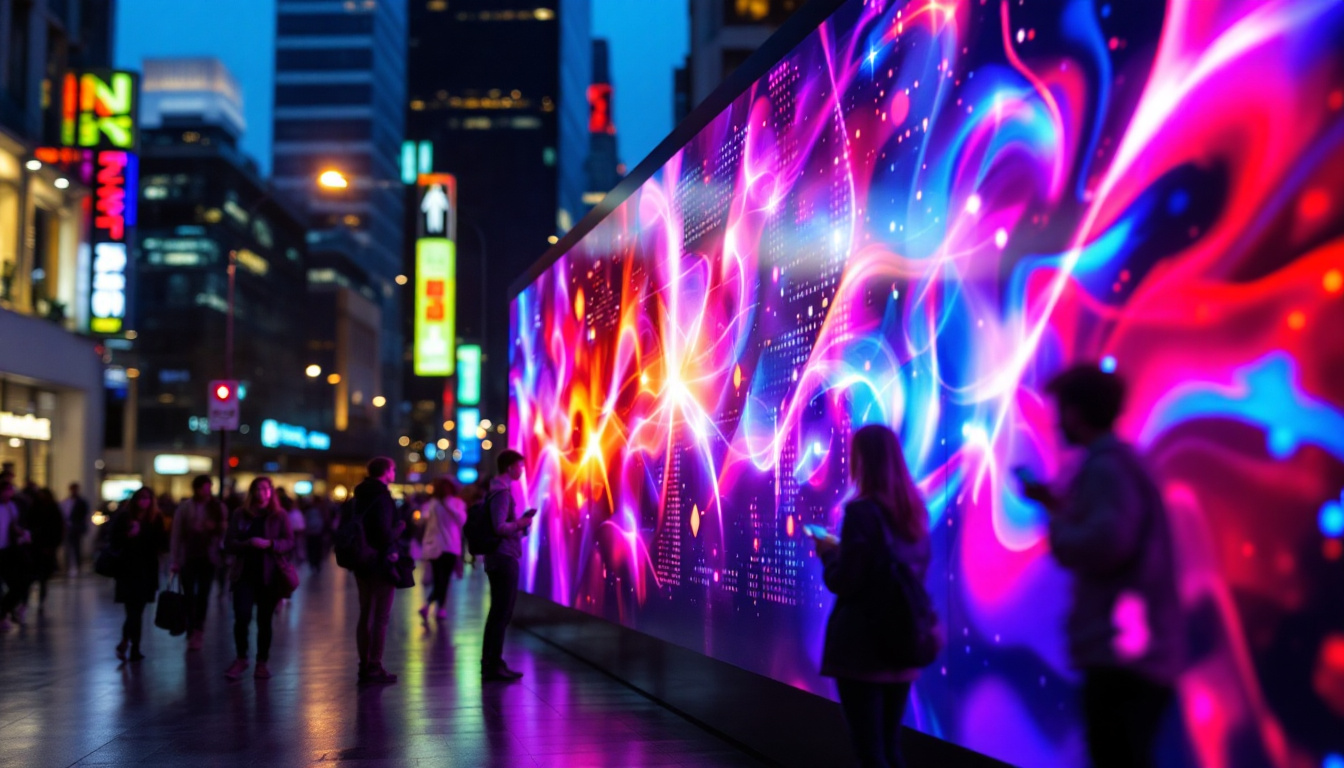
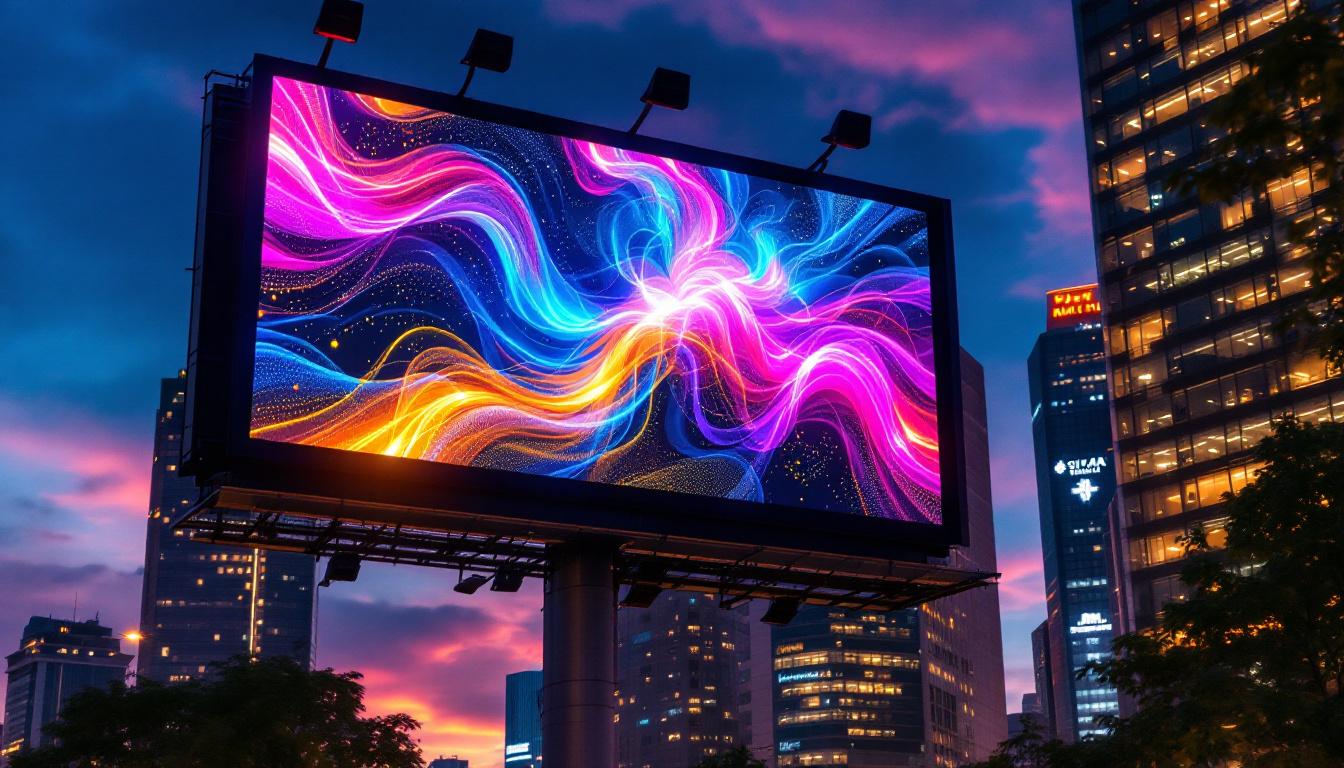
Retail environments and advertising campaigns leverage LED displays for their eye-catching appeal. Digital billboards and in-store LED walls attract customers with vibrant, changing content that can be updated in real-time. This adaptability supports targeted marketing strategies and promotional events.
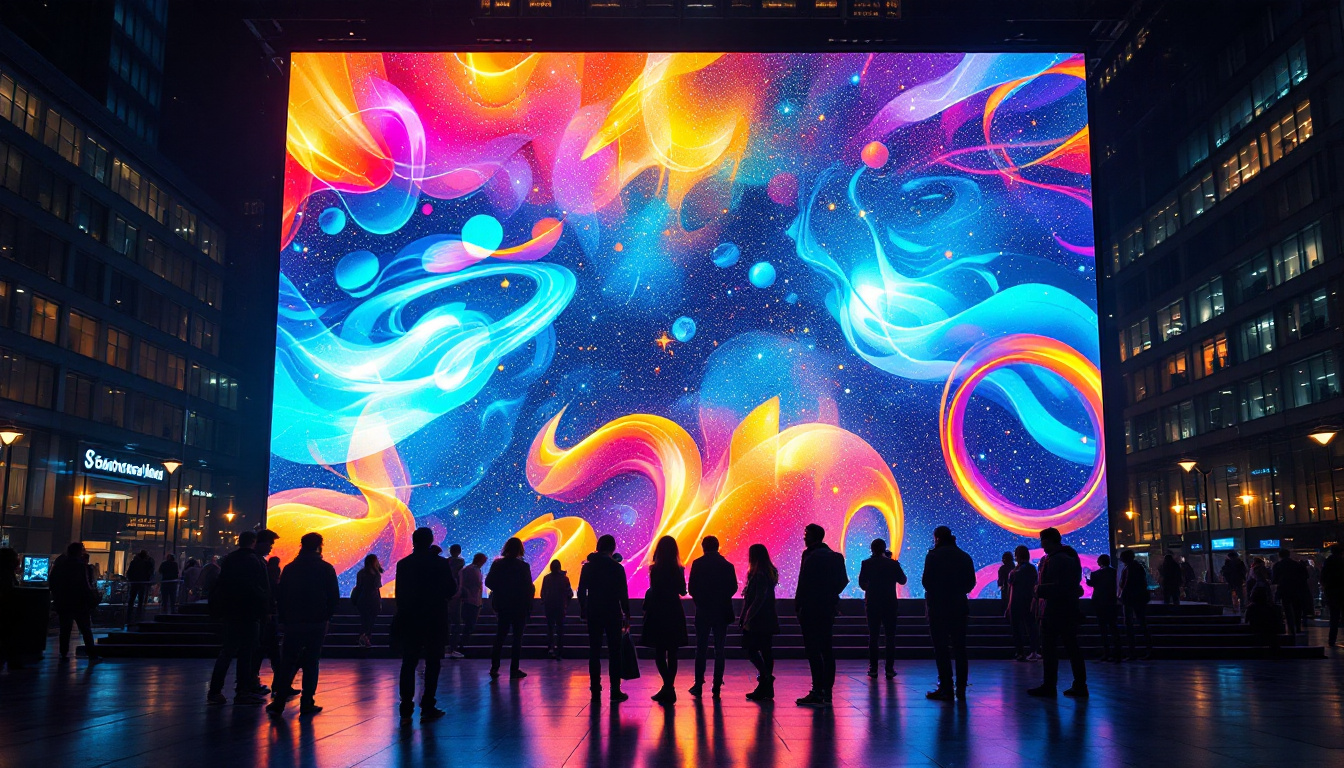
In high-traffic areas such as shopping malls and urban centers, LED backdrops serve as powerful tools to capture attention and drive engagement, often outperforming static signage in effectiveness.
Broadcast and Studios
Television studios and broadcast environments utilize LED screen backdrops to create dynamic sets. These screens provide versatile backgrounds that can be changed instantly, allowing for multiple show formats without the need for physical set changes.
LED displays also improve lighting conditions and reduce shadows, contributing to higher production quality. Their ability to display high-resolution graphics enhances storytelling and viewer experience.
Choosing the Right LED Screen Backdrop
Considerations for Pixel Pitch
Pixel pitch is a critical factor when selecting an LED screen backdrop. It determines the viewing distance and image clarity. For events where the audience is close to the screen, a smaller pixel pitch (e.g., 1.2mm to 2.5mm) is preferable to ensure sharp visuals. Conversely, larger pixel pitches (e.g., 4mm to 10mm) are suitable for distant viewing, such as outdoor concerts or stadiums.
Indoor vs. Outdoor Use
LED screens designed for outdoor use come with higher brightness levels and weatherproofing features to withstand environmental challenges. Indoor LED backdrops typically have lower brightness requirements but focus on finer pixel pitches for close-up viewing. Understanding the installation environment helps in selecting the appropriate screen type.
Resolution and Size
The resolution must align with the content requirements and viewing distance. Larger screens with high resolution demand more processing power and bandwidth. It’s essential to balance size, resolution, and budget to achieve optimal performance without unnecessary expenses.
Installation and Maintenance
Modular LED panels simplify installation and allow for scalability. However, considerations such as mounting structures, power supply, and cooling systems are vital. Regular maintenance, including cleaning and firmware updates, ensures longevity and consistent display quality.
The Future of LED Screen Backdrops
Advancements in LED technology continue to push the boundaries of what LED screen backdrops can achieve. Innovations such as micro-LED and flexible LED panels are opening new possibilities for creative and immersive displays.
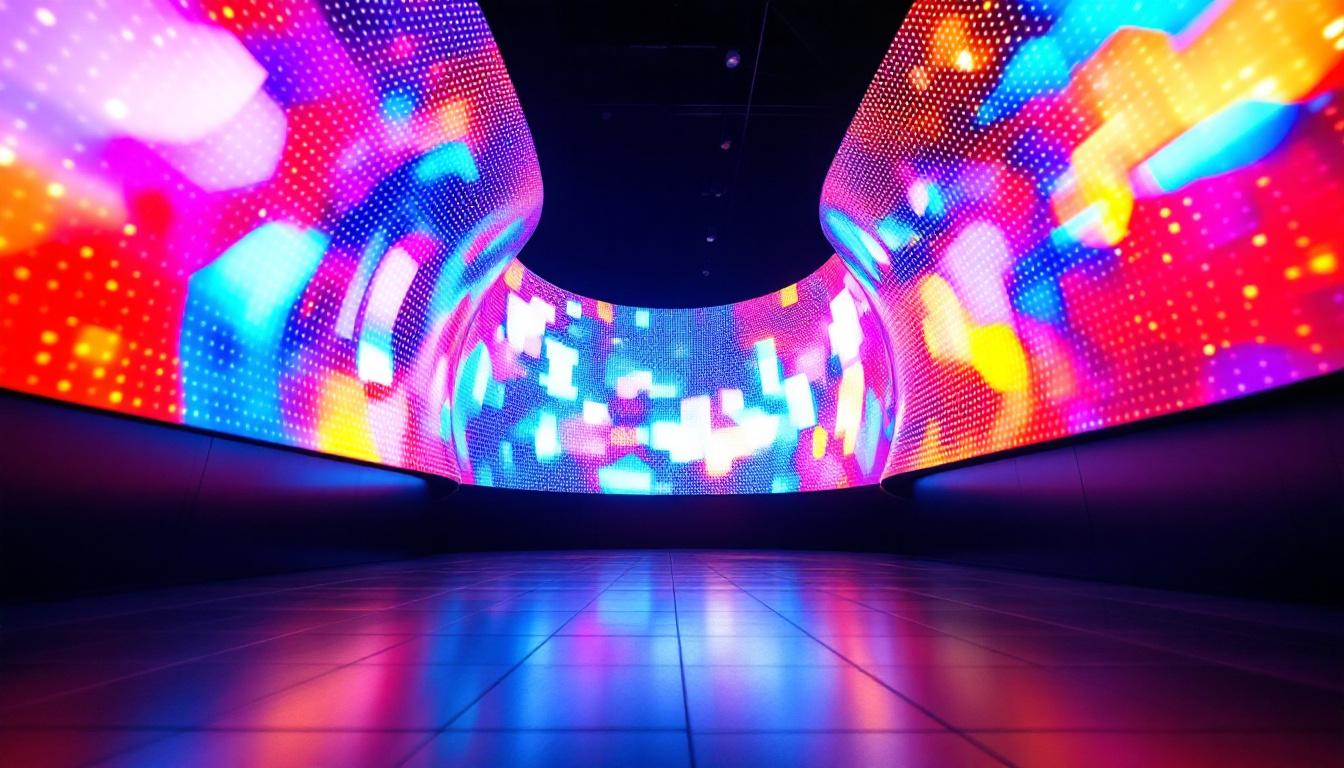
Micro-LED technology offers even higher resolution and brightness with lower power consumption, promising to enhance visual experiences further. Flexible LED screens enable curved and unconventional shapes, allowing designers to break free from traditional flat panel constraints.
Additionally, integration with augmented reality (AR) and interactive technologies is emerging, enabling audiences to engage with content in novel ways. These developments suggest that LED screen backdrops will remain at the forefront of visual communication for years to come.
Conclusion
LED screen backdrops represent a significant leap forward in display technology, offering unmatched brightness, color accuracy, and versatility. Their widespread adoption across entertainment, corporate, advertising, and broadcast sectors underscores their value in delivering impactful visual experiences.
Understanding the technical aspects, applications, and future trends of LED displays empowers event organizers, marketers, and production professionals to make informed decisions. As technology evolves, LED screen backdrops will continue to redefine how audiences connect with visual content, making them an essential element in modern visual storytelling.
Discover LumenMatrix LED Display Solutions
Ready to elevate your visual storytelling with unparalleled LED display technology? Look no further than LumenMatrix, the pioneer in crafting immersive LED experiences. Whether you’re organizing a live event, enhancing a retail space, or captivating an audience in a broadcast studio, LumenMatrix offers a comprehensive range of LED display solutions tailored to your needs. From Indoor and Outdoor LED Walls to innovative Transparent Displays, our mission is to transform your communication with vivid, engaging, and reliable visuals. Check out LumenMatrix LED Display Solutions today and step into the future of dynamic visual engagement.