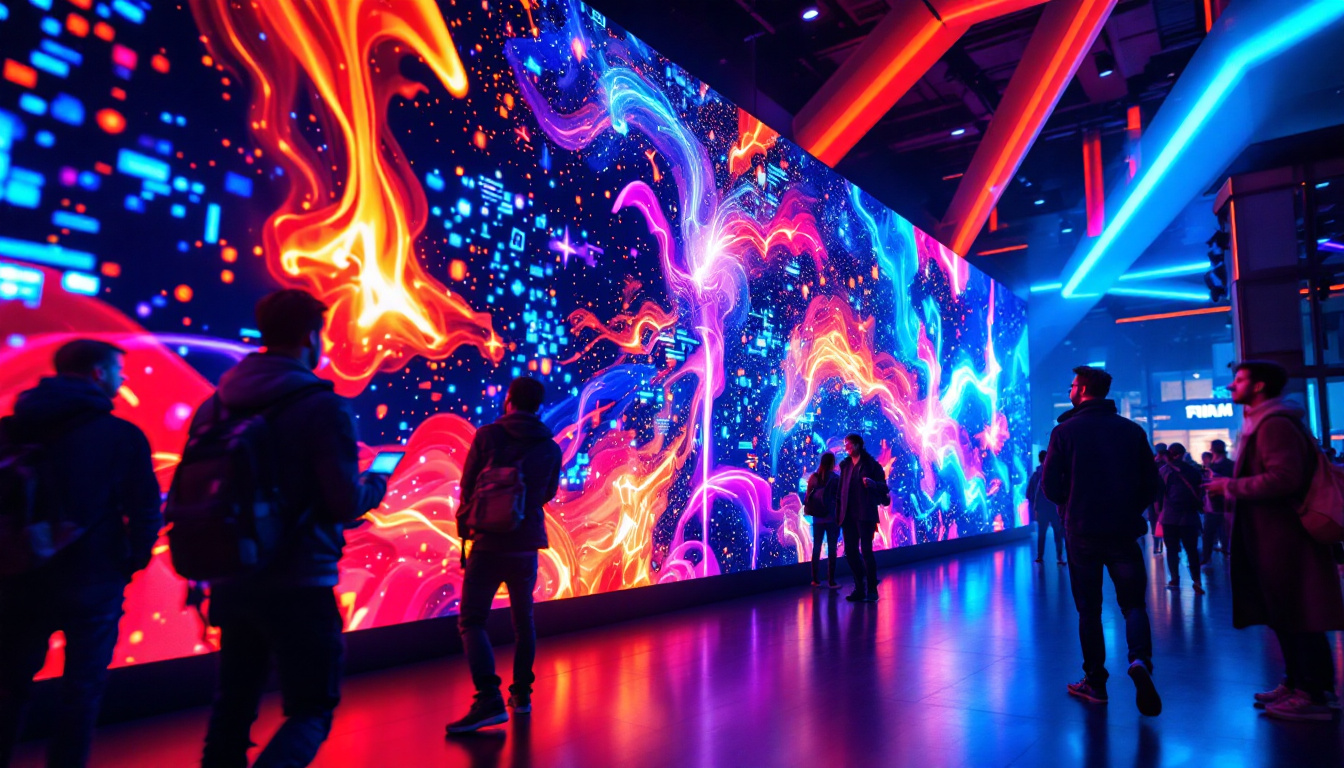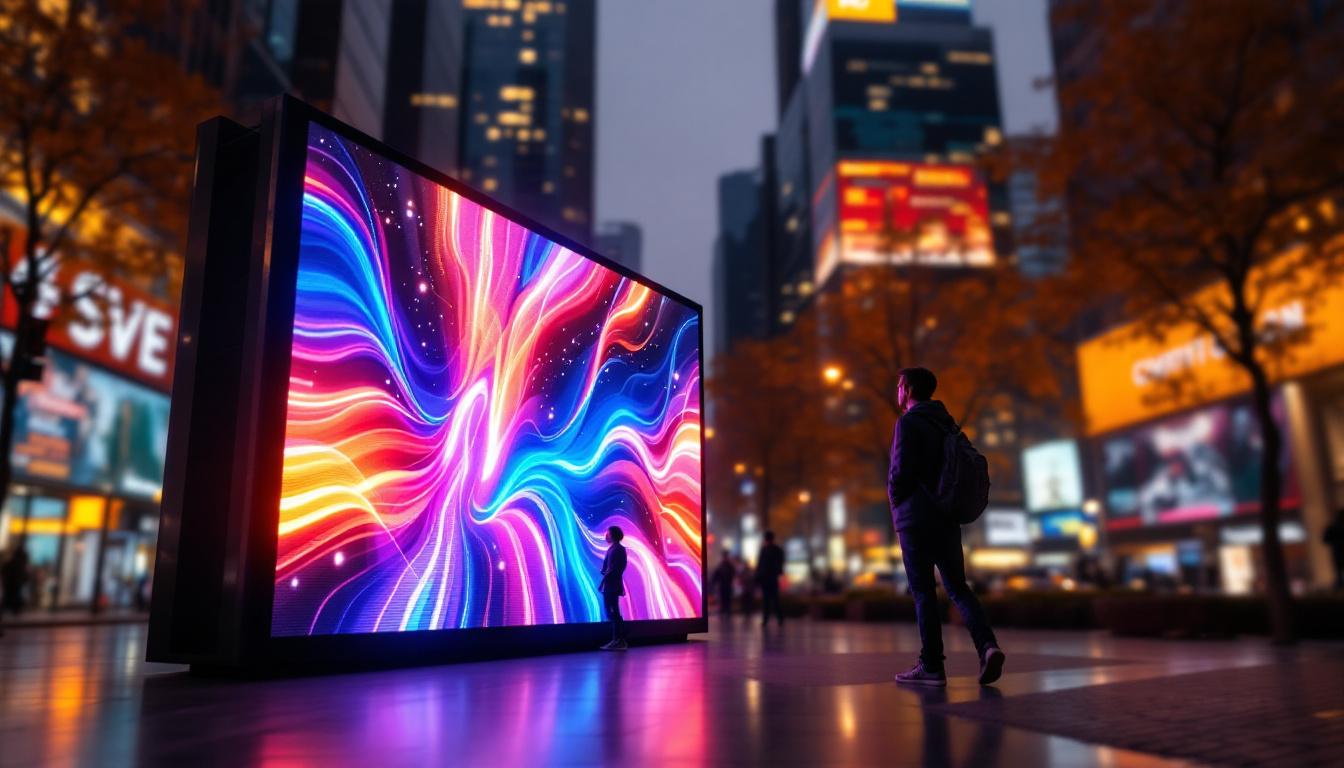
In the rapidly evolving world of digital technology, LED displays have emerged as a cornerstone of visual communication. From towering billboards in Times Square to the intricate screens on smartphones, LED technology powers a vast array of display solutions worldwide. This article delves into the fundamentals of LED displays, explores their technological advancements, and highlights their diverse applications across industries.
Understanding LED Display Technology
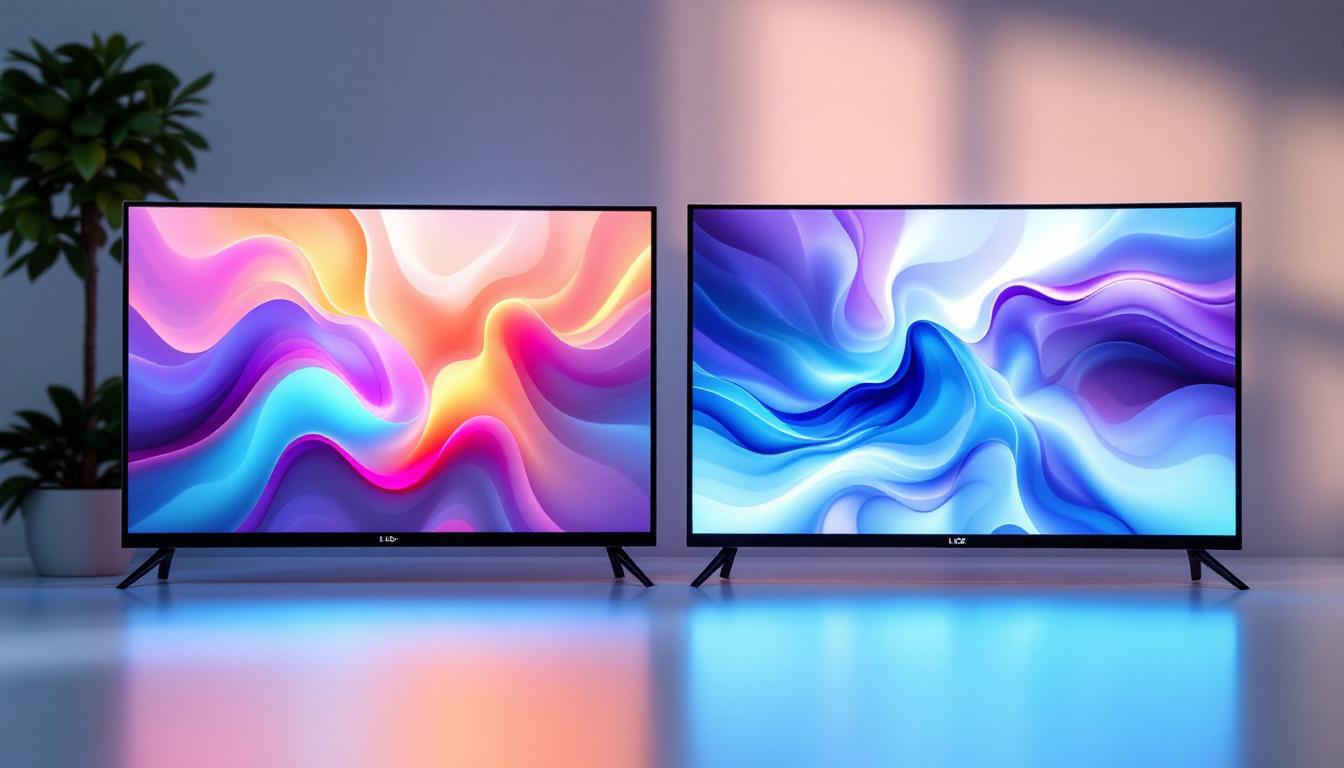
At its core, an LED display is a flat panel that uses light-emitting diodes (LEDs) as pixels to create images and videos. Unlike traditional LCDs that rely on backlighting, LED displays emit their own light, resulting in brighter, more vibrant visuals and improved energy efficiency. This self-illuminating capability allows for thinner designs and more flexible applications, making LED technology a popular choice in various industries, from advertising to entertainment.
The basic building block of an LED display is the LED pixel, which typically consists of red, green, and blue diodes. By adjusting the intensity of each diode, a full spectrum of colors can be produced. This RGB color model is fundamental to rendering detailed and colorful images. Furthermore, advancements in technology have led to the development of additional color elements, such as white LEDs, which enhance the overall brightness and color range, allowing for even more lifelike visuals.
Types of LED Displays
LED displays come in various forms, each suited for specific use cases:
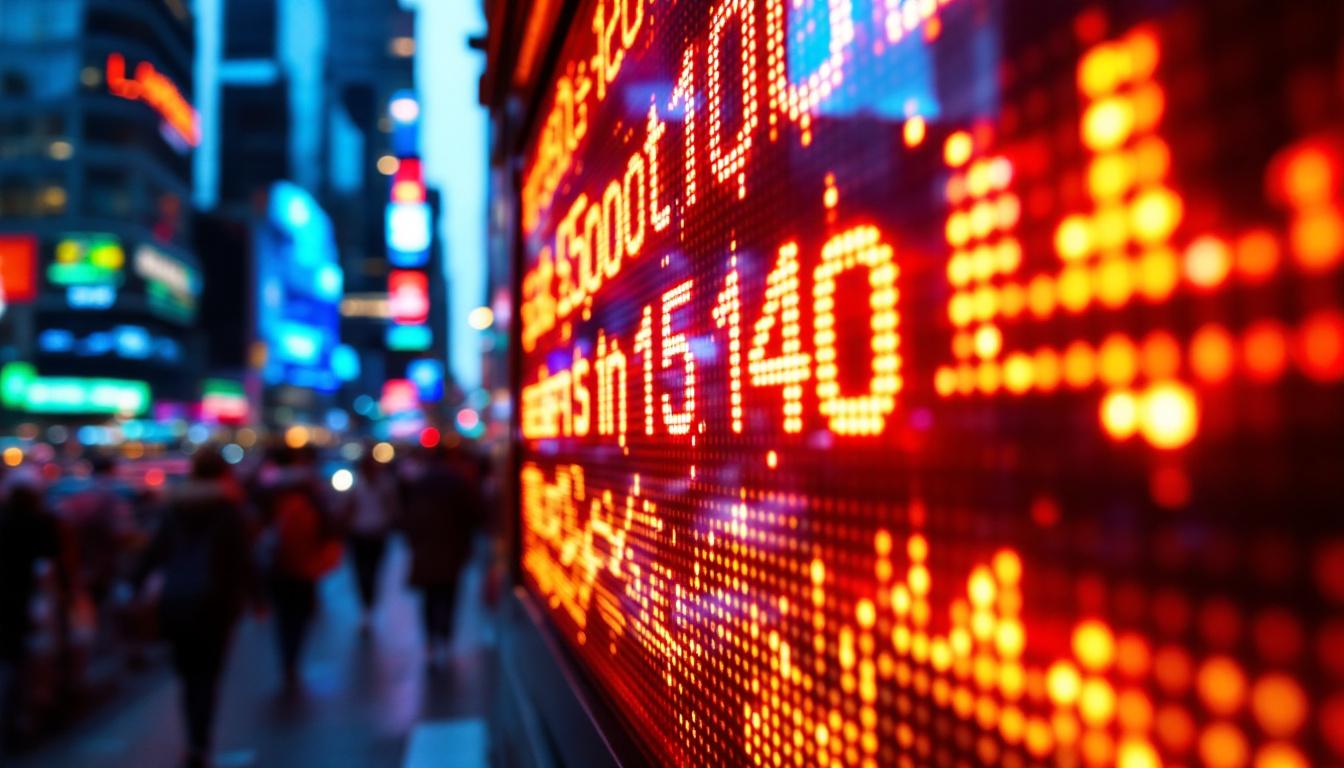
- Direct View LED (DVLED): These displays use individual LEDs as pixels and are known for their exceptional brightness and contrast. They are commonly used in outdoor billboards, stadium screens, and large public displays. The ability to maintain visibility in direct sunlight makes DVLEDs particularly advantageous for outdoor applications.
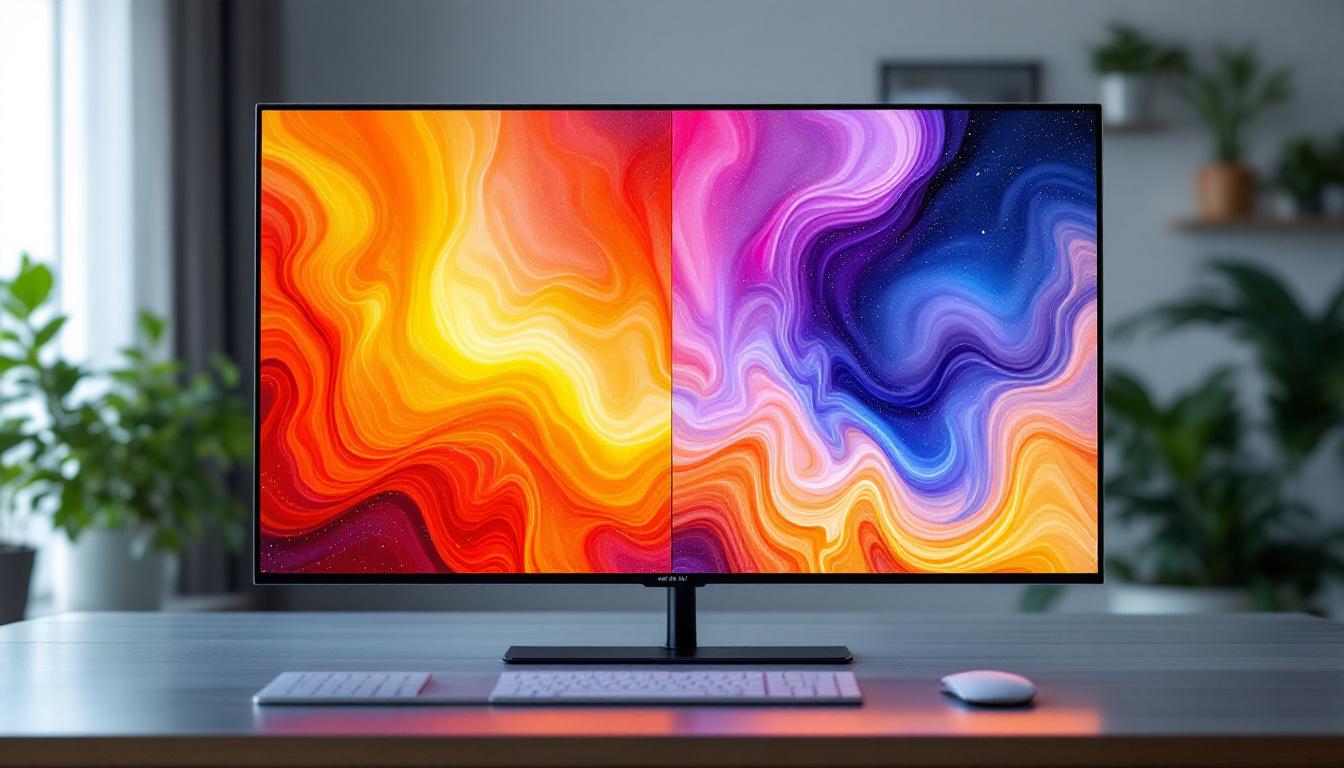
- LED-backlit LCD: Many modern LCD screens, including TVs and monitors, use LEDs as a backlight source. This hybrid approach improves display brightness and color accuracy compared to older CCFL-backlit LCDs. The integration of LED backlighting has also allowed for features like local dimming, enhancing the contrast ratio by selectively dimming parts of the screen.
- MicroLED: An emerging technology that uses microscopic LEDs as individual pixels, microLED displays promise higher resolution, better color accuracy, and longer lifespan than OLEDs and traditional LEDs. This innovative technology not only offers superior performance but also has the potential to revolutionize the way displays are manufactured, as it allows for modular designs that can be easily scaled to different sizes.
How LED Displays Work
Each LED pixel emits light when an electric current passes through its semiconductor material. The intensity and color of the light are controlled by varying the current to the red, green, and blue diodes within each pixel. When millions of these pixels work in tandem, they form images with remarkable clarity and color depth. This dynamic interplay of light and color is what makes LED displays so captivating, whether they are showcasing a high-definition movie or delivering critical information in a corporate setting.
Modern LED displays incorporate sophisticated driver circuits and processing units to manage pixel control, refresh rates, and color calibration, ensuring smooth and accurate visual output. These systems are often equipped with advanced algorithms that optimize performance based on environmental conditions, such as adjusting brightness in response to ambient light levels. Additionally, with the rise of smart technology, many LED displays now feature connectivity options that allow for real-time content updates and remote management, further enhancing their versatility and usability across various applications.
Technological Advancements Driving LED Display Innovation
The LED display industry has witnessed significant technological breakthroughs in recent years, enhancing performance, durability, and versatility.
Higher Resolution and Pixel Density
One of the most notable trends is the push toward higher resolution displays. Pixel pitch, the distance between adjacent LEDs, has shrunk dramatically, enabling ultra-high-definition (UHD) and even 8K resolutions on large-scale LED screens. For example, some indoor LED panels now feature pixel pitches as low as 0.9 millimeters, delivering crystal-clear images even at close viewing distances.
This improvement is crucial for applications like control rooms, broadcast studios, and retail environments where image detail and sharpness are paramount. As a result, industries are increasingly adopting these high-resolution displays for immersive experiences, such as virtual reality setups and interactive exhibitions, where every pixel counts in creating a lifelike representation.
Enhanced Energy Efficiency
Energy consumption remains a key consideration for LED display manufacturers and users. Advances in semiconductor materials and power management have led to LEDs that consume less electricity while producing brighter light. This not only reduces operational costs but also aligns with global sustainability goals.
For instance, newer LED displays can achieve up to 30% energy savings compared to earlier models, making them attractive for large-scale installations that operate continuously. Furthermore, the integration of energy-efficient technologies, such as smart dimming and adaptive brightness controls, allows these displays to optimize power usage based on real-time conditions, further contributing to a reduced carbon footprint.
Durability and Weather Resistance
Outdoor LED displays must withstand harsh environmental conditions, including rain, dust, extreme temperatures, and UV exposure. Innovations in protective coatings, sealing techniques, and robust housing materials have significantly extended the lifespan and reliability of outdoor LED screens.
Many outdoor LED displays now meet IP65 or higher ratings, ensuring they remain fully operational in challenging weather while maintaining high brightness and color fidelity. Additionally, advancements in thermal management technologies help prevent overheating, which is especially critical in sunny climates where prolonged exposure to heat can compromise display performance.
Integration with Smart Technologies
Modern LED displays increasingly integrate with IoT (Internet of Things) and AI (Artificial Intelligence) technologies. This allows for dynamic content management, real-time data visualization, and interactive user experiences.
For example, smart LED billboards can adjust brightness based on ambient light, display targeted advertisements using AI-driven analytics, and even interact with mobile devices via Bluetooth or NFC. The ability to collect and analyze viewer data in real-time enables businesses to tailor their messaging and improve customer engagement, making LED displays not just a medium for information but a powerful tool for marketing and communication strategies.
Applications of LED Displays Across Industries
LED displays have become indispensable in a wide range of sectors, each leveraging the technology’s unique strengths to enhance communication and engagement.
Advertising and Outdoor Signage
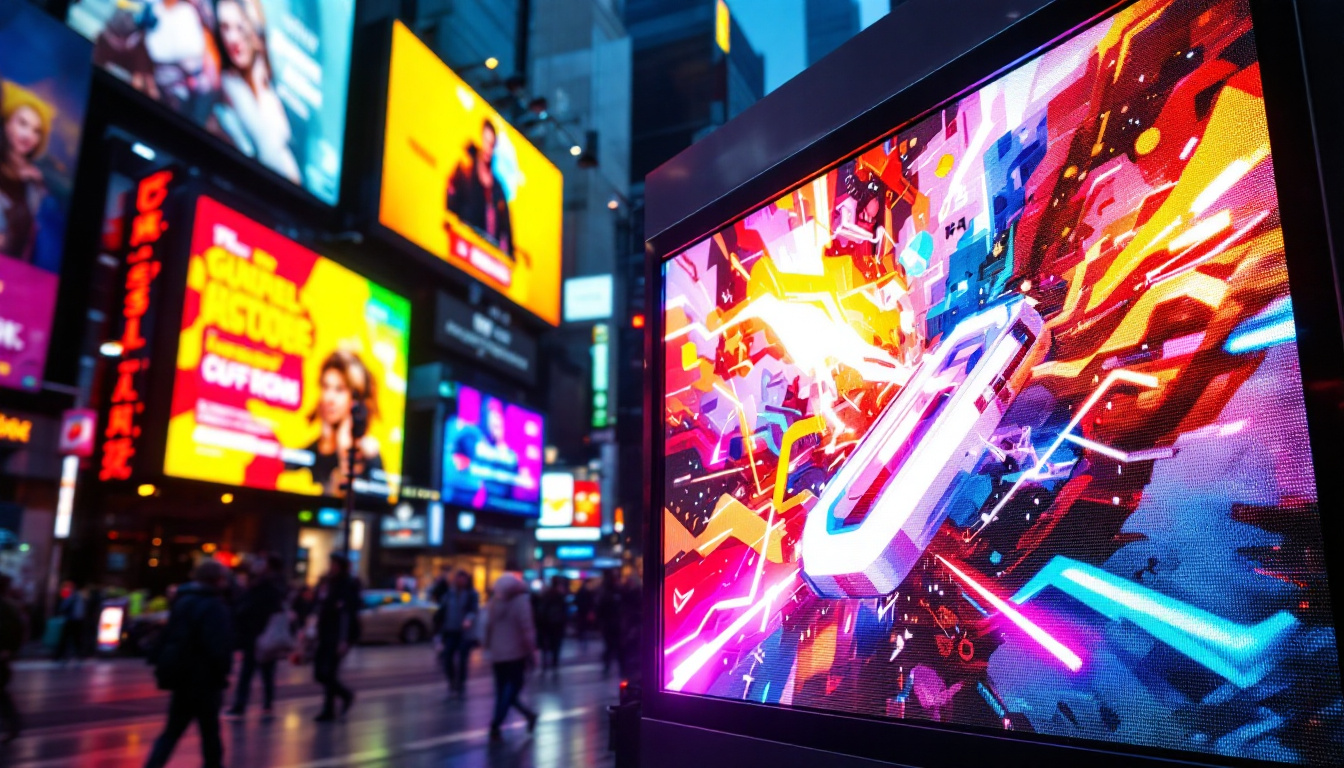
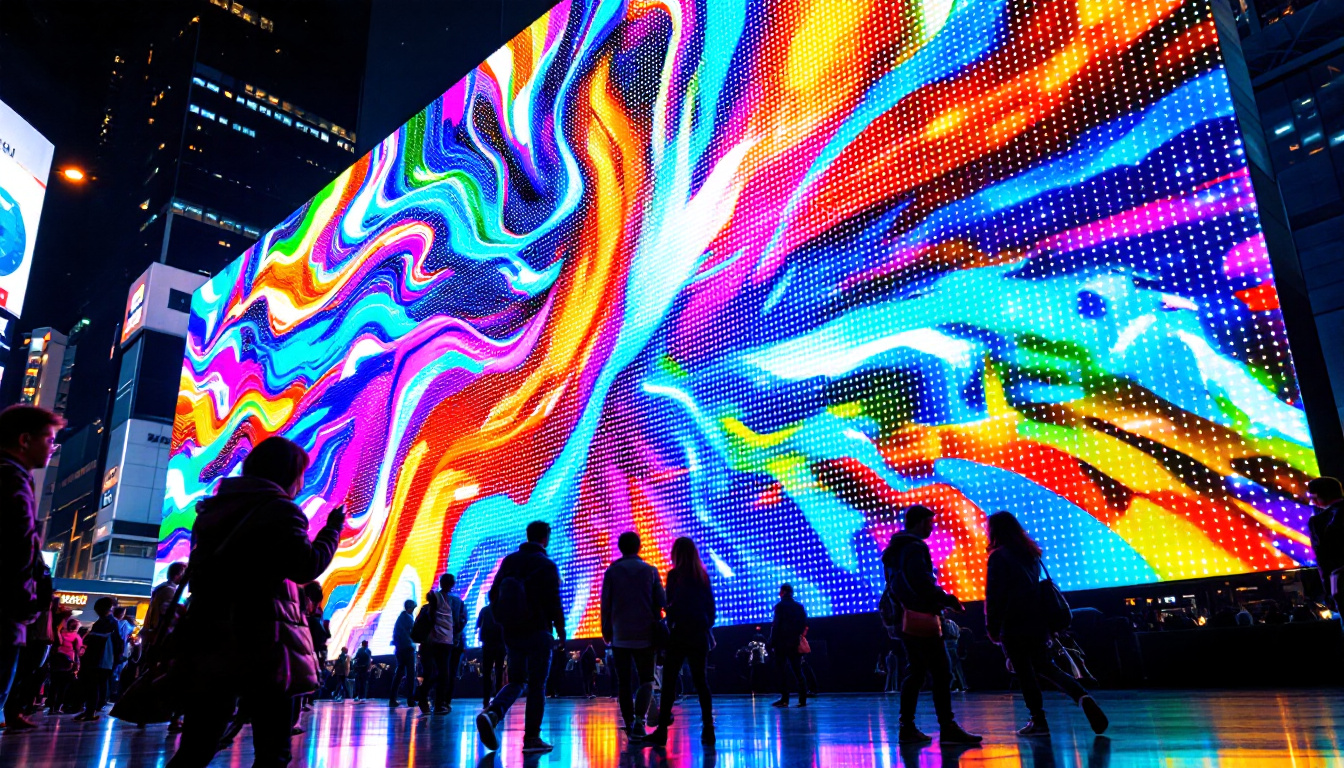
Perhaps the most visible application of LED displays is in advertising. Digital billboards equipped with LED technology offer advertisers the ability to display vibrant, eye-catching content that can be updated instantly. This flexibility enables real-time promotions, event announcements, and targeted marketing campaigns.
According to a 2023 market report, the global digital signage market is expected to grow at a compound annual growth rate (CAGR) of over 8% through 2028, driven largely by LED technology advancements.
Sports and Entertainment Venues
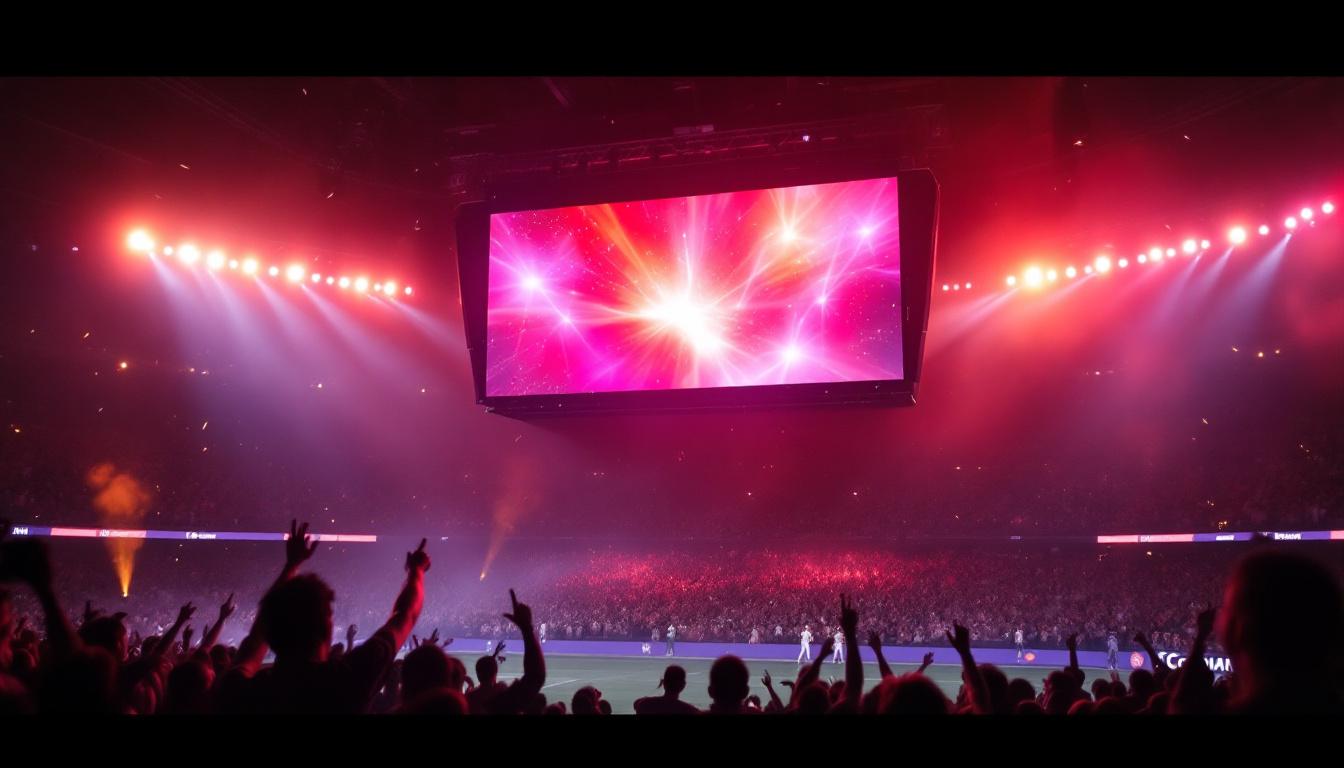
Stadiums and arenas rely heavily on large LED screens to deliver immersive experiences to fans. These displays provide live game footage, instant replays, player statistics, and interactive content, enhancing the overall spectator experience.
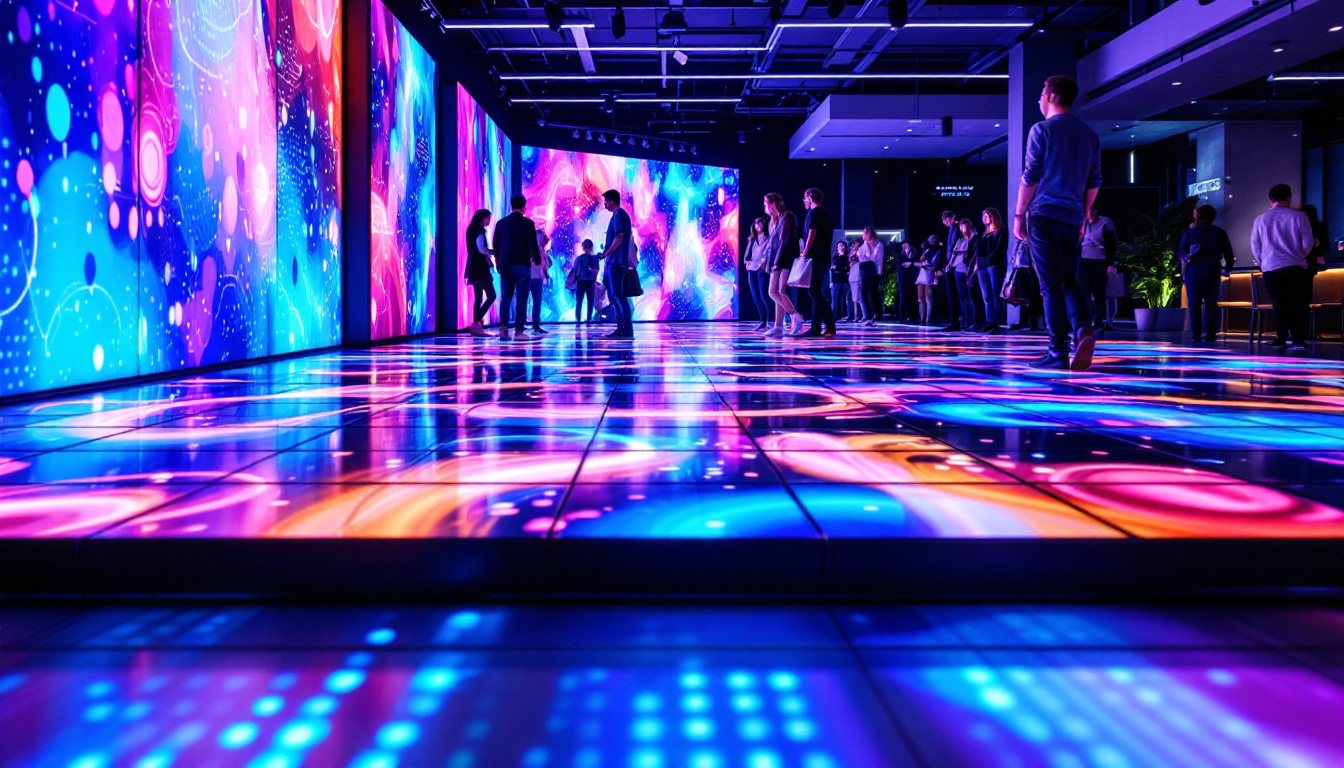
Moreover, concert stages utilize LED walls and floors to create dynamic visual effects that complement performances, pushing the boundaries of live entertainment production.
Retail and Hospitality
In retail environments, LED displays serve as powerful tools for branding, product promotion, and customer engagement. High-resolution indoor LED screens enable retailers to showcase vivid product visuals and interactive content that influence purchasing decisions.
Hotels and restaurants also use LED signage for wayfinding, menu boards, and ambiance enhancement, creating memorable guest experiences.
Corporate and Control Rooms
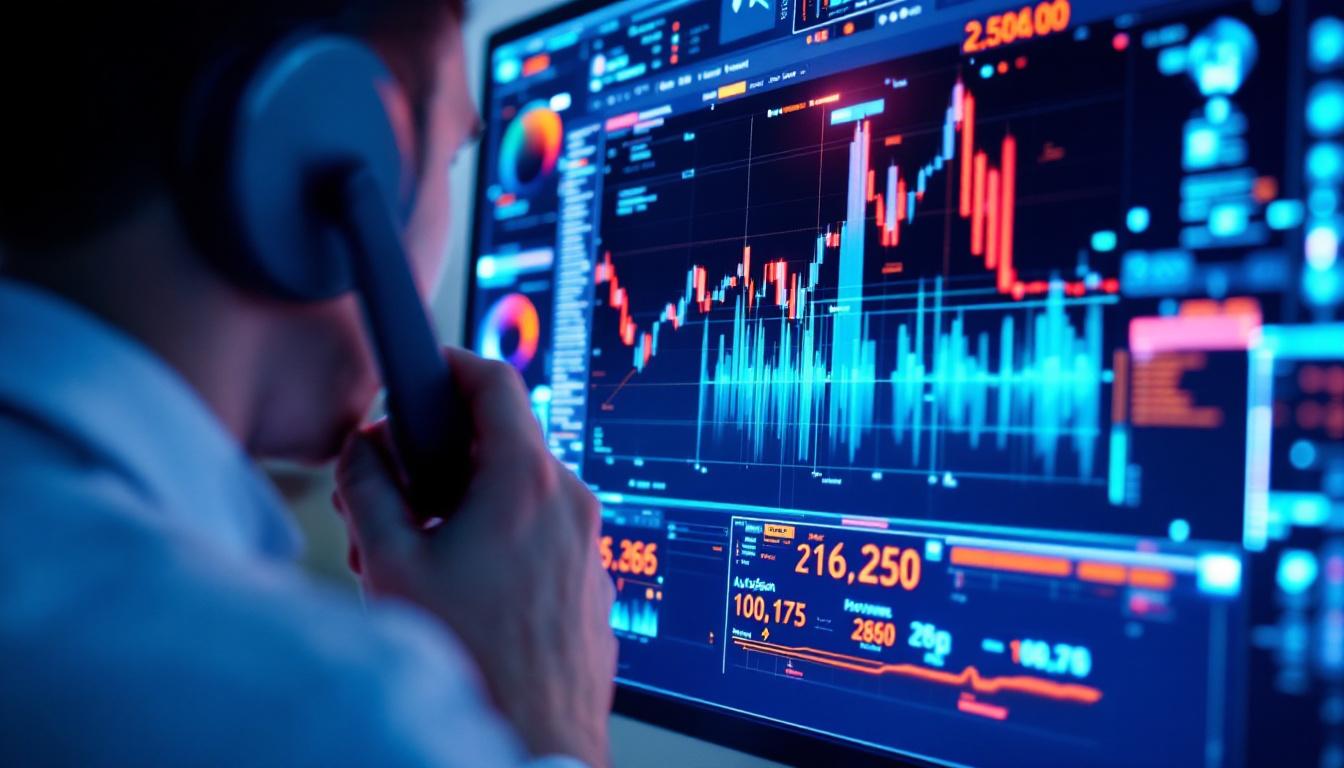
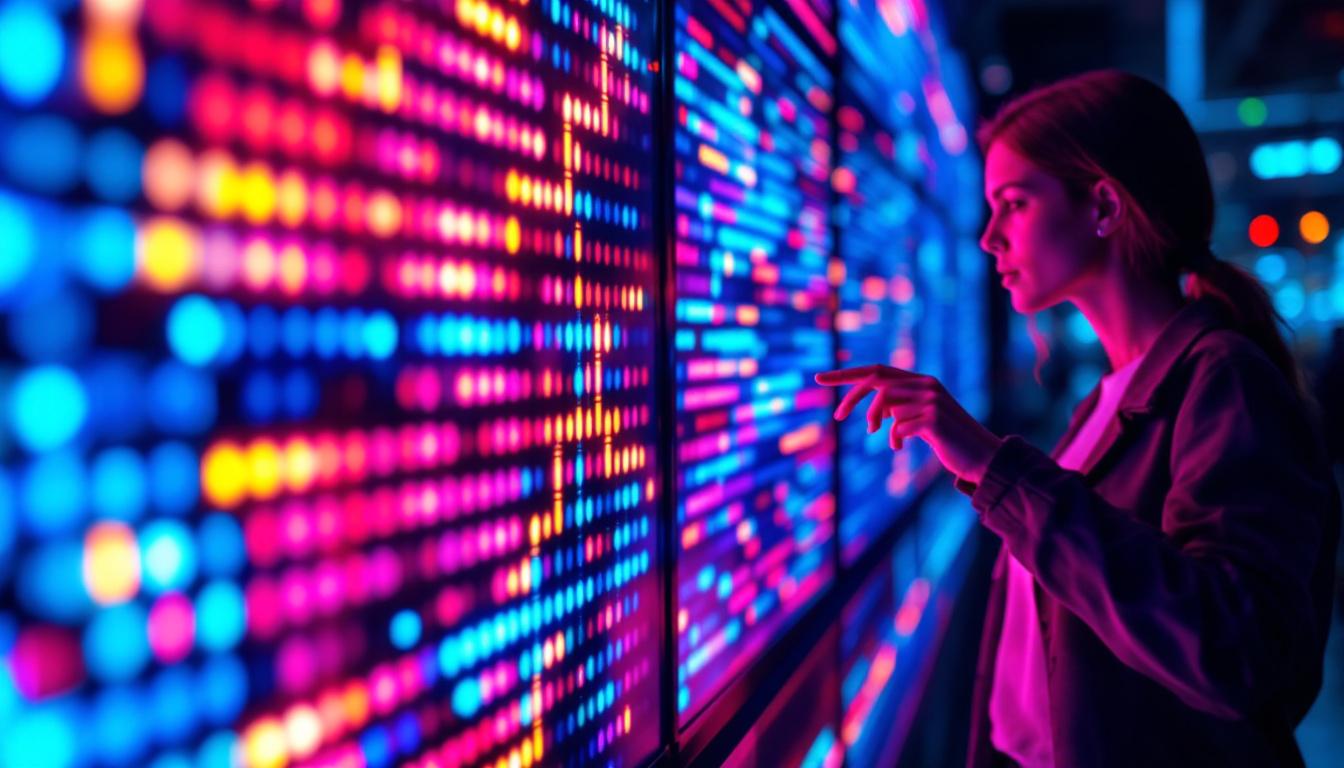
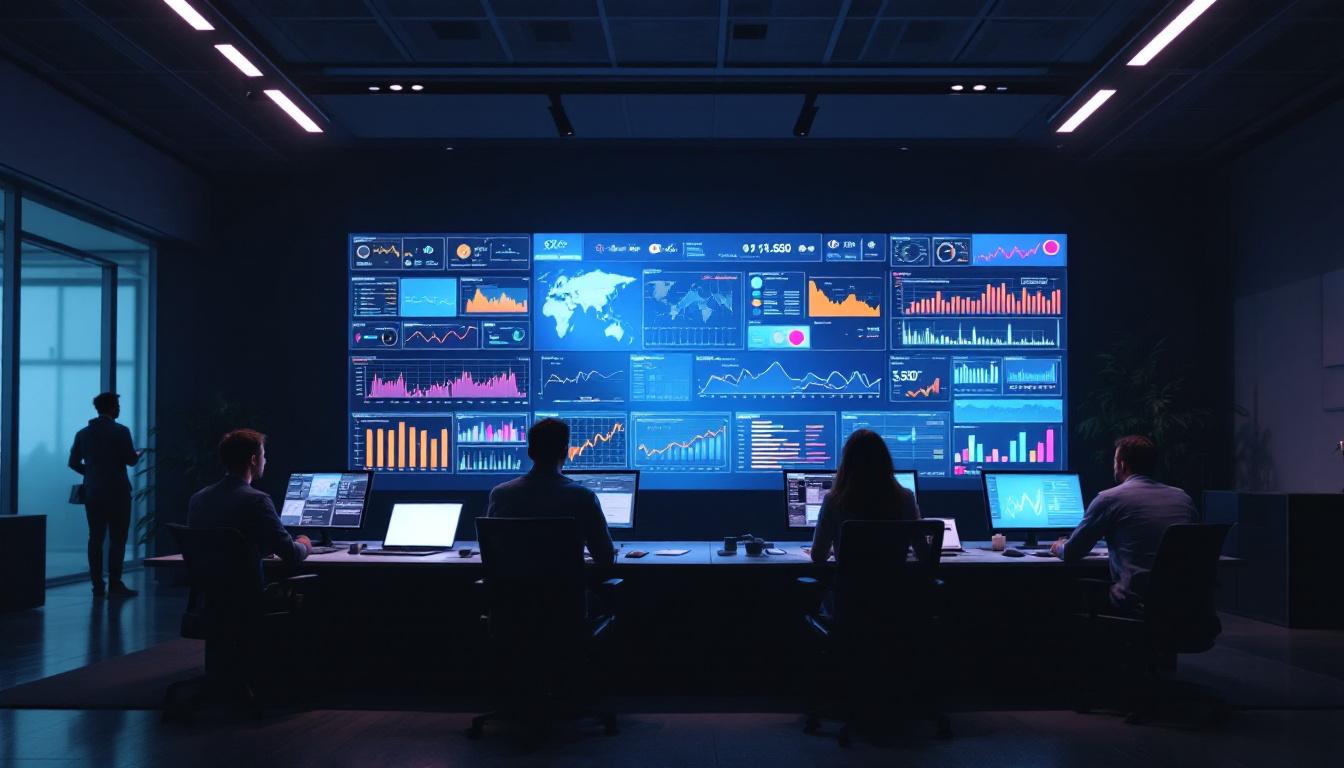
Corporate offices and control centers employ LED video walls for presentations, data monitoring, and collaborative workspaces. The ability to display multiple data streams simultaneously with high clarity supports decision-making and operational efficiency.
For example, transportation control rooms use LED video walls to monitor traffic flow and public transit in real-time, improving urban mobility management.
Healthcare and Education
LED displays are increasingly used in healthcare settings for patient information systems, digital wayfinding, and telemedicine applications. Their clarity and reliability are critical in environments where accurate information delivery is essential.
Educational institutions utilize LED screens for interactive learning, digital signage, and event broadcasting, enriching the educational experience for students and staff.
Global Market Trends and Future Outlook
The global LED display market continues to expand, driven by technological innovation and growing demand across sectors. According to a 2024 industry analysis, the market is projected to reach $45 billion by 2027, with Asia-Pacific leading in both production and consumption.
Emergence of MicroLED and MiniLED
MicroLED and MiniLED technologies represent the next frontier in LED displays. MicroLED offers superior brightness, contrast, and energy efficiency, rivaling OLED displays without issues like burn-in. MiniLED, which uses thousands of tiny LEDs as backlights for LCD panels, provides enhanced local dimming and improved picture quality.
These technologies are expected to revolutionize consumer electronics, including TVs, smartphones, and wearable devices, while also impacting commercial display markets.
Sustainability and Environmental Impact
With increasing environmental awareness, manufacturers are focusing on sustainable production methods and recyclable materials. LED displays inherently consume less power than many alternatives, but ongoing efforts aim to reduce electronic waste and improve end-of-life recycling processes.
Consumers and businesses alike are prioritizing eco-friendly display solutions, influencing product development and procurement strategies.
Customization and Modular Designs
Modular LED display systems allow users to configure screen sizes and shapes tailored to specific needs. This flexibility is particularly valuable for creative installations, architectural projects, and events where unique visual setups are desired.
Customization extends to software platforms that enable seamless content management and integration with other digital systems.
Conclusion
LED display technology stands at the intersection of innovation, functionality, and visual excellence. Its ability to deliver bright, vibrant images with energy efficiency and durability has made it a preferred choice across numerous industries worldwide.
As advancements like MicroLED and AI integration mature, the potential applications and impact of LED displays will only grow. For businesses, advertisers, and consumers, staying informed about these developments is essential to harnessing the full power of LED technology in an increasingly digital world.
Discover the Future of Visual Display with LumenMatrix
As you stand at the forefront of digital innovation, embrace the vibrant and dynamic world of LED technology with LumenMatrix. Our commitment to excellence in LED display modules is unmatched, offering a diverse range of solutions from Indoor and Outdoor LED Wall Displays to specialized options like Vehicle, Sports, and Floor LED Displays. Whether you’re looking to enhance brand visibility or create immersive visual experiences, LumenMatrix is here to revolutionize your visual communication. Check out LumenMatrix LED Display Solutions today and empower your business to illuminate the world with clarity and impact.