In recent years, the movie theater experience has evolved far beyond just the films shown on the big screen. One of the most significant technological advancements enhancing this experience is the integration of LED displays. Beaverton movie theaters have embraced this innovation to offer viewers brighter, clearer, and more immersive visuals. This article delves into the technology behind LED displays, their advantages over traditional projection systems, and why they are transforming the cinematic landscape in Beaverton and beyond.
Understanding LED Display Technology
What is an LED Display?
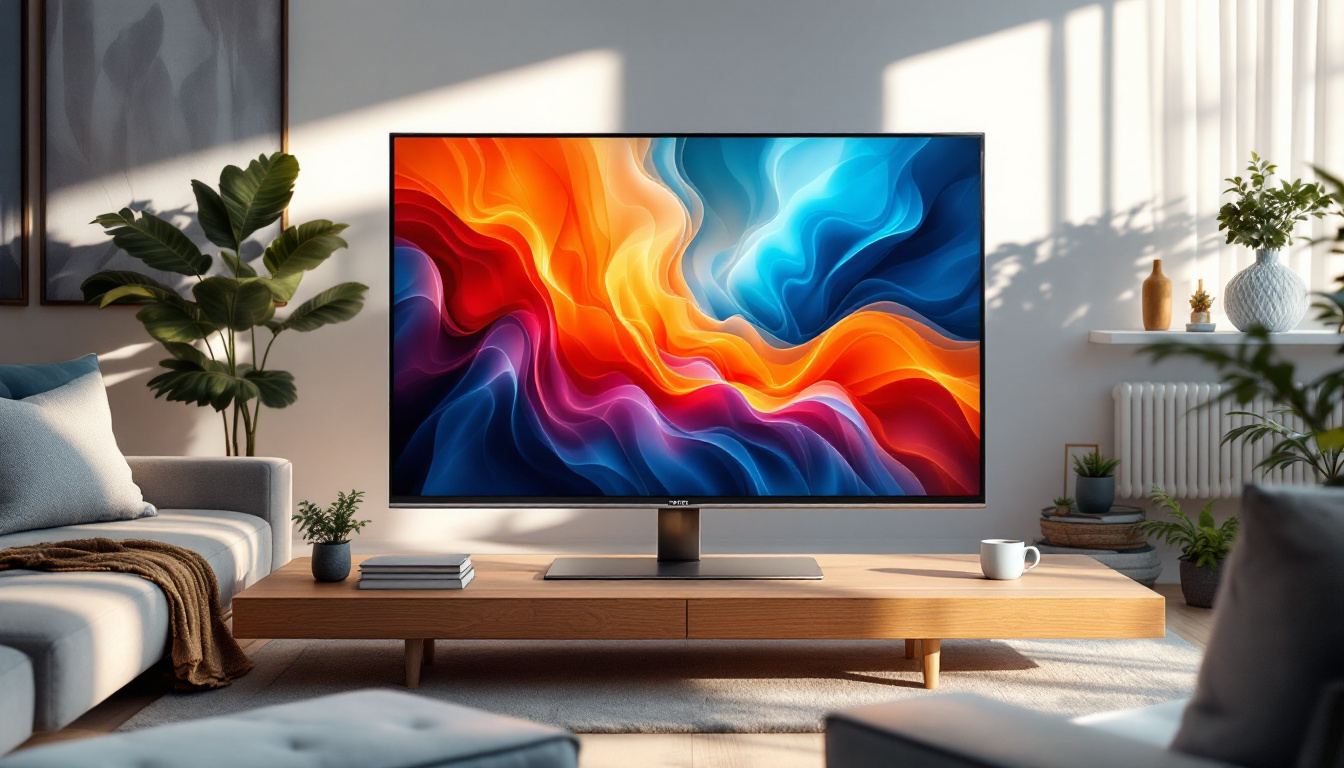
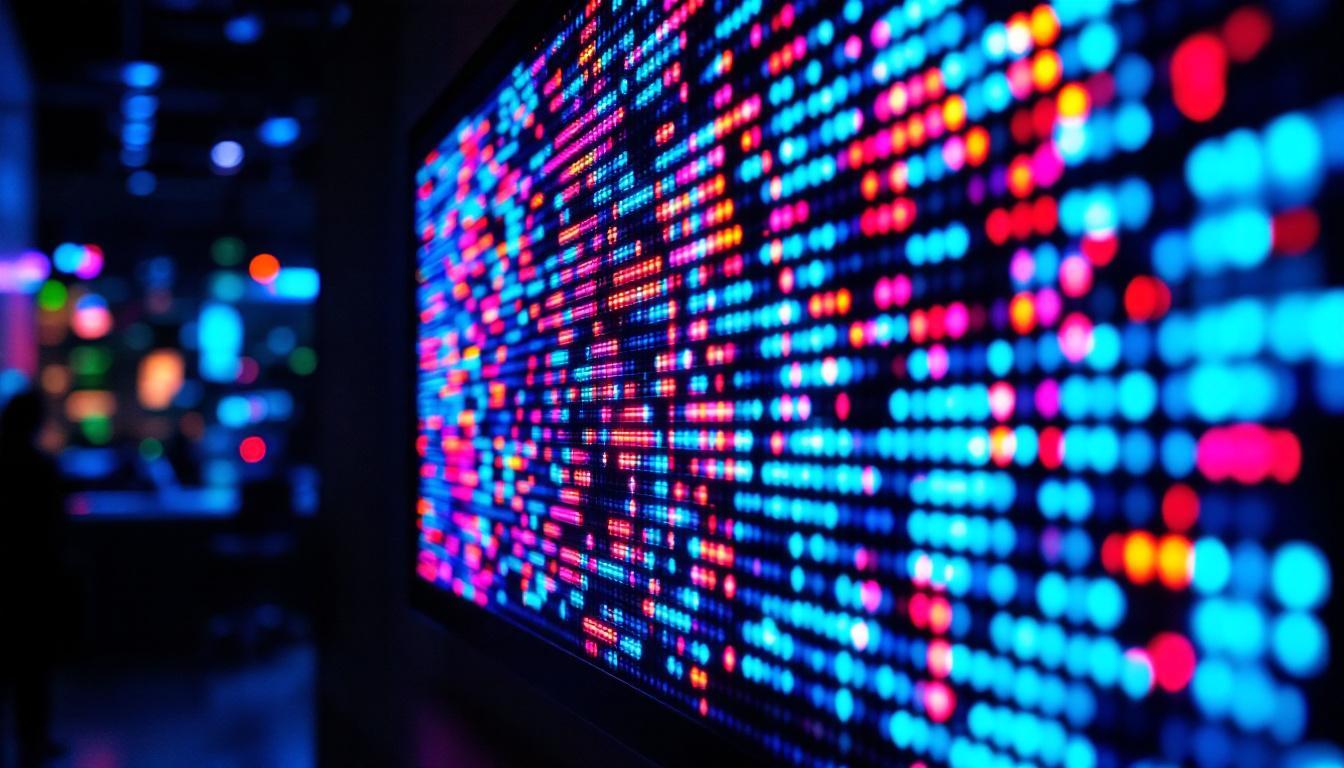
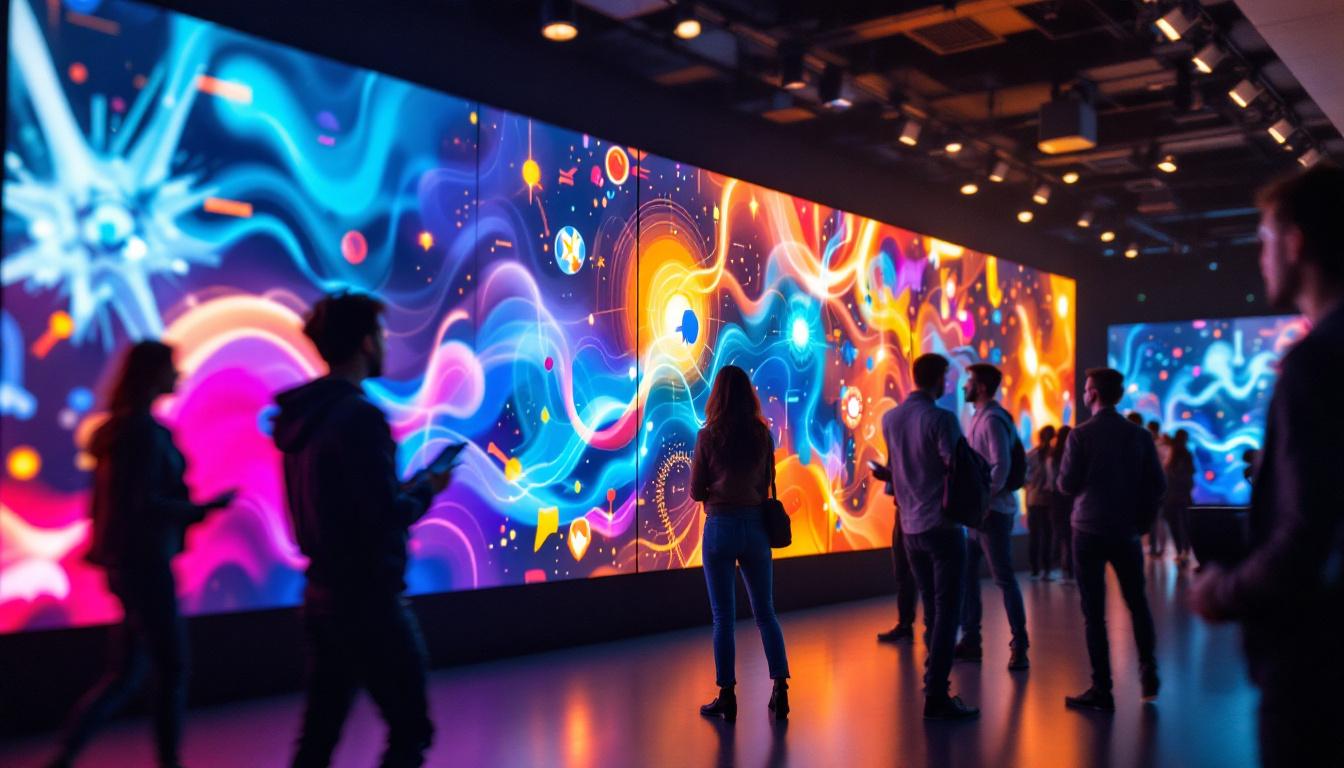
LED stands for Light Emitting Diode, a semiconductor device that emits light when an electric current passes through it. An LED display is essentially a large screen made up of numerous tiny LEDs arranged in a grid. Each LED acts as a pixel, and by varying the brightness and color of each diode, the display can produce vivid images and videos.
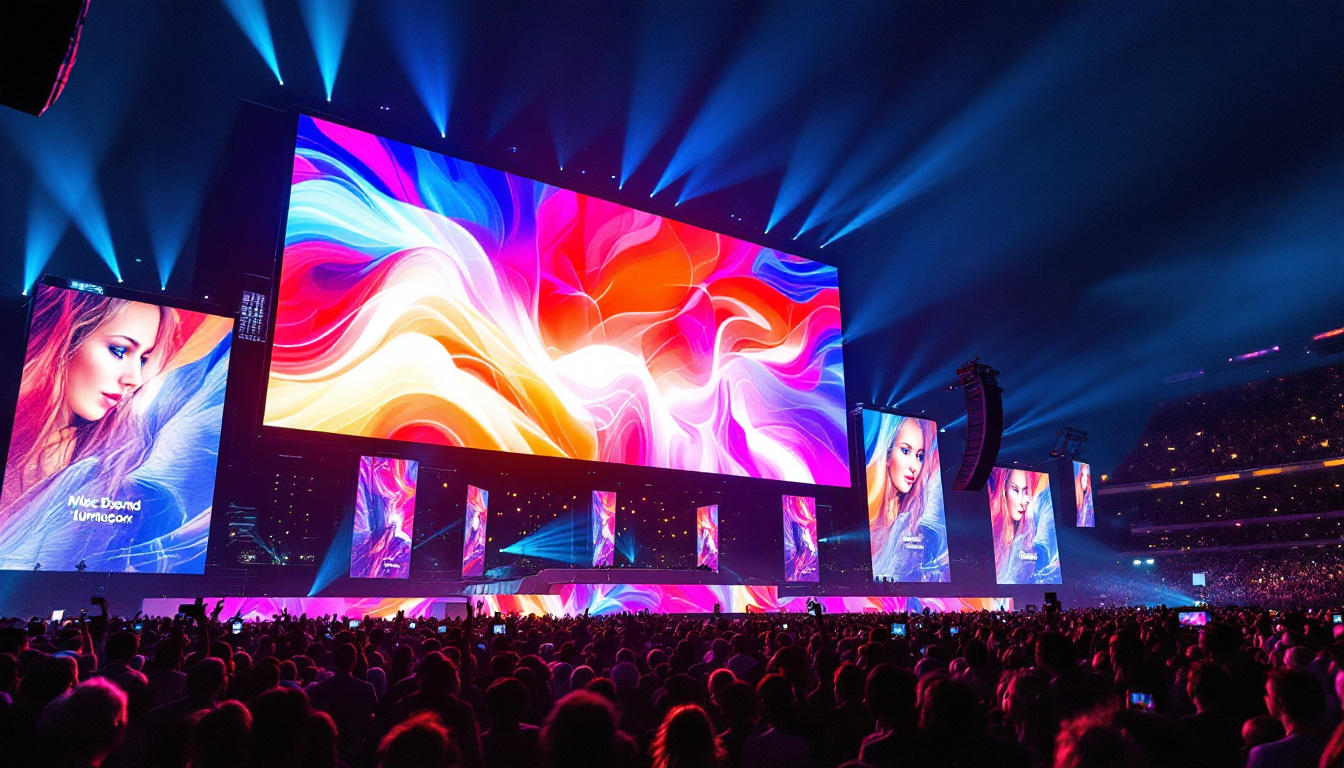
Unlike traditional projection systems that rely on bulbs and mirrors to cast images onto a screen, LED displays are self-illuminating. This means they generate their own light, resulting in superior brightness and contrast. This technology has been widely adopted in outdoor advertising, sports arenas, and now, increasingly, in movie theaters. The ability to produce deep blacks and bright whites simultaneously allows for a dynamic range that enhances the visual experience, making it particularly appealing for high-octane action films and visually stunning animations.
Moreover, LED displays are not only energy-efficient but also have a longer lifespan compared to conventional projection systems. This longevity translates into reduced maintenance costs and less frequent replacements, making them a cost-effective choice for cinema operators. Additionally, the compact nature of LED technology allows for thinner screens, which can be seamlessly integrated into various architectural designs, offering theaters more flexibility in their layout and aesthetics.
Types of LED Displays Used in Cinemas
There are two primary types of LED displays used in movie theaters: direct-view LED screens and micro-LED displays. Direct-view LED screens are composed of large LED panels tiled together to create a seamless viewing surface. Micro-LED technology, still emerging, uses microscopic LEDs to achieve even higher resolution and color accuracy.
Beaverton theaters typically utilize high-resolution direct-view LED displays tailored for cinematic use. These screens are designed to meet strict standards for color reproduction, brightness, and uniformity, ensuring that every seat in the theater enjoys a premium viewing experience. The technology also allows for greater flexibility in screen size and aspect ratio, accommodating a variety of film formats and enhancing the overall cinematic experience. Additionally, the rapid refresh rates of LED displays minimize motion blur, making them ideal for fast-paced scenes and action sequences.
Furthermore, the integration of advanced processing technologies with LED displays enhances image quality through features like HDR (High Dynamic Range) and wide color gamut support. This means that viewers can enjoy a more lifelike representation of colors and details that were previously lost in standard displays. As the demand for immersive viewing experiences grows, cinema operators are increasingly investing in these technologies to attract audiences and elevate the standard of film presentation, ensuring that moviegoers leave the theater with unforgettable memories of their cinematic adventures.
Advantages of LED Displays Over Traditional Projection
Superior Brightness and Contrast
One of the most noticeable benefits of LED displays is their exceptional brightness. Traditional projectors can struggle to maintain image clarity in well-lit environments or with 3D glasses, which often dim the picture. LED screens, however, can achieve brightness levels exceeding 1,000 nits, far surpassing the typical 14-20 foot-lamberts (approximately 48-69 nits) of cinema projectors.
This increased brightness translates to more vivid colors, deeper blacks, and sharper images, enhancing the overall cinematic experience. For viewers in Beaverton, this means movies look more lifelike and engaging, even in larger auditoriums. Moreover, the high contrast ratio of LED displays allows for more nuanced shadow details, making action scenes more thrilling and dramatic, while romantic moments can appear softer and more intimate. This level of detail can transform a simple film into an immersive experience, captivating audiences and drawing them deeper into the narrative.
Consistent Image Quality Without Degradation
Traditional projector bulbs degrade over time, leading to dimmer images and increased maintenance costs. In contrast, LED displays maintain consistent brightness and color accuracy throughout their lifespan, which can exceed 100,000 hours of use.
This durability reduces downtime and maintenance expenses for theater operators, allowing them to focus on delivering uninterrupted entertainment. For moviegoers, it ensures that every screening meets high visual standards. Furthermore, the ability of LED displays to provide consistent image quality means that theaters can confidently showcase a variety of films—from animated features to high-octane blockbusters—without worrying about variations in visual fidelity. This reliability fosters a trust between audiences and theaters, encouraging repeat visits and a loyal customer base.
Energy Efficiency and Environmental Impact
LED technology is significantly more energy-efficient than traditional projection systems. LED displays consume less power while providing higher brightness, contributing to lower operational costs for theaters. Additionally, LEDs do not contain hazardous materials like mercury, which is found in some projector lamps, making them a more environmentally friendly option.
Beaverton theaters adopting LED displays are aligning with sustainable practices, reducing their carbon footprint while enhancing the movie experience. This commitment to sustainability can also resonate with environmentally conscious audiences, who may prefer to support businesses that prioritize eco-friendly technologies. As theaters embrace LED technology, they not only improve their operational efficiency but also contribute to a broader movement towards greener entertainment solutions, paving the way for a future where cinematic experiences are both thrilling and responsible.
Implementation of LED Displays in Beaverton Movie Theaters
Case Study: A Leading Beaverton Theater’s Transition
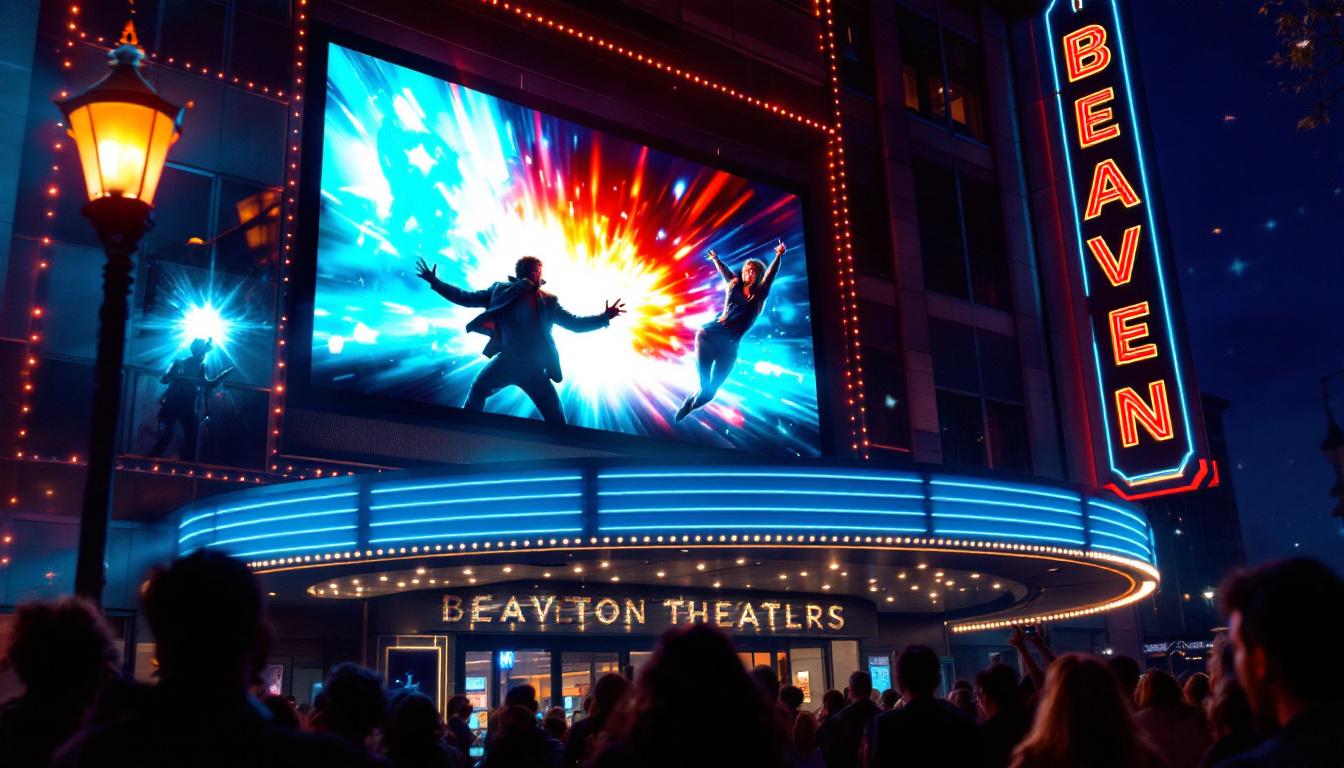
One of Beaverton’s premier theaters recently completed a full upgrade from traditional projection to LED display technology. The transition involved installing a 4K direct-view LED screen measuring over 50 feet wide, designed specifically for cinematic presentation. This state-of-the-art screen not only enhances the viewing experience but also allows for a more flexible programming schedule, accommodating various types of content, from blockbuster films to live events and special screenings.
The theater reported a noticeable improvement in image quality, with patrons praising the vibrant colors and sharp details. Additionally, the theater experienced a 30% reduction in energy consumption related to its display systems and a significant decrease in maintenance requirements. The LED technology is known for its longevity and durability, which means fewer interruptions and a more seamless experience for audiences. This upgrade also aligns with the theater’s commitment to sustainability, as the reduced energy footprint contributes to a greener operation.
Audience Reception and Feedback
Feedback from moviegoers in Beaverton has been overwhelmingly positive. Many appreciate the enhanced brightness, which makes 3D movies more enjoyable without the dimming effect caused by glasses. Others note that the colors appear more natural and immersive, contributing to a heightened emotional connection with the film. The theater has also reported an increase in attendance, particularly for family-friendly films and animated features, which benefit greatly from the vivid display capabilities of the new technology.
This positive reception underscores the importance of investing in cutting-edge technology to meet evolving audience expectations in the competitive entertainment market. Patrons have expressed their excitement not just for the films themselves, but for the overall experience, including pre-show entertainment and promotional events that leverage the LED display’s capabilities. The theater has begun experimenting with interactive content and live streaming events, further enhancing the community’s engagement and solidifying its position as a cultural hub in Beaverton.
Technical Considerations and Challenges
Installation and Calibration
Installing an LED display in a movie theater is a complex process that requires precise calibration to ensure optimal image quality. Factors such as pixel pitch (the distance between individual LEDs), screen size, and viewing angles must be carefully considered to avoid issues like pixelation or color distortion.
Beaverton theaters work closely with specialized AV integrators and manufacturers to tailor LED display solutions to their unique auditorium layouts, ensuring a seamless viewing experience for all seats.
Cost Implications
While LED displays offer numerous benefits, the initial investment is considerably higher than traditional projection systems. High-quality cinema-grade LED screens can cost several hundred thousand dollars, depending on size and resolution.
However, when factoring in reduced maintenance, lower energy consumption, and improved customer satisfaction, many theaters in Beaverton view the upgrade as a worthwhile long-term investment.
Content Compatibility and Adaptation
Another technical challenge involves ensuring that films and trailers are compatible with LED display specifications. Content must be mastered with appropriate color grading and brightness settings to fully leverage the capabilities of LED screens.
Theaters and content distributors in Beaverton collaborate to optimize content delivery, ensuring that movies appear as intended by filmmakers on these advanced displays.
The Future of Cinematic Displays in Beaverton
Emerging Trends and Innovations
Looking ahead, the future of movie theater displays in Beaverton is poised for exciting developments. Micro-LED technology promises even higher resolution and energy efficiency, potentially revolutionizing cinema screens further.
Additionally, integration with augmented reality (AR) and virtual reality (VR) could create hybrid viewing experiences, blending LED display technology with immersive digital environments.
Impact on the Local Entertainment Industry
The adoption of LED displays enhances Beaverton’s reputation as a city that embraces innovation in entertainment. This technological edge attracts more visitors and supports local businesses connected to the movie industry, from film festivals to promotional events.
Moreover, it encourages other theaters in the region to upgrade, fostering a competitive environment that benefits consumers through improved quality and service.
Conclusion
The integration of LED display technology in Beaverton movie theaters marks a significant leap forward in cinematic presentation. By offering superior brightness, consistent image quality, energy efficiency, and durability, LED screens elevate the movie-going experience to new heights.
While the initial costs and technical challenges are considerable, the long-term benefits for theaters and audiences alike make LED displays a compelling investment. As this technology continues to evolve, Beaverton stands at the forefront of a cinematic revolution, delivering unforgettable visual experiences to movie lovers across the city.
For those seeking the ultimate in movie theater quality, understanding the advantages of LED displays provides insight into why Beaverton’s cinemas are becoming destinations not just for films, but for cutting-edge entertainment technology.
Discover the Future of Cinematic Visuals with LumenMatrix
Ready to experience the pinnacle of movie theater technology? LumenMatrix, a pioneer in LED display innovation, invites you to explore our comprehensive range of LED display solutions. From Indoor and Outdoor LED Wall Displays to specialized options like Vehicle, Sports, and Floor LED Displays, our products are designed to captivate and engage audiences. Embrace the revolution in visual communication with our Custom, All-in-One, and Transparent LED Displays, and see how our commitment to excellence can transform your cinematic experience. Check out LumenMatrix LED Display Solutions today and join us in shaping the future of digital storytelling.