In recent years, LED video walls have transformed the landscape of digital display technology. From vibrant advertising billboards to immersive event backdrops, these dynamic screens captivate audiences with their brightness, clarity, and versatility. However, understanding the price of LED video walls can be complex, as it depends on multiple technical and market factors. This article delves into the components that influence LED video wall pricing and offers a comprehensive explanation of LED display technology to help businesses and consumers make informed decisions.
Understanding LED Video Walls: What Makes Them Unique?
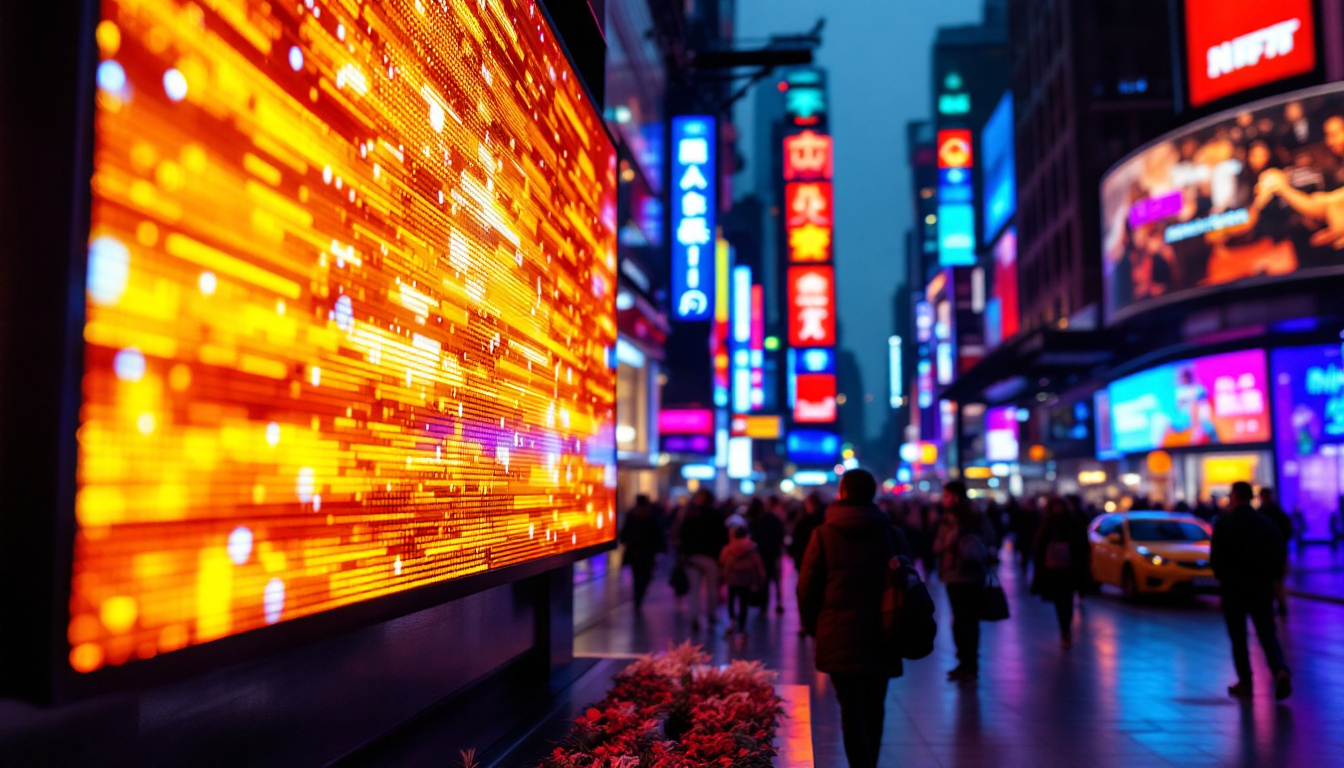
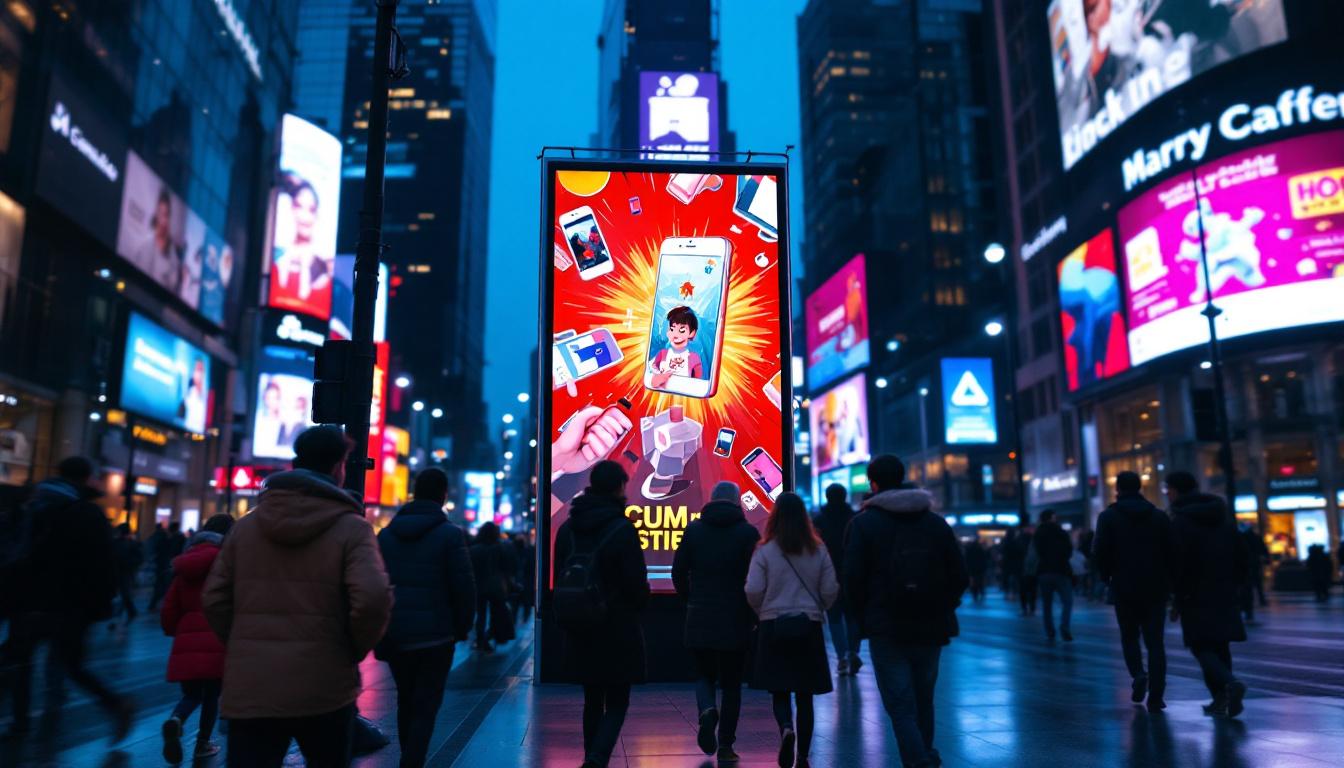
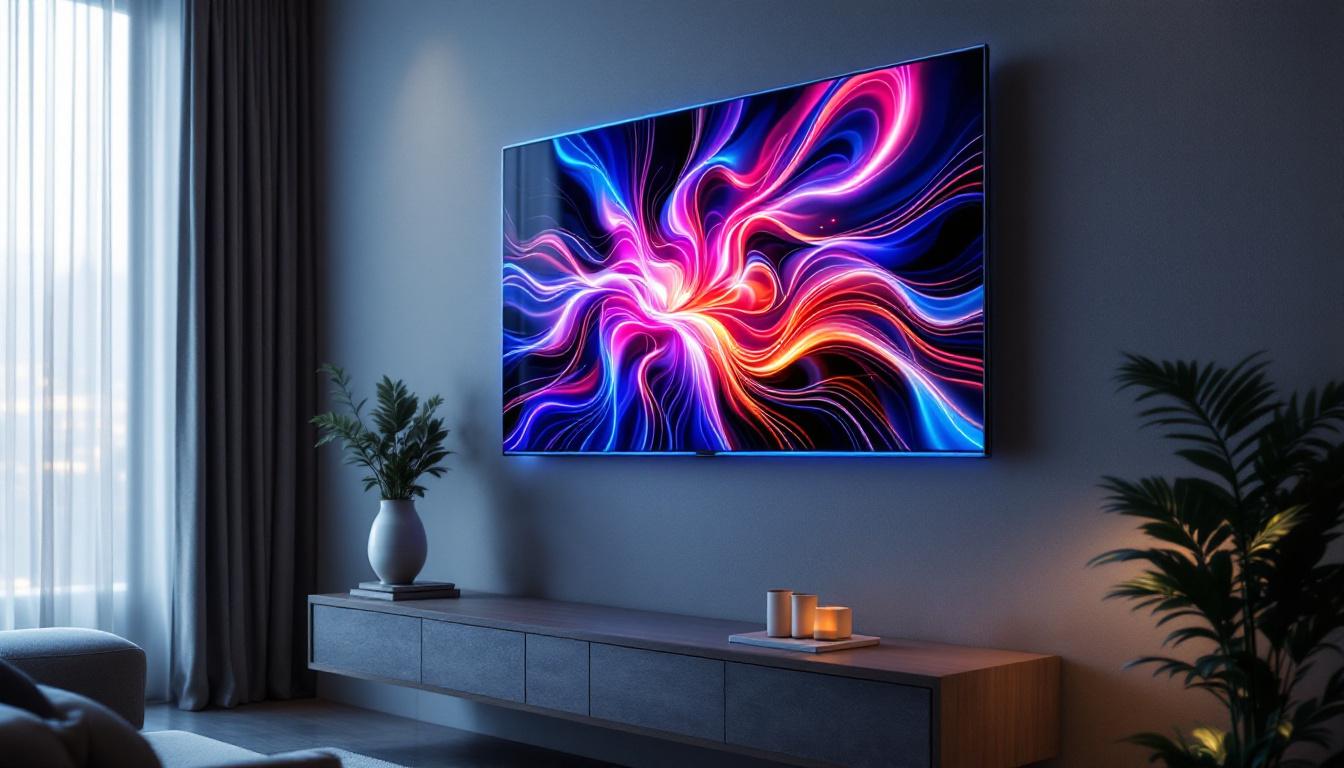
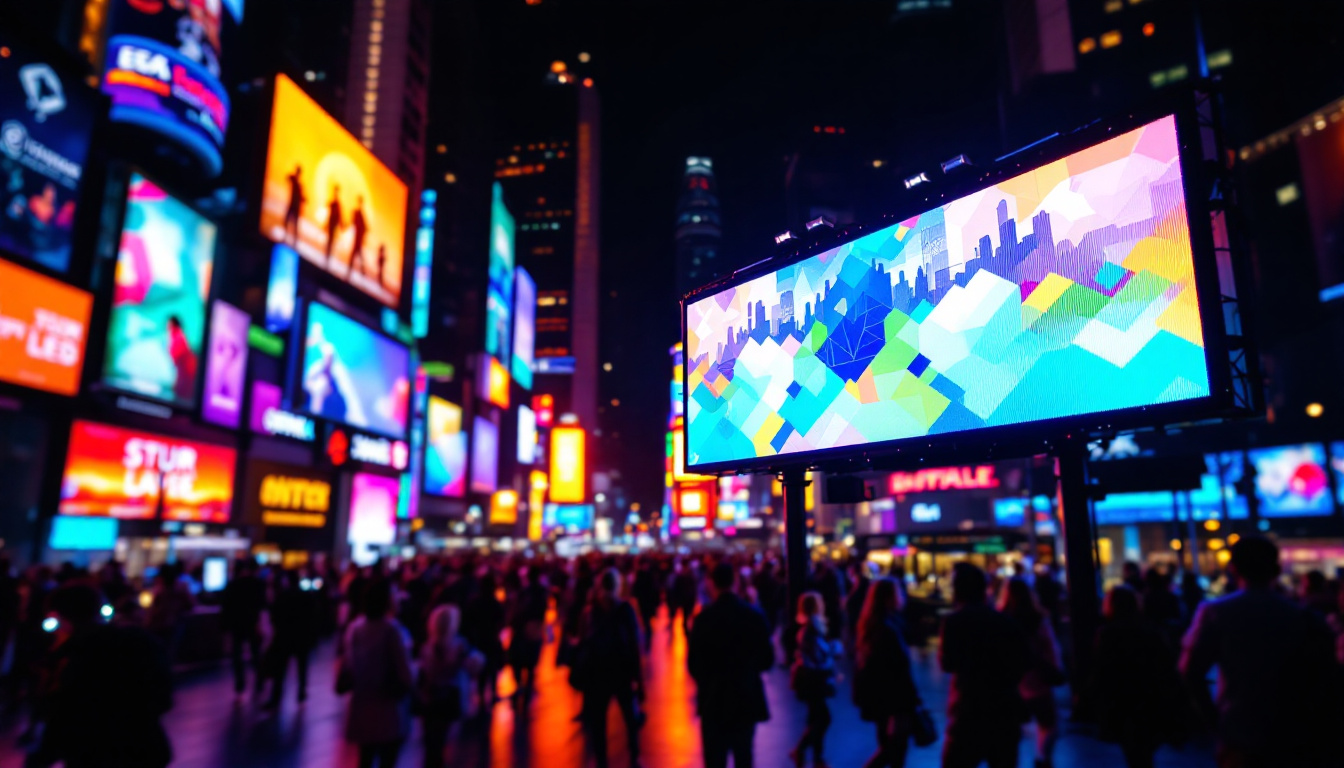
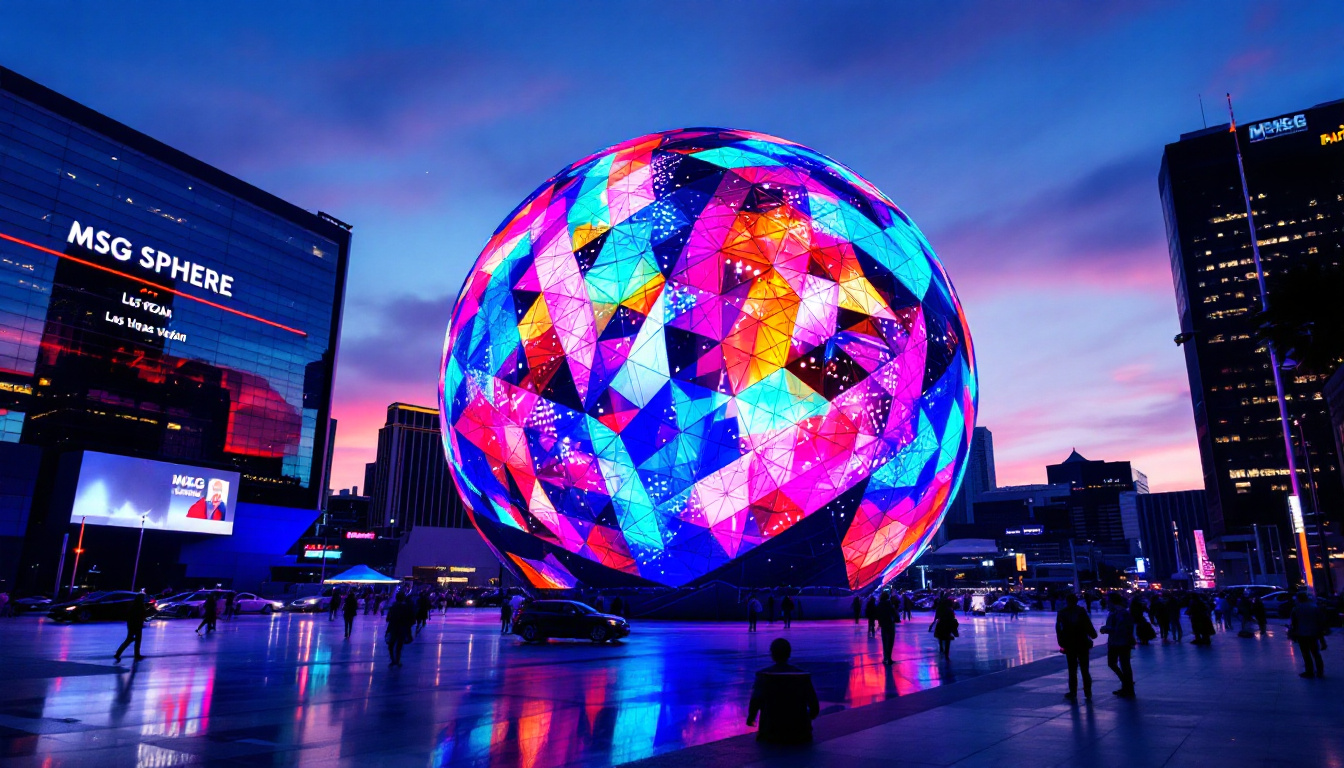
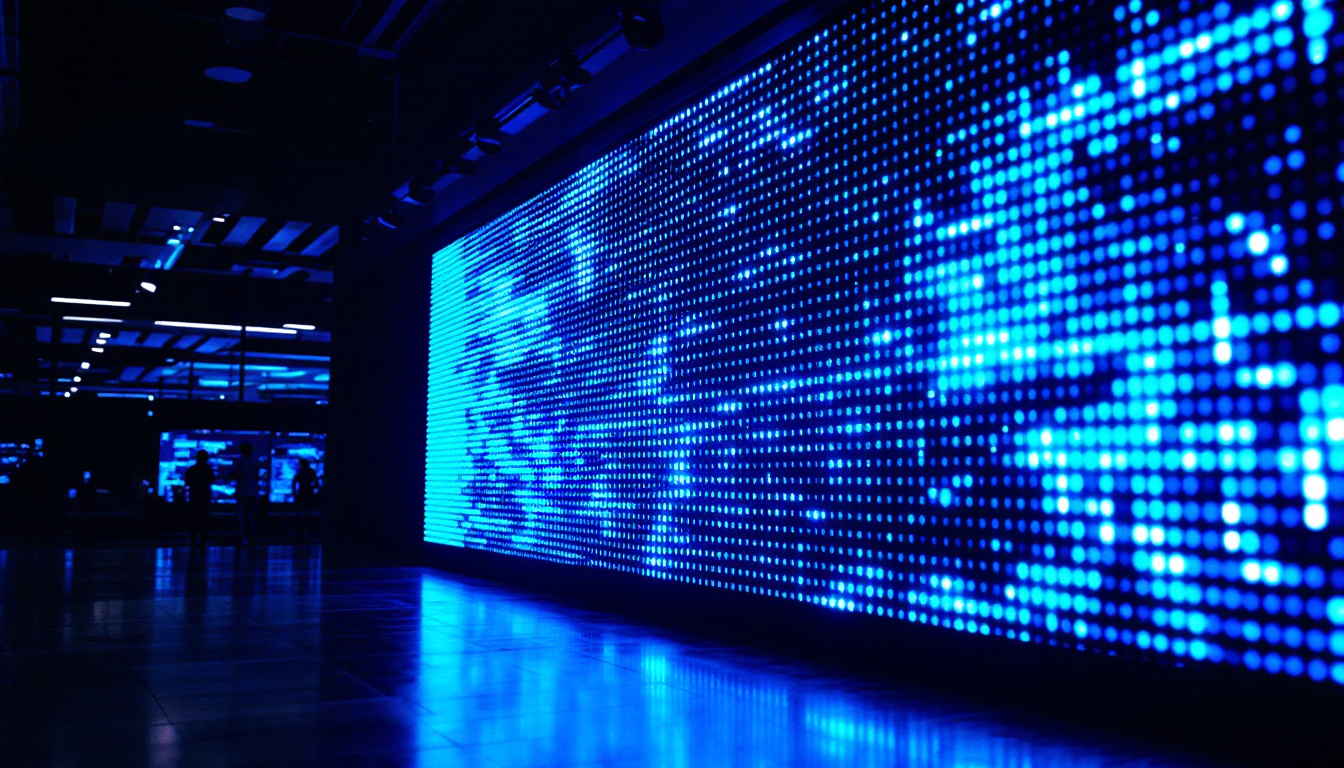
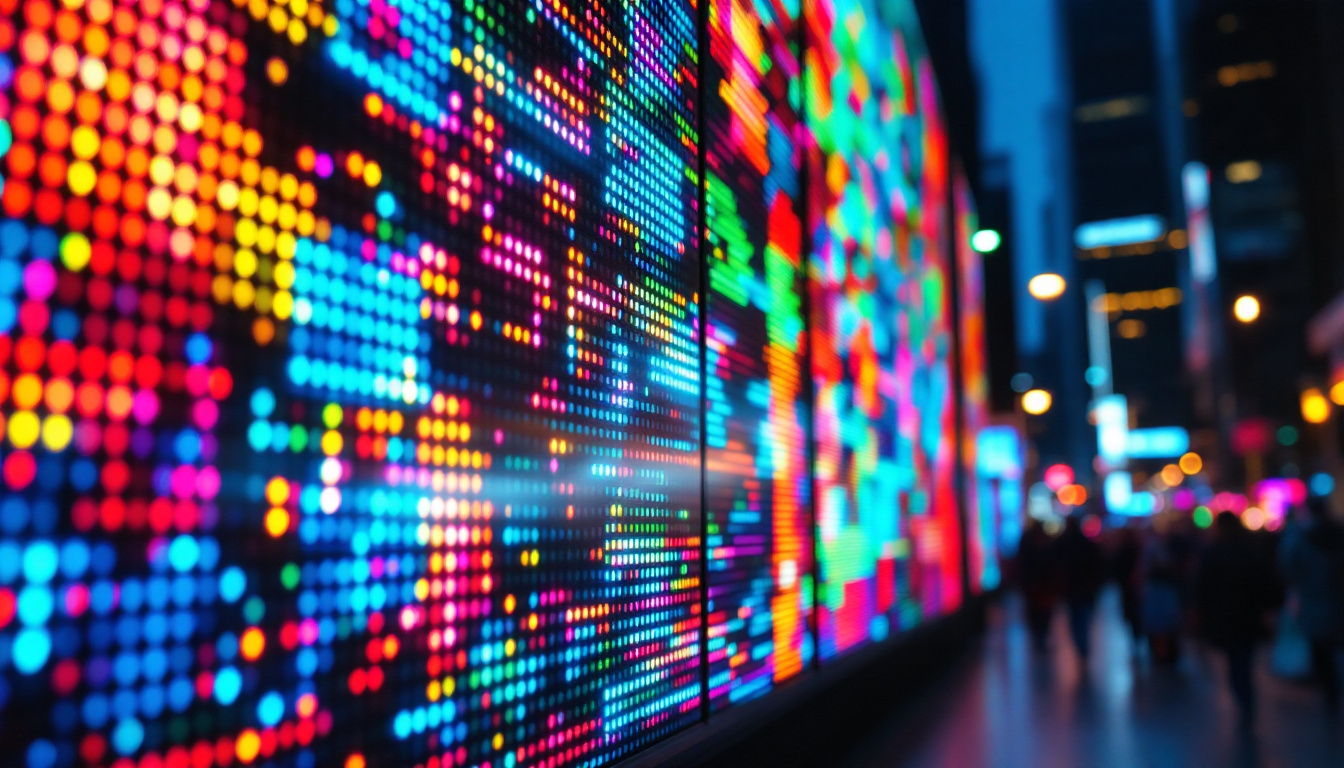
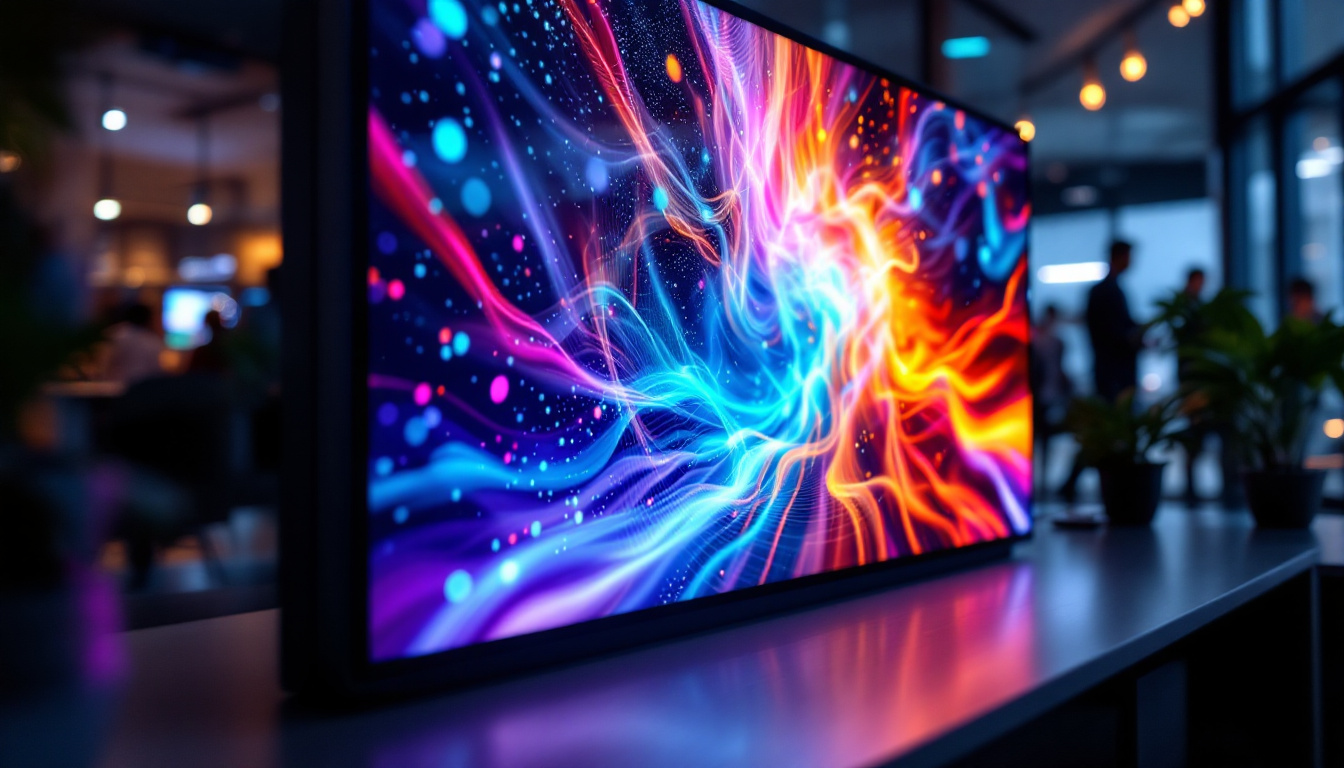
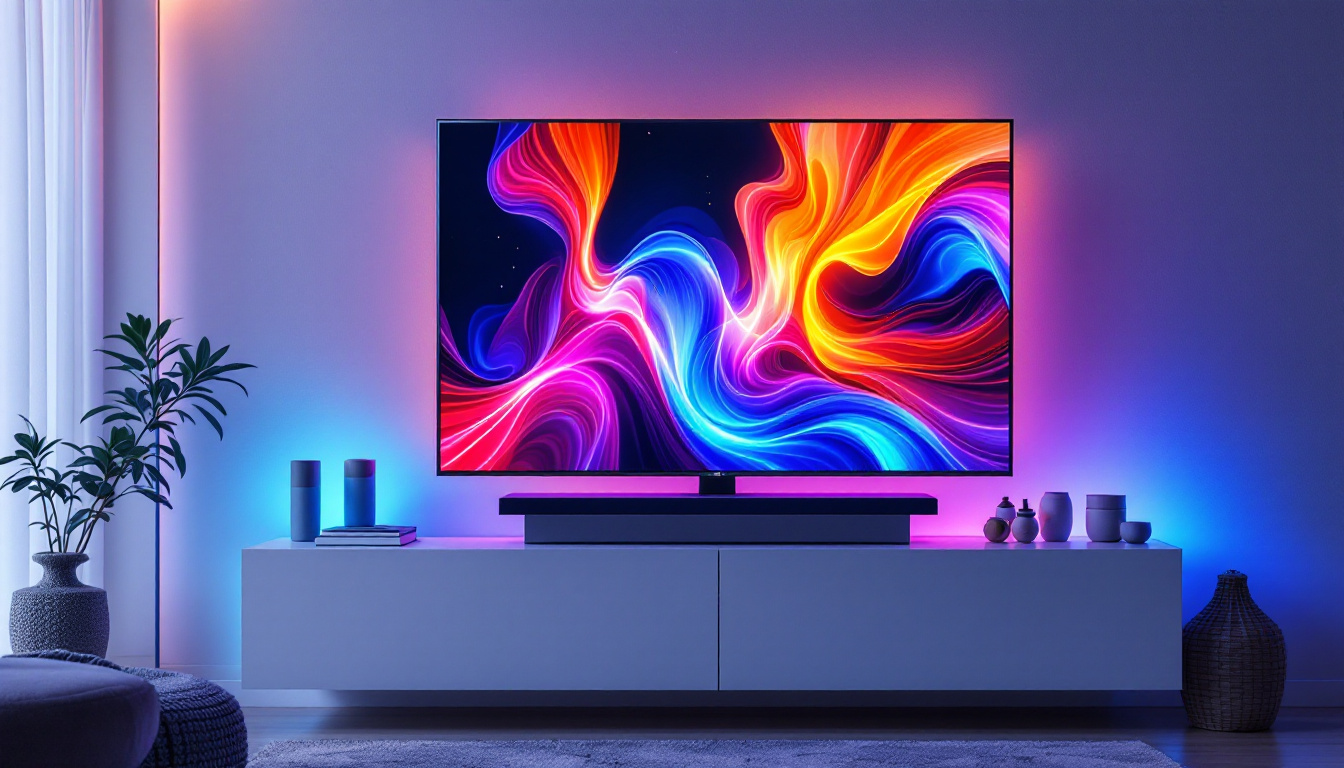
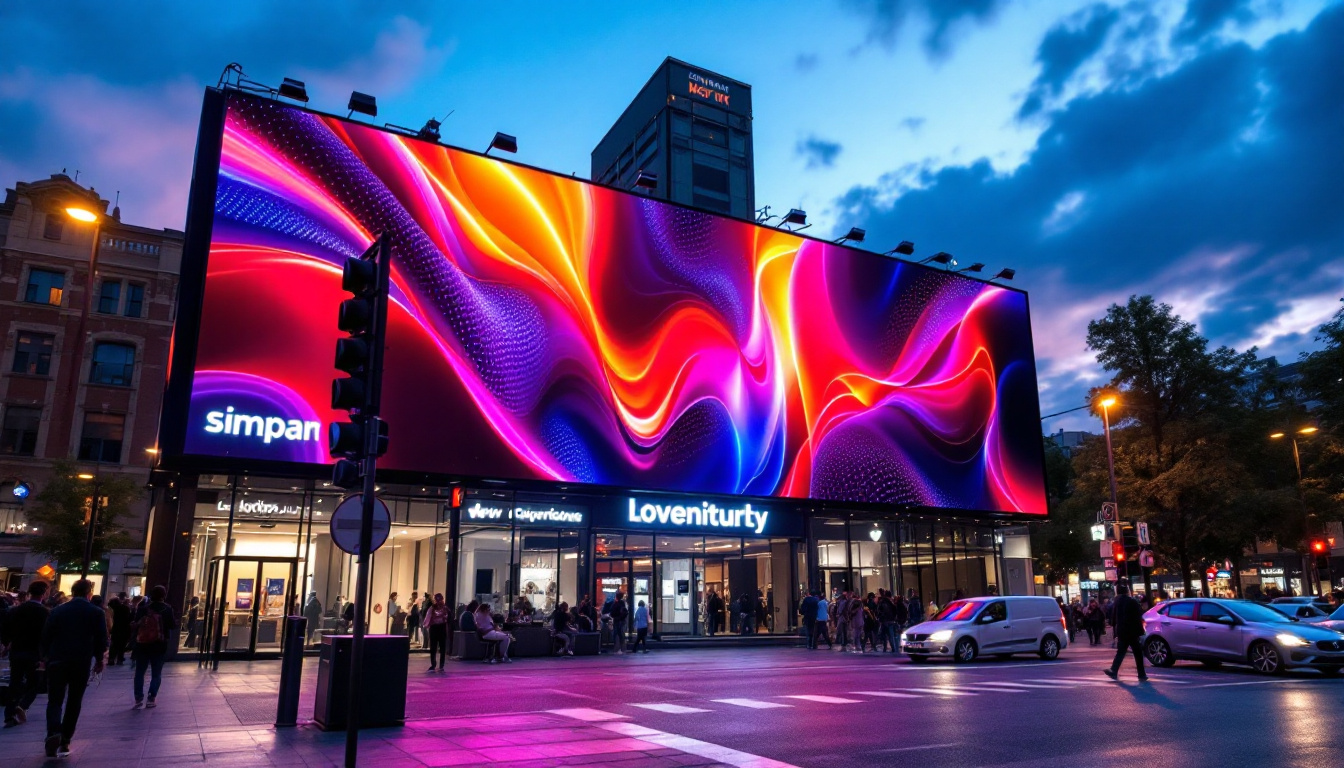
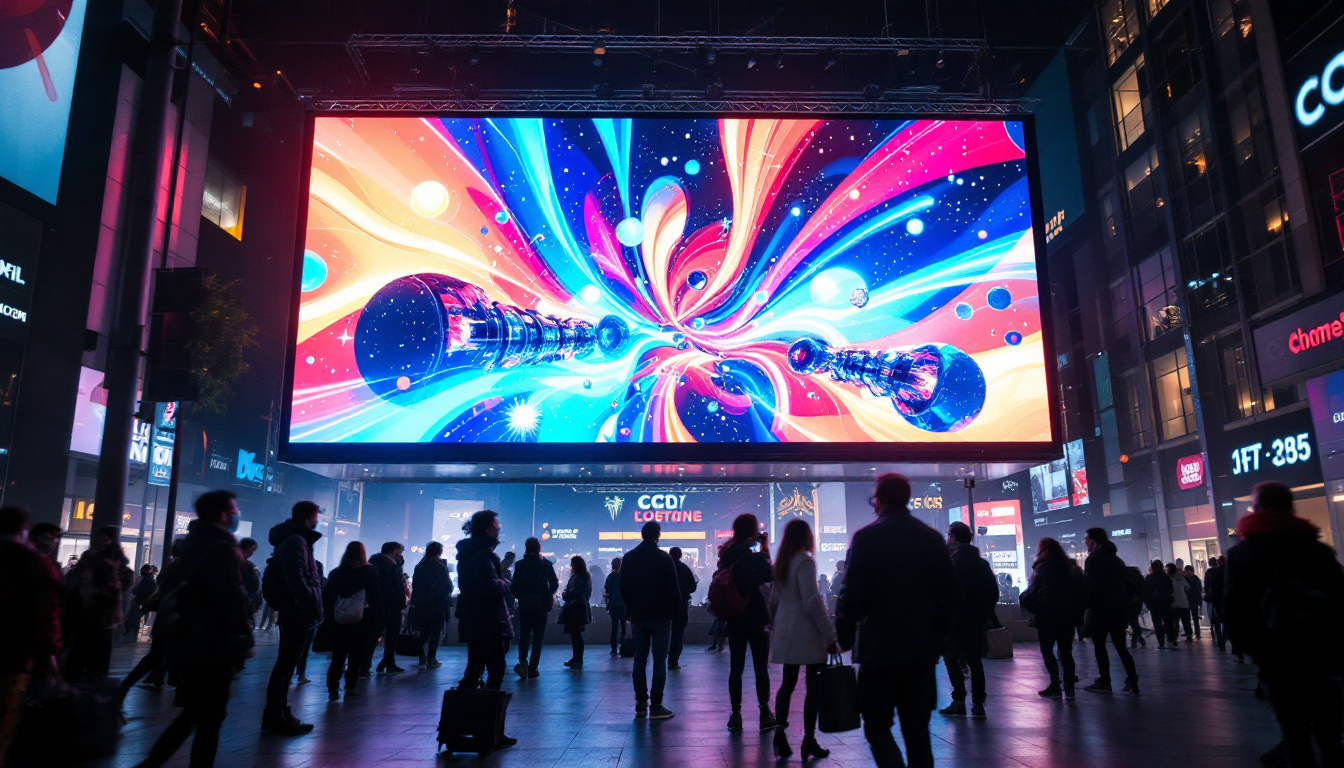
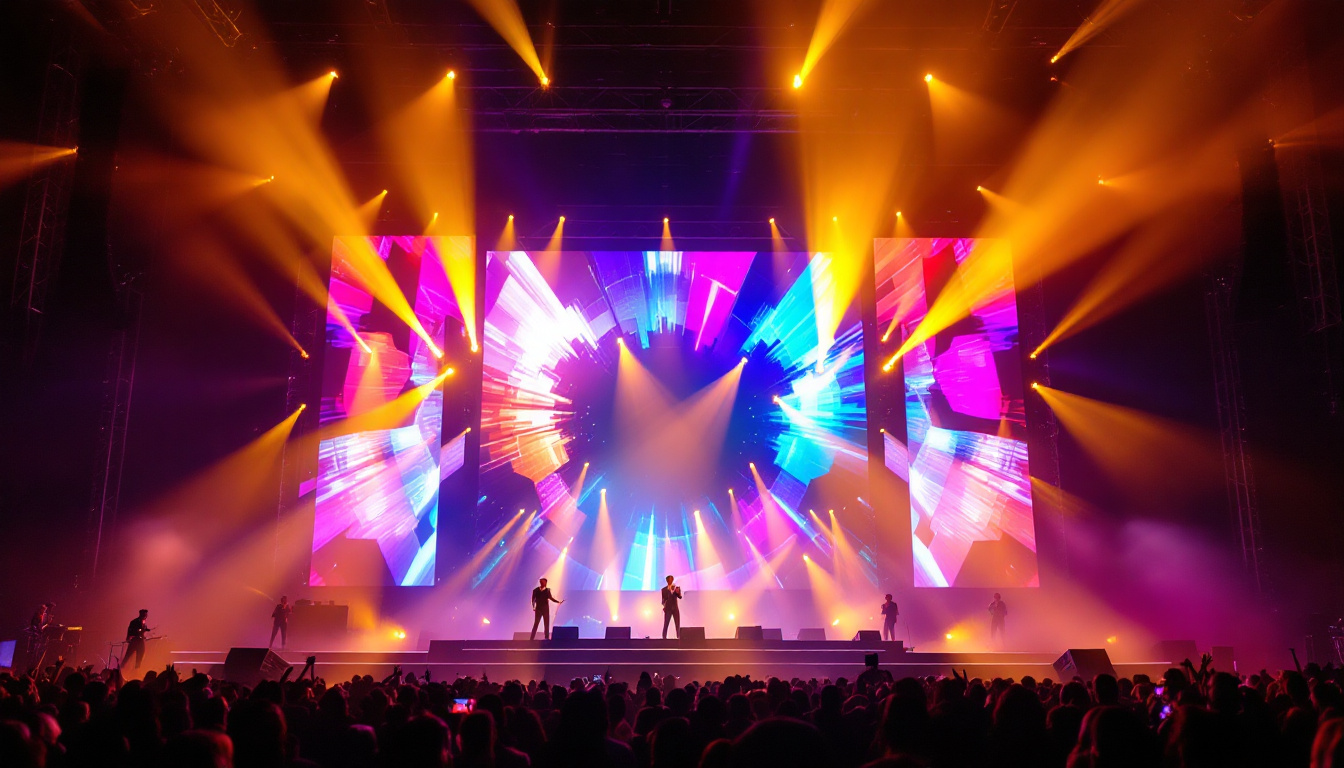
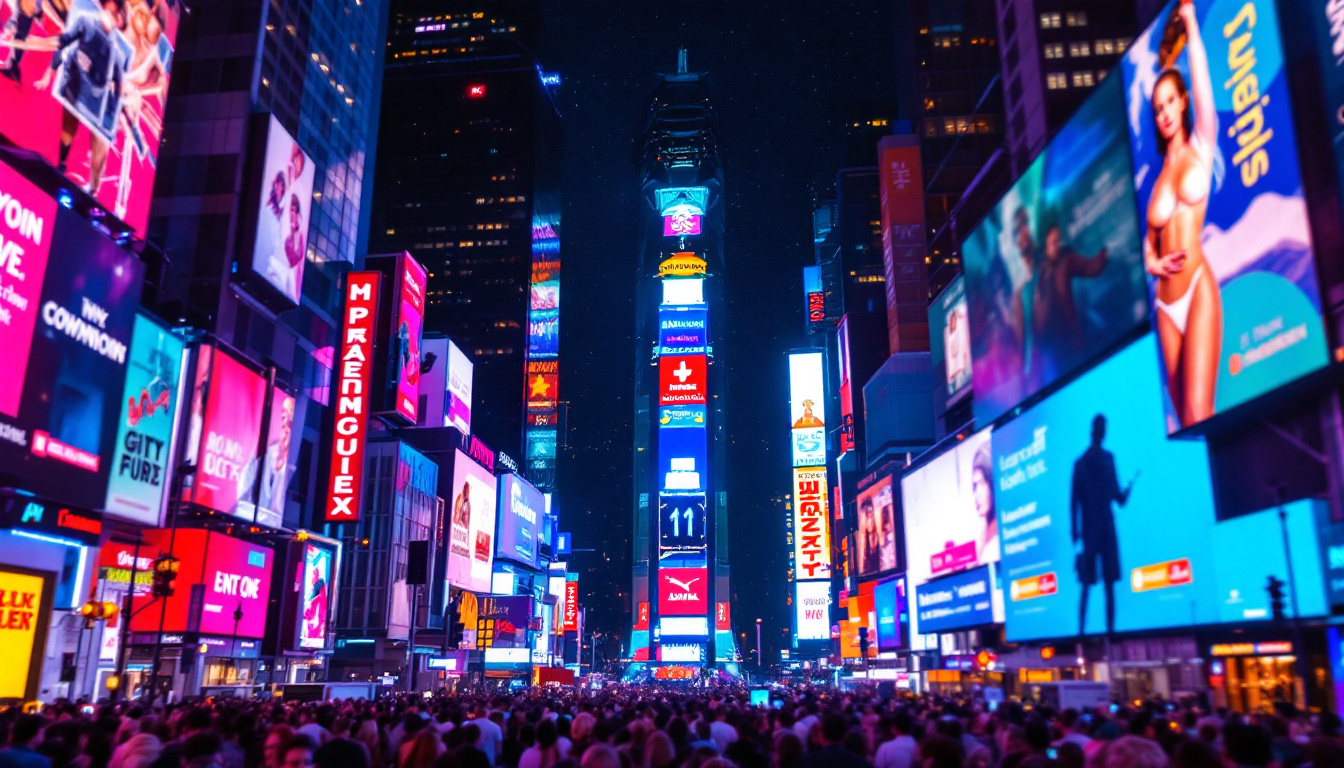
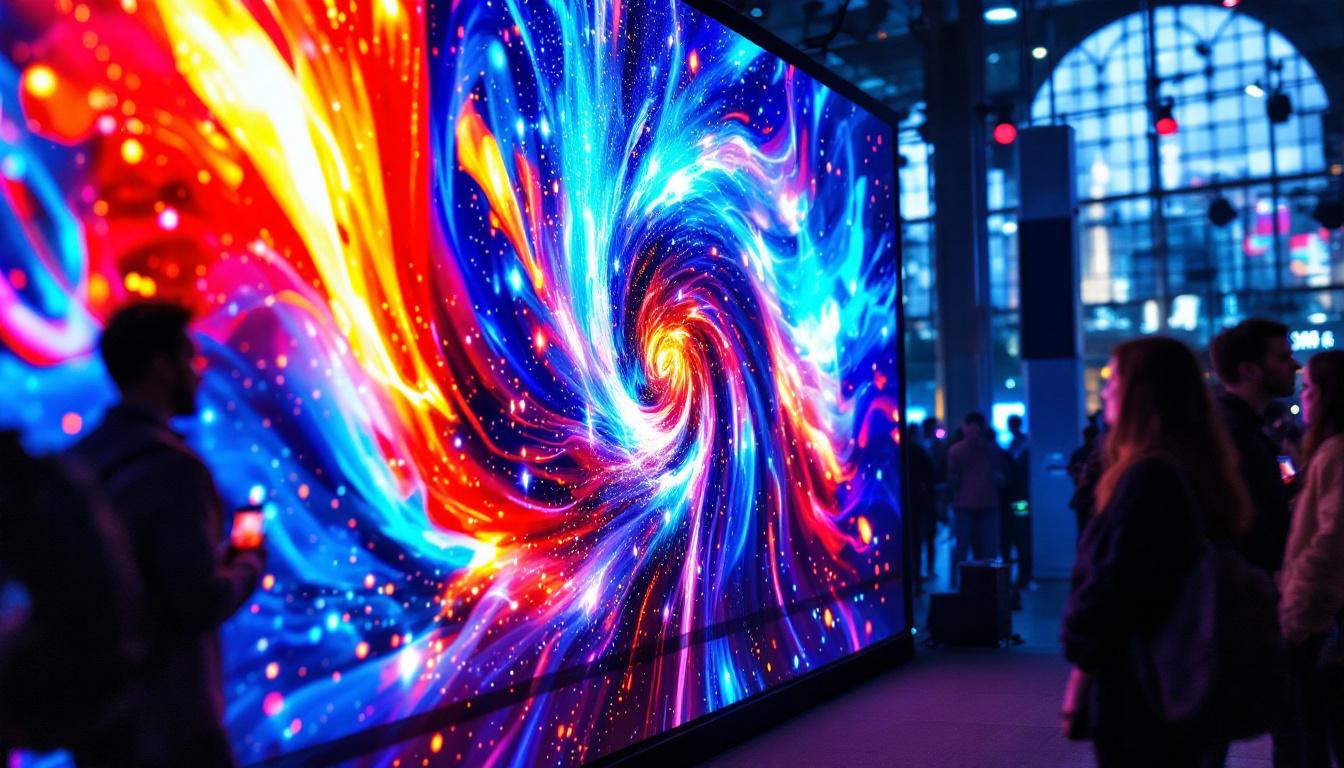
LED video walls are large-scale digital displays composed of multiple LED panels seamlessly connected to form one continuous screen. Unlike traditional LCD or projection screens, LED video walls emit their own light through tiny light-emitting diodes (LEDs), delivering superior brightness and contrast. This self-illumination allows LED walls to perform exceptionally well in various lighting conditions, including direct sunlight. The vibrant colors and sharp images produced by these displays make them an eye-catching choice for advertising and entertainment, drawing in viewers from afar.
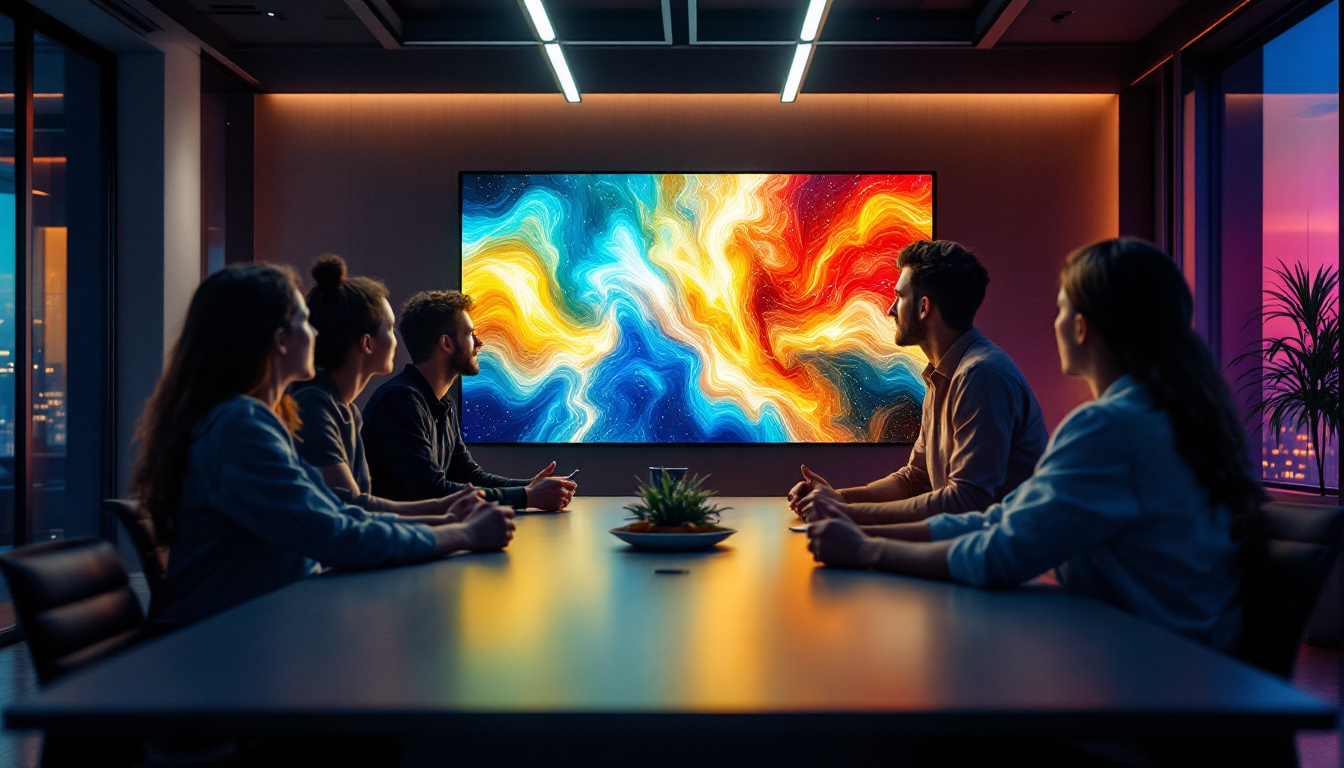
These walls are commonly used in stadiums, retail spaces, control rooms, and public venues. Their modular design enables scalability, allowing users to customize size and resolution based on specific needs. The flexibility and durability of LED video walls make them a preferred choice for both indoor and outdoor applications. Moreover, advancements in technology have led to the development of energy-efficient LED solutions, which not only reduce operational costs but also contribute to a more sustainable environment. This eco-friendly aspect is increasingly appealing to businesses looking to enhance their corporate social responsibility initiatives.
Key Components of LED Video Walls
To grasp why LED video walls vary in price, it’s important to understand their main components:
- LED Modules: These are the building blocks of the video wall, each containing a matrix of LEDs. The quality and density of these modules significantly impact image clarity and cost.
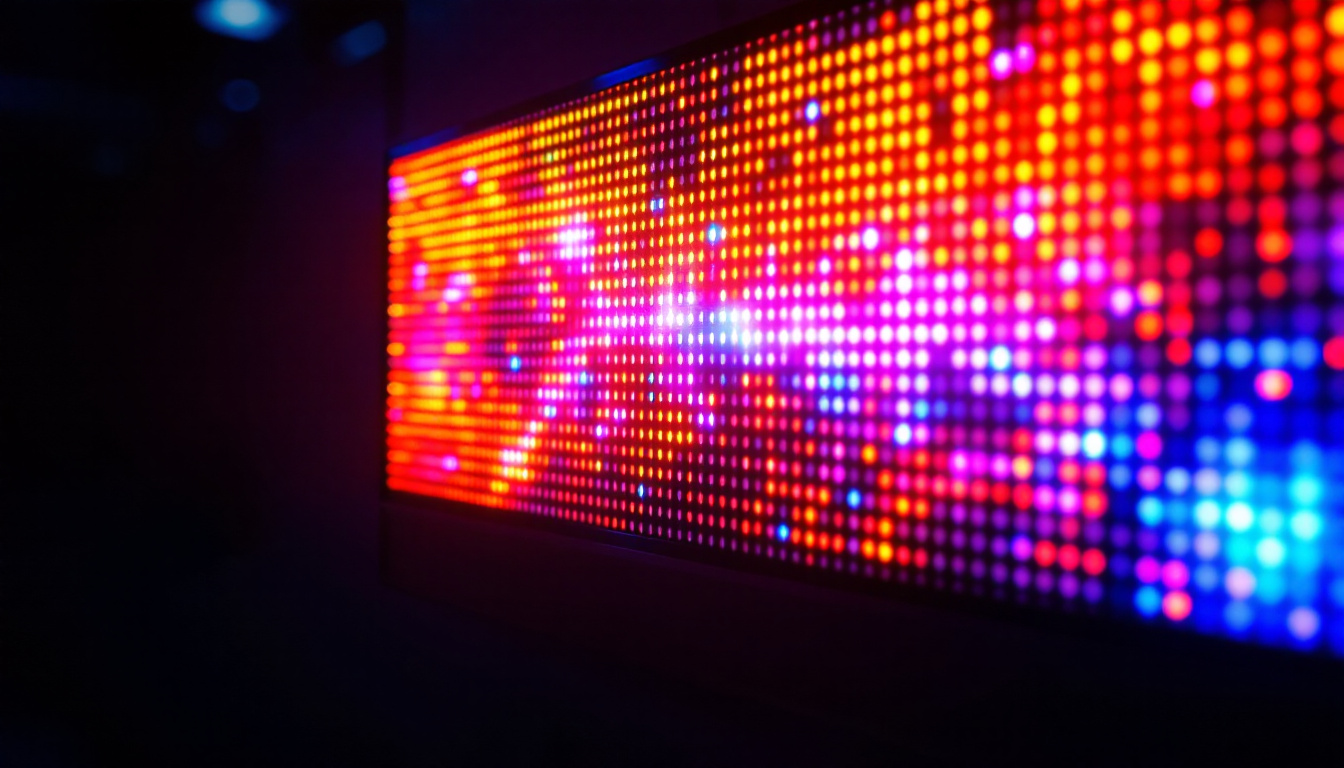
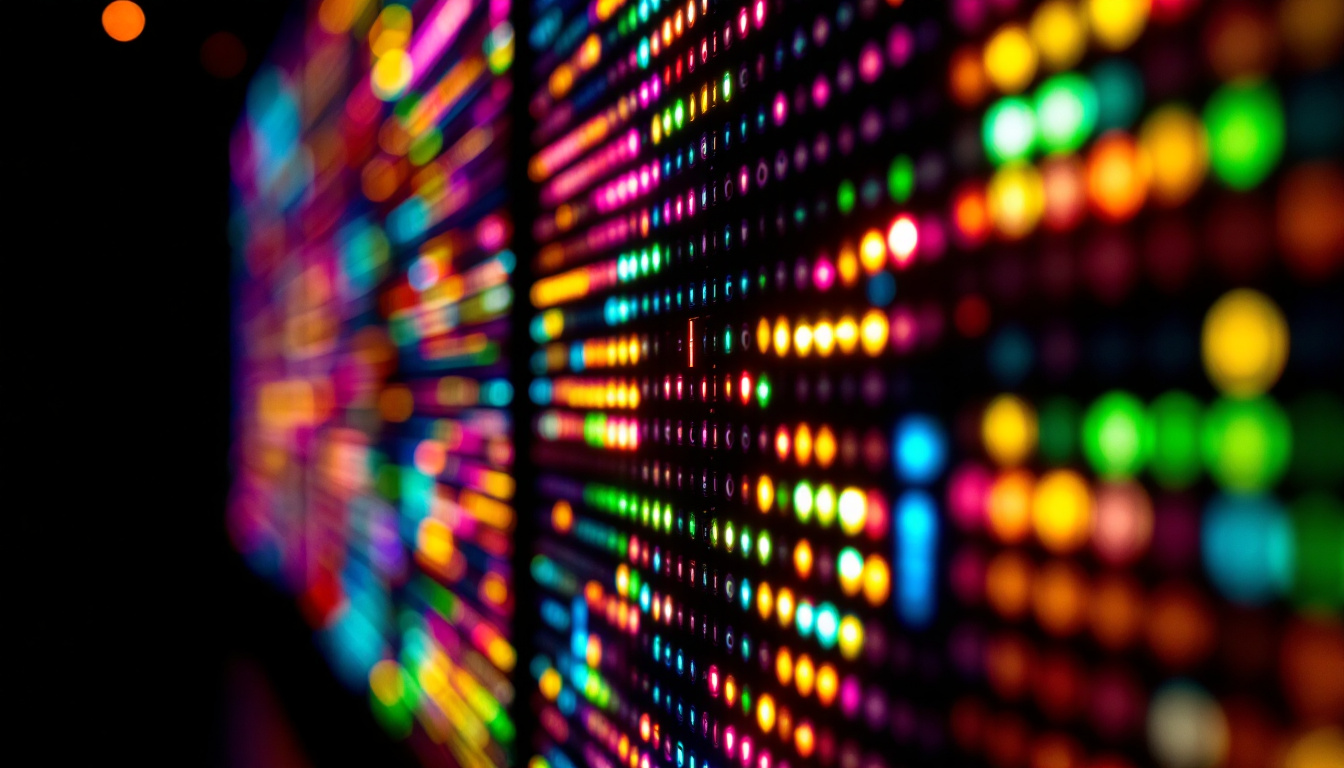
- Pixel Pitch: This refers to the distance between the centers of two adjacent pixels, measured in millimeters. A smaller pixel pitch means higher resolution and sharper images but also increases the price.
- Cabinet or Frame: The structural housing that holds the LED modules. Robust cabinets are essential for outdoor installations to withstand weather conditions.
- Processing Hardware: Controllers and processors manage the input signals and ensure smooth display output.
- Power Supply and Cooling Systems: These components maintain optimal operating conditions and prolong the lifespan of the display.
In addition to these fundamental components, the software that drives the LED video wall plays a crucial role in its performance. Advanced software solutions allow for real-time content management, enabling operators to easily update and schedule content across multiple screens. This capability is particularly beneficial for dynamic advertising campaigns, where timely updates can significantly impact viewer engagement. Furthermore, many modern LED video walls support interactive features, allowing users to engage with the content through touch or motion sensors, thus enhancing the overall viewer experience.
Another notable aspect of LED video walls is their ability to integrate with various technologies, such as augmented reality (AR) and virtual reality (VR). This integration opens up new avenues for immersive experiences in entertainment, education, and corporate training. As the demand for engaging visual experiences continues to grow, LED video walls are at the forefront, providing innovative solutions that captivate audiences and elevate presentations to new heights.
Factors Influencing the Price of LED Video Walls
When budgeting for an LED video wall, several critical factors come into play. Understanding these elements can help businesses balance cost with performance and longevity.
1. Pixel Pitch and Resolution
Pixel pitch is arguably the most influential factor affecting price. Smaller pixel pitches (e.g., 1.2mm to 2.5mm) deliver higher resolution images suitable for close viewing distances, such as retail stores or control rooms. However, these fine-pitch LED modules require more LEDs per square meter, increasing manufacturing complexity and cost.
Conversely, larger pixel pitches (above 4mm) are ideal for outdoor advertising or stadium screens where viewers are farther away. These are more affordable but offer lower image resolution. For example, a 4mm pitch LED wall might cost roughly $2,000 to $3,000 per square meter, whereas a 1.5mm pitch display could exceed $10,000 per square meter.
2. Size and Configuration
The total size of the LED video wall directly impacts the price. Larger walls require more LED modules, cabinets, and supporting infrastructure. Additionally, the complexity of the configuration—whether it’s a flat panel, curved display, or irregular shape—can add to installation and manufacturing costs.
Modular designs offer scalability but may require precision engineering to ensure seamless image blending. Custom shapes or ultra-large walls often involve higher engineering and installation fees.
3. Indoor vs. Outdoor Use
Outdoor LED video walls must be weatherproof, resistant to dust, moisture, and temperature fluctuations. They typically feature higher brightness levels (up to 6,000 nits or more) to remain visible in sunlight. These enhancements necessitate more robust materials and advanced cooling systems, increasing the price.
Indoor LED walls, while less demanding in terms of environmental protection, often emphasize higher resolution and finer pixel pitch for close-range viewing. The absence of weatherproofing can reduce costs but requires a controlled environment.
4. Brightness and Color Quality
Brightness is measured in nits, with typical indoor LED walls offering 800 to 1,500 nits and outdoor walls ranging from 3,000 to 6,000 nits or higher. Higher brightness levels improve visibility but require more powerful LEDs and energy consumption, affecting pricing.
Color accuracy and refresh rates also influence cost. Premium LED walls support wider color gamuts and higher refresh rates (up to 3840Hz or more) to eliminate flicker and deliver smooth motion, especially important for broadcast and live event applications.
5. Brand and Technology
Established LED manufacturers with proven reliability and advanced technology tend to price their products higher. Innovations such as fine-pitch micro-LEDs, improved energy efficiency, and enhanced durability can justify premium pricing.
Conversely, lower-cost suppliers may offer budget-friendly options but might compromise on longevity, image quality, or after-sales support. It’s essential to evaluate vendor reputation and warranty terms alongside price.
6. Installation and Maintenance Costs
The price of an LED video wall extends beyond the hardware. Installation involves structural support, electrical wiring, calibration, and sometimes custom fabrication. Complex installations or those in challenging environments (e.g., high altitudes, outdoor arenas) can significantly increase costs.
Maintenance is another ongoing expense. LED modules can fail over time, requiring replacement or repair. Some manufacturers offer service contracts that should be factored into the total cost of ownership.
Typical Price Ranges and Examples
To provide a clearer picture, here are some approximate price ranges based on typical use cases and specifications:
| Type | Pixel Pitch (mm) | Brightness (nits) | Price per Square Meter (USD) | Common Applications |
|---|---|---|---|---|
| Indoor Fine Pitch | 1.2 – 2.5 | 800 – 1,200 | $7,000 – $12,000 | Control rooms, corporate lobbies, broadcast studios |
| Indoor Standard | 2.5 – 4.0 | 800 – 1,500 | $3,000 – $6,000 | Retail stores, conference rooms, event venues |
| Outdoor Standard | 4.0 – 6.0 | 4,000 – 6,000 | $2,000 – $4,000 | Billboards, stadiums, transportation hubs |
| Outdoor High Brightness | 6.0 – 10.0 | 6,000 – 10,000+ | $1,500 – $3,000 | Large-scale advertising, sports arenas |
For example, a 10 square meter indoor fine-pitch LED wall with a 1.5mm pixel pitch might cost around $90,000 to $120,000, excluding installation. In contrast, a 50 square meter outdoor billboard with a 6mm pixel pitch could range from $100,000 to $200,000.
Emerging Trends Affecting LED Video Wall Pricing
The LED video wall market is evolving rapidly, with technological advances and shifting consumer demands influencing pricing structures.
Micro-LED and Mini-LED Technologies
Micro-LED displays use even smaller LEDs than traditional models, offering exceptional brightness, contrast, and energy efficiency. While currently expensive, these displays promise to reduce pixel pitch limitations and improve lifespan. As production scales, prices are expected to become more competitive.
Energy Efficiency and Sustainability
With growing emphasis on sustainability, LED manufacturers are developing more energy-efficient panels. Although initial costs may be higher, reduced power consumption lowers operational expenses over time, making energy-efficient LED walls more attractive investments.
Integration with Smart Technologies
Modern LED video walls increasingly incorporate smart features such as real-time content management, remote diagnostics, and AI-driven analytics. These capabilities enhance user experience but can add to upfront costs.
Making the Right Investment: Tips for Buyers
Choosing the right LED video wall involves balancing quality, price, and intended application. Here are some practical tips for prospective buyers:
- Define Viewing Distance and Environment: Determine how close viewers will be and whether the display is indoor or outdoor. This helps select appropriate pixel pitch and brightness.
- Consider Total Cost of Ownership: Factor in installation, maintenance, energy consumption, and potential upgrades, not just the purchase price.
- Evaluate Vendor Reputation: Choose manufacturers with proven track records, good warranties, and responsive support.
- Request Samples or Demonstrations: Seeing the display in action can clarify image quality and suitability.
- Plan for Future Scalability: Modular designs allow expansion or reconfiguration as needs evolve.
Conclusion
The price of an LED video wall is influenced by a complex interplay of technical specifications, application requirements, and market dynamics. Understanding factors such as pixel pitch, brightness, size, and installation needs is essential for making a smart investment. While the initial cost can be significant, the benefits of vibrant, durable, and scalable LED displays often justify the expenditure for businesses seeking impactful visual communication.
As LED technology continues to advance, prices are expected to become more accessible, opening new possibilities for creative and effective digital displays across industries.
Discover LumenMatrix’s Innovative LED Solutions
Ready to elevate your visual communication with a state-of-the-art LED video wall? LumenMatrix offers a comprehensive range of LED display modules tailored to your unique needs. Whether you’re looking for Indoor LED Wall Display, Outdoor LED Wall Display, or specialized solutions like Vehicle LED Display, LED Poster Display, or Custom LED Displays, LumenMatrix is your partner in creating immersive and impactful visual experiences. Embrace the future of digital signage with our cutting-edge technology designed to captivate audiences and amplify your brand message. Check out LumenMatrix LED Display Solutions today and transform your space with vibrant, dynamic displays.