In the evolving landscape of home technology and interior design, clock projection on walls has emerged as a captivating and practical innovation. This technology combines the functionality of traditional clocks with modern LED display advancements, offering a unique way to tell time. Whether integrated into smart home systems or used as standalone devices, LED projection clocks are transforming how we interact with timekeeping in our living spaces.
This article delves into the mechanics, benefits, and design considerations of clock projection on walls using LED displays. It also explores the technology behind LED projections, the different types of projection clocks available, and their applications in various environments. By understanding these elements, consumers and enthusiasts alike can make informed decisions about incorporating this technology into their homes or workplaces.
Understanding Clock Projection Technology
What Is Clock Projection?
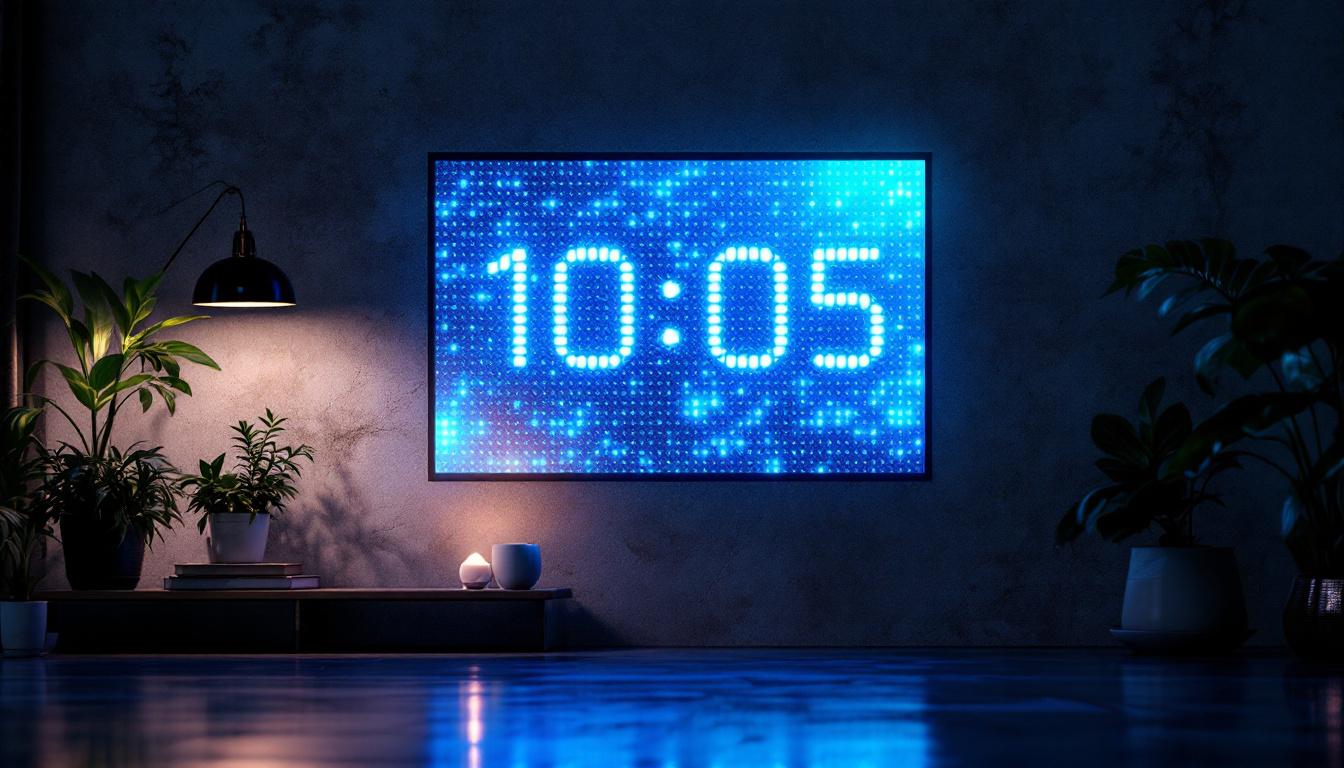
Clock projection refers to the display of time through a light projection onto a surface such as a wall or ceiling. Instead of a traditional clock face or digital screen, the time is projected as illuminated numerals or symbols, often using LED light sources. This allows the time to be visible from a distance and in various lighting conditions without the need for a physical clock face.
This technology is particularly useful in dark rooms or spaces where minimal light pollution is desired, such as bedrooms or home theaters. The projection can be adjusted in size and orientation, making it adaptable to different room layouts and user preferences.
How LED Displays Enable Projection Clocks
LED (Light Emitting Diode) technology is central to modern projection clocks. LEDs are energy-efficient, long-lasting, and capable of producing bright, clear light, which makes them ideal for projection purposes. In a projection clock, LEDs illuminate a set of optical components—such as lenses and mirrors—that focus and enlarge the time display onto a surface.
Unlike traditional incandescent bulbs, LEDs generate less heat and consume less power, contributing to the device’s overall efficiency. Advances in LED technology have also allowed for sharper, more vibrant projections, with improved contrast and color options, enhancing readability and aesthetic appeal.
Types of LED Projection Clocks
Ceiling Projection Clocks
One popular category is ceiling projection clocks, which project the time onto the ceiling above a bed or seating area. This design is especially favored in bedrooms, as it allows users to check the time without shifting their gaze significantly or turning on bright lights.
Many ceiling projection clocks include adjustable focus and rotation features, enabling users to customize the projection angle and size. Some models also incorporate additional functions such as temperature display, alarms, and radio, making them multifunctional bedside companions.
Wall Projection Clocks
Wall projection clocks project the time directly onto a wall, often at eye level or higher. This type of clock is suitable for living rooms, offices, or public spaces where a large, visible time display is beneficial. The projection can be monochrome or multicolor, depending on the LED technology used.
These clocks often feature compact, sleek designs that blend seamlessly with modern decor. Some advanced models use laser projection combined with LED lighting to create sharp, high-contrast images that remain clear even in well-lit environments.
Portable and Wearable Projection Clocks
Emerging trends include portable and wearable projection clocks that utilize LED displays to project time onto nearby surfaces. These devices offer convenience for travelers or individuals who prefer minimalistic accessories.
While less common than fixed projection clocks, these devices highlight the versatility of LED projection technology and its potential for integration into diverse applications.
Benefits of Using LED Projection Clocks
Enhanced Visibility and Readability
One of the primary advantages of LED projection clocks is their enhanced visibility. The projected time can be made large and bright, making it easy to read from a distance or in low-light conditions. This is particularly useful for elderly individuals or those with impaired vision.
Additionally, the ability to project on various surfaces allows for flexible placement, reducing the need for direct line-of-sight to a physical clock face. This flexibility can improve user comfort and convenience.
Energy Efficiency and Longevity
LED technology is known for its energy efficiency, consuming significantly less power compared to traditional lighting methods. This results in lower electricity costs and a smaller environmental footprint.
Moreover, LEDs have a longer lifespan, often exceeding 25,000 hours of use, which reduces the frequency of replacements and maintenance. This makes LED projection clocks a cost-effective and sustainable choice for consumers.
Modern Aesthetics and Customization
Projection clocks offer a sleek, futuristic aesthetic that complements contemporary interior design. The absence of a physical clock face creates a minimalist look, while the projected time can be customized in terms of color, size, and font style.
Some models even allow users to project additional information such as date, temperature, or weather updates, enhancing the device’s utility and visual appeal.
Technical Aspects of LED Projection Clocks
Projection Mechanism and Optics
The core of any projection clock lies in its optical system. After the LED generates light, it passes through a series of lenses and mirrors that focus and enlarge the digits before projecting them onto the chosen surface. The quality of these optical components directly affects the clarity and sharpness of the projection.
High-quality projection clocks use aspheric lenses to minimize distortion and maintain uniform brightness across the projected image. Adjustable focus mechanisms allow users to fine-tune the projection to suit different wall textures and distances.
Power Sources and Connectivity
Most LED projection clocks are powered by standard AC adapters or batteries. Battery-powered models offer portability but may require more frequent replacements or recharging. Some advanced clocks support USB charging or incorporate rechargeable lithium-ion batteries for convenience.
Connectivity options vary, with some projection clocks integrating Bluetooth or Wi-Fi capabilities. This allows synchronization with smartphones or smart home systems, enabling automatic time updates, alarm settings, and remote control.
Brightness and Contrast Control
To ensure optimal visibility without causing glare or disturbance, many projection clocks feature adjustable brightness settings. Users can tailor the intensity of the projection to their preference or ambient lighting conditions.
Contrast is enhanced through LED color choices and optical coatings on lenses, which reduce light scattering and improve the sharpness of the displayed digits. Some models also include ambient light sensors that automatically adjust brightness for ideal viewing.
Applications and Use Cases
Home and Bedroom Use
Projection clocks are particularly popular in bedrooms, where they offer a gentle and convenient way to check the time during the night. The soft glow of the projection minimizes sleep disruption compared to illuminated screens or traditional alarm clocks.
Additionally, projection clocks with integrated alarms and temperature displays provide multifunctional bedside solutions that cater to modern lifestyle needs.
Office and Workspace Integration
In professional environments, wall projection clocks can serve as large, easily visible time displays that help maintain punctuality and productivity. Their unobtrusive design fits well in conference rooms, reception areas, and open-plan offices.
Some offices incorporate projection clocks into smart building systems, allowing centralized control and synchronization with other devices.
Public Spaces and Commercial Settings
Public venues such as airports, hospitals, and shopping malls benefit from large-scale projection clocks that provide clear time information to visitors. The durability and low maintenance of LED projection technology make it suitable for high-traffic areas.
Commercial establishments also use projection clocks as part of digital signage, combining time display with advertising or informational content.
Choosing the Right LED Projection Clock
Factors to Consider
When selecting an LED projection clock, several factors should be evaluated to ensure it meets specific needs:
- Projection Size and Distance: Consider the size of the room and the distance from the projection surface to ensure the time display is legible.
- Brightness and Color Options: Adjustable brightness and color customization enhance usability in different lighting environments.
- Power Source: Decide between plug-in models for continuous use or battery-powered options for portability.
- Additional Features: Alarms, temperature sensors, radio, and connectivity options add value depending on user preferences.
- Design and Aesthetics: Choose a style that complements the room’s decor and personal taste.
Popular Brands and Innovations
The market for LED projection clocks includes a range of brands, from budget-friendly options to high-end models featuring laser projection and smart home integration. Innovations such as voice control, gesture recognition, and customizable projections are becoming more common, pushing the boundaries of conventional timekeeping.
Consumers are encouraged to read reviews, compare specifications, and consider warranty and customer support when making a purchase decision.
Future Trends in LED Clock Projection
Integration with Smart Home Ecosystems
As smart homes become more prevalent, LED projection clocks are increasingly designed to integrate seamlessly with digital assistants and home automation systems. This allows for voice-activated time queries, synchronized alarms, and adaptive brightness based on room occupancy.
Future models may also incorporate AI-driven personalization, tailoring projection styles and information displays to individual user habits and preferences.
Advancements in Projection Technology
Emerging technologies such as micro-LEDs and laser-based projection promise even sharper, brighter, and more energy-efficient clock displays. These advancements could enable ultra-thin, flexible projection devices that blend invisibly into walls or ceilings.
Additionally, augmented reality (AR) integration might allow projection clocks to interact dynamically with other smart devices and environmental factors, creating immersive and multifunctional timekeeping experiences.
Conclusion
LED clock projection on walls represents a compelling fusion of technology and design, offering practical benefits alongside modern aesthetics. By leveraging energy-efficient LEDs and sophisticated optics, these clocks provide clear, customizable time displays adaptable to various environments.
Whether for home comfort, workplace efficiency, or public information, LED projection clocks continue to evolve, driven by innovations in smart technology and user-centric design. Understanding their features, benefits, and applications empowers consumers to select the ideal projection clock that enhances both functionality and style in their spaces.
Illuminate Your Space with LumenMatrix
As you consider the benefits and applications of LED clock projection technology for your home or business, LumenMatrix stands at the forefront of LED innovation. Our extensive range of LED display solutions, from Indoor and Outdoor LED Wall Displays to Custom and All-in-One LED Displays, is designed to meet your unique needs. Experience the transformative power of LED technology and elevate your environment with LumenMatrix. Check out LumenMatrix LED Display Solutions today and take the first step towards a brighter, more engaging space.