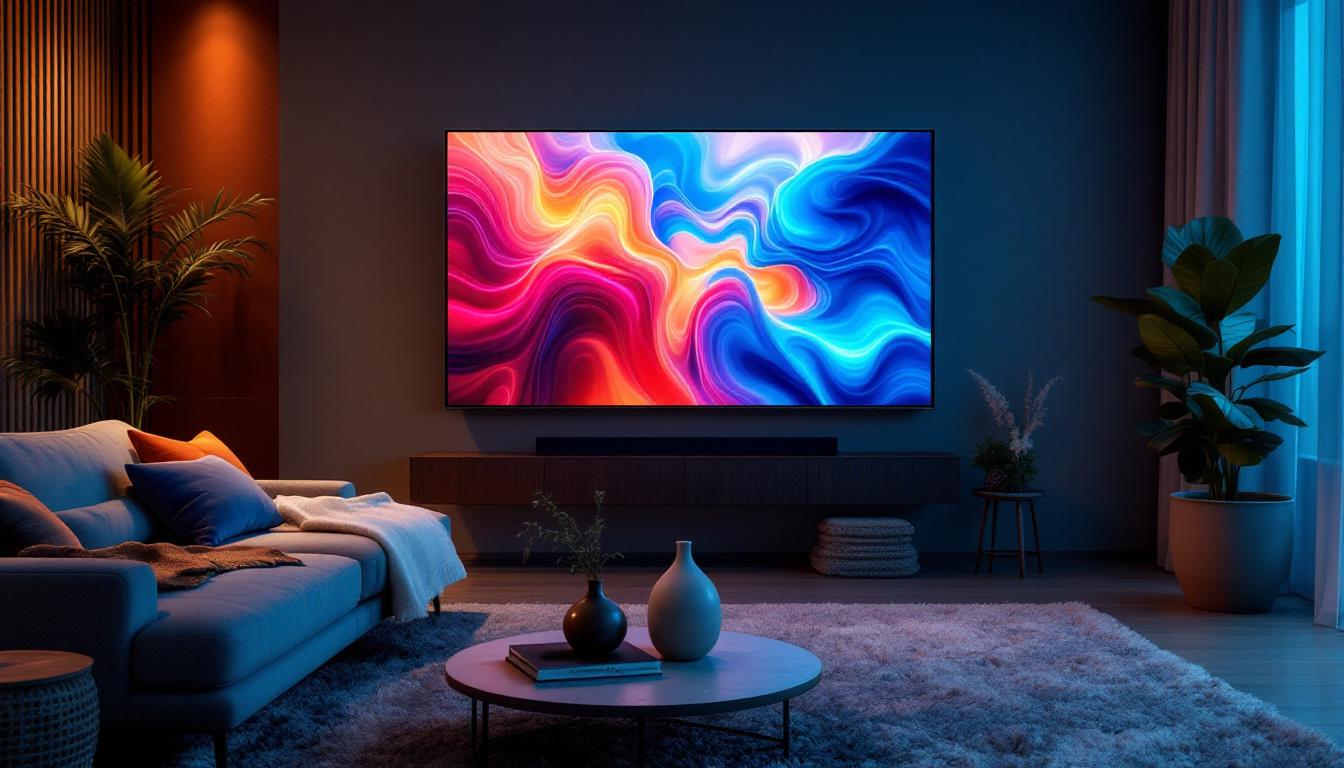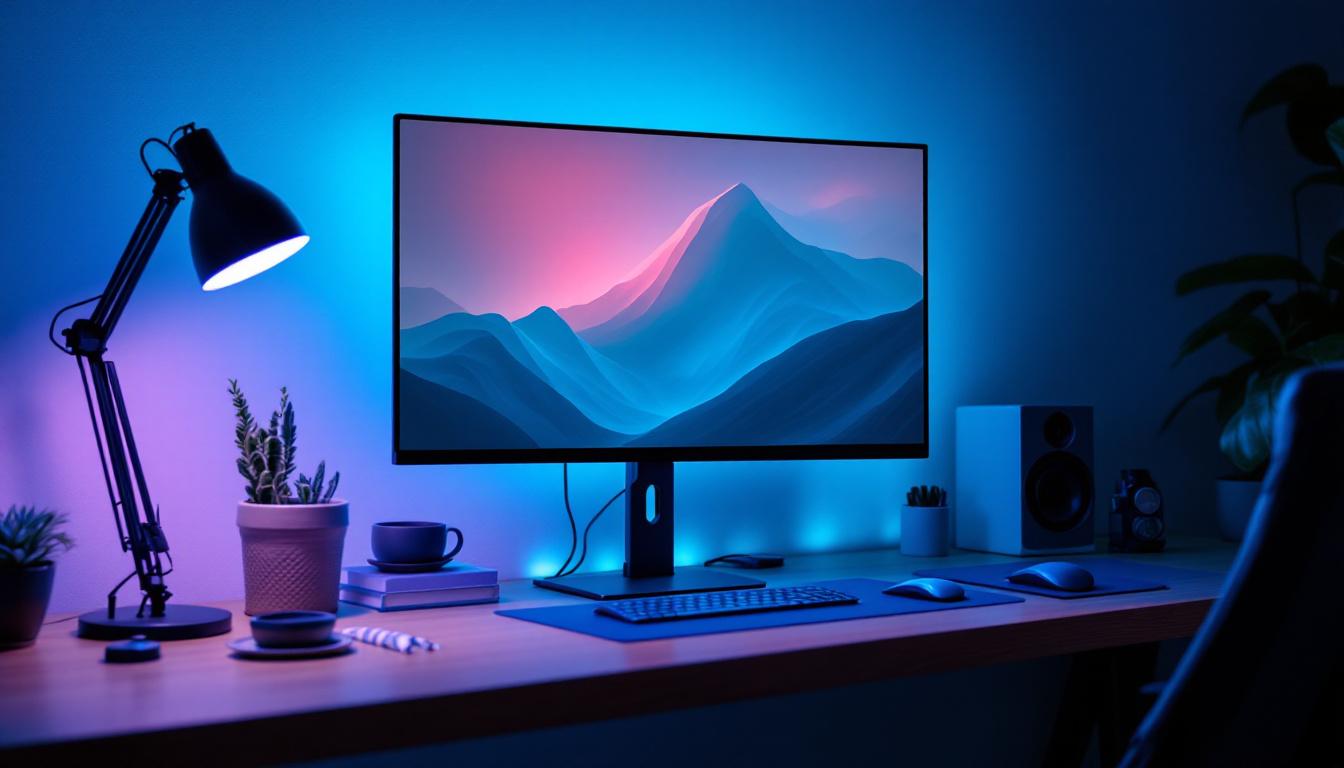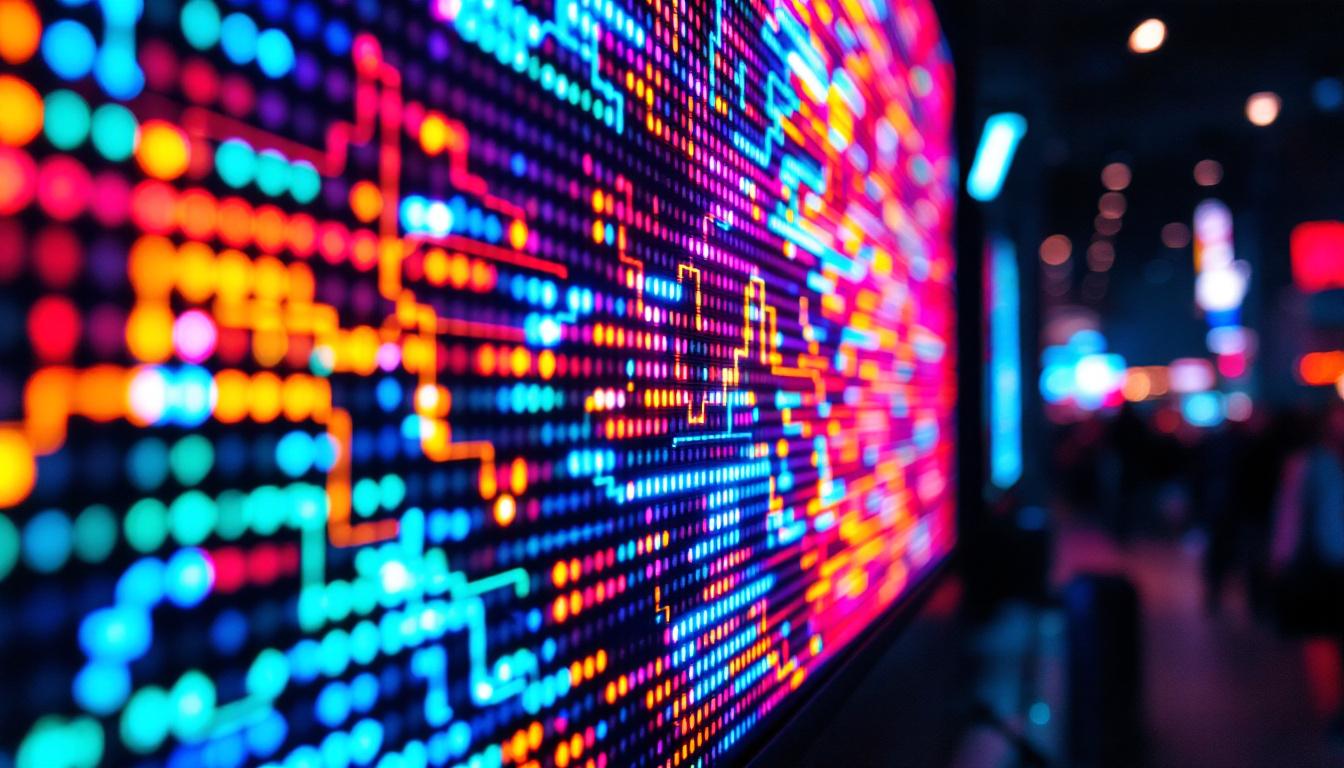
In today’s fast-paced digital world, LED displays have become an integral part of how information is communicated visually, from massive outdoor billboards to sleek indoor screens in corporate settings. The term “Les Screen” often appears in discussions about LED technology, referring to a specific style or brand of LED display solutions. This article delves into the fundamentals of LED displays, explores what makes Les Screen unique, and provides a comprehensive understanding of LED technology’s applications, benefits, and future trends.
Understanding LED Display Technology
What is an LED Display?
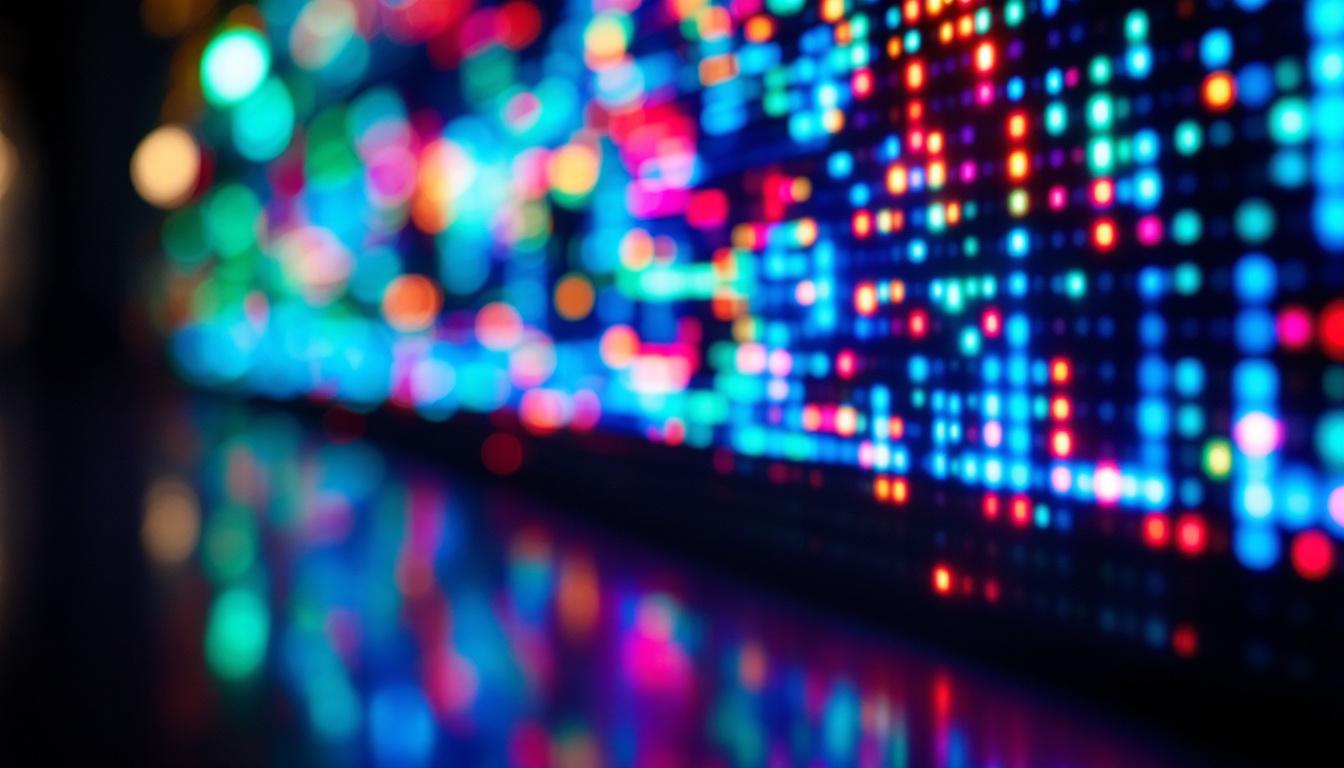
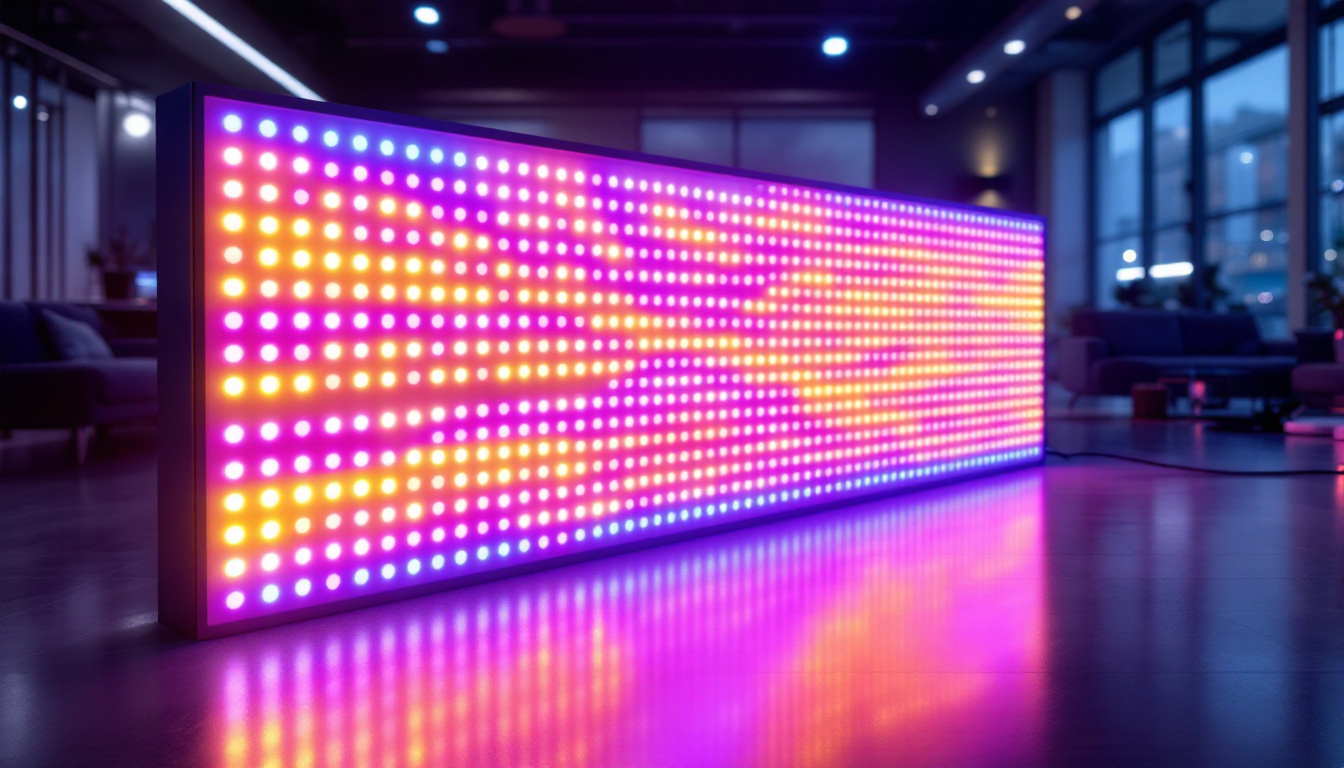
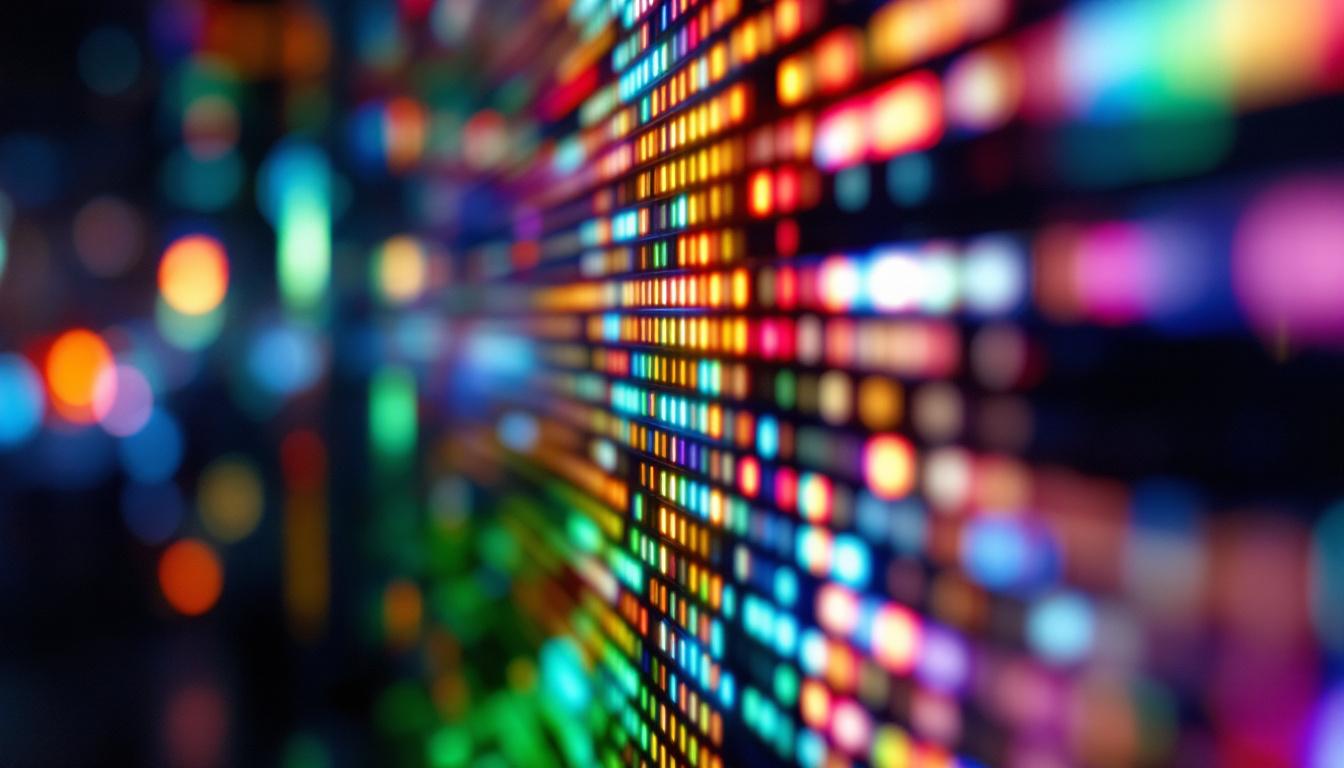
LED stands for Light Emitting Diode, a semiconductor device that emits light when an electric current passes through it. An LED display is essentially a matrix of these tiny diodes arranged in a grid that can be individually controlled to produce images, videos, or text. Unlike traditional LCD or plasma screens, LED displays rely on direct light emission, which results in brighter, more vibrant visuals and better energy efficiency. This technology not only enhances visual clarity but also contributes to lower energy costs, making it an environmentally friendly choice for both consumers and businesses.
The technology behind LED displays has evolved significantly over the past decade. Modern LED screens can be found in various forms, including indoor panels, outdoor billboards, and even flexible or transparent screens. Each type serves different purposes but shares the core principle of using LEDs as pixels to create dynamic content. The advancements in LED technology have also led to improvements in color accuracy and refresh rates, allowing for a more immersive viewing experience. Furthermore, with the integration of smart technology, many LED displays now support features such as touch interactivity and remote content management, making them versatile tools for communication and advertising.
Types of LED Displays
LED displays can be broadly categorized based on their pixel pitch, application, and construction:
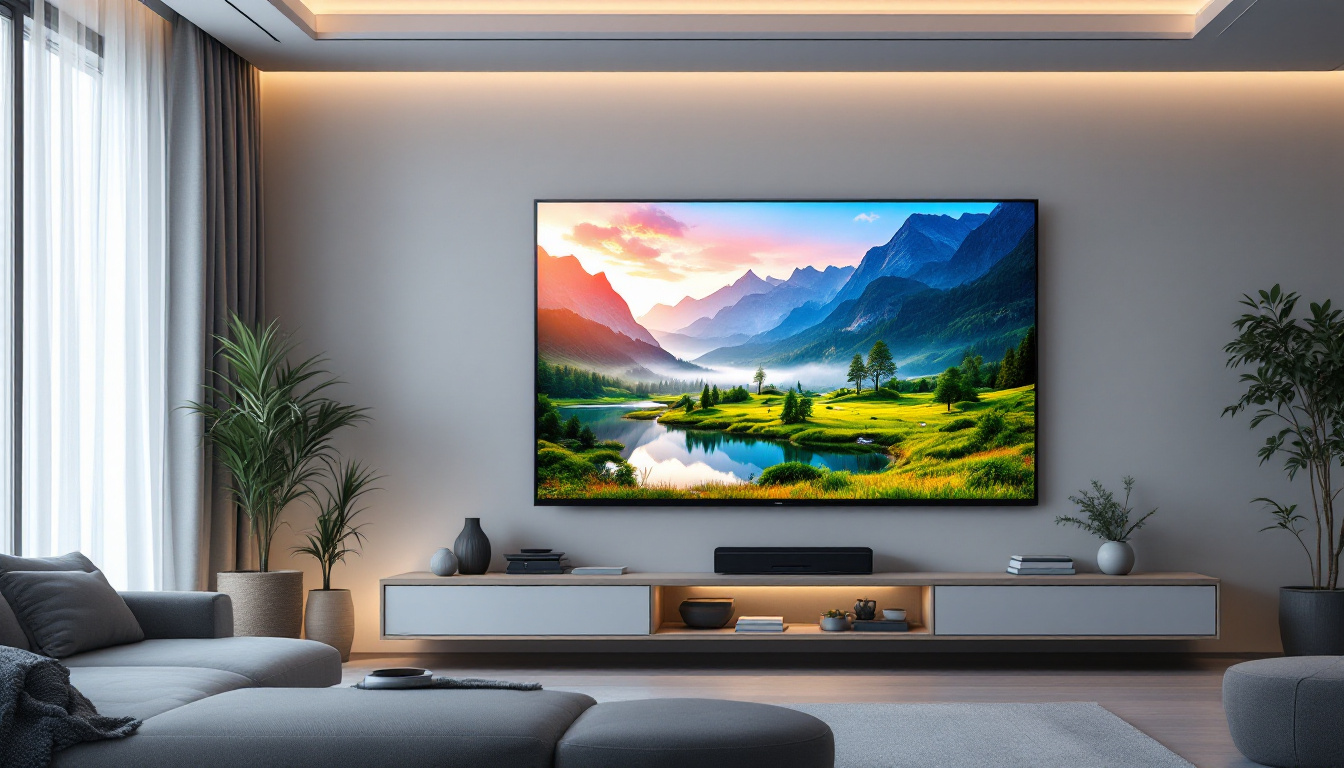
- Indoor LED Displays: Designed for close-range viewing, these screens have a small pixel pitch (often less than 2mm), offering high resolution and sharp images suitable for conference rooms, retail stores, and event venues. Their ability to deliver stunning visuals in well-lit environments makes them ideal for presentations and promotional displays, where clarity and detail are paramount.
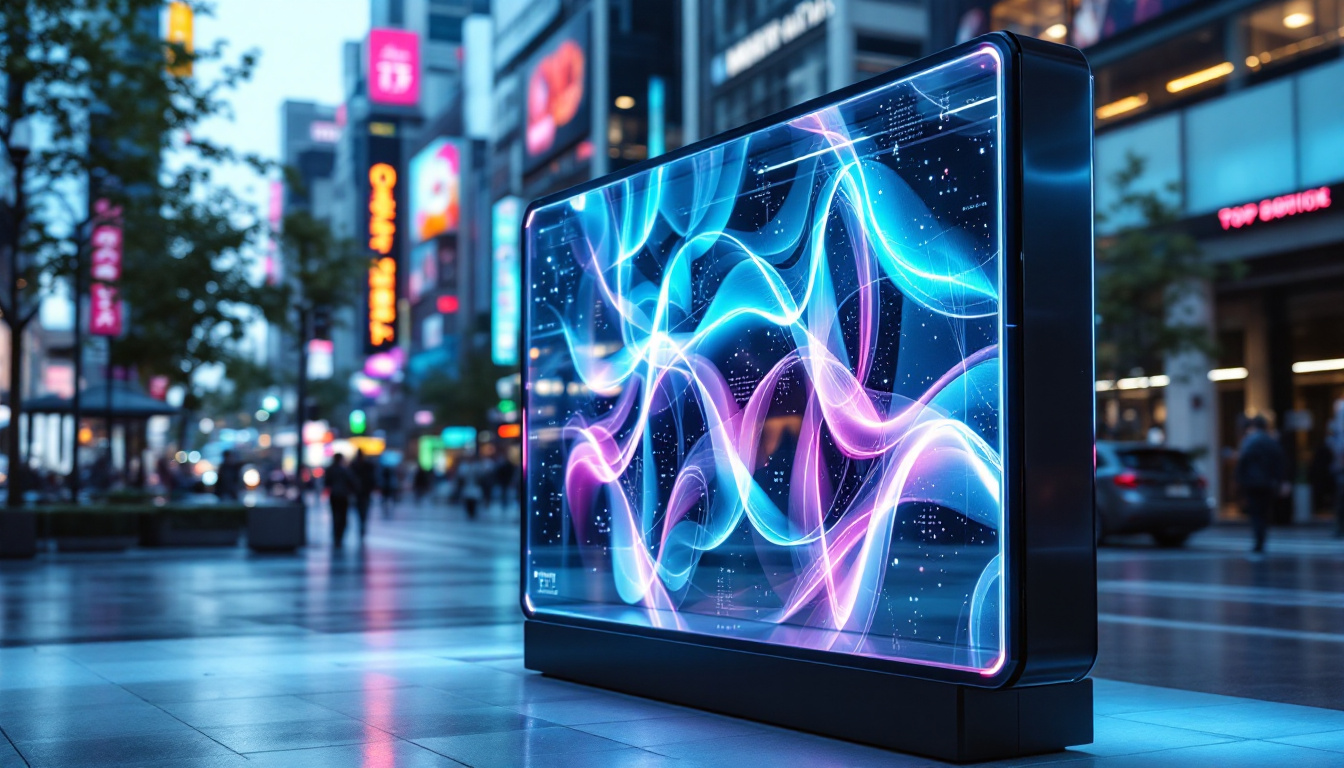
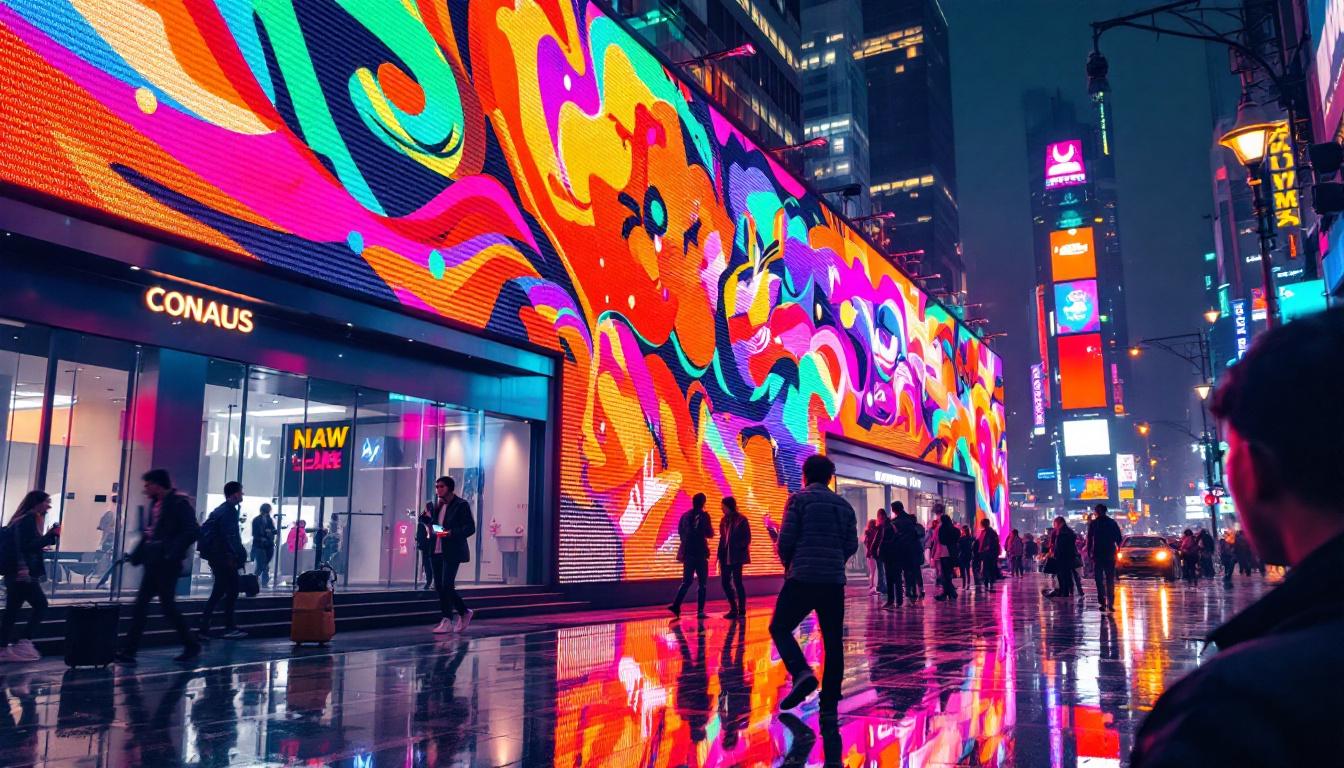
- Outdoor LED Displays: Built to withstand weather conditions, these screens have a larger pixel pitch (typically between 4mm and 20mm), making them visible from long distances. They are commonly used for advertising billboards, sports arenas, and public information boards. The durability of outdoor LED displays is enhanced by protective coatings that guard against UV rays, moisture, and temperature fluctuations, ensuring they remain functional and visually appealing in various climates.
- Flexible and Transparent LED Displays: These innovative screens can bend or allow light to pass through, enabling creative applications in architecture, retail, and exhibitions. Flexible LED displays can be shaped to fit unique installations, while transparent displays offer the ability to showcase products behind the screen, merging digital content with physical environments. This versatility opens up new avenues for artistic expression and interactive marketing strategies, captivating audiences in ways traditional displays cannot.
Each type of LED display is engineered to meet specific environmental and viewing requirements, ensuring optimal performance and longevity. The ongoing research and development in LED technology promise even more exciting innovations, such as microLED and miniLED displays, which aim to deliver even higher resolutions and improved energy efficiency. As the demand for high-quality visual experiences continues to grow, LED displays are poised to play a crucial role in shaping the future of digital communication and entertainment.
Les Screen: A Closer Look
What Sets Les Screen Apart?
Les Screen is recognized for its cutting-edge LED display solutions that combine high-quality materials, advanced manufacturing techniques, and user-centric design. The brand emphasizes precision engineering, delivering screens that offer exceptional brightness, color accuracy, and durability.
One of the standout features of Les Screen products is their modular design, which allows for easy installation and maintenance. This modularity means that individual panels can be replaced or upgraded without dismantling the entire display, reducing downtime and operational costs.
Applications of Les Screen LED Displays
Les Screen LED displays are versatile and find applications across various industries:
- Advertising and Marketing: High-impact digital billboards and signage that attract attention and engage audiences effectively.
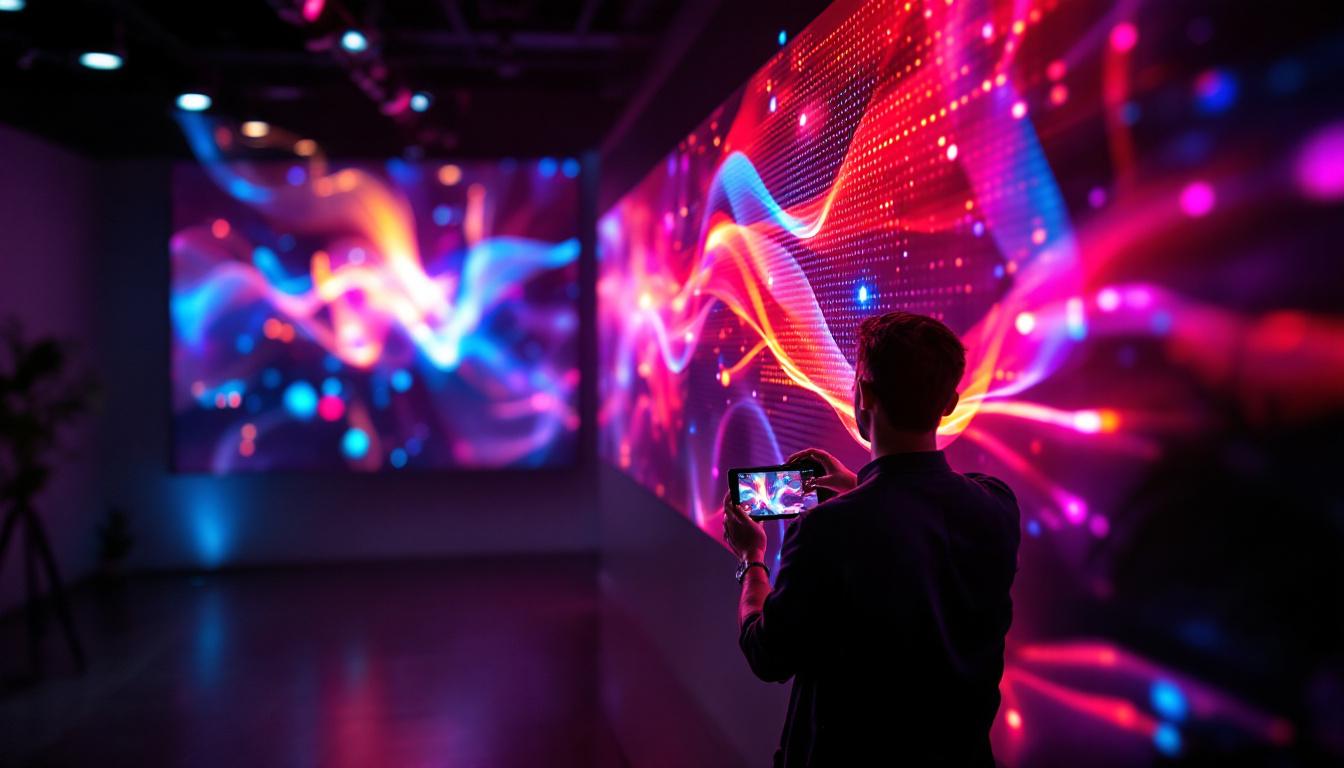
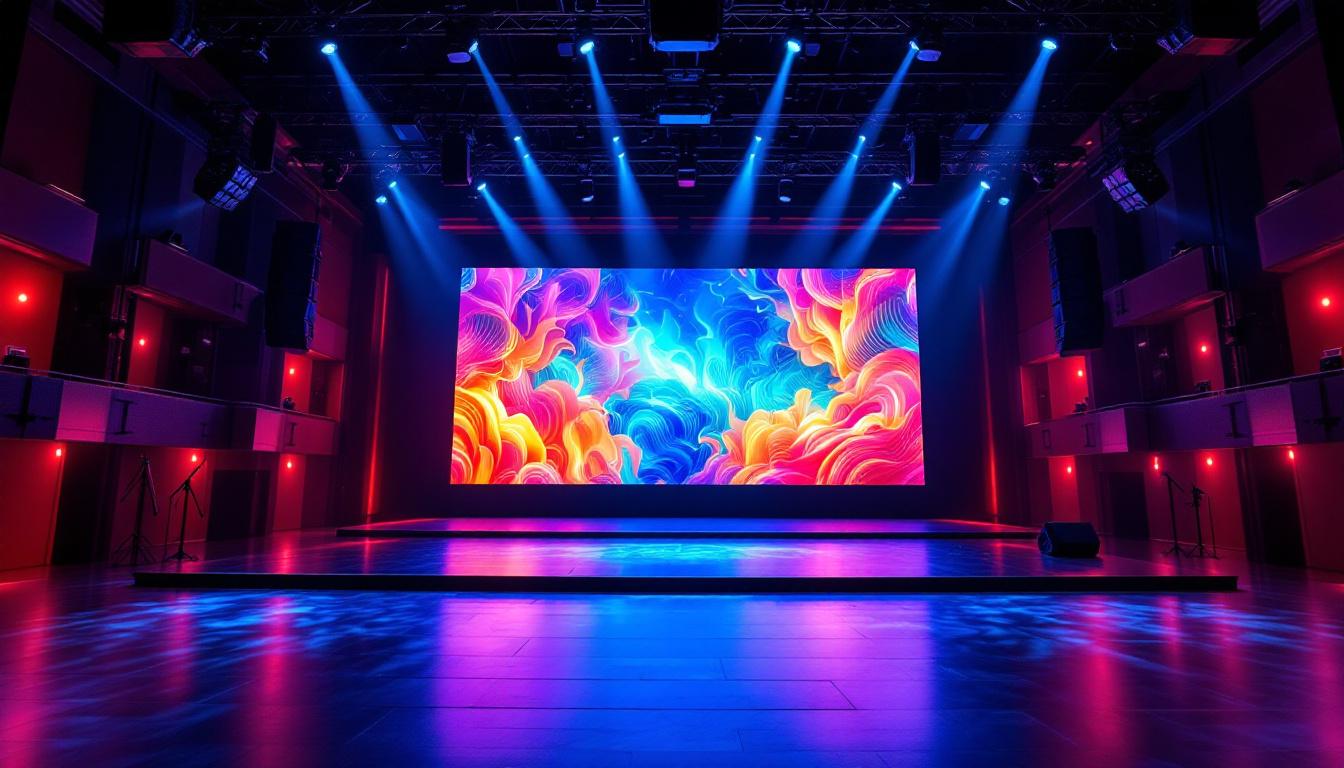
- Corporate and Event Spaces: Conference room displays, stage backdrops, and interactive screens that enhance presentations and experiences.
- Retail Environments: Dynamic window displays and in-store promotions that drive customer engagement.
- Transportation Hubs: Real-time information boards in airports, train stations, and bus terminals.
- Sports and Entertainment Venues: Scoreboards, live video feeds, and immersive fan experiences.
Each application leverages Les Screen’s ability to deliver vibrant visuals with reliability and ease of use.
Key Benefits of LED Displays
Superior Visual Quality
LED displays are renowned for their brightness and color fidelity. Unlike LCDs, which rely on backlighting, LEDs emit light directly, allowing for higher contrast ratios and more vivid colors. This makes LED screens ideal for environments with high ambient light, such as outdoor settings or brightly lit indoor spaces.
Energy Efficiency and Longevity
LED technology is inherently energy-efficient compared to other display technologies. LEDs consume less power while providing higher brightness levels. Additionally, LED displays typically have a longer lifespan, often exceeding 100,000 hours of operation, which translates to lower total cost of ownership over time.
Flexibility and Scalability
LED displays can be customized to fit virtually any size or shape. Their modular nature allows for seamless scaling, whether it’s a small digital sign or a massive video wall. This flexibility enables businesses and organizations to tailor their visual communications to specific spatial and functional needs.
Durability and Weather Resistance
Especially for outdoor applications, LED displays are built to withstand harsh weather conditions, including rain, wind, and extreme temperatures. High-quality LED screens, such as those from Les Screen, incorporate protective coatings and robust enclosures to ensure consistent performance in challenging environments.
Technical Considerations When Choosing an LED Display
Pixel Pitch and Resolution
Pixel pitch refers to the distance between the centers of two adjacent pixels and is measured in millimeters. A smaller pixel pitch means more pixels per unit area, resulting in higher resolution and sharper images. For example, indoor LED displays often have a pixel pitch of 1.5mm to 2.5mm, while outdoor displays typically range from 4mm to 20mm.
Choosing the right pixel pitch depends on the typical viewing distance. Closer viewing distances require finer pixel pitches to maintain image clarity, whereas larger pixel pitches are acceptable for distant viewing.
Brightness and Contrast Ratio
Brightness is measured in nits, with outdoor LED displays often requiring brightness levels of 5,000 to 10,000 nits to remain visible under direct sunlight. Indoor screens generally operate at lower brightness levels, around 800 to 1,500 nits, to avoid eye strain.
Contrast ratio, the difference between the darkest black and the brightest white the screen can display, is another critical factor affecting image quality. Higher contrast ratios provide more depth and realism to the visuals.
Refresh Rate and Color Depth
The refresh rate, measured in Hertz (Hz), indicates how many times per second the screen updates its image. Higher refresh rates reduce flicker and improve the smoothness of motion, which is especially important for video content and live broadcasts. A refresh rate of at least 1920Hz is recommended for professional LED displays.
Color depth determines the number of colors the display can produce. Most LED screens support 16-bit or higher color depth, enabling millions of colors for rich, lifelike images.
Installation and Maintenance
Ease of installation and ongoing maintenance are practical considerations that impact the total cost and usability of an LED display. Modular panels, like those used by Les Screen, simplify both processes. Additionally, features such as front-access maintenance allow technicians to service the display without dismantling it from the back, which is advantageous in tight or high-traffic spaces.
Emerging Trends in LED Display Technology
MicroLED and MiniLED Innovations
MicroLED technology, which uses microscopic LEDs as individual pixels, promises even higher resolution and brightness with improved energy efficiency. While still emerging, MicroLED displays are expected to revolutionize the market by combining the best attributes of OLED and traditional LED screens.
MiniLED, a more immediate advancement, uses smaller LEDs than conventional displays to enhance contrast and brightness. It’s increasingly used in premium TVs and monitors and is gradually making its way into commercial LED display solutions.
Integration with Smart Technologies
Modern LED displays are becoming smarter, incorporating AI-driven content management, remote diagnostics, and interactive capabilities. These features enable dynamic content scheduling, real-time analytics, and enhanced user engagement, transforming LED screens from mere display devices into powerful communication tools.
Sustainability and Eco-Friendly Designs
As environmental concerns grow, manufacturers are focusing on sustainable materials, energy-efficient designs, and recycling programs. LED displays, including those from Les Screen, are being developed with reduced power consumption and longer lifecycles to minimize environmental impact.
Conclusion: Why Choose Les Screen LED Displays?
Les Screen offers a compelling combination of advanced technology, superior visual performance, and practical design features that make it a top choice for businesses and organizations seeking reliable LED display solutions. Whether for advertising, corporate communication, or entertainment, Les Screen’s products deliver vibrant, high-quality visuals with the flexibility and durability required in today’s demanding environments.
Understanding the technical aspects and benefits of LED displays helps decision-makers select the right solution tailored to their specific needs. With ongoing innovations and a focus on sustainability, LED technology, exemplified by brands like Les Screen, continues to shape the future of digital visual communication.
Discover LumenMatrix’s Innovative LED Display Solutions
Ready to elevate your visual communication strategy with cutting-edge LED technology? Explore LumenMatrix’s diverse range of LED display modules, from vibrant Indoor and Outdoor LED Wall Displays to dynamic Vehicle and Sports LED Displays. Each solution is crafted to captivate your audience and amplify your brand’s message with unparalleled clarity and impact. Embrace the future of digital signage with LumenMatrix’s commitment to innovation and excellence. Check out LumenMatrix LED Display Solutions today and transform your visual experience.