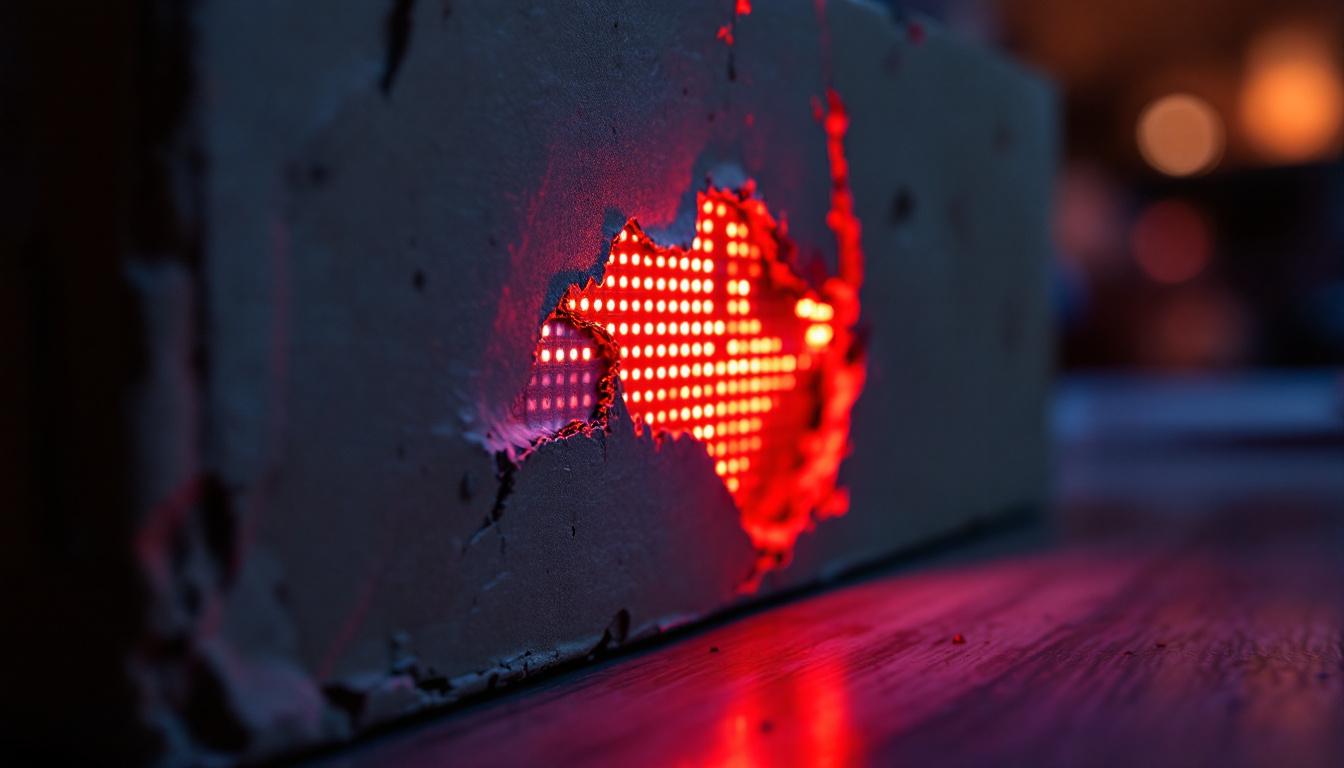
In the world of electronics and logistics, the phrase “UPS damaged box” often raises immediate concerns about the safety and functionality of the contents inside. When the item in question is an LED display, these concerns become even more critical due to the delicate nature of LED technology. This article delves into the intricacies of LED displays, the impact of shipping damage, and how to assess and manage issues arising from a UPS damaged box.
Understanding LED Displays: Technology and Fragility
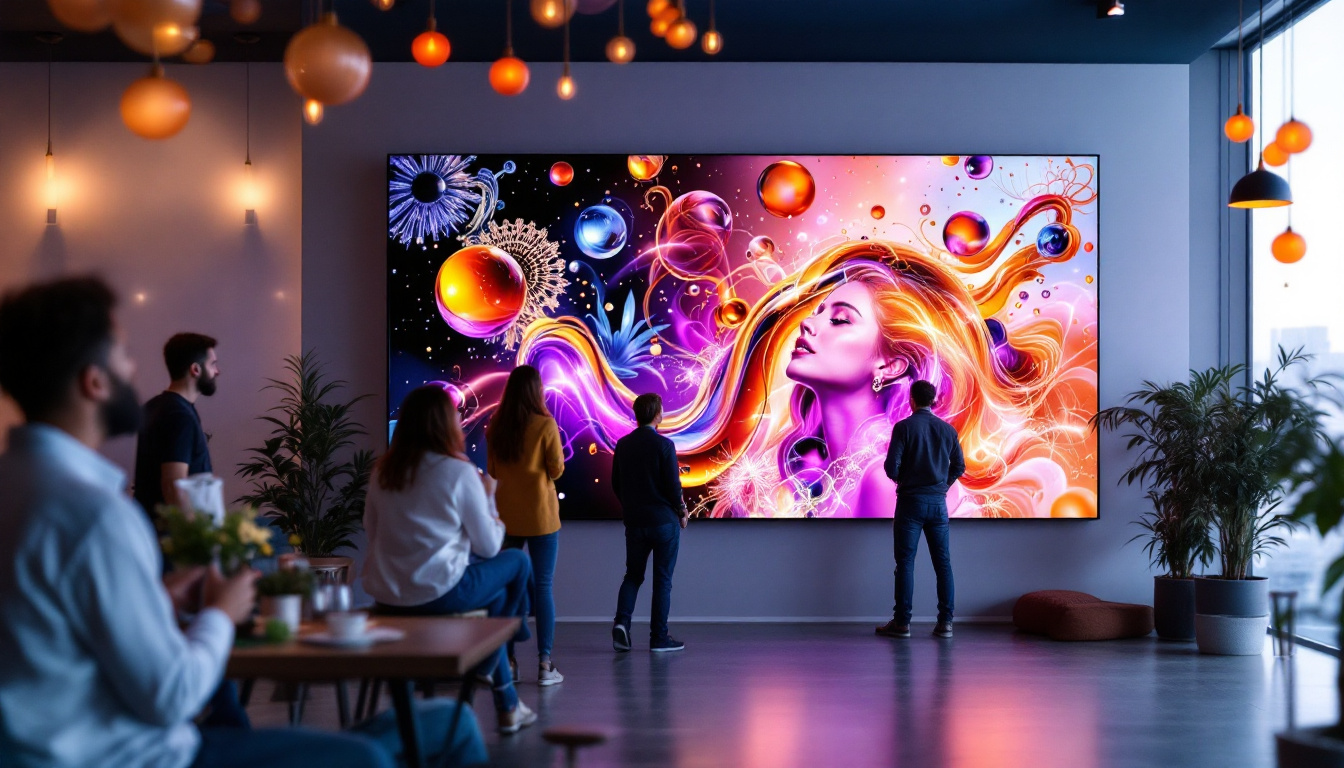
LED (Light Emitting Diode) displays have revolutionized the way visual information is presented, offering vibrant colors, high brightness, and energy efficiency. From large outdoor billboards to indoor digital signage, LED technology is ubiquitous in modern advertising and information dissemination. The versatility of LED displays has also paved the way for innovative applications, such as interactive installations and immersive environments that engage audiences in ways traditional displays cannot.
At their core, LED displays consist of numerous tiny diodes that emit light when an electric current passes through them. These diodes are arranged in a matrix, controlled by sophisticated circuitry that manages color, brightness, and refresh rates. The complexity of these components makes LED displays particularly sensitive to physical shocks and environmental factors. As technology advances, manufacturers are continually developing more robust designs and materials to enhance durability, yet the inherent fragility of the components remains a significant concern, especially in high-traffic or outdoor settings.
Components That Are Vulnerable to Damage
Several parts of an LED display are susceptible to damage during shipping:
- LED Modules: These contain the individual diodes and are the most fragile parts. A single damaged module can affect the entire display’s visual quality, leading to uneven brightness or color discrepancies that can detract from the intended message.
- Driver Boards: These control the electrical signals to the LEDs and can malfunction if subjected to impact or moisture. A compromised driver board can lead to flickering or complete failure of sections of the display, necessitating costly repairs.
- Power Supply Units: Sensitive to jolts and drops, damage here can prevent the entire display from powering on. The power supply is crucial for maintaining consistent performance, and any disruption can result in downtime that impacts advertising schedules or event presentations.
- Display Frame and Housing: While more robust, damage to the frame can misalign modules or expose internal components to further harm. A well-constructed housing is essential for protecting the internal elements from environmental hazards, such as moisture or dust, which can degrade performance over time.
Understanding these vulnerabilities is crucial for anyone handling, shipping, or receiving LED displays, as it informs both preventive measures and damage assessment. Proper packaging techniques, such as using shock-absorbent materials and ensuring secure placement within transport vehicles, can significantly reduce the risk of damage. Additionally, training staff on best practices for installation and maintenance can help prolong the lifespan of these sophisticated displays, ensuring they continue to deliver stunning visuals in any setting.
Moreover, advancements in technology are leading to the development of more resilient LED displays that can withstand harsher conditions. Innovations such as encapsulated diodes and protective coatings are being explored to enhance durability against environmental stressors, including temperature fluctuations and humidity. As the demand for outdoor and large-scale displays continues to grow, manufacturers are focusing on creating products that not only deliver exceptional visual quality but also stand the test of time, thereby reducing the need for frequent repairs and replacements.
Common Causes and Indicators of Damage in UPS Shipments
UPS, like other major courier services, handles millions of packages daily. Despite rigorous handling protocols, damage can occur due to various factors. Recognizing the causes and early signs of damage can help in timely reporting and resolution.
Why Do UPS Boxes Get Damaged?
Several factors contribute to box damage during UPS shipping:
- Rough Handling: Packages may be dropped, stacked improperly, or subjected to sudden impacts during transit.
- Environmental Conditions: Exposure to moisture, extreme temperatures, or vibration can weaken packaging and internal components.
- Inadequate Packaging: Insufficient padding, poor box quality, or improper sealing can leave items vulnerable.
- Transit Delays and Transfers: Multiple handoffs increase the risk of mishandling.
Visual and Functional Indicators of Damage
Upon receiving a UPS package containing an LED display, it’s important to inspect both the box and the device carefully:
- Exterior Box Damage: Look for dents, tears, punctures, crushed corners, or water stains.
- Internal Packaging Displacement: If internal padding has shifted or is missing, the device may have moved during transit.
- Physical Damage to the Display: Check for cracks, scratches, or loose parts on the screen and frame.
- Operational Issues: After powering on, look for dead pixels, flickering, color inconsistencies, or failure to start.
Early detection of these signs can facilitate quicker claims and repairs, minimizing downtime and costs.
Assessing the Impact of a Damaged Box on LED Display Performance
Not all box damage translates to internal device failure, but the risk is significant with fragile electronics like LED displays. Understanding the potential impact helps in prioritizing inspections and deciding on next steps.
Physical Damage vs. Functional Damage
Physical damage refers to visible harm such as cracks, dents, or broken components. Functional damage, however, may not be immediately apparent and includes issues like:
- Intermittent screen flickering
- Color distortion or dead pixels
- Power supply instability
- Connectivity problems with control systems
Sometimes, an LED display may look intact but suffer from internal circuit board damage or loose connections caused by shock. Therefore, a thorough functional test is essential after any suspected shipping damage.
Case Study: Shipping Damage and Its Consequences
In a recent industry report, a manufacturer of large-scale LED displays noted that approximately 7% of returned units with shipping damage exhibited functional defects. These ranged from minor pixel failures to complete power loss. The report emphasized that early detection and professional inspection could reduce repair costs by up to 40% compared to delayed intervention.
Best Practices for Shipping and Handling LED Displays
Preventing damage starts well before the package reaches UPS or any courier. Proper packaging, clear labeling, and careful handling instructions are key to safeguarding LED displays in transit.
Packaging Recommendations
Effective packaging should include:
- Custom Foam Inserts: These secure the display and absorb shocks.
- Double-Walled Corrugated Boxes: Provide extra protection against crushing forces.
- Moisture Barriers: Use plastic wraps or desiccants to prevent humidity damage.
- Clear Handling Labels: Indicate fragile contents, orientation, and stacking limits.
Many manufacturers now use specialized crates designed for LED displays, which include shock-absorbing materials and reinforced corners.
Handling and Shipping Guidelines
For those responsible for shipping LED displays, consider the following:
- Choose reputable carriers with experience in handling electronics.
- Opt for insurance coverage that reflects the display’s value and fragility.
- Schedule shipments to avoid extreme weather conditions when possible.
- Communicate clearly with the carrier about the nature of the package.
Additionally, documenting the condition of the display before shipping with photos and detailed descriptions can be invaluable in case of damage claims.
What to Do If You Receive a UPS Damaged Box Containing an LED Display
Discovering damage upon delivery can be stressful, but following a systematic approach can help mitigate losses and facilitate repairs or replacements.
Immediate Steps Upon Receipt
1. Inspect the Package Thoroughly: Before signing for the delivery, check the box for visible damage and note any irregularities on the delivery receipt.
2. Document Everything: Take clear photos of the damaged box from multiple angles, as well as the LED display inside if accessible.
3. Do Not Dispose of Packaging: Keep all original packaging materials intact for inspection by UPS or insurance adjusters.
Testing and Reporting
Once unboxed, perform a functional test of the LED display as soon as possible. If damage is detected:
- Contact UPS customer service immediately to report the damage and initiate a claim.
- Notify the seller or manufacturer to discuss warranty or repair options.
- Provide all documentation, including photos, receipts, and test results.
Timeliness is critical; most carriers have strict deadlines for damage claims, typically within 7 to 14 days of delivery.
Repair and Replacement Considerations
Depending on the extent of the damage, repairing an LED display can range from simple module replacement to complete unit exchange. Understanding these options helps in making informed decisions.
Repairing LED Displays
Minor damages, such as a few dead pixels or a faulty driver board, can often be repaired by certified technicians. Repair costs vary but are generally more economical than full replacement. However, repairs may affect the display’s warranty and long-term reliability.
When to Opt for Replacement
Severe physical damage, widespread pixel failure, or power supply issues often warrant replacement. Additionally, if the cost of repair approaches or exceeds 50% of the new unit’s price, replacement is usually the more cost-effective choice.
Manufacturers and suppliers typically provide guidance on repair versus replacement based on diagnostic assessments.
Conclusion: Protecting Your Investment in LED Displays
LED displays represent a significant investment for businesses and individuals alike. Ensuring their safe delivery requires understanding the technology’s vulnerabilities, recognizing the signs of shipping damage, and following best practices for packaging and handling.
In the event of receiving a UPS damaged box, prompt inspection, documentation, and communication with the carrier and supplier are essential steps to protect your rights and minimize downtime. Whether repairing or replacing, informed decisions can preserve the display’s performance and longevity.
By staying vigilant and proactive, stakeholders can reduce the risks associated with shipping LED displays and enjoy the full benefits of this dynamic and powerful technology.
Discover Cutting-Edge LED Display Solutions with LumenMatrix
As you consider the importance of protecting your LED display investments, LumenMatrix stands ready to provide you with top-tier, innovative solutions. Our extensive range of LED display modules, from Indoor and Outdoor LED Walls to Custom and All-in-One LED Displays, is designed to captivate and engage your audience. Embrace the future of visual communication with our state-of-the-art technology that ensures your message is not just seen, but truly experienced. Check out LumenMatrix LED Display Solutions today and elevate your brand visibility to new heights.