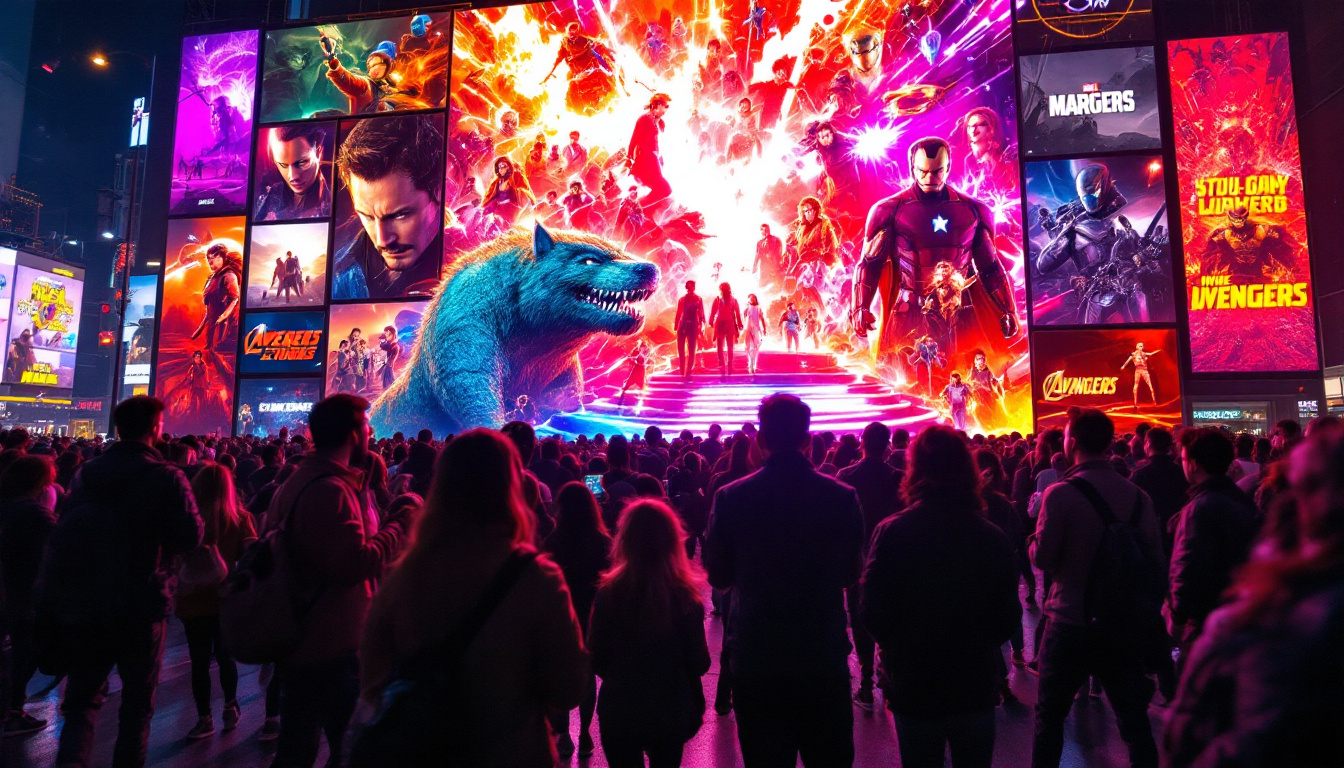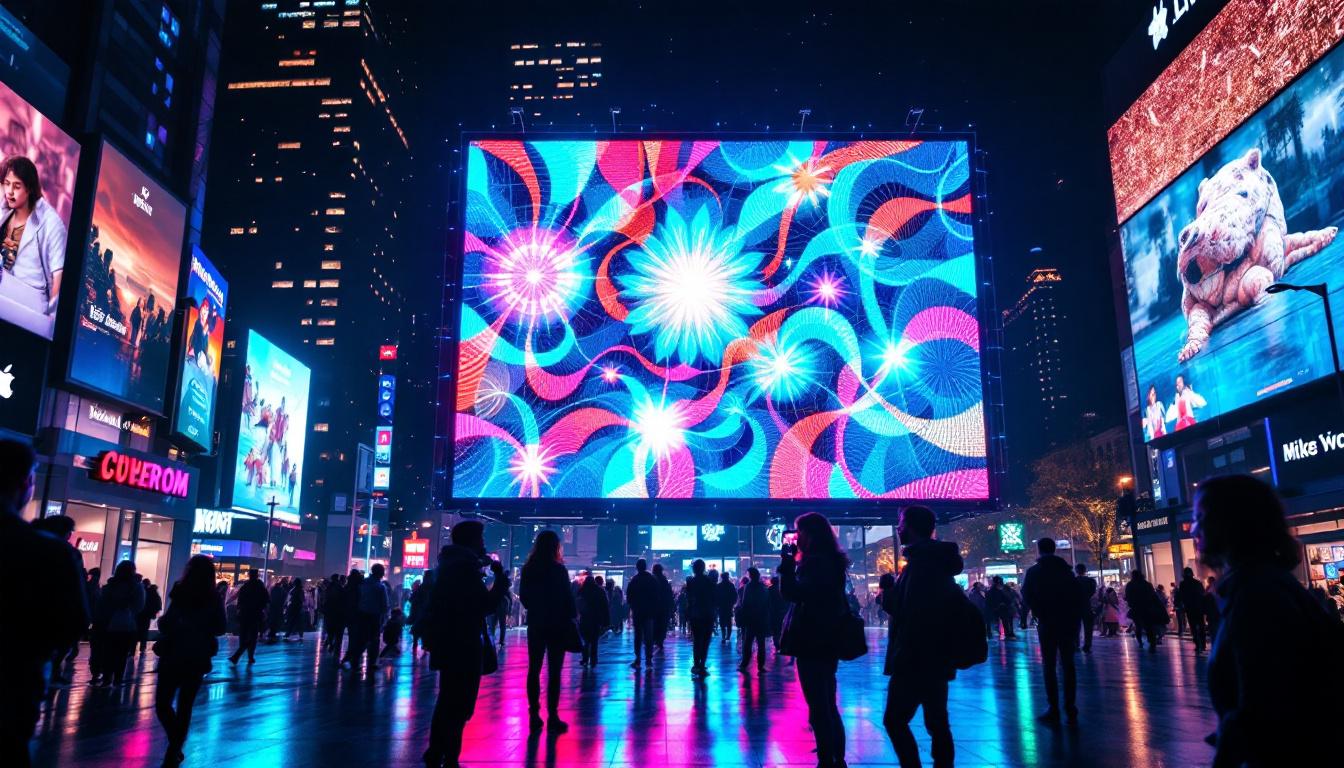
In the dynamic world of event production and live performances, visual impact is paramount. One of the most transformative technologies in recent years has been the LED display, particularly in stage settings. From intimate concerts to massive festivals and corporate events, LED displays have reshaped how audiences experience visual content. This article explores what stage LED displays are, how they work, their benefits, and key considerations for choosing the right display for any event.
Understanding Stage LED Displays
What Is a Stage LED Display?
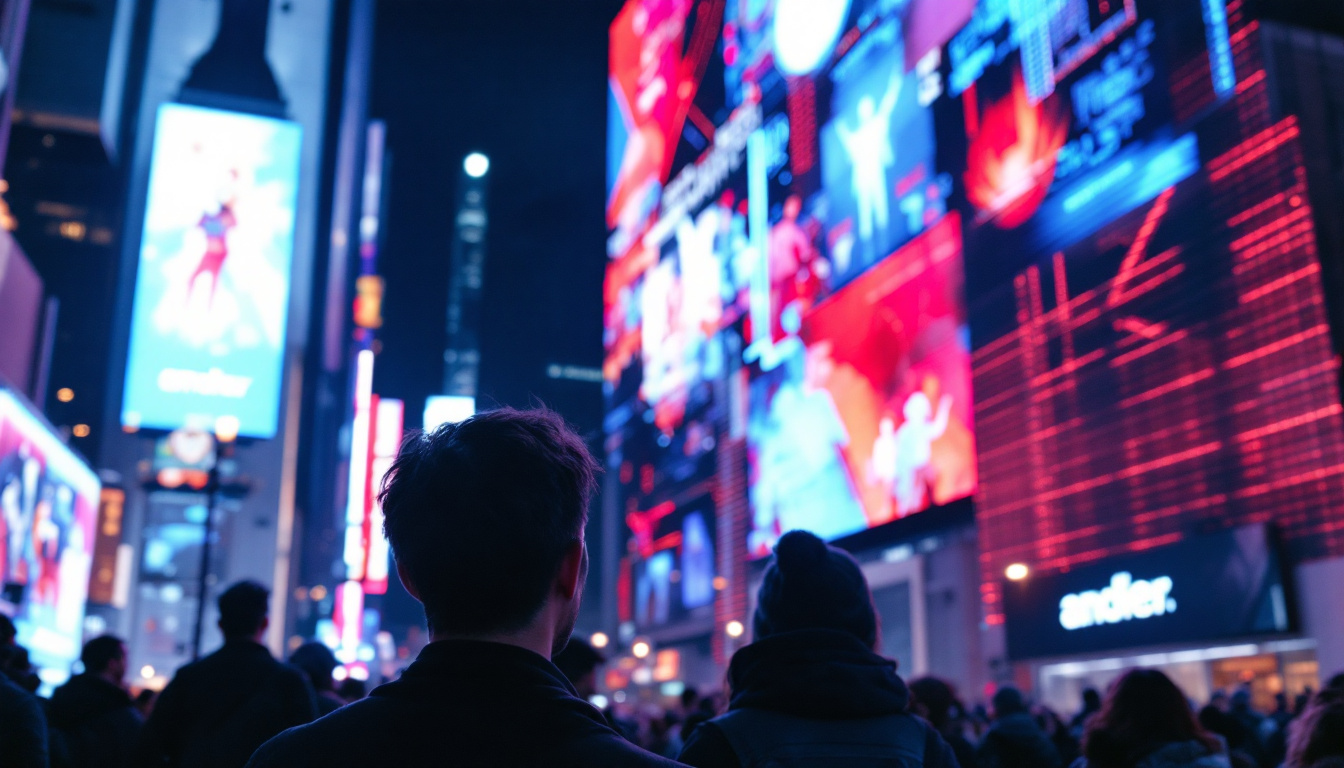
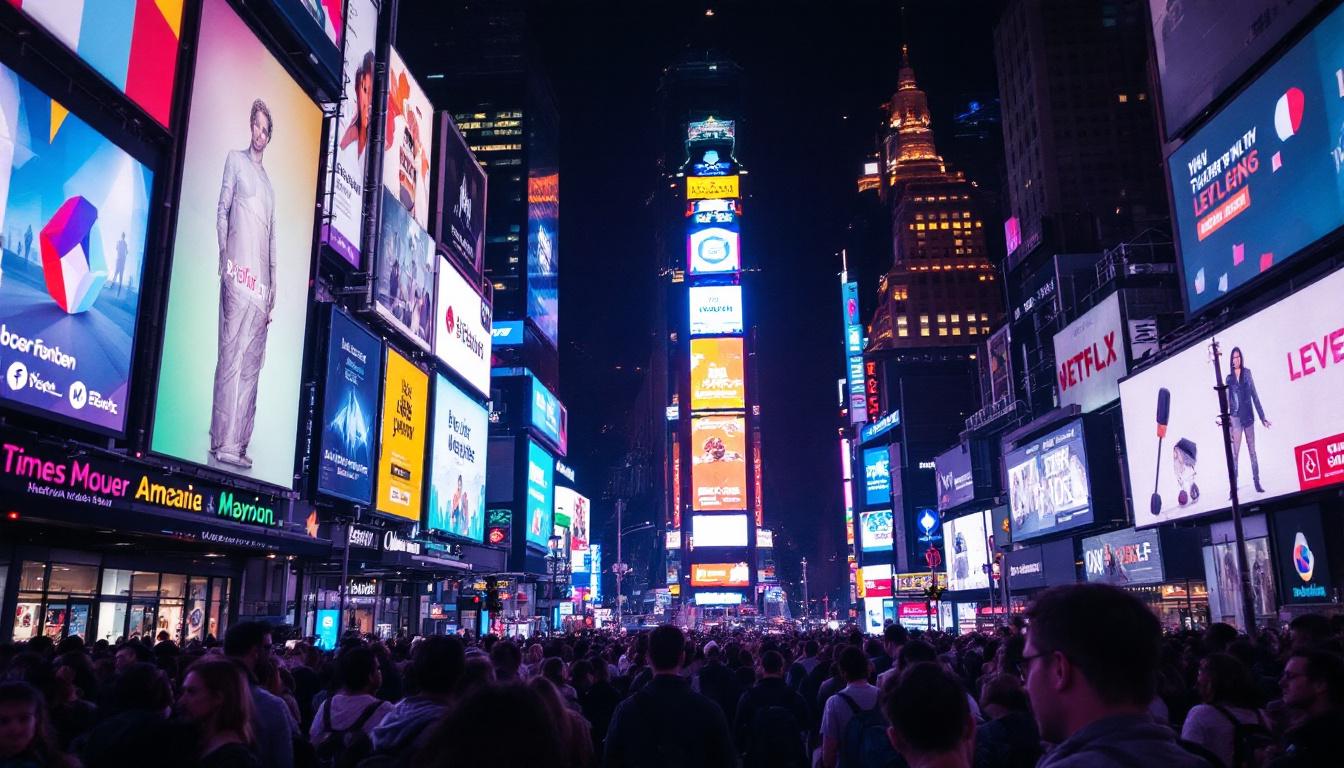
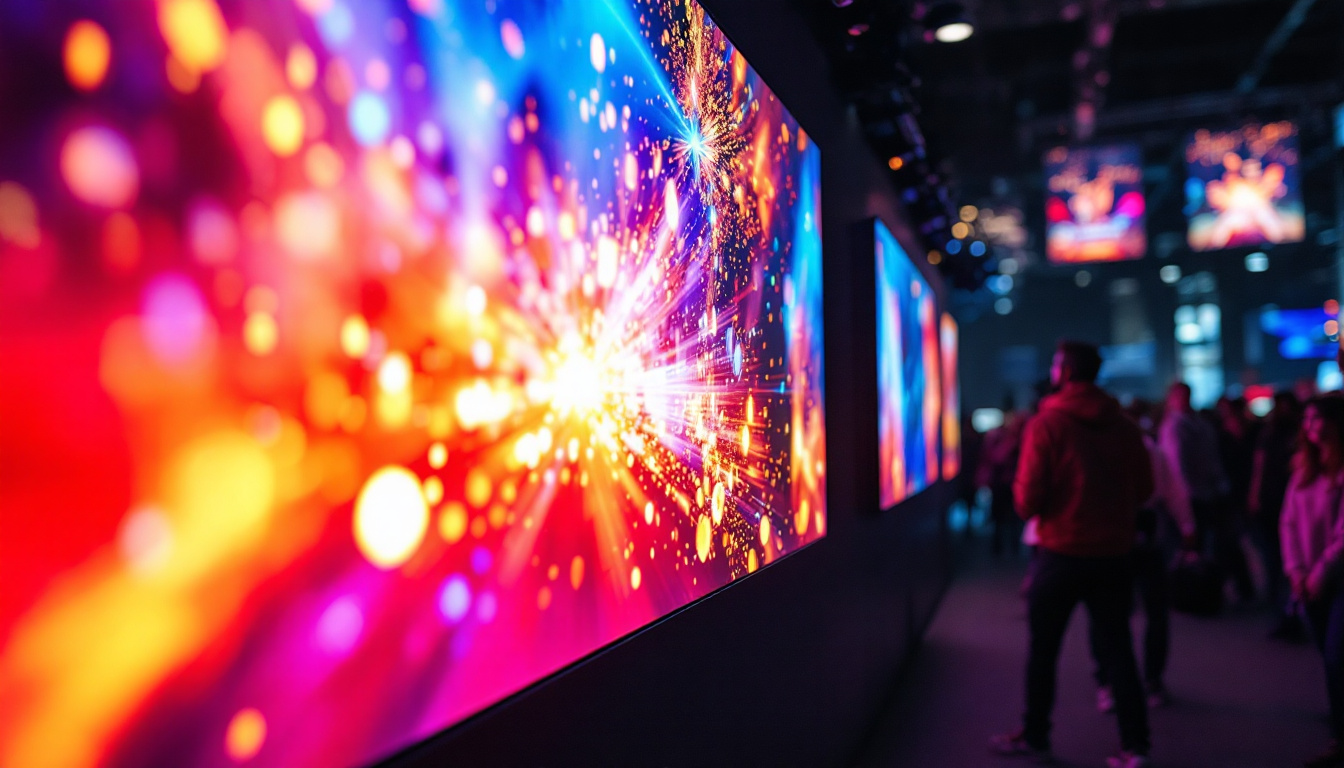
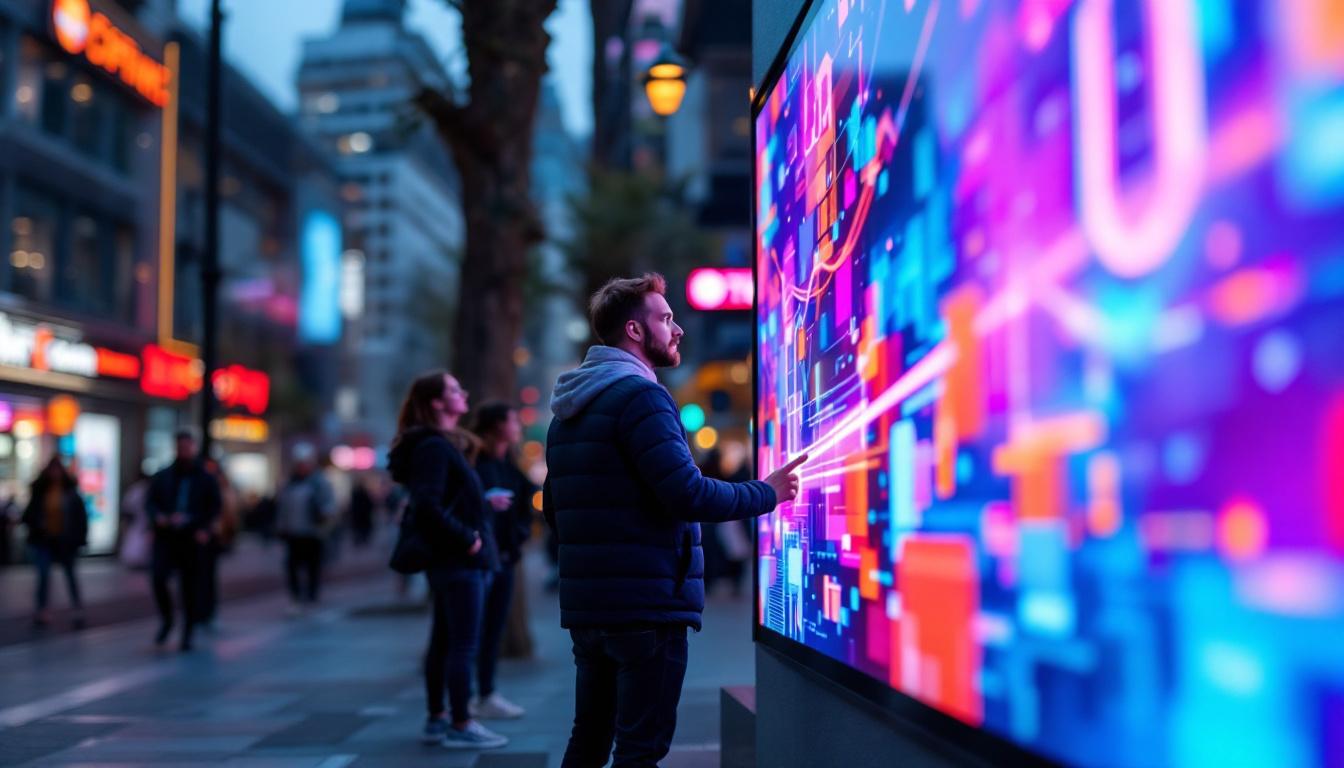
A stage LED display is a large screen composed of numerous light-emitting diodes (LEDs) arranged in a matrix to form images and videos. Unlike traditional projection systems or LCD screens, LED displays use tiny bulbs that emit their own light, creating vivid and bright visuals that are easily visible even in well-lit environments. This capability is especially beneficial in outdoor events or large venues where ambient light can wash out other types of displays.
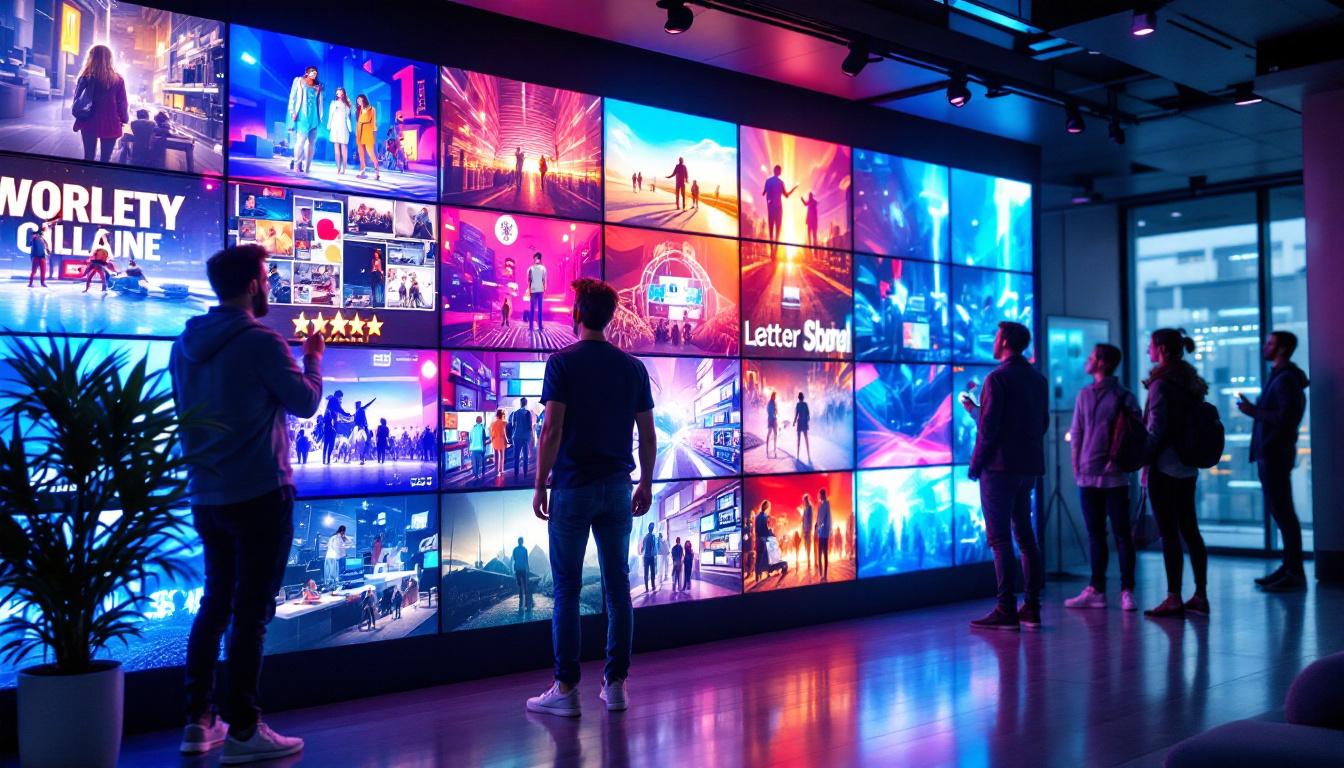
These displays are modular, meaning they consist of panels or tiles that can be assembled to create screens of various sizes and shapes. This flexibility makes them ideal for stages where custom configurations are often required to fit the venue and event design. Additionally, the lightweight nature of LED panels allows for easier transportation and setup, which is a significant advantage for touring shows and events that require quick assembly and disassembly.
How Do LED Displays Work?
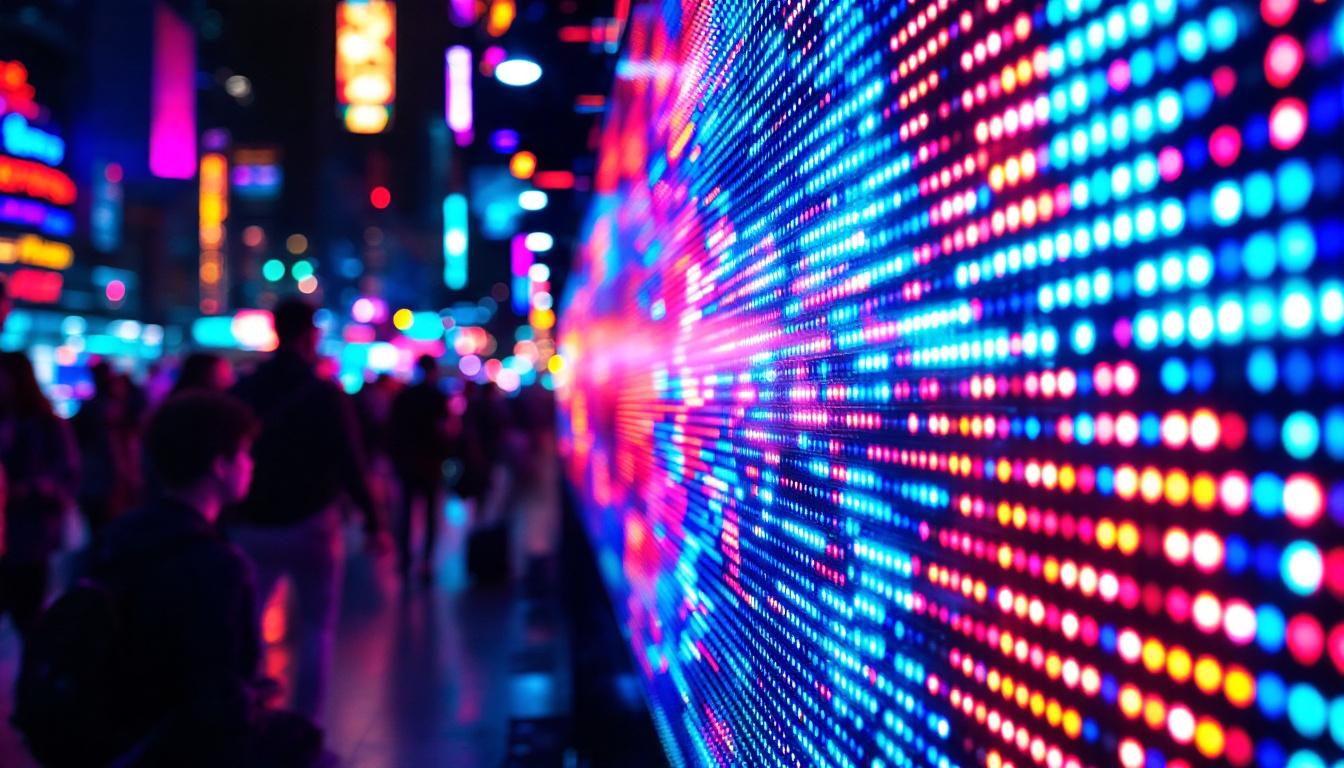
Each LED in the display acts as a pixel, and by controlling the intensity and color of these pixels, the display can render detailed images and videos. Typically, LEDs are grouped in clusters of red, green, and blue (RGB), and by varying the brightness of each color, the display can produce a full spectrum of colors. This RGB configuration not only enhances color accuracy but also allows for dynamic visuals that can change in real time, creating an immersive experience for the audience.
The resolution and clarity of the image depend on the pixel pitch, which is the distance between the centers of two adjacent LEDs. A smaller pixel pitch means higher resolution and sharper images, making it crucial for close viewing distances like those found in stage environments. Moreover, advancements in technology have led to the development of fine-pitch LED displays that can achieve resolutions comparable to high-definition televisions, ensuring that every detail is crisp and clear, even from the front row. This level of detail is essential for live performances, where the visual impact can significantly enhance the overall experience for the audience.
Advantages of Using LED Displays on Stage
Superior Brightness and Visibility
One of the primary advantages of LED displays is their exceptional brightness. LED screens can reach brightness levels of over 1,000 nits, which is significantly higher than traditional projection screens. This ensures that visuals remain clear and vibrant even under intense stage lighting or daylight conditions at outdoor events.
Moreover, LED displays offer excellent viewing angles, allowing audiences seated at various positions to enjoy consistent image quality without color distortion or brightness loss. This is particularly beneficial in large venues where the audience is spread out, ensuring that everyone can experience the same high-quality visuals regardless of their location. The ability to maintain clarity and vibrancy enhances the overall impact of the performance, making it more engaging and immersive for the audience.
Flexibility and Customization
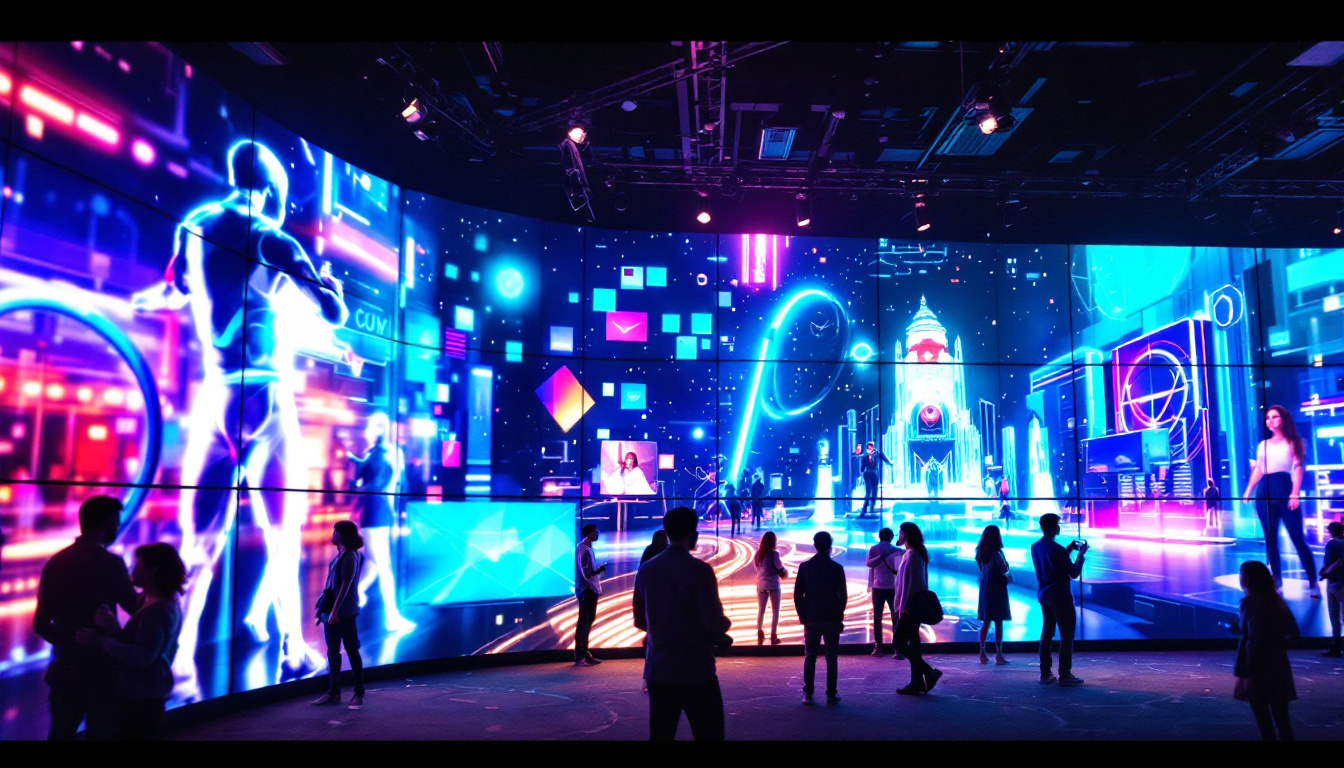
LED displays are highly customizable, both in size and shape. Event designers can create curved screens, circular setups, or even irregular shapes to complement the stage design and enhance the thematic elements of a performance. This adaptability is a major reason why LED displays have become a staple in concerts, theater productions, and corporate presentations.
Additionally, the modular nature of LED panels means that screens can be quickly assembled, disassembled, and transported, which is essential for touring productions and multi-venue events. This flexibility allows for rapid setup and teardown, minimizing downtime between performances. Furthermore, the ability to program dynamic content that can change throughout a show adds an extra layer of creativity, allowing for seamless transitions and effects that can captivate the audience and elevate the storytelling aspect of the performance.
Durability and Energy Efficiency
LED technology is known for its durability and long lifespan. High-quality stage LED displays can operate continuously for tens of thousands of hours with minimal maintenance. They are also resistant to shock and vibration, which is important given the rigors of live event setups. This resilience means that event organizers can rely on LED displays to perform consistently, even in the most demanding environments.
From an environmental and cost perspective, LEDs consume less power compared to other display technologies, reducing energy costs and the carbon footprint of events. This efficiency is increasingly important as the live event industry moves towards sustainability. Moreover, the reduced heat output of LED displays means that they can operate without the need for extensive cooling systems, further lowering energy consumption and contributing to a more eco-friendly approach to event production. As audiences become more environmentally conscious, the use of energy-efficient technologies like LED displays can enhance a brand’s reputation and appeal.
Key Considerations When Choosing a Stage LED Display
Pixel Pitch and Viewing Distance
Selecting the right pixel pitch is critical to ensure optimal image quality. For stage displays, the pixel pitch is often chosen based on the typical viewing distance of the audience. For example, a pixel pitch of 2mm to 4mm is common for indoor stages where viewers are relatively close, providing crisp and detailed visuals.
For larger outdoor events where audiences are farther away, a larger pixel pitch (such as 6mm to 10mm) is acceptable and more cost-effective. Understanding these parameters helps balance image quality with budget constraints. Additionally, it is important to consider the type of content that will be displayed. High-resolution graphics and videos benefit from smaller pixel pitches, while simpler graphics or text can still look good on larger pitches. This understanding ensures that the display meets the specific needs of the event, enhancing the overall viewer experience.
Screen Size and Aspect Ratio
The size of the LED display should complement the stage dimensions and audience size. A screen that is too small may fail to engage viewers, while an excessively large screen can overwhelm the stage or distract from performers.
Aspect ratio is another important factor. While the traditional 16:9 ratio is common for video content, some events may benefit from custom ratios or panoramic displays to create immersive experiences. Working with experienced AV professionals can help determine the best configuration. Furthermore, considering the layout of the stage and the positioning of the audience can lead to innovative display solutions, such as curved or modular screens that adapt to the unique contours of the performance space, thereby enhancing the overall aesthetic and engagement.
Brightness and Environmental Conditions
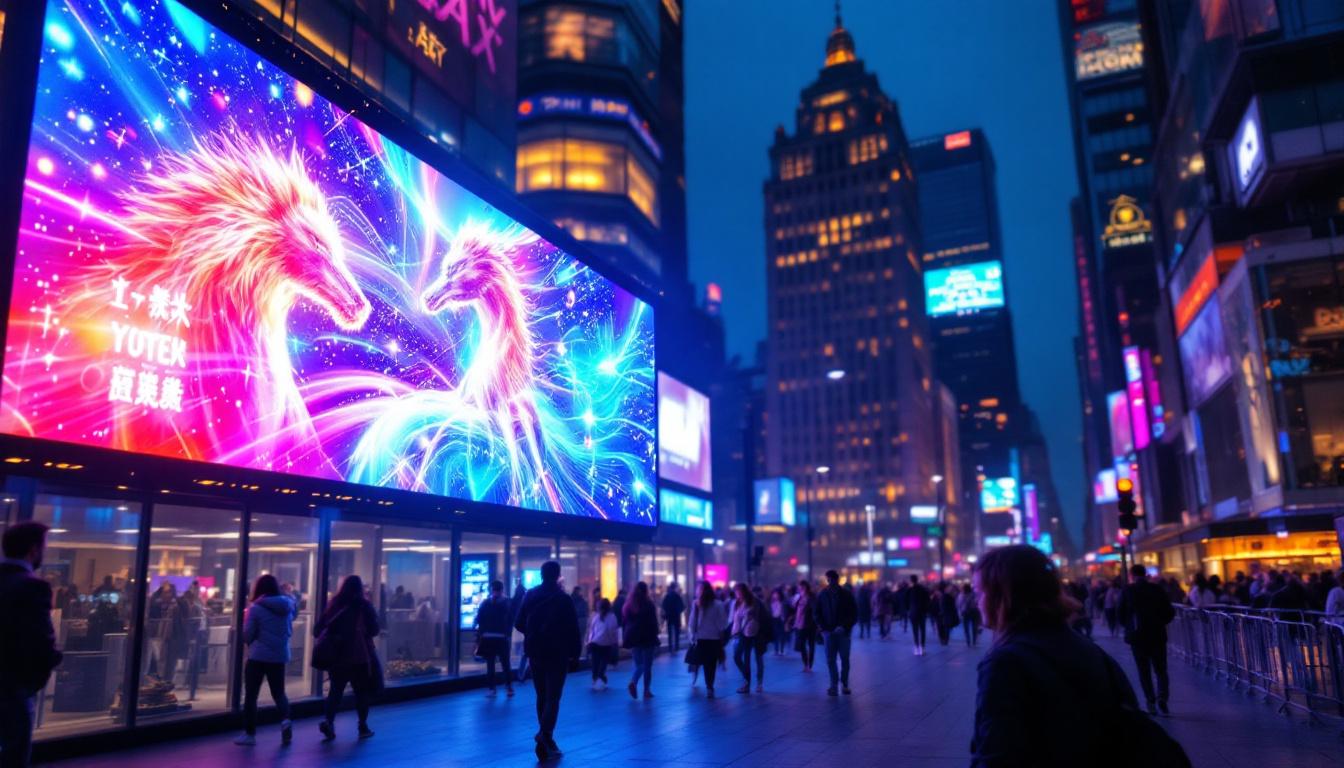
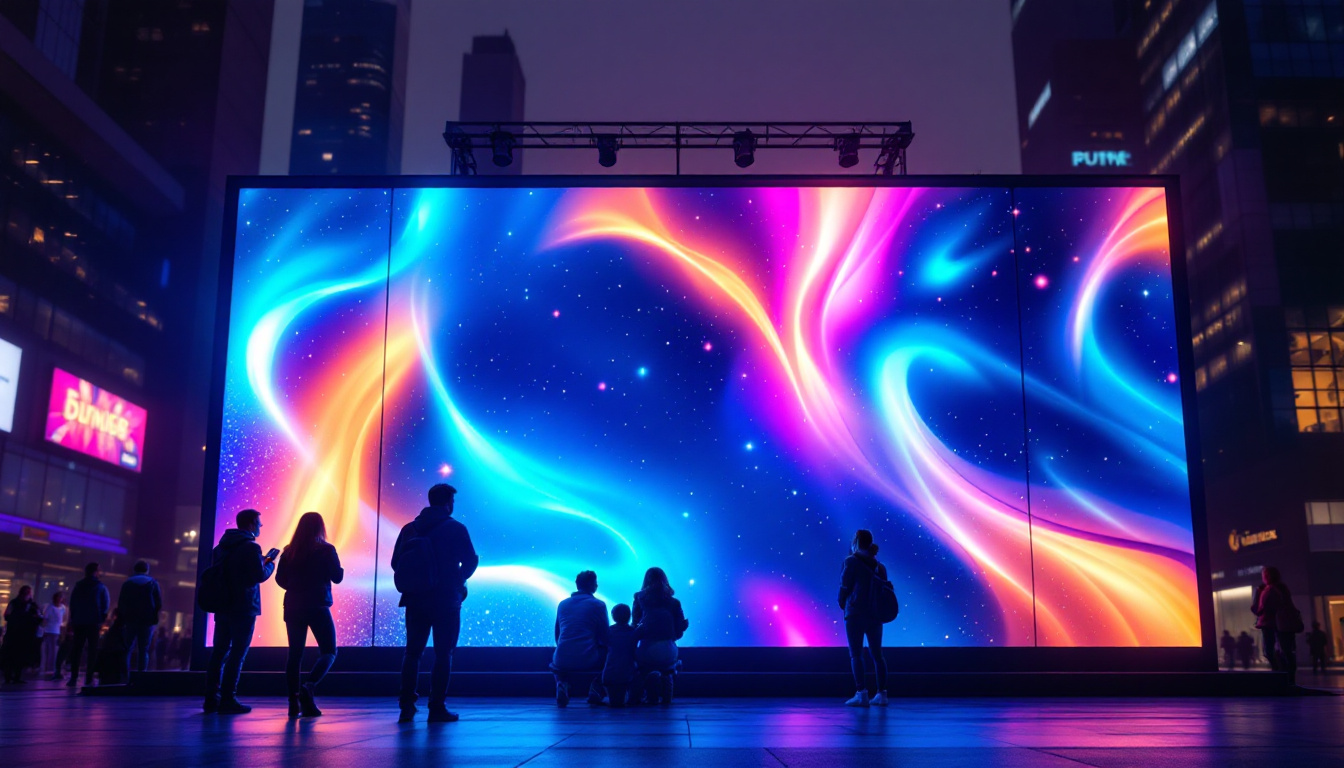
Consideration of the event environment is essential. Outdoor stages exposed to sunlight require displays with higher brightness levels (often 5,000 nits or more) to maintain visibility. Conversely, indoor venues typically need less brightness but may require displays with better color accuracy and contrast.
Additionally, weatherproofing and protective enclosures are necessary for outdoor LED displays to withstand rain, dust, and temperature fluctuations. It’s also wise to consider the potential for ambient light interference; for instance, if the event is held in a venue with large windows or bright overhead lights, investing in displays with adaptive brightness technology can help maintain visibility and clarity in varying lighting conditions, ensuring that the audience remains captivated by the visuals throughout the performance.
Content Management and Control Systems
Modern LED displays are integrated with advanced control systems that allow real-time content management, including video playback, live feeds, and dynamic visual effects. These systems often support multiple input sources and can synchronize content across multiple screens.
Choosing a display with compatible and user-friendly control software is vital for seamless operation during live events, where timing and precision are critical. Additionally, it’s beneficial to explore options for remote monitoring and troubleshooting capabilities, which can help technicians address any issues on-the-fly without disrupting the show. Training staff on the control systems and having backup plans in place can further enhance the reliability of the display setup, ensuring that the focus remains on delivering an unforgettable experience for the audience.
Applications of Stage LED Displays
Concerts and Music Festivals
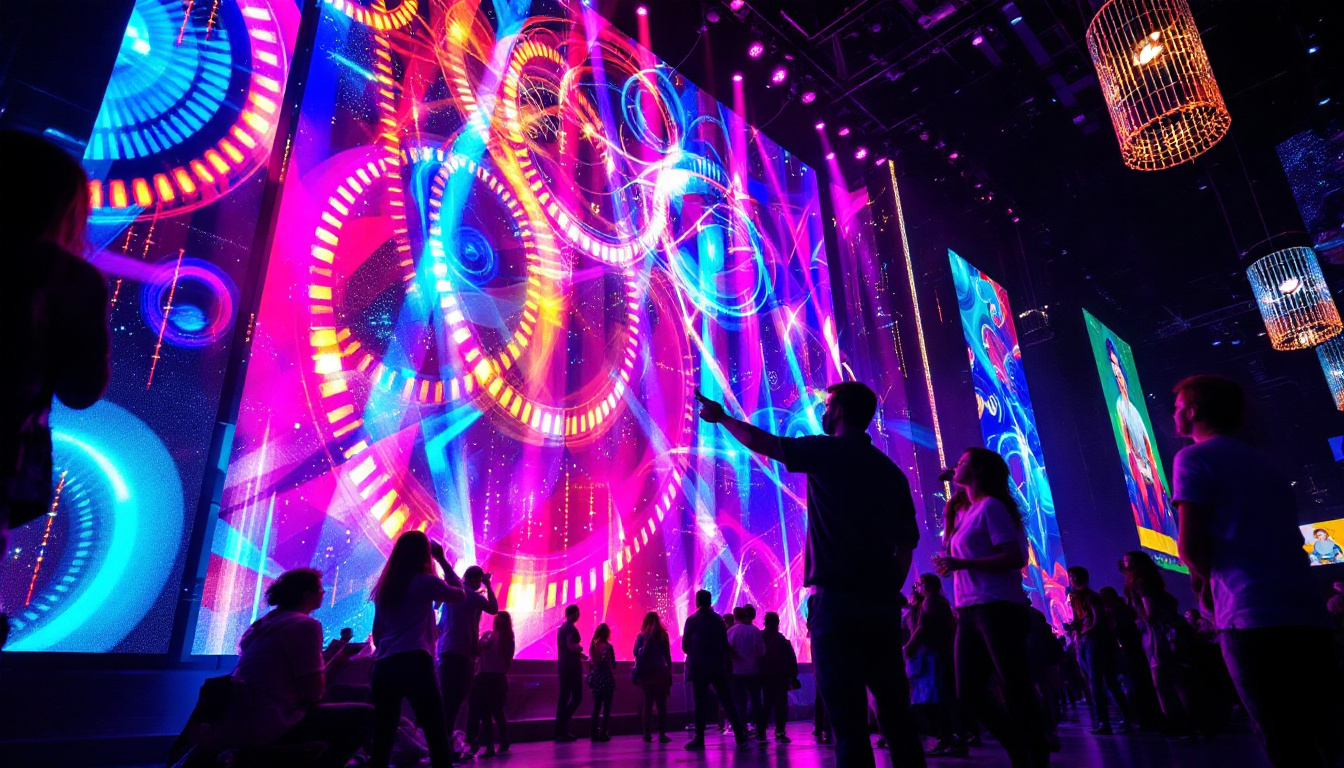
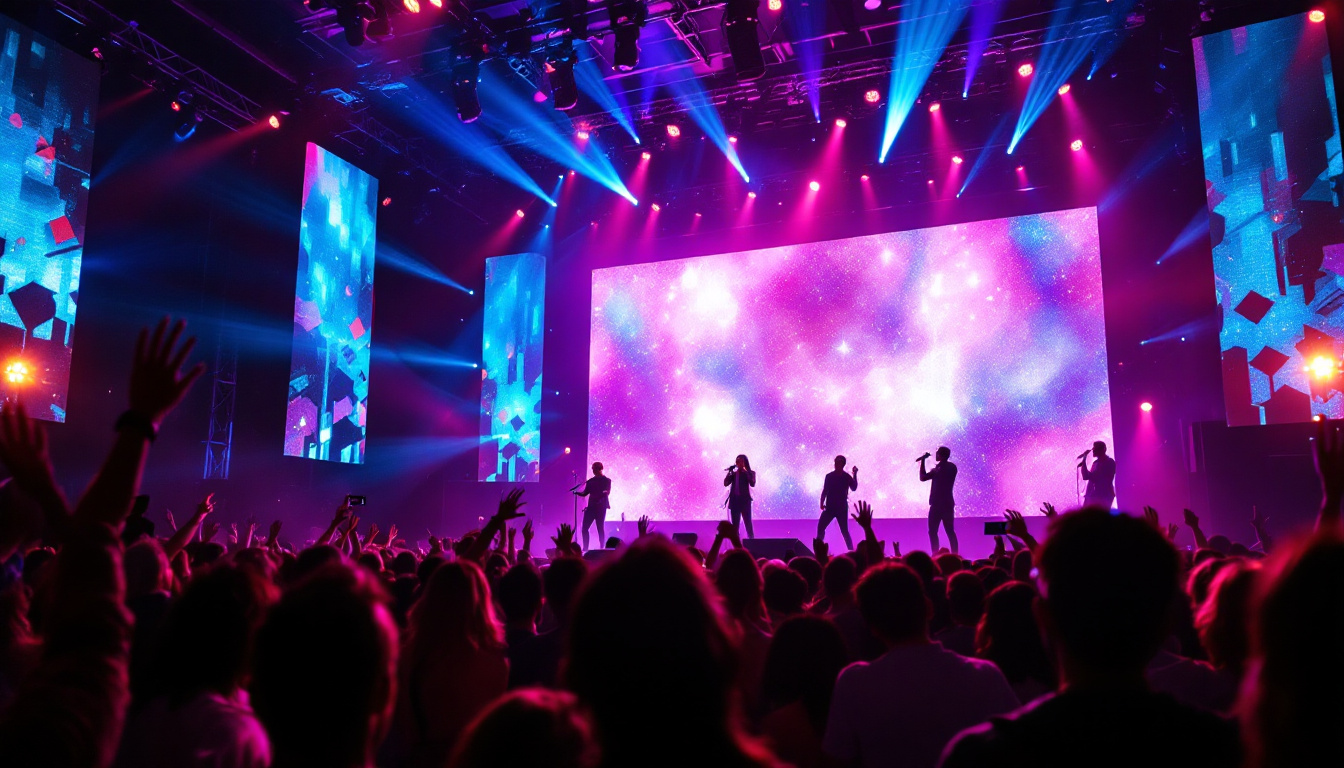
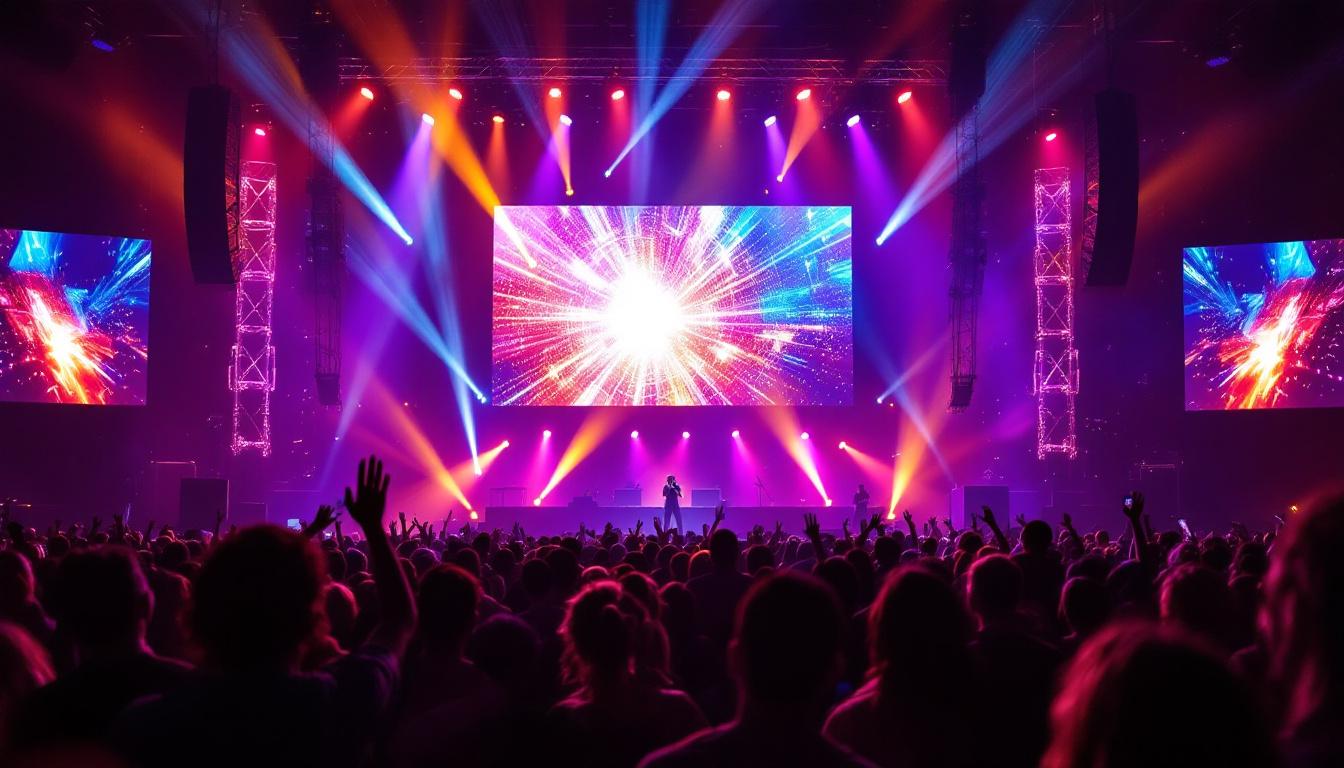
LED displays have revolutionized live music performances by providing spectacular backdrops that enhance the emotional and visual impact of the show. Artists use LED screens to display dynamic visuals, lyrics, and interactive elements that engage audiences on a deeper level.
At large music festivals, massive LED walls serve as focal points, ensuring that even attendees far from the stage can enjoy clear views of performers and special effects.
Theater and Performing Arts
Theater productions benefit from LED displays by creating versatile and immersive stage environments. LED screens can simulate different settings, from realistic landscapes to abstract artistic designs, without the need for physical set changes.
This flexibility allows directors and designers to experiment with storytelling techniques and visual narratives that captivate audiences.
Corporate Events and Conferences
In the corporate world, LED displays are used for presentations, product launches, and brand activations. Their high resolution and brightness make them ideal for displaying detailed graphics, videos, and live streams.
LED walls also facilitate hybrid event formats by integrating virtual participants and interactive content, enhancing engagement and communication.
Future Trends in Stage LED Display Technology
MicroLED and MiniLED Innovations
Emerging technologies like MicroLED and MiniLED promise even higher resolution, better color accuracy, and improved energy efficiency. These advancements will enable thinner, lighter, and more flexible displays, expanding creative possibilities for stage design.
Interactive and Immersive Experiences
Integration of LED displays with augmented reality (AR), virtual reality (VR), and motion tracking is creating immersive environments that respond to performers and audience interaction. This convergence of technologies is set to redefine live entertainment experiences.
Increased Sustainability
As the demand for eco-friendly event solutions grows, manufacturers are focusing on reducing the environmental impact of LED displays through recyclable materials, lower power consumption, and longer product lifecycles.
Conclusion
Stage LED displays have become indispensable tools in modern event production, offering unmatched brightness, flexibility, and visual impact. Understanding the technology, benefits, and key considerations helps event planners, designers, and technicians make informed decisions that elevate the audience experience.
As LED technology continues to evolve, the possibilities for creative expression and immersive storytelling on stage will only expand, making LED displays a cornerstone of live entertainment for years to come.
Discover LumenMatrix’s Innovative LED Solutions
Ready to elevate your event’s visual experience with the latest in LED display technology? Look no further than LumenMatrix, a pioneer in crafting LED display modules that bring your brand to life. Whether you’re in need of an Indoor LED Wall Display for your next conference, an Outdoor LED Wall Display for a festival, or any of our specialized solutions like Vehicle LED Displays, LED Posters, or Custom LED Displays, LumenMatrix has you covered. Embrace the future of visual storytelling with our All-in-One and Transparent LED Displays, designed to captivate and engage your audience like never before. Check out LumenMatrix LED Display Solutions today and transform your stage into a mesmerizing spectacle.