In recent years, LED display technology has revolutionized the way information and visuals are presented in various environments—from concerts and trade shows to corporate events and retail spaces. Central to the effective deployment of these displays is the supporting infrastructure, with the crank truss stand emerging as a popular and practical solution. This article explores the intricacies of crank truss stands and their relationship with LED displays, providing a comprehensive understanding of their design, functionality, and benefits.
Understanding LED Displays and Their Structural Needs
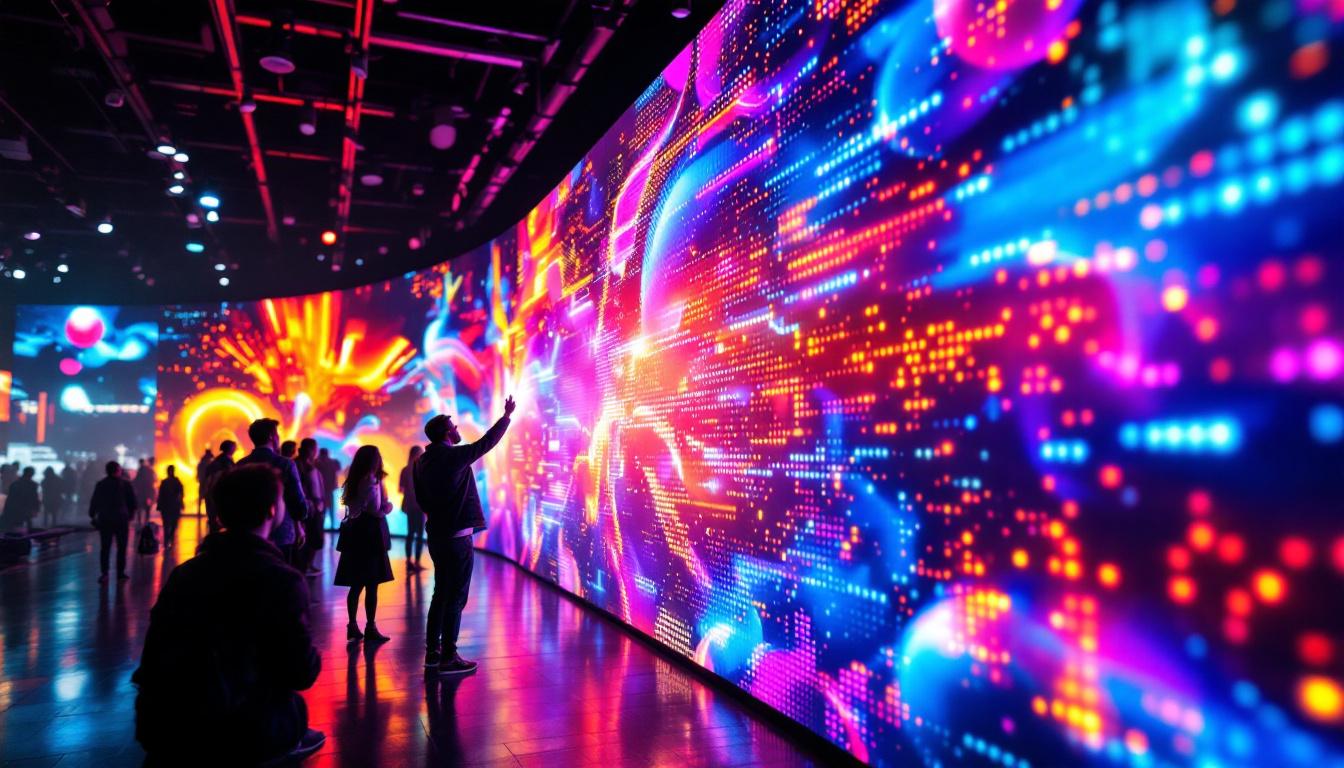
LED (Light Emitting Diode) displays have become the preferred choice for large-scale visual presentations due to their brightness, energy efficiency, and versatility. These displays consist of numerous tiny LEDs arranged in panels that can be configured to create vibrant, high-resolution images and videos. The technology behind LED displays has evolved significantly, allowing for thinner designs and improved color accuracy, which makes them suitable for a wide range of applications, from concerts and sporting events to advertising and corporate presentations.
However, the installation of LED displays requires careful consideration of structural support. The weight, size, and orientation of LED panels necessitate a robust and adjustable framework that can safely hold the display while allowing for optimal viewing angles and ease of setup. This is where the crank truss stand plays a crucial role. These stands not only provide the necessary support but also offer flexibility in terms of height adjustment and angle positioning, which is essential for achieving the best visual impact in various environments.
The Importance of Reliable Support Structures
LED display panels can weigh anywhere from a few kilograms to several hundred kilograms depending on their size and pixel pitch. Improper support can lead to safety hazards, display damage, and poor visual performance. Therefore, selecting the right stand or rigging system is critical for event organizers, AV professionals, and venue managers. The choice of materials used in the construction of these support structures also plays a significant role in their performance; for instance, aluminum trusses are popular due to their lightweight yet sturdy nature, making them easier to transport and set up without compromising safety.
Crank truss stands are engineered to meet these demands by combining strength, stability, and adjustability, making them ideal for both temporary and semi-permanent installations. Additionally, many modern crank truss systems come equipped with features such as quick-release mechanisms and integrated safety locks, which enhance the overall user experience by simplifying the setup process. Furthermore, the versatility of these stands allows for creative configurations, enabling designers to craft unique visual experiences that can captivate audiences and enhance the overall atmosphere of any event.
What is a Crank Truss Stand?
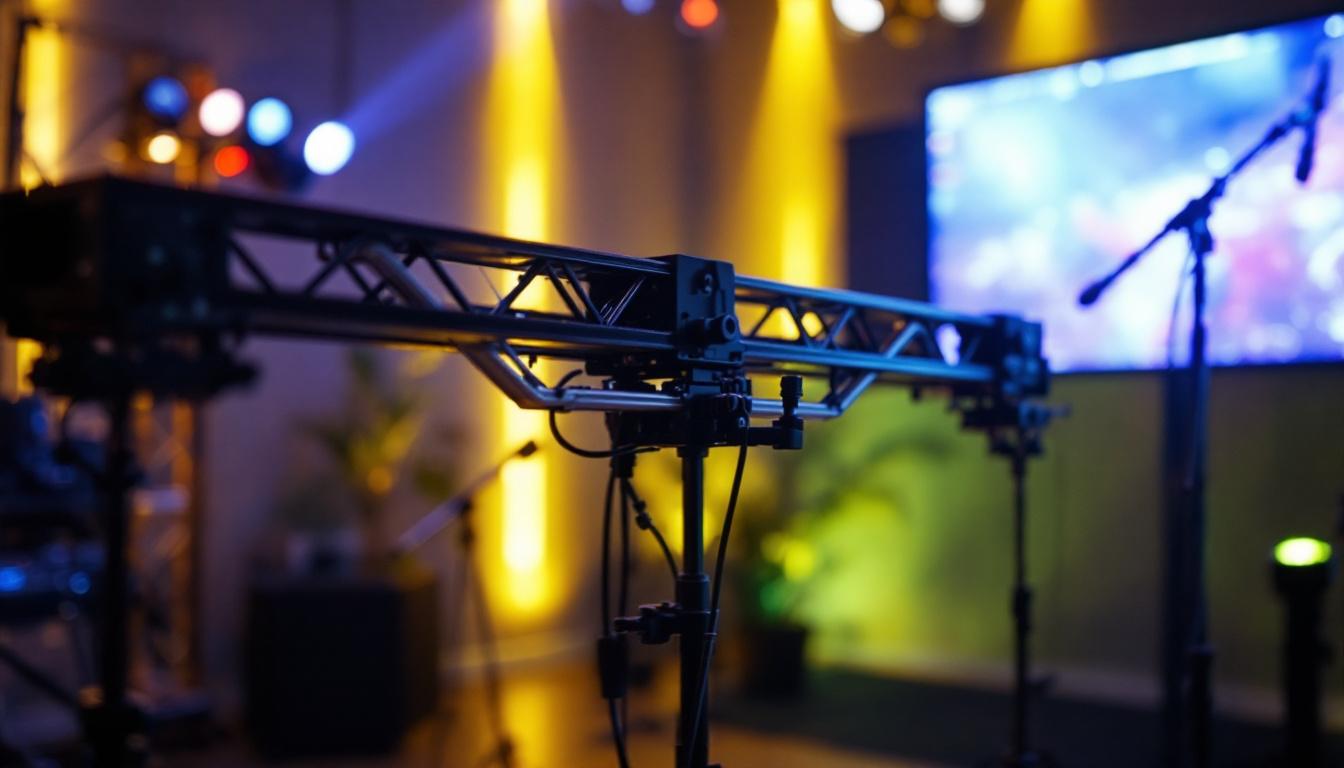
A crank truss stand is a specialized support system designed to hold truss structures, which are frameworks typically made from aluminum or steel. These trusses serve as the backbone for mounting LED displays, lighting fixtures, speakers, and other equipment.
The defining feature of a crank truss stand is its integrated crank mechanism, which allows for smooth height adjustment without the need for ladders or additional tools. This mechanism provides precise control over the elevation of the truss and, consequently, the LED display attached to it.
Components and Design Features
Typically, a crank truss stand consists of a sturdy base, a vertical mast with a crank handle, and mounting points for attaching truss sections. The base is often weighted or designed with wide legs to maximize stability, especially when supporting heavy LED panels.
The crank handle operates a winch system inside the mast, enabling the user to raise or lower the truss with minimal effort. This design not only enhances safety by reducing the need for manual lifting but also speeds up the setup and teardown processes.
In addition to its functional components, a crank truss stand may also feature adjustable height settings, allowing for versatility in various setups. This adaptability makes it suitable for different types of events, from intimate gatherings to large-scale concerts. Some models even incorporate locking mechanisms that secure the truss at the desired height, ensuring that the equipment remains stable during use. Furthermore, many crank truss stands are designed with portability in mind, often featuring collapsible designs that make transportation and storage more convenient.
Moreover, the materials used in the construction of crank truss stands are chosen not only for their strength but also for their lightweight properties. Aluminum, for instance, is a popular choice due to its excellent strength-to-weight ratio, which allows for easy handling without compromising on durability. Additionally, many manufacturers offer customizable options, such as different colors or finishes, to match the aesthetic of the event or venue. This level of customization ensures that professionals in the entertainment industry can maintain a cohesive look while utilizing functional equipment that meets their specific needs.
Advantages of Using Crank Truss Stands for LED Displays
When compared to alternative support methods such as fixed stands, scaffolding, or motorized lifts, crank truss stands offer several distinct advantages that make them a preferred choice in many scenarios.
1. Enhanced Safety and Stability
Crank truss stands are engineered to meet rigorous safety standards, often complying with industry regulations such as those outlined by OSHA or European EN standards. The wide base and secure locking mechanisms ensure that the truss remains stable even under the dynamic loads introduced by wind or crowd movement.
Moreover, the crank mechanism reduces the risk of injury by eliminating the need for manual lifting or climbing during height adjustments.
2. Flexibility and Adjustability
One of the standout features of crank truss stands is their ability to quickly adapt to different event requirements. The height can be adjusted incrementally, allowing for precise positioning of the LED display to optimize sightlines and audience engagement.
This flexibility is particularly valuable in venues with varying ceiling heights or outdoor settings where visibility angles are crucial.
3. Portability and Ease of Setup
Despite their robust construction, many crank truss stands are designed to be lightweight and portable. Aluminum models, for example, offer a strong yet manageable weight, facilitating transportation and installation by small teams.
The crank system simplifies the setup process, reducing labor costs and minimizing downtime between events.
Applications of Crank Truss Stands in LED Display Deployments
Crank truss stands find application across a wide range of industries and event types. Their versatility makes them suitable for both indoor and outdoor use, in temporary or semi-permanent installations.
Live Events and Concerts
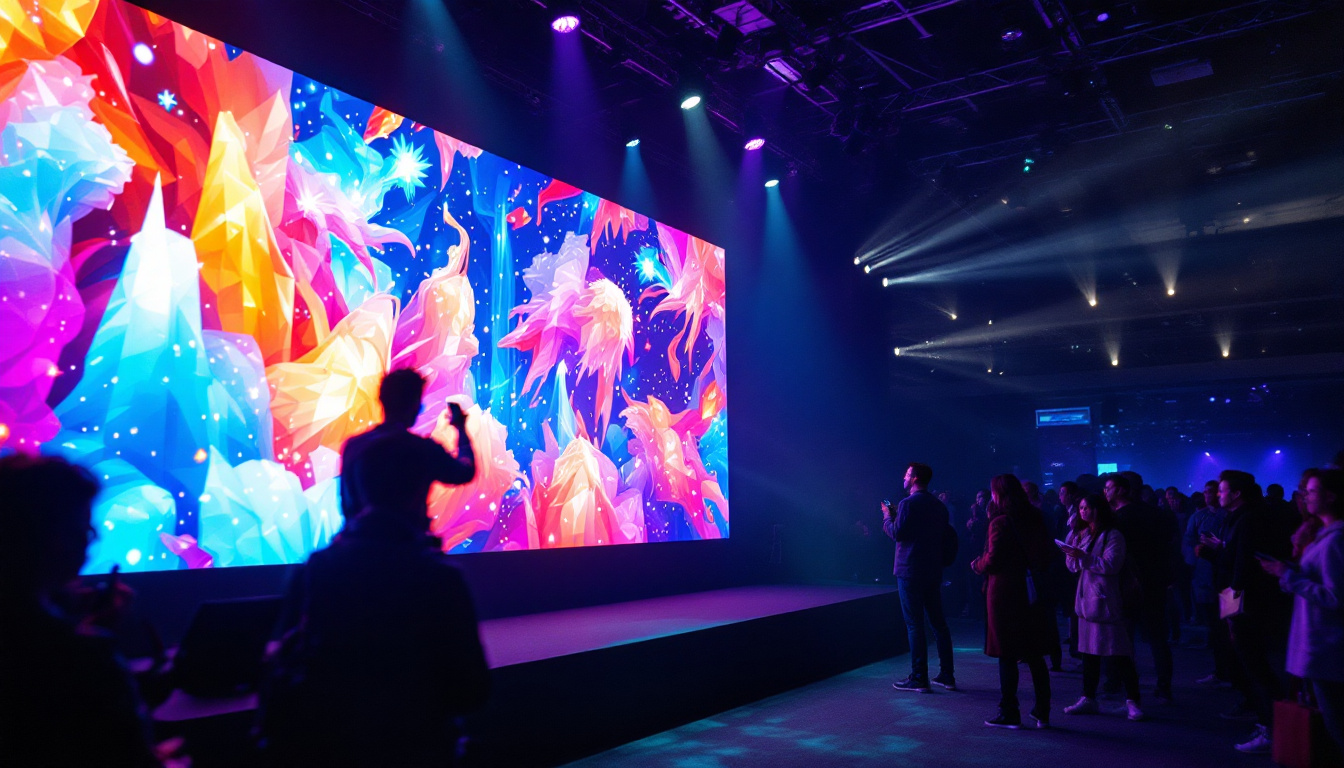
At concerts and festivals, large LED screens are essential for delivering live video feeds, graphics, and interactive content to audiences. Crank truss stands enable quick assembly and adjustment of these screens, ensuring optimal visibility for attendees regardless of their location.
Additionally, the stands support the mounting of lighting and audio equipment, contributing to a cohesive stage setup.
Corporate and Trade Shows
In corporate environments, LED displays are used for presentations, branding, and product demonstrations. Crank truss stands allow exhibitors to tailor the height and positioning of their screens to suit booth layouts and foot traffic patterns, enhancing engagement and professional appearance.
Retail and Public Spaces
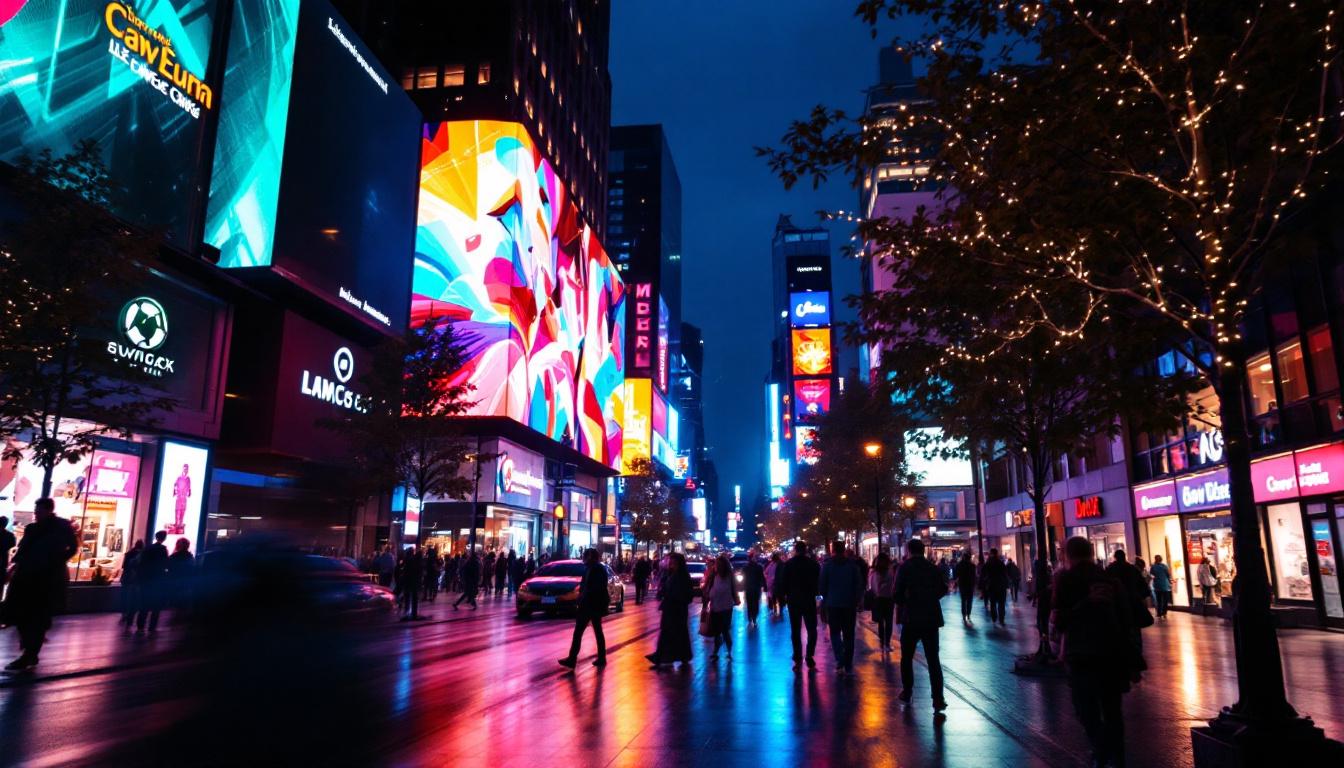
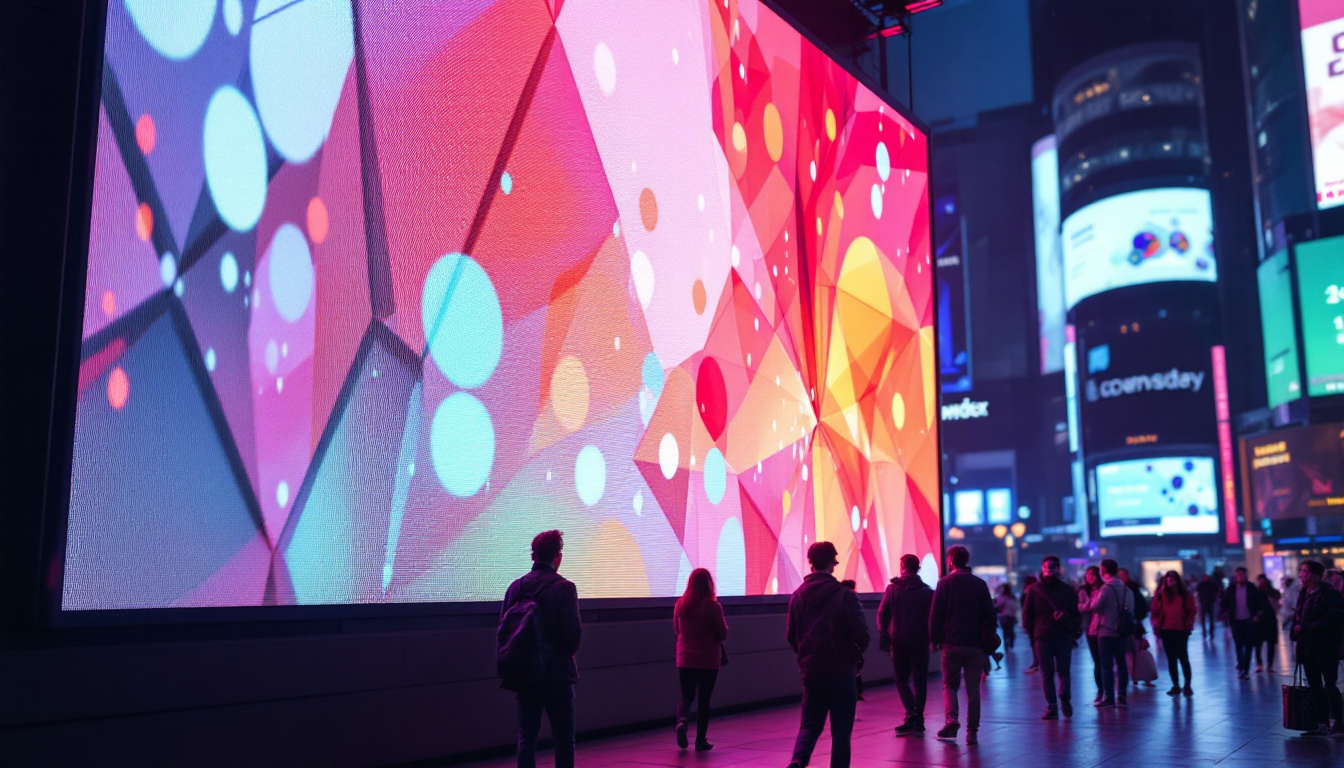
Retailers and public venues use LED displays for advertising and informational purposes. The portability and ease of adjustment of crank truss stands make them ideal for temporary promotions or seasonal campaigns where displays need to be frequently relocated or reconfigured.
Technical Considerations When Choosing a Crank Truss Stand
Selecting the appropriate crank truss stand for an LED display involves evaluating several technical factors to ensure compatibility and safety.
Load Capacity
The stand must support the combined weight of the LED panels and any additional equipment mounted on the truss. Manufacturers typically specify maximum load ratings, which should be carefully matched to the total expected weight with a safety margin.
Height Range and Adjustment Precision
Understanding the required height range is critical. Some stands offer height adjustments from as low as 1 meter up to 5 meters or more. The crank mechanism should provide smooth, incremental control to position the display accurately.
Compatibility with Truss Types
Trusses come in various shapes and sizes, such as triangular or square profiles. Ensure the stand’s mounting points are compatible with the truss sections being used to guarantee a secure fit.
Material and Durability
Aluminum stands are lightweight and corrosion-resistant, making them suitable for outdoor use. Steel stands offer higher load capacities but may be heavier and require protective coatings to prevent rust.
Maintenance and Safety Best Practices
Proper maintenance and adherence to safety protocols are essential to maximize the lifespan of crank truss stands and ensure safe operation.
Regular Inspection
Inspect the crank mechanism, locking pins, and structural components before and after each use. Look for signs of wear, corrosion, or damage that could compromise stability.
Load Testing
Periodically conduct load tests to verify that the stand can safely support the intended weight. This is especially important for frequently used or older equipment.
Safe Operation Guidelines
Only trained personnel should operate the crank mechanism. Avoid exceeding load limits or making adjustments while the stand is under load. Use appropriate safety gear and ensure the base is on a stable, level surface.
Future Trends in Crank Truss Stands and LED Display Technology
As LED technology continues to evolve, so too will the supporting infrastructure. Innovations in materials, design, and automation are shaping the future of crank truss stands.
Lightweight Composite Materials
Emerging composite materials promise to reduce the weight of truss stands without sacrificing strength, enhancing portability and ease of use.
Integrated Motorized Systems
While manual crank mechanisms are reliable, motorized height adjustment systems with remote control capabilities are becoming more prevalent, offering greater precision and convenience.
Smart Monitoring and Safety Features
Future stands may incorporate sensors to monitor load, tilt, and environmental conditions, providing real-time feedback to operators and improving safety.
Conclusion
Crank truss stands are an indispensable component in the deployment of LED displays, offering a blend of safety, flexibility, and efficiency. Their design addresses the unique challenges posed by the weight and configuration of LED panels, making them suitable for a wide range of applications from live events to corporate settings.
Understanding the technical aspects and operational best practices of crank truss stands enables event professionals and venue managers to optimize their LED display setups, ensuring both impactful visual experiences and safe working environments. As technology advances, these stands will continue to adapt, supporting the dynamic needs of the audiovisual industry.
Discover LumenMatrix’s Advanced LED Display Solutions
Ready to elevate your visual presentations with the latest in LED display technology? LumenMatrix offers a comprehensive range of innovative solutions tailored to your needs. From Indoor and Outdoor LED Wall Displays to specialized options like Vehicle and Sports LED Displays, our products are designed to captivate and engage your audience. Experience the future of visual communication with our Custom, All-in-One, and Transparent LED Displays. Check out LumenMatrix LED Display Solutions today and transform your space into a dynamic visual experience.