In the rapidly evolving world of digital signage and display technology, indoor LED screens have emerged as a leading solution for businesses, event organizers, and public spaces seeking vibrant, high-impact visual communication. This article dives deep into the fundamentals of indoor LED displays, exploring their technology, applications, advantages, and considerations for choosing the right screen for indoor environments.
Understanding Indoor LED Displays: Technology and Components
What Is an Indoor LED Display?
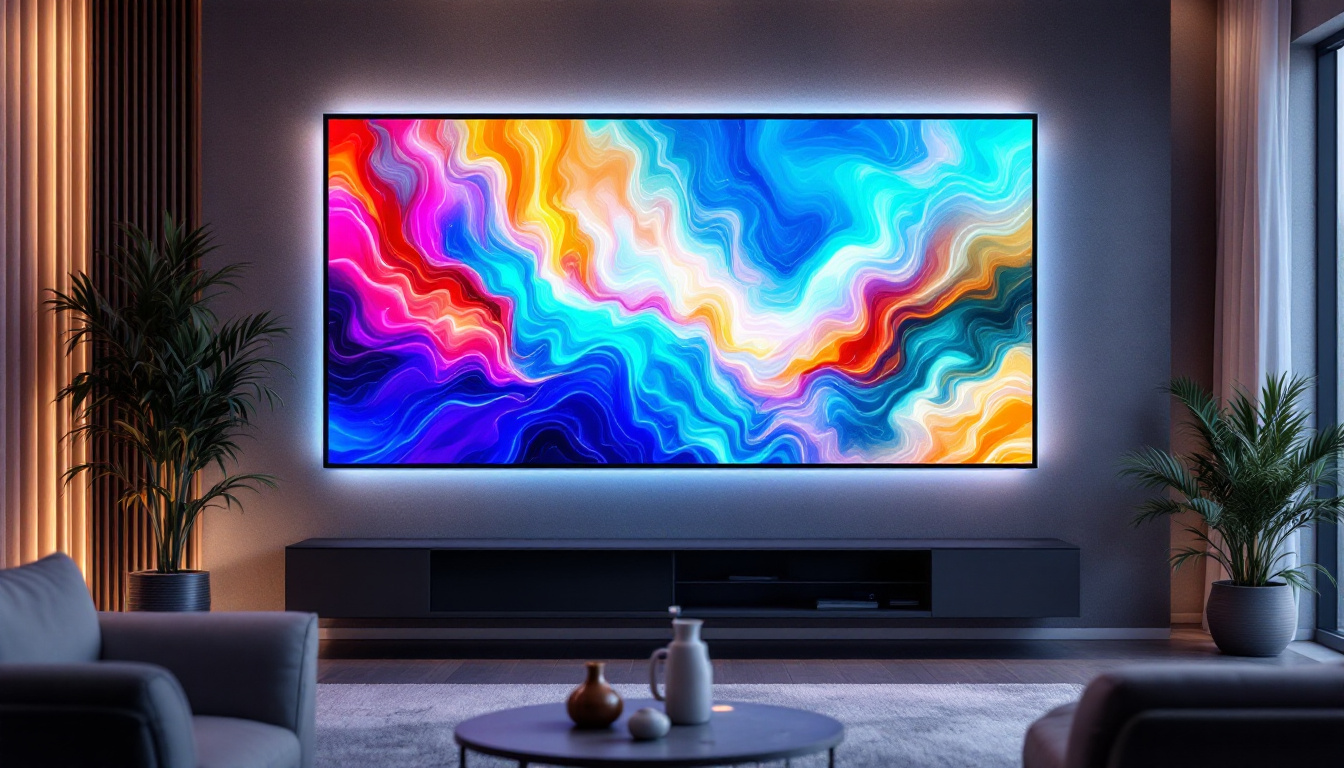
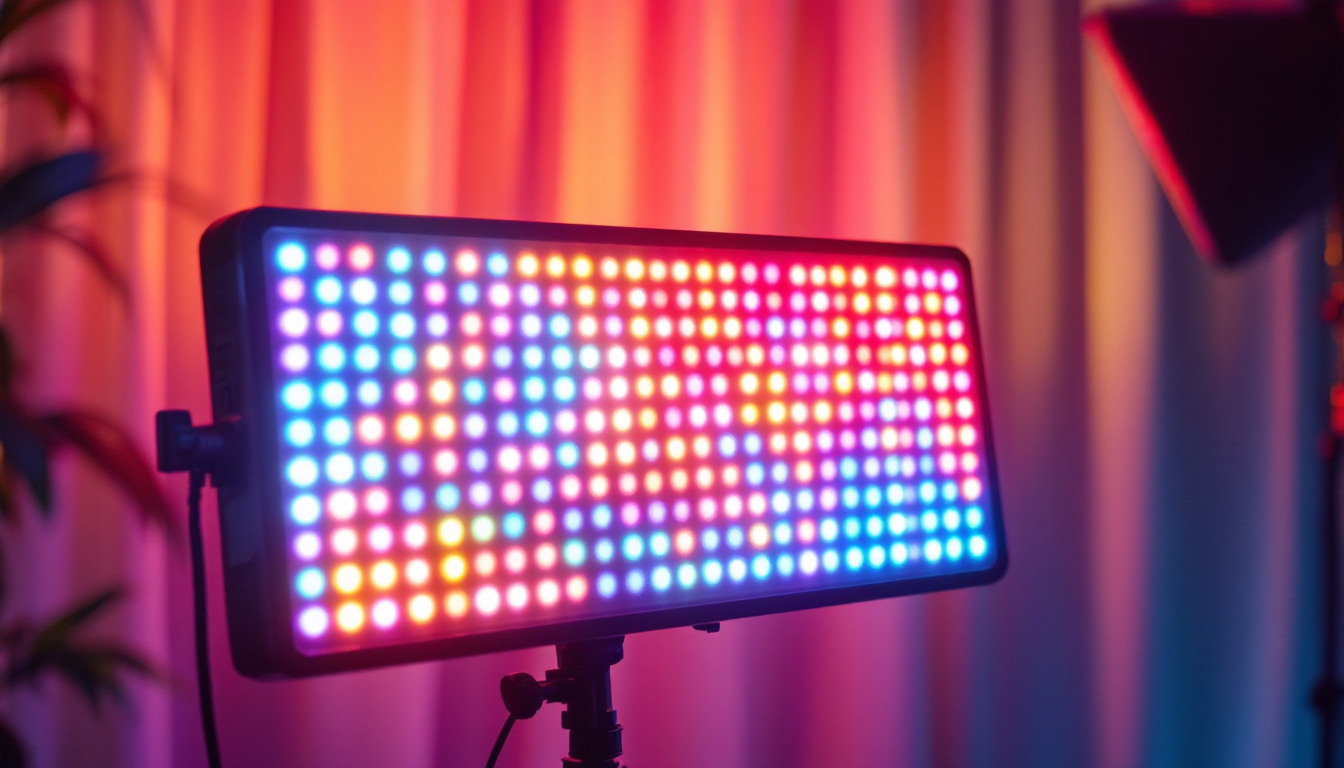
Indoor LED displays are digital screens composed of light-emitting diodes (LEDs) arranged in a matrix to form images, videos, and text. Unlike traditional LCD or projection screens, LED displays produce their own light, resulting in brighter and more vivid visuals. Designed specifically for indoor environments, these screens are optimized for close-range viewing and controlled lighting conditions, making them ideal for retail stores, conference rooms, airports, and entertainment venues. Their versatility allows them to be used for various applications, from advertising and branding to information dissemination and artistic displays, making them a popular choice across multiple industries.
How Do Indoor LED Screens Work?
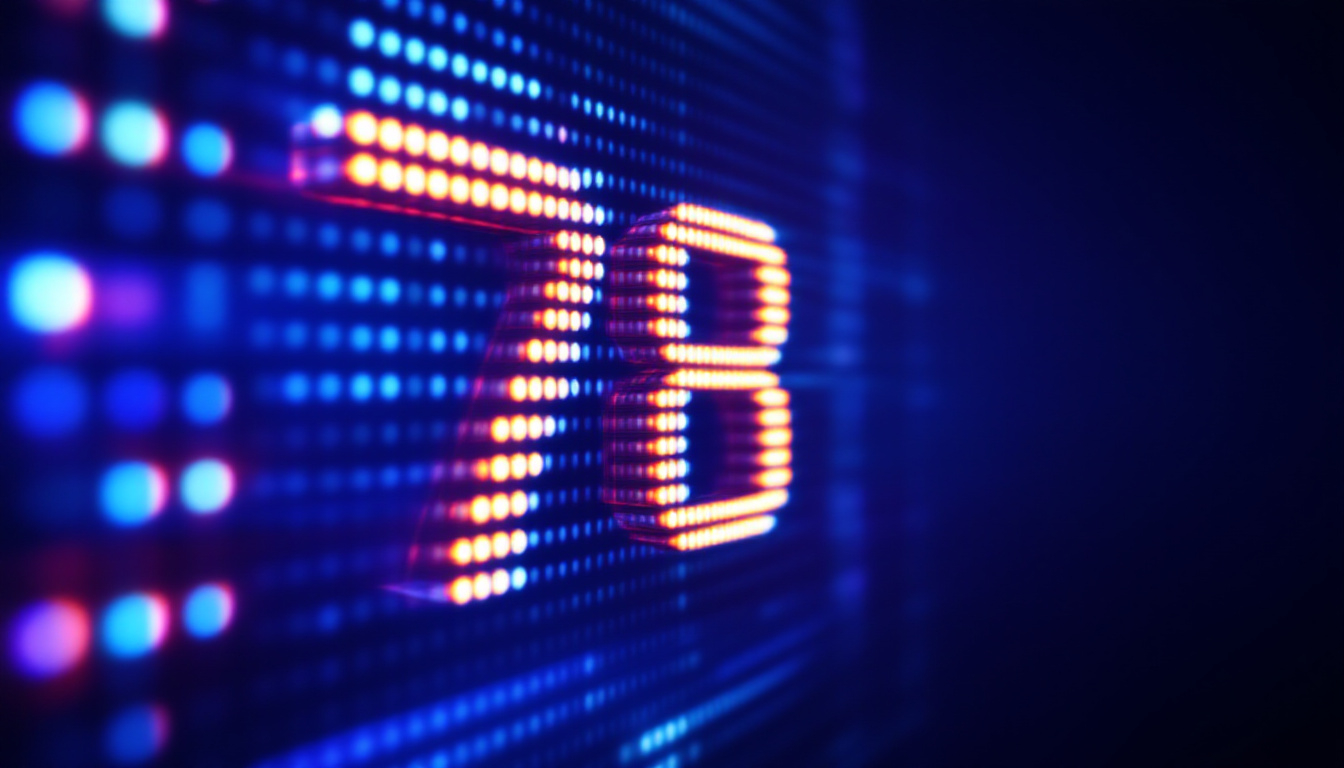
Each pixel on an LED display consists of tiny red, green, and blue LEDs that combine to produce a full spectrum of colors. The screen’s resolution depends on the pixel pitch—the distance between the centers of two adjacent pixels. Indoor LED displays typically have a smaller pixel pitch, ranging from 0.9mm to 4mm, which allows for high-definition images even when viewed from a short distance. This capability is particularly beneficial in environments where viewers are likely to be close to the screen, such as in retail settings where product promotions are showcased.
The LEDs are controlled by a sophisticated driver and processing system that manages color accuracy, brightness, refresh rate, and image scaling. Modern indoor LED displays often incorporate advanced features such as HDR (High Dynamic Range) support and calibration tools to ensure consistent performance over time. Additionally, many displays now feature smart technology, allowing for real-time content updates and remote management, which enhances their functionality and user experience.
Key Components of an Indoor LED Display
Several critical components work together to create the seamless visuals of an indoor LED screen:
- LED Modules: These are the building blocks of the display, containing clusters of LEDs arranged in pixels.
- Cabinets: The modules are mounted onto cabinets, which provide structural support and facilitate maintenance.
- Power Supply: Ensures stable and efficient power delivery to the LEDs and control systems.
- Control System: Includes the video processor and software that manage content playback and display settings.
- Cooling Mechanisms: Indoor LED screens generate heat, so integrated cooling solutions maintain optimal operating temperatures.
In addition to these components, the installation and configuration of indoor LED displays require careful planning. Factors such as viewing angles, ambient light conditions, and the intended audience play a crucial role in determining the optimal setup. Furthermore, advancements in technology have led to the development of flexible LED screens that can be curved or shaped to fit unique spaces, allowing for even more creative display options. This adaptability not only enhances aesthetic appeal but also maximizes engagement by drawing viewers into the content being presented.
Moreover, as indoor LED displays continue to evolve, the integration of artificial intelligence and machine learning is becoming more prevalent. These technologies enable displays to analyze viewer interactions and adjust content dynamically, providing a more personalized experience. This shift towards intelligent displays is transforming how businesses communicate with their customers, making indoor LED screens not just a medium for information but also a tool for enhancing customer engagement and driving sales.
Applications of Indoor LED Displays
Retail and Advertising
Indoor LED displays have transformed the retail landscape by enabling dynamic, eye-catching advertisements that can be updated in real-time. Brands use these screens to showcase promotions, new products, and interactive content, which enhances customer engagement and drives sales. For example, a global apparel retailer installed a 3mm pixel pitch LED wall in flagship stores, resulting in a 25% increase in foot traffic during promotional campaigns. This technology not only attracts customers but also allows for targeted advertising based on the time of day or specific events, tailoring the shopping experience to maximize impact. Furthermore, integrating social media feeds into these displays can create a sense of community and urgency, encouraging shoppers to share their experiences online, thereby amplifying brand visibility.
Corporate and Conference Environments
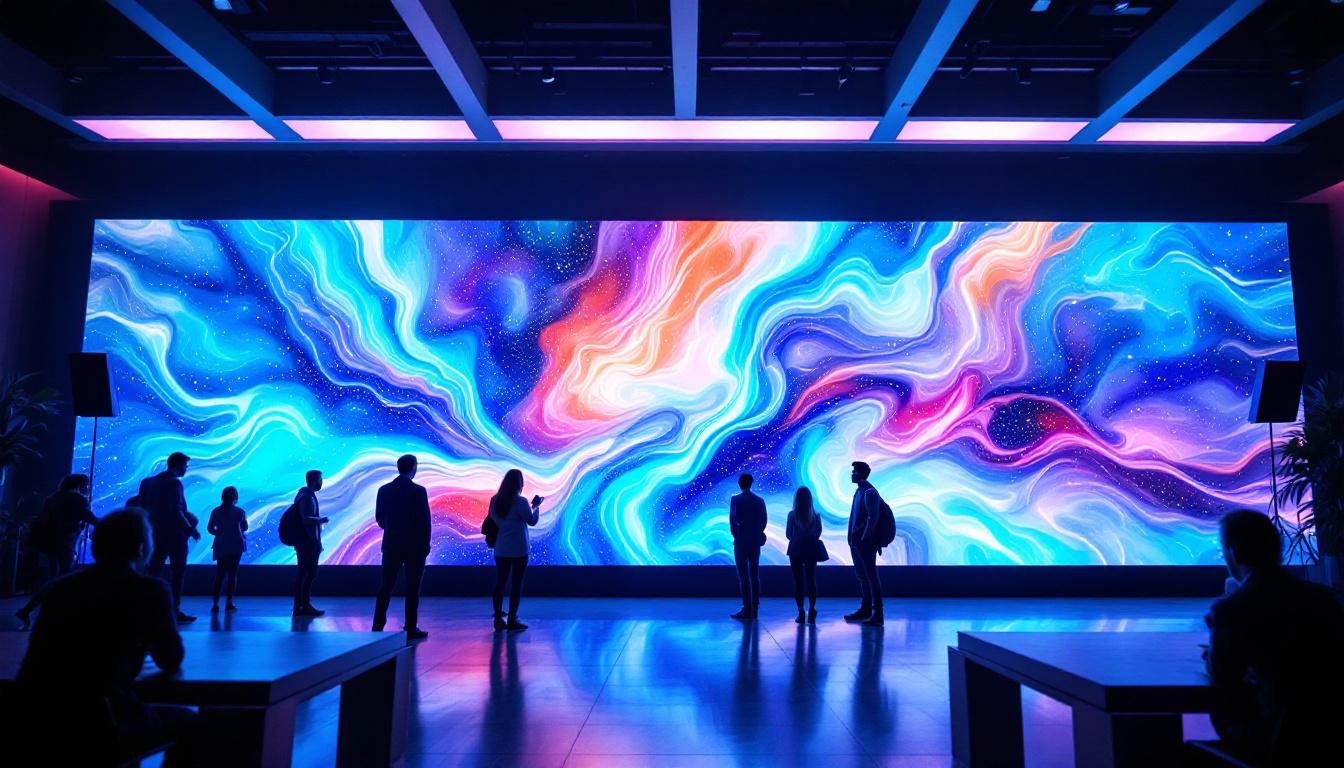
In corporate settings, indoor LED displays serve as powerful tools for presentations, video conferencing, and digital signage. Their superior brightness and clarity ensure that information is visible to all attendees, even in large meeting rooms or auditoriums. Many companies now prefer LED walls over traditional projectors due to their reliability and lower maintenance requirements. Additionally, the versatility of LED displays allows for seamless integration with various software platforms, enabling real-time data visualization and interactive presentations that can engage audiences more effectively. This adaptability also extends to corporate branding, as companies can customize the displays to reflect their identity during events, reinforcing their message and enhancing overall professionalism.
Entertainment and Events
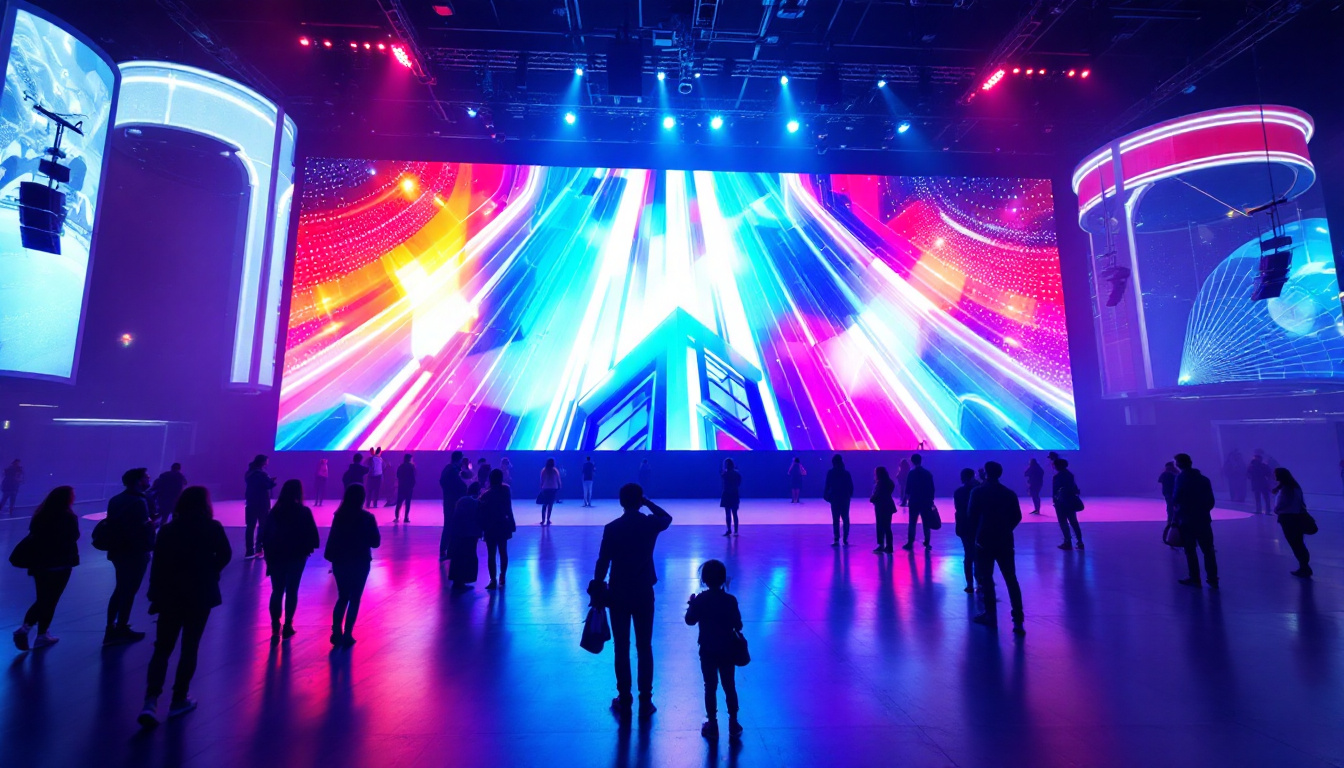
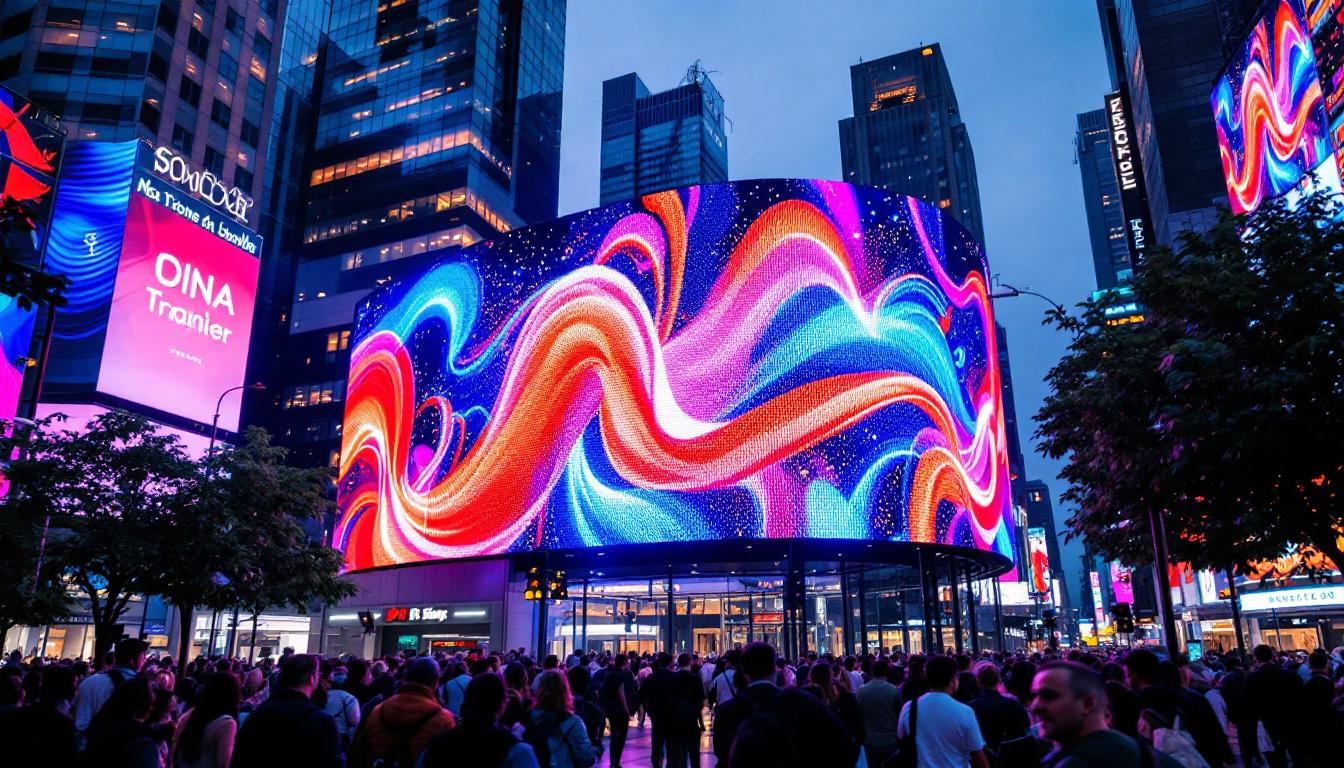
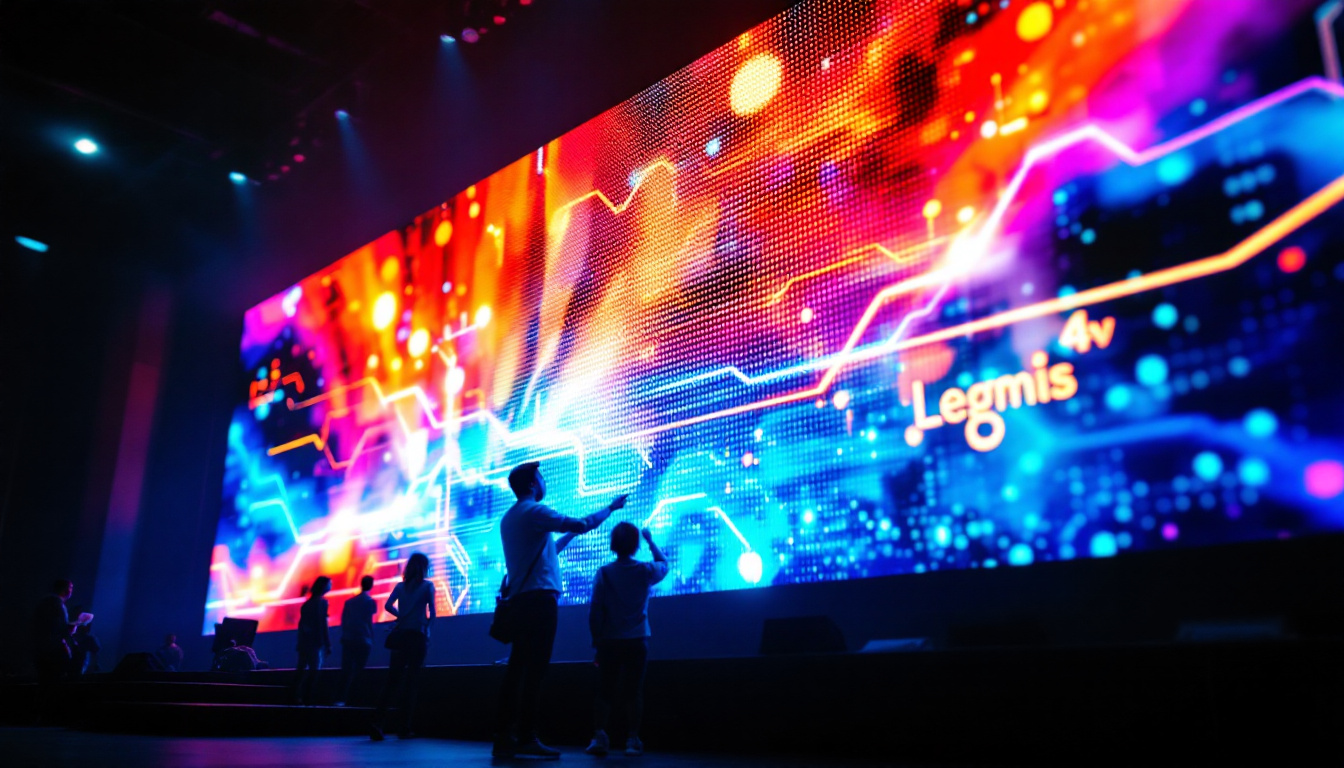
Indoor LED screens are staples at concerts, trade shows, and exhibitions. Their ability to display high-resolution video content and live feeds makes them indispensable for immersive experiences. For instance, major event venues often deploy LED walls with pixel pitches as fine as 1.2mm to deliver crisp visuals that captivate audiences. Beyond just visuals, these displays can synchronize with sound systems to create a cohesive audio-visual experience, enhancing the emotional impact of performances. Moreover, the flexibility of LED technology allows event organizers to create unique layouts and configurations, ensuring that every seat in the house has a great view of the action, which is particularly crucial in large-scale events.
Transportation Hubs and Public Spaces
Airports, train stations, and shopping malls utilize indoor LED displays for wayfinding, announcements, and advertising. The screens’ brightness and adaptability allow them to remain visible under various lighting conditions, enhancing the overall user experience. In addition to providing essential travel information, these displays can also serve as platforms for local businesses to advertise, creating a symbiotic relationship between transportation hubs and the surrounding community. Furthermore, the integration of real-time updates, such as flight statuses or train schedules, can significantly reduce passenger anxiety and improve the flow of foot traffic, making these spaces more efficient and user-friendly. The potential for interactive features, such as touchscreens for navigation or information retrieval, further enhances the functionality of LED displays in these environments.
Advantages of Indoor LED Displays Over Other Technologies
Superior Brightness and Contrast
One of the most significant advantages of indoor LED displays is their ability to produce high brightness levels—often exceeding 1,000 nits—while maintaining excellent contrast ratios. This ensures that images remain vibrant and legible even in well-lit indoor environments, where LCD or projection screens might struggle.
Wide Viewing Angles
Indoor LED screens typically offer wide viewing angles, often up to 160 degrees horizontally and vertically. This means that content is clearly visible from various positions within a room, making them ideal for public spaces and large venues.
Energy Efficiency and Longevity
Modern LED technology is energy-efficient compared to traditional display methods. LEDs consume less power and have longer lifespans, often rated at 50,000 to 100,000 hours of operation. This reduces operating costs and the frequency of replacements, which is particularly beneficial for installations running 24/7.
Customization and Scalability
Indoor LED displays are highly customizable. They can be built to fit virtually any size or shape, from small digital posters to massive video walls. This scalability allows businesses to tailor their visual communication to specific spatial and branding requirements.
Choosing the Right Indoor LED Display
Pixel Pitch and Resolution
Determining the appropriate pixel pitch is crucial for achieving optimal image quality. Smaller pixel pitches provide higher resolution and are better suited for close viewing distances, but they also increase cost. For example, a 1.5mm pixel pitch is ideal for retail environments where viewers are within a few feet, while a 3mm pitch might suffice for larger conference rooms.
Brightness and Ambient Light Considerations
Assess the ambient lighting conditions of the installation site. Indoor LED displays with adjustable brightness settings can adapt to varying light levels, preventing glare and ensuring visibility. Some advanced models include ambient light sensors that automatically adjust brightness.
Installation and Maintenance
Consider the ease of installation and ongoing maintenance. Modular designs with front or rear access simplify repairs and upgrades. Additionally, ensure that the chosen display has adequate cooling to prevent overheating in enclosed indoor spaces.
Content Management and Connectivity
Modern indoor LED displays often come equipped with versatile content management systems (CMS) that support multiple input sources, scheduling, and remote control. Reliable connectivity options such as HDMI, DVI, and network interfaces facilitate seamless integration with existing AV infrastructure.
Future Trends in Indoor LED Display Technology
MicroLED and MiniLED Innovations
Emerging technologies like MicroLED and MiniLED promise even finer pixel pitches and improved energy efficiency. MicroLED displays, which use microscopic LEDs, offer superior brightness and color accuracy without the burn-in issues associated with OLEDs. These advancements are expected to redefine indoor display standards in the coming years.
Interactive and Smart Displays
Integration of touch sensors and AI-driven content personalization is making indoor LED screens more interactive and engaging. Smart displays can adapt content based on audience demographics, time of day, or environmental factors, creating tailored experiences that drive higher engagement.
Eco-Friendly and Sustainable Solutions
As sustainability becomes a priority, manufacturers are developing LED displays with recyclable materials, reduced power consumption, and longer lifecycles. These eco-friendly innovations align with corporate social responsibility goals and regulatory requirements.
Conclusion
Indoor LED displays represent a versatile and powerful medium for visual communication across various industries. Their superior brightness, flexibility, and durability make them a preferred choice for environments where high-quality digital content is essential. By understanding the technology, applications, and key considerations, businesses and organizations can select the right indoor LED screen to maximize impact and return on investment.
As technology continues to advance, indoor LED displays will become even more immersive, efficient, and interactive, shaping the future of digital signage and indoor visual experiences.
Discover the Future of Visual Communication with LumenMatrix
Ready to elevate your indoor space with vibrant, high-definition LED displays? LumenMatrix is at the forefront of LED display technology, offering a wide array of solutions that bring your visual communication to life. From captivating Indoor LED Wall Displays to versatile All-in-One LED Displays, our products are designed to engage your audience and amplify your message. Experience the revolution in digital signage and create unforgettable visual experiences with LumenMatrix. Check out LumenMatrix LED Display Solutions today and transform your space into a dynamic visual showcase.