In today’s digital age, LED displays have become an integral part of how information is communicated visually. From giant billboards towering over cityscapes to the vibrant screens on smartphones and televisions, LED technology powers a vast range of displays. Understanding the fundamentals of panel screens and LED displays is essential not only for professionals in the tech and advertising industries but also for consumers seeking to make informed choices about their digital devices.
What is an LED Display?
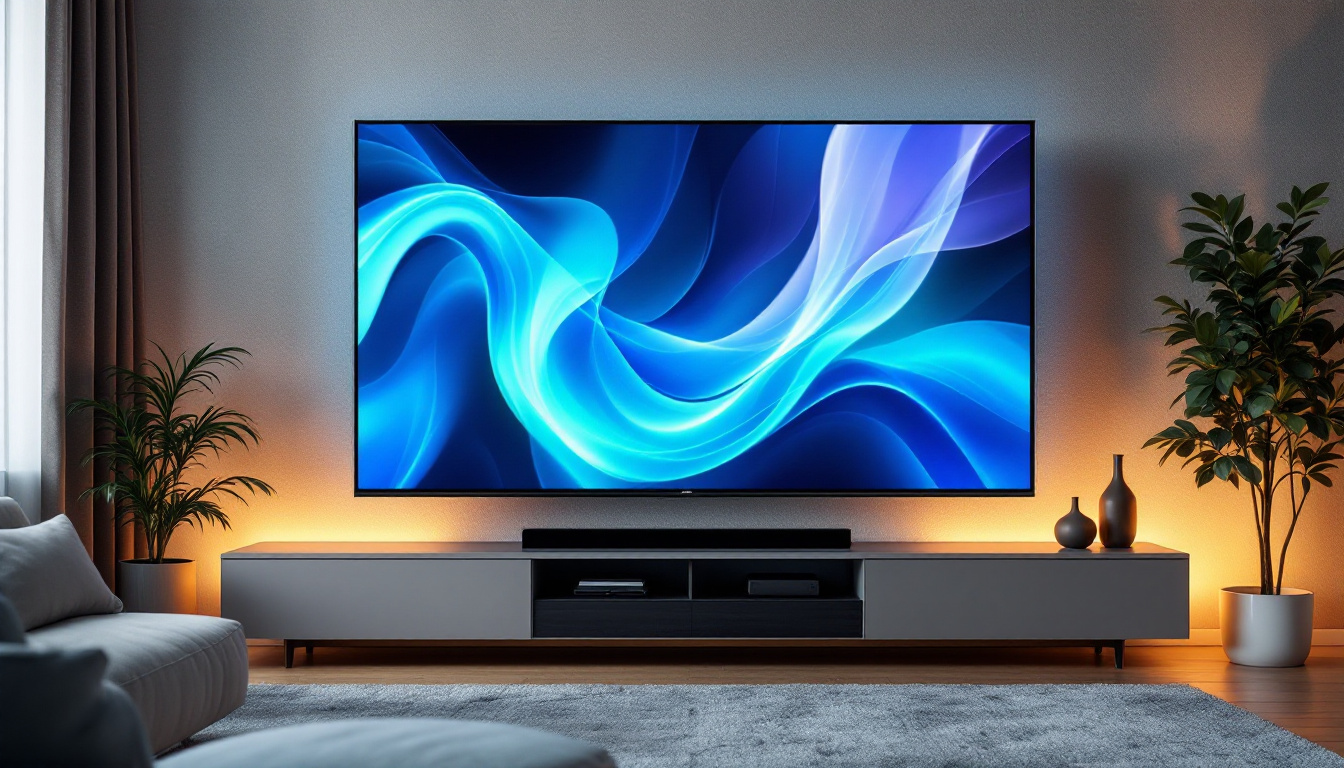
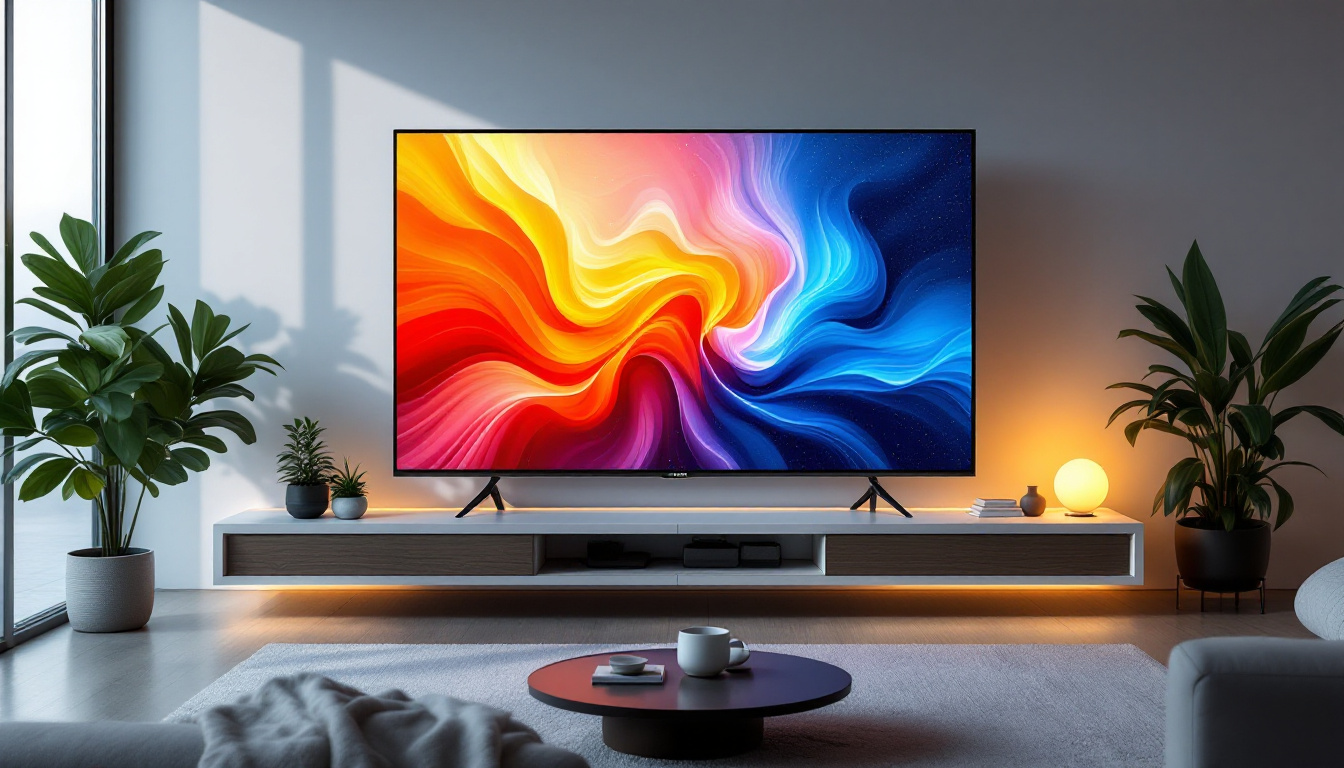
LED stands for Light Emitting Diode, a semiconductor device that emits light when an electric current passes through it. An LED display is a flat panel display that uses an array of these tiny LEDs as pixels to create images, videos, or text. Unlike traditional LCD screens that require a backlight, LED displays generate their own light, resulting in brighter images and better contrast. This self-illuminating characteristic not only enhances the visual experience but also contributes to energy efficiency, making LED displays a popular choice for a wide range of applications.
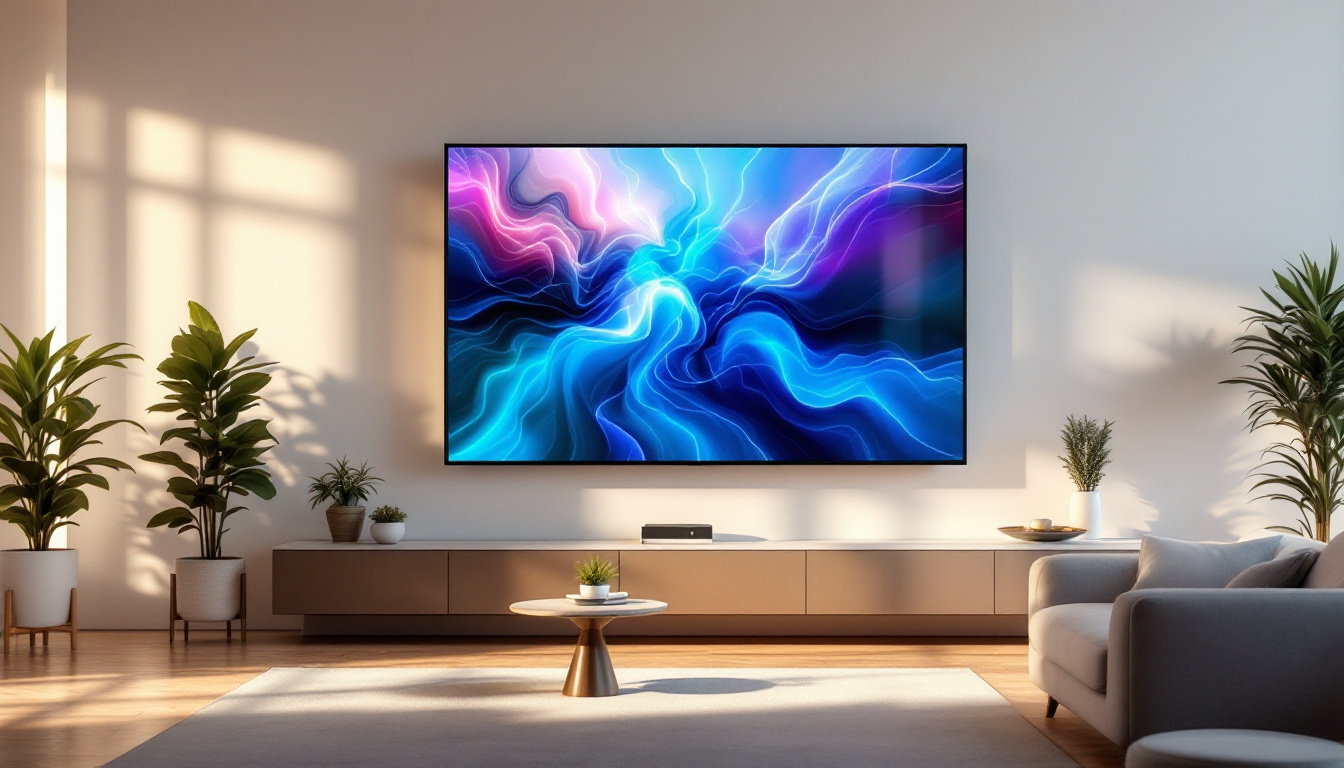
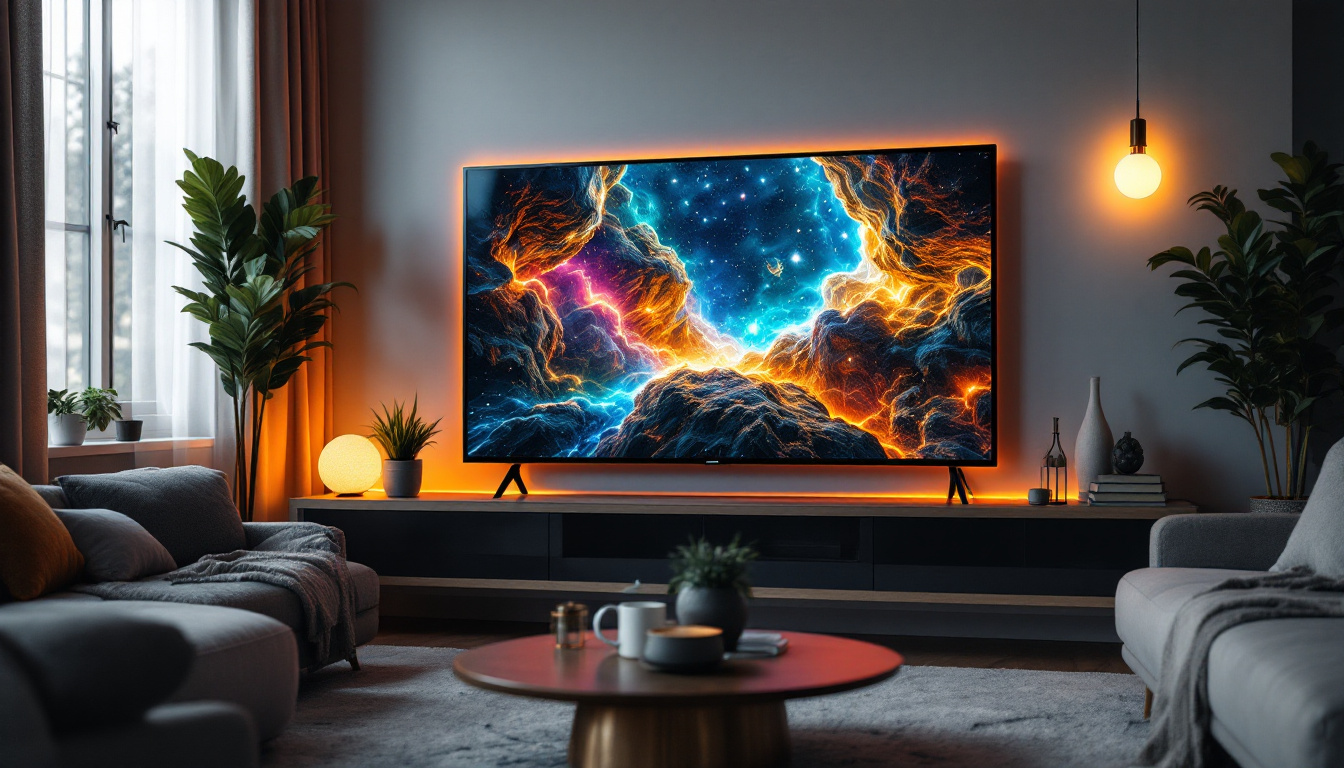
LED displays are commonly categorized into two types: direct view LED displays and LED-backlit LCDs. Direct view LED displays use LEDs themselves as the pixels, often seen in large outdoor screens and stadium displays. LED-backlit LCDs, on the other hand, use LEDs as a backlight source behind an LCD panel, commonly found in televisions and computer monitors. The versatility of LED technology has led to its integration in various fields, from advertising billboards to intricate digital signage, showcasing the adaptability and functionality of LED displays in modern visual communication.
How LED Displays Work
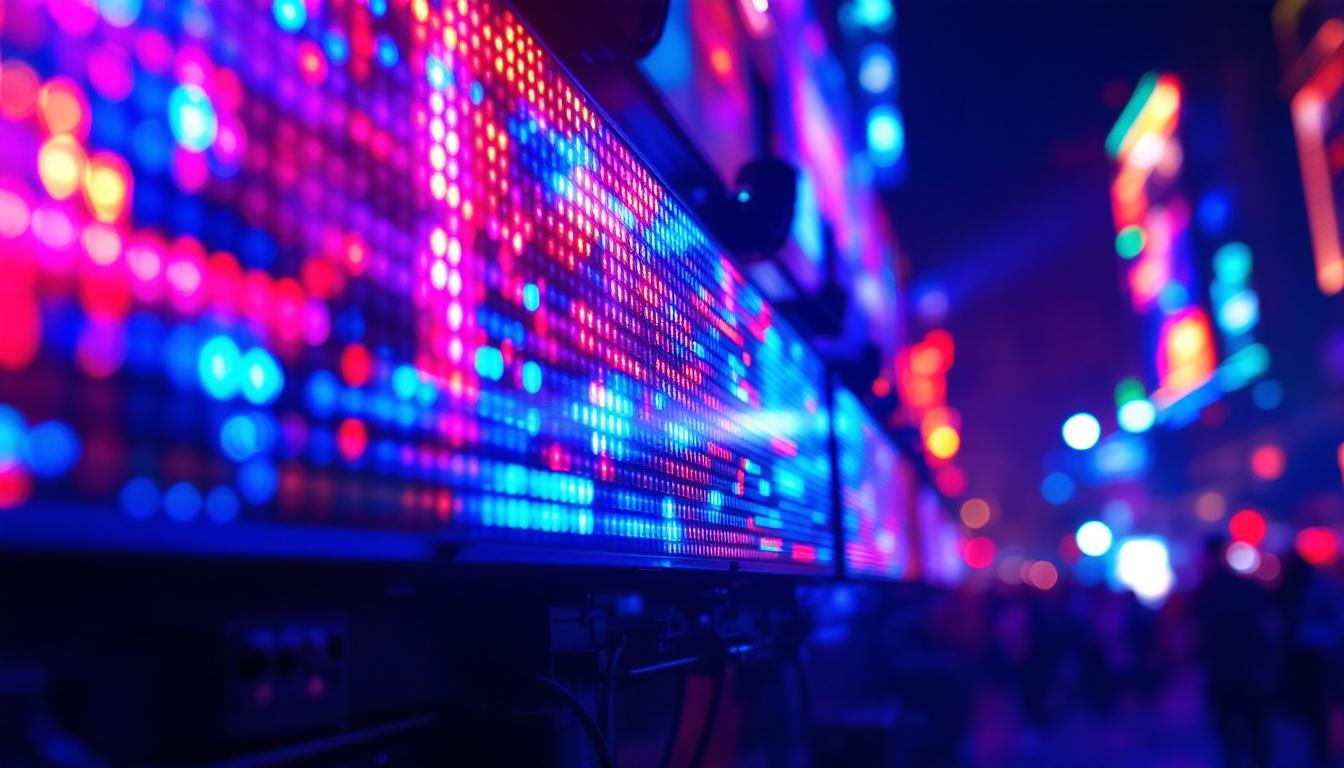
Each LED in a display panel acts as an individual pixel or part of a pixel. These LEDs can be red, green, or blue (RGB), and by varying the intensity of each color, the display can produce a full spectrum of colors. This RGB combination is the foundation of color reproduction in LED screens. The technology behind LED displays allows for rapid response times, which is particularly beneficial in dynamic environments where images and videos are frequently changing, such as in sports arenas or concert venues.
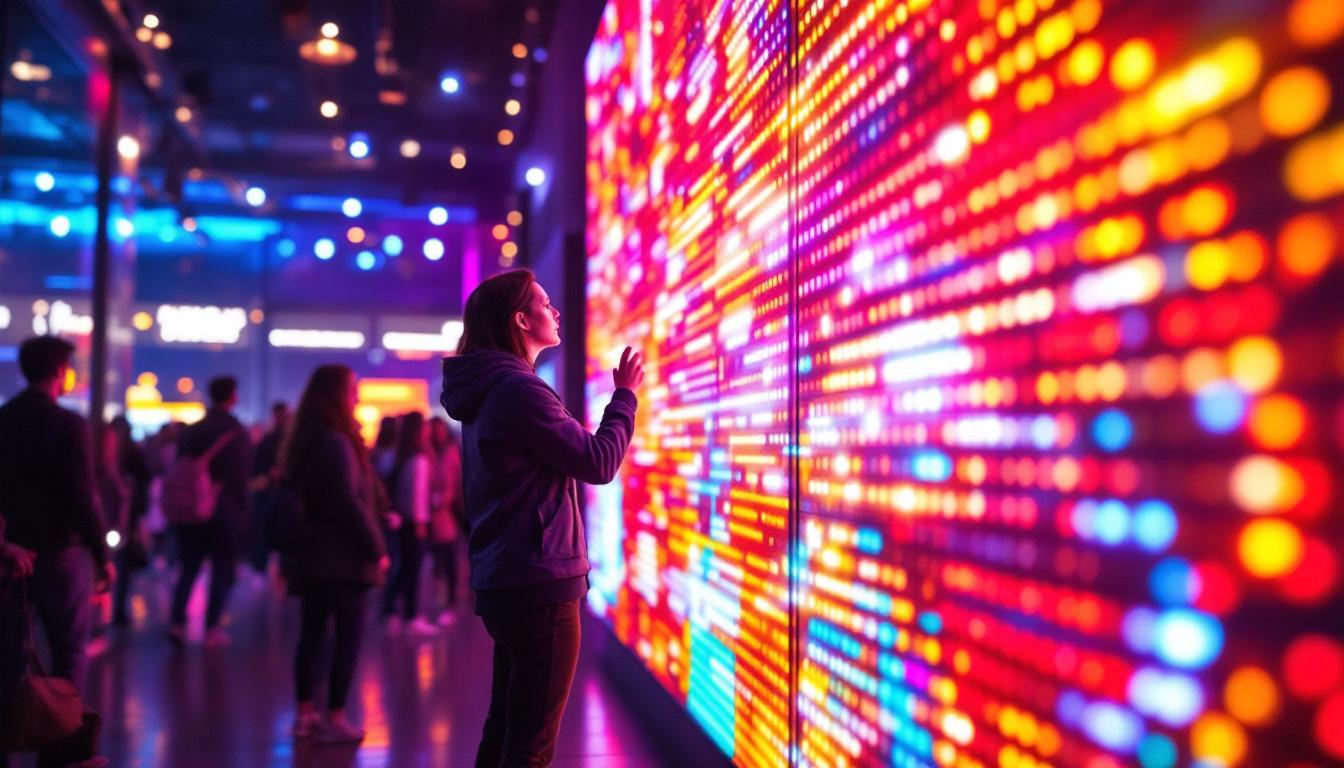
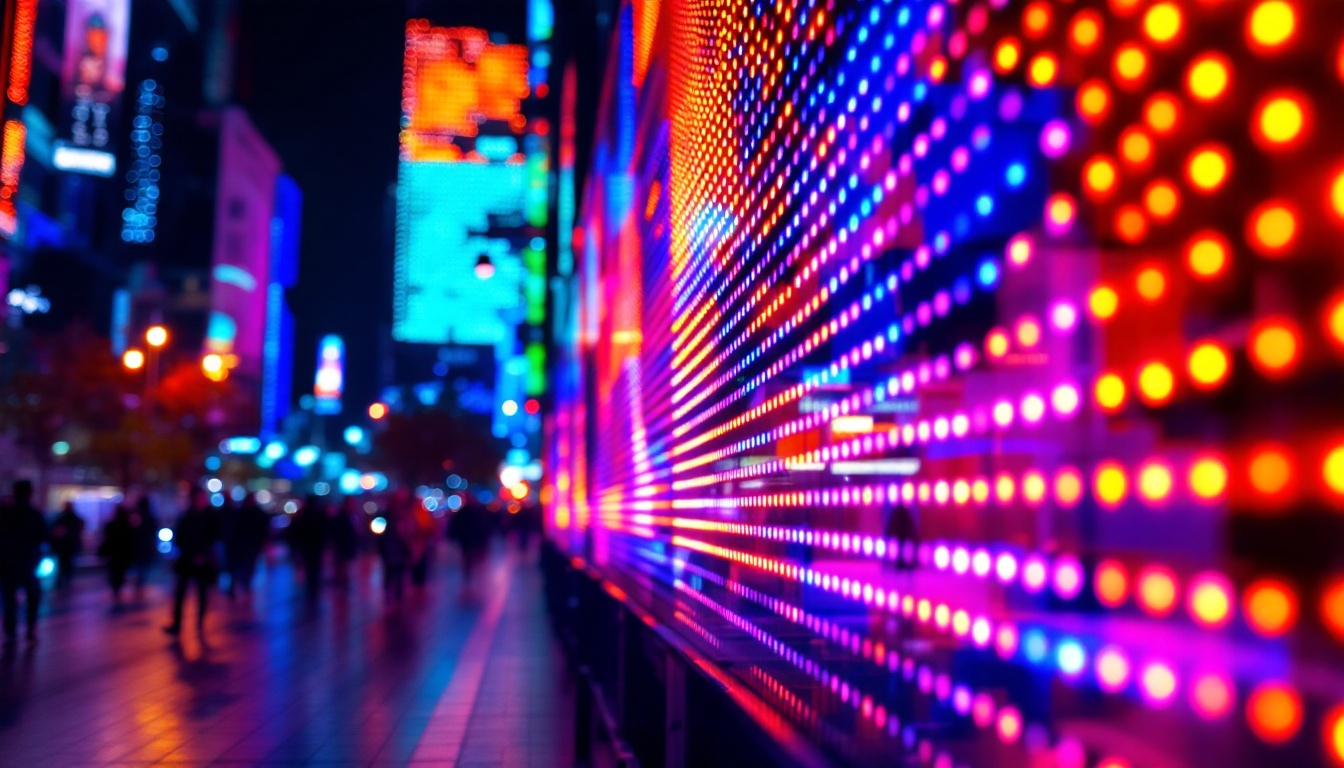
In direct view LED panels, clusters of these RGB LEDs form pixels. When electric current energizes the LEDs, they emit light at specific intensities, creating the desired image. The precision of controlling each LED’s brightness and color allows for high-resolution and vivid displays. Additionally, advancements in LED technology have led to the development of features such as pixel pitch, which refers to the distance between the centers of adjacent pixels. A smaller pixel pitch results in higher pixel density, allowing for closer viewing distances without loss of image quality. This makes LED displays increasingly popular for indoor applications, where clarity and detail are paramount.
Types of LED Display Panels
Understanding the different types of LED display panels is crucial for selecting the right technology for specific applications. The two primary types are:
1. Surface-Mounted Device (SMD) LED Panels
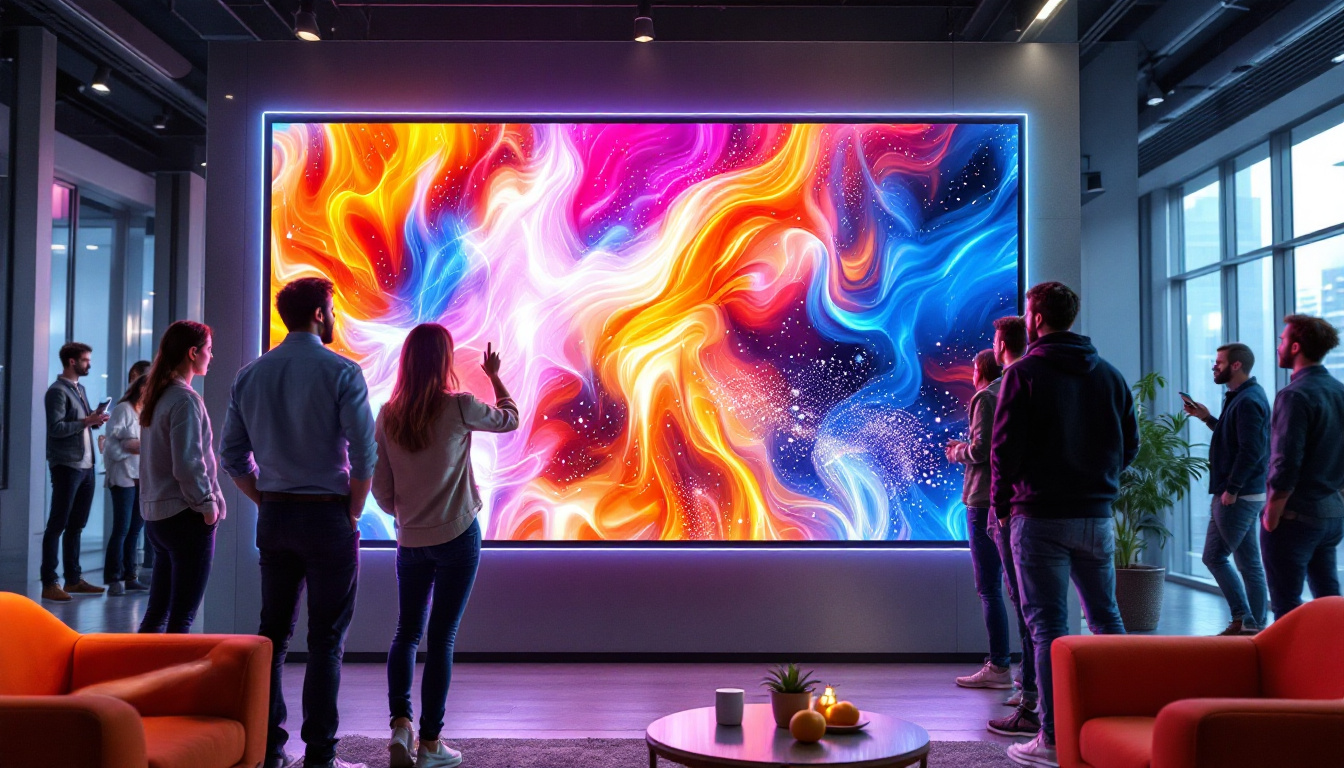
SMD LED panels use LEDs mounted directly onto the surface of the circuit board. Each LED package typically contains red, green, and blue diodes in a single unit, enabling very fine pixel pitch and high resolution. This makes SMD panels ideal for indoor use where viewers are close to the screen, such as in conference rooms, retail stores, and control centers.
The advantages of SMD panels include wide viewing angles (often up to 160 degrees), excellent color uniformity, and smooth image rendering. Their compact design also allows for thinner and lighter displays.
2. Through-Hole LED Panels
Through-hole LEDs are individual diodes mounted through holes in the circuit board. These LEDs are usually larger and spaced further apart, resulting in a wider pixel pitch. Through-hole LED panels are typically used for outdoor applications where viewing distances are longer, such as billboards, sports arenas, and transportation signage.
While through-hole LEDs offer high brightness and durability in harsh environments, their lower resolution compared to SMD panels limits their use for close-up viewing.
Key Features and Benefits of LED Displays
The rise of LED display technology is driven by several compelling features that make it superior to other display types in many scenarios.
Brightness and Visibility
One of the most significant advantages of LED displays is their exceptional brightness. Modern LED panels can reach brightness levels exceeding 5,000 nits, making them easily visible even in direct sunlight. This is why LED displays dominate outdoor advertising and public information systems.
High brightness also contributes to better visibility in various lighting conditions, ensuring that content remains clear and legible throughout the day and night.
Energy Efficiency
LEDs are inherently energy-efficient compared to traditional lighting and display technologies. They consume less power while delivering higher brightness, which translates to lower operational costs, especially for large-scale installations. Advances in LED driver technology and power management have further optimized energy consumption.
Longevity and Durability
LED panels boast a long operational lifespan, often exceeding 100,000 hours of use. This durability reduces maintenance costs and downtime. Additionally, LEDs are solid-state devices, making them resistant to shock and vibration, which is particularly beneficial for outdoor and mobile applications.
Color Accuracy and Contrast
LED displays offer superior color reproduction and contrast ratios. The ability to control the light output of individual LEDs allows for deep blacks and vibrant colors, enhancing the overall viewing experience. This feature is especially important for applications requiring precise color fidelity, such as digital signage in retail or broadcast studios.
Applications of LED Display Panels
LED display technology is versatile and finds use across a broad spectrum of industries and environments. Understanding these applications helps in appreciating the technology’s impact and potential.
Outdoor Advertising and Digital Billboards
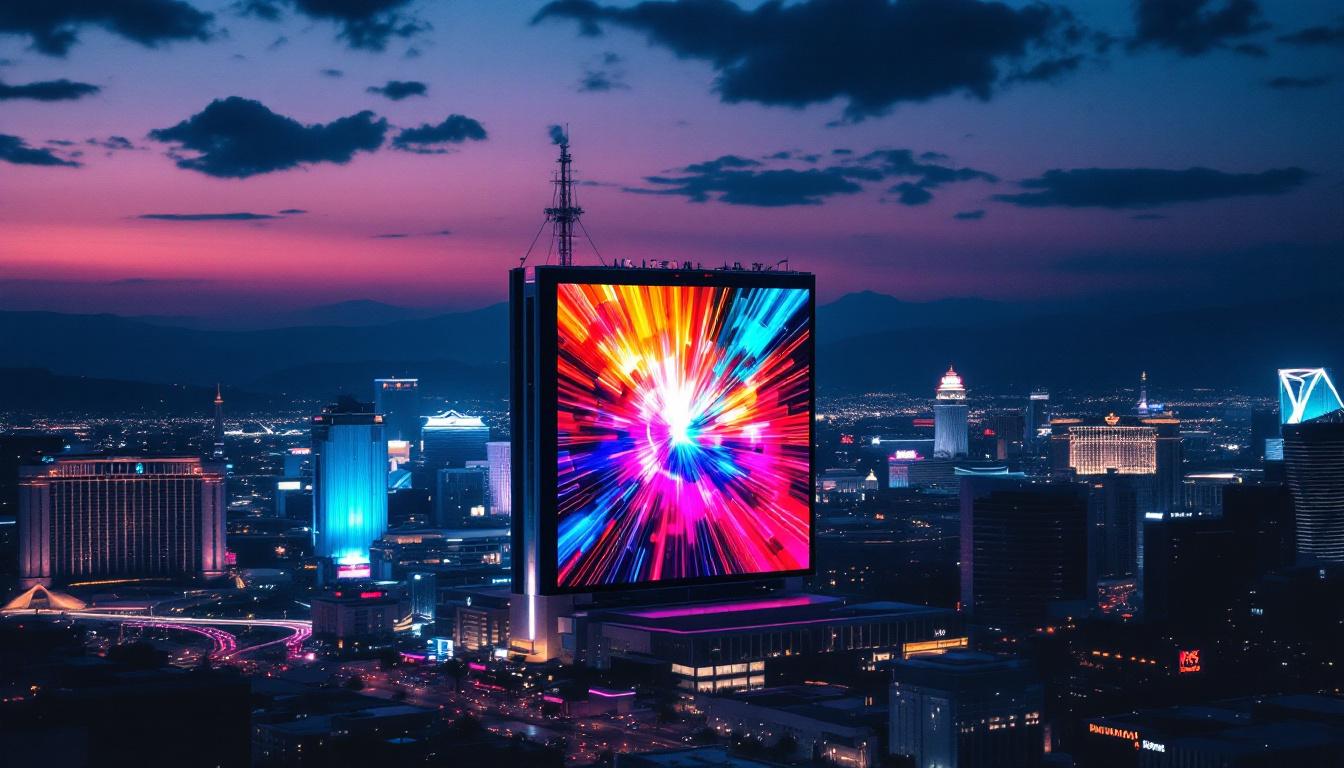
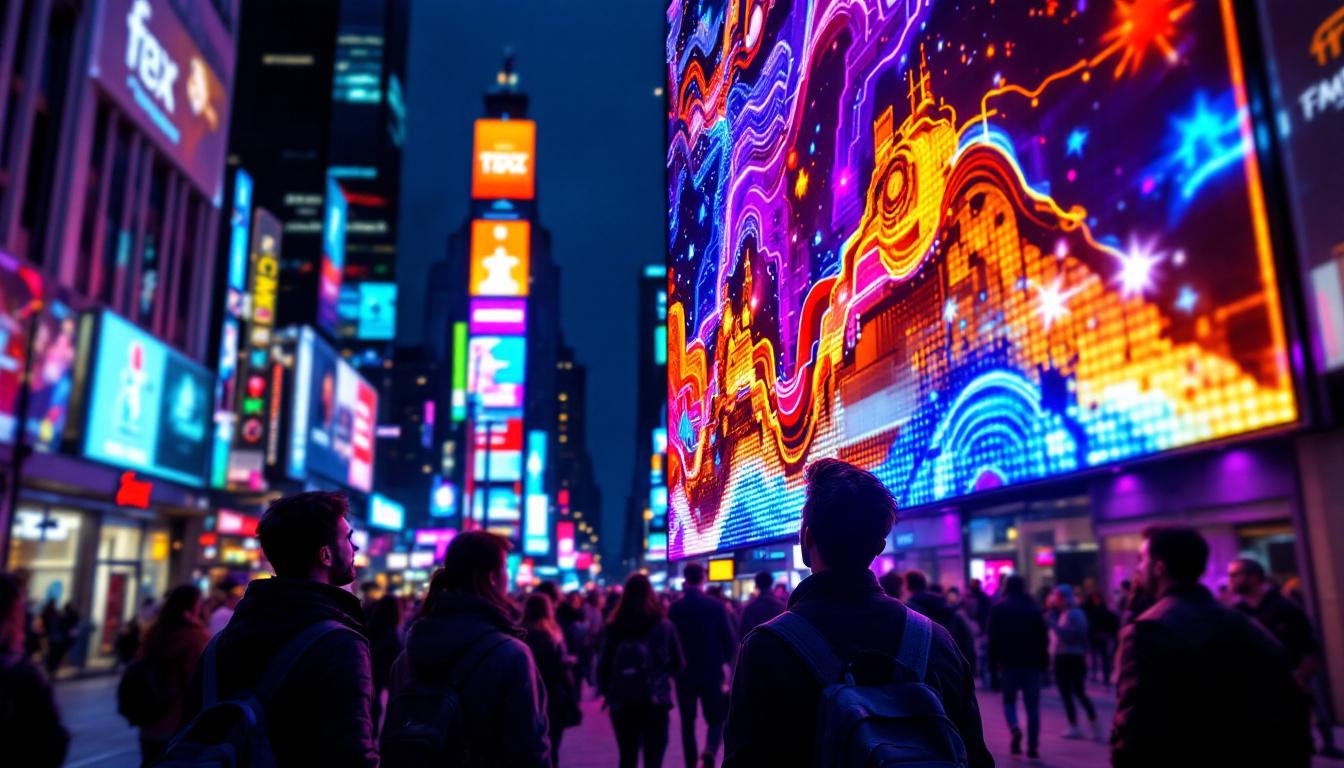
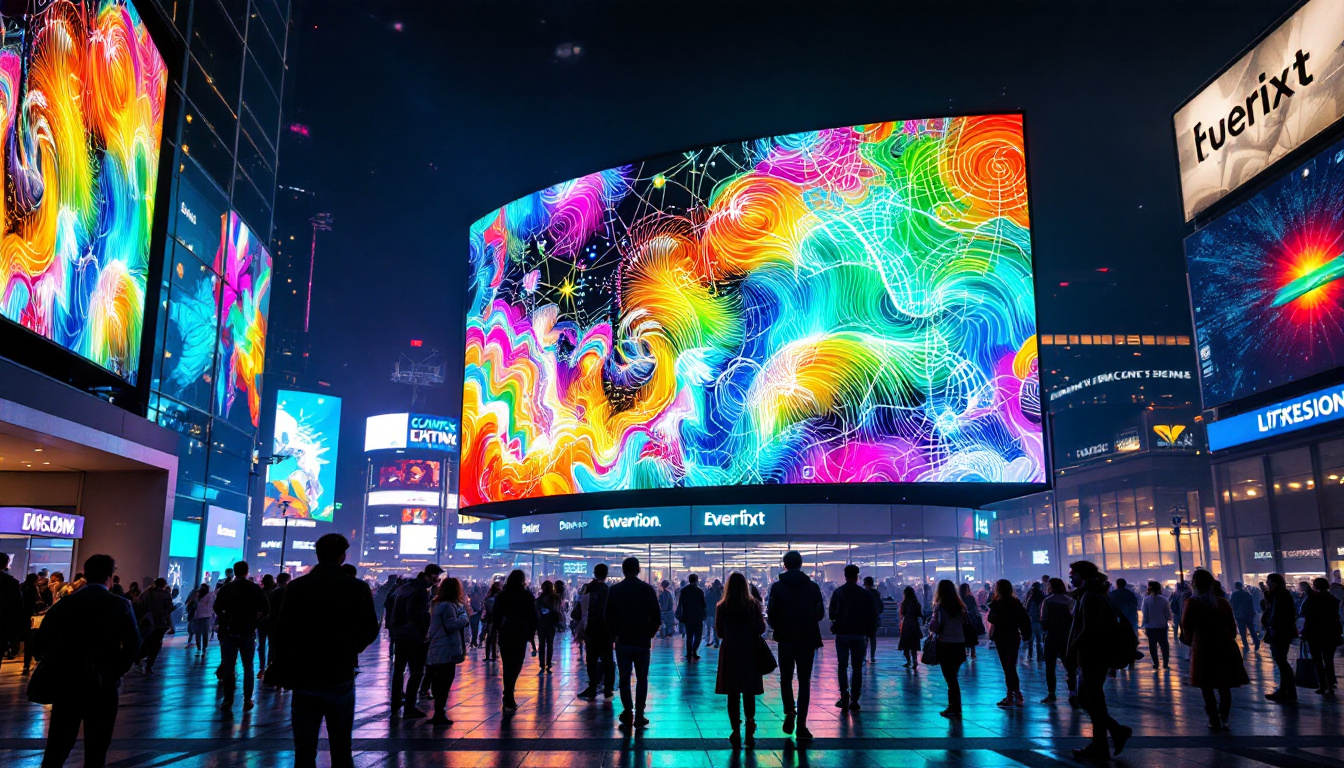
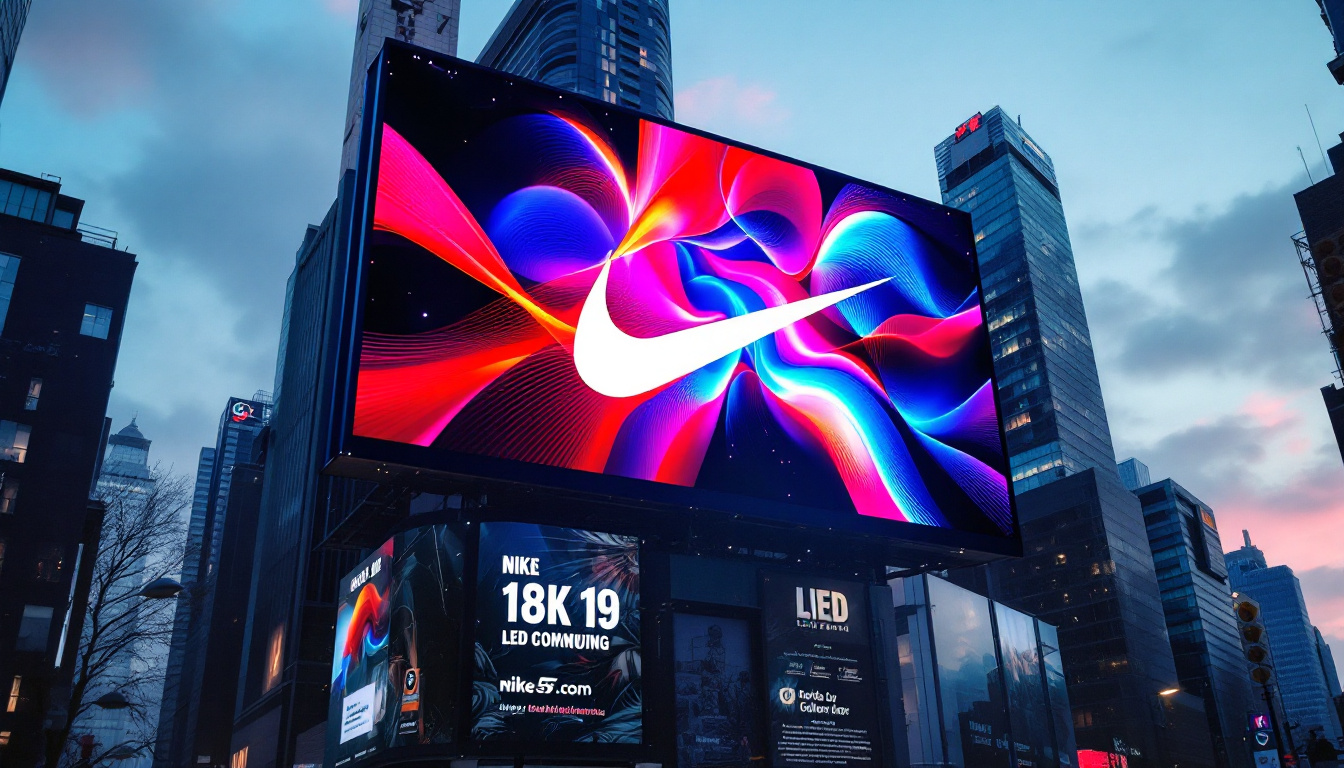
Digital billboards are among the most visible and widespread applications of LED panels. Their high brightness and weather resistance make them ideal for displaying advertisements, public announcements, and event information. The ability to update content remotely and instantly adds flexibility for advertisers.
According to recent industry reports, the global digital out-of-home advertising market is expected to grow at a CAGR of over 12% through 2027, driven largely by LED display adoption.
Sports Arenas and Event Venues
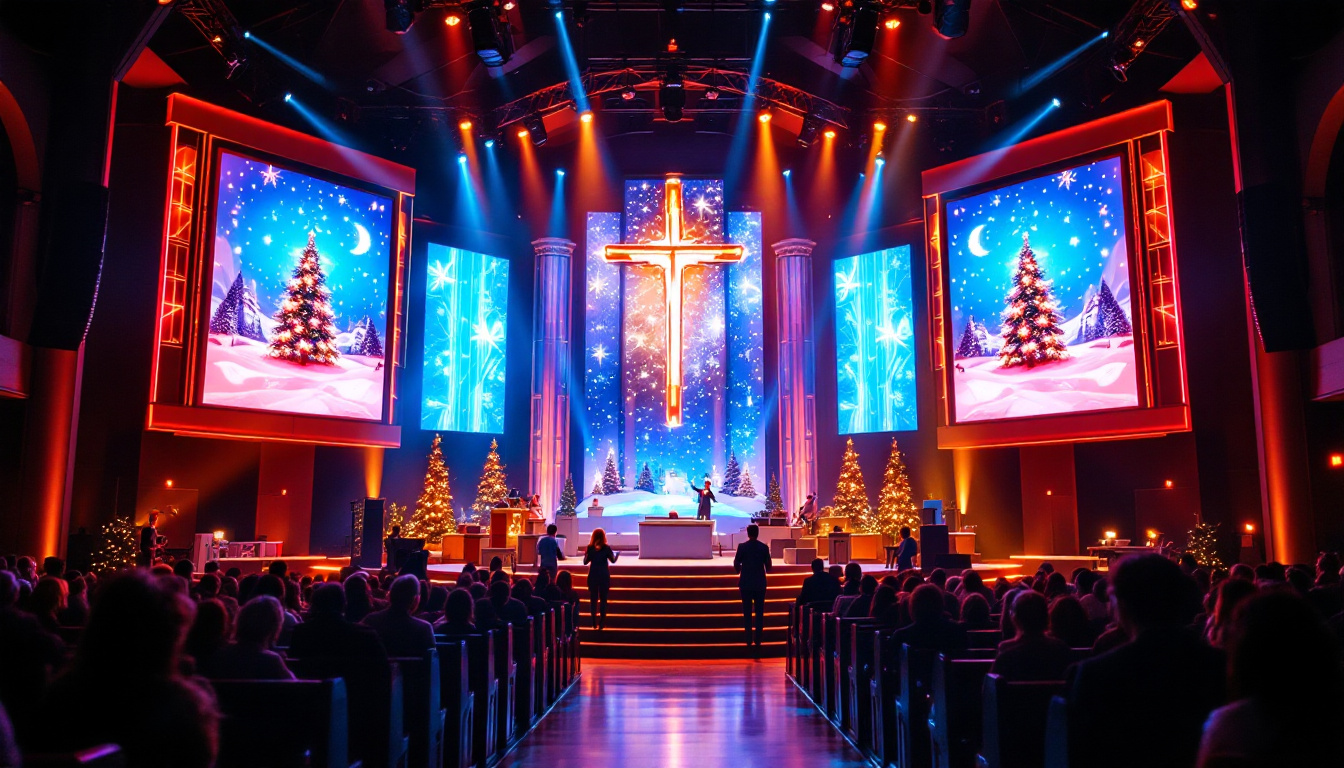
Large LED screens are a staple in stadiums and concert venues, providing fans with live action replays, scores, and interactive content. The scalability of LED panels allows for massive displays that maintain image quality even from great distances.
Retail and Commercial Spaces
Indoor LED displays are increasingly used in retail environments to attract customers and enhance brand messaging. Their ability to display dynamic content in high resolution helps retailers create engaging shopping experiences.
Transportation and Public Information Systems
LED panels are widely used in airports, train stations, and bus terminals for real-time information displays. Their clarity and reliability ensure passengers receive timely updates on schedules and safety announcements.
Broadcast and Control Rooms
In television studios and control centers, LED video walls provide critical visual data with high precision and minimal latency. Their uniform brightness and color accuracy support professional-grade monitoring and presentations.
Technical Considerations When Choosing LED Panels
Selecting the right LED display panel involves evaluating several technical factors tailored to the intended use case.
Pixel Pitch and Resolution
Pixel pitch refers to the distance between the centers of two adjacent pixels, typically measured in millimeters. A smaller pixel pitch means higher resolution and finer image detail, which is essential for close-up viewing. Conversely, larger pixel pitches are suitable for displays viewed from a distance.
For example, indoor LED panels often have pixel pitches ranging from 1.2mm to 4mm, while outdoor panels may have pitches of 10mm or more.
Brightness Levels
Brightness requirements vary depending on the environment. Outdoor displays generally require brightness levels above 5,000 nits to remain visible in sunlight, whereas indoor displays can operate effectively at 800 to 1,500 nits.
Refresh Rate and Response Time
High refresh rates (typically 1920 Hz or higher) are important for smooth video playback and reducing flicker, especially when the display is captured by cameras. Fast response times improve image clarity during motion, which is critical for sports and live broadcasts.
Viewing Angle
A wide viewing angle ensures that the image quality remains consistent even when viewed from the sides. SMD LED panels usually offer wider viewing angles, often up to 160 degrees horizontally and vertically.
Environmental Protection
For outdoor installations, LED panels must have appropriate ingress protection (IP) ratings to withstand dust, moisture, and temperature extremes. IP65 or higher is common for robust outdoor displays.
Emerging Trends in LED Display Technology
The LED display industry continues to evolve rapidly, driven by advances in materials, manufacturing, and digital integration.
MicroLED and MiniLED Innovations
MicroLED technology uses microscopic LEDs to create displays with exceptional brightness, contrast, and energy efficiency. Although still emerging, MicroLED promises to revolutionize high-end televisions and wearable devices by combining OLED’s color quality with LED’s durability.
MiniLED, a more accessible technology, uses smaller LEDs for backlighting LCD panels, improving contrast and local dimming capabilities. This hybrid approach is increasingly popular in premium monitors and laptops.
Flexible and Transparent LED Panels
Flexible LED panels enable curved or foldable displays, opening new possibilities for design and installation. Transparent LED panels allow light to pass through, making them ideal for retail windows and architectural applications where visibility and display coexist.
Integration with IoT and Smart Systems
Modern LED displays are often integrated with Internet of Things (IoT) platforms, enabling real-time data-driven content updates, remote management, and interactive features. This integration enhances the functionality and user engagement of digital signage networks.
Conclusion
LED display panels have transformed the way visual information is presented across industries and environments. Their superior brightness, energy efficiency, and versatility make them the preferred choice for applications ranging from outdoor advertising to high-end broadcast studios. Understanding the technical nuances and emerging trends in LED technology empowers businesses and consumers alike to make informed decisions and leverage the full potential of LED displays.
As LED technology continues to advance, expect even more innovative applications and improvements in image quality, durability, and interactivity, further solidifying LED displays as a cornerstone of modern visual communication.
Discover Cutting-Edge LED Display Solutions with LumenMatrix
Ready to elevate your visual communication with the latest in LED technology? LumenMatrix is at the forefront of innovation, offering a diverse range of LED display solutions tailored to meet your needs. From captivating Indoor LED Wall Displays to dynamic Outdoor LED Wall Displays, and from versatile Vehicle LED Displays to engaging LED Sports Displays, our products are designed to make your brand stand out. Explore our LED Poster Displays, Floor LED Displays, Custom LED Displays, All-in-One LED Displays, and LED Transparent Displays to create unforgettable visual experiences. Embrace the future of digital signage with LumenMatrix and check out our LED Display Solutions today!