Video walls have become an essential tool for businesses, event organizers, retailers, and public spaces aiming to deliver impactful visual experiences. As LED technology advances, these large-scale displays are more versatile and visually stunning than ever before. However, understanding the pricing of video walls, especially LED displays, can be complex due to various factors influencing cost. This article breaks down the components that affect video wall pricing, explains LED display technology, and offers guidance on making informed purchasing decisions.
Understanding Video Walls and LED Displays
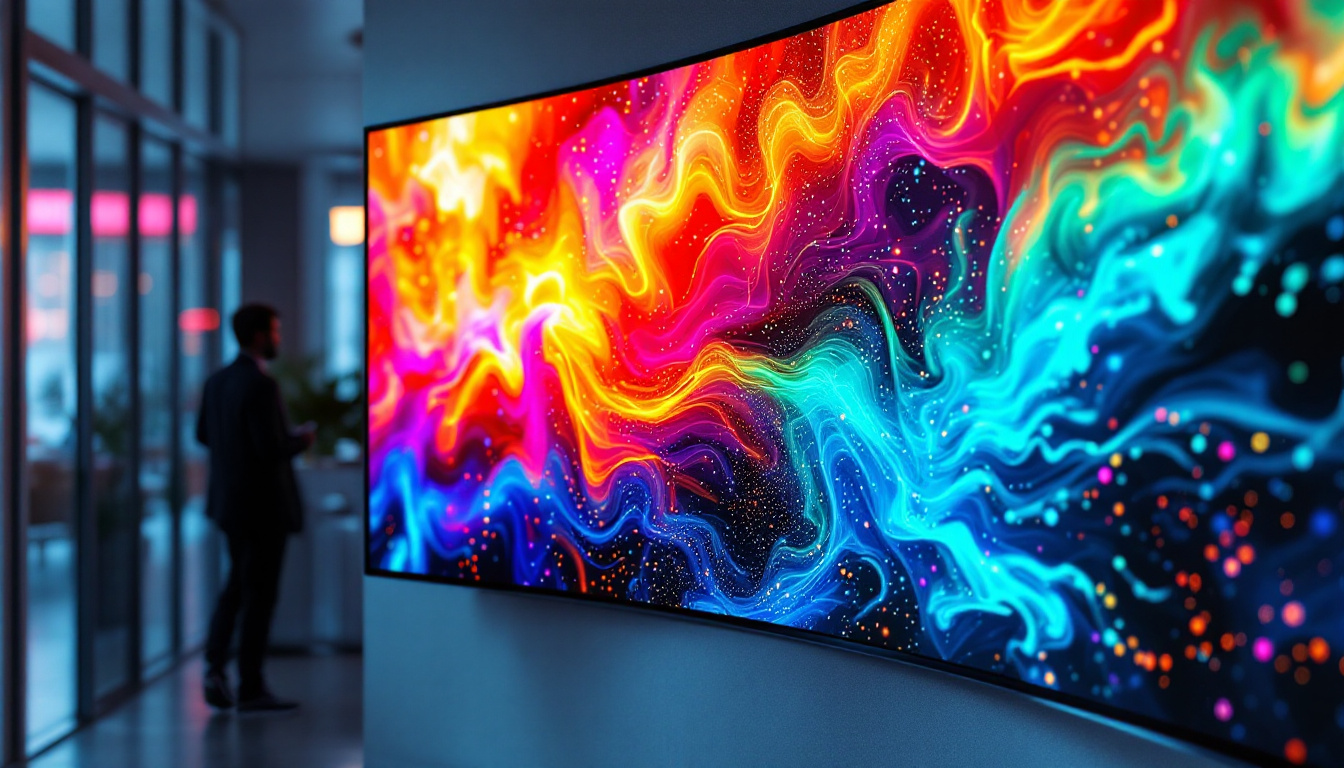
Video walls are large displays composed of multiple screens or panels tiled together to form one seamless visual surface. They are used in control rooms, advertising, entertainment venues, corporate settings, and more. Among the various types of video wall technologies, LED displays are the most popular due to their brightness, durability, and scalability.
LED (Light Emitting Diode) displays consist of numerous tiny LEDs that act as individual pixels. These pixels combine to produce vivid images with high brightness and contrast, making LED video walls ideal for both indoor and outdoor environments. Unlike LCD video walls, LED displays do not require backlighting, which allows for thinner panels and better viewing angles.
Why Choose LED Video Walls?
LED video walls offer several advantages over other display technologies. They deliver superior brightness levels, often exceeding 1,000 nits indoors and 5,000 nits or more outdoors, ensuring visibility even in direct sunlight. Additionally, LED panels have excellent color accuracy and uniformity, which enhances the overall viewing experience.
Durability is another key benefit. LED modules are designed to withstand harsh environmental conditions, including extreme temperatures and moisture, making them suitable for outdoor installations. Furthermore, LED video walls are highly scalable, allowing users to customize the size and shape of the display to fit their specific needs.
Key Factors Influencing Video Wall Price
Several critical factors determine the overall cost of an LED video wall. Understanding these elements helps buyers assess value and make cost-effective choices.
1. Pixel Pitch
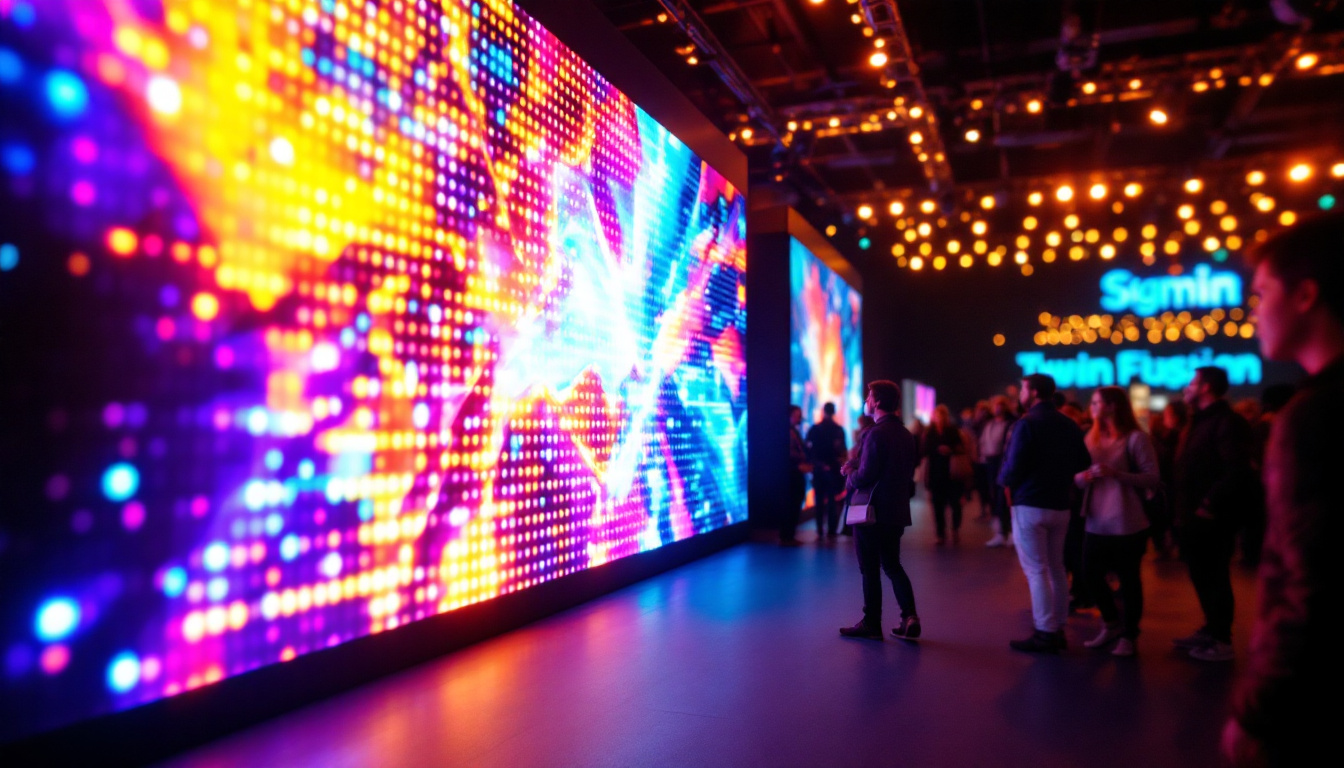
Pixel pitch is the distance between the centers of two adjacent pixels, usually measured in millimeters. It directly affects the resolution and image clarity of the video wall. Smaller pixel pitches mean more pixels per square meter, resulting in sharper images and closer optimal viewing distances.
For example, a 1.2mm pixel pitch LED video wall offers extremely high resolution suitable for close-up viewing in control rooms or retail environments, but it comes at a premium price. Conversely, a 6mm or 10mm pixel pitch is more affordable and suitable for larger installations viewed from a distance, such as outdoor billboards or stadium screens.
As a general rule, the smaller the pixel pitch, the higher the cost per square meter. Pixel pitch is often the single most significant factor affecting price.
2. Display Size and Configuration
The total size of the video wall, measured in square meters or square feet, directly impacts price. Larger video walls require more LED modules, power supplies, and structural support, which increases costs. Additionally, the complexity of the configuration—such as curved or irregular shapes—can add to installation and engineering expenses.
Modular LED panels typically come in standard sizes like 500mm x 500mm or 640mm x 640mm. The number of panels needed depends on the desired overall dimensions and pixel pitch. Buyers should consider both the physical footprint and the resolution requirements when determining the optimal size.
3. Indoor vs. Outdoor Use
Outdoor LED video walls are generally more expensive than indoor models due to the need for weatherproofing, higher brightness levels, and ruggedized construction. Outdoor displays require IP65 or higher ratings to protect against dust and water ingress, as well as enhanced cooling systems to manage temperature fluctuations.
Indoor LED video walls do not require such stringent environmental protections, which reduces cost. However, indoor panels often have tighter pixel pitches to accommodate closer viewing distances, which can increase the price.
4. Brightness and Color Calibration
Brightness capability is a crucial factor, especially for outdoor video walls exposed to sunlight. Higher brightness LEDs and advanced calibration systems to maintain color consistency over time add to the cost. Many premium LED video walls come with automatic brightness adjustment sensors that optimize display performance based on ambient light conditions.
Color calibration ensures uniformity across all panels, preventing color shifts and image distortion. This process requires specialized equipment and software, which may be included in the initial price or offered as a separate service.
5. Control Systems and Software
The complexity of the video wall’s control system influences the overall price. Basic setups may use simple media players or video processors, while advanced systems integrate with networked content management platforms, real-time data feeds, or interactive touch capabilities.
Software licenses, content management tools, and ongoing support agreements can also add to the total cost. Buyers should evaluate their content needs carefully and factor in these additional expenses when budgeting.
6. Installation and Maintenance
Installation costs vary depending on the location, mounting requirements, and structural modifications needed. Outdoor installations may require custom frames, weatherproof enclosures, and specialized labor, which increase expenses.
Maintenance contracts, including routine cleaning, calibration, and repairs, should be considered part of the total cost of ownership. LED video walls typically have long lifespans—often exceeding 100,000 hours of operation—but maintenance is essential to sustain performance.
Typical Price Ranges for LED Video Walls
While prices vary widely based on the factors discussed, it is helpful to understand typical cost ranges for budgeting purposes.
Indoor LED Video Walls
Indoor LED video walls with pixel pitches between 1.2mm and 2.5mm typically cost between $3,000 and $10,000 per square meter. For example, a 3m x 2m (6 square meters) video wall with a 1.5mm pixel pitch might range from $18,000 to $60,000, including hardware and basic installation.
Lower-resolution indoor LED walls with pixel pitches around 3mm to 4mm can be more affordable, ranging from $1,500 to $3,000 per square meter, suitable for large conference rooms or retail signage.
Outdoor LED Video Walls
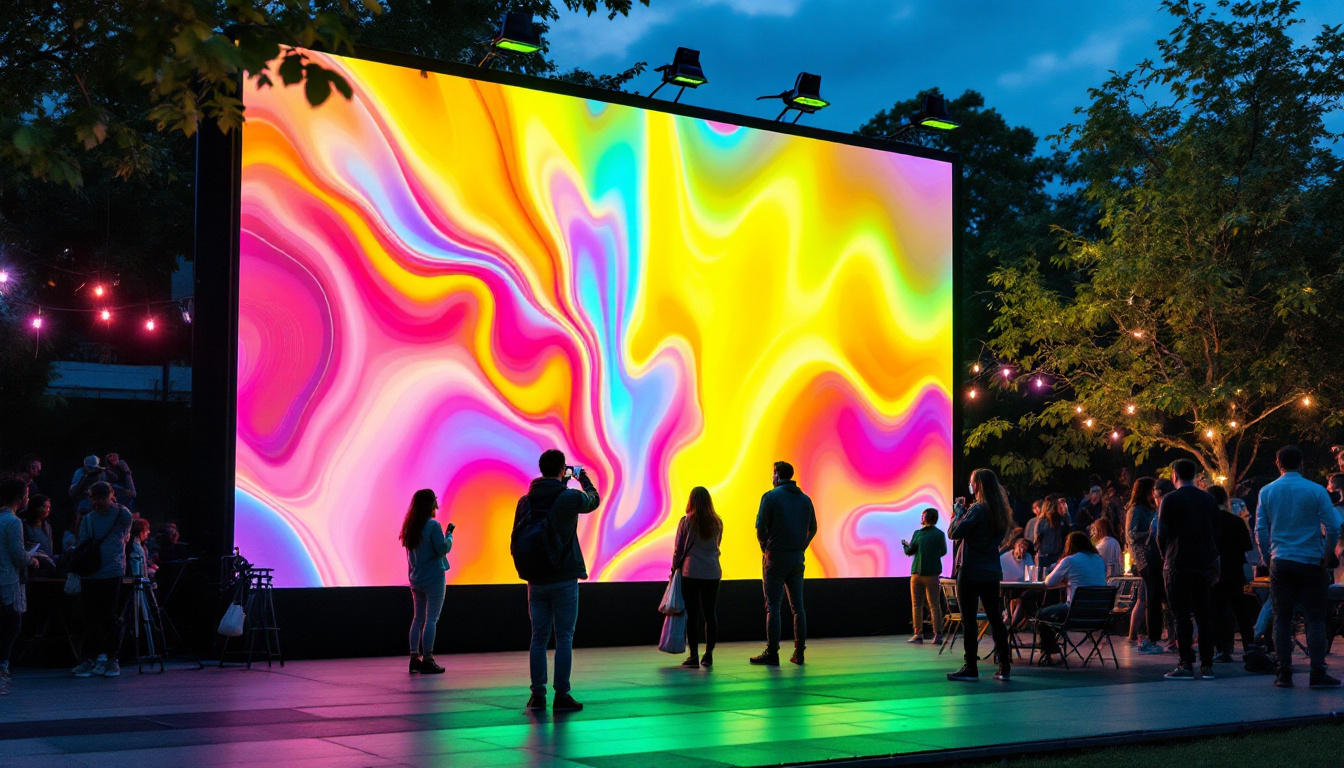
Outdoor LED video walls generally start around $5,000 per square meter and can exceed $15,000 per square meter for high-resolution, high-brightness models. A typical outdoor billboard-sized display of 10m x 5m (50 square meters) might cost between $250,000 and $750,000, depending on pixel pitch and environmental protections.
Additional costs for structural support, weatherproofing, and maintenance contracts should also be anticipated.
Additional Costs to Consider
Beyond the hardware price, buyers should budget for:
- Content creation and management: Professional content tailored to the video wall’s resolution and aspect ratio.
- Installation labor and permits: Especially for outdoor or large-scale installations requiring engineering assessments.
- Maintenance and warranties: Extended warranties and service agreements to protect the investment.
- Upgrades and scalability: Future-proofing options to expand or enhance the video wall.
How to Choose the Right LED Video Wall for Your Budget
Selecting the appropriate LED video wall requires balancing quality, size, and cost against your specific application and viewing environment.
Assess Viewing Distance and Environment
The optimal pixel pitch depends largely on the typical viewing distance. For example, a retail store with customers viewing from 1 to 3 meters requires a finer pixel pitch (1.2mm to 2.5mm) for crisp images. Conversely, a stadium or outdoor billboard viewed from tens of meters can use a larger pixel pitch (6mm to 10mm) without sacrificing perceived image quality.
Environmental factors such as lighting conditions and exposure to weather also dictate whether an indoor or outdoor-rated display is necessary.
Define Content and Usage Requirements
Consider the types of content you will display—video, static images, live feeds, or interactive elements. High-motion video and detailed graphics benefit from higher resolution and refresh rates, which impact cost. If the video wall will be used for real-time data visualization or interactive applications, investing in advanced control systems is essential.
Plan for Installation and Maintenance
Early consultation with installation professionals can help identify potential challenges and associated costs. Ensure that your budget includes provisions for ongoing maintenance to maintain image quality and extend the lifespan of the display.
Explore Financing and Leasing Options
Given the significant upfront investment, many businesses consider financing or leasing LED video walls. These options can make high-quality video walls more accessible by spreading costs over time.
Future Trends in LED Video Wall Pricing and Technology
LED technology continues to evolve rapidly, influencing both performance and pricing dynamics.
Mini and Micro LED Innovations
Emerging mini and micro LED technologies offer even smaller pixel pitches and improved energy efficiency. While currently more expensive, these advances promise higher resolution and thinner displays, potentially changing price structures in the coming years.
Integration with AI and IoT
Smart video walls integrated with artificial intelligence and Internet of Things (IoT) capabilities enable dynamic content adaptation, audience analytics, and remote management. These features add value but may increase initial costs.
Increased Competition and Manufacturing Advances
As more manufacturers enter the LED market and production techniques improve, prices are expected to become more competitive. This trend benefits buyers by expanding options across different price points.
Conclusion
Investing in an LED video wall is a significant decision that requires careful consideration of various factors influencing price and performance. Understanding pixel pitch, display size, environmental requirements, and control systems helps buyers align their budget with their visual communication goals.
While prices for LED video walls can range from a few thousand to hundreds of thousands of dollars, the benefits of enhanced engagement, brand visibility, and immersive experiences often justify the investment. By staying informed about technology trends and working with experienced providers, businesses can select the right LED video wall solution that delivers both impact and value.
Discover LumenMatrix LED Display Solutions
Ready to elevate your visual communication with a cutting-edge LED video wall? LumenMatrix is at the forefront of LED display innovation, offering a diverse range of solutions tailored to your unique needs. From captivating Indoor and Outdoor LED Wall Displays to dynamic Vehicle and Sports LED Displays, our technology is designed to make your brand stand out. Experience the future of immersive visual experiences with our Custom, All-in-One, and Transparent LED Displays. Check out LumenMatrix LED Display Solutions today and transform your space into a beacon of engagement and creativity.