In an era dominated by digital communication and immersive visual experiences, videowalls have emerged as a powerful medium for delivering high-impact content. From corporate boardrooms and retail environments to sports arenas and control centers, LED videowalls are transforming the way information is displayed and consumed. This article delves into the technology behind LED videowalls, their applications, benefits, and key considerations for selecting the right display solution.
Understanding LED Videowalls: The Basics
At its core, a videowall is a large-scale display composed of multiple smaller screens tiled together to create one seamless image. When these screens use LED (Light Emitting Diode) technology, the result is a bright, vibrant, and scalable display capable of captivating audiences in both indoor and outdoor settings.
What is an LED Display?
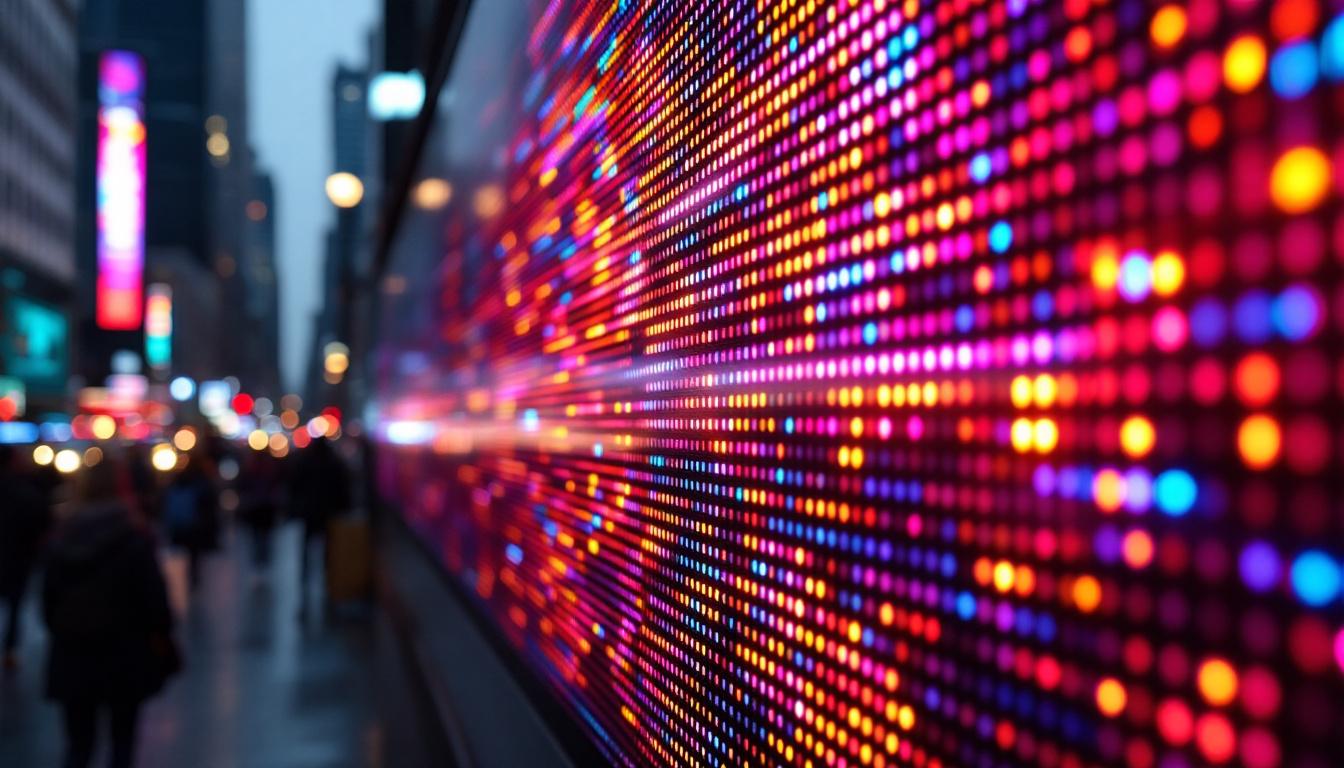
LED displays utilize tiny light-emitting diodes as pixels to produce images. Each diode emits light when an electric current passes through it, allowing for precise control over brightness and color. This differs from traditional LCD screens, which rely on backlighting and liquid crystals to create images. The direct emission of light in LEDs results in superior contrast ratios, deeper blacks, and enhanced color accuracy.
LED technology can be categorized into two main types: direct view LED and LED-backlit LCD. Videowalls typically use direct view LED panels, where each pixel is a cluster of red, green, and blue LEDs. This configuration allows for extremely high brightness levels, making LED videowalls ideal for environments with ambient light challenges. Additionally, the durability of LED technology ensures that these displays can withstand the rigors of outdoor installations, including exposure to weather elements and temperature fluctuations, which is a significant advantage over other display technologies.
Pixel Pitch and Resolution
One of the most critical factors in LED videowall quality is pixel pitch, which refers to the distance between the centers of two adjacent pixels, usually measured in millimeters. A smaller pixel pitch means higher pixel density and, consequently, sharper images with finer detail. For example, a 1.2mm pixel pitch display will deliver crisp visuals suitable for close viewing distances, whereas a 10mm pitch might be better suited for large venues where viewers are farther away.
Resolution is inherently tied to pixel pitch and the overall size of the videowall. By combining multiple LED panels, manufacturers can create displays with resolutions ranging from Full HD (1920×1080) to 8K and beyond. This flexibility allows videowalls to be customized for specific applications, whether it’s a digital billboard or a command center requiring detailed data visualization. Moreover, advancements in technology have led to the development of ultra-high-definition displays that not only enhance the visual experience but also support a wider color gamut, enabling more vivid and lifelike imagery. As a result, businesses and organizations are increasingly investing in LED videowalls to create immersive experiences that engage audiences and convey information effectively.
Key Advantages of LED Videowalls
LED videowalls offer several distinct benefits over other display technologies, making them a preferred choice for many industries.
Brightness and Visibility
One of the standout features of LED videowalls is their exceptional brightness. Typical LED panels can reach brightness levels of 1,000 to 5,000 nits, far surpassing most LCD displays. This high luminance ensures content remains visible even under direct sunlight or in brightly lit indoor environments. For outdoor advertising and stadium displays, this capability is indispensable.
Scalability and Flexibility
LED videowalls are highly modular. Each panel can be connected seamlessly to others, allowing for virtually unlimited screen sizes and aspect ratios. This scalability means videowalls can be tailored to fit unique architectural spaces or specific content requirements without compromising image quality.
Additionally, LED panels come in various shapes and sizes, enabling creative configurations such as curved screens, cylindrical displays, or even irregular geometric shapes. This flexibility opens up new possibilities for immersive and interactive visual experiences.
Durability and Longevity
LED technology is known for its robustness and long operational life. High-quality LED videowalls can operate continuously for 100,000 hours or more before significant brightness degradation occurs. Moreover, LEDs are less susceptible to burn-in and image retention compared to other display types, making them ideal for applications with static or repetitive content.
Many LED panels are designed to withstand harsh environmental conditions, including moisture, dust, and temperature fluctuations, which is crucial for outdoor installations.
Energy Efficiency
Compared to traditional lighting and display technologies, LEDs consume less power while delivering brighter images. This energy efficiency translates to lower operating costs, especially for large-scale videowalls that run for extended periods. Advances in LED driver technology and intelligent brightness control further optimize power consumption without sacrificing visual performance.
Common Applications of LED Videowalls
LED videowalls have found a home in a wide array of sectors, each leveraging the technology’s strengths to meet specific needs.
Corporate and Conference Spaces
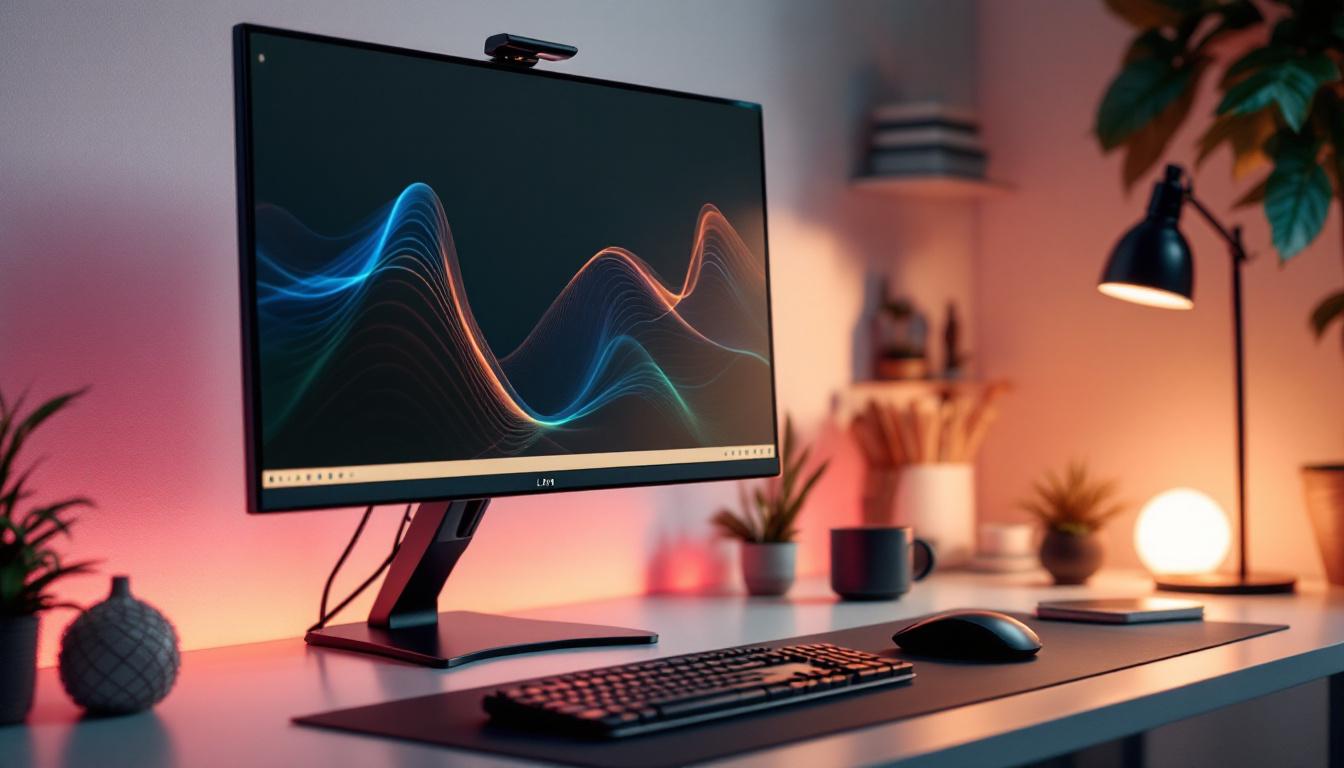
In corporate environments, videowalls are used for presentations, video conferencing, and digital signage. The ability to display high-resolution content with vivid colors enhances communication and collaboration. For example, global companies often install LED videowalls in headquarters and meeting rooms to facilitate remote teamwork and data visualization.
Retail and Advertising
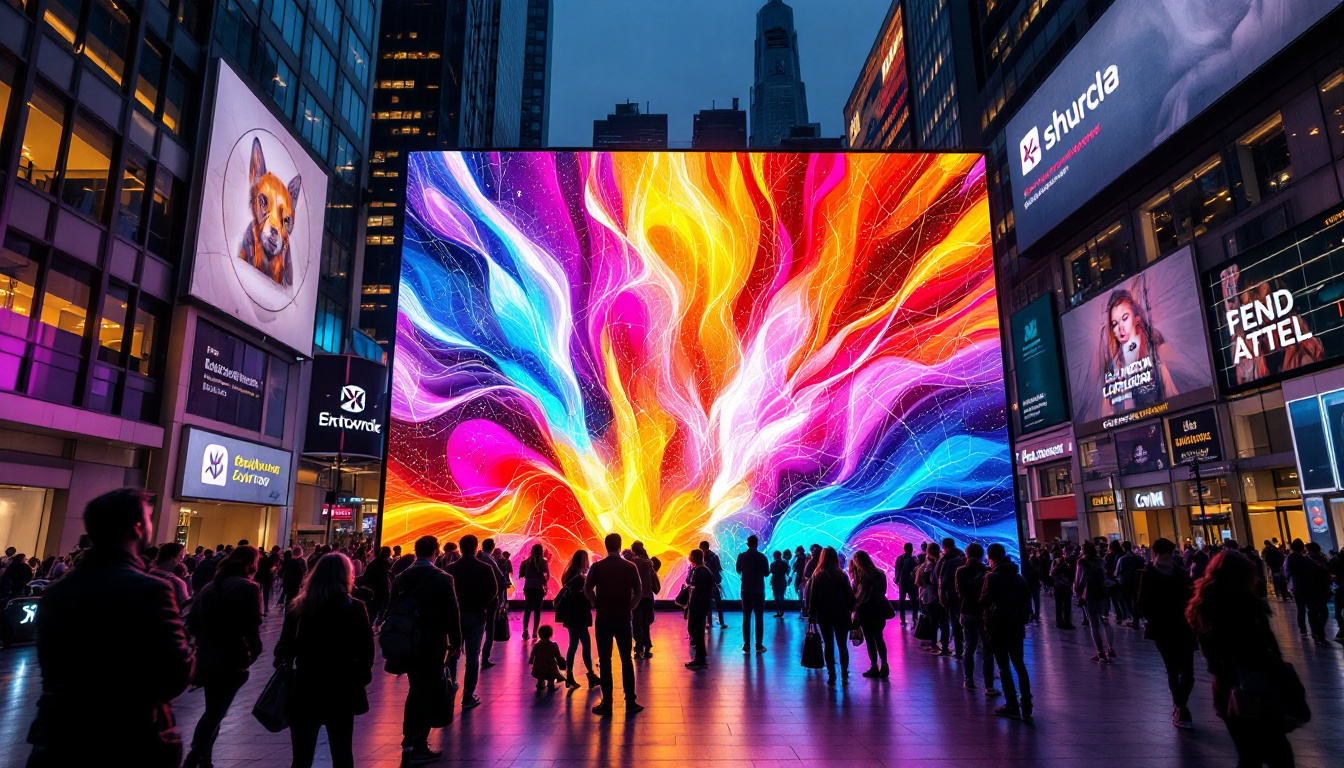
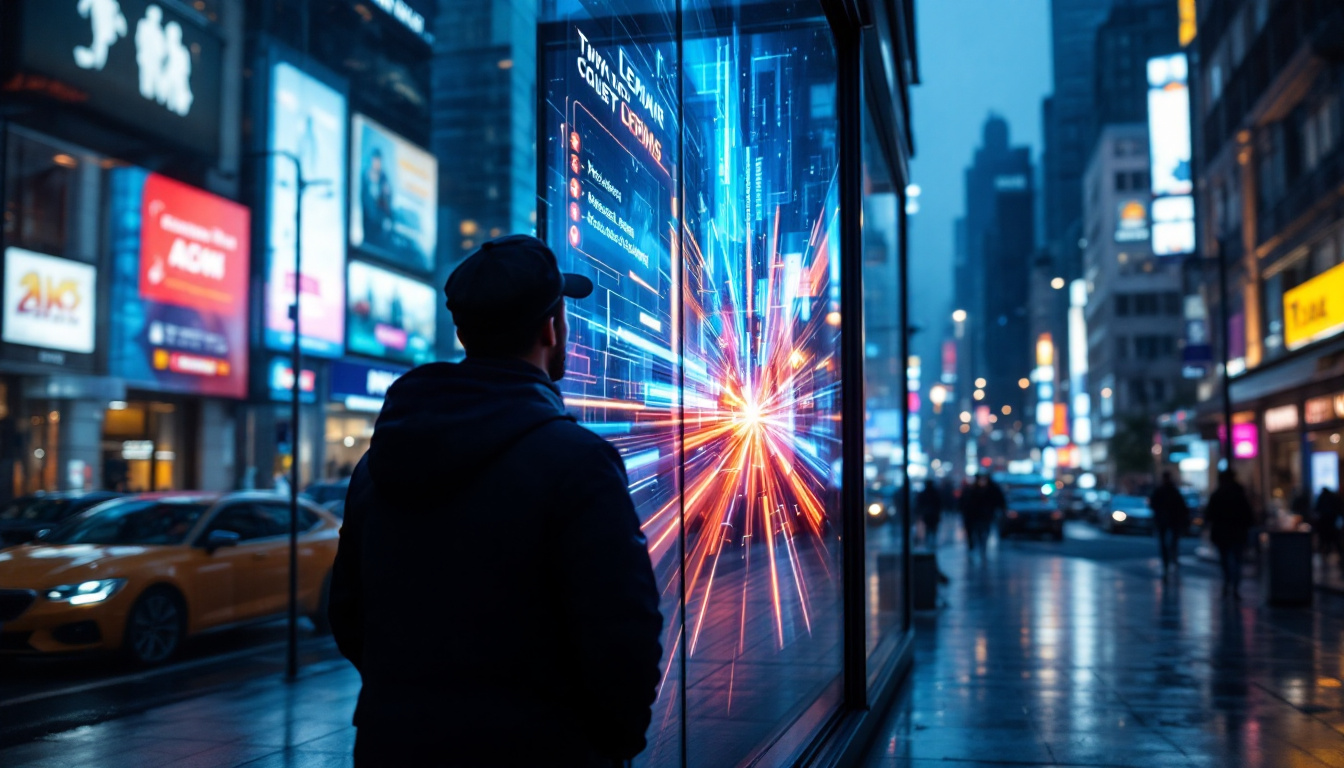
Retailers and advertisers use LED videowalls to attract customers with dynamic, eye-catching displays. Digital billboards and storefront screens can showcase promotions, brand messages, and interactive content that adapts in real time. According to recent market research, digital out-of-home advertising, which heavily relies on LED videowalls, is projected to grow at a compound annual growth rate (CAGR) of over 12% through 2026.
Entertainment and Sports Venues
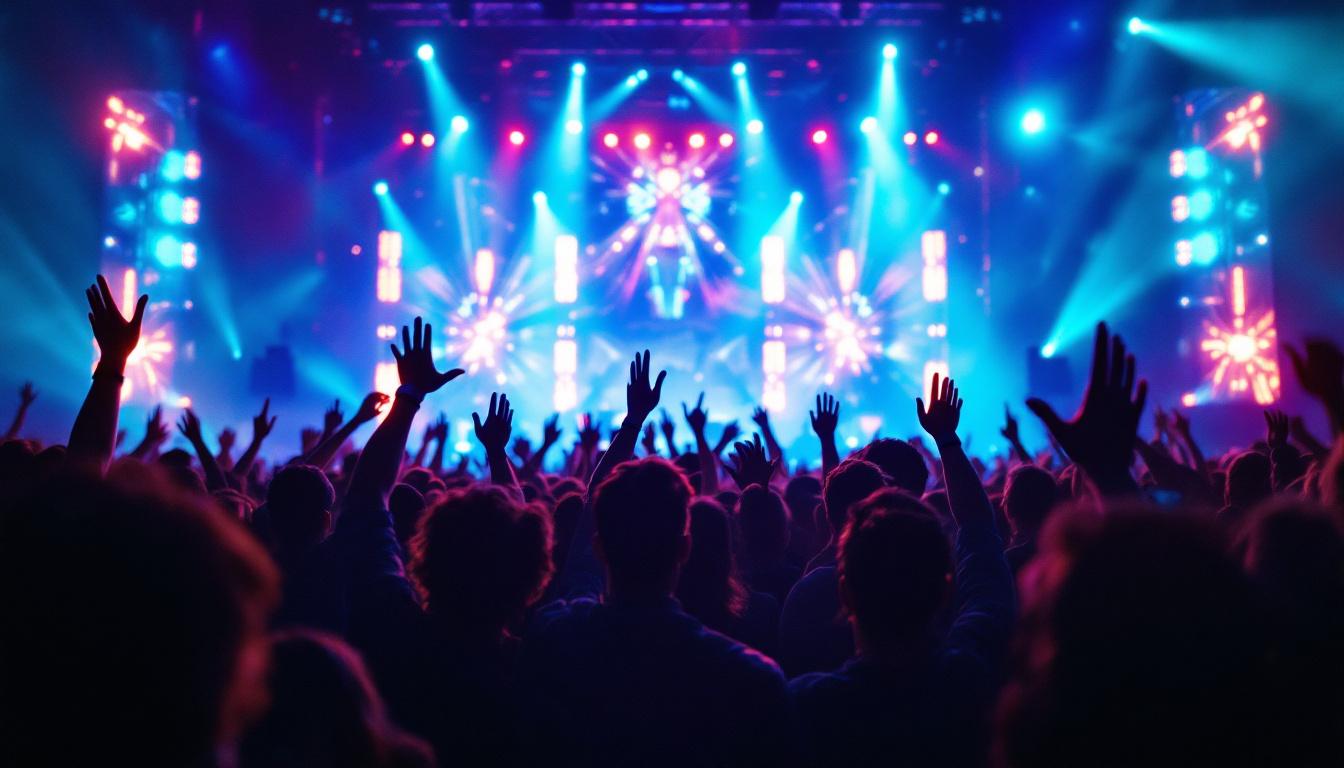
Stadiums, concert halls, and theaters utilize massive LED videowalls to enhance the spectator experience. From live video feeds and instant replays to immersive visual effects, these displays contribute to the atmosphere and engagement. The 2022 FIFA World Cup, for example, featured state-of-the-art LED videowalls that delivered crystal-clear images to tens of thousands of fans in the stadium and millions watching worldwide.
Control Rooms and Command Centers
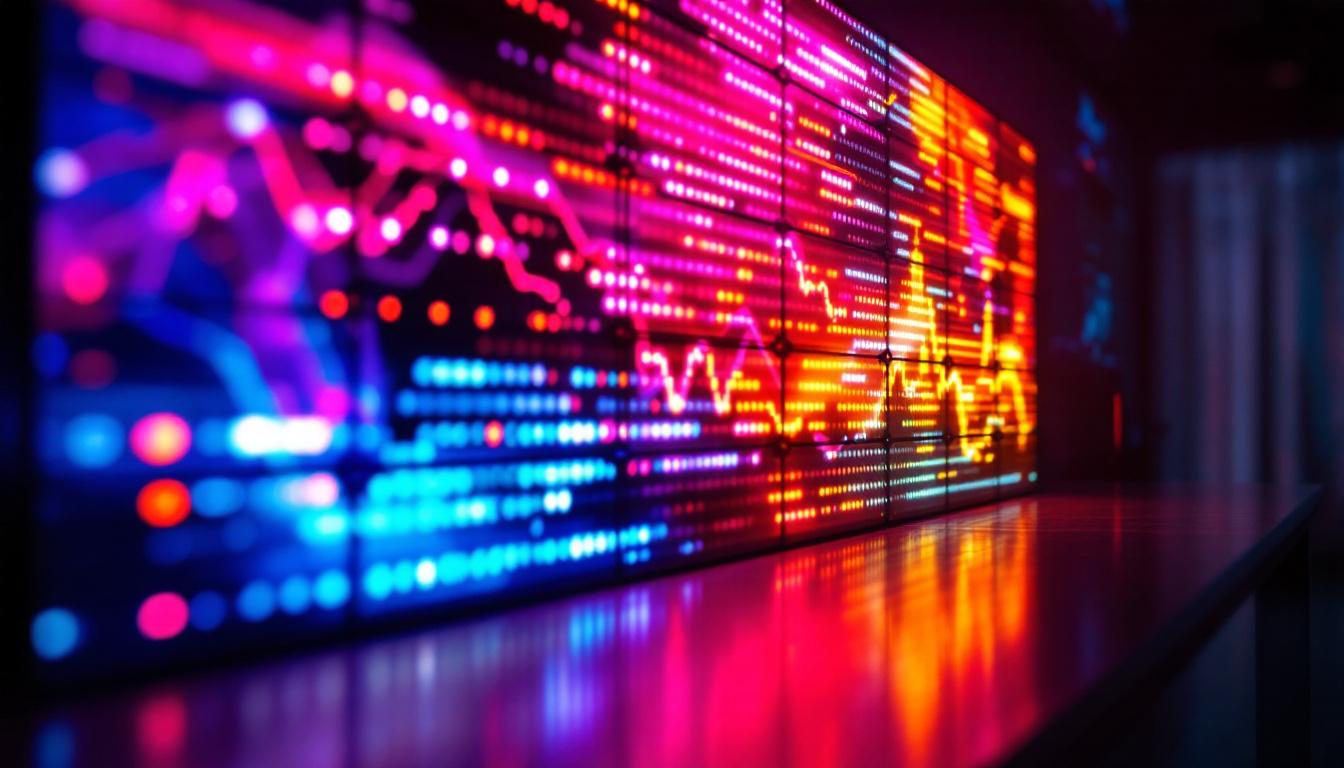
In mission-critical environments such as traffic management, security monitoring, and emergency response, LED videowalls provide operators with real-time data and situational awareness. The high resolution and brightness enable clear visualization of complex information, facilitating faster decision-making and improved operational efficiency.
Transportation Hubs
Airports, train stations, and bus terminals employ LED videowalls for wayfinding, schedule updates, and advertising. The durability and brightness of LED displays ensure messages remain visible in bustling, often brightly lit spaces.
Choosing the Right LED Videowall: Factors to Consider
Selecting an LED videowall involves balancing technical specifications, environmental conditions, and budget constraints. Here are some key considerations to guide the decision-making process.
Viewing Distance and Pixel Pitch
Understanding the typical viewing distance is essential for choosing an appropriate pixel pitch. As a general rule, the minimum viewing distance (in meters) should be roughly equal to the pixel pitch (in millimeters) divided by 1,000. For instance, a 2.5mm pitch display is suitable for viewers standing about 2.5 meters away or more. Closer viewing requires finer pixel pitches to avoid visible pixelation.
Indoor vs. Outdoor Use
Outdoor LED videowalls must meet stringent requirements for weather resistance, brightness, and temperature tolerance. IP (Ingress Protection) ratings indicate the level of protection against dust and water, with IP65 or higher recommended for outdoor installations. Indoor displays can prioritize higher resolution and contrast without needing extreme brightness levels.
Brightness and Contrast
Consider the ambient lighting conditions of the installation site. Brightness levels of 800 to 1,500 nits typically suffice for indoor environments, while outdoor displays often require 3,000 nits or more to remain visible in daylight. Contrast ratio also impacts image quality, with higher ratios delivering deeper blacks and more vivid colors.
Maintenance and Serviceability
LED videowalls require periodic maintenance to ensure optimal performance. Front-serviceable panels allow technicians to access modules from the front without dismantling the entire structure, reducing downtime and installation complexity. Additionally, modular designs facilitate quick replacement of faulty components.
Content Management and Integration
Effective content management systems (CMS) are critical for scheduling, updating, and controlling videowall content. Compatibility with various input sources, video processors, and control software should be evaluated to ensure seamless integration with existing infrastructure.
Budget and Total Cost of Ownership
While initial investment costs for LED videowalls can be significant, it is important to consider the total cost of ownership, including installation, maintenance, energy consumption, and potential upgrades. Investing in high-quality panels and reliable support can reduce long-term expenses and maximize return on investment.
The Future of LED Videowalls
As LED technology continues to evolve, videowalls are becoming more versatile, efficient, and immersive. Innovations such as microLED and miniLED promise even higher resolutions, better color accuracy, and lower power consumption. Flexible and transparent LED panels are opening new frontiers in architectural design and augmented reality applications.
Artificial intelligence and advanced content analytics are also enhancing the capabilities of videowalls, enabling personalized and context-aware displays that adapt to audience behavior and environmental conditions.
Moreover, sustainability is becoming a priority, with manufacturers focusing on eco-friendly materials and energy-saving technologies to reduce the environmental impact of large-scale digital displays.
Conclusion
LED videowalls represent a dynamic fusion of technology and creativity, offering unparalleled opportunities for communication, branding, and engagement. Their brightness, scalability, and durability make them suitable for a broad spectrum of applications, from corporate environments to large public venues. By understanding the technical aspects and practical considerations outlined in this article, businesses and organizations can make informed decisions to harness the full potential of LED videowalls and create compelling visual experiences that resonate with their audiences.
Discover LumenMatrix LED Display Solutions
Ready to elevate your space with the vibrant, high-resolution imagery of LED videowalls? LumenMatrix, a pioneer in LED display technology, offers a comprehensive range of solutions tailored to meet your unique needs. Whether you’re looking for Indoor LED Wall Displays for your corporate headquarters, Outdoor LED Wall Displays for impactful advertising, or any of our specialized options like Vehicle, Sports, or Floor LED Displays, LumenMatrix has you covered. Embrace the future of visual communication with our Custom, All-in-One, and Transparent LED Displays, designed to captivate your audience and amplify your message. Check out LumenMatrix LED Display Solutions today and transform your visual storytelling into an unforgettable experience.