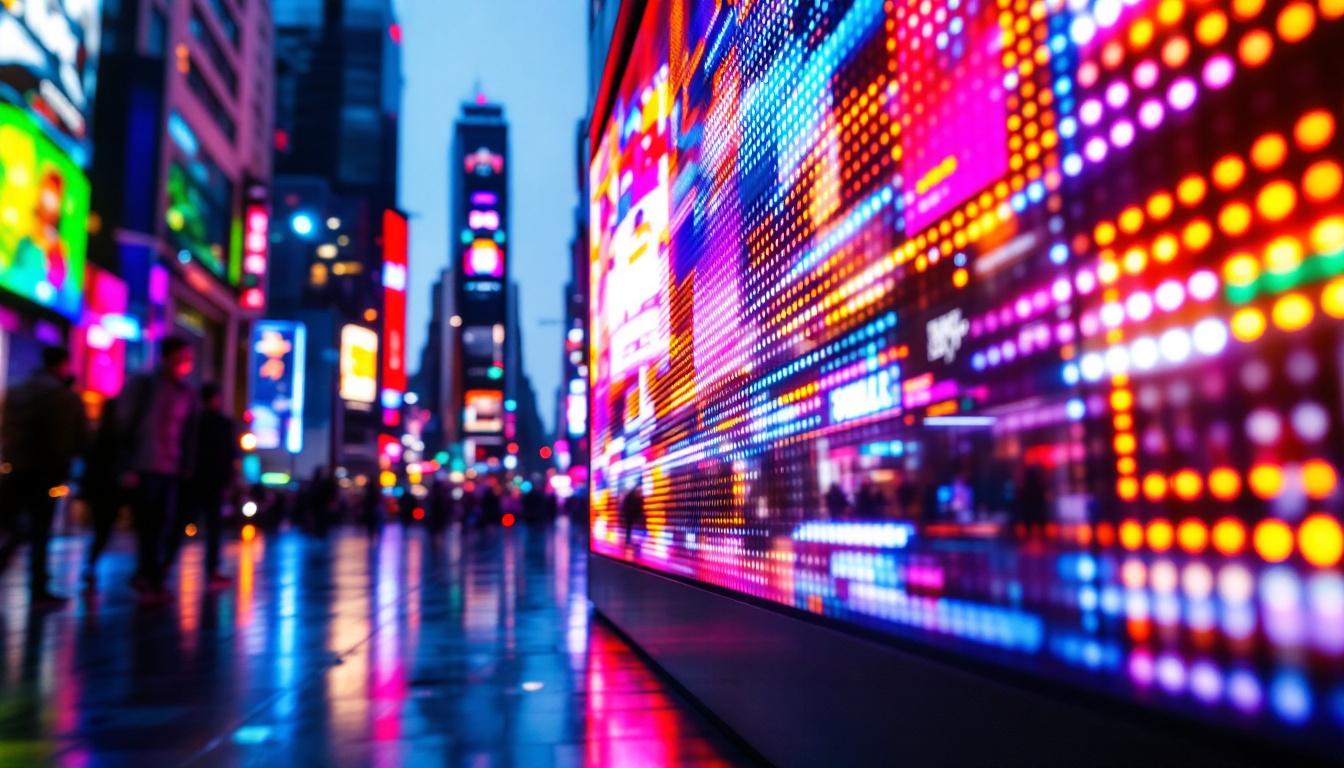
In today’s digital age, LED displays have become an integral part of how information and visuals are communicated across various industries. From the billboards that light up cityscapes to the screens in your smartphone and television, LED technology is everywhere. But what exactly does LED stand for, and how does this technology work? This article delves deep into the meaning of LED, the science behind LED displays, their types, applications, and why they have become the preferred choice for visual display solutions worldwide.
What Does LED Stand For?
LED stands for Light Emitting Diode. It is a semiconductor device that emits light when an electric current passes through it. Unlike traditional light sources such as incandescent bulbs, LEDs do not rely on heating a filament to produce light. Instead, they use a process called electroluminescence, which is more energy-efficient and results in longer-lasting light sources.
The concept of the LED dates back to the early 20th century, but it wasn’t until the 1960s that practical LEDs began to be developed. Initially, they emitted only red light, but advancements in materials science have expanded the color range to include green, blue, white, and more. This versatility has made LEDs the foundation for modern display technologies.
The Science Behind LED Displays
How LEDs Produce Light
At the core of an LED is a semiconductor chip made from materials such as gallium arsenide or gallium nitride. When electricity flows through this chip, electrons recombine with holes within the material, releasing energy in the form of photons — the basic units of light. This process is called electroluminescence.
The color of the light emitted depends on the energy band gap of the semiconductor material, which determines the wavelength of the photons produced. By engineering the semiconductor materials, manufacturers can create LEDs that emit specific colors, enabling the creation of full-color displays.
Components of an LED Display
An LED display is composed of numerous tiny LEDs arranged in a matrix or grid. Each LED acts as a single pixel or part of a pixel, and by controlling the intensity of each LED, the display can render images, videos, or text with high precision. Modern LED displays often use red, green, and blue LEDs in close proximity to produce a wide spectrum of colors through additive color mixing.
Additionally, LED displays incorporate driver circuits, control systems, and protective layers to ensure consistent brightness, color accuracy, and durability. The integration of these components allows LED displays to function effectively in various environments and applications.
Types of LED Displays
1. LED Video Walls
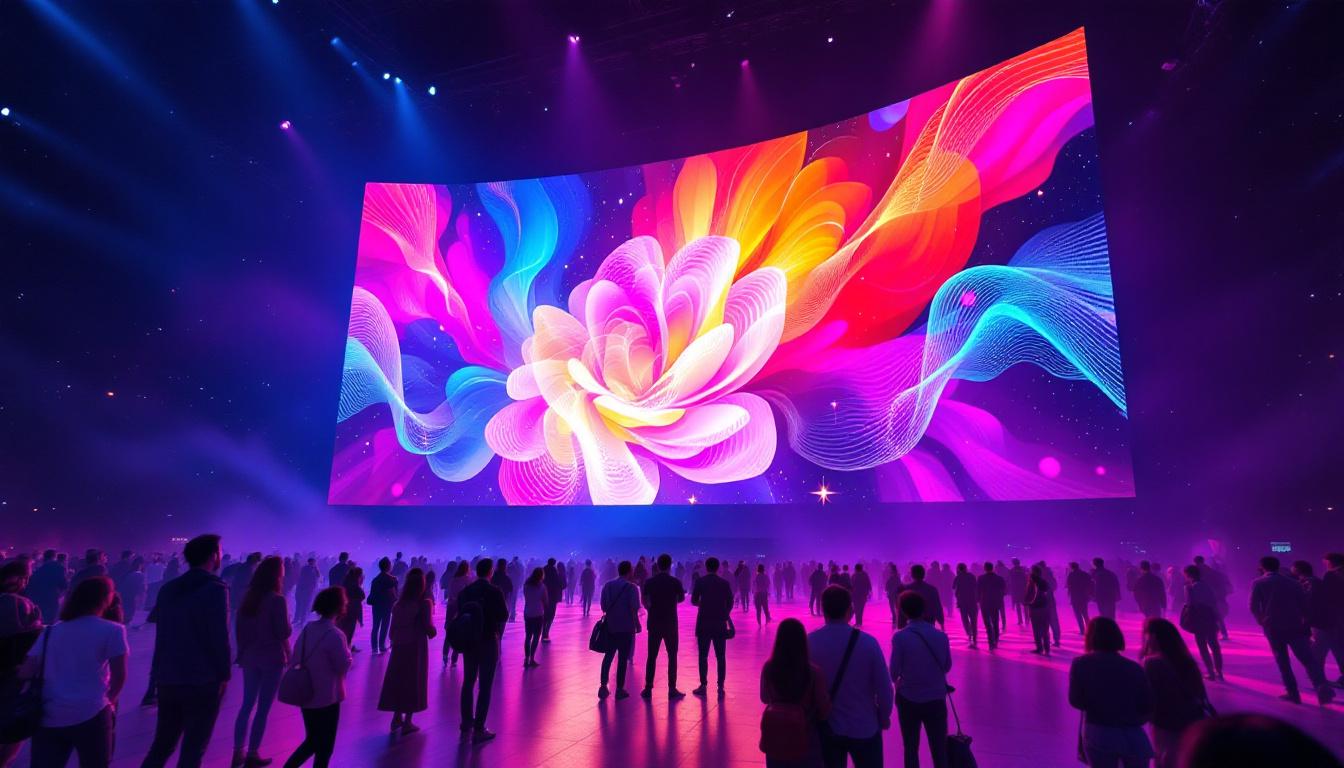
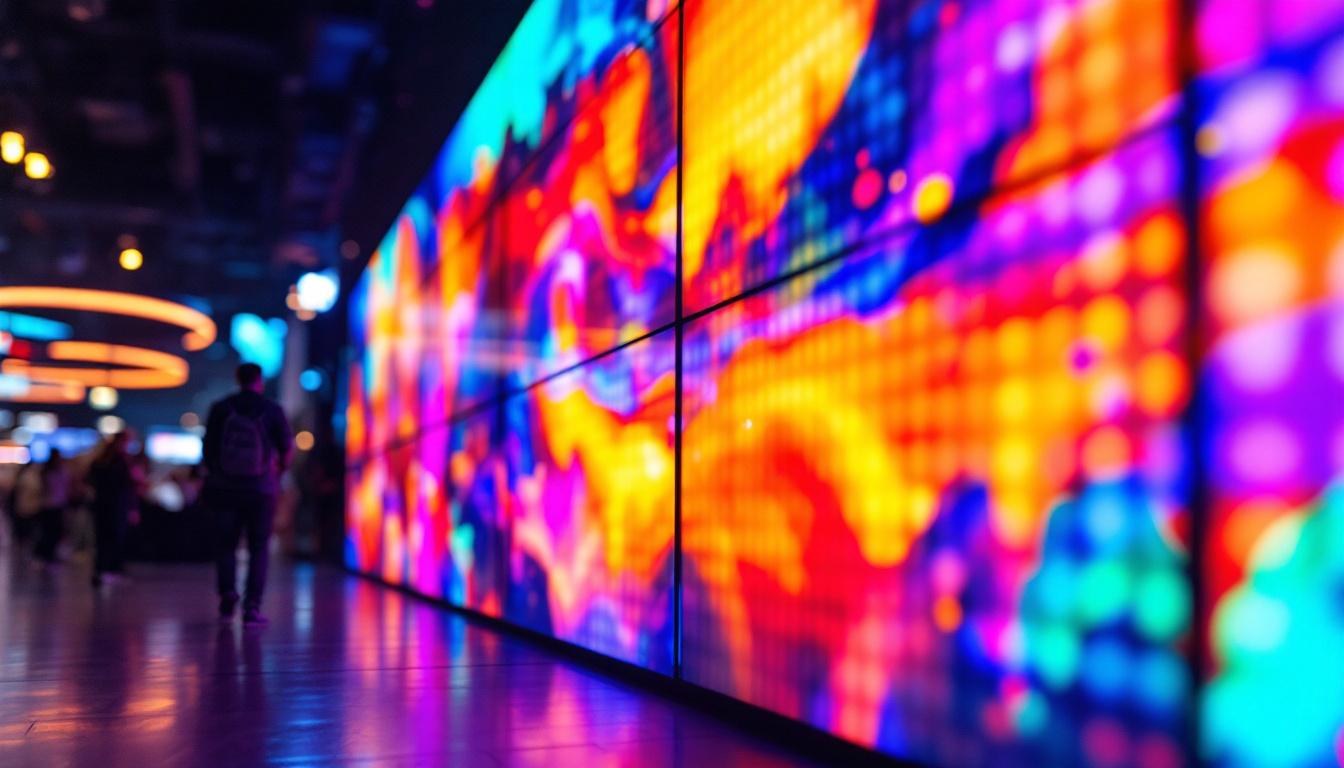
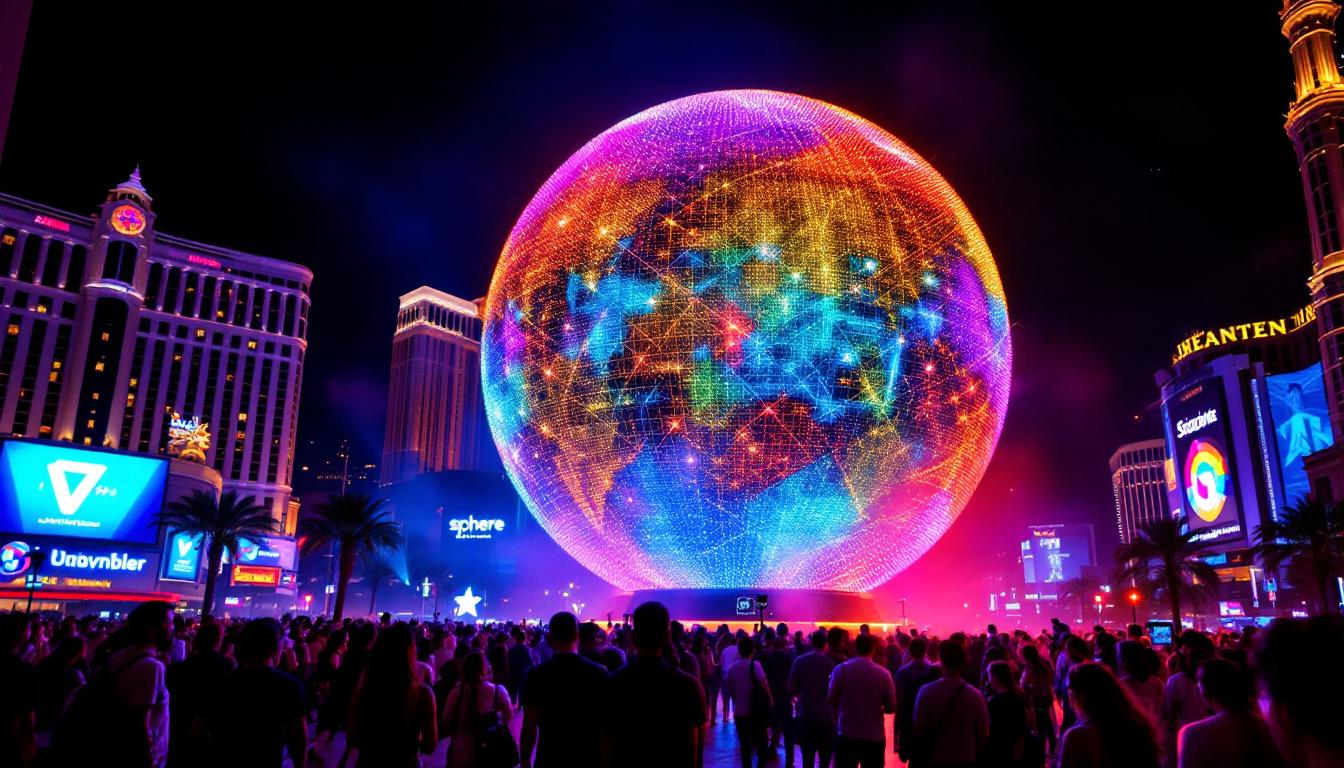
LED video walls are large-scale displays made by combining multiple LED panels seamlessly. These walls are commonly used in stadiums, concerts, advertising billboards, and public information systems. Their modular nature allows for customization in size and resolution, making them suitable for both indoor and outdoor use.
One of the key advantages of LED video walls is their high brightness levels, often exceeding 5,000 nits, which ensures visibility even under direct sunlight. This makes them ideal for outdoor advertising and events.
2. OLED Displays
Organic Light Emitting Diode (OLED) displays are a subset of LED technology where organic compounds emit light in response to an electric current. OLEDs are known for their exceptional color accuracy, deep blacks, and flexibility. They are widely used in smartphones, televisions, and wearable devices.
Unlike traditional LED displays that use a backlight, OLED pixels emit their own light, allowing for thinner screens and improved contrast ratios. However, OLED displays tend to be more expensive and have shorter lifespans compared to standard LED displays.
3. MicroLED Displays
MicroLED technology is an emerging type of LED display that uses microscopic LEDs as individual pixels. This technology promises higher brightness, better energy efficiency, and longer lifespan than OLEDs. MicroLED displays can achieve true black levels and vibrant colors without the drawbacks of organic materials.
Currently, MicroLED displays are primarily in the prototype or early commercial stages, but they hold significant potential for future applications in televisions, augmented reality devices, and large-scale displays.
4. LED Backlit LCDs
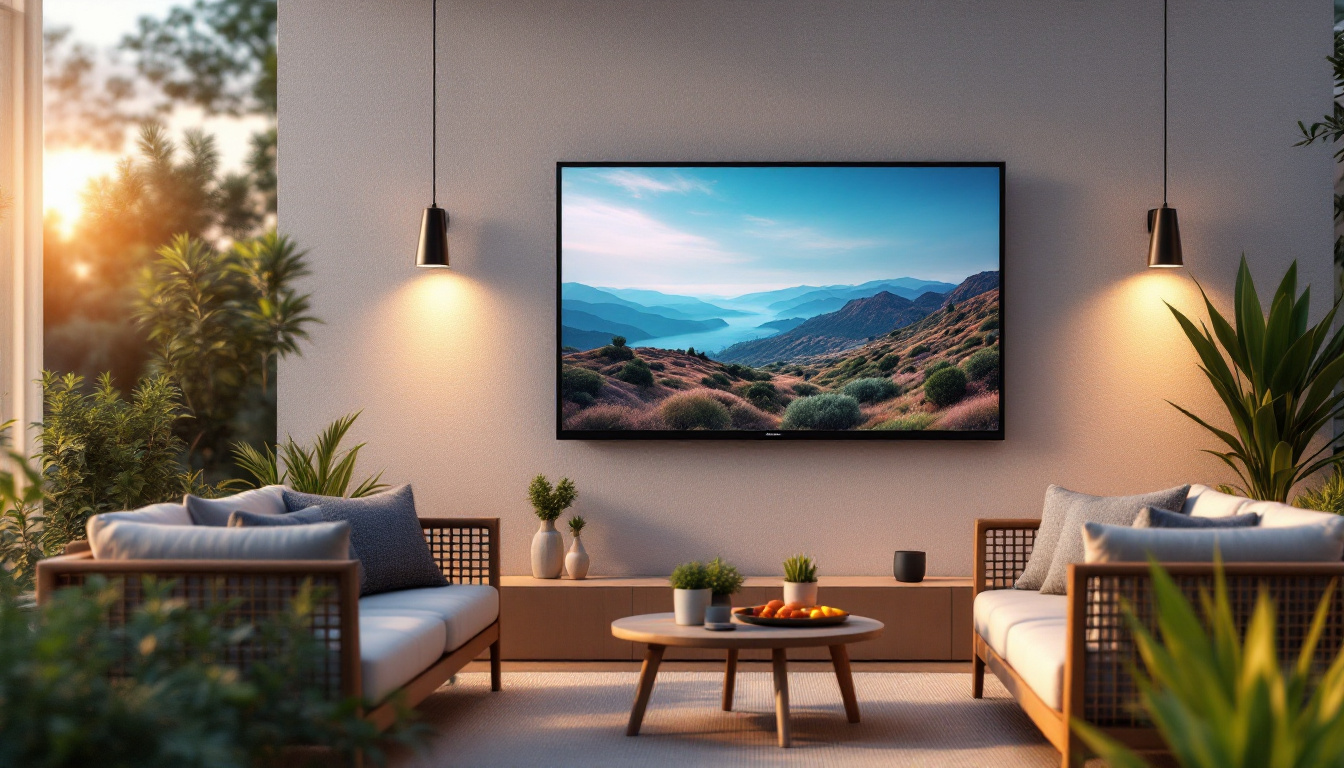
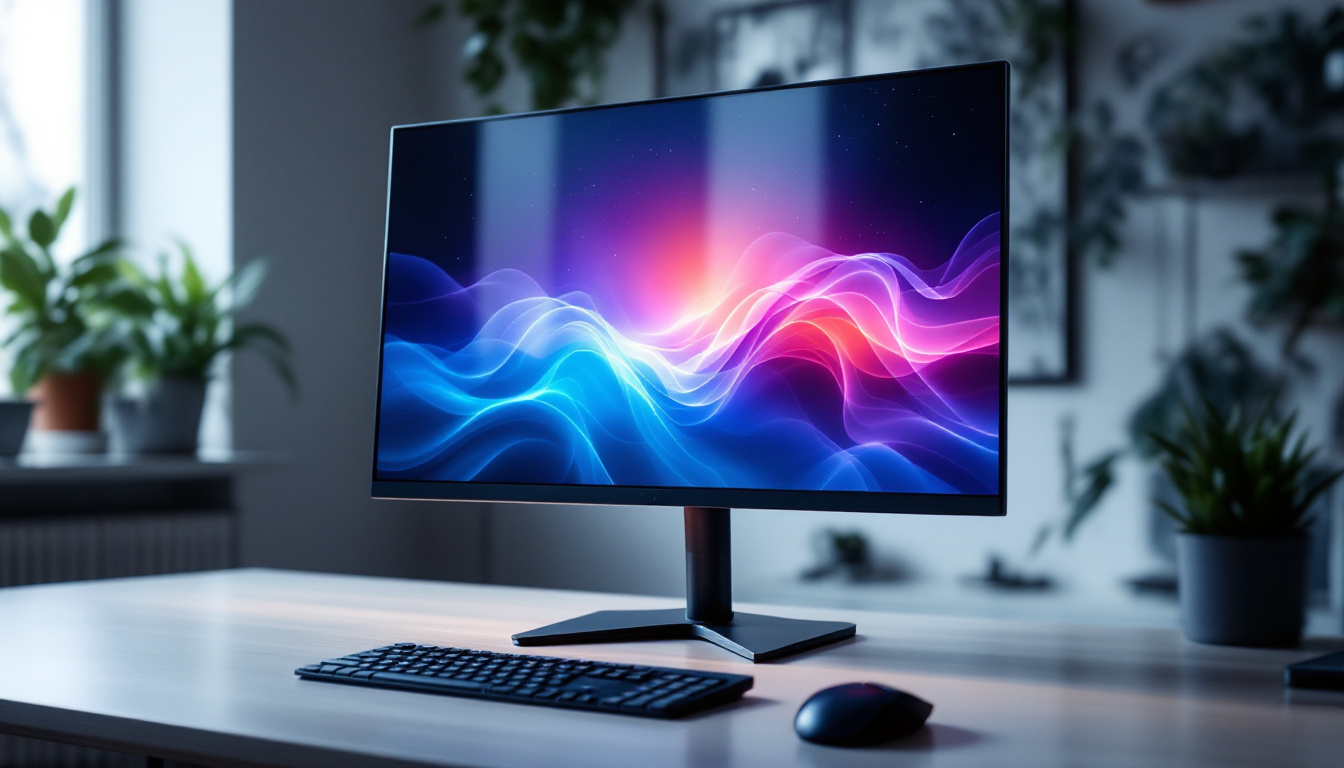
Many modern LCD (Liquid Crystal Display) screens use LEDs as a backlighting source. These LED backlit LCDs combine the color and image control capabilities of LCD technology with the energy efficiency and brightness of LEDs. This hybrid approach is prevalent in computer monitors, televisions, and laptop screens.
LED backlighting can be edge-lit or direct-lit, with direct-lit providing more uniform brightness. This technology has largely replaced older CCFL (cold cathode fluorescent lamp) backlighting due to its environmental benefits and improved performance.
Applications of LED Displays
Advertising and Marketing
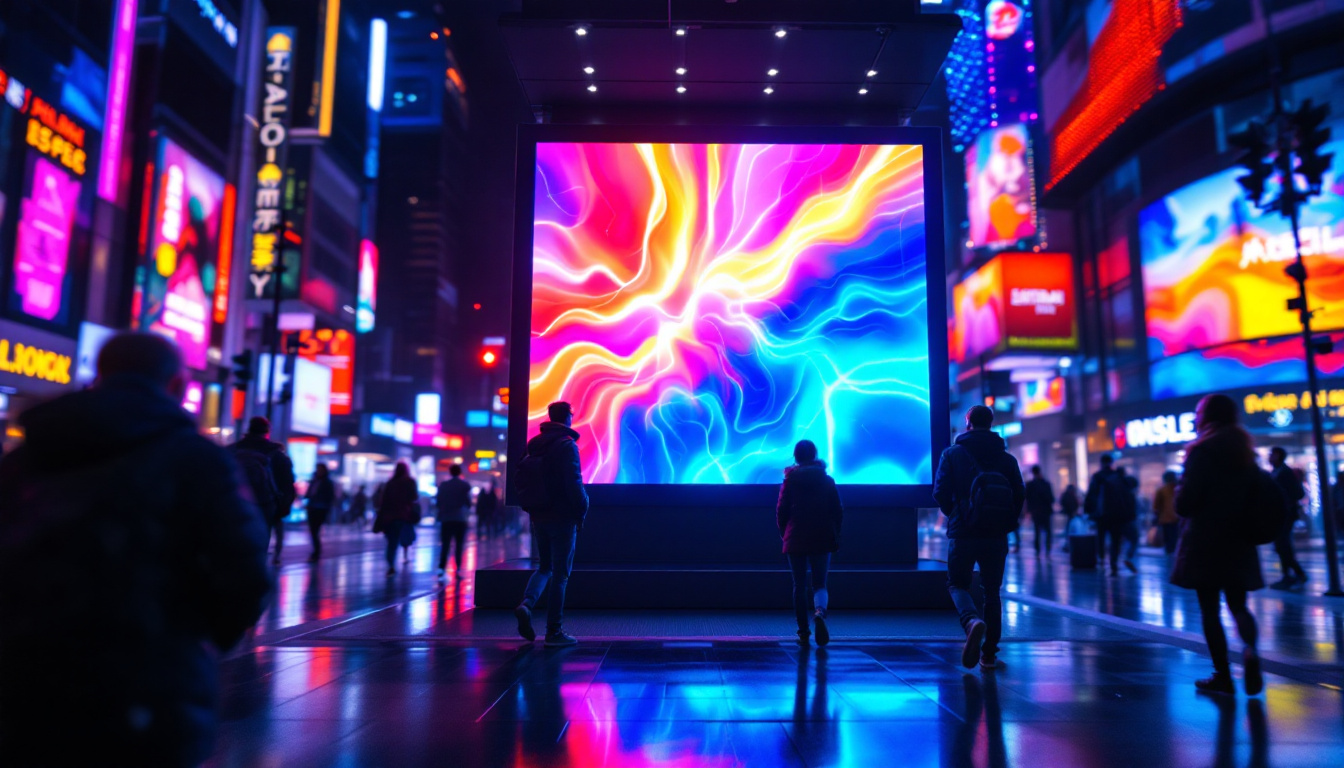
One of the most visible uses of LED displays is in advertising. LED billboards and digital signage capture attention with bright, dynamic content that can be updated in real-time. According to a 2023 market report by Grand View Research, the global digital signage market is expected to reach $32 billion by 2028, driven largely by LED display adoption.
LED displays enable advertisers to deliver targeted messages, incorporate interactive features, and reduce costs associated with printing physical advertisements. Their durability and brightness make them suitable for both indoor malls and outdoor urban environments.
Entertainment and Events
Concerts, sports arenas, and theaters rely heavily on LED displays to enhance audience experience. From giant screens that broadcast live action to intricate stage backdrops, LED technology allows for vibrant visuals that are visible from great distances.
LED video walls can be configured in various shapes and sizes, offering creative freedom for event organizers. Their ability to handle high refresh rates and vivid colors makes them ideal for immersive multimedia presentations.
Transportation and Public Information
LED displays are widely used in transportation hubs such as airports, train stations, and bus terminals to provide real-time information like arrival times, delays, and gate changes. Their high visibility and reliability ensure passengers stay informed.
Additionally, LED traffic signs and variable message signs improve road safety by delivering clear instructions and warnings to drivers. These applications benefit from LEDs’ low power consumption and long operational life.
Retail and Hospitality
Retail stores use LED displays to showcase promotions, product information, and interactive content that enhances customer engagement. In hospitality, hotels and restaurants employ LED signage for branding and wayfinding purposes.
The flexibility of LED displays allows businesses to customize content quickly, adapting to seasonal campaigns or special events without the need for physical replacements.
Healthcare and Education
In healthcare settings, LED displays facilitate patient monitoring, digital wayfinding, and telemedicine applications. Their clarity and reliability are essential for conveying critical information.
Educational institutions use LED displays for digital noticeboards, interactive learning tools, and campus communication. The ability to display multimedia content supports diverse teaching methods and enhances student engagement.
Advantages of LED Displays
Energy Efficiency
LED displays consume significantly less power than traditional display technologies. For example, LED backlit LCDs use up to 40% less energy than CCFL-backlit counterparts. This efficiency translates into lower operational costs and reduced environmental impact, making LEDs a sustainable choice for businesses and municipalities.
Brightness and Visibility
LED displays offer superior brightness levels, often adjustable to suit ambient lighting conditions. This ensures clear visibility in various environments, from dim indoor settings to bright outdoor locations. High brightness also improves color vibrancy, enhancing the overall visual experience.
Durability and Longevity
LEDs are solid-state devices, meaning they are more resistant to shock, vibration, and external impacts compared to fragile components like glass tubes or filaments. Typical LED lifespans range from 50,000 to 100,000 hours, reducing maintenance and replacement costs.
Design Flexibility
The small size of LEDs allows for versatile design options, including curved displays, flexible screens, and ultra-thin panels. This adaptability supports innovative applications in architecture, fashion, and consumer electronics.
Challenges and Considerations
Initial Cost
While LED displays offer long-term savings, the upfront investment can be higher than traditional display options. Businesses and organizations must weigh the benefits of energy efficiency and durability against initial expenses.
Color Accuracy and Calibration
Maintaining consistent color accuracy across large LED displays requires precise calibration and quality control. Variations in LED manufacturing and environmental factors can affect color uniformity, necessitating regular maintenance.
Environmental Impact
Although LEDs are more environmentally friendly than many alternatives, their production involves rare earth elements and semiconductor materials that require responsible sourcing and recycling practices to minimize ecological footprint.
The Future of LED Displays
Advancements in LED technology continue to push the boundaries of what is possible in display design and functionality. Emerging trends include the integration of artificial intelligence for adaptive content, the development of transparent and flexible LED screens, and the expansion of MicroLED technology into mainstream consumer products.
As the demand for high-quality, energy-efficient displays grows, LEDs are poised to remain at the forefront of visual communication solutions. Their versatility and performance make them indispensable across industries, shaping how information and entertainment are delivered worldwide.
Conclusion
LED stands for Light Emitting Diode, a revolutionary technology that has transformed the display industry. From the fundamental science of electroluminescence to the wide array of display types and applications, LEDs offer unmatched benefits in energy efficiency, brightness, durability, and design flexibility. Whether illuminating a bustling city street with vibrant advertisements or providing crystal-clear visuals in a medical facility, LED displays continue to enhance how people interact with the world around them.
Understanding the nuances of LED technology empowers businesses, designers, and consumers to make informed decisions about adopting LED displays. As technology evolves, the potential for LED displays to innovate and inspire remains vast, promising a bright future for this illuminating technology.
Discover the Future of Visual Display with LumenMatrix
Ready to elevate your visual communication with the latest in LED technology? LumenMatrix is at the forefront of innovation, offering a wide range of LED display solutions designed to captivate and engage. From Indoor and Outdoor LED Walls to specialized displays for vehicles, sports, and custom installations, our products are crafted to deliver unparalleled clarity and impact. Experience the difference with LumenMatrix and transform your space into a dynamic visual environment. Check out LumenMatrix LED Display Solutions today and join the revolution in display technology.