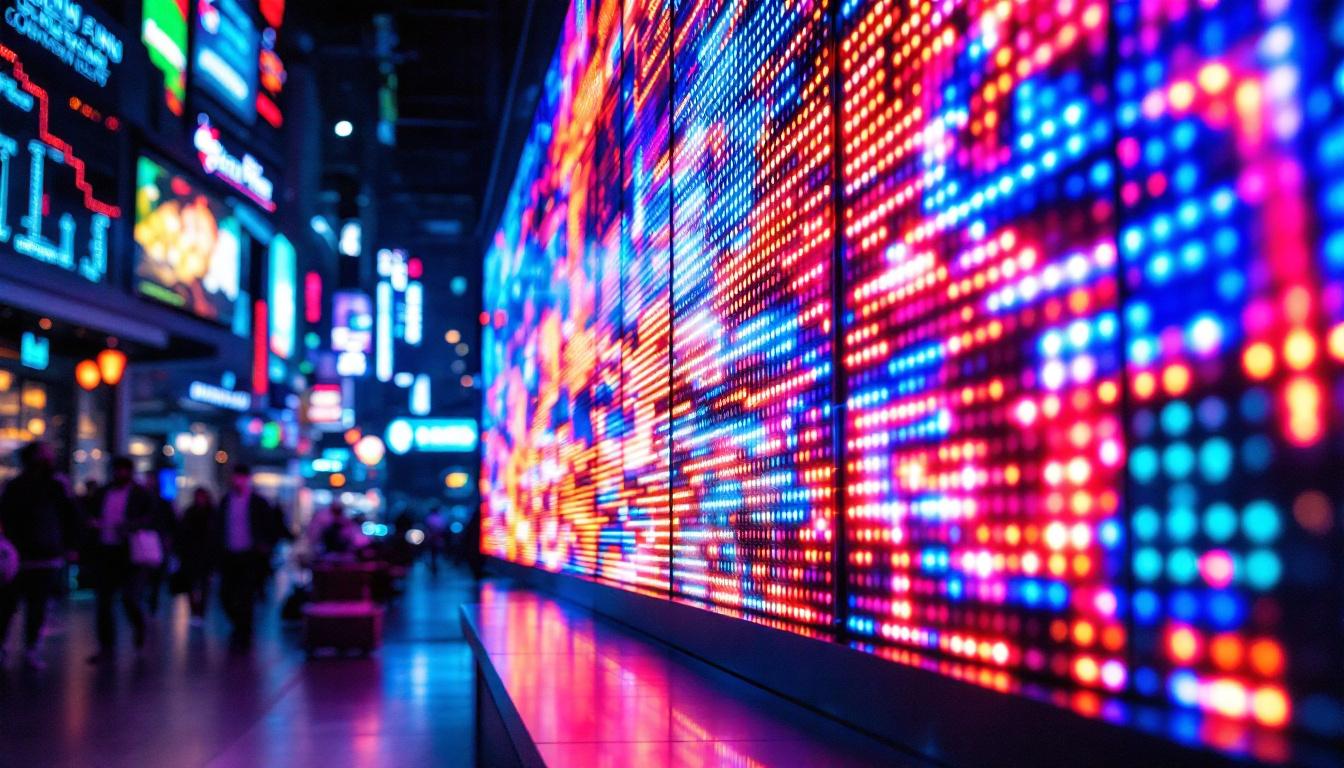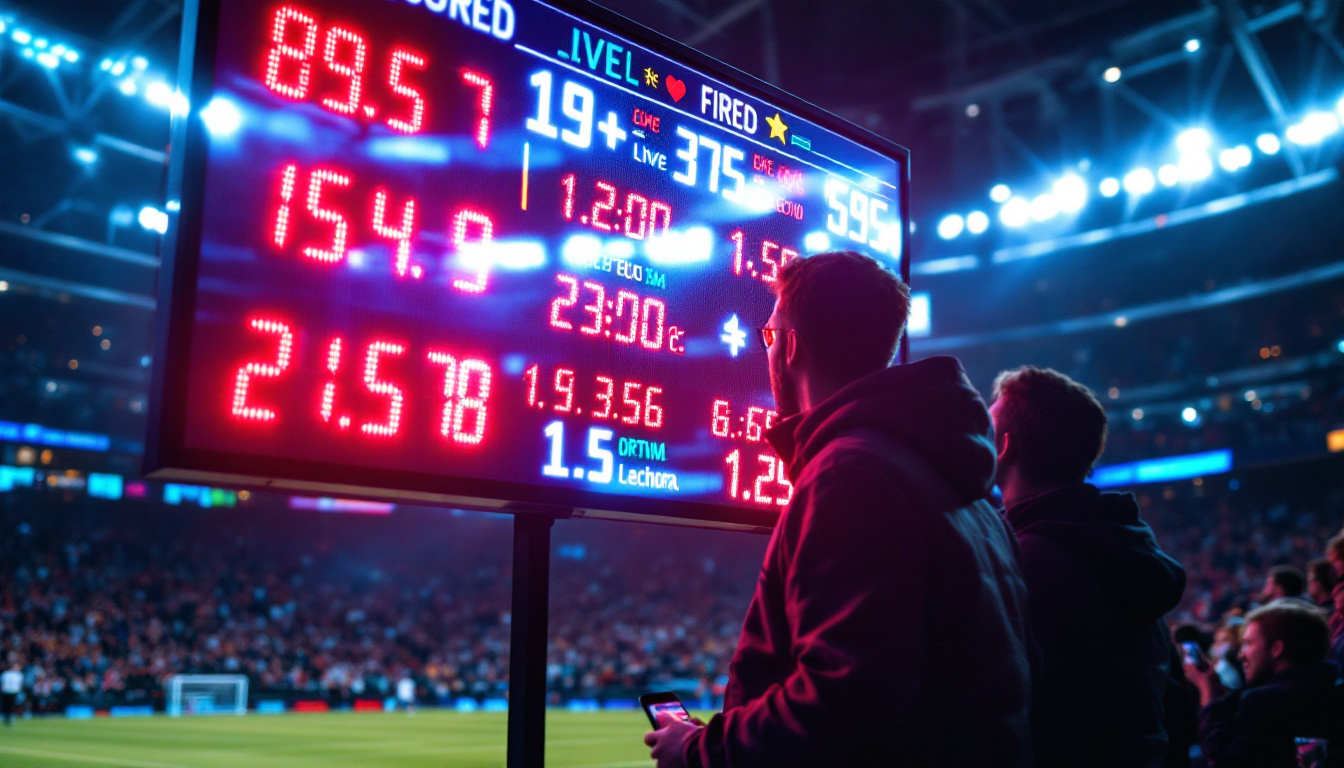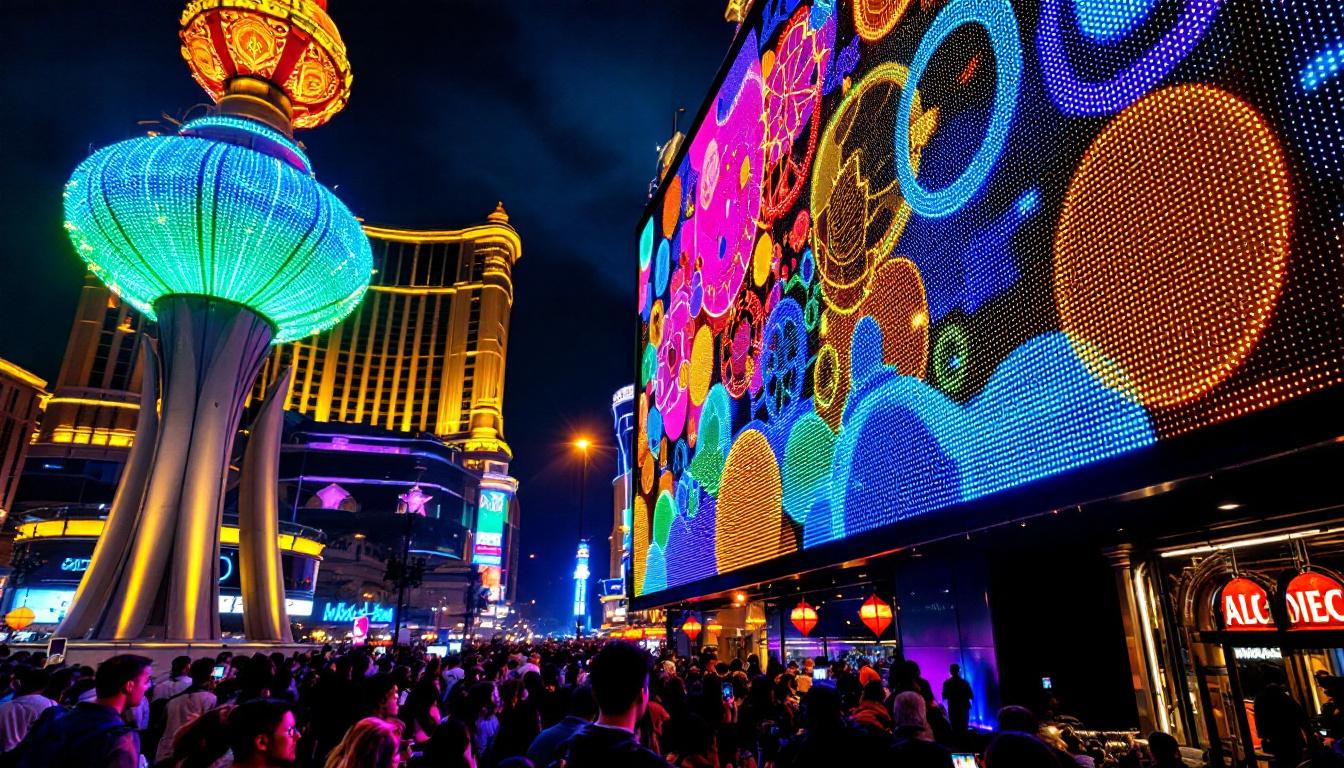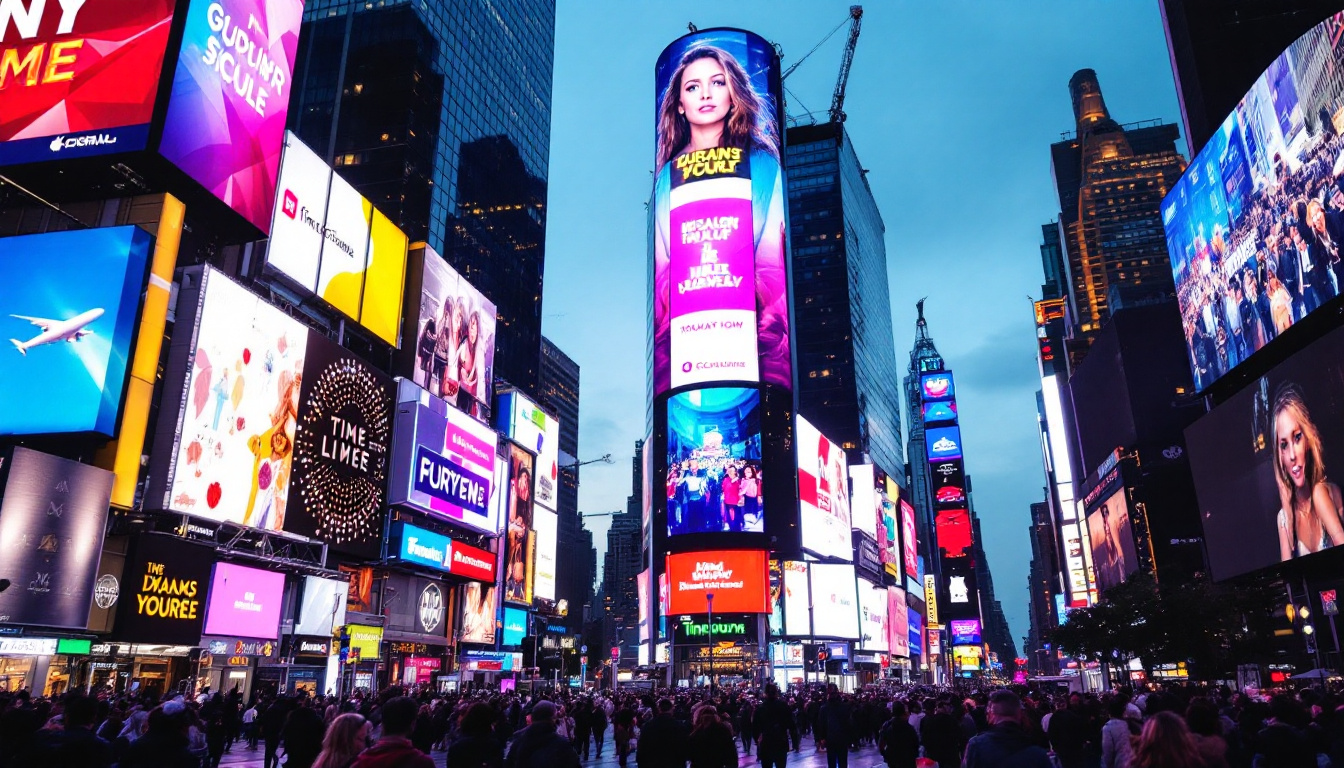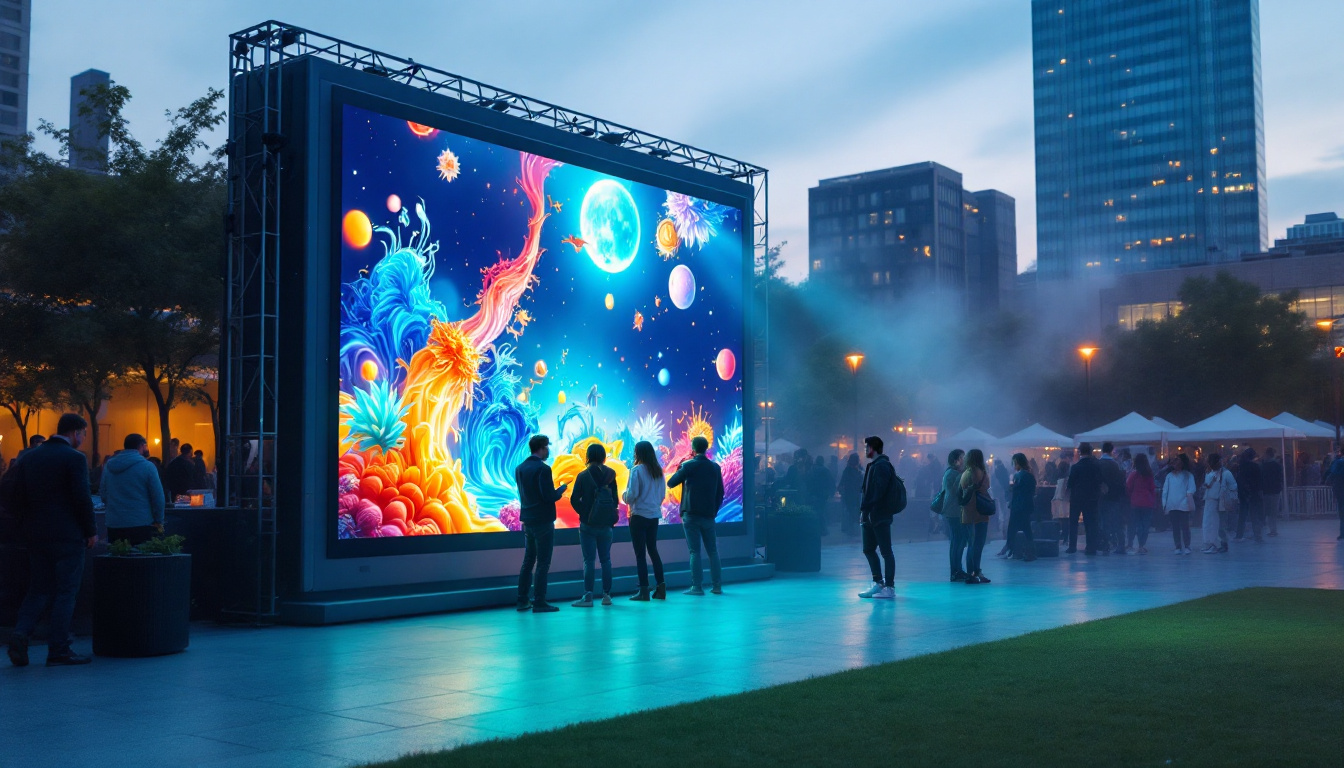
In the rapidly evolving world of digital technology, LED displays have become a cornerstone of visual communication. From the vibrant billboards in city centers to the crisp screens of smartphones and televisions, LED technology powers countless devices and installations worldwide. But what exactly is inside an LED display? How does it work, and why has it become the preferred choice for so many applications? This article delves deep into the components, technology, and applications of LED displays, providing a comprehensive understanding of what makes them so effective and ubiquitous.
Understanding LED Technology: The Basics
LED stands for Light Emitting Diode, a semiconductor device that emits light when an electric current passes through it. Unlike traditional incandescent bulbs, LEDs are highly energy-efficient, durable, and capable of producing bright, vibrant colors. The fundamental principle behind an LED is electroluminescence, where electrons recombine with holes within the device, releasing energy in the form of photons.
The first practical visible-spectrum LED was developed in the early 1960s, and since then, the technology has evolved dramatically. Today’s LEDs are used not only for indicator lights but also as the core component in large-scale displays, lighting solutions, and even medical devices. Their versatility has led to widespread adoption in various industries, including automotive, agriculture, and consumer electronics, where they are valued for their long lifespan and low heat output.
The Anatomy of an LED
At its core, an LED consists of a chip made from semiconductor materials such as gallium arsenide or gallium phosphide. This chip is mounted on a lead frame and encapsulated in a plastic lens that helps focus and protect the light. The semiconductor layers are doped to create a p-n junction, which is essential for the diode’s ability to emit light.
When voltage is applied, electrons move across the junction and recombine with holes, releasing energy as photons. The wavelength (color) of the emitted light depends on the materials used and the energy band gap of the semiconductor. This tunability allows for a wide spectrum of colors, making LEDs ideal for applications ranging from mood lighting to high-intensity task lighting. Furthermore, advancements in technology have led to the development of white LEDs, which combine different colors to produce a broad spectrum of light, closely mimicking natural daylight.
In addition to their color versatility, LEDs are also known for their remarkable efficiency. They convert a higher percentage of electrical energy into light compared to traditional bulbs, which waste much of their energy as heat. This efficiency not only reduces energy consumption but also lowers electricity bills and minimizes environmental impact. As a result, many governments and organizations are promoting the transition to LED lighting as part of broader energy conservation efforts, highlighting the technology’s role in creating a more sustainable future.
What Is Inside an LED Display?
While the LED itself is a small light source, an LED display is a complex assembly of many such LEDs arranged to form images, videos, or text. Understanding what goes inside an LED display involves exploring its key components and how they work together.
LED Modules and Pixels
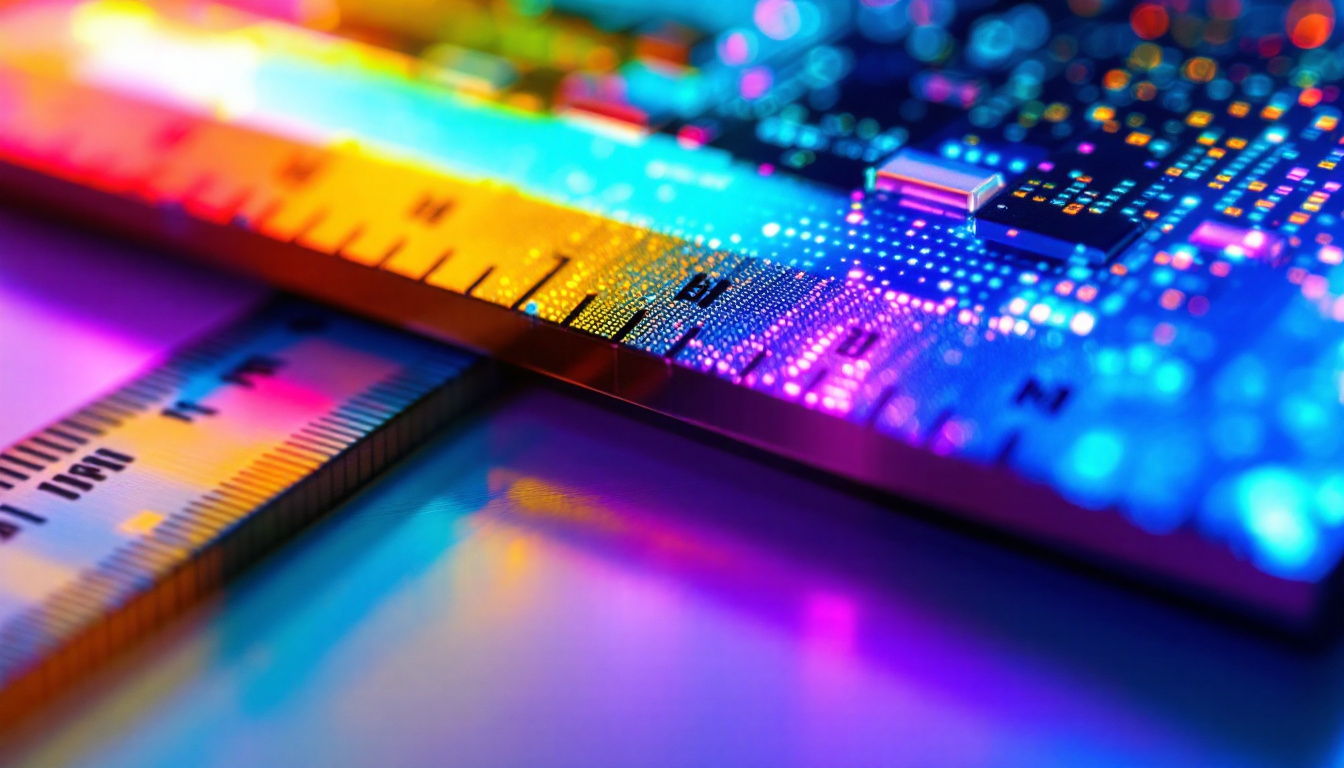
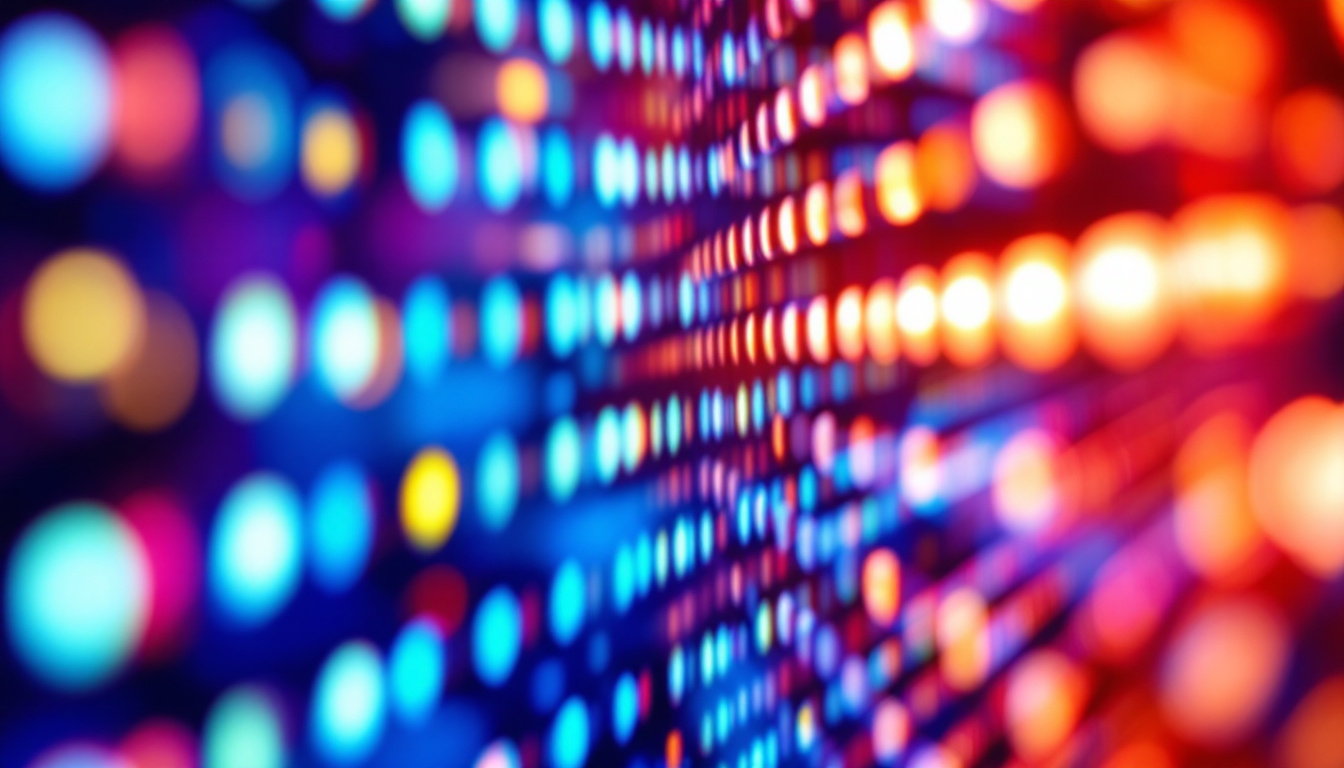
At the heart of an LED display are LED modules, which are panels containing multiple LEDs arranged in a grid. Each LED or group of LEDs represents a pixel—the smallest controllable element of the display. The resolution and clarity of the display depend on the number of pixels and the pitch, which is the distance between the centers of two adjacent pixels.
For color displays, each pixel typically consists of three LEDs: red, green, and blue (RGB). By varying the intensity of these three LEDs, a wide spectrum of colors can be produced, enabling full-color images and video playback.
Driving Electronics and Control Systems
LEDs require precise electrical control to produce the desired brightness and color. This is managed by driver circuits that regulate current flow to each LED. In an LED display, these drivers are integrated into the modules and controlled by a central processing unit or controller.
The controller receives input signals from a video source and translates them into commands that adjust the brightness of individual LEDs in real-time. This process involves complex timing and synchronization to ensure smooth motion and accurate color reproduction.
Power Supply and Heat Management
LED displays consume power to illuminate thousands or millions of LEDs simultaneously. A reliable power supply is essential to maintain consistent brightness and prevent flickering. Additionally, LEDs generate heat during operation, which can affect performance and lifespan if not managed properly.
Heat sinks, ventilation systems, and sometimes active cooling solutions are integrated into LED displays to dissipate heat efficiently. This thermal management ensures the display operates safely and maintains optimal brightness over extended periods.
Types of LED Displays and Their Applications
LED displays come in various forms, each tailored for specific environments and uses. Understanding these types helps illustrate the versatility of LED technology.
Indoor LED Displays
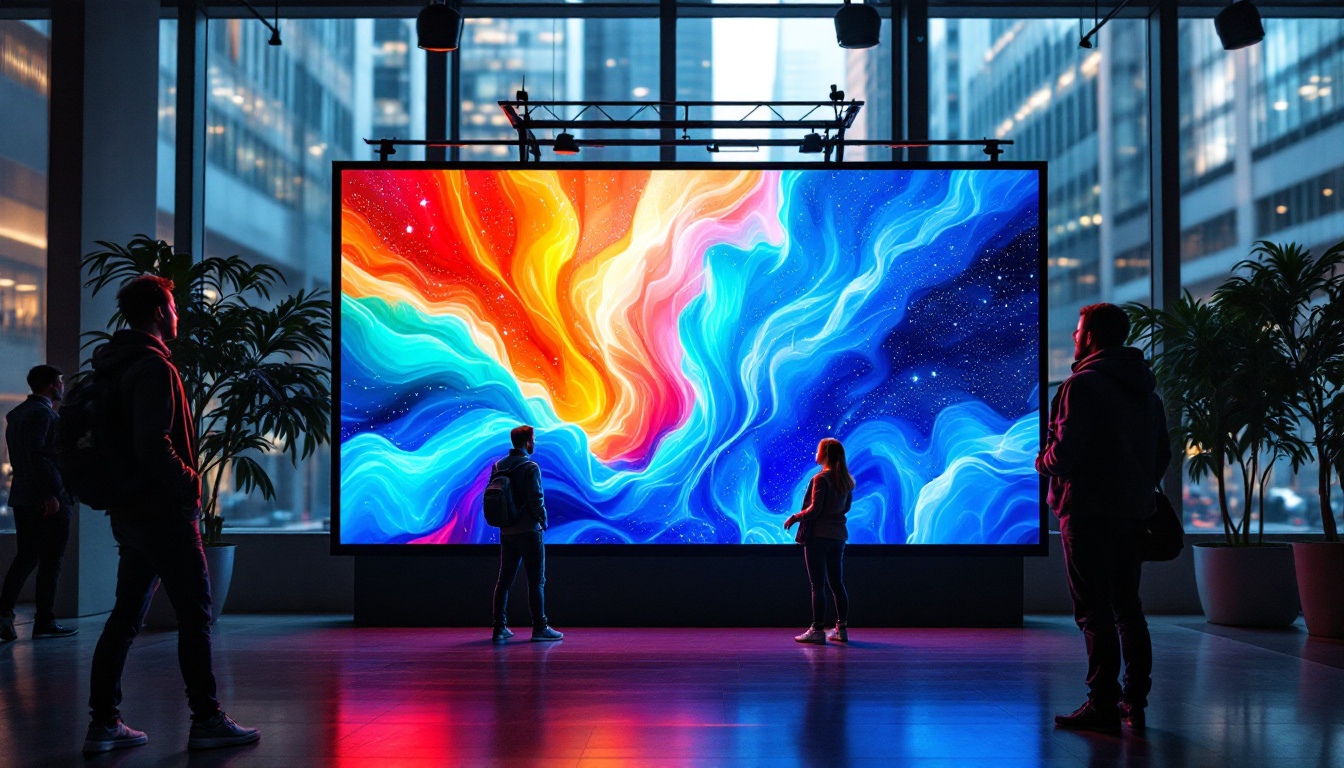
Indoor LED displays are designed for controlled environments such as shopping malls, conference rooms, and broadcast studios. They typically have a smaller pixel pitch (often less than 2mm), allowing for high resolution and detailed images at close viewing distances.
These displays are used for digital signage, presentations, and entertainment, offering bright, vivid visuals with excellent color accuracy. Their compact design and low heat output make them suitable for indoor use where space and aesthetics are important.
Outdoor LED Displays
Outdoor LED displays are built to withstand harsh weather conditions, including rain, wind, and extreme temperatures. They have a larger pixel pitch (ranging from 4mm to over 20mm) to ensure visibility from greater distances.
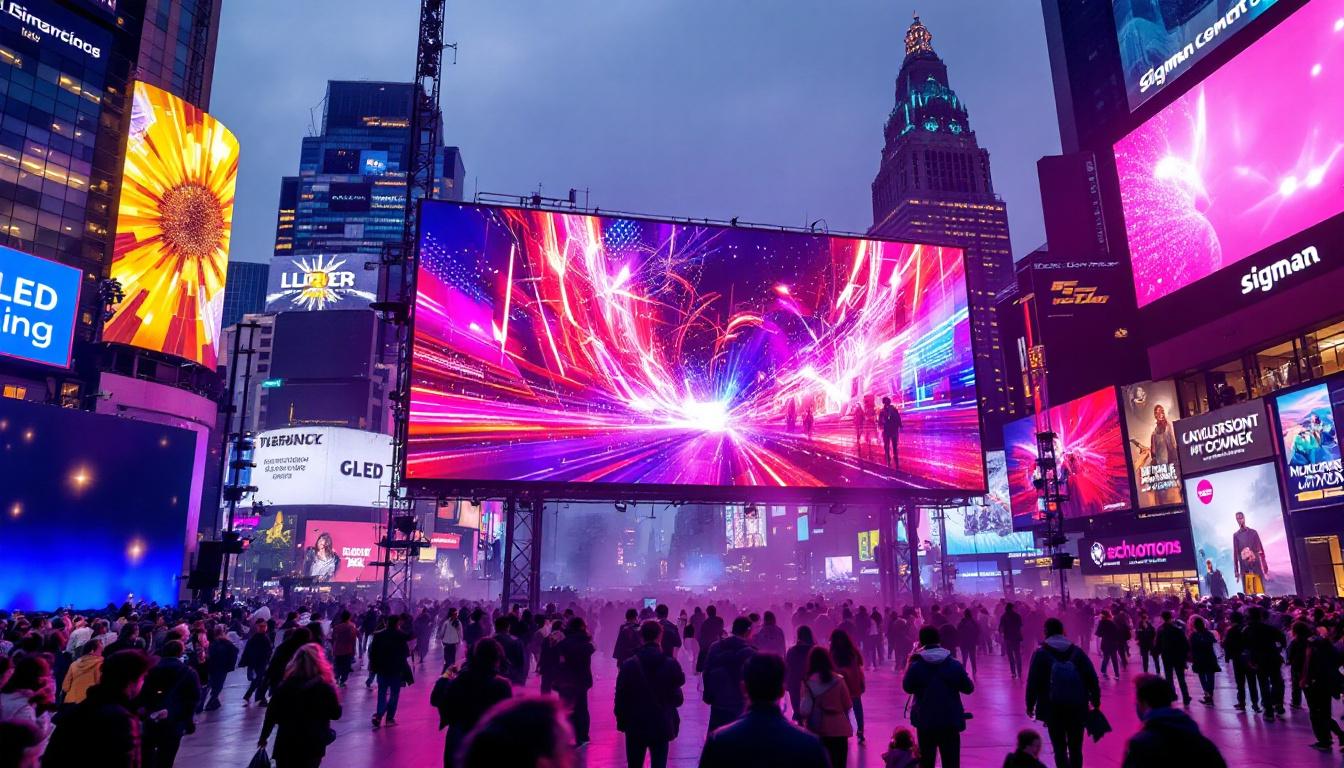
Common applications include billboards, sports stadium screens, and public information boards. These displays are engineered with robust enclosures, waterproofing, and enhanced brightness levels—often exceeding 5,000 nits—to remain visible even in direct sunlight.
Transparent and Flexible LED Displays
Innovations in LED technology have led to the development of transparent and flexible LED displays. Transparent displays allow light to pass through, making them ideal for storefront windows and architectural installations where maintaining visibility is crucial.
Flexible LED displays use bendable substrates, enabling them to conform to curved surfaces. This versatility opens up creative possibilities in advertising, stage design, and wearable technology.
Advantages of LED Displays Over Other Technologies
LED displays have surged in popularity due to several key advantages compared to traditional display technologies such as LCD and plasma.
Energy Efficiency and Longevity
LEDs consume significantly less power than incandescent or fluorescent lighting, making LED displays more energy-efficient. This efficiency translates into lower operating costs, especially for large-scale installations that run continuously.
Additionally, LEDs have a longer lifespan—often exceeding 50,000 hours—reducing maintenance and replacement frequency. This durability is particularly valuable for outdoor displays exposed to environmental stressors.
Brightness and Visibility
One of the most notable benefits of LED displays is their exceptional brightness. LEDs can achieve luminance levels that outperform LCD and plasma screens, ensuring clear visibility in bright ambient conditions, including direct sunlight.
This brightness, combined with high contrast ratios and wide viewing angles, makes LED displays ideal for both indoor and outdoor applications where visibility is paramount.
Color Accuracy and Flexibility
With the ability to control individual red, green, and blue LEDs at the pixel level, LED displays offer superior color accuracy and a broad color gamut. This capability supports vivid, lifelike images and smooth video playback.
Moreover, LED displays can be manufactured in various shapes and sizes, from tiny wearable screens to massive stadium displays, providing unmatched design flexibility.
Challenges and Considerations in LED Display Technology
Despite their many advantages, LED displays also present challenges that designers and operators must consider.
Cost and Initial Investment
High-quality LED displays, especially those with fine pixel pitches and advanced features, can be expensive to produce and install. The initial investment may be significant compared to other display technologies, although the long-term operational savings often justify the cost.
Pixel Pitch and Viewing Distance
The pixel pitch directly influences the display’s resolution and optimal viewing distance. A smaller pixel pitch provides higher resolution but increases manufacturing complexity and cost. Conversely, larger pixel pitches reduce resolution but are suitable for viewing from afar.
Choosing the right pixel pitch requires careful assessment of the intended application and audience viewing distance to ensure the best visual experience.
Environmental Impact and Recycling
While LEDs are more environmentally friendly than many lighting options due to their energy efficiency, the production and disposal of LED displays involve materials that require responsible handling. Manufacturers and users are increasingly focusing on sustainable practices, including recycling programs and reducing hazardous substances in LED components.
The Future of LED Displays
LED display technology continues to advance rapidly, driven by innovations in materials, manufacturing, and digital processing.
MicroLED and MiniLED Technologies
Emerging technologies like MicroLED and MiniLED promise even greater brightness, contrast, and energy efficiency. MicroLEDs are tiny LEDs that can be used to create displays with exceptional resolution and color accuracy, rivaling OLED technology without some of its drawbacks, such as burn-in.
MiniLEDs, which are slightly larger than MicroLEDs but smaller than traditional LEDs, are already being integrated into high-end TVs and monitors to improve backlighting and image quality.
Integration with Smart Technologies
LED displays are becoming more intelligent, integrating with IoT (Internet of Things) systems, AI-driven content management, and interactive features. This integration enhances user engagement and allows for dynamic, context-aware content delivery across various sectors, including retail, transportation, and entertainment.
Sustainability and Energy Innovations
As energy efficiency remains a priority, future LED displays will likely incorporate advanced power management and renewable energy integration. Innovations in materials science may also lead to more sustainable manufacturing processes and easier recyclability.
Conclusion
LED displays are a marvel of modern technology, combining the simplicity of light-emitting diodes with sophisticated electronics and design to create powerful visual communication tools. Understanding what is inside an LED display—from the tiny semiconductor chips to the complex control systems—reveals why these displays have become so prevalent across industries and applications.
With their unmatched brightness, energy efficiency, and versatility, LED displays are set to remain at the forefront of digital display technology. As innovations continue to emerge, the future holds exciting possibilities for even more immersive, efficient, and sustainable visual experiences.
Discover the Future of Visual Communication with LumenMatrix
Ready to elevate your visual messaging with cutting-edge LED display technology? LumenMatrix is at the forefront of innovation, offering a wide range of LED display solutions designed to captivate and engage your audience. From stunning Indoor LED Walls to dynamic Outdoor LED Displays and beyond, our products are crafted to deliver unparalleled brand visibility and memorable visual experiences. Explore our solutions, including Vehicle LED Displays, LED Posters, Sports Displays, and even Custom LED configurations tailored to your unique needs. Embrace the revolution in digital signage and let LumenMatrix help you communicate with impact. Check out LumenMatrix LED Display Solutions and transform your space today.